
The Role of Women in the Social Structure of Ancient Indian Civilizations

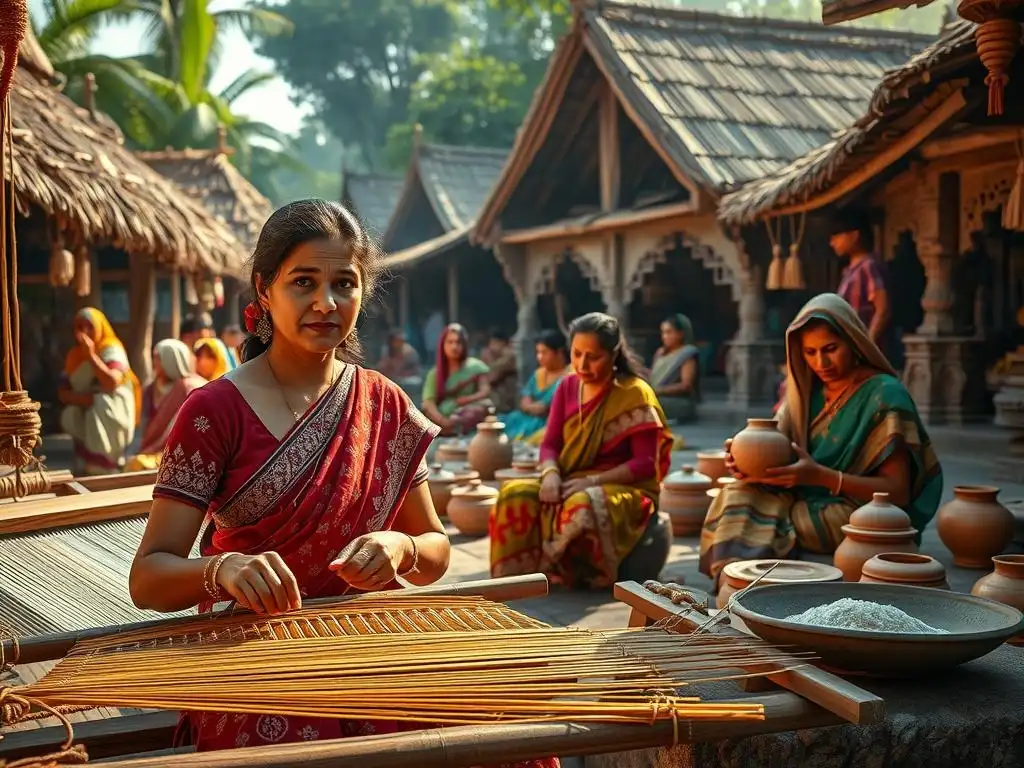
Welcome to Ancient India History, where we invite you to embark on a fascinating journey through the rich tapestry of one of the world's oldest civilizations. In this exploration, we delve into the captivating theme of Women in Ancient Indian Society, uncovering the pivotal roles they played within the social structure of ancient civilizations. From the influential figures of the Indus Valley to the revered matriarchs of the Gupta Empire, the stories of these remarkable women are woven into the very fabric of India’s past.
Prepare to be intrigued as we reveal how their contributions shaped society and culture, and discover the legacies that continue to resonate today. Join us as we unravel the layers of history and celebrate the extraordinary impact of women throughout the ages!
Introduction to Women in Ancient Indian Society
The role of women in ancient Indian society is a multifaceted subject that reflects the complexities of the social structure in various civilizations, from the Indus Valley to the Gupta Empire. Women were not merely passive figures; they played critical roles in family life, economic activities, and even in religious practices. The status and influence of women varied significantly across different periods and regions, shaped by factors such as class, caste, and local customs. Their contributions—whether in maintaining household economies, participating in rituals, or influencing political matters—underscore the inherent value placed on women's roles in these societies.
In exploring the theme of Women in Ancient Indian Society, we uncover layers of historical significance that challenge the modern perception of gender roles. Understanding these dynamics allows for a richer appreciation of the socio-cultural fabric of ancient India, highlighting how women's experiences were interwoven with the broader historical narrative.
Importance of Understanding Women's Roles in Ancient Civilizations
Understanding the roles of women in ancient Indian civilizations is crucial for several reasons:
- Cultural Insights: Women were often the custodians of cultural traditions, passing down knowledge and practices through generations. By studying their roles, we gain insights into the values, beliefs, and societal norms of ancient Indian life.
- Social Structures: The position of women can reveal much about the social hierarchies and class structures of the time. Analyzing their status helps us understand the broader implications of caste systems and family dynamics.
- Economic Contributions: Women contributed significantly to the economy, whether through agriculture, textile production, or trade. Recognizing their economic roles challenges the narrative of women being confined to domestic spheres.
- Political Influence: In some periods, women held power or influence in political arenas, whether through royal patronage or advisory roles. Their involvement in governance illustrates a more complex picture of leadership and authority in ancient societies.
- Lessons for Modern Society: Examining the historical context of women's roles can inform contemporary discussions on gender equality, empowerment, and the evolving nature of women's rights.
By delving into the roles of women in ancient Indian civilizations, we not only illuminate their contributions but also foster a deeper understanding of the historical forces that shaped present-day Indian society. This exploration is essential for anyone interested in the rich tapestry of India's past and the enduring legacies of its diverse cultures.
- Introduction to Women in Ancient Indian Society
- Importance of Understanding Women's Roles in Ancient Civilizations
Historical Overview of Women in Ancient Indian Societies
Early Civilizations: Women in the Indus Valley
The Indus Valley Civilization (IVC), which thrived from approximately 3300 to 1300 BCE, provides some of the earliest insights into the status of women in ancient Indian society. Archaeological evidence suggests that women in the IVC enjoyed a relatively high status compared to their counterparts in later periods.
Key Aspects of Women's Lives in the IVC:
- Economic Participation: Women were actively involved in various economic activities, including agriculture, textile production, and pottery. The presence of female figurines, often associated with fertility and domestic life, indicates their central role in both the household and the economy.
- Religious Significance: Various seals and figurines depict women in ritualistic roles, hinting at their involvement in religious practices. This suggests that women held a significant place in spiritual life, possibly as priestesses or participants in rituals.
- Social Structure: The absence of overt symbols of patriarchy in urban planning and artifacts implies a more egalitarian social structure where women had a voice in both family and community matters.
The evidence from the Indus Valley indicates a complex and nuanced role for women, characterized by both autonomy and participation in various aspects of society.
Vedic Period: Rights and Status of Women
The Vedic Period, spanning from about 1500 to 500 BCE, marked significant changes in the status and rights of women in ancient Indian society. The Vedic texts provide a mixed portrayal of women, showcasing both empowerment and restriction.
Rights and Social Status:
- Education and Learning: Vedic texts mention women who were scholars and poets, indicating their access to education. Figures like Gargi and Maitreyi are celebrated for their intellectual contributions, suggesting that women were encouraged to pursue knowledge.
- Marriage and Family Life: Marriage during this period was often a sacramental union, and women were expected to participate actively in household management. However, the practice of "swayamvara" (self-choice marriage) allowed women some agency in choosing their partners, highlighting a degree of autonomy.
- Legal Rights: Women had the right to own property and participate in rituals, although these rights varied significantly based on caste and social class. The Manusmriti, a later legal text, began to impose restrictions on women's rights, reflecting a shift towards a more patriarchal structure.
The Vedic Period was a time of both empowerment and constraint for women, as societal norms began to evolve, influencing their roles in family and society.
Post-Vedic Era: Evolution of Women's Roles
The Post-Vedic Era, particularly during the later centuries BCE to the early Common Era, saw significant transformations in the roles and status of women in ancient Indian society. This period was marked by the rise of new religious movements and the establishment of various dynasties, each impacting women's lives differently.
Changes in Roles and Status:
- Rise of Patriarchy: The emergence of the caste system and the consolidation of patriarchal norms led to a decline in women's rights. The emphasis on women's roles as wives and mothers became dominant, often relegating them to the private sphere.
- Religious Influence: With the rise of Buddhism and Jainism, women found new avenues for spiritual participation. Buddhist texts mention female practitioners and nuns, allowing women to engage in religious life outside traditional family roles.
- Cultural Depictions: Literature and art from this era increasingly reflected the idealization of women as paragons of virtue and devotion, often depicting them in subservient roles. However, there were also representations of strong female characters, indicating a complex view of women's roles.
The Post-Vedic Era marked a significant evolution in the roles of women, with both constraining and liberating elements shaping their experiences. The dynamic nature of women's status throughout ancient Indian history reflects broader societal changes and cultural shifts, illuminating the multifaceted nature of women in ancient Indian society.
The Caste System and Its Impact on Women's Lives
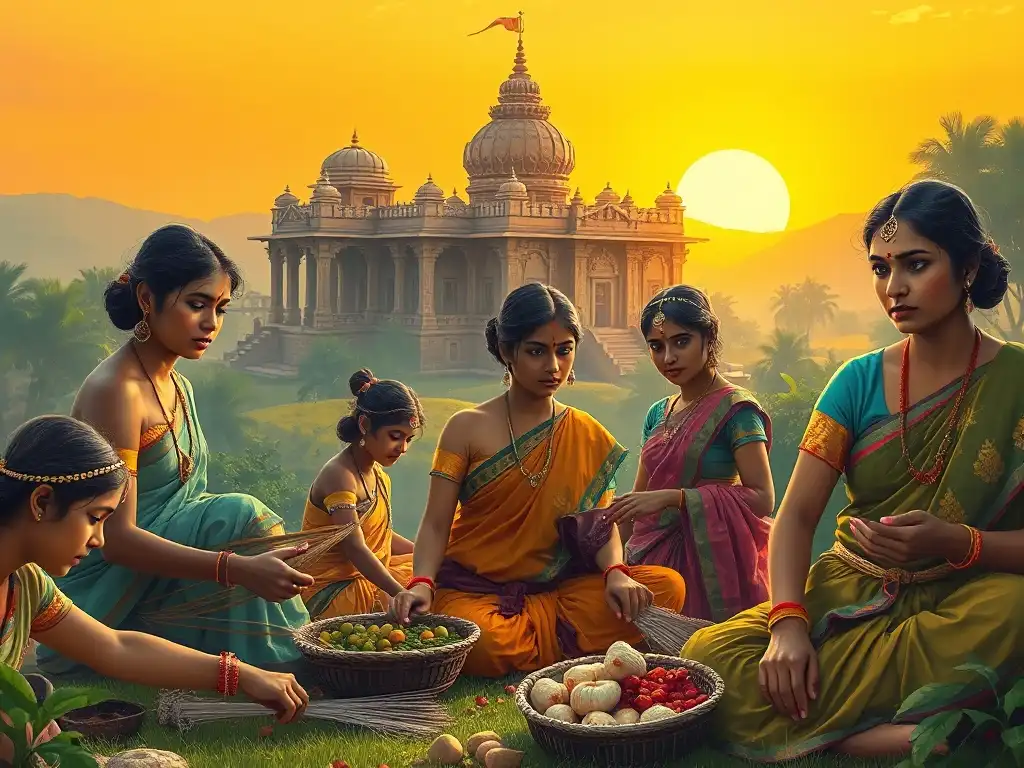
The caste system in ancient India was a complex social structure that significantly influenced the lives of women across various strata of society. Within this framework, women’s roles were often determined by their caste and family lineage. The system classified society into four primary varnas: Brahmins (priests and scholars), Kshatriyas (warriors and rulers), Vaishyas (traders and agriculturists), and Shudras (laborers and service providers). Each caste had distinct expectations and duties, which extended to the women within those groups.
- Brahmin Women: Women from the Brahmin caste were generally educated and held a respected position in society. They often had opportunities to engage in spiritual practices and rituals. However, their primary role was still seen as caretakers of the home and upholders of family traditions. The texts of the time, such as the Manusmriti, emphasized their responsibilities in maintaining household purity and performing religious duties.
- Kshatriya Women: The women of the Kshatriya caste were often involved in the political affairs of their families. They were seen as warriors in their own right, particularly during times of conflict. The practice of Sati (self-immolation on the husband's funeral pyre) was notable among Kshatriya women, highlighting both their loyalty and the societal expectations placed upon them.
- Vaishya Women: Women in the Vaishya caste participated in trade and agricultural activities alongside men. They were more involved in the economic aspects of society than women from higher castes. This involvement facilitated a degree of independence, but they still faced restrictions regarding mobility and social interaction.
- Shudra Women: Shudra women faced the most significant limitations. They were often relegated to menial tasks and had minimal rights. Their roles were primarily defined by servitude and labor, and they had little to no access to education or participation in religious practices.
The diversity in the roles and statuses of women across the various social classes in ancient India reveals a rich tapestry of experiences shaped by caste, economic status, and geographic location.
| Caste | Education Level | Social Roles | Rights and Freedoms |
|---|---|---|---|
| Brahmins | High | Religious leaders, Educators | Influential in society, Limited mobility |
| Kshatriyas | Moderate | Political figures, Warriors | Engaged in politics, Some autonomy |
| Vaishyas | Variable | Traders, Farmers | Economic participation, Moderate freedom |
| Shudras | Low | Laborers, Servants | Minimal rights, Restricted roles |
- Education and Literacy: Education varied widely among the castes. While Brahmin women had access to religious texts and education, Shudra women often lacked basic literacy skills. This disparity impacted their empowerment and ability to participate in society.
- Rights and Legal Status: The legal rights of women were also contingent upon their caste. For instance, Brahmin women had more rights regarding inheritance and property, while Shudra women had limited rights, often dependent on male relatives for legal representation and status.
- Marriage and Family Dynamics: Marriage customs differed significantly. While Brahmin and Kshatriya women often married within their caste to uphold social status, Vaishya and Shudra women could have more flexible marriage arrangements, though they were still often arranged by their families.
The role of women in ancient Indian society was profoundly shaped by the caste system, which defined not only their social roles and responsibilities but also their rights, freedoms, and opportunities for education and personal growth. Understanding these dynamics provides valuable insight into the complexities of women’s lives in ancient India, reflecting a rich historical narrative that continues to influence discussions on gender roles and social structures today.
Key Roles and Contributions of Women
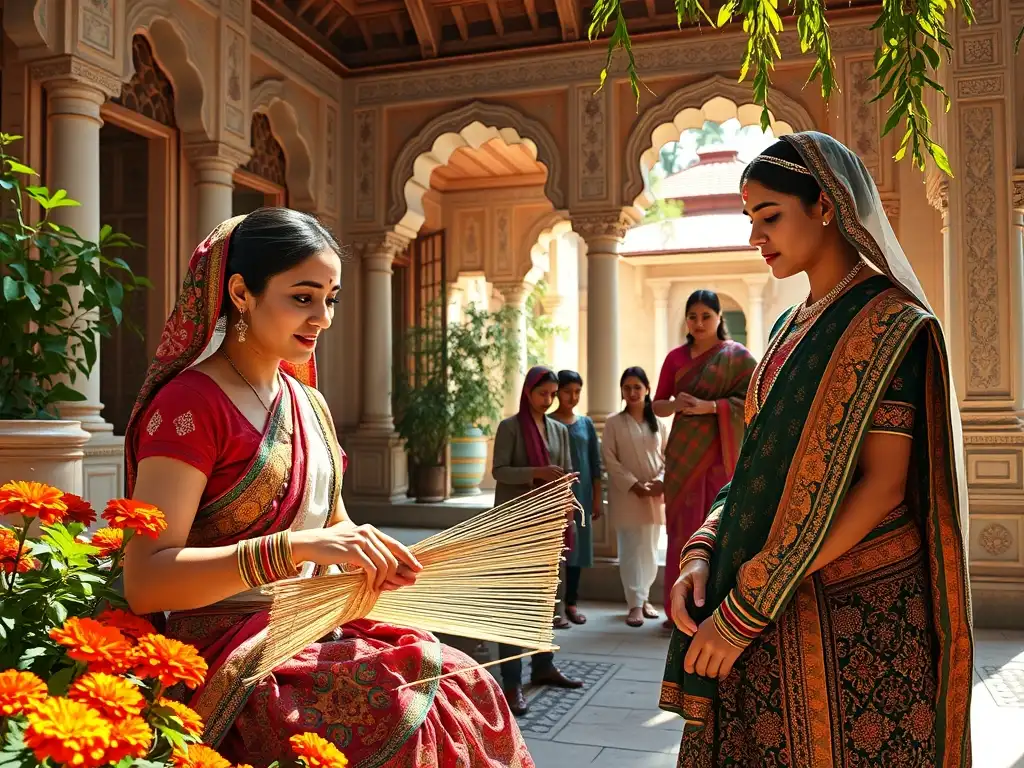
Women in Ancient Indian Society played a multifaceted role that was essential to the development and sustenance of various aspects of civilization. Across different periods, from the Indus Valley Civilization to the Gupta Empire, women's contributions were significant in economic, educational, and religious contexts. Their influence extended beyond the household, impacting social norms, cultural practices, and community welfare.
Economic Contributions of Women in Ancient Indian Society
Women in Ancient Indian Society were integral to the economic framework, engaging in various activities that contributed to household and community sustenance.
- Agricultural Participation: Many women were involved in agricultural practices. They participated in planting, harvesting, and processing crops, which were vital for food security. The division of labor often meant that women handled the production of essential crops alongside their male counterparts.
- Craftsmanship and Trade: Women excelled in handicrafts, producing textiles, pottery, and other goods. They played a crucial role in local trade, often selling their products in markets. This not only provided income for their families but also fostered economic interdependence within communities.
- Family Business Management: In many instances, women managed family businesses. They handled finances, maintained records, and ensured the overall functioning of the enterprise. This managerial role granted them a degree of economic autonomy and influence within the family structure.
| Economic Activities | Roles of Women |
|---|---|
| Agriculture | Planting, harvesting, processing |
| Craftsmanship | Weaving, pottery, local trade |
| Business Management | Financial management, enterprise operation |
Women as Educators and Preservers of Knowledge
Education and knowledge preservation were vital components of ancient Indian society, and women played a pivotal role in this domain.
- Role in Education: Women were often responsible for the early education of children, imparting values, ethics, and cultural knowledge. This foundational role was crucial in shaping future generations and ensuring the continuity of traditions.
- Preservation of Texts: Some women, particularly from scholarly families, were involved in the preservation and transmission of texts. They contributed to oral traditions and were often seen as custodians of important knowledge that encompassed literature, philosophy, and sciences.
- Participation in Philosophical Discussions: Women like Gargi and Maitreyi are noted in ancient texts for their participation in philosophical debates. Their involvement highlights the recognition of women as thinkers and contributors to intellectual discourse.
- Educational Institutions: In some periods, women even attended educational institutions, such as the famous Gurukuls, where they received formal education in subjects ranging from literature to mathematics, further solidifying their role as educators.
Religious Roles: Women in Rituals and Worship
The spiritual life of Ancient Indian Society was profoundly intertwined with the contributions of women, especially in religious practices and rituals.
- Participation in Rituals: Women played an essential role in household rituals, ensuring that religious practices were upheld. Their involvement in daily worship and ceremonies was crucial for maintaining familial and societal harmony.
- Goddesses and Female Deities: The veneration of female deities in Hinduism, such as Durga and Lakshmi, reflects the significant spiritual role of women. These goddesses symbolized power, fertility, and prosperity, embodying the ideals and aspirations of women in society.
- Conducting Religious Festivals: Women were often responsible for organizing and conducting religious festivals, which were central to community life. Their participation in these events reinforced their status within the social structure and showcased their leadership abilities.
- Spiritual Leadership: In some cases, women held positions of spiritual authority, guiding community members in religious practices and moral conduct. This leadership role not only affirmed their significance in spiritual matters but also contributed to the social fabric of their communities.
The roles and contributions of women in Ancient Indian Society were vast and varied, impacting economic, educational, and religious spheres. Their participation was crucial in shaping the social structure and cultural identity of ancient civilizations, illustrating the importance of women's contributions throughout history.
Challenges Faced by Women in Ancient India
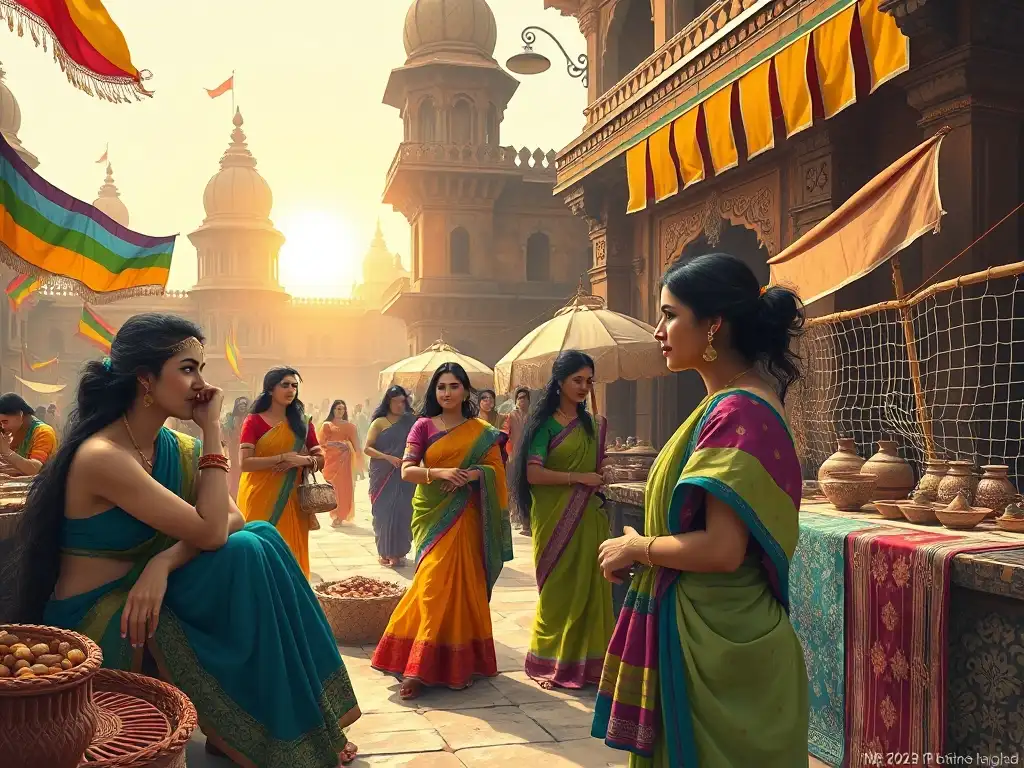
Women in ancient Indian society faced a myriad of social restrictions that significantly limited their roles and opportunities. The societal norms and customs that prevailed during various periods often dictated a subordinate position for women, influencing their freedoms and rights profoundly.
- Legal Status: Women were often regarded as dependents of their fathers or husbands, lacking independent legal rights. This dependency affected their ability to own property, inherit wealth, or engage in legal matters without male representation. The Manusmriti, a key ancient legal text, reinforced these restrictions by outlining women's roles primarily as caregivers and homemakers.
- Education: Access to education was predominantly reserved for men, with few women receiving formal education. Those who were educated typically belonged to higher social classes, while the majority were expected to focus on domestic duties. This lack of education limited women's opportunities for personal and professional growth, restricting their contributions to society.
- Marriage Practices: The practice of child marriage was prevalent, often resulting in women entering into marital relations at a very young age. This not only curtailed their childhood and education but also placed them in a lifelong dependency cycle. Dowry practices further complicated marriages, as families often faced significant financial burdens.
- Public Life: Social customs often barred women from participating in public life. They were discouraged from engaging in political affairs, religious rituals, and community gatherings. The concept of "purdah," or seclusion, was prevalent in many regions, emphasizing the need for women to remain indoors and maintain modesty.
The Impact of Patriarchal Structures
The patriarchal framework of ancient Indian societies profoundly influenced the status and roles of women, creating a systemic inequality that persisted across centuries. This structure not only defined women's positions within families but also shaped societal perceptions and expectations.
- Gender Roles: Patriarchy established clear gender roles, assigning domestic responsibilities to women while confining men to roles of authority and decision-making. This division reinforced the belief that women's primary purpose was to serve their families, limiting their aspirations and agency.
- Religious and Cultural Norms: Religious texts often propagated patriarchal ideologies, influencing cultural practices. For instance, women's participation in religious ceremonies was typically restricted, and their roles were often portrayed as subordinate to male deities. Such representations perpetuated the belief that women were less spiritually capable than men.
- Economic Dependence: The economic dependence of women on male relatives was a direct consequence of patriarchal norms. Women were often barred from engaging in economic activities outside the home, limiting their ability to contribute financially or attain economic independence. This dependence made it difficult for women to challenge societal norms.
- Resistance and Adaptation: Despite these challenges, women in ancient India exhibited resilience and adaptability. Some women, especially from the higher strata of society, engaged in intellectual pursuits, arts, and literature. Figures like Gargi and Maitreyi in Vedic texts exemplify the potential of women when circumstances allowed for greater freedom.
The challenges faced by women in ancient Indian society were rooted deeply in social restrictions and patriarchal structures. Understanding these dynamics is critical to appreciating the complexities of women's roles in ancient Indian civilizations and their contributions, despite the limitations imposed upon them.
Notable Women in Ancient Indian History
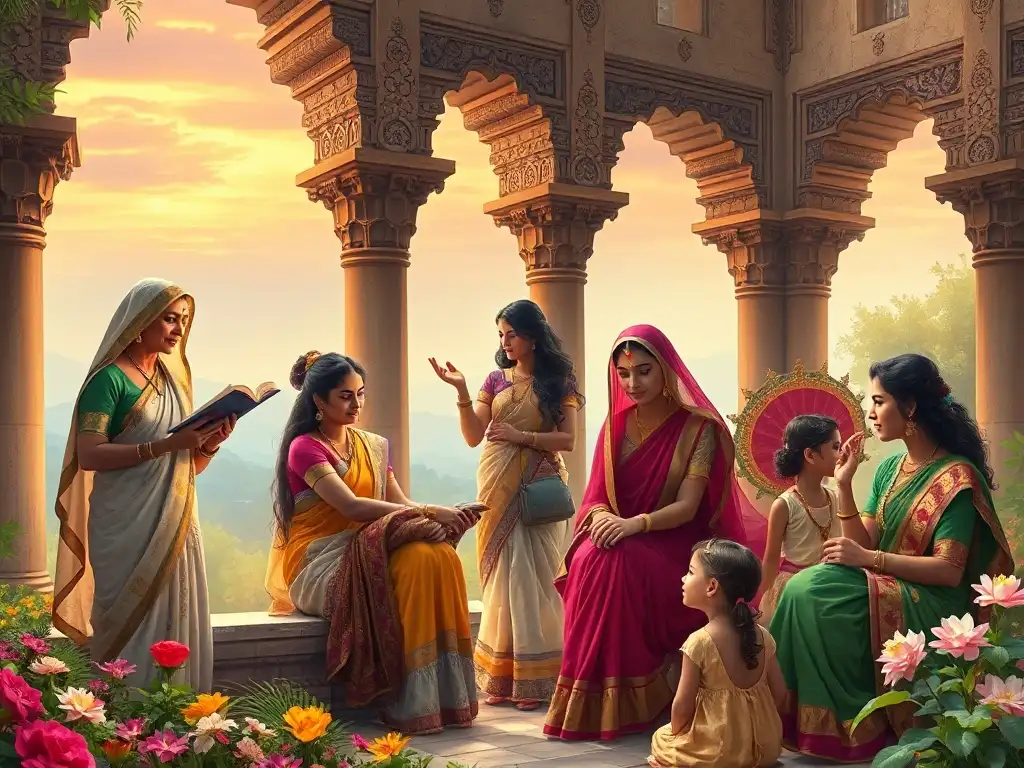
Legendary Figures and Their Contributions
Ancient Indian history is adorned with remarkable women who played significant roles in various spheres of life, including governance, philosophy, and warfare. Their contributions helped shape the social fabric and cultural ethos of the time.
- Rani Durgavati: A formidable warrior queen of the Gondwana kingdom, Rani Durgavati is celebrated for her valor against Mughal invaders. She ascended the throne in the 16th century and led her army with exceptional courage, showcasing that women could be both rulers and warriors. Her legacy emphasizes the strength and resilience of women in positions of power during ancient times.
- Maitreyi: An eminent philosopher and scholar from the Vedic period, Maitreyi is known for her discussions on metaphysics and the nature of reality. In the "Brihadaranyaka Upanishad," her dialogues with her husband, Yajnavalkya, highlight her intellectual prowess, demonstrating that women were not merely homemakers but also thinkers who contributed to spiritual and philosophical discourses.
- Vasanti: A lesser-known yet significant figure, Vasanti was a skilled artisan and is often cited in ancient texts for her exceptional craft in textiles. The quality and artistry of her work contributed to the economy and cultural richness of her society, indicating the influence women had in trade and craftsmanship.
- Gargi Vachaknavi: Another prominent philosopher, Gargi is renowned for her participation in philosophical debates in the court of King Janaka of Videha. Her questions regarding the nature of the universe and the self not only showcase her intelligence but also the respect accorded to women scholars in ancient Indian society.
Women in Literature and Mythology
Women in ancient Indian society were not just passive characters; they were often depicted as strong, intelligent, and pivotal figures in literature and mythology. Their portrayal reflects the complex roles they played in society.
- Sita from the Ramayana: Sita is a quintessential character representing virtue, loyalty, and strength. Despite facing numerous challenges, including her abduction by Ravana, she remains a symbol of resilience. Her trials and tribulations highlight the societal expectations of women and their inner strength to overcome adversity.
- Draupadi from the Mahabharata: Draupadi is another significant figure who defies conventional norms. Her fiery spirit during the infamous game of dice, where she was humiliated, underscores the themes of justice and women's rights. Her character is often interpreted as a critique of patriarchal structures, making her a powerful emblem for women's empowerment.
- Kalidasa's Shakuntala: The iconic character from Kalidasa’s play, Shakuntala, embodies love, beauty, and devotion. Her story emphasizes the emotional intelligence of women and their capacity for love and sacrifice. Shakuntala’s journey also symbolizes the struggles women faced in asserting their identities in a male-dominated society.
These literary and mythological representations serve as cultural artifacts, reflecting the values, beliefs, and complexities of women in ancient Indian society. They highlight the multifaceted roles women played, not only as moral compasses but also as influential agents in shaping narratives.
The roles of women in ancient Indian civilizations were diverse and impactful, ranging from rulers to philosophers and from mythological heroines to literary figures. Their contributions continue to resonate through history, emphasizing the importance of recognizing the vital role that women played in shaping ancient Indian society.
Conclusion: The Legacy of Women in Ancient Indian Society
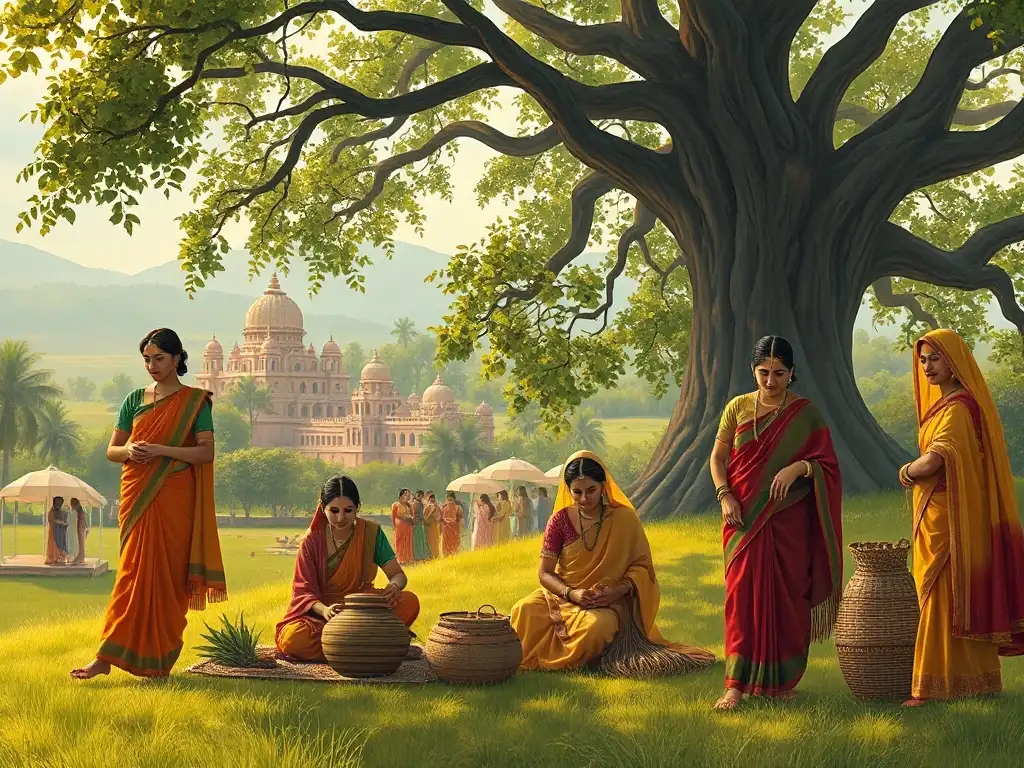
The legacy of women in ancient Indian society is profound and multifaceted, reflecting their significant roles across various domains. From the powerful figures in mythology to the everyday lives of common women, their contributions have shaped the cultural, social, and economic landscape of ancient India.
Women in ancient Indian society were not merely passive participants; they were influential agents of change and bearers of knowledge. They contributed to agriculture, trade, and even governance, challenging the notion that their roles were limited to the domestic sphere. The various texts from ancient times, such as the Vedas and the Puranas, highlight the reverence for women, recognizing them as embodiments of strength, wisdom, and virtue.
The legacy of women in these civilizations is particularly evident in the arts and spirituality, where they played critical roles as poets, musicians, and spiritual leaders. The concept of the "Shakti" or feminine energy in Hindu philosophy underscores the importance of women and their integral role in the universe.
As we examine this legacy, it is essential to acknowledge that while women enjoyed certain freedoms, their experiences varied greatly depending on caste, region, and time period. The evolving nature of society continues to reveal the complexities of women's roles, highlighting both empowerment and restrictions.
Reflection on Women’s Influence on Modern Indian Society
The influence of women in ancient Indian society extends into modern times, where their historical contributions continue to inspire contemporary discussions on gender roles and equality. Modern India grapples with its history while striving to uplift women's status, and understanding the past is crucial in this journey.
For instance, the teachings of ancient texts that celebrated women's strength can be a source of inspiration for current movements advocating for women's rights and empowerment. The acknowledgment of historical figures, such as Gargi and Maitrayi, who were revered for their wisdom, resonates with today's efforts to elevate women's voices in various fields.
Moreover, the legacy of women as educators and leaders in ancient times provides a framework for promoting women's education and leadership roles in modern society.
The reflection on women's influence in ancient times fosters a deeper understanding of their role in shaping modern Indian society, emphasizing the need for continued advocacy for gender equality.
The Importance of Recognizing Women's Historical Contributions
Recognizing the historical contributions of women in ancient Indian society is critical for several reasons. Firstly, it allows for a more inclusive narrative that honors the diverse experiences and achievements of women throughout history. This recognition challenges historical narratives that have often marginalized women's roles and contributions.
Moreover, acknowledging these contributions enriches our understanding of ancient Indian civilization as a whole. It highlights the interconnectedness of gender, culture, and society, revealing how women's roles influenced various aspects of life, from family structures to economic practices.
By studying the contributions of women, we can also draw lessons relevant to contemporary issues. Understanding the historical context of women's empowerment can inform current policies and initiatives aimed at promoting gender equality.
Recognizing the roles and achievements of women in ancient Indian society not only honors their legacy but also serves as a foundation for creating a more equitable society today. By embracing this historical perspective, we can better appreciate the rich tapestry of India's past and its implications for the future.
Frequently Asked Questions
What was the status of women in ancient Indian society?
Women in ancient Indian society held a varied status, often influenced by caste, region, and time period. While some women enjoyed rights and privileges, others faced significant restrictions.
Did women in ancient India have access to education?
Yes, women from higher castes had access to education, particularly in the Vedic period. They were taught scriptures, arts, and sciences, although this was less common for women of lower castes.
What roles did women play in ancient Indian family life?
Women were primarily seen as caretakers and managers of the household. They played crucial roles in maintaining the family structure and were often responsible for upbringing children and managing domestic affairs.
Were there any notable women in ancient Indian history?
Yes, figures like Gargi and Maitreyi were renowned philosophers, while Rani Durgavati and Rani Padmini are celebrated for their bravery and leadership in battles, showcasing women's diverse contributions.
How did the position of women change over different periods in ancient India?
The position of women saw fluctuations, with periods like the Gupta Empire witnessing a decline in rights compared to earlier times. Factors such as religion, politics, and social norms significantly influenced these changes.
Final Reflection: The Enduring Legacy of Women in Ancient Indian Society
The exploration of women's roles in ancient Indian civilizations reveals a profound truth: their contributions were not merely peripheral but foundational to the social structure. Today, as we navigate through discussions on gender equality and women's rights, understanding the historical significance of women in ancient Indian society becomes increasingly relevant. Their influence, often overlooked, serves as a reminder that women's voices have always been integral to the fabric of society, shaping cultures and communities in ways that resonate even in contemporary times.
Clearly, the impact of women in ancient Indian society extends far beyond historical texts; it continues to influence our cultural and social landscapes today. The recognition of women's roles in various domains—be it in governance, education, or spirituality—challenges the narratives that have marginalized their contributions. As noted by historian Romila Thapar, The history of women is not just a history of oppression but a history of agency and resilience.
This perspective encourages us to appreciate the complexities of women's experiences and their enduring legacy, which inspires current movements advocating for women's rights and empowerment.
As we reflect on the lessons from ancient Indian society, let us take a moment to consider how we can honor and amplify the voices of women in our own lives. I invite you to engage with the stories of women around you, to recognize their contributions, and to advocate for their rights.
By doing so, we not only pay homage to the women of the past but also pave the way for a more equitable future. Embracing this responsibility can transform our understanding of gender roles and inspire a collective movement toward equality, ensuring that the legacies of women in ancient Indian society continue to thrive in our modern world.
Unveil the Powerful Legacy of Women in Ancient India!
Thank you for exploring the captivating role of women in the social structure of ancient Indian civilizations! You've gained insightful perspectives on how these remarkable figures shaped society. Now, it’s time to take this knowledge and turn it into action.
Here are some impactful steps you can take:
- Dive Deeper: Explore the stories of influential women in ancient Indian literature and their contributions to culture and society. Expand your horizons by uncovering lesser-known narratives!
- Share Your Insights: Engage in discussions about this topic with friends or on social media—spark conversations that highlight the influence of women's roles in history.
- Join a Community: Get involved in local history groups or online forums that honor and explore the contributions of women in ancient civilizations. Connect with others who share your passion for this important subject!
How do you think the lessons from the lives of these ancient women can inspire us to advocate for gender equality today?