
The Art of Metalworking: How Metallurgy Became Central to Ancient Indian Occupations

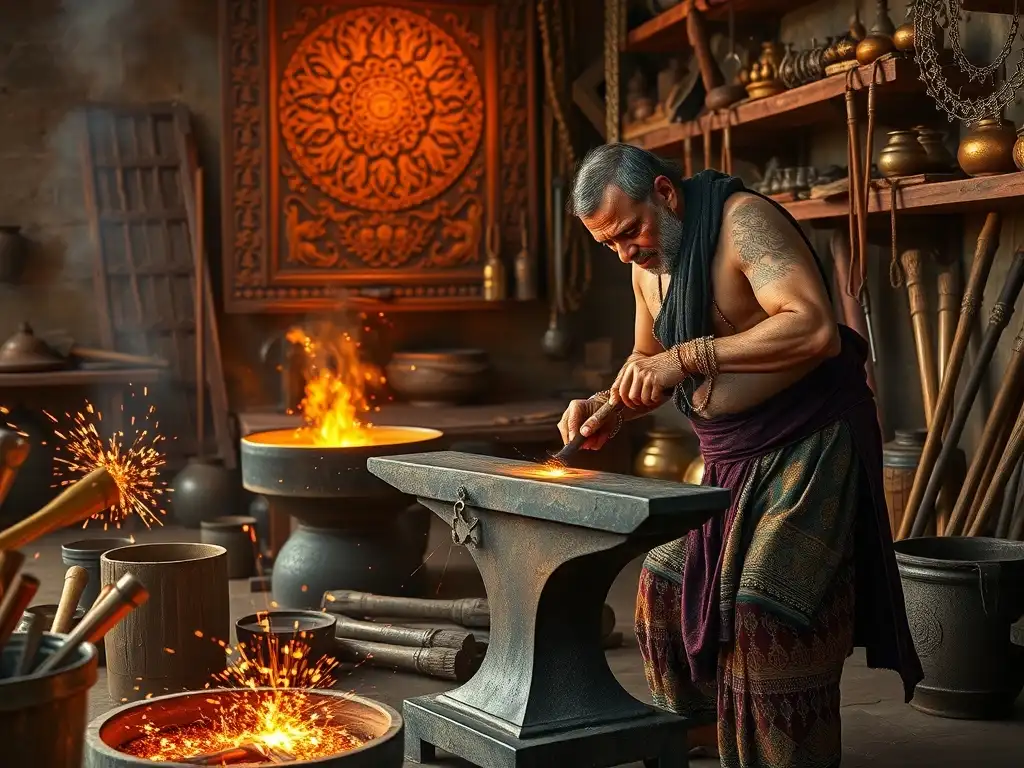
Welcome to Ancient India History, where we embark on a fascinating journey through the rich tapestry of ancient Indian civilizations. Here, you'll discover how ancient Indian metallurgy techniques not only shaped the art of metalworking but also played a pivotal role in the daily lives and societal structures of these remarkable cultures. From the intricate craftsmanship of the Indus Valley to the innovative advancements during the Gupta Empire, each metal forged tells a story of ingenuity and tradition.
Curious about the secrets behind their techniques? Dive into our main article, "The Art of Metalworking: How Metallurgy Became Central to Ancient Indian Occupations," and uncover the profound impact of metallurgy on the society that thrived in this vibrant era.
Introduction to Ancient Indian Metallurgy Techniques
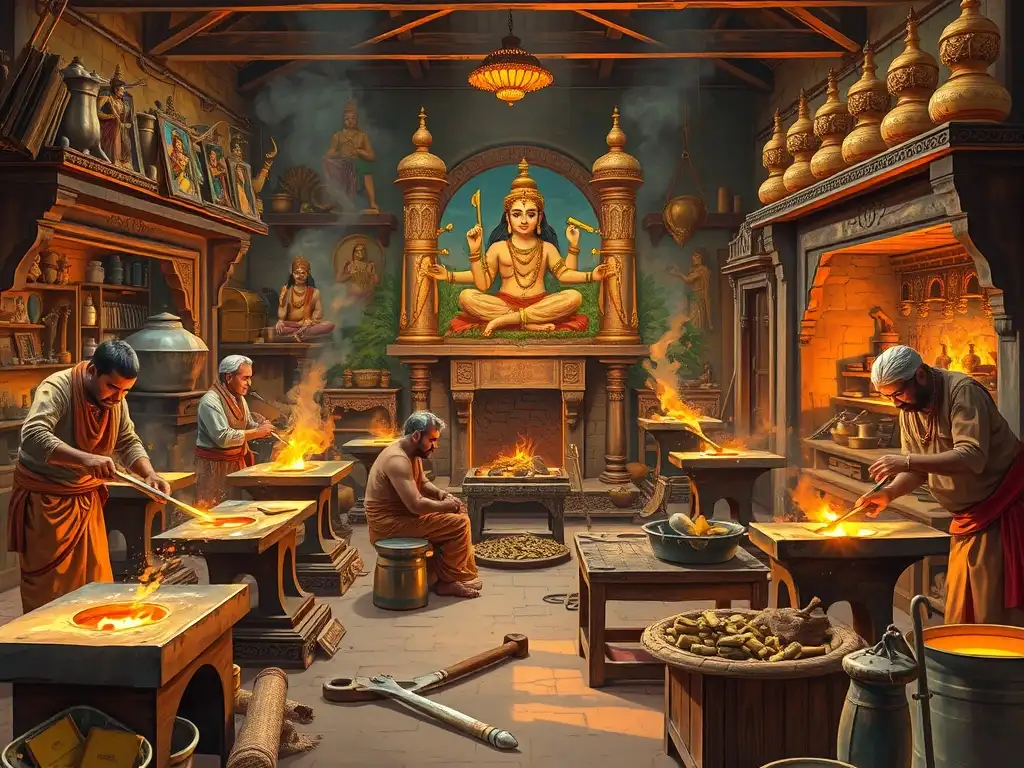
The rich tapestry of ancient Indian history is intricately woven with the art of metalworking, a significant occupation that played a pivotal role in shaping the socio-economic landscape of the time. From the early days of the Indus Valley Civilization to the flourishing Gupta Empire, ancient Indian metallurgy techniques not only contributed to technological advancements but also influenced trade, culture, and daily life. This article explores how these sophisticated techniques became central to various occupations, reflecting the ingenuity and craftsmanship of ancient Indian societies.
Understanding Metallurgy in the Context of Ancient India
Metallurgy, the science of extracting and working with metals, was a fundamental skill that emerged in ancient India as early as 3000 BCE. The ability to manipulate metals was not merely a technical achievement; it represented a significant leap in human capability, allowing for the creation of tools, weapons, and art. Ancient Indian metallurgists mastered the art of smelting, alloying, and casting, which laid the foundations for a variety of industries.
- Key Metals Used:
- Copper: One of the first metals to be used, vital for tools and ornaments.
- Bronze: An alloy of copper and tin, used extensively for weaponry and artifacts.
- Iron: Revolutionized agriculture and warfare, leading to the Iron Age.
The techniques developed in ancient India influenced nearby civilizations and contributed to the global history of metallurgy.
Importance of Metallurgy in Daily Life and Society
Metallurgy was not an isolated skill but deeply integrated into the fabric of daily life in ancient India. The significance of metalworking can be observed in various aspects:
- Economic Development:
- Metal tools and implements enhanced agricultural productivity.
- The production of metal goods facilitated trade, both locally and with foreign lands.
- Cultural Expression:
- Metalcraft served as a medium for artistic expression, leading to intricate jewelry, sculptures, and ceremonial artifacts.
- Religious and cultural practices often involved metal objects, highlighting their importance in societal rituals.
- Military Advancements:
- The development of metal weapons provided a strategic advantage in conflicts, shaping the political landscape of the region.
Historical Background of Metalworking in Ancient India
To fully appreciate the art of metalworking in ancient India, it is essential to delve into its historical context. The evolution of metallurgy reflects not only technological advancements but also the socio-political dynamics of the time.
Evolution of Metallurgy from the Indus Valley Civilization
The Indus Valley Civilization, one of the earliest urban cultures, showcased remarkable proficiency in metallurgy. Archaeological findings reveal:
- Copper and Bronze Tools: Used for agriculture, crafts, and household items.
- Trade Networks: The exchange of metals with Mesopotamia and other regions facilitated knowledge transfer and material acquisition.
As the civilization progressed, the techniques of metallurgy evolved, leading to more complex processes and specialized craftsmanship.
Key Metallurgical Discoveries and Innovations in Ancient India
Throughout history, ancient Indian metallurgists achieved several significant breakthroughs that not only advanced their techniques but also made lasting contributions to the field of metallurgy:
- Wootz Steel: Renowned for its strength and ability to hold a sharp edge, this high-quality steel became famous worldwide and was a major export.
- Zinc Production: Ancient Indians were among the first to distill zinc, making it a crucial component in various alloys and applications.
These innovations underscore the ingenuity and advanced understanding of materials that ancient Indian societies possessed, setting a benchmark for future generations in metallurgy.
Prominent Ancient Indian Metallurgy Techniques
Ancient Indian metallurgy techniques played a pivotal role in shaping the technological landscape of the subcontinent. The knowledge and craftsmanship associated with metalworking not only facilitated advancements in various industries but also influenced social and economic structures. This section delves into the prominent techniques that emerged in ancient India, showcasing their significance and evolution over time.
Overview of Key Techniques Used in Metalworking
The ancient Indian metallurgical practices can be broadly categorized into several key techniques:
- Copper Smelting: One of the earliest forms of metallurgy in India, dating back to the Chalcolithic period, involved the extraction of copper from its ores. The development of furnaces capable of reaching high temperatures was crucial for this process.
- Bronze Casting: The introduction of bronze, an alloy of copper and tin, marked a significant advancement in metalworking. Techniques such as lost-wax casting allowed artisans to create intricate tools and artifacts, demonstrating both functionality and artistry.
- Iron Smelting: The production of iron in ancient India, particularly during the Iron Age, was characterized by the use of bloomeries. This method facilitated the extraction of iron from ore, leading to the creation of robust tools and weapons.
- Goldsmithing: The art of working with gold flourished in ancient India, with techniques such as granulation, soldering, and gilding being employed to produce exquisite jewelry and ceremonial objects.
- Zinc Distillation: Unique to India, the process of distilling zinc was developed in the 9th century CE, particularly in the region of Zawar. This technique allowed for the creation of brass, an alloy that became widely used in various applications.
Detailed Examination of Specific Techniques
- Copper Smelting:
- Furnace Design: Ancient Indian smelters devised advanced furnace designs that utilized bellows to enhance airflow, achieving temperatures necessary for melting copper. The remains of such furnaces have been discovered at sites like Harappa and Mohenjo-Daro.
- Bronze Casting:
- Lost-Wax Technique: This sophisticated method involved creating a wax model of the desired object, encasing it in clay, and then heating it. The wax melted away, leaving a mold for molten bronze. This technique allowed for the production of detailed artifacts, such as the famous bronze dancing girl from Mohenjo-Daro.
- Iron Smelting:
- Use of Bloomery: The bloomery method, which produced wrought iron, involved heating iron ore with charcoal in a furnace. The resulting bloom, a spongy mass of iron and slag, was then worked with hammers to produce usable iron products.
- Goldsmithing:
- Soldering and Granulation: Skilled craftsmen employed techniques like soldering to join pieces of gold together and granulation to create intricate patterns. This resulted in beautifully crafted jewelry that adorned ancient Indian elites.
- Zinc Distillation:
- Innovative Distillation Techniques: Ancient Indians developed methods to distill zinc from its ores, producing high-quality brass. The Zawar mines are notable for their extensive zinc production, showcasing early industrial practices.
The Role of Metallurgy in Ancient Indian Occupations
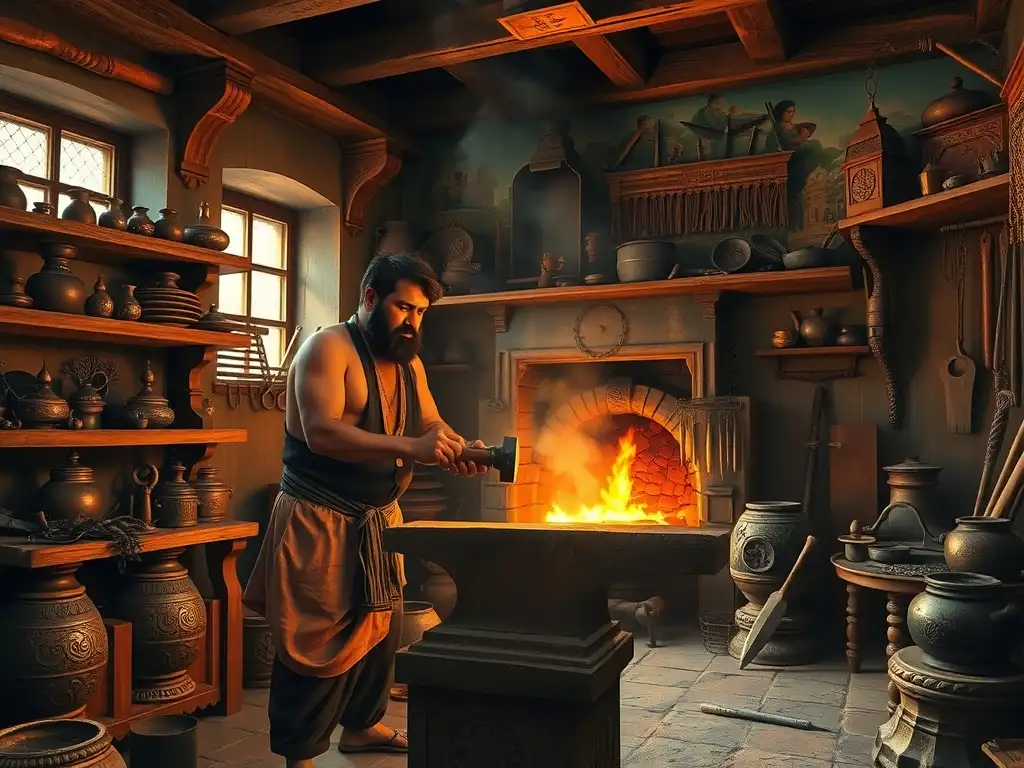
Metallurgy was not just a craft; it became a cornerstone of various occupations in ancient India. The skills acquired through metalworking significantly contributed to the development of different professions and trades, creating a dynamic economy.
Metallurgy and Its Contribution to Various Professions
- Agricultural Tools: The production of iron plows and sickles revolutionized agriculture, leading to increased productivity and the ability to cultivate more land. This advancement enabled farmers to thrive and support larger populations.
- Military Advancements: The creation of superior metal weapons, such as swords and shields, transformed warfare in ancient India. Skilled blacksmiths became essential to ruling kingdoms, ensuring their armies were well-equipped.
- Artisan Crafts: Metallurgy intersected with various crafts, including jewelry making and sculpture. Artisans specializing in metalworking contributed to the cultural richness of ancient Indian society, creating items that held both practical and ceremonial significance.
- Trade and Economy: The ability to produce and manipulate metals facilitated trade, both domestically and with neighboring regions. Metal items became valuable commodities, enhancing economic exchanges and cultural interactions.
- Technological Innovation: The continuous refinement of metallurgical techniques led to innovations in other fields, such as construction and textile manufacturing, showcasing the interconnectedness of ancient Indian occupations.
Through these contributions, ancient Indian metallurgy techniques not only shaped individual professions but also laid the groundwork for a thriving society that valued craftsmanship, trade, and technological advancement.
Cultural Significance of Metalworking in Ancient Indian Society
Metalworking held a pivotal place in ancient Indian society, influencing not only the economy but also the cultural and social structures of the time. The skill of metallurgy enabled craftsmen to create tools, weapons, and various artifacts that were essential for daily life and warfare. As a reflection of technological advancement, metalworking symbolized progress and innovation, contributing to the rise of urban centers and the flourishing of trade routes.
The cultural significance of metalworking is also evident in its role in religious practices and rituals. Many ancient Indian societies created metal idols and religious artifacts, intertwining the art of metalworking with their spiritual beliefs. These items were not only practical but also held immense symbolic value, representing deities and embodying the divine. This dual purpose of metal as both a functional material and a spiritual symbol highlights its integral role in ancient Indian culture.
Moreover, the mastery of metallurgy facilitated social stratification, as skilled metalworkers often gained higher social status due to their specialized knowledge. This led to the formation of guilds and communities dedicated to metalworking, which further strengthened the cultural fabric of ancient Indian society.
Metallurgy and Its Influence on Trade and Commerce
The emergence of sophisticated metallurgy techniques significantly impacted trade and commerce in ancient India. The ability to produce high-quality metal goods, such as tools, ornaments, and weapons, allowed for increased production and trade efficiency. This not only met local demands but also enabled ancient Indian societies to engage in trade with distant lands.
Trade routes, like the Silk Road, were instrumental in spreading Indian metallurgical innovations to other cultures. Ancient Indian metalsmiths exported a variety of goods, including copper and bronze items, which were highly sought after in international markets. The demand for these products fostered economic growth and led to the establishment of thriving trade centers.
Furthermore, the introduction of coinage, made possible by advancements in metallurgy, revolutionized commerce. Coins made of precious metals like gold and silver not only facilitated trade but also served as a standard for economic transactions. This innovation laid the groundwork for complex financial systems and economic practices that benefited various ancient Indian kingdoms.
The Symbolism of Metal in Ancient Indian Culture
Metal held profound symbolic meanings in ancient Indian culture, often representing strength, purity, and divinity. For instance, gold, revered for its luster and rarity, was associated with wealth and prosperity, frequently used in royal regalia and religious offerings. Its association with the sun further emphasized its significance in spiritual contexts.
Iron, on the other hand, symbolized strength and resilience. The production of iron tools and weapons marked a turning point in agricultural and military capabilities. The Iron Age in India saw advancements that not only revolutionized warfare but also improved agricultural productivity, leading to enhanced food security and societal stability.
In literature and philosophy, metals often served as metaphors for transformation and enlightenment. The alchemical pursuit of turning base metals into gold was not just a physical endeavor; it represented a deeper spiritual quest for knowledge and self-improvement. This philosophical aspect of metallurgy underscores its integral role in shaping the cultural identity of ancient India.
Innovations and Advancements in Ancient Indian Metallurgy
Ancient Indian metallurgy was characterized by numerous innovations that set it apart from contemporary practices worldwide. The development of advanced smelting techniques allowed for the production of high-quality metals like bronze and steel. The famed Wootz steel, for example, was renowned for its durability and sharpness, which eventually became sought after across the world.
Additionally, the use of alloys such as brass and bronze demonstrated a sophisticated understanding of materials science. These innovations were not merely about utility; they also reflected artistic expression, as seen in the intricate designs and craftsmanship of metal artifacts.
The establishment of specialized workshops and guilds further propelled advancements in metalworking. Craftsmen passed down their knowledge through generations, leading to a rich tradition of metal craftsmanship that combined both technical skill and artistic creativity.
Technological Progress in Metallurgy during the Gupta Empire
The Gupta Empire, often referred to as the Golden Age of India, witnessed remarkable advancements in metallurgy. This period saw the refinement of existing techniques and the introduction of new methods that enhanced metal production. One significant achievement was the large-scale production of high-quality iron, exemplified by the Iron Pillar of Delhi, which has withstood corrosion for over a millennium.
The Gupta period also emphasized the importance of trade, leading to the development of sophisticated smelting furnaces and techniques that improved efficiency and output. The combination of scientific inquiry and practical application led to innovations such as the production of coins with intricate designs, further highlighting the empire's metallurgical prowess.
Moreover, the Gupta Empire's emphasis on art and culture resulted in the creation of exquisite metal sculptures and decorative items. These artifacts not only showcased advanced metalworking techniques but also enriched the cultural landscape of ancient India.
Comparison of Ancient Indian Metallurgy with Global Practices
Ancient Indian metallurgy can be compared to contemporaneous practices in other cultures, revealing both similarities and unique characteristics. For instance, while ancient Egyptians excelled in goldsmithing, ancient Indian metallurgists were notable for their advancements in iron and steel production. The Indian technique of producing Wootz steel was unparalleled, as it utilized specific carbon content to create a superior product, a skill not commonly found in other ancient cultures.
In terms of trade, both ancient India and civilizations like Rome engaged in extensive commerce, exchanging metal goods and technologies. However, India's trade networks were more diverse, incorporating not only neighboring regions but also distant lands such as Southeast Asia and Africa.
Furthermore, the spiritual significance of metals in ancient Indian culture diverged from practices in other societies. While many cultures associated gold with divinity, India uniquely integrated metalworking into religious rituals, crafting idols and ceremonial artifacts that embodied both artistic and spiritual elements.
The study of ancient Indian metallurgy reveals a rich tapestry of innovation, cultural significance, and economic impact that played a crucial role in shaping the societies of ancient India.
Challenges Faced by Ancient Metalworkers
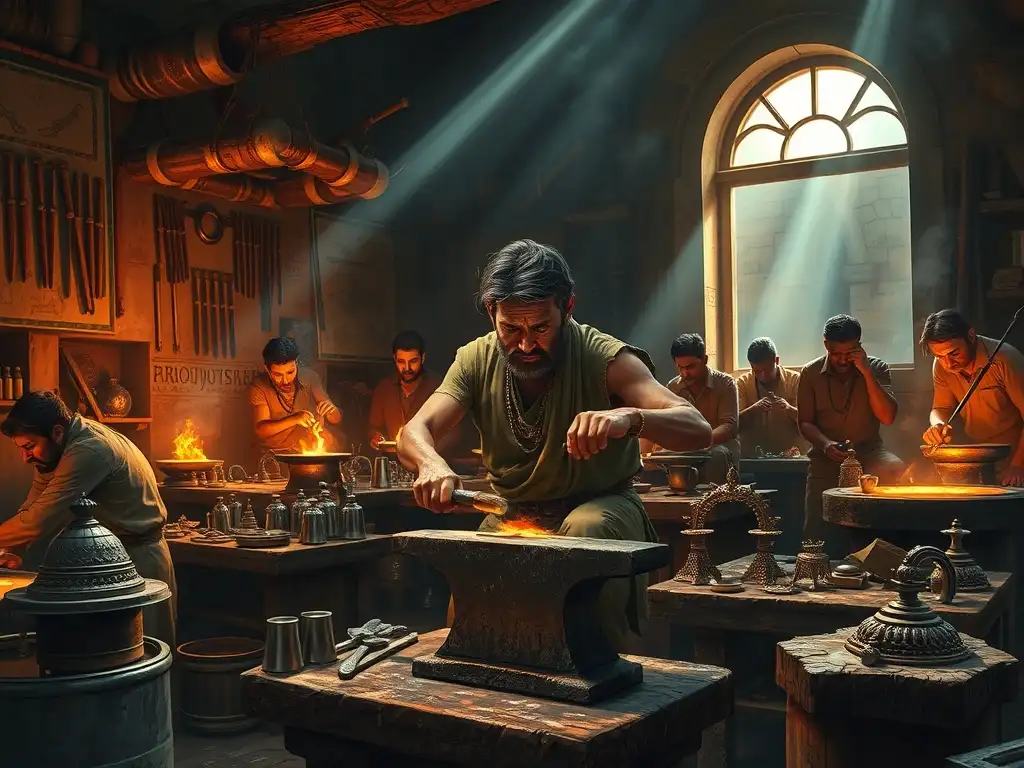
The journey of ancient metalworkers in India was not without obstacles. They navigated a multitude of challenges that shaped their craft, influencing the evolution of metallurgy techniques. From environmental obstacles to socioeconomic constraints, these factors played a critical role in the development and dissemination of metalworking practices across ancient Indian civilizations.
Environmental and Resource Constraints
One of the primary challenges faced by ancient metalworkers was the availability of natural resources. The quality and accessibility of metals such as copper, bronze, and iron varied significantly across different regions of ancient India. Metalworkers had to adapt their techniques based on the resources at their disposal, which often dictated the types of metal tools and artifacts they could produce.
- Geographical Disparities: Regions rich in minerals, such as the Malwa Plateau, offered abundant resources, whereas areas with limited access to metals faced significant challenges. This geographical limitation often resulted in localized metalworking practices that differed from one region to another.
- Climate Impact: The harsh climatic conditions, including extreme heat or monsoonal rains, could affect the metalworking process. For instance, the high temperatures required for smelting metals could only be achieved under optimal conditions, which were not always available.
- Sustainability Issues: Overexploitation of local resources, such as wood for fuel in furnaces, led to sustainability concerns. Metalworkers had to balance their production needs with environmental preservation to ensure the long-term viability of their craft.
Socioeconomic Factors Influencing Metalworking
The socioeconomic landscape of ancient India also played a pivotal role in shaping the practices of metalworkers. Various factors influenced their craft, from trade relationships to social hierarchies.
- Trade Networks: Ancient India was part of extensive trade networks that facilitated the exchange of metals and metal tools. Metalworkers often relied on these networks to acquire superior materials or innovative techniques, which could enhance their production capabilities.
- Caste System: The rigid caste system in ancient Indian society also impacted metalworking. Certain communities specialized in metallurgy, passing down their knowledge through generations. This specialization often limited the diversity of practices and techniques as families followed traditional methods rather than experimenting with new ones.
- Economic Resources: Access to economic resources, such as funding for workshops or access to skilled labor, determined the scale of metalworking operations. Wealthier craftsmen could invest in better tools and techniques, while those with fewer resources faced limitations that affected their production quality.
Conclusion: The Legacy of Ancient Indian Metallurgy Techniques
The legacy of ancient Indian metallurgy techniques is a testament to the ingenuity and resilience of metalworkers throughout history. Their contributions have left an indelible mark on various aspects of culture, technology, and craftsmanship that continue to resonate in modern times.
Lasting Impact on Modern Metallurgy and Craftsmanship
The techniques developed by ancient Indian metalworkers have had a profound influence on modern metallurgy. Many of the foundational principles of metallurgy, including alloying and casting methods, can be traced back to practices established during ancient times.
- Innovative Techniques: The ancient processes of producing high-quality steel, such as Wootz steel, are still revered today. This steel was highly sought after not only in India but also in various parts of the world for its durability and superior characteristics.
- Cultural Heritage: The art of metalworking has been preserved through traditional craftsmanship in many regions of India. Modern artisans continue to employ ancient techniques, blending them with contemporary practices to create unique and culturally significant artifacts.
Reflection on the Importance of Preserving Ancient Techniques
Preserving ancient metallurgy techniques is crucial not only for cultural heritage but also for fostering innovation in modern practices. By understanding and maintaining these techniques, we can gain insights into sustainable practices that can be adapted to contemporary needs.
- Educational Value: Teaching these techniques in modern educational settings can inspire a new generation of craftsmen who appreciate the historical significance of their craft while innovating upon it.
- Cultural Identity: Maintaining a connection to ancient practices reinforces cultural identity and pride among communities, ensuring that the legacy of these skilled artisans continues to thrive.
The challenges faced by ancient metalworkers shaped their craft, resulting in remarkable techniques that have endured the test of time. The legacy of these techniques remains a vital part of both India's cultural heritage and the broader landscape of metallurgy worldwide.
Further Reading and Resources on Ancient Indian Metallurgy
For those interested in delving deeper into the fascinating world of ancient Indian metallurgy, a variety of resources are available. These include scholarly articles, comprehensive books, and online databases that explore the techniques, historical context, and cultural implications of metalworking in ancient India. Engaging with these resources can greatly enhance one's understanding of how metallurgy influenced various aspects of life in ancient Indian civilizations.
Suggested Books and Articles on Ancient Indian Metalworking
-
"The Archaeology of Ancient Indian Metals" by R. Balasubramanian
This book offers an in-depth exploration of ancient Indian metallurgy, focusing on archaeological findings and analyses of metal artifacts. It provides valuable insights into the techniques and technologies employed by ancient metalworkers.
-
"Metals in Ancient India" by K. S. Shukla
A comprehensive study that details the various types of metals used in ancient India and their applications across different sectors. The author extensively discusses the metallurgical processes and their evolution over time.
-
"Iron and Steel in Ancient India" by D. P. Agrawal
This article examines the significance of iron and steel production in ancient Indian society, highlighting specific regions known for their metallurgical advancements.
-
"The Role of Metallurgy in Ancient Indian Society" in Journal of Indian History
This peer-reviewed article presents a scholarly review of how metallurgy influenced trade, warfare, and daily life in ancient India, providing context to its societal impact.
-
"Crafting Metal: Techniques of Ancient Indian Artisans" by Anjali Mehta
A detailed examination of the various techniques used by ancient Indian artisans, this book not only covers metallurgy but also the artistic aspects of metalworking.
Museums and Exhibitions Featuring Ancient Metallurgy
Several museums across India and beyond showcase artifacts related to ancient Indian metallurgy, offering visitors a glimpse into the past and the craftsmanship of ancient artisans.
-
National Museum, New Delhi
The National Museum houses an extensive collection of ancient metal artifacts, including tools, weapons, and decorative items, representing various periods of Indian history. Special exhibitions periodically focus on metallurgy and its significance in different eras.
-
Archaeological Survey of India (ASI) Museum, Mathura
This museum features exhibits dedicated to the metalworking traditions of the Mathura region, showcasing sculptures and artifacts that illustrate the advanced techniques used by ancient craftsmen.
-
Indian Museum, Kolkata
As one of the oldest museums in India, it includes a rich collection of metal objects and tools from different cultures and periods, emphasizing the technological advancements in metallurgy.
-
Chhatrapati Shivaji Maharaj Vastu Sangrahalaya, Mumbai
This museum offers insights into ancient Indian metalworking through its collection of historical artifacts, including numerous bronze sculptures and weapons that reflect the sophistication of metallurgical practices in ancient times.
Exploring these resources and institutions can significantly enrich one’s understanding of ancient Indian metallurgy techniques and their implications for the society and economy of the time.
- Introduction to Ancient Indian Metallurgy Techniques
- Historical Background of Metalworking in Ancient India
- Prominent Ancient Indian Metallurgy Techniques
- The Role of Metallurgy in Ancient Indian Occupations
- Cultural Significance of Metalworking in Ancient Indian Society
- Innovations and Advancements in Ancient Indian Metallurgy
- Challenges Faced by Ancient Metalworkers
- Conclusion: The Legacy of Ancient Indian Metallurgy Techniques
- Further Reading and Resources on Ancient Indian Metallurgy
- What were the primary metallurgy techniques used in ancient India?
- How did metallurgy impact ancient Indian society?
- Which metals were primarily worked with in ancient India?
- What role did ancient Indian metallurgy play in the Gupta Empire?
- Were ancient Indian metallurgists aware of sustainable practices?
Frequently Asked Questions
What were the primary metallurgy techniques used in ancient India?
Ancient Indian civilizations utilized various advanced metallurgy techniques, including casting, forging, and alloying, which allowed for the creation of strong and durable metal tools and ornaments.
How did metallurgy impact ancient Indian society?
The development of metallurgy significantly influenced trade, agriculture, and craftsmanship, facilitating economic growth and cultural exchange among ancient Indian communities.
Which metals were primarily worked with in ancient India?
Ancient Indian metallurgists primarily focused on copper, bronze, and iron, each playing a crucial role in daily life, warfare, and artistic expression.
What role did ancient Indian metallurgy play in the Gupta Empire?
During the Gupta Empire, metallurgy reached new heights, with innovations in iron production and the famous Iron Pillar of Delhi, showcasing exceptional craftsmanship and engineering skills.
Were ancient Indian metallurgists aware of sustainable practices?
Yes, ancient Indian metallurgists employed sustainable practices by utilizing local resources and recycling metals, demonstrating an early understanding of environmental stewardship within their craft.
Final Reflection: The Enduring Legacy of Ancient Indian Metallurgy
The significance of ancient Indian metallurgy techniques resonates profoundly in our modern world, illustrating how innovation and craftsmanship can shape entire civilizations. As we explore the intricate methods and artistry of metalworking that emerged in ancient India, we uncover not only the technological advancements of the time but also the cultural narratives that these techniques fostered. The legacy of these artisans continues to inspire contemporary practices, reminding us that the past is not merely a series of events but a foundation upon which we build our future.
The influence of ancient Indian metallurgy extends far beyond the realm of craftsmanship; it has woven itself into the very fabric of our cultural and social identity. The techniques developed by these early metallurgists have paved the way for modern advancements and have sparked a renewed interest in sustainable practices and traditional craftsmanship. As noted by historian R. S. Sharma, The art of metallurgy in ancient India was not just a means of production; it was a reflection of the society's values, aspirations, and innovations.
This observation underscores the importance of recognizing how our historical practices continue to shape our present and future.
As we reflect on the lessons of ancient Indian metallurgy, let us embrace the spirit of innovation and craftsmanship in our own lives. Consider how the principles of creativity, resilience, and dedication can be applied to your personal and professional endeavors. Whether you are an artist, a scientist, or simply someone seeking to make a difference, remember that the techniques and philosophies of the past can guide us toward a brighter future. Take a moment to explore your own potential for creativity and craftsmanship, and let the legacy of ancient artisans inspire you to forge your own path.
🔨 Unleash Your Creativity in Metalworking Today!
Thank you for taking the time to dive into the fascinating world of metallurgy in ancient Indian occupations! We've explored how this incredible art form revolutionized not just tools but entire cultures. Now, it’s your turn to carry the torch of creativity and craftsmanship!
Here are some inspiring actions to embrace your metalworking journey:
- Start your own metalworking project: Gather some basic tools and materials, and create a simple piece at home. Whether it’s a decorative item or a practical tool, the process is sure to ignite your passion!
- Join a local metalworking workshop: Engage with artisans in your community to learn and share techniques that have been handed down through generations.
- Share your discoveries: Connect with fellow enthusiasts by showcasing your projects and insights on social media or art forums. Your experiences might inspire others on their creative paths!
What will your first creation be, and how will it reflect your unique style? We invite you to share your thoughts below!