
Caste and Occupation: How Social Hierarchies Influenced Labor in Ancient India


Welcome to Ancient India History, where we embark on an enthralling journey through the vibrant tapestry of India's past. Explore the profound social hierarchies in ancient India, a theme that intricately shaped daily life and labor within its diverse civilizations. In our featured article, “Caste and Occupation: How Social Hierarchies Influenced Labor in Ancient India,” we delve into the fascinating connections between caste systems and occupational roles, revealing how these structures influenced not just the economy but the very fabric of society.
Curious to uncover the layers of history that defined ancient Indian life? Join us as we unravel the legacies that continue to resonate today!
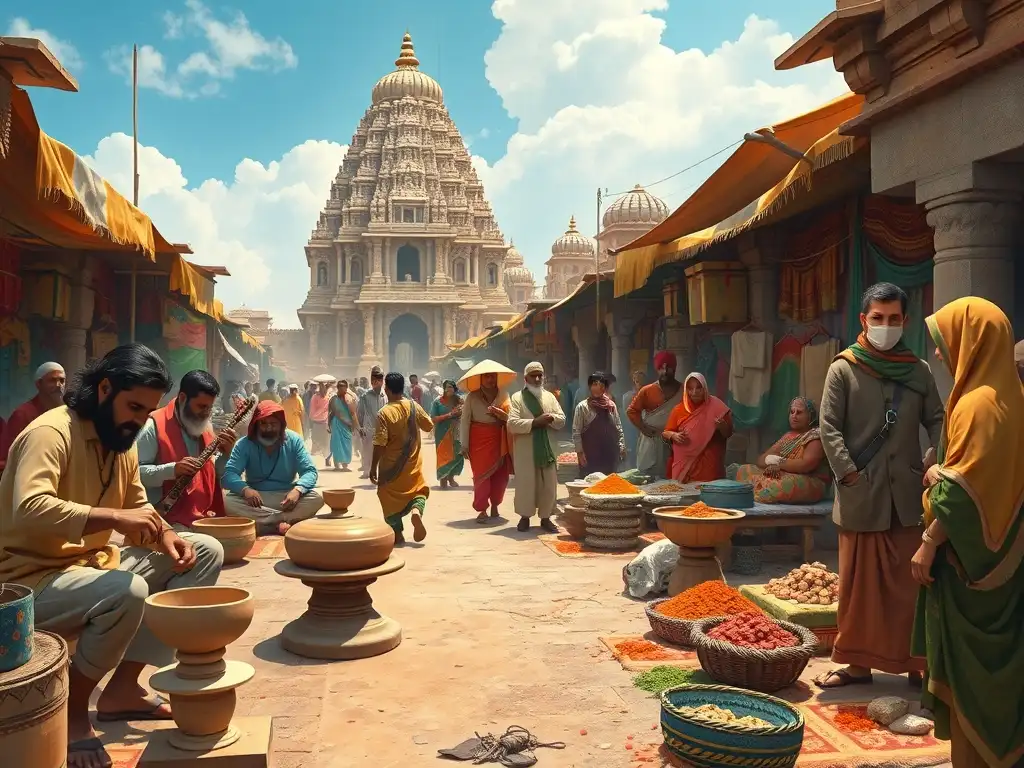
The exploration of social hierarchies in ancient India reveals a complex system that profoundly shaped the labor dynamics and occupational roles within its civilizations. These hierarchies, predominantly articulated through the caste system, delineated not only the social status of individuals but also their specific duties and trades. Understanding these systems is essential to grasp the intricate fabric of daily life in ancient India, where one's caste often dictated their occupation, economic opportunities, and social interactions.
Definition of Social Hierarchies
Social hierarchies refer to the structured levels of power and status within a society, where individuals or groups are ranked one above the other based on various factors such as wealth, occupation, education, and lineage. In ancient India, these hierarchies manifested prominently through the caste system, which established a rigid framework dividing society into distinct groups with specific roles. This stratification influenced not only personal identity but also societal organization and economic productivity.
Overview of the Caste System
The caste system in ancient India is traditionally divided into four main categories, known as varnas:
- Brahmins (priests and scholars)
- Kshatriyas (warriors and rulers)
- Vaishyas (traders and agriculturists)
- Shudras (laborers and service providers)
Each caste had prescribed duties and responsibilities, creating a comprehensive labor system that ensured societal stability and continuity. The system's rigidity, however, often resulted in social mobility being restricted, leading to a complex interplay of privilege and oppression that characterized ancient Indian society.
Importance of Understanding Labor Systems
Understanding the labor systems shaped by social hierarchies is crucial for several reasons:
- Cultural Insight: It sheds light on the values and norms that defined ancient Indian societies.
- Economic Structure: It illustrates how economic activities were organized and how labor was divided among different groups.
- Social Relations: It highlights the interactions between different castes and the implications for social cohesion and conflict.
Evolution of Caste in Ancient India
The caste system evolved over millennia, adapting to changing social, economic, and political landscapes. Initially, the categorization may have been more fluid, but as societies became more complex, the distinctions between castes hardened, leading to the formation of numerous sub-castes ( jatis). This evolution reflects the dynamic nature of ancient Indian society, where various influences, including religion and governance, played pivotal roles in shaping caste identities.
Key Texts and Sources on Caste and Society
A wealth of literature provides insight into the caste system and its ramifications on society. Key texts include:
- The Rigveda: One of the oldest sacred texts, which mentions the Purusha Sukta, outlining the origins of the four varnas.
- The Manusmriti: A legal text that codified social norms and duties associated with each caste.
- Arthashastra: A treatise on statecraft that also addresses economic policies and labor organization.
These sources are invaluable for understanding how ancient Indian thinkers conceptualized social order and labor roles.
Major Civilizations and Their Labor Systems
Ancient Indian civilizations, including the Indus Valley Civilization, the Maurya Empire, and the Gupta Empire, each developed unique labor systems influenced by their specific social hierarchies. For instance:
- The Indus Valley Civilization showcased advanced urban planning and specialized labor, indicating a complex economic framework.
- The Maurya Empire implemented a structured economic system that facilitated trade and agriculture, reflecting the caste-based labor divisions.
- The Gupta Empire saw a flourishing of arts and sciences, with distinct occupational roles that highlighted the contributions of various castes to societal advancement.
This historical context underscores the integral role of social hierarchies in shaping the labor dynamics that defined ancient Indian civilizations.
The Role of Caste in Occupational Choices
The caste system in ancient India played a pivotal role in shaping occupational choices and social identities. Rooted in religious and cultural beliefs, caste defined not only a person's social status but also the kinds of work they could pursue. This hierarchical structure was traditionally divided into four primary categories, known as varnas: Brahmins (priests and scholars), Kshatriyas (warriors and rulers), Vaishyas (traders and agriculturists), and Shudras (laborers and service providers). Each caste was associated with specific duties and responsibilities, which were believed to align with their inherent qualities and skills.
The rigidity of the caste system meant that individuals often inherited their occupations from their families, with little scope for mobility between castes. This inheritance reinforced a sense of identity and community within each caste, while simultaneously restricting opportunities for those born into lower castes. The religious texts, such as the Manusmriti, codified these occupational roles, further entrenching the idea that one's caste determined their rightful place in society and their potential for economic advancement.
Caste-based Occupations: An Overview
Caste-based occupations in ancient India were deeply intertwined with the socio-religious fabric of society. Each caste had specific roles that contributed to the economy and cultural practices of the time. For instance:
- Brahmins primarily engaged in religious rituals, education, and governance.
- Kshatriyas were responsible for protection and administration, often taking on military roles.
- Vaishyas facilitated trade, agriculture, and commerce, crucial for economic development.
- Shudras performed labor-intensive tasks, providing essential services to other castes.
These occupations were not merely jobs but were seen as duties (dharma) that upheld the social order. The tasks performed by each caste were believed to complement one another, creating a symbiotic relationship essential for societal stability.
Impact of Social Status on Job Opportunities
Social status, governed by the caste system, had a profound impact on job opportunities in ancient India. Higher castes enjoyed privileges and access to education, which enabled them to take on roles with greater prestige and financial reward. Conversely, individuals from lower castes faced significant barriers to entry in many professions, often relegated to manual labor and unskilled work.
This disparity created a cycle of inequality where low-caste individuals had limited opportunities for upward mobility. The lack of access to resources, training, and social networks further entrenched their positions, leading to a workforce that was stratified along caste lines. Consequently, social hierarchies not only dictated occupational choices but also shaped the economic landscape of ancient Indian society.
Examples of Occupations by Caste
The following table outlines various occupations historically associated with different castes in ancient India:
| Caste | Occupations |
|---|---|
| Brahmins | Priests, scholars, teachers, advisors |
| Kshatriyas | Warriors, kings, military leaders |
| Vaishyas | Merchants, farmers, artisans |
| Shudras | Laborers, servants, craftsmen |
These roles were not only defined by economic functions but also by cultural and religious significance, reinforcing the idea that each caste contributed uniquely to the societal framework.
Labor Systems in Ancient Indian Society
Labor systems in ancient India were organized around the caste system, which dictated not only occupational roles but also the relationships between different labor groups. The economy was largely agrarian, with a significant emphasis on crafts and trade. The division of labor was crucial for productivity and efficiency, leading to a well-structured labor market that was heavily influenced by social hierarchies.
Structure of Labor: From Artisans to Farmers
The structure of labor in ancient India was multifaceted, encompassing a range of professions from skilled artisans to agricultural laborers. Artisans, often from specific castes, specialized in crafts such as pottery, weaving, and metalwork, contributing to the material culture of the time. Farmers, primarily from the Vaishya caste, were the backbone of the agrarian economy, responsible for food production and trade.
Labor was organized in a way that emphasized the interdependence of various castes. For instance, artisans would produce goods that farmers needed, and in turn, farmers would provide food for artisans. This interconnectedness fostered a dynamic economy that was responsive to both local needs and broader market demands.
Economic Contributions of Various Castes
Each caste made distinct economic contributions to ancient Indian society, influencing trade, industry, and agriculture. The Brahmins played a crucial role in governance and education, which set the foundation for societal norms and legal frameworks. Kshatriyas ensured political stability through military prowess and leadership. Vaishyas facilitated commerce and trade, enabling the exchange of goods and ideas across regions.
Shudras, despite being at the lower end of the caste hierarchy, were indispensable for the functioning of society. Their labor supported agricultural production and provided essential services, highlighting the importance of every caste in sustaining the economy. This complex web of contributions illustrated the notion that all castes, despite their social standing, were integral to the prosperity of ancient Indian civilization.
Interdependence of Castes in Labor Markets
The interdependence of castes in labor markets was a defining feature of ancient Indian society. No single caste could function effectively in isolation; rather, each relied on others for the fulfillment of societal needs. This interdependence was evident in various aspects of daily life and economic activities, from agricultural production to craft specialization.
For example, farmers depended on artisans for tools and goods, while artisans relied on farmers for sustenance. This mutual reliance fostered a sense of community across castes, despite the rigid social stratifications. However, it is essential to note that this interdependence was often overshadowed by social hierarchies, which dictated the nature of relationships and interactions between different castes.
While social hierarchies in ancient India influenced labor and occupational choices significantly, they also created a complex system of interdependence that was crucial for the functioning of society.
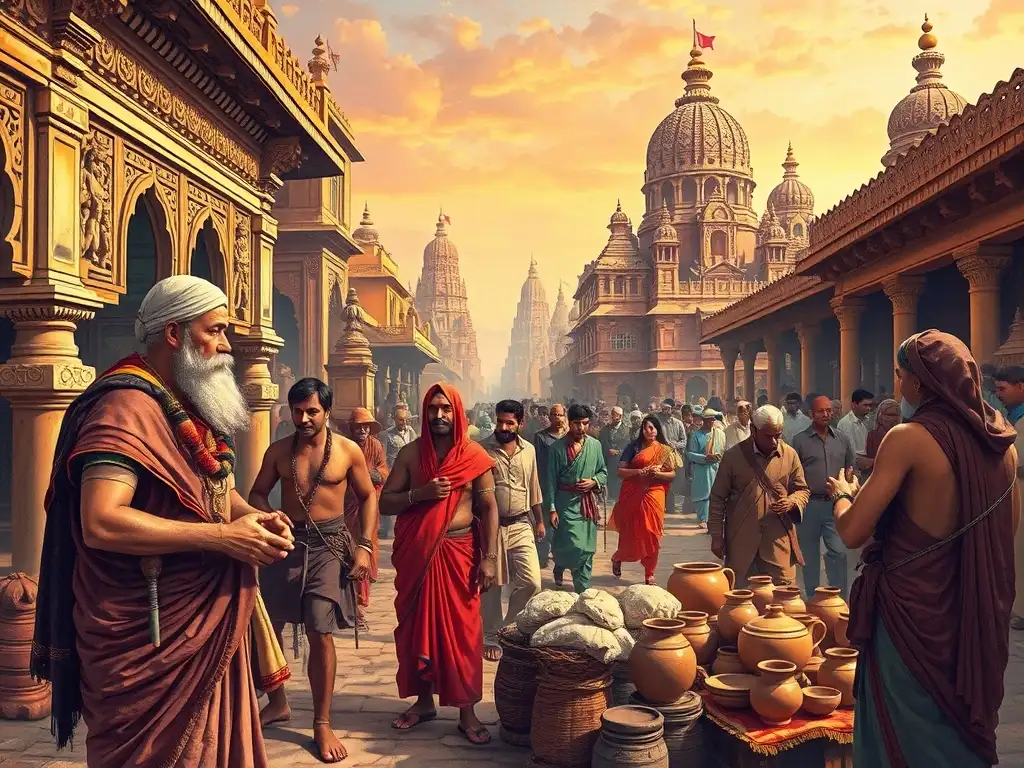
The intricate web of social hierarchies in ancient India significantly influenced various occupations and labor systems. Each caste within the varna system had distinct roles that not only defined individual identity but also shaped the socio-economic landscape. Understanding these case studies helps illuminate how caste influenced labor practices and societal organization.
Case Study 1: The Role of Brahmins in Knowledge Professions
Brahmins held a revered position in ancient Indian society, primarily due to their association with sacred knowledge and education. Their responsibilities included:
- Religious Duties: Brahmins were the custodians of Vedic texts and rituals, performing ceremonies and sacrifices that were pivotal to both spiritual and social life.
- Education and Scholarship: They acted as teachers and scholars, imparting knowledge in subjects such as philosophy, astronomy, and mathematics. Institutions like Gurukuls were established, where Brahmins taught students from various castes, although predominantly from the higher castes.
- Advisory Roles: Many Brahmins served as advisors in royal courts, influencing governance through their knowledge of dharma (moral law) and administrative practices.
The Brahmins' association with knowledge not only reinforced their social status but also created a system that valued education as a pathway to power and influence.
Case Study 2: Kshatriyas and Their Military Occupations
The Kshatriyas were the warrior caste, responsible for the protection and governance of society. Their roles included:
- Military Leadership: They were the rulers and warriors, trained in martial arts and strategies of warfare. This made them pivotal in maintaining order and expanding territories through conquests.
- Administrative Functions: In addition to warfare, Kshatriyas often governed territories, overseeing tax collection and law enforcement, which further entrenched their societal influence.
- Cultural Patrons: Many Kshatriyas were patrons of the arts and culture, supporting the creation of epics and literature that celebrated their valor and achievements.
The Kshatriyas' focus on military prowess and governance shaped not only their occupational roles but also the political landscape of ancient India.
Case Study 3: Vaishyas and Trade Activities
Vaishyas, comprising merchants and landowners, played a crucial role in the economic development of ancient India. Their contributions included:
- Agriculture: Many Vaishyas were landowners who engaged in farming, which was the backbone of the ancient economy. They were responsible for producing surplus food and managing agrarian practices.
- Trade and Commerce: Vaishyas were integral to trade networks, both local and international. They participated in trading goods such as textiles, spices, and jewelry, often traveling across regions and engaging in maritime trade.
- Financial Services: Some Vaishyas evolved into bankers and moneylenders, providing loans and facilitating economic activities within their communities.
The Vaishyas’ economic activities were pivotal in fostering trade relations and enhancing the wealth of their communities.
Case Study 4: Shudras and Manual Labor
Shudras, the lowest caste in the traditional hierarchy, were predominantly engaged in manual labor and service-oriented occupations. Their roles included:
- Agricultural Labor: Many Shudras worked on farms owned by higher castes, performing essential tasks such as plowing, harvesting, and tending to livestock.
- Artisanal Work: They also engaged in skilled trades such as weaving, pottery, and carpentry, contributing to the material culture of ancient India.
- Service Roles: Shudras provided various services, including domestic help and maintenance work, which were essential for the functioning of households and communities.
Despite their critical role in sustaining the economy, Shudras faced significant social restrictions and were often marginalized within the caste system.
The caste system in ancient India profoundly affected labor dynamics, creating a structured yet rigid framework that influenced socio-economic relations.
Socioeconomic Impacts on Communities
The rigid caste system led to distinct socio-economic stratification. Higher castes, particularly the Brahmins and Kshatriyas, enjoyed privileges and access to resources, while lower castes faced systemic disadvantages. This disparity resulted in:
- Wealth Concentration: Economic resources were predominantly controlled by the upper castes, limiting opportunities for lower castes and perpetuating cycles of poverty.
- Community Segmentation: Social interactions were heavily influenced by caste, leading to isolated communities with limited inter-caste exchanges, further entrenching inequalities.
- Cultural Practices: Economic roles often dictated social status, influencing cultural practices, rituals, and even marriage patterns within specific castes.
Mobility and Restrictions within the Caste System
Mobility within the caste system was highly restricted, with individuals often confined to the occupations of their birth. This rigidity had several implications:
- Limited Opportunities: Individuals from lower castes faced significant barriers in accessing education and higher-status jobs, constraining their economic mobility.
- Inter-caste Relations: Marriages and social interactions were strictly regulated, leading to the perpetuation of caste identities over generations.
- Resistance and Adaptation: While social mobility was limited, historical instances of individuals transcending caste boundaries illustrate both resistance to and adaptation within the system.
Changes Over Time: From Ancient to Medieval Period
As ancient India transitioned into the medieval period, the caste system experienced both continuity and change. Some notable shifts included:
- Emergence of New Castes: The rise of new socio-economic classes, particularly with the influx of trade and urbanization, led to the emergence of new castes that challenged traditional hierarchies.
- Increased Urbanization: Growing urban centers provided opportunities for trade and crafts, offering lower castes some avenues for economic advancement not available in agrarian societies.
- Cultural Syncretism: The interactions between different cultures and communities, particularly during invasions and migrations, led to a blending of practices that gradually influenced caste dynamics.
Despite these changes, the foundational aspects of social hierarchies in ancient India continued to influence labor and societal organization well into later periods.
The social hierarchies in ancient India, particularly through the caste system, have left an indelible mark on the socio-economic fabric of the region. This hierarchy determined not just the occupations individuals could pursue, but also their social status, interactions, and overall life opportunities. The structured division of labor facilitated the functioning of society by ensuring that essential tasks were allocated to specific groups, thereby maintaining order and productivity. However, this system also institutionalized inequality and discrimination, which persist in various forms to this day.
The legacy of social hierarchies is complex; while they contributed to the rich tapestry of cultural and economic development, they also fostered divisions that many continue to grapple with. As we reflect on this history, it becomes evident that understanding these dynamics is crucial for addressing contemporary issues related to caste and occupation in India.
Lasting Impact on Modern Indian Society
The impact of ancient social hierarchies is still evident in modern India. The caste system, although officially abolished, continues to influence various aspects of life, including marriage, politics, and economics. Many communities still adhere to traditional occupations, which can be traced back to their historical caste affiliations. This adherence often perpetuates cycles of poverty and marginalization for lower caste groups, impacting their access to education and employment opportunities.
Additionally, the social stratification established in ancient times has implications for contemporary social justice movements. Organizations advocating for the rights of Scheduled Castes and Scheduled Tribes highlight the ongoing challenges posed by these historical inequities. The struggle for equality and recognition remains a critical issue in modern Indian society, underscoring the need for continued dialogue and reform.
Reflections on Caste and Occupation Today
Today, the discourse around caste and occupation is evolving, with increasing recognition of the need for inclusivity and equality. Movements for social justice and affirmative action are challenging the status quo, pushing for a more equitable society. Education and economic opportunities for marginalized groups are gaining attention, with various initiatives aimed at empowering individuals to break free from the constraints of their caste-based occupations.
Yet, the legacy of ancient social hierarchies is a reminder of the complexities involved in these transformations. While progress is being made, the deeply rooted cultural norms and attitudes require sustained effort and commitment from all sectors of society. The path forward involves not only addressing historical injustices but also fostering a collective consciousness that values diversity and promotes social cohesion.
References and Further Reading
Key Academic Sources on Caste and Labor
- Béteille, André. Caste, Class, and Power: Changing Patterns of Stratification in a Tanjore Village. University of California Press, 1974.
- Deshpande, Satish. "Social Transformation in India: Caste and Class in Contemporary India." Economic and Political Weekly, vol. 42, no. 18, 2007, pp. 157-165.
- Dumont, Louis. Homo Hierarchicus: The Caste System and Its Implications. University of Chicago Press, 1980.
Suggested Books and Articles on Ancient Indian Society
- Thapar, Romila. A History of India: Volume 1. Penguin Books, 2002.
- Srinivas, M. N. The Remembered Village. University of California Press, 1976.
- Lal, Vinay. "Caste and the Politics of Labor in Modern India." Cultural Dynamics, vol. 12, no. 2, 2000, pp. 233-254.
Through these readings, one can gain a deeper understanding of the intricate relationship between caste, occupation, and the social hierarchies that have shaped ancient Indian society and continue to influence modern India.
- Introduction to Social Hierarchies in Ancient India
- Historical Context of Social Hierarchies
- The Role of Caste in Occupational Choices
- Labor Systems in Ancient Indian Society
- Case Studies: Social Hierarchies and Occupation
- Consequences of Social Hierarchies on Labor Dynamics
- Conclusion: The Legacy of Social Hierarchies in Ancient India
- References and Further Reading
- What were the main features of social hierarchies in ancient India?
- How did the caste system affect labor in ancient India?
- What role did religion play in the establishment of social hierarchies?
- Were there any exceptions to the rigid caste system in ancient India?
- How did social hierarchies evolve during the Gupta Empire?
Frequently Asked Questions
Social hierarchies in ancient India were primarily defined by the caste system, which categorized individuals into specific groups based on occupation, social status, and ritual purity.
How did the caste system affect labor in ancient India?
The caste system dictated the types of labor individuals could engage in, often limiting them to occupations associated with their caste, thereby influencing their economic opportunities and social mobility.
Religion was integral in shaping social hierarchies as it provided a framework for the caste system, often legitimizing the division of labor and the social order through sacred texts and beliefs.
Were there any exceptions to the rigid caste system in ancient India?
While the caste system was largely rigid, there were instances of social mobility through exceptional achievements, marriages, or through royal patronage, which allowed some individuals to transcend their caste boundaries.
During the Gupta Empire, social hierarchies became more structured, with an emphasis on Brahmanical authority and the consolidation of caste roles, which further influenced economic and political dynamics in society.
The exploration of social hierarchies in ancient India reveals not only the complexities of caste and occupation but also their enduring influence on contemporary society. Today, as we navigate a world still grappling with the remnants of these ancient structures, it becomes increasingly clear that understanding the past is crucial for shaping a more equitable future. The rigid classifications of labor and societal roles established centuries ago continue to echo in modern social dynamics, reminding us that the past is never truly behind us.
Caste and occupation have profoundly shaped the cultural and social landscape of India, influencing everything from economic opportunities to interpersonal relationships. The legacy of these hierarchies is evident in the ongoing discussions about social justice and equality. As we reflect on this historical context, we must recognize the words of Dr. B.R. Ambedkar, who said, I measure the progress of a community by the degree of progress which women have achieved.
This quote underscores the importance of dismantling oppressive structures and fostering inclusivity, a task that remains relevant as we strive for a more just society.
As we conclude this exploration of social hierarchies in ancient India, I invite you to reflect on how these historical insights can inform your own life and actions. Consider the ways in which you can challenge existing inequalities and advocate for a more inclusive community. By understanding the past, we empower ourselves to create a future where every individual, regardless of their background, can thrive and contribute meaningfully to society. Let us carry forward this knowledge, not just as a lesson learned, but as a call to action for a better tomorrow.
Unveil Your Connection to Ancient Labor Dynamics!
Thank you for diving into the fascinating world of social hierarchies and labor in ancient India! By exploring the intricate relationships between caste and occupation, you've gained valuable insights into how these structures shaped societies. Now, it’s time to take that knowledge further and connect with this rich history.
Here are some actions you can take to deepen your understanding and engagement:
- Join a discussion forum focused on ancient Indian history to share your thoughts and learn from others.
- Visit local museums or explore online exhibits that showcase artifacts and stories related to ancient castes and their roles in society.
- Reflect on how these historical dynamics might relate to contemporary labor issues in your community.
How do you think the lessons from ancient caste systems can inform our understanding of today's social and economic structures? Share your insights below!