
The Guild System: How Craftsmen Organized Their Labor in Ancient India

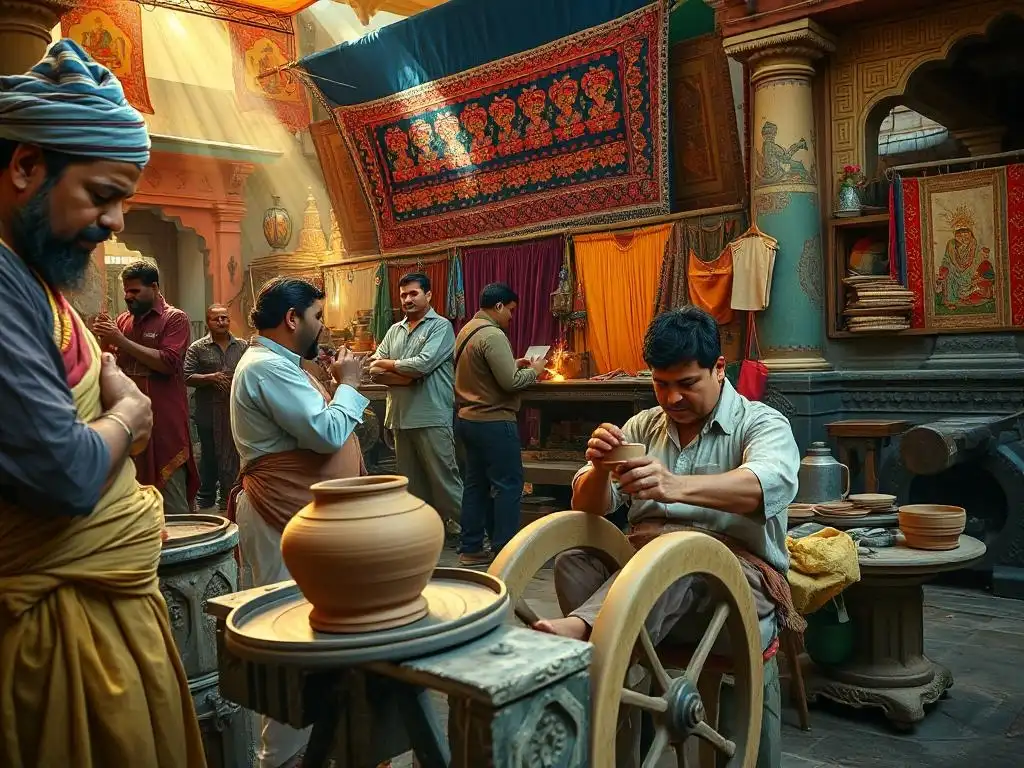
Welcome to Ancient India History, where we embark on an enthralling journey through the rich tapestry of Indian civilization. Here, we delve into the intricate details of daily life and society, uncovering the fascinating dynamics that shaped the lives of our ancestors. In this article, we shine a spotlight on the ancient Indian guild system, a remarkable structure that organized craftsmen and their labor, revealing the ingenuity and collaboration that flourished in ancient times.
Prepare to be captivated as we explore how these guilds not only fostered creativity and skill but also contributed significantly to the cultural legacy of India. Join us as we unravel these stories, igniting your curiosity to learn more!
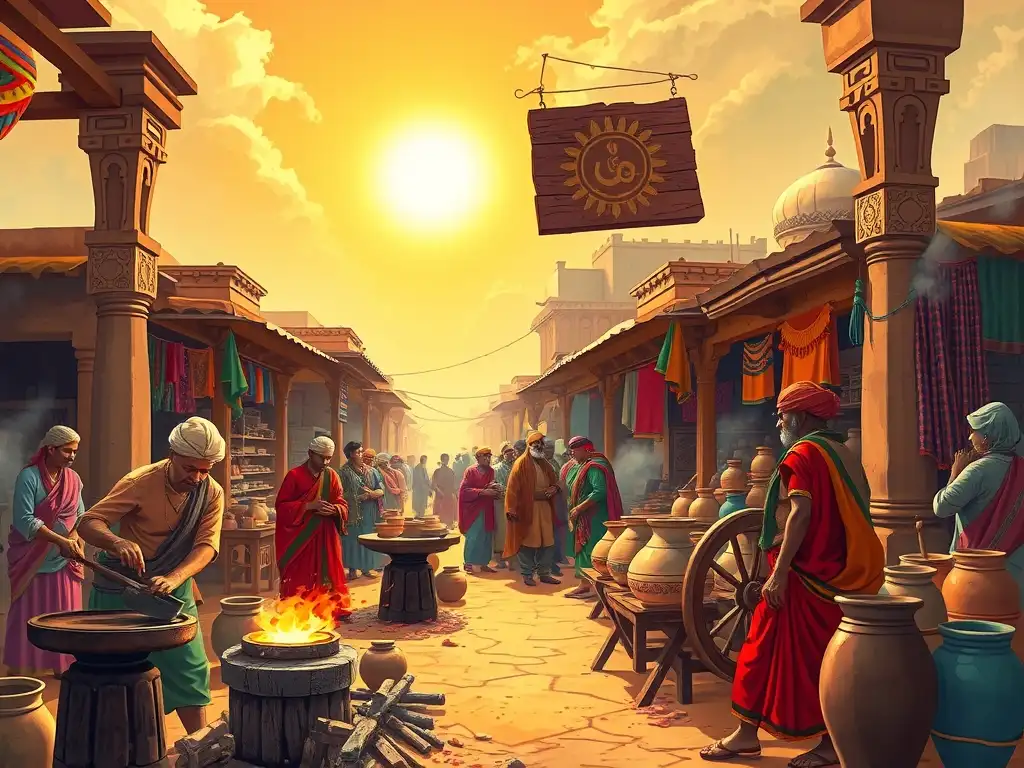
Introduction to the Ancient Indian Guild System
The ancient Indian guild system represents a fascinating facet of the socio-economic landscape that characterized the civilizations of ancient India. These guilds, known as shrenis, played a crucial role in organizing labor, facilitating trade, and preserving artisanal knowledge across various regions and epochs. As intricate networks of craftsmen and merchants, they contributed significantly to the development of economic structures, social hierarchies, and cultural exchanges. Understanding the guild system not only sheds light on the craftsmanship and economic practices of ancient India but also highlights the collaborative spirit that fostered innovation and sustainability within these communities.
Definition of the Guild System in Ancient India
In ancient India, the guild system was essentially a collective of artisans, traders, and craftsmen who banded together to regulate their trades and protect their interests. These guilds operated on principles of mutual aid, apprenticeship, and trade standards, ensuring that knowledge and skills were passed down through generations. Each guild was typically organized around a specific craft or trade, such as weaving, pottery, metalwork, or trade in commodities.
The guilds were governed by their own set of rules and regulations, which dictated the processes of production, quality control, pricing, and ethical practices. Membership in a guild often required adherence to these rules, and in return, members enjoyed the benefits of shared resources, collective bargaining, and social standing within the community.
Importance of Guilds in Ancient Indian Society
The significance of guilds in ancient Indian society cannot be overstated. They were vital for:
- Economic Stability: Guilds provided a framework for economic transactions, ensuring fair trade practices and helping to stabilize local economies.
- Social Cohesion: By fostering a sense of community among craftsmen, guilds promoted social ties and mutual support, which were essential during times of economic fluctuations.
- Cultural Preservation: Guilds played a key role in preserving traditional crafts and techniques, passing down knowledge through generations and maintaining the cultural heritage of various regions.
- Political Influence: Many guilds held substantial political power, influencing local governance and policies that affected trade and industry.
Historical Context of the Ancient Indian Guild System
To fully appreciate the ancient Indian guild system, it is essential to explore its historical context. The evolution of craftsmanship and the emergence of guilds were closely linked to the broader socio-political developments within ancient Indian civilizations.
Evolution of Craftsmanship in Ancient India
Craftsmanship in ancient India evolved over millennia, reflecting the changing needs, technologies, and artistic expressions of the time. The earliest indications of organized craftsmanship can be traced back to the Indus Valley Civilization (c. 3300 – 1300 BCE), where evidence of skilled artisans producing beads, pottery, and textiles has been found.
As societies progressed into the Vedic period and beyond, the specialization of crafts became more pronounced. The rise of urban centers, increased trade with neighboring regions, and the patronage of kings and wealthy merchants catalyzed the formation of guilds. These institutions not only facilitated the exchange of goods but also the sharing of innovations and techniques across different crafts.
Major Civilizations and Their Guilds
Several ancient Indian civilizations contributed uniquely to the evolution of the guild system:
- Maurya Empire: The Mauryan period (c. 322 – 185 BCE) saw the establishment of a structured economy with guilds playing a pivotal role in trade and commerce. They were crucial in managing the vast trade networks that extended beyond India.
- Gupta Empire: During the Gupta period (c. 320 – 550 CE), guilds flourished, becoming integral to the economic framework. They not only produced goods but also engaged in banking and financial activities, further enhancing their significance.
- Regional Variations: Different regions exhibited unique guild traditions, such as the Kaikola guild of weavers in South India and the Shreshthi guild of merchants in North India, highlighting the diversity within the ancient Indian guild system.
The study of these guilds reveals much about the labor systems and daily life in ancient Indian society, illustrating how craftsmen organized their labor and contributed to the overall tapestry of Indian civilization.
Structure of the Ancient Indian Guild System
The ancient Indian guild system was a sophisticated framework that organized craftsmen, merchants, and traders into collective groups, often referred to as shrenis or nikayas. These guilds were essential to the economic and social structure of ancient Indian cities and towns, providing a means for artisans to cooperate, share resources, and ensure quality control over their products. The structure of these guilds was hierarchical, often with a clear distinction between different roles and responsibilities.
At the top of the hierarchy were the guild leaders, known as shresthis, who not only managed the guild's operations but also represented its interests in negotiations with local governments and other guilds. Below them were skilled craftsmen who specialized in particular trades, such as weaving, pottery, or metalwork. Each guild had its own set of rules, regulations, and codes of conduct that members were expected to follow, ensuring a level of professionalism and accountability within the craft.
Moreover, guilds often operated within specific geographic locations, allowing them to monopolize trades in particular cities or regions. This geographic concentration fostered a sense of community among members and facilitated the sharing of techniques and innovations, thereby enhancing the overall craftsmanship and productivity of the guild.
Types of Guilds in Ancient India
In ancient India, guilds were diverse and specialized, catering to various trades and crafts. The main types of guilds included:
- Artisan Guilds: These were comprised of skilled craftsmen specializing in specific trades such as blacksmithing, carpentry, weaving, and pottery. For example, the Karmakaras focused on metalwork, while the Kalamkars were known for their textile production.
- Merchant Guilds: Known as srenis, these guilds included traders who engaged in the exchange of goods. They played a crucial role in the economy by facilitating trade across regions, both inland and overseas.
- Professional Guilds: These guilds included various professional groups, such as physicians, teachers, and architects. Each group maintained standards and practices within their respective fields, thereby contributing to the overall development of society.
- Religious Guilds: Some guilds were associated with religious practices and rituals, providing services related to temple construction, maintenance, and the crafting of religious artifacts. These guilds helped propagate cultural and spiritual values through their work.
This diversity allowed the ancient Indian guild system to address the wide-ranging needs of society, enhancing both the economy and the cultural landscape of ancient India.
Membership and Organization within Guilds
Membership in ancient Indian guilds was typically based on skill and trade. Craftsmen would usually join a guild relevant to their trade, and membership often required them to complete a specific apprenticeship under a master craftsman. This system ensured that knowledge and skills were passed down through generations, preserving traditional techniques and fostering innovation.
Guilds maintained a structured organization, often comprising various ranks. New members usually started as apprentices, learning the trade from experienced artisans. Once they demonstrated proficiency, they could become full members and enjoy the benefits associated with guild membership, such as access to shared resources, collective bargaining power, and protection against exploitation.
Guild meetings were regularly held to discuss issues affecting members, establish trading rules, and resolve disputes. Leadership roles within the guild were typically elected or appointed, often based on experience and merit. This democratic approach to leadership helped maintain harmony and accountability within the guild.
Functions and Contributions of Guilds
The functions of the ancient Indian guild system were multifaceted, impacting not only the economy but also the social fabric of society. Guilds served as a platform for collaboration among craftsmen and traders, facilitating the sharing of resources and knowledge, which ultimately led to enhanced productivity and innovation.
Guilds also played a vital role in regulating the quality of goods produced. By enforcing standards and practices, they ensured that consumers received high-quality products, which helped build trust within the marketplace. Additionally, guilds were instrumental in negotiating fair prices for their members, allowing them to achieve better economic stability.
Economic Impact of the Ancient Indian Guild System
The economic impact of the ancient Indian guild system was profound. By organizing craftsmen and traders into guilds, the system created a structured marketplace that stimulated local economies. Guilds facilitated trade not only within local markets but also between distant regions, contributing to the growth of commerce in ancient India.
Moreover, guilds contributed to the establishment of trade routes, both overland and maritime. They played a significant role in connecting various parts of India with international markets, particularly during the Mauryan and Gupta periods. This connectivity led to the exchange of goods, ideas, and cultural practices, ultimately enriching the Indian economy.
The guild system also fostered competition among craftsmen, driving innovation and improving the quality of products. This competitive environment was crucial for economic growth, as it encouraged artisans to adopt new techniques and improve their craftsmanship, which in turn attracted more customers and boosted sales.
Social and Cultural Contributions of Guilds
Beyond their economic contributions, ancient Indian guilds significantly impacted social and cultural life. They served as social institutions that fostered community bonds among members, offering a sense of identity and belonging. Guilds often hosted festivals and events, celebrating their craft and culture, which helped preserve traditional practices and fostered a sense of pride among artisans.
Additionally, guilds played a crucial role in the transmission of knowledge and skills. Through apprenticeships and mentorships, experienced craftsmen passed down their expertise to younger artisans, ensuring the continuity of various trades. This educational aspect of guilds was vital for the preservation of traditional crafts and techniques, particularly in regions where cultural heritage was at risk of being lost.
Guilds also contributed to the development of social norms and ethics surrounding trade and craftsmanship. Their regulations and codes of conduct promoted fairness, integrity, and respect among members, shaping the moral fabric of society. This emphasis on ethical practices helped establish a code of conduct that resonated throughout ancient Indian culture, reinforcing the importance of craftsmanship and trade in daily life.
The Guild System and Labor Relations
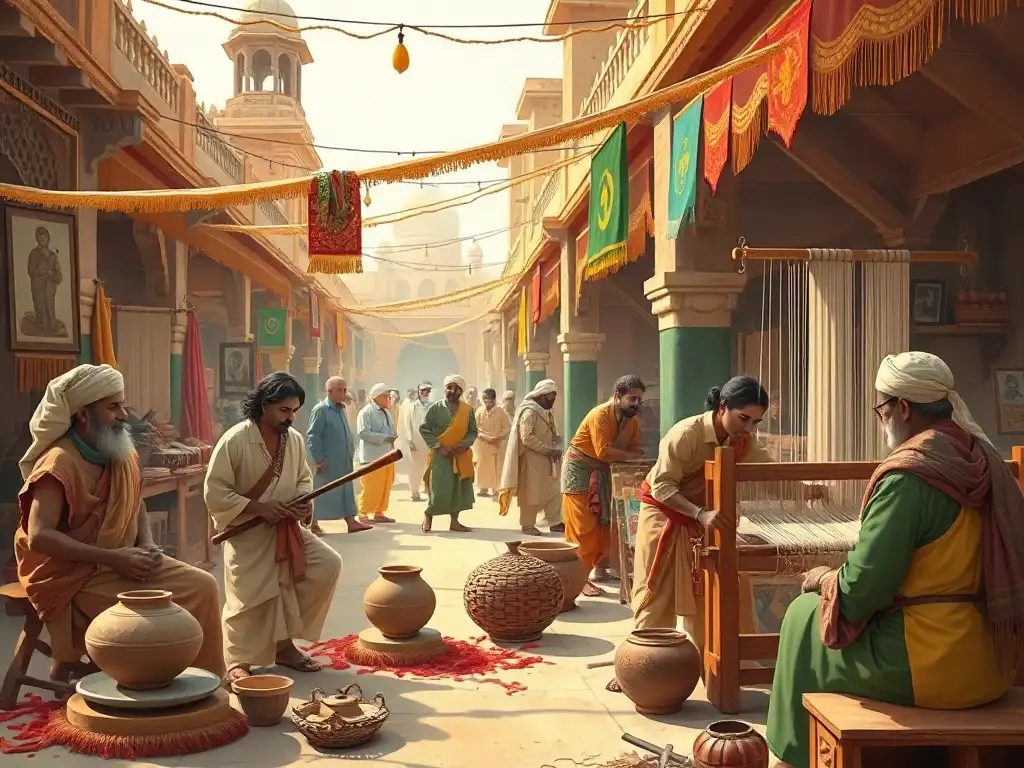
The ancient Indian guild system played a pivotal role in structuring labor relations among craftsmen and artisans. These guilds, known as shrenis or panchayats, were organized groups that represented various trades and crafts. They not only facilitated collaboration among members but also established a framework for economic and social interactions. Members of a guild were often bound by shared interests, providing them with a sense of community and mutual support.
The guilds operated on principles of collective responsibility and mutual aid. This system ensured that artisans received fair wages and support in times of need. The relationships within guilds were hierarchical, with senior artisans mentoring apprentices, thereby ensuring the transfer of skills and knowledge across generations. This mentoring system was crucial for maintaining the quality of craftsmanship and sustaining traditional practices.
Moreover, guilds had a significant role in negotiating with local authorities and merchants, thereby influencing market conditions and protecting their members from exploitation. They often set the prices for goods and services, ensuring that competition remained fair and that artisans could sustain their livelihoods. This balance of power within the labor structure was essential for the economic stability of ancient Indian society.
Relationships Between Guilds and Artisans
The relationship between guilds and artisans was characterized by mutual dependence and collaboration. Artisans relied on guilds for various resources, including raw materials, training, and market access. In return, guilds depended on the skills and productivity of their artisan members to uphold their reputation and economic viability.
Artisans benefited from guild membership by gaining access to a network of fellow craftsmen, which facilitated trade and the exchange of ideas. This network allowed for the sharing of techniques and innovations, leading to advancements in craftsmanship. For instance, metalworkers and textile artisans would often exchange knowledge about production methods and design elements, enhancing the quality of their goods.
Furthermore, guilds served as a platform for resolving disputes among members. They established rules and regulations governing work practices, ensuring that conflicts were addressed amicably. This oversight helped maintain harmony within the community and reinforced the guild's authority as a governing body.
Regulation of Labor Standards and Practices
One of the critical functions of ancient Indian guilds was the regulation of labor standards and practices. Guilds established codes of conduct that outlined the expectations for quality, ethical practices, and fair treatment of artisans. These codes were designed to ensure that all members adhered to specific standards, fostering a sense of professionalism within the trade.
Guilds often conducted regular inspections and assessments to maintain these standards. They would evaluate the quality of products being produced and provide guidance on improving techniques. In cases where standards were not met, guilds had the authority to impose penalties or even expel members, thereby ensuring that the overall reputation of the guild remained intact.
Additionally, guilds played a significant role in the apprenticeship system, setting guidelines for the training and integration of new artisans into the workforce. They established the duration and nature of apprenticeship programs, ensuring that newcomers received comprehensive training in their craft. This regulation contributed to the preservation of traditional skills and techniques, which were vital to the identity of various crafts and trades.
Decline of the Guild System in Ancient India
The decline of the ancient Indian guild system was a gradual process influenced by various socio-economic factors. By the late medieval period, several changes began to impact the structure and function of guilds, leading to their eventual disintegration. The rise of centralized political powers, changing economic conditions, and shifting trade dynamics all contributed to this decline.
Factors Leading to the Decline
Several factors contributed to the decline of the guild system in ancient India. The advent of colonial rule brought significant changes to trade practices and economic structures. European powers introduced new trade routes and commodities, disrupting traditional markets that guilds had long controlled. This shift not only diminished the economic power of guilds but also led to increased competition from foreign traders.
Moreover, the industrialization process in the 19th century further undermined the guild system. The emergence of factories and mass production techniques rendered traditional craftsmanship less relevant. As artisans began to migrate towards urban centers in search of employment in factories, the guilds struggled to adapt to the changing labor landscape. This migration resulted in the fragmentation of traditional crafts and the dilution of the close-knit communities that guilds had fostered.
Lastly, the increasing individualism in economic practices led artisans to seek personal gain rather than collective welfare. This shift in mindset weakened the solidarity that had previously characterized guild relationships, further contributing to the system's decline.
Legacy of the Ancient Indian Guild System
Despite its decline, the legacy of the ancient Indian guild system continues to resonate in modern Indian society. The guilds laid the foundation for cooperative societies and trade unions, which emerged in response to the needs of workers in contemporary industries. The principles of collective bargaining, mutual aid, and shared responsibility can be traced back to the structures established by ancient guilds.
Moreover, the rich traditions of craftsmanship that guilds nurtured have persisted in various forms, with artisans continuing to produce high-quality goods that reflect their cultural heritage. Many traditional crafts, such as pottery, weaving, and metalwork, are still practiced today, and artisans often organize themselves into modern associations that echo the principles of ancient guilds.
The ancient Indian guild system was a vital component of the socio-economic fabric of its time. While it has undergone significant transformations, its influence on labor organization and craftsmanship remains an essential aspect of India's cultural and historical narrative.
Conclusion
The ancient Indian guild system played a pivotal role in shaping the socio-economic landscape of India. By organizing craftsmen into structured groups, guilds not only facilitated the production of goods but also fostered a sense of community and mutual support among artisans. This intricate network of collaboration allowed for the specialization of skills and the dissemination of knowledge, which were crucial for the development of various crafts and trades.
Moreover, the guild system contributed significantly to the economy, as these organizations managed trade practices, ensured quality control, and established fair pricing mechanisms. The influence of guilds extended beyond mere economic transactions; they also upheld cultural heritage by preserving traditional crafts and promoting local artistry.
The legacy of the ancient Indian guild system is still evident in modern India, where many traditional crafts continue to thrive, rooted in the practices established by these historical organizations. Understanding this system allows us to appreciate the depth and complexity of India’s craft traditions and the communities behind them.
Summary of the Ancient Indian Guild System's Significance
The ancient Indian guild system was vital for several reasons:
- Economic Stability: Guilds provided a framework for trade, ensuring that artisans could sell their products in an organized manner, contributing to local economies.
- Skill Development: By promoting apprentice systems, guilds ensured the transfer of skills from experienced craftsmen to novices, preserving specialized knowledge.
- Community Building: Guilds fostered a sense of belonging among craftsmen, creating networks of support that promoted collaboration and mutual assistance.
- Cultural Preservation: Many guilds focused on specific crafts that were integral to cultural identity, ensuring that traditional methods and designs were maintained and passed down through generations.
- Quality Control: Guilds established standards for craftsmanship, ensuring that products met certain quality benchmarks, which helped maintain the reputation of artisans and their goods.
In essence, the guild system was a cornerstone of ancient Indian society, influencing not only the economy but also the cultural fabric of the time.
Reflection on the Impact of Guilds on Modern Craftsmanship in India
The echoes of the ancient Indian guild system resonate profoundly in contemporary craftsmanship across India. Many modern artisans still operate within frameworks reminiscent of those early guilds, emphasizing community and collaboration. Here are some key reflections on this impact:
- Revival of Traditional Crafts: There has been a resurgence of interest in traditional crafts, partly due to the organized networks that echo guild-like structures, allowing artisans to connect and support one another.
- Sustainable Practices: Many artisans today are looking back at the sustainable practices emphasized by guilds, such as using locally sourced materials and traditional techniques, which resonate with current trends toward sustainability.
- Market Access: Just as guilds once facilitated trade, modern cooperatives and artisan groups help craftsmen gain access to markets that value handmade and traditional goods, ensuring their survival in a globalized economy.
- Cultural Identity: The revival of interest in traditional crafts has fostered a stronger sense of cultural identity, allowing communities to celebrate and promote their unique heritage through craftsmanship.
While the ancient Indian guild system may have evolved, its influence remains a foundational element in the narrative of modern craftsmanship, highlighting the enduring legacy of collaboration, skill, and cultural heritage in India.
- Introduction to the Ancient Indian Guild System
- Historical Context of the Ancient Indian Guild System
- Structure of the Ancient Indian Guild System
- Functions and Contributions of Guilds
- The Guild System and Labor Relations
- Decline of the Guild System in Ancient India
- Conclusion
Frequently Asked Questions
What was the ancient Indian guild system?
The ancient Indian guild system was a structured organization of craftsmen and traders that facilitated cooperation and mutual support among artisans in various trades.
How did guilds function in ancient India?
Guilds in ancient India operated as self-regulating bodies, overseeing quality control, training of apprentices, and the establishment of trade standards for their members.
What were the benefits of being part of a guild in ancient India?
Membership in a guild provided economic stability, access to markets, and protection against competition, allowing craftsmen to thrive within a supportive community.
Did guilds influence the economy of ancient Indian civilizations?
Yes, the guild system significantly influenced the economy by promoting trade, ensuring product quality, and fostering innovation among artisans and merchants.
How did the guild system evolve over time in India?
The guild system evolved through different historical phases, adapting to changes in political and economic landscapes, ultimately contributing to the rich tapestry of Indian cultural heritage.
Final Reflection: The Enduring Legacy of the Ancient Indian Guild System
The ancient Indian guild system was not merely a method of organizing labor; it was a profound reflection of social structure, economic interdependence, and cultural identity. Today, as we navigate a rapidly changing global economy, the principles of collaboration and community that defined these guilds resonate more than ever. The lessons learned from this historical framework remind us that in a world increasingly driven by individualism, the strength of collective effort can lead to innovation and resilience.
The influence of the guild system extends far beyond its historical context, shaping the cultural and social landscape of India and beyond. The interconnectedness fostered by these guilds laid the groundwork for cooperative enterprises and trade networks that continue to thrive. As we reflect on this legacy, we can appreciate the words of Mahatma Gandhi: The best way to find yourself is to lose yourself in the service of others.
This sentiment echoes the spirit of the guilds, where craftsmen not only honed their skills but also contributed to the welfare of their communities, fostering a sense of belonging and shared purpose.
As we look to the future, let us take inspiration from the ancient Indian guild system and consider how we can apply its principles in our lives today. Reflect on the power of collaboration in your own endeavors, whether in your professional or personal life. Embrace the idea that together, we can achieve more than we ever could alone. By fostering connections, sharing knowledge, and supporting one another, we can create a vibrant tapestry of community that honors the past while paving the way for a brighter future.
Unveil the Legacy of Ancient Indian Craftsmen!
Thank you for joining us on this journey into the fascinating guild system of ancient India! We hope you’ve gained valuable insights into how craftsmen organized their labor and shaped their communities. Now it’s time to take what you’ve learned and dive deeper into this rich history.
Here are a few empowering actions you can take today:
- Explore further: Delve into local museums or online resources to discover artifacts and stories related to ancient Indian craftsmen.
- Share your knowledge: Start a conversation with friends or family about the significance of guilds in shaping both history and contemporary craftsmanship.
- Join a local craft workshop: Gain hands-on experience in a traditional craft to connect with the techniques and skills of ancient artisans.
What aspect of the ancient guild system intrigues you the most? How do you believe it continues to influence modern craftsmanship? Let’s spark a conversation in the comments!