
Weavers of Time: The Cultural Significance of Weaving in Ancient India

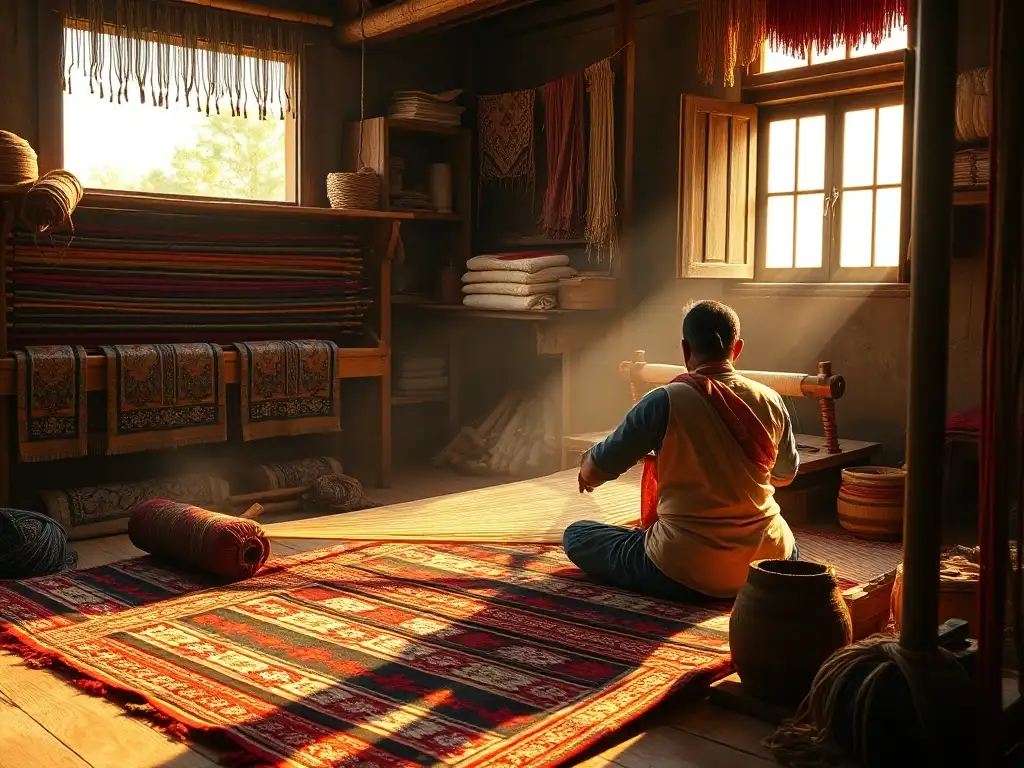
Welcome to Ancient India History, where we embark on a fascinating journey through the tapestry of India’s vibrant past. Have you ever wondered how the intricate art of weaving shaped the very fabric of ancient Indian society? In our featured article, "Weavers of Time: The Cultural Significance of Weaving in Ancient India," we delve into the profound impact that weaving had on daily life, culture, and community ties across civilizations, from the sophisticated Indus Valley to the flourishing Gupta Empire.
Join us as we unravel the threads of history and explore the stories woven into the very essence of India. Your adventure into the rich legacy of ancient craftsmanship begins here!
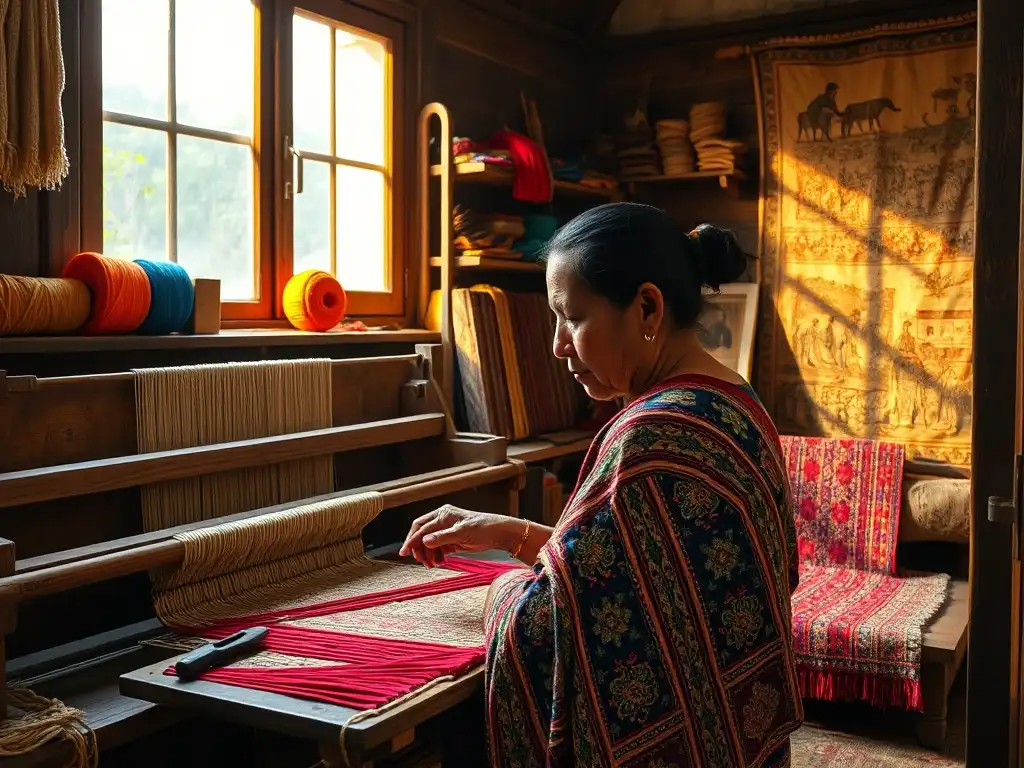
Weaving in ancient India is not merely a craft; it is a profound expression of cultural identity and social structure that has evolved over millennia. From the intricate designs of the Indus Valley Civilization to the sophisticated techniques of the Gupta Empire, weaving has played a pivotal role in shaping the daily life and economy of ancient Indian societies.
This article delves into the cultural significance of weaving in India, exploring its impact on social customs, economic practices, and artistic expressions throughout various epochs. By examining the historical context and the evolution of weaving practices, we aim to highlight the enduring legacy of this intricate art form and its vital role in the tapestry of ancient Indian civilization.
Introduction to Weaving in Ancient India
Overview of Weaving in Ancient Indian Culture
Weaving has been an integral part of Indian civilization, serving not only as a means of creating textiles but also as a medium for storytelling and cultural expression. The patterns and motifs found in woven fabrics often reflect religious beliefs, regional identities, and social hierarchies. Ancient texts and artifacts reveal that weaving was a revered occupation, often associated with women who passed down their skills through generations.
- Cultural Symbolism: Textiles were often imbued with symbolic meanings, representing fertility, prosperity, and protection.
- Regional Diversity: Different regions of India developed unique weaving styles, from the vibrant sarees of Banaras to the intricate carpets of Kashmir.
Importance of Weaving in Daily Life and Society
The cultural significance of weaving in India extends beyond aesthetics; it is deeply woven into the socio-economic fabric of ancient communities.
- Economic Contribution: Weaving was a major source of livelihood for many households, contributing to local economies and trade.
- Social Structure: The craft often delineated social roles and status, with specific communities specializing in particular weaving techniques.
- Ritualistic Importance: Textiles played a crucial role in religious ceremonies and rites of passage, underscoring their significance in everyday life.
Historical Context of Weaving in Ancient India
Weaving Techniques and Materials Used
The techniques and materials employed in weaving reflect the ingenuity and resourcefulness of ancient Indian societies.
- Materials: Cotton, silk, and wool were the primary materials used, each chosen for its availability and suitability for different types of garments.
- Techniques: Techniques varied from simple handloom methods to complex weaving processes like ikat and brocade, showcasing a rich tradition of craftsmanship.
| Material | Region | Technique |
|---|---|---|
| Cotton | Indus Valley | Handloom |
| Silk | Eastern India | Brocade |
| Wool | Northern India | Carpet Weaving |
Evolution of Weaving Practices from the Indus Valley to the Gupta Empire
The journey of weaving in ancient India can be traced through different civilizations, each contributing to its evolution.
- Indus Valley Civilization: Early evidence of weaving practices, including the use of cotton, was found in archaeological sites, indicating a sophisticated understanding of textile production.
- Mauryan Period: The emergence of silk weaving, influenced by trade with China, marked a significant advancement in textile production techniques.
- Gupta Empire: This period saw the flourishing of artistic weaving, with elaborate designs and patterns that reflected the political and cultural richness of the time.
As we explore the intricate world of weaving in ancient India, we uncover layers of meaning that reveal the deep connections between culture, society, and the arts. The legacy of these weavers of time continues to resonate in contemporary India, reminding us of the enduring significance of this craft.
The Cultural Significance of Weaving in India
Weaving holds profound cultural significance in India, serving not merely as a means of fabric production but as a representation of the country's rich heritage and intricate artistic expressions. The tradition of weaving dates back thousands of years, deeply embedded in the social fabric of various communities. Each region of India boasts its own unique weaving techniques, styles, and motifs, showcasing the diversity and creativity of its people. The craftsmanship involved in weaving reflects the historical context, cultural narratives, and regional identities, making it a vital aspect of India's cultural landscape.
Textiles produced through weaving have historically played a pivotal role in daily life, symbolizing status, identity, and community belonging. From the vibrant saris of Bengal to the intricate shawls of Kashmir, each textile carries stories and meanings that transcend generations. This section delves into the multifaceted cultural significance of weaving in India, exploring its artistic, symbolic, and economic dimensions.
Weaving as a Form of Artistic Expression
Weaving in ancient India is not just a functional craft; it is a profound form of artistic expression that showcases the skill and creativity of artisans. Each piece of woven fabric often contains intricate patterns and designs that reflect the cultural narratives and traditions of specific communities. For instance, the intricate motifs found in Kanchipuram sarees are often inspired by mythology and nature, while the geometric patterns of Gujarati textiles celebrate regional heritage.
Moreover, the use of natural dyes and materials connects the weaver to their environment, further enriching the artistic process. The act of weaving becomes a dialogue between the artisan and their cultural heritage, allowing them to express identity, beliefs, and social values through their craft. This artistic dimension of weaving highlights its role as a vital component of cultural preservation and innovation.
Symbolism of Textiles in Ancient Indian Society
Textiles in ancient Indian society were imbued with deep symbolism, serving as markers of identity, status, and community belonging. Different fabrics and patterns were often associated with specific social classes, regions, and even religious affiliations. For example, the use of silk was predominantly reserved for the elite, symbolizing wealth and power, while coarser fabrics were used by the lower strata of society.
The symbolism extends beyond mere aesthetics; textiles played an essential role in rituals and ceremonies. Specific garments were worn during important life events, such as weddings and festivals, signifying cultural traditions and rites of passage. The colors and patterns chosen for these garments often held particular meanings, reflecting auspiciousness or spiritual significance. Thus, textiles functioned as a visual language that communicated social status, cultural values, and personal identities within the rich tapestry of ancient Indian society.
Weaving and Its Role in Religious and Ritual Practices
In ancient India, weaving was intricately linked to religious and ritual practices, with textiles serving as offerings and symbols of devotion. Many religious ceremonies involved the use of specially woven garments or fabrics, which were often adorned with sacred symbols and motifs. For instance, the use of specific colors and materials in temple cloths was believed to invite divine presence and blessings.
Moreover, certain weaving traditions were closely tied to particular religious communities, with artisans often belonging to specific castes or guilds that specialized in textile production for religious purposes. The act of weaving itself was sometimes viewed as a spiritual practice, where the weaver's intention and devotion were believed to infuse the fabric with sacred qualities. Thus, weaving transcended its utilitarian function, becoming a vital component of spiritual expression and community identity.
Economic Impact of Weaving on Ancient Indian Society
The economic impact of weaving on ancient Indian society was significant, with the textile industry serving as a crucial driver of trade and commerce. Weaving not only provided livelihoods for countless artisans and their families but also contributed to the overall economic stability of various regions. The production of textiles fostered a vibrant marketplace where goods were exchanged, creating a network of economic interactions that spanned local, regional, and even international boundaries.
Weaving also played a role in the development of trade routes, connecting ancient India to other civilizations. The demand for Indian textiles, known for their quality and artistry, fueled trade relationships with distant lands, leading to cultural exchanges and the introduction of new materials and techniques.
Weaving as an Occupation and Labor System
Weaving was a prominent occupation within ancient Indian labor systems, often organized around family units or guilds. Many communities specialized in specific weaving techniques, passing down knowledge and skills through generations. This system of apprenticeship allowed for the preservation of traditional practices while adapting to changing market demands.
Artisans worked within a framework of social hierarchy, with skilled weavers holding esteemed positions within their communities. The labor involved in weaving was often intensive and required extensive training, making it a respected occupation. The economic structure surrounding weaving fostered community solidarity, as the success of individual weavers often depended on collective efforts and support.
Trade and Commerce: The Role of Weaving in Ancient Economies
The role of weaving in ancient Indian economies cannot be overstated. Textiles were among the most significant commodities traded, both within the subcontinent and beyond. Indian fabrics, especially silk and cotton, were highly sought after in international markets, contributing to the prosperity of cities and trade hubs.
Trade routes facilitated the exchange of textiles with other regions, enhancing cultural interactions and economic ties. The Silk Road, for instance, was a vital artery for the exchange of Indian textiles, linking India with Central Asia and beyond. This trade not only enriched the economy but also contributed to the diffusion of weaving techniques and styles, further embedding weaving into the global cultural tapestry.
Weaving in ancient India was a multifaceted practice that played a crucial role in shaping cultural identities, economic structures, and social systems. Its significance extends far beyond the creation of textiles, representing a vital thread woven into the very fabric of Indian civilization.
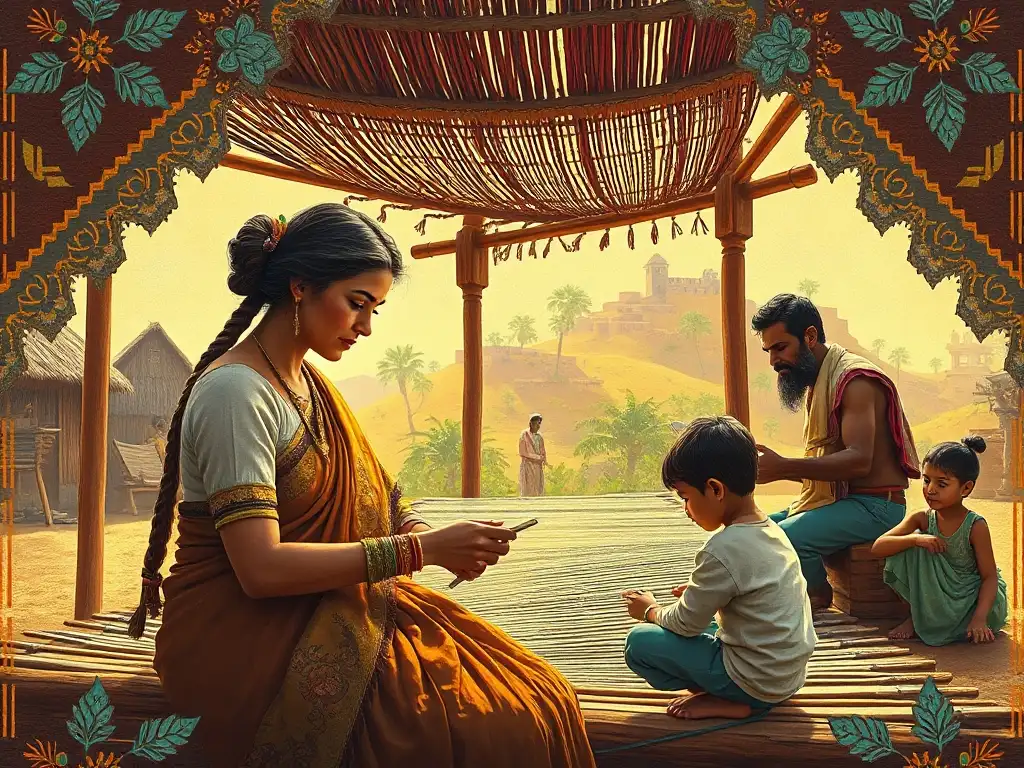
Weaving in ancient India was not merely a craft but an integral part of the social fabric that defined various communities. The occupation of weaving was deeply intertwined with the caste system, gender roles, and regional identities, creating a rich tapestry of social structures that influenced and sustained the practice of weaving over centuries. The significance of weaving extended beyond economic activity; it was a means of cultural expression, identity formation, and social cohesion.
Castes and Weaving: The Social Stratification of Weavers
The caste system played a pivotal role in the organization of weaving practices in ancient India. Weavers belonged predominantly to specific castes, such as the Julahas and Mallahs, who were designated as traditional weaving communities. These castes were often hereditary, and the art of weaving was passed down through generations, ensuring the continuity of skills and techniques.
This stratification created a hierarchy within the weaving community itself, where different castes specialized in various types of textiles. For example, the Khatris were known for their intricate block printing, while the Bunkars excelled in handloom weaving. This specialization not only catered to diverse market demands but also reinforced social identities tied to specific weaving styles. The economic reliance on weaving created a distinctive social status for these communities, which was often respected but also subjected to the constraints of the caste system.
Gender Roles in Weaving Crafts
Gender roles significantly shaped the practices and dynamics of weaving in ancient India. Traditionally, weaving was viewed as a male-dominated craft, often associated with the technical aspects of loom operation and textile production. Men typically held the primary responsibility for weaving on larger looms, particularly in professional settings.
However, women played an equally crucial role, particularly in domestic spaces, where they engaged in smaller-scale weaving and embroidery. Women’s contributions were vital in creating household textiles, garments, and ceremonial pieces, which were often infused with personal and cultural meanings. As such, weaving became a shared family endeavor, reflecting both collaborative efforts and the gendered division of labor within communities.
Regional Variations in Weaving Practices
The diversity of India's geography contributed to the rich array of weaving practices observed across the subcontinent. Each region developed unique styles, techniques, and motifs, influenced by local resources, cultural narratives, and historical contexts.
Distinct Weaving Styles Across Different Regions of Ancient India
From the intricate Banarasi brocades of Varanasi to the vibrant Kanchipuram silk sarees of Tamil Nadu, each region showcased its distinctive weaving styles. For instance:
- Gujarat is renowned for its Patola sarees, characterized by double-ikat weaving techniques.
- Madhya Pradesh features the Chanderi and Maheshwari sarees, known for their lightweight and fine textures.
- The Naga tribes of Northeast India have unique weaving traditions that reflect their cultural heritage through vibrant patterns and designs.
These regional styles not only served aesthetic purposes but also conveyed social status, regional identity, and cultural narratives, making weaving a vital expression of local heritage.
Influence of Geography on Weaving Techniques and Patterns
Geography significantly influenced the types of fibers used, the designs created, and the techniques employed in weaving. The availability of natural resources affected the choice of materials, which included cotton, silk, wool, and jute, each of which was suited to specific climatic conditions.
For example, the humid climate of the Indus Valley facilitated the growth of cotton, leading to the development of cotton weaving techniques that became a hallmark of the region. Similarly, the mountainous terrains of Himachal Pradesh and Uttarakhand fostered the use of wool, resulting in unique patterns and textures in local weaving practices.
The interplay of geography and weaving not only shaped the economic landscape of ancient India but also reflected the cultural and environmental narratives of the communities, underlining the cultural significance of weaving in India as a reflection of its diverse heritage.
Preservation and Legacy of Ancient Weaving Traditions
The art of weaving in ancient India is not merely a craft; it embodies a rich tapestry of cultural heritage that has been meticulously preserved over millennia. From the intricate patterns of the Indus Valley civilization to the elaborate brocades of the Mughal era, the legacy of weaving reflects the socio-economic and artistic evolution of Indian society. The materials employed, including cotton, silk, and wool, further illustrate the adaptability and ingenuity of weavers in response to changing demands and resources.
The preservation of ancient weaving traditions is facilitated through a combination of oral histories, community practices, and institutional support. Many weaving techniques and designs are passed down through generations, often within families or communities that have specialized in this craft for centuries. This continuity not only safeguards the techniques but also reinforces the social and cultural identity of the weavers. Furthermore, traditional weaving practices have been documented in various forms, including manuscripts and art, contributing to a broader understanding of their significance in Indian history.
Continuity of Weaving Practices Through Generations
Generational continuity in weaving practices is a hallmark of ancient Indian craftsmanship. Families have historically engaged in weaving as a primary source of livelihood, allowing them to cultivate and refine their skills over time. This practice is particularly evident in regions renowned for specific weaving styles, such as Banaras for silk, Kanchipuram for sarees, and Bhuj for embroidered textiles.
The transmission of knowledge within these communities often occurs through apprenticeship models, where younger members learn directly from experienced artisans. This hands-on experience is crucial for mastering intricate techniques, such as dyeing, pattern making, and loom operation. As a result, the weavers not only preserve their craft but also infuse it with personal creativity and innovation, ensuring that ancient traditions continue to evolve while maintaining their roots. The strong familial ties and community support systems further bolster this continuity, making it an enduring aspect of India's cultural landscape.
Modern Interpretations and Revivals of Ancient Weaving Techniques
In recent years, there has been a resurgence of interest in ancient weaving techniques, spurred by a growing appreciation for sustainable and artisanal practices. Modern designers and artisans are increasingly drawing inspiration from traditional methods, integrating them into contemporary fashion and textile production. This revival not only honors the skills of master weavers but also highlights the relevance of these techniques in today's market.
Collaborative efforts between artisans and designers have led to innovative interpretations of classic patterns and styles, appealing to both domestic and international audiences. For instance, the revival of khadi—a handspun and handwoven fabric—has become a symbol of self-reliance and sustainability, aligning with contemporary values while celebrating India's weaving heritage. Workshops, exhibitions, and fashion shows featuring traditional textiles have further contributed to the visibility and appreciation of these ancient crafts, ensuring they remain vibrant components of modern culture.
Conclusion: The Lasting Impact of Weaving on Indian Culture
The influence of weaving in ancient India extends far beyond the creation of textiles; it is deeply intertwined with the cultural, social, and economic fabric of Indian society. Weaving practices have shaped community identities, facilitated trade, and served as a medium for artistic expression. Each piece of woven fabric tells a story, reflecting the traditions, beliefs, and histories of the people who create and wear them.
Reflection on the Cultural Significance of Weaving in Contemporary India
In contemporary India, the cultural significance of weaving is increasingly recognized as a vital part of national identity. As globalization and rapid industrialization challenge traditional crafts, there is a growing movement to support and sustain weaving as an integral part of India's cultural heritage. Initiatives promoting fair trade, ethical fashion, and local craftsmanship resonate with consumers seeking authenticity and connection to the past.
Moreover, festivals and cultural events celebrating traditional textiles provide platforms for weavers to showcase their skills and engage with a wider audience. This renewed focus on the cultural narratives embedded in weaving fosters a deeper appreciation for the artistry and labor that go into each handwoven piece, ensuring that the legacy of weaving continues to thrive in modern society.
Future Prospects for Ancient Weaving Traditions in Modern Society
The future of ancient weaving traditions in modern society appears promising, as a combination of technological advancements and a resurgence of interest in artisanal crafts offers new opportunities for growth. Digital platforms allow weavers to reach global markets, while innovative materials and techniques can be integrated into traditional practices, appealing to contemporary tastes.
Moreover, educational programs aimed at empowering young artisans with both traditional skills and modern business acumen are crucial for sustaining this craft. As society continues to value sustainability and cultural heritage, the weaving traditions of ancient India are poised to not only survive but flourish, enriching the cultural landscape for generations to come. The ongoing dialogue between tradition and modernity will ensure that the ancient art of weaving remains a vibrant and significant part of India's rich cultural tapestry.
- Introduction to Weaving in Ancient India
- Historical Context of Weaving in Ancient India
- The Cultural Significance of Weaving in India
- Economic Impact of Weaving on Ancient Indian Society
- Social Structures Involved in Weaving
- Regional Variations in Weaving Practices
- Preservation and Legacy of Ancient Weaving Traditions
- Conclusion: The Lasting Impact of Weaving on Indian Culture
- What is the cultural significance of weaving in ancient India?
- How did the Indus Valley Civilization influence weaving?
- What materials were commonly used in ancient Indian weaving?
- How did weaving contribute to the economy of ancient India?
- What role did weaving play in religious practices in ancient India?
Frequently Asked Questions
What is the cultural significance of weaving in ancient India?
Weaving in ancient India was not just a craft; it was a reflection of societal values, traditions, and artistic expression. It played a vital role in both daily life and religious practices.
How did the Indus Valley Civilization influence weaving?
The Indus Valley Civilization showcased advanced techniques in weaving, evidenced by textile remnants and tools found at archaeological sites, highlighting their sophistication in craftsmanship.
What materials were commonly used in ancient Indian weaving?
Ancient Indian weavers primarily used cotton, silk, and wool. These materials were often dyed with natural pigments, showcasing the vibrant colors that became characteristic of Indian textiles.
How did weaving contribute to the economy of ancient India?
Weaving was a significant economic activity that provided employment to many communities and facilitated trade across regions, enhancing the overall prosperity of ancient Indian civilizations.
What role did weaving play in religious practices in ancient India?
Weaving was deeply intertwined with religious rituals, where textiles were used for ceremonial purposes. Fabric often symbolized purity and was integral to various spiritual offerings and adornments.
Final Reflection: The Enduring Legacy of Weaving in Ancient India
The cultural significance of weaving in India transcends mere craftsmanship; it embodies the very essence of identity, tradition, and community. Today, as we navigate a rapidly changing world, the intricate patterns and techniques of ancient weavers remind us of our roots and the stories woven into every thread. The artistry of weaving is not just a relic of the past; it is a vibrant testament to the resilience and creativity of cultures that continue to inspire and influence contemporary society.
The impact of weaving on the cultural and social landscape of India is profound and far-reaching. From the vibrant sarees of Gujarat to the delicate shawls of Kashmir, each piece carries with it a narrative that connects generations.
The art of weaving has fostered community bonds, empowered artisans, and preserved traditions that might otherwise fade into obscurity. As Mahatma Gandhi once said, “The best way to find yourself is to lose yourself in the service of others.” This sentiment echoes in the way weaving has served not only as a means of livelihood but also as a vehicle for social change and empowerment.
As we reflect on the cultural significance of weaving in India, I invite you to consider how these ancient practices can inspire your own life. How can you weave your own narrative, drawing from the rich tapestry of traditions around you? Embrace the lessons of resilience, creativity, and community that weaving embodies. Let us honor the weavers of time by recognizing their contributions and integrating their wisdom into our modern lives, ensuring that the threads of culture and identity remain vibrant for generations to come.
Unveil the Art of Weaving: Connect with Ancient Traditions!
Thank you for diving into the intricate world of weaving in ancient India! Your interest reflects a deep appreciation for the rich cultural heritage that continues to inspire artisans today. Now, it’s time to take the next step in exploring this beautiful tradition.
Here are a few actionable suggestions to deepen your engagement:
- Embrace the Craft: Try your hand at weaving—participate in a local workshop or explore online tutorials to create your own woven masterpiece!
- Share the Knowledge: Spread the word by sharing this article with friends or family who might be interested in the art and history of weaving.
- Join the Conversation: Connect with communities that celebrate textile arts. Look for social media groups or forums dedicated to weaving and the preservation of craft traditions.
What modern weaving technique do you think draws inspiration from ancient practices? Let’s discuss in the comments!