
Marital Traditions of the Indus Valley Civilization: What We Know

Welcome to Ancient India History, where we embark on a fascinating journey through time to uncover the rich and diverse history of ancient Indian civilizations. In this exploration, we delve into the Indus Valley marital traditions, a captivating aspect of daily life that reveals the social fabric and cultural nuances of one of the world's earliest urban societies.
What secrets do these traditions hold about love, family, and societal roles in a civilization that flourished thousands of years ago? Join us as we unravel the threads of history, inviting you to discover more about the lives and legacies of the people who shaped ancient India.
- Introduction to Indus Valley Marital Traditions
- Historical Context of Indus Valley Marital Practices
- Key Features of Indus Valley Marital Traditions
- Rituals and Ceremonies Associated with Marriages
- Gender Roles and Relationships in Indus Valley Marriages
- Comparison with Other Ancient Civilizations
- Archaeological Evidence of Marital Traditions
- Conclusion: Legacy of Indus Valley Marital Traditions
-
Frequently Asked Questions
- What were the marital traditions of the Indus Valley Civilization?
- How did societal structure influence marriage in the Indus Valley?
- What artifacts provide insights into Indus Valley marital practices?
- Were there any specific rituals associated with marriage in the Indus Valley?
- How do the marital traditions of the Indus Valley compare to those of later Indian civilizations?
- Final Reflection: The Enduring Legacy of Indus Valley Marital Traditions
- Unveil the Rich Traditions of the Indus Valley!
Introduction to Indus Valley Marital Traditions
The Indus Valley Civilization, one of the world's earliest urban cultures, flourished between approximately 3300 and 1300 BCE in what is now Pakistan and northwest India. This ancient civilization is renowned for its advanced city planning, sophisticated drainage systems, and remarkable craftsmanship. However, beyond these physical accomplishments, the social fabric of the Indus Valley people is equally fascinating, particularly through the lens of marital traditions.
Understanding the Indus Valley marital traditions offers invaluable insights into the societal structure, gender roles, and cultural values of this remarkable civilization. In this article, we will explore what we know about these traditions, their significance in the context of ancient society, and their potential implications on modern understandings of marriage and family practices.
Overview of the Indus Valley Civilization
The Indus Valley Civilization was characterized by its impressive urban planning, marked by well-organized cities like Harappa and Mohenjo-Daro. These cities featured grid layouts, advanced drainage systems, and standardized fired-brick buildings, indicating a high level of societal organization. The civilization thrived on agriculture, trade, and artisanal crafts, with evidence suggesting a complex economy and social hierarchy.
- Key Features:
- Urban Centers: Major cities included Harappa, Mohenjo-Daro, and Dholavira.
- Economy: Driven by agriculture, trade, and crafts, with a focus on cotton textiles and pottery.
- Writing System: The Indus script remains undeciphered, posing challenges in understanding their written records.
- Religion and Culture: Worship practices likely involved fertility deities, as suggested by various artifacts.
The study of the Indus Valley Civilization is essential for understanding the roots of Indian culture and society. This exploration extends to marital practices, which can shed light on the roles of women, family structures, and social customs.
Importance of Studying Marital Traditions
Examining the marital traditions of the Indus Valley Civilization is crucial for several reasons:
- Social Structure Insights: Marital customs reveal the societal norms and values that governed relationships and family life.
- Gender Roles: Understanding how marriages were formed and maintained can provide clues about the status and roles of women in ancient society.
- Cultural Continuity: Many contemporary Indian marital practices have their origins in ancient traditions, making this study relevant for modern society.
- Archaeological Evidence: Artifacts such as seals, pottery, and figurines can offer tangible evidence of marital practices and beliefs.
The exploration of Indus Valley marital traditions not only enriches our knowledge of this ancient civilization but also encourages a deeper appreciation for the complexities of human relationships throughout history.
Historical Context of Indus Valley Marital Practices
The Indus Valley Civilization, which thrived around 2500 to 1900 BCE in what is now Pakistan and northwest India, presents a fascinating tapestry of societal norms and cultural practices. Among these, marital traditions stand out as a key aspect of daily life, reflecting the civilization's values and social structures. While archaeological findings provide limited direct evidence regarding specific marital customs, there are several indicators that allow us to form a coherent picture of marital practices during this period.
Archaeological sites like Harappa and Mohenjo-Daro reveal a well-planned urban landscape, suggesting a complex society with established norms. The lack of large-scale weapons or fortifications indicates a relatively peaceful society, which could have influenced the nature of marital relationships and practices. The existence of public baths, granaries, and intricate drainage systems points to a high standard of living and social organization that likely extended into family structures.
Societal Structure of the Indus Valley Civilization
The societal structure of the Indus Valley Civilization is believed to be relatively egalitarian compared to other ancient civilizations. While definitive hierarchies remain unclear, evidence suggests that the society was organized around kinship and clan systems, which likely played a significant role in marital arrangements.
- Family Units: Families were likely nuclear, comprising parents and their children, but extended family ties were also significant. Marriages may have served to strengthen alliances between different families or clans, enhancing social cohesion.
- Role of Women: Women in the Indus Valley Civilization appear to have enjoyed a degree of respect and autonomy. Artifacts such as terracotta figurines depict women in various roles, suggesting their participation in both domestic and possibly economic activities. This inclusion of women in various societal roles may have influenced marital traditions, allowing for partnerships based on mutual respect and shared responsibilities.
- Marriage Practices: It is speculated that marriages were often arranged by families, a practice that has persisted in many Indian cultures. These arrangements would have prioritized familial alliances and economic stability, reflecting the collective nature of society rather than individual desires.
Influence of Geography and Economy on Marital Traditions
The geography and economy of the Indus Valley Civilization significantly shaped its marital traditions. The fertile plains around the Indus River supported agriculture, which was the backbone of the economy and influenced family dynamics.
- Agricultural Practices: With agriculture being a primary occupation, families would have sought to secure alliances that could enhance agricultural productivity and resource management. Marriages may have been seen as strategic partnerships, bringing together families to share land and labor.
- Trade and Commerce: The Indus Valley Civilization was known for its extensive trade networks, connecting it with distant regions. These interactions likely influenced cultural exchanges, including marital practices. The blending of customs from various regions could have led to diverse marital traditions within the civilization.
- Geographical Mobility: The civilization's rivers facilitated trade and communication, allowing for a certain degree of geographical mobility. This mobility may have expanded the horizons for marital alliances, enabling families to seek partners beyond their immediate vicinity, fostering a broader social network.
The marital traditions of the Indus Valley Civilization were deeply embedded in the historical, societal, and geographical contexts of the time. While direct evidence remains sparse, the interplay between family structures, economic practices, and social dynamics provides valuable insights into the complexities of marital customs in this ancient civilization. As we explore these traditions further, it becomes clear that the Indus Valley's rich heritage continues to influence contemporary understandings of family and marriage practices in the region.
Key Features of Indus Valley Marital Traditions
Understanding the marital traditions of the Indus Valley Civilization reveals much about their social structures, cultural practices, and values. While direct evidence is limited, archaeological findings, seals, and artifacts provide insights into how marriage was conceptualized and practiced in this ancient society. Key features include the types of marriages, the significance of dowries and gifts, and the role of family in marriage decisions.
Types of Marriages in the Indus Valley
The Indus Valley Civilization likely practiced a variety of marriage types, reflecting the complexity of their social structures. Here are some notable forms:
- Monogamous Marriages: Evidence suggests that monogamy was a common practice, where individuals were likely to have a single spouse. This could be inferred from the household layouts and the presence of individual burial sites.
- Polygamous Marriages: Although less frequently documented, polygamous unions may have existed, particularly among the elite. This practice could serve to enhance alliances among powerful families.
- Arranged Marriages: Marriages were probably arranged by families, a tradition still prevalent in many Indian cultures today. This practice would ensure that unions were formed based on social status, economic stability, and familial connections.
- Inter-community Marriages: The diverse nature of the Indus Valley Civilization, which included various ethnic groups, suggests that inter-community marriages may have occurred, fostering alliances between different clans and tribes.
Significance of Dowries and Gifts in Marital Arrangements
Dowries and gifts played a crucial role in the marital arrangements of the Indus Valley Civilization, serving multiple functions:
- Economic Security: Dowries could provide financial security to the bride, ensuring her well-being in her new household. This practice may have helped to alleviate the economic burden on the bride's family while enhancing the groom's family's status.
- Social Status: The size and nature of the dowry often reflected the family's social standing. Families with greater wealth could offer more substantial dowries, which might lead to higher social prestige.
- Symbol of Alliance: Gifts exchanged during marriage ceremonies could symbolize the alliance between two families, reinforcing social ties and ensuring mutual support.
- Transfer of Wealth: Marriages often represented a transfer of wealth from one family to another, which played a significant role in the economic dynamics of the society. This transfer could include land, livestock, or valuable goods.
Role of Family in Marriage Decisions
In the Indus Valley Civilization, family played an integral role in marriage decisions, influencing various aspects of the marital process:
- Decision-Making Authority: Typically, the heads of families, often the elder males, would have the primary authority in selecting spouses for their children. This practice ensured that marriages aligned with familial interests.
- Negotiations: Families would engage in negotiations regarding dowries, gifts, and other marriage conditions, showcasing the importance of familial involvement in the process.
- Cultural Values: The family's values and traditions would heavily influence the choice of a spouse, ensuring that the new union adhered to cultural expectations and practices.
- Support Systems: Families often provided support to newlyweds, helping them establish their own households. This support could include financial assistance, housing, or even guidance in managing domestic responsibilities.
The marital traditions of the Indus Valley Civilization demonstrate a rich tapestry of social values, economic considerations, and familial influence, reflecting the complexities of their society. Through careful examination of these traditions, we gain insight into the lives and relationships of this ancient civilization.
Rituals and Ceremonies Associated with Marriages
The Indus Valley Civilization, one of the earliest urban cultures in the world, showcased a variety of marital traditions that were woven into the fabric of their society. Although much of the specific details surrounding their marital customs remain elusive due to the limited decipherment of their script, archaeological findings provide insights into the rituals and ceremonies that likely played a significant role in their matrimonial practices.
Pre-Marital Customs and Preparations
Pre-marital customs in the Indus Valley Civilization were integral to the overall marriage process, setting the stage for the ceremonial union. These customs may have included:
- Family Consultations: Families likely engaged in discussions to arrange marriages, reflecting the importance of familial connections and social status.
- Gifts and Dowries: Archaeological evidence suggests that gifts, possibly in the form of goods or property, were exchanged between families as part of the marriage arrangement. This practice may have served to strengthen alliances and ensure mutual respect between families.
- Ritual Cleansing: Pre-marital rituals often involved purification practices, aligning with the broader cultural emphasis on cleanliness and auspiciousness.
- Henna Application: While not directly evidenced in the Indus Valley, the application of henna is a common practice in many South Asian cultures and could have been a part of pre-marital festivities, symbolizing joy and prosperity.
These customs would have been a blend of practical arrangements and cultural expressions, reflecting the values and social structures of the time.
Wedding Rituals and Their Symbolism
The wedding rituals of the Indus Valley Civilization encapsulated deep symbolism aimed at fortifying the bond between the couple. Key elements might have included:
- Ceremonial Offerings: Offerings to deities or ancestors could have been made to seek blessings for the newlyweds. This practice underscores the spiritual dimensions of marriage within the civilization.
- Ritual Circling: Similar to modern practices in various cultures, the couple may have participated in a ritual circling around a sacred fire or object, symbolizing their commitment to each other and the divine.
- Exchange of Vows: Although written records are scarce, it is plausible that the couple exchanged vows or promises, affirming their intentions to uphold marital duties and responsibilities.
- Festive Gatherings: Celebrations involving community members likely accompanied the wedding ceremony, highlighting the communal aspect of marriage as a social institution.
These rituals, while grounded in practical needs, also served to elevate the spiritual and emotional significance of the marriage, marking the transition into a new phase of life.
Post-Marital Practices and Celebrations
Following the wedding, a set of post-marital practices would have commenced, reinforcing the couple's new status and their integration into familial structures. Some potential practices include:
- Homecoming Rituals: The bride may have undergone a series of rituals upon entering her husband's home, signifying her transition into a new role and family.
- Celebratory Feasts: Feasting was likely a significant aspect of post-marital celebrations, symbolizing abundance and joy within the newly formed household.
- Community Involvement: The participation of community members in post-marital celebrations would have emphasized the social ties formed through marriage, fostering a sense of belonging and support.
- Fertility Rites: Given the importance of progeny in ancient cultures, rituals aimed at ensuring fertility might have been observed, underscoring the value placed on family and lineage.
These post-marital customs served not only to celebrate the union but also to solidify the couple's roles within their community and ensure continuity of familial and societal structures.
The Indus Valley marital traditions encapsulated a rich tapestry of practices and beliefs, reflecting the intricate interplay of cultural, social, and spiritual dimensions in one of the world's earliest civilizations.
Gender Roles and Relationships in Indus Valley Marriages
Role of Women in Marital Traditions
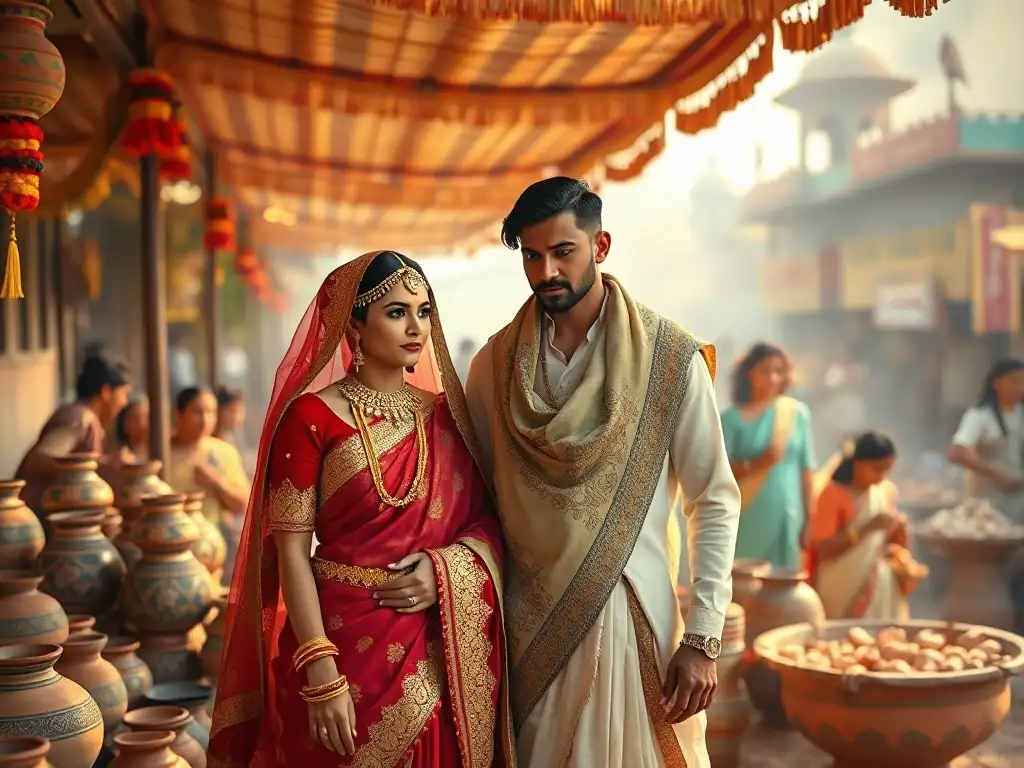
In the context of the Indus Valley Civilization, women's roles in marital traditions appear to have been multifaceted and significant. Archaeological findings suggest that women were not merely passive participants in marriage but held crucial responsibilities. They engaged in various domestic tasks, including pottery, weaving, and food preparation, which were essential for family sustenance.
Evidence from burial sites, such as those in Harappa and Mohenjo-Daro, indicates that women were often buried with jewelry and artifacts, suggesting that their status and contributions were recognized and valued. The presence of seals depicting women in prominent roles hints at their involvement in religious and social rituals, indicating that they may have held positions of influence within their communities.
Furthermore, the iconography found in Indus Valley art reveals a degree of agency. Women are frequently depicted in scenes that suggest participation in public life, which could imply that they had a voice in familial and societal decisions. This challenges the notion that women were entirely confined to domestic spheres, highlighting their active participation in the cultural and social fabric of their civilization.
Expectations of Men in Marital Practices
Men in the Indus Valley Civilization had defined roles that were integral to marital traditions. Primarily, they were seen as providers and protectors of the family unit. This expectation likely stemmed from the agrarian nature of society, where men engaged in farming, trade, and various crafts to ensure the family's economic stability.
In addition to economic responsibilities, men were expected to uphold familial honor and legacy. Marriages were often arranged, and the selection of a partner was influenced by social status, wealth, and family reputation. As a result, men were tasked with not only finding suitable wives but also maintaining good relationships with their in-laws, which was crucial for social cohesion and alliances.
Moreover, men were likely involved in the religious and cultural practices associated with marriage. Rituals were an essential aspect of marital ceremonies, and men played a central role in performing these customs, which solidified their position within the family and community. This expectation of active participation in both familial and societal roles underscores the importance of men in the marital traditions of the Indus Valley Civilization.
The Impact of Marital Traditions on Family Dynamics
The marital traditions of the Indus Valley Civilization had profound implications for family dynamics. With marriages often serving as alliances between families, they were pivotal in shaping social structures and community relationships. These alliances not only ensured economic stability but also facilitated the exchange of resources and cultural practices, thereby strengthening community bonds.
Moreover, the roles assigned to men and women within these traditions contributed to distinct family hierarchies. The expectation for men to provide and protect while women managed the household created a division of labor that was essential for the functioning of daily life. This division likely influenced the upbringing of children, as young boys and girls were socialized into their respective roles from an early age, perpetuating the existing gender norms.
The impact of these marital traditions can also be seen in the broader societal context. As families formed the basis of community life in the Indus Valley, the interactions and relationships established through marriage contributed to the civilization's stability and continuity. The interconnectedness of families through marital alliances created a complex social network that played a crucial role in the advancement and sustainability of the civilization.
The marital traditions of the Indus Valley Civilization reflect a sophisticated understanding of gender roles and relationships, with significant implications for family dynamics and societal structures. Understanding these practices provides valuable insight into the everyday lives of individuals in this ancient civilization.
Comparison with Other Ancient Civilizations
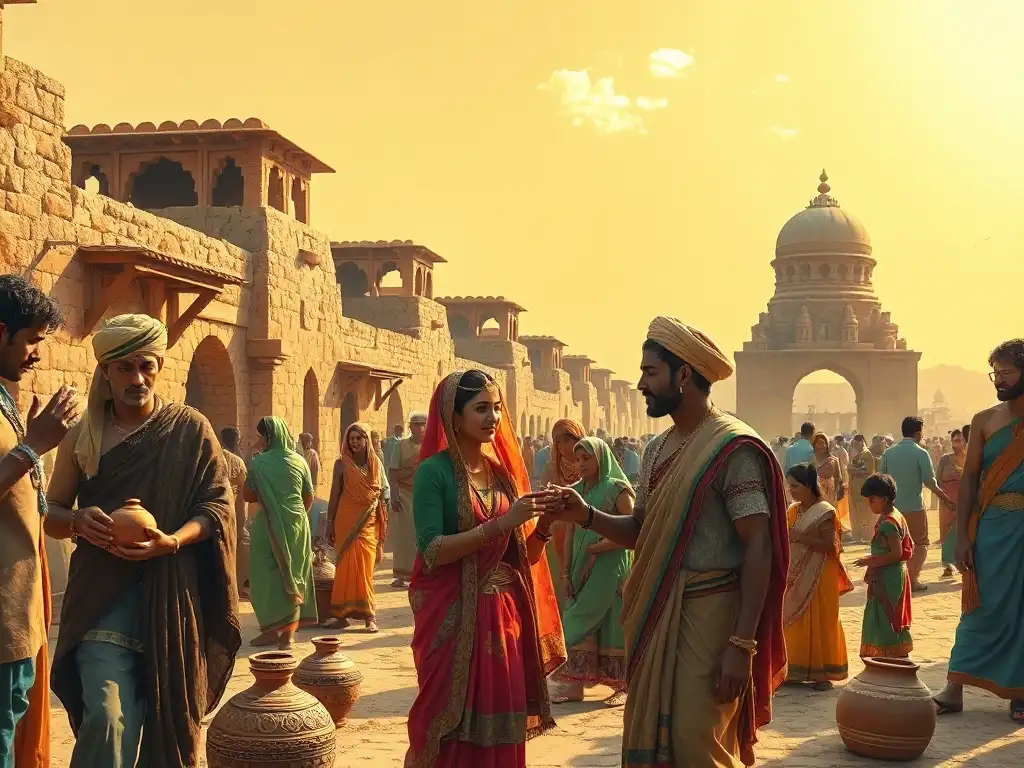
The marital traditions of the Indus Valley Civilization (IVC) can be better understood when juxtaposed with those of other ancient civilizations, such as Mesopotamia and Egypt. This comparison reveals both similarities and notable differences in the customs and societal roles associated with marriage.
Marital Traditions in Ancient Mesopotamia vs. Indus Valley
Ancient Mesopotamia, often regarded as one of the earliest cradles of civilization, presents a rich tapestry of marital customs that contrast with those of the Indus Valley.
- Marriage Contracts:
- In Mesopotamia, marriages were typically formalized through written contracts, which outlined the rights and responsibilities of both parties. These contracts often specified dowries and property arrangements, indicating a clear legal framework surrounding marriage.
- In contrast, evidence from the Indus Valley suggests that while marriage was significant, there is little to no evidence of formal contracts. Instead, it is believed that marriages might have been established through social customs and familial agreements, which were more communal than contractual.
- Role of Women:
- Mesopotamian women had varied roles within marriage, often engaging in economic activities and possessing certain rights over property. They could initiate divorce under specific conditions, indicating a degree of agency.
- In the Indus Valley, the societal role of women in marriage remains somewhat ambiguous due to the limited archaeological evidence. However, figurines and seals suggest that women may have held significant status, perhaps engaging in activities such as pottery and textile production, which may have influenced their roles within the family structure.
- Ceremonial Practices:
- The Mesopotamian marriage rituals included religious ceremonies dedicated to the goddess Inanna, emphasizing the divine aspect of marriage. Such rituals often involved elaborate feasts and public celebrations.
- While concrete details of Indus Valley marital ceremonies are scarce, findings suggest that rituals may have been simpler and less formalized, possibly involving community gatherings and traditional practices rather than religious ceremonies.
Similarities and Differences with Ancient Egyptian Marriages
The marital traditions of the Indus Valley also share intriguing parallels and distinctions with those of Ancient Egypt, another prominent civilization of the time.
- Marriage as a Social Contract:
- In Ancient Egypt, marriage was seen as a crucial social contract, often celebrated through elaborate ceremonies that reaffirmed social ties. Marriages were typically monogamous, although polygamy existed among the elite.
- Similarly, the Indus Valley appears to have favored monogamous unions, as indicated by burial practices where couples were often interred together. However, the absence of detailed records makes it difficult to ascertain the prevalence of polygamy.
- Importance of Family:
- Both civilizations placed significant emphasis on family and lineage. In Egypt, marriages were often arranged to strengthen familial alliances, and kinship ties played a crucial role in inheritance and property rights.
- The Indus Valley likely shared this focus on family, as evidenced by the communal nature of the civilization and the importance of lineage in social organization. However, specific details about familial arrangements in marriage remain elusive.
- Women's Rights and Status:
- In Ancient Egypt, women enjoyed substantial rights, including property ownership and the ability to initiate divorce. They were often depicted as equal partners in marriage.
- The status of women in the Indus Valley is less clear, but archaeological findings, such as female figurines and artifacts, suggest they may have been respected within their communities. However, the extent of their rights and agency in marital contexts remains a topic of ongoing research.
While the marital traditions of the Indus Valley Civilization exhibit some parallels with those of Ancient Mesopotamia and Egypt, they also reflect unique cultural norms and practices that warrant further exploration. Understanding these distinctions enriches our comprehension of how marriage functioned in ancient societies and the roles individuals played within them.
Archaeological Evidence of Marital Traditions
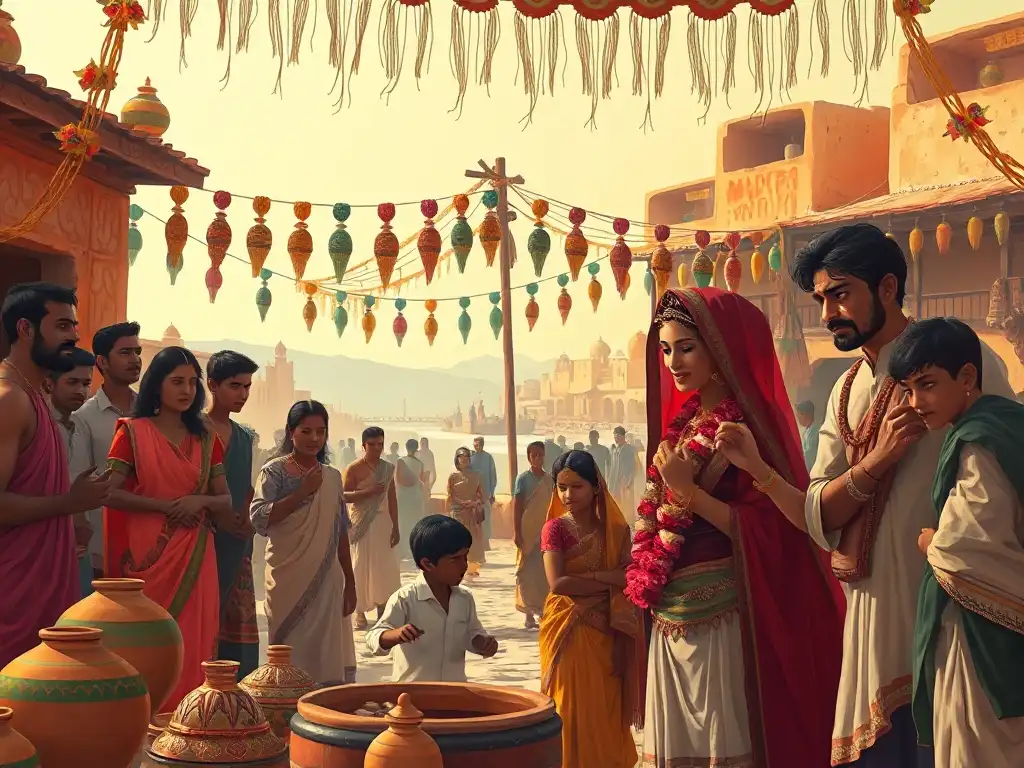
The Indus Valley Civilization (IVC), one of the world's earliest urban cultures, thrived from approximately 3300 to 1300 BCE in what is now Pakistan and northwest India. The archaeological evidence suggests a complex society with established marital traditions that reflect their values and social structures.
Numerous artifacts have been uncovered in Indus Valley sites that provide insight into their marital traditions. Among the most significant finds are:
- Terracotta Figurines: Many terracotta figurines depicting couples have been discovered, particularly in sites like Mohenjo-Daro and Harappa. These figures often exhibit distinctive features, such as jewelry and elaborate hairstyles, which may indicate the status and roles of individuals in marital relationships.
- Pottery: Marriage-related pottery, often adorned with motifs symbolizing fertility and prosperity, has been found. These items likely served both practical and ceremonial purposes during marriage rituals. Some pieces feature intricate designs that may have held symbolic meanings associated with fertility, such as blooming flowers or animals.
- Jewelry: A variety of jewelry pieces, including necklaces, bangles, and earrings, have been unearthed. These artifacts suggest that adornment played a significant role in marital customs, potentially indicating social status or wealth. It is believed that certain pieces were specifically crafted for brides, highlighting their importance in matrimonial ceremonies.
- Marriage-Related Tools: Tools used in rituals or ceremonies have also been found. For instance, the presence of specific types of pottery that may have been used to store items for rituals suggests that certain practices were integral to marriage customs.
These artifacts collectively provide a glimpse into the significance of marriage in the Indus Valley and emphasize the cultural values surrounding family and social bonds.
Analysis of Seals and Figurines Depicting Marital Scenes
The seals of the Indus Valley Civilization are particularly rich in symbolism and provide direct evidence of marital traditions. Many seals depict scenes that are believed to represent marital relationships or rituals.
- Seals with Couple Imagery: Some seals feature imagery of couples in various poses, which may indicate the importance of partnership in their society. The orientation and interaction of figures in these seals might suggest social roles or the dynamics of marital relationships.
- Figurines in Ritual Contexts: The analysis of certain figurines, particularly those found in ritual contexts, reveals that they may have been used in marriage ceremonies. These figurines often depict women, possibly indicating their central role in family and marriage practices.
- Symbolic Interpretations: Scholars have proposed various interpretations of the seals and figurines, suggesting that they may symbolize fertility, prosperity, or the sanctity of marital unions. The presence of certain animals or flora in the imagery often correlates with fertility symbols prevalent in many ancient cultures, implying that the Indus Valley people placed great importance on these themes.
- Comparative Studies: When compared with contemporaneous civilizations, the seals from the Indus Valley exhibit unique characteristics that highlight their distinctive marital customs. Unlike other cultures that may have depicted elaborate wedding ceremonies, Indus Valley seals tend to focus more on the partnership aspect, reflecting a potentially egalitarian view of marital relationships.
The archaeological evidence from the Indus Valley Civilization presents a fascinating tapestry of marital traditions. From artifacts that signify the importance of marriage to seals that capture the essence of partnerships, these findings reveal a society deeply engaged with family and social dynamics. Understanding these elements enhances our comprehension of daily life and societal structures in ancient India.
Conclusion: Legacy of Indus Valley Marital Traditions
The marital traditions of the Indus Valley Civilization (IVC) are emblematic of a complex society that laid the groundwork for future cultures in the Indian subcontinent. While concrete evidence regarding specific marital customs remains limited due to the lack of written records, archaeological findings provide valuable insights. The existence of terracotta figurines, seals, and burial practices suggest that marriage was an integral part of IVC society, highlighting the importance of familial structures and social cohesion.
The legacy of these marital traditions can be seen in various aspects of contemporary Indian cultures, particularly in the emphasis on family values and kinship ties. Despite the evolution of social norms over millennia, certain core principles—such as the significance of arranged marriages and the central role of the family—can trace their roots back to these ancient customs.
Influence on Later Indian Marital Practices
The marital traditions of the Indus Valley Civilization have profoundly influenced subsequent Indian societies. Many of the societal frameworks established during the IVC have persisted, albeit with adaptations to changing cultural contexts. For instance, the practice of arranged marriages, which remains prevalent in modern India, can be linked back to the social structures of the Indus Valley.
- Family and Kinship: The importance of family in marital arrangements is a hallmark of both IVC and later Indian societies. Marriages often served as alliances between families, facilitating social ties and economic partnerships.
- Dowry and Bride Price: While the specific customs surrounding dowry and bride price may have evolved, the concept of transferring wealth or gifts during marriage has roots in the practices of the IVC. Archaeological evidence suggests that these exchanges were part of the societal norms during the era.
- Ceremonies and Rituals: The ceremonial aspects of marriage, including rituals that celebrate the union, can also be traced back to the IVC. Although the specific rituals have transformed, the underlying significance of marriage as a sacred bond remains intact.
The continuity of these practices highlights the enduring influence of the Indus Valley Civilization on the fabric of Indian society, demonstrating how ancient traditions can shape contemporary cultural practices.
Importance of Preserving and Understanding Ancient Traditions
Preserving and understanding the marital traditions of the Indus Valley Civilization is crucial for multiple reasons. First, it enriches our knowledge of the social structures and cultural practices of early human societies. By studying these traditions, we gain insight into the values and beliefs that governed daily life in the IVC.
- Cultural Heritage: Understanding ancient marital traditions contributes to the broader narrative of Indian cultural heritage, fostering a sense of identity and continuity among current and future generations. It emphasizes the significance of historical roots in shaping contemporary practices.
- Sociological Insights: Analyzing the marital customs of the IVC provides valuable sociological insights into the evolution of family dynamics, gender roles, and social hierarchies. This understanding can inform discussions on contemporary issues surrounding marriage and family life.
- Interdisciplinary Research: The study of ancient marital traditions encourages interdisciplinary collaboration among historians, archaeologists, and sociologists, fostering a comprehensive understanding of the past. Such collaboration is essential for unraveling the complexities of ancient societies.
The marital traditions of the Indus Valley Civilization not only reflect the societal norms of their time but also serve as a foundation for understanding the evolution of marriage practices in India. By preserving these traditions, we honor the legacy of one of the world's earliest urban civilizations and acknowledge its profound impact on our contemporary world.
Frequently Asked Questions
What were the marital traditions of the Indus Valley Civilization?
The marital traditions of the Indus Valley Civilization remain largely speculative, but archaeological findings suggest practices that may have included arranged marriages and the significance of dowries.
How did societal structure influence marriage in the Indus Valley?
The societal structure, likely organized around kinship and community ties, influenced marital practices, emphasizing family alliances and social status in marriage decisions.
What artifacts provide insights into Indus Valley marital practices?
Artifacts such as figurines, seals, and pottery have been discovered, which depict wedding rituals and possibly symbolize the importance of marriage in their culture.
Were there any specific rituals associated with marriage in the Indus Valley?
While specific rituals are not well-documented, some ceremonial practices may have existed, potentially involving ritualistic offerings and celebrations to mark marital unions.
How do the marital traditions of the Indus Valley compare to those of later Indian civilizations?
The marital traditions of the Indus Valley influenced later civilizations, but evolved over time, incorporating new customs and ideas, reflecting changes in society, religion, and culture.
Final Reflection: The Enduring Legacy of Indus Valley Marital Traditions
The marital traditions of the Indus Valley Civilization continue to resonate in today's discussions about cultural heritage and social practices. As we explore the intricate customs and rituals that defined relationships in this ancient society, we uncover not only the roots of our own traditions but also the universal themes of love, commitment, and community that transcend time. The significance of these traditions is not merely historical; they serve as a mirror reflecting our evolving understanding of marriage and partnership in contemporary society.
Cultural practices, such as those observed in the Indus Valley, shape our identities and influence our social structures. The examination of these ancient marital traditions reveals patterns that persist in modern relationships, highlighting the importance of familial ties, rituals, and societal expectations. As we reflect on this connection, we are reminded of the words of anthropologist Margaret Mead: Marriage is a social contract, and it is the most important contract in the world.
This observation underscores the ongoing impact of marital traditions, inviting us to consider how they inform our values and relationships today.
As we conclude our exploration of Indus Valley marital traditions, I invite you to reflect on your own relationships and the traditions that shape them. Consider how the lessons from the past can inspire you to cultivate deeper connections and foster a sense of community in your life.
Embrace the rich tapestry of cultural practices that influence your understanding of love and commitment, and let this knowledge guide you toward a more meaningful engagement with those around you. The legacy of the Indus Valley is not just a chapter in history; it is a call to honor and celebrate the bonds we create in our own lives.
Unveil the Rich Traditions of the Indus Valley!
Thank you for exploring the fascinating world of marital traditions in the Indus Valley Civilization! Your interest in this ancient culture reveals its rich heritage and insights into human relationships throughout history. Now, let’s take action to deepen your understanding and share this knowledge with others.
- Dive Deeper: Explore more articles on Ancient India to uncover the intricate details of their society and customs.
- Join the Conversation: Share your thoughts and insights in our community forum—stories of ancient civilizations are best told together!
- Spread the Word: Tell a friend or family member about these intriguing traditions and spark an engaging discussion!
What aspects of the marital traditions of the Indus Valley Civilization do you find most surprising, and how do you think they compare to modern practices?