
The Role of Artisans and Merchants in the Caste System of Ancient India

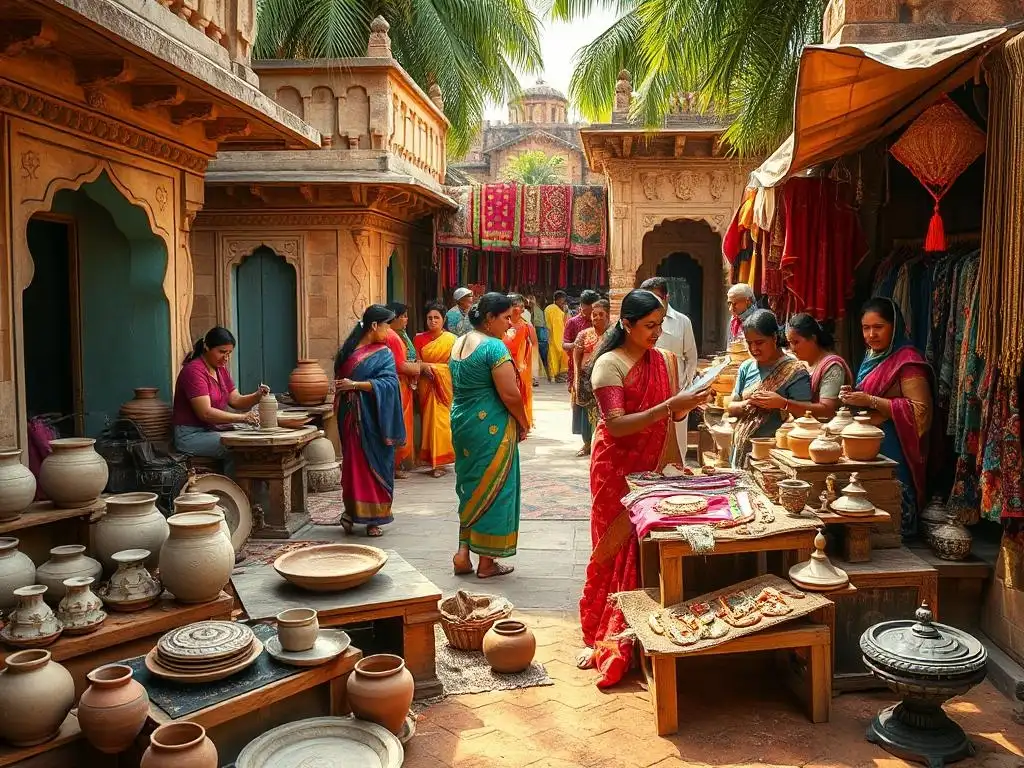
Welcome to Ancient India History, where we invite you to embark on a journey through the fascinating tapestry of India’s past. In our latest exploration, we delve into the pivotal roles that artisans and merchants played in shaping the social fabric of ancient Indian civilization, particularly within the context of the caste system.
Discover how these skilled individuals not only contributed to the economy but also influenced culture and society in ways that resonate even today. Prepare to uncover the intricate connections between craftsmanship, trade, and the very essence of daily life in ancient India—your adventure into history starts here!
- Introduction to Artisans and Merchants in Ancient India
- The Role of Artisans in Ancient Indian Society
- The Role of Merchants in Ancient Indian Society
- Interrelationship Between Artisans and Merchants
- The Impact of the Caste System on Artisans and Merchants
- Case Studies of Notable Artisans and Merchants
- Conclusion
- References
-
Frequently Asked Questions
- What was the role of artisans in ancient India?
- How did merchants influence trade in ancient India?
- What impact did the caste system have on artisans and merchants?
- Were there any notable contributions from artisans and merchants in ancient India?
- How did the roles of artisans and merchants evolve over time?
- Final Reflection: The Enduring Legacy of Artisans and Merchants in Ancient India
- Uncover the Legacy of Ancient India’s Artisans and Merchants!
Introduction to Artisans and Merchants in Ancient India
The intricate tapestry of ancient Indian society was woven with the contributions of various groups, among which artisans and merchants played pivotal roles. These individuals were not merely economic agents; they were integral to the cultural, social, and political fabric of their time.
The caste system, a defining characteristic of ancient Indian society, dictated the roles, privileges, and responsibilities of these groups, impacting their interactions and contributions to civilization. In this exploration, we shall delve into the complexities surrounding the roles of artisans and merchants within the context of the caste system, highlighting their significance in the daily life and economy of ancient India.
Overview of the Caste System in Ancient India
The caste system in ancient India was a hierarchical social structure that categorized individuals into different groups based on birth, profession, and social status. This system, known as "varna," traditionally comprised four primary categories:
- Brahmins: Priests and scholars responsible for religious rituals and education.
- Kshatriyas: Warriors and rulers tasked with governance and protection.
- Vaishyas: Merchants and landowners involved in agriculture and trade.
- Shudras: Laborers and service providers supporting the other three varnas.
Each varna was further divided into jatis, or sub-castes, creating a complex web of social stratification. Artisans and merchants primarily belonged to the Vaishya varna, although skilled artisans could also be found among the Shudras, depending on their craft and the region. The caste system dictated not only the economic roles of these individuals but also their social interactions, marriage prospects, and community dynamics.
Significance of Artisans and Merchants in Society
Artisans and merchants were vital to the economic prosperity and cultural exchange in ancient India. Their contributions can be summarized as follows:
- Economic Development: Artisans, skilled in various crafts such as pottery, textiles, and metalwork, were essential for producing goods that sustained local economies. Merchants facilitated trade, both domestically and internationally, connecting India to regions such as the Middle East, Africa, and Southeast Asia.
- Cultural Exchange: Through trade routes, artisans and merchants not only exchanged goods but also ideas, art forms, and cultural practices. This exchange enriched Indian society, leading to advancements in art, literature, and technology.
- Community Structures: Guilds and trade associations formed by artisans and merchants fostered a sense of community and cooperation. These groups were often organized along caste lines, providing support and resources to their members while also playing a role in local governance.
- Social Mobility: While the caste system generally enforced rigid social hierarchies, skilled artisans and successful merchants could sometimes achieve upward mobility, gaining recognition and respect within their communities.
The roles of artisans and merchants in ancient India were multifaceted, shaped by the rigid structures of the caste system yet profoundly impactful on society's evolution. Their contributions not only fueled the economy but also fostered cultural richness, making them key players in the narrative of ancient Indian civilization.
The Role of Artisans in Ancient Indian Society
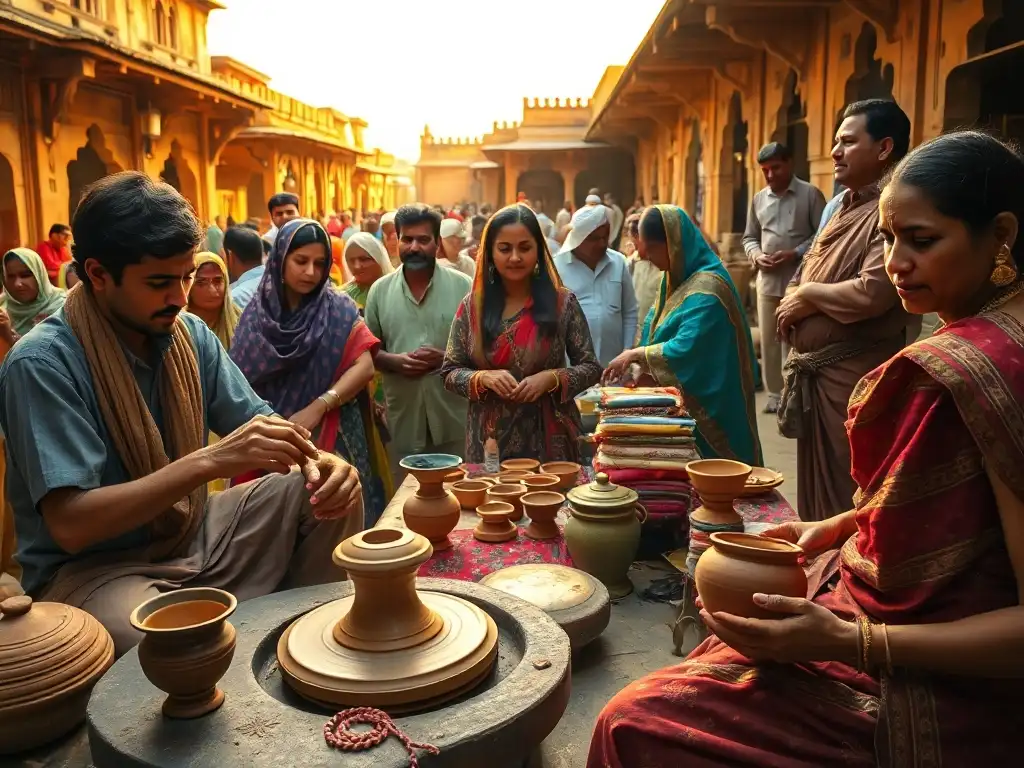
Definition and Characteristics of Artisans
Artisans in ancient India were skilled craftsmen who played a pivotal role in the social structure and economy of their communities. They were primarily defined by their expertise in producing goods through manual skills, utilizing traditional techniques passed down through generations. The artisans were often organized into guilds, known as shrenis, which provided them with support, training, and a platform for collective bargaining.
Artisans typically belonged to specific castes that specialized in particular crafts, reflecting the intricate relationship between occupational roles and the caste system. This specialization allowed for the refinement of skills, and many artisans became renowned for their craftsmanship, contributing to both local and regional economies. Their work not only served practical purposes but also played a significant role in the cultural and artistic expression of ancient Indian society.
Types of Artisans in Ancient India
Ancient Indian artisans can be classified into various categories based on their crafts. Below are some of the prominent types of artisans found in ancient India:
Weavers and Textile Craftsmen
Weavers were among the most significant artisans in ancient India, recognized for their skills in creating intricate textiles. India has a long tradition of textile production, with weavers employing techniques such as spinning, dyeing, and weaving to produce both everyday garments and luxurious fabrics.
- Materials Used: Common materials included cotton, silk, and wool. Each region specialized in different textiles; for instance, the cotton from Gujarat and silk from Varanasi gained widespread acclaim.
- Cultural Significance: Textiles were not merely functional; they held cultural and religious significance. The elaborate patterns and motifs often reflected local traditions, myths, and religious beliefs.
Potters and Terracotta Artists
Pottery has been an integral part of Indian culture since the Indus Valley Civilization. Potters specialized in creating various earthenware, from functional vessels to decorative items.
- Techniques: They utilized techniques like coiling and molding, and often decorated their pottery with intricate designs, using natural dyes and glazes.
- Artifacts: Terracotta figurines and pottery shards unearthed from archaeological sites provide insights into the daily life and beliefs of ancient societies. These artifacts often depict deities, animals, and scenes of daily activities, highlighting the artistic prowess of potters.
Metalworkers and Blacksmiths
Metalworking was another vital craft in ancient India, with artisans skilled in working with various metals, including bronze, iron, and gold. Blacksmiths were crucial in producing tools, weapons, and decorative items.
- Innovations: The development of techniques such as the wootz steel process in Southern India revolutionized metalwork, leading to the production of high-quality steel that was sought after globally.
- Cultural Impact: Metalworkers were often regarded with high esteem, as their creations played essential roles in warfare, agriculture, and ceremonial practices.
Artisans and merchants in ancient India were not just skilled workers; they were vital contributors to the economic and cultural fabric of society, shaping the civilization's legacy through their craftsmanship and trade.
Contributions of Artisans to Economy and Culture
Artisans in ancient India played a pivotal role in shaping both the economy and cultural landscape of their societies. They were skilled craftsmen who specialized in various trades, contributing significantly to the craftsmanship and trade networks that flourished across the subcontinent.
Economic Impact
Artisans were essential to the economic framework of ancient Indian civilization. They produced a wide range of goods, from textiles and pottery to metalwork and jewelry. Their contributions can be summarized as follows:
- Production of Goods: Artisans created not only functional items but also luxury goods, which catered to both local and regional markets. For instance, textiles from places like Varanasi and Ahmedabad were highly sought after.
- Trade and Commerce: Many artisans engaged in trade, either directly by selling their products in local markets or indirectly through merchants who acted as intermediaries. This contributed to the establishment of trade routes and market hubs that connected different regions of India and beyond. The silk and spice trade routes, for example, were heavily influenced by artisan production.
- Employment Generation: Artisans provided employment not only for themselves but also for apprentices and laborers, thus contributing to the livelihoods of many families. This helped in enhancing the overall economic stability of their communities.
Cultural Contributions
Beyond their economic contributions, artisans were vital to the cultural heritage of ancient India. Their work encompassed not only the technical aspects of crafting but also the infusion of cultural significance into their products. Key points include:
- Artistic Expression: Artisans were responsible for creating intricate artworks that reflected the prevailing cultural norms, religious beliefs, and social values. Sculptures, paintings, and decorative items often depicted mythological themes and local traditions, preserving and promoting cultural narratives.
- Cultural Identity: Different regions developed unique styles and techniques, leading to the diversity of crafts across the Indian subcontinent. For example, the blue pottery of Jaipur and the brassware of Kannauj exemplify regional craftsmanship that contributes to local identity and pride.
- Ritualistic Significance: Many artisan-made items held ritualistic importance. Items such as pottery used in religious ceremonies or textiles woven for specific festivals were not only objects of utility but also carriers of cultural significance. The craftsmanship involved often included traditional motifs and patterns that conveyed specific meanings.
Artisans in ancient India were not merely craftsmen; they were integral to the economic vitality and cultural richness of their time. Their work fostered trade, generated employment, and preserved cultural heritage, making them essential pillars of ancient Indian society.
The Role of Merchants in Ancient Indian Society
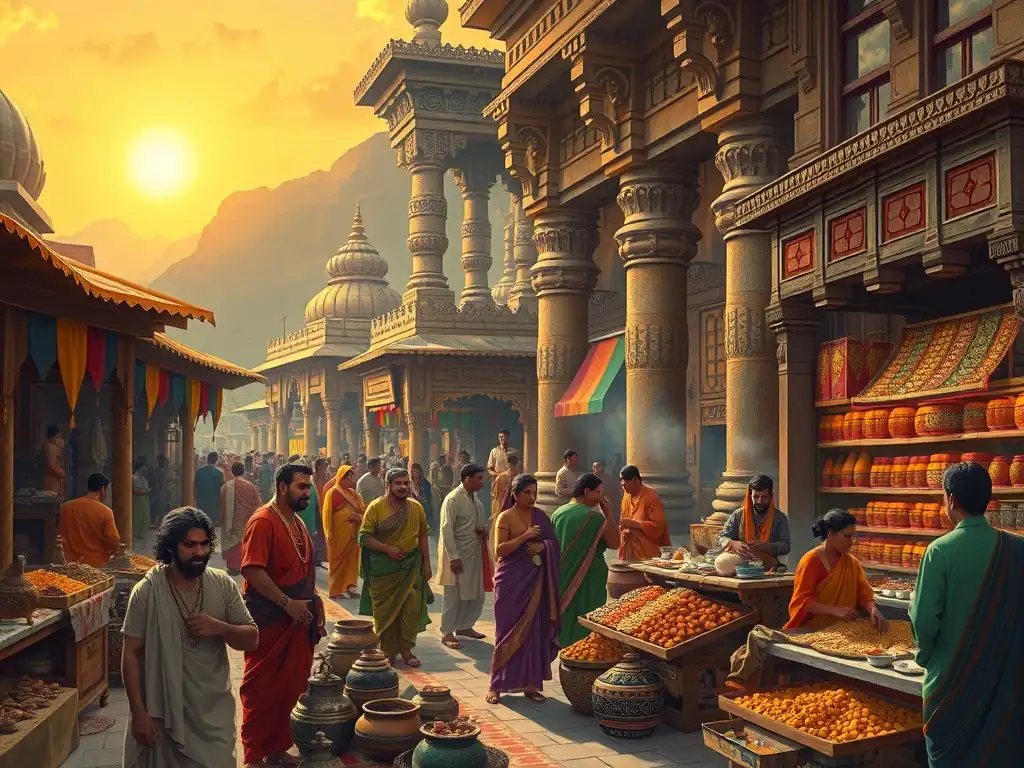
Definition and Characteristics of Merchants
In ancient India, merchants played a vital role in the economic and social framework of society. They were not merely traders; they were essential contributors to the growth and sustenance of urban centers, fostering trade networks that connected distant regions. Merchants in ancient India were often categorized based on their trading practices, the goods they dealt with, and their socio-economic status.
The characteristics that defined merchants included:
- Specialization: Many merchants specialized in specific goods, such as textiles, spices, metals, or pottery. This specialization allowed them to develop expertise and establish a reputation in their respective markets.
- Community Ties: Merchants often operated within tightly-knit communities, which facilitated trust and cooperation. Their social status was largely determined by their wealth and the extent of their trading networks.
- Dual Role: Merchants frequently held dual roles as both traders and artisans, particularly in urban settings where they would produce goods to sell alongside their trading activities.
- Economic Influence: They wielded significant influence over local economies, often dictating prices and availability of goods, and played a critical role in the distribution of resources.
Types of Merchants in Ancient India
Ancient Indian society recognized various types of merchants, each fulfilling different roles in the trade ecosystem. Understanding these classifications provides insight into the complexities of commerce during this era.
Local Traders and Market Sellers
Local traders were the backbone of the ancient Indian economy. They operated within towns and villages, selling goods directly to consumers. Their characteristics included:
- Market Presence: Local traders set up stalls in weekly bazaars or local markets, where they sold essential items like grains, vegetables, and textiles. This direct access to consumers made them pivotal in daily life.
- Cultural Integration: These traders often reflected the local culture and preferences in their offerings, adapting their inventory according to seasonal demands and local tastes.
- Regulation and Guilds: Many local traders were organized into guilds, known as shrenis, which regulated trade practices, set standards for quality, and resolved disputes among members.
Long-Distance Merchants and Trade Networks
In contrast, long-distance merchants engaged in trade that transcended regional boundaries, connecting the Indian subcontinent with distant lands. Their roles included:
- Extensive Trade Routes: These merchants navigated well-established trade routes, such as the Silk Road and maritime paths, facilitating the exchange of luxury goods like silk, spices, and precious stones.
- Cultural Exchange: Long-distance trade not only involved the exchange of goods but also ideas, technology, and cultural practices. Merchants served as conduits for cultural diffusion, impacting local societies and economies.
- Wealth Accumulation: Successful long-distance merchants often amassed significant wealth, which allowed them to gain social status and influence in their communities. They could sometimes even rise to positions of power within local governance.
The roles of artisans and merchants in ancient India were integral to the functioning of the caste system and broader social structure. Their contributions to trade, economy, and culture highlight the interconnectedness of daily life in ancient Indian civilizations.
Economic Impact of Merchants on Ancient Indian Society
The role of merchants in ancient India was pivotal, significantly influencing the economic landscape of the time. Their activities not only provided essential goods but also fostered trade networks that spanned vast regions, including connections with distant lands like Rome, Greece, and Southeast Asia. This extensive trading network contributed to the prosperity and growth of various cities and towns, transforming them into bustling economic hubs.
One of the primary economic impacts of merchants was the facilitation of trade. Merchants engaged in the exchange of a variety of goods, including spices, textiles, precious stones, and agricultural products. For instance, the famous trade of Indian spices attracted traders from across the seas, enhancing the country's wealth. This trade not only increased the availability of goods but also stimulated local economies, leading to the establishment of markets and trade routes that supported the livelihoods of many.
Moreover, merchants played a crucial role in the development of monetary systems. The rise of trade necessitated the use of currency, which evolved from barter systems. Merchants introduced coins made from metals such as silver and gold, which facilitated easier transactions and contributed to the economy's overall dynamism. The introduction of standardized weights and measures by merchants further promoted fair trade practices, enhancing economic stability.
Additionally, the wealth accumulated by merchants allowed them to become influential figures within society. They often engaged in philanthropic activities, funding temples, education, and infrastructure projects. Their financial contributions were vital for urban development, leading to the construction of roads, ports, and warehouses, thus enhancing trade efficiency and benefiting the broader community.
The economic impact of merchants in ancient Indian society was profound. They not only stimulated trade and commerce but also contributed to urbanization, the establishment of monetary systems, and social development through wealth redistribution. Their legacy is visible in the trade routes and economic practices that shaped the historical trajectory of ancient India.
Interrelationship Between Artisans and Merchants
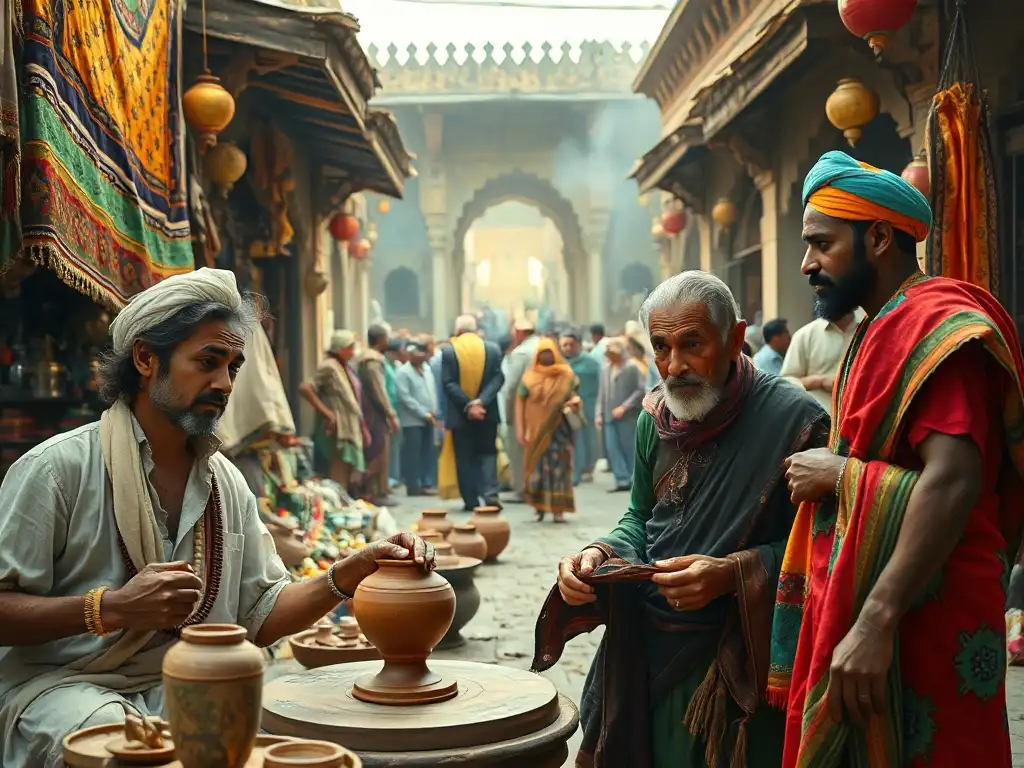
The relationship between artisans and merchants in ancient India was a vital aspect of the socio-economic fabric that shaped local economies and communities. Artisans, skilled in various crafts and trades, produced goods that merchants transported and sold. This interdependence not only facilitated trade but also established a complex network where the skills of artisans complemented the market strategies of merchants.
Collaboration in Trade Practices
Artisans and merchants often collaborated closely to enhance trade practices. Artisans specialized in creating a diverse range of products, including textiles, pottery, metalwork, and jewelry. Merchants, in turn, provided the essential link to broader markets, allowing these goods to reach consumers far beyond local boundaries.
- Market Dynamics:
- Artisans would often work in proximity to merchant hubs, creating an environment ripe for negotiation and trade.
- Merchants would typically commission artisans to create specific items tailored to market demands, fostering a symbiotic relationship.
- Trade Routes:
- The establishment of trade routes, both overland and maritime, facilitated the exchange of goods. For instance, the trade routes connecting the Indus Valley with Mesopotamia enabled artisans’ products to gain international exposure.
- Merchants played a crucial role in expanding these routes, ensuring that artisans' work reached broader audiences.
- Guilds and Associations:
- Both artisans and merchants often formed guilds or associations. These organizations regulated trade practices and protected the interests of their members.
- Such guilds provided a platform for artisans to showcase their skills and for merchants to secure quality goods, ensuring a steady flow of commerce.
Influence on Local Economies
The collaboration between artisans and merchants significantly influenced local economies across ancient India. Their interrelationship created a dynamic marketplace where goods were produced, traded, and consumed, contributing to community prosperity.
- Economic Growth:
- The influx of goods facilitated by merchants boosted local economies, as artisans could sell their products not only locally but also to distant markets.
- This economic interdependence allowed for the accumulation of wealth within communities, leading to increased investment in craftsmanship and trade.
- Cultural Exchange:
- The interaction between artisans and merchants also promoted cultural exchange. As goods traveled along trade routes, they carried with them ideas and techniques from various regions.
- This exchange fostered innovation in artisan crafts, with local artisans adopting new styles and methods to appeal to diverse markets.
- Employment Opportunities:
- The thriving trade ecosystem created numerous employment opportunities, not just for artisans and merchants, but also for laborers involved in transport, packaging, and retail.
- This increased demand for labor contributed to the community's overall economic stability.
The Artisans-Merchants Dynamic in the Caste System
In the context of the caste system, the relationship between artisans and merchants was nuanced, reflecting the hierarchical structure of ancient Indian society. Both groups occupied specific positions within this system, influencing their interactions and societal roles.
- Caste Specialization:
- Artisans typically belonged to specific castes associated with their crafts, while merchants often hailed from trading castes. This specialization facilitated a clear delineation between the roles of artisans and merchants, embedding their relationship within the caste framework.
- For example, the Vaishyas were known for their trading activities, while various artisan castes such as Kumbhakaras (potters) and Sutradharas (carpenters) focused on craftsmanship.
- Status and Mobility:
- Merchants generally enjoyed a higher social status compared to artisans, primarily due to the wealth generated through trade. This disparity sometimes complicated their interactions, as artisans sought to elevate their status through successful partnerships with merchants.
- Despite these differences, the economic success of artisans could lead to upward mobility, allowing them to challenge traditional caste boundaries.
- Mutual Dependence:
- Despite the caste distinctions, artisans and merchants were mutually dependent. Successful trade benefited artisans through increased demand for their goods, while merchants relied on the quality and diversity of artisan products to attract customers.
- This dynamic, albeit influenced by caste, ultimately fostered collaboration that was essential for the prosperity of local economies.
The interrelationship between artisans and merchants in ancient India was a vital component of the socio-economic structure, influencing trade practices, local economies, and the caste system. The collaboration and mutual dependence between these two groups not only shaped their respective roles but also contributed to the cultural and economic richness of ancient Indian civilization.
The Impact of the Caste System on Artisans and Merchants
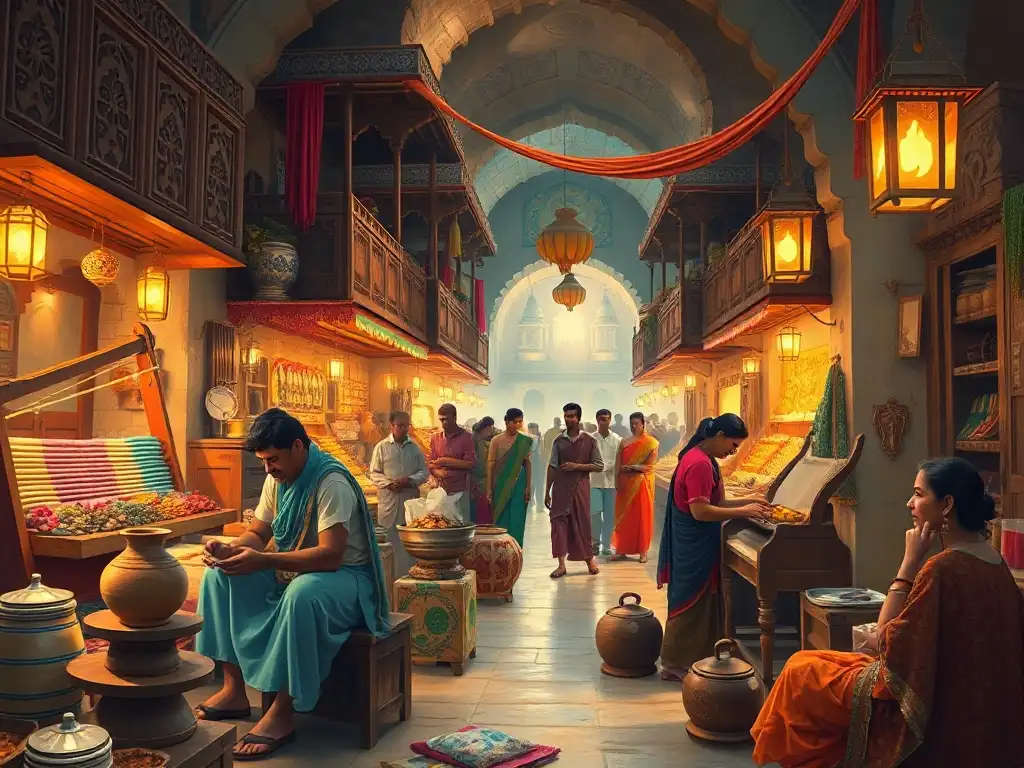
The caste system in ancient India played a significant role in shaping the social dynamics and professional landscapes of the time. Artisans and merchants, while essential to the economy and culture, were often placed within a rigid hierarchy that dictated their social status, opportunities, and interactions with other groups. Understanding the impact of the caste system on these professions provides insight into the daily lives and societal roles of artisans and merchants in ancient Indian civilizations.
Artisans in ancient India were primarily categorized as part of the Shudra varna, which was the lowest of the four main social classes. However, this classification oversimplifies the diverse roles and statuses of artisans, as they were further divided into various sub-castes or jatis. Each jati was associated with specific crafts or trades, ranging from blacksmiths and potters to weavers and carpenters.
The status of artisans varied by region and craft. For instance, those involved in higher-skilled trades, such as metalwork or intricate textile production, often enjoyed more respect compared to those in less prestigious professions. Despite their lower standing in the caste hierarchy, many artisans maintained a degree of economic independence, often working in guilds known as shrenis. These guilds provided a platform for collaboration, skill-sharing, and mutual support, allowing artisans to negotiate better prices and working conditions.
Moreover, artisans were an essential part of temple economies, creating sculptures, paintings, and ritual objects. This association with religious practices sometimes elevated their social standing, as their skills contributed to the cultural and spiritual life of the community. Thus, while artisans faced limitations due to the caste system, their contributions to society and culture often granted them a unique position within it.
Merchants in ancient India, typically associated with the Vaishya varna, occupied a higher social status compared to artisans. The Vaishyas were primarily engaged in agriculture, trade, and commerce, and their wealth often translated into influence and power within the community. Merchants played a crucial role in the economic development of ancient Indian civilizations, facilitating trade both domestically and internationally along routes such as the Silk Road and the Indian Ocean trade network.
The social standing of merchants was not uniform; it varied based on the scale of their operations and their connections. Wealthy merchants could enjoy considerable respect and privileges, often participating in local governance or community decision-making processes. They were known to sponsor religious activities and contribute to temple constructions, further enhancing their prestige.
However, merchants also faced challenges due to the caste system. While being part of the Vaishya varna afforded them a better social status, they were still subject to the overarching hierarchies dictated by the Brahmins and Kshatriyas, which sometimes limited their participation in certain religious or social activities. Despite this, the entrepreneurial spirit of merchants allowed them to navigate these challenges, leading to the establishment of vibrant trading networks and economic prosperity.
Restrictions and Opportunities for Artisans and Merchants
The caste system imposed both restrictions and opportunities on artisans and merchants, profoundly affecting their roles in society. For artisans, the caste structure often limited their mobility and access to resources. Many artisans were born into their professions, with little chance to transition to other trades or improve their social status. This hereditary nature of craftsmanship meant that skills were passed down through generations, limiting innovation and diversification.
However, the guild system provided a degree of opportunity. Artisans could collaborate, share techniques, and collectively negotiate with patrons, which sometimes led to improved economic conditions. Additionally, artisans who gained recognition for their skills could elevate their status, particularly if they produced work for influential temples or elites.
Merchants, on the other hand, experienced a different set of opportunities. Their involvement in trade allowed them to accumulate wealth and establish connections that transcended regional boundaries. This economic power often granted merchants a level of influence that could mitigate the restrictions imposed by their caste status. For instance, successful merchants could engage in philanthropy, gaining respect and sometimes challenging the traditional caste boundaries.
While the caste system in ancient India imposed significant limitations on both artisans and merchants, their skills, economic activities, and social networks allowed them to navigate and sometimes transcend these constraints, playing vital roles in the cultural and economic tapestry of ancient Indian society.
Case Studies of Notable Artisans and Merchants
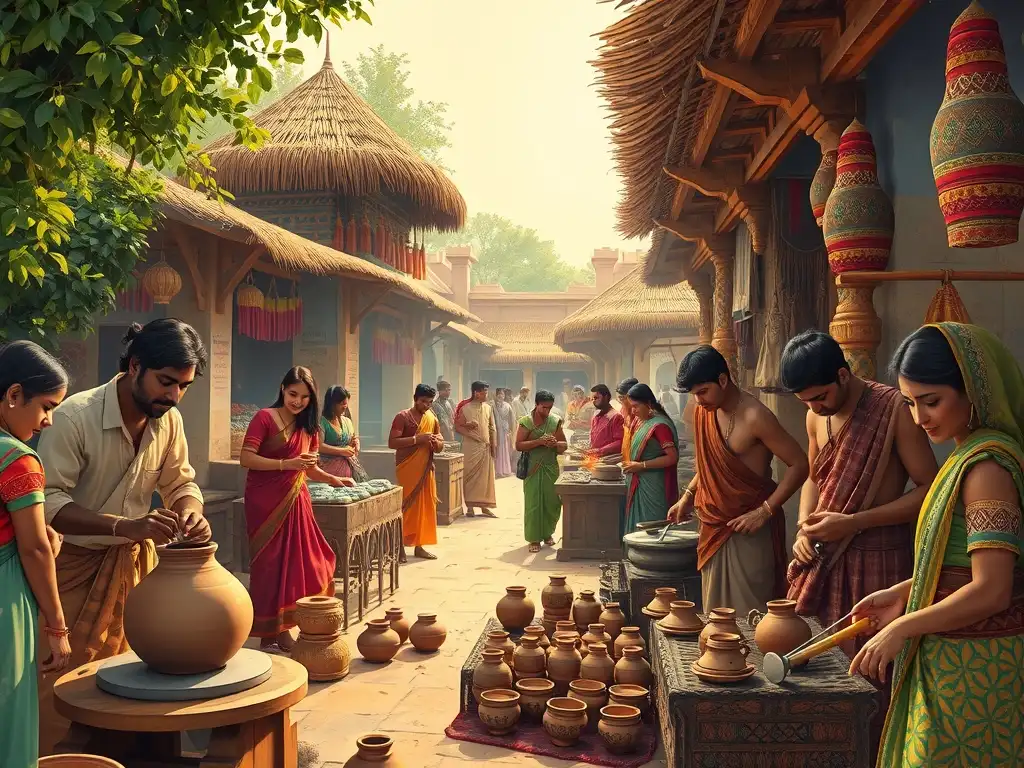
Dhanvantari - A Renowned Metalworker
Dhanvantari is a prominent figure in the history of ancient Indian artisanship, particularly known for his exceptional skills in metalworking. His legacy dates back to the time of the Indus Valley Civilization, where metal was a critical resource for crafting tools, ornaments, and various artifacts. Dhanvantari's expertise was not only limited to the physical crafting of metal objects but also encompassed the intricate understanding of metallurgy, which was essential for producing high-quality artifacts.
- Innovative Techniques: Dhanvantari is credited with developing advanced techniques for metal casting and alloying. His work included the creation of various alloys, such as bronze, which was a significant advancement over pure copper. This innovation allowed for stronger and more durable tools and weapons, enhancing the quality of life and trade in ancient India.
- Cultural Impact: The artifacts produced by Dhanvantari and his contemporaries were not merely functional; they held significant cultural value. Many of his metal works were used in religious rituals and ceremonies, becoming integral to the spiritual life of the communities. His creations also influenced trade, as metal objects became sought-after items in commerce, helping to establish trade networks across regions.
- Legacy: Dhanvantari's legacy extends beyond his lifetime, as his techniques and innovations were passed down through generations of artisans. The impact of his work can be seen in the continued reverence for metalwork in later cultures, including the Gupta Empire, where artisans thrived due to the foundations laid by predecessors like Dhanvantari.
Kautilya - A Successful Merchant and Economist
Kautilya, also known as Chanakya, is primarily recognized as a philosopher and strategist; however, his contributions as a merchant and economist in ancient India are equally noteworthy. His insights into trade and commerce were pivotal in shaping the economic landscape of the time, particularly during the Maurya Empire.
- Economic Strategies: Kautilya authored the Arthashastra, a comprehensive treatise on governance, economics, and military strategy. Within this work, he detailed various economic theories, including the importance of trade and the role of merchants in society. He emphasized the need for a robust trade network and the protection of merchants, which ultimately fostered economic growth.
- Merchant Guilds: Under Kautilya's guidance, merchant guilds flourished. These guilds were instrumental in regulating trade practices, setting prices, and ensuring fair dealings. Kautilya understood that a thriving merchant class was essential for the overall prosperity of the kingdom, and he implemented policies that encouraged trade, such as reducing taxes and providing incentives for merchants.
- Influence on Policy: Kautilya's insights into economics and trade not only influenced his contemporaries but also left a lasting impact on subsequent rulers. His strategies helped in establishing a system where artisans and merchants could coexist and thrive within the caste system, ultimately contributing to the prosperity of ancient Indian society.
The roles of artisans and merchants in ancient India were pivotal in shaping the social and economic structures of their time. Through figures like Dhanvantari and Kautilya, we see the intricate relationship between craftsmanship, trade, and governance, highlighting the importance of these professions in the broader context of ancient Indian civilization.
Conclusion
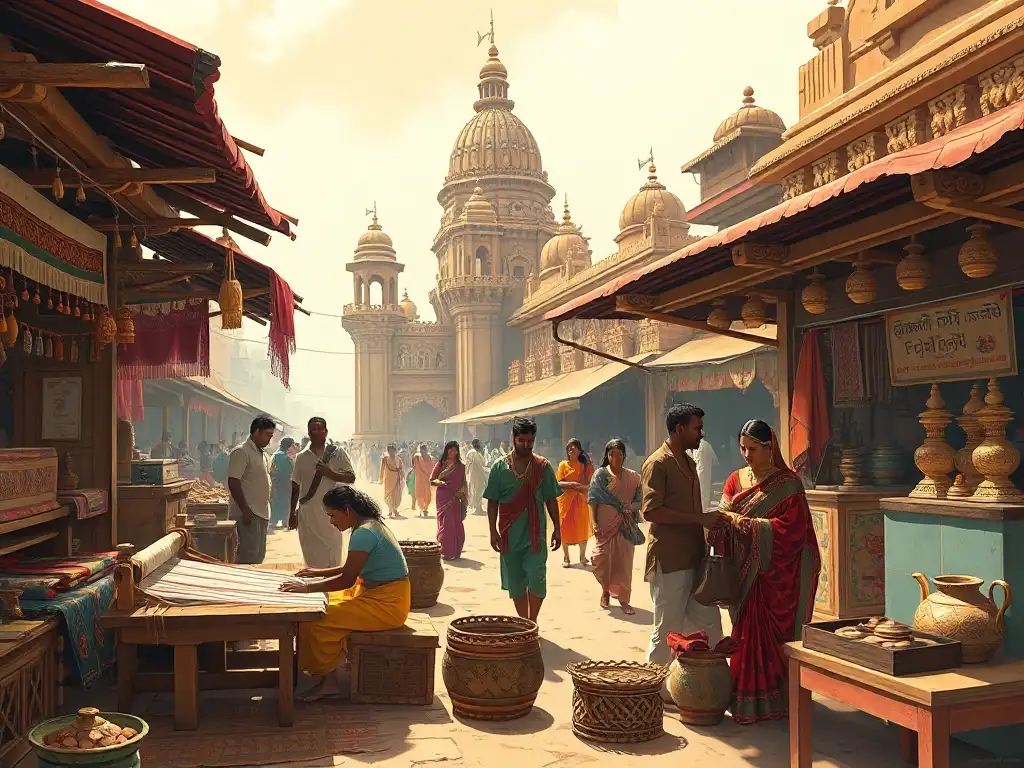
Summary of the Impact of Artisans and Merchants in Ancient India
Artisans and merchants in ancient India played a pivotal role in shaping the economy and social structure, significantly influencing the lives of people within the caste system. These groups were not merely economic actors; they were vital contributors to cultural exchanges and the development of urban centers.
- Artisans: Often organized into guilds, artisans specialized in crafts such as pottery, weaving, metalwork, and woodworking. Their skills not only enhanced local economies but also contributed to the richness of Indian art and culture. For instance, the intricate designs of textiles from Varanasi and the exquisite metalwork from the Deccan region are testaments to their craftsmanship.
- Merchants: Operating as traders, merchants facilitated the exchange of goods both locally and internationally. They were integral in establishing trade routes on land and sea, linking India to distant lands such as the Roman Empire, Southeast Asia, and the Middle East. Their activities fostered economic prosperity and cultural diversity, as they brought new ideas, goods, and practices into Indian society.
The economic contributions of artisans and merchants were essential for the sustenance of urban centers, which became hubs of cultural and intellectual activity. Cities such as Pataliputra and Taxila flourished due to the vibrant trade and skilled craftsmanship that characterized ancient Indian civilization.
Reflection on Their Legacy in the Caste System
The legacy of artisans and merchants in the caste system of ancient India is multifaceted. While they operated within a framework that often limited social mobility, their roles allowed for a degree of flexibility and recognition within society.
- Social Mobility: Although artisans and merchants were typically associated with the Vaishya varna, their economic success sometimes enabled them to rise in social standing. Successful merchants could gain significant wealth, leading to enhanced status within their communities.
- Cultural Preservation and Innovation: The artisans' work contributed to the preservation of cultural practices and traditions through their crafts. For example, various art forms, like Madhubani painting and traditional pottery, have been passed down through generations, showcasing the skills and creativity of artisans.
- Economic Interdependence: The relationship between artisans, merchants, and other varnas created a network of economic interdependence. This interconnectedness was crucial for the functioning of society, as it facilitated trade, production, and the sharing of resources.
The artisans and merchants in ancient India not only contributed to the economy but also left an indelible mark on the social fabric of the caste system. Their legacy continues to resonate in contemporary Indian society, where the influence of their crafts and trade practices remains evident. The integration of their roles within the caste system illustrates the complexity of social dynamics in ancient India, demonstrating that even within a rigid framework, opportunities for innovation and cultural exchange thrived.
References
Suggested Readings on Artisans and Merchants in Ancient India
-
"Crafts and Craftsmen of Ancient India"
This book delves into the various crafts that flourished in ancient India, highlighting the skills and techniques used by artisans. It provides insights into the social status of craftsmen and their role in the economy.
-
"The Merchant Class in Ancient India"
An in-depth analysis of the merchant class, this text explores the economic and cultural contributions of merchants to Indian society, examining their interactions with different castes and communities.
-
"Trade and Commerce in Ancient India"
This publication offers a comprehensive overview of trade practices, routes, and the impact of commerce on social structures, including the caste system, during ancient times.
-
"Artisans and Society in Ancient India"
This book discusses the social dynamics of artisanship, detailing how artisans navigated the caste system while contributing to the cultural and economic fabric of ancient India.
-
"From Guilds to Castes: The Evolution of Trade in Ancient India"
An academic exploration of how trade guilds evolved into caste affiliations, this work provides a historical perspective on the intertwined nature of commerce and social hierarchy.
-
"Caste and Class in India: A Historical Perspective"
This resource offers a scholarly examination of the caste system, discussing its origins, evolution, and the socio-economic implications for different groups, including artisans and merchants.
-
"The Social Structure of Ancient India"
A detailed study of the various social classes in ancient India, this text breaks down the roles and responsibilities of different groups within the caste system, including the significance of artisans and merchants.
-
"Caste Dynamics in Ancient Indian Society"
This resource provides a nuanced understanding of the caste system's complexities, featuring case studies on how different castes, particularly those of artisans and merchants, interacted and influenced one another.
-
"Economic Life in Ancient India"
An overview of the economic conditions, this book explores how the caste system impacted trade, craft production, and the daily lives of artisans and merchants.
-
"Rituals and Society in Ancient India"
This publication discusses the interplay between religious rituals and social structure, shedding light on how these elements affected the lives of artisans and merchants within the caste framework.
Frequently Asked Questions
What was the role of artisans in ancient India?
Artisans played a crucial role in ancient Indian society, contributing to both economic and cultural development through their skilled craftsmanship in various trades.
How did merchants influence trade in ancient India?
Merchants were central to trade networks, facilitating the exchange of goods across regions and contributing to the economic prosperity of ancient Indian civilizations.
What impact did the caste system have on artisans and merchants?
The caste system categorized artisans and merchants into specific groups, which often dictated their social status and economic opportunities, shaping their roles within society.
Were there any notable contributions from artisans and merchants in ancient India?
Yes, artisans and merchants made significant contributions, including the production of textiles, pottery, and trade routes that enhanced cultural interaction and economic growth.
How did the roles of artisans and merchants evolve over time?
Over time, the roles of artisans and merchants evolved with changes in political structures, economic demands, and cultural exchanges, leading to more complex social hierarchies and economic systems.
Final Reflection: The Enduring Legacy of Artisans and Merchants in Ancient India
The intricate relationship between artisans and merchants in ancient India reveals a profound truth about societal structure and economic vitality. Today, as we navigate a world increasingly defined by economic disparity and social stratification, understanding the historical significance of these roles offers valuable insights into our present challenges. The legacy of these skilled individuals not only shaped the economy of their time but also laid the groundwork for the complex social dynamics we still observe today.
The contributions of artisans and merchants were pivotal in fostering cultural exchange and economic development, creating a tapestry of interdependence that defined ancient Indian society. Their influence continues to resonate in contemporary discussions about craftsmanship, trade, and social mobility. As Mahatma Gandhi once said, “The best way to find yourself is to lose yourself in the service of others.” This sentiment underscores the importance of recognizing and valuing the roles that artisans and merchants played in uplifting their communities and enriching their culture.
As we reflect on the lessons from the past, let us embrace the spirit of craftsmanship and entrepreneurship in our own lives. Consider how you can support local artisans and businesses, recognizing their vital role in sustaining cultural heritage and economic diversity. By fostering a deeper appreciation for these contributions, we can honor the legacy of those who came before us and inspire future generations to cultivate creativity and collaboration in their own communities.
Uncover the Legacy of Ancient India’s Artisans and Merchants!
Thank you for diving into the fascinating world of artisans and merchants in ancient India. Your interest in this rich historical context has undoubtedly provided you with a deeper understanding of their pivotal roles within the caste system. Now, it’s time to take your knowledge even further!
Here’s how you can engage with this incredible heritage:
- Explore local museums or exhibitions that showcase artisan crafts from ancient Indian culture to truly appreciate their artistry.
- Share this article with friends and family who have an interest in history, sparking discussions about the impact of social structures in ancient societies.
- Join online forums or social media groups dedicated to ancient civilizations, where you can exchange insights with fellow enthusiasts and deepen your understanding of this remarkable period.
As you reflect on your newfound knowledge, consider this: How can understanding the roles of artisans and merchants in ancient Indian society influence our views on modern trade and craftsmanship today?