
The Role of Education in Shaping Family Life in Ancient India

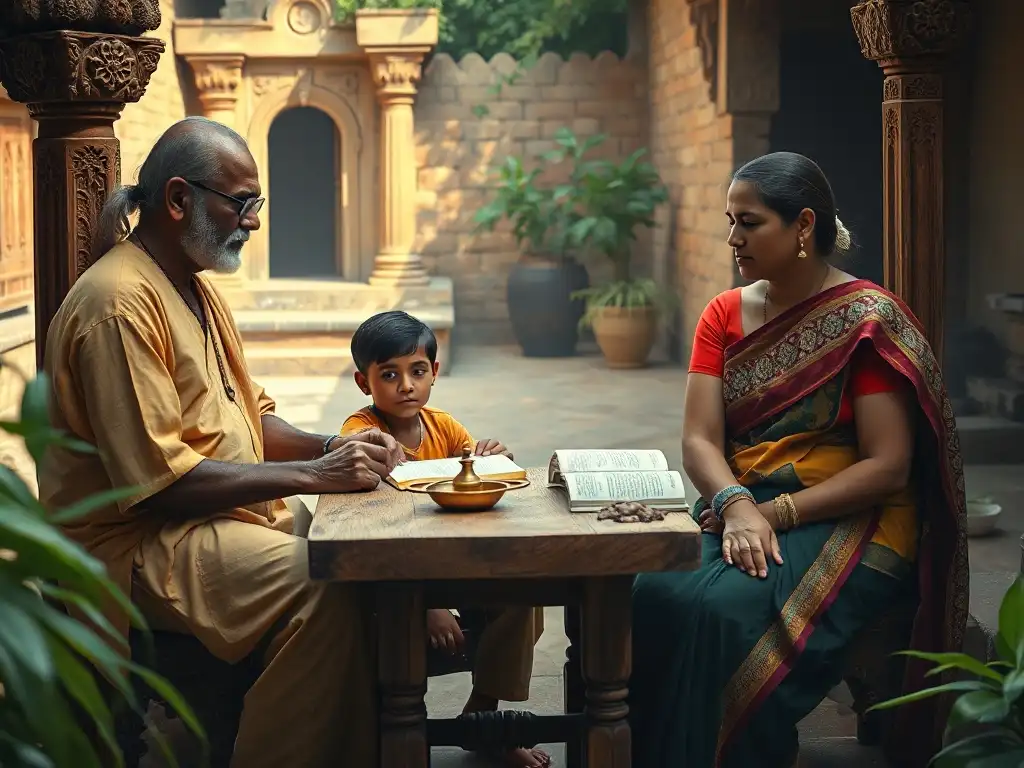
Welcome to Ancient India History, where we embark on a captivating journey through the intricate tapestry of India's past. Explore how education in ancient Indian families played a pivotal role in shaping societal norms and values, influencing generations through a blend of knowledge and tradition. As we delve into the profound impact of learning on family life, prepare to uncover fascinating insights that reveal the essence of daily life in ancient civilizations. Join us as we peel back the layers of history to understand the enduring legacy of education that continues to resonate today.
Introduction to Education in Ancient Indian Families
Education in Ancient Indian families was a cornerstone of societal development and a vital tool for nurturing the next generation. The educational systems were deeply intertwined with family life, cultural values, and religious teachings, reflecting the multifaceted nature of ancient Indian society. From the early days of the Indus Valley Civilization to the flourishing of the Gupta Empire, education was not merely a transmission of knowledge but a means to instill ethical values and social responsibilities. This comprehensive approach ensured that children were equipped to contribute positively to their families and communities.
In ancient India, the family unit served as the primary site for education, where knowledge was passed down through generations. Parents and elders played a significant role in imparting skills, traditions, and moral teachings. The emphasis on education fostered a strong sense of identity and continuity within families, enabling them to uphold their cultural heritage. Additionally, the pursuit of learning was not limited to the elite; many families recognized the importance of educating both boys and girls, although the methods and extent of education varied significantly across different regions and communities.
Importance of Education in Ancient Indian Society
Education held immense significance in ancient Indian society, influencing various aspects of life, including social structure, economic stability, and cultural preservation. The following points illustrate the critical role education played:
- Social Cohesion: Education served as a means to unify families and communities, promoting shared values and norms. By educating children about their duties and responsibilities, families reinforced social order and harmony.
- Cultural Transmission: The family acted as a vital conduit for transmitting cultural practices, languages, and philosophies. Through education, families preserved their unique heritage, ensuring that traditions were passed down and adapted over time.
- Economic Empowerment: An educated family was often more economically stable. Knowledge of agricultural practices, trade, and crafts allowed families to thrive and adapt to changing economic conditions. The ability to read and write also opened doors to administrative roles and trade opportunities.
- Moral Development: Education in ancient India was not solely focused on academic subjects; it also encompassed moral and ethical training. Families instilled values such as respect, honesty, and duty, preparing children to become responsible members of society.
- Gender Roles and Education: While education for boys was more prevalent, many families recognized the value of educating daughters, especially in areas such as household management and religious teachings. This progressive approach, although not universal, highlights the diverse attitudes towards education in ancient Indian families.
Education in ancient Indian families was a multifaceted endeavor that shaped not only individual lives but also the broader society. Its profound impact on family dynamics and cultural continuity continues to be a subject of interest and study in understanding the rich tapestry of ancient Indian civilization.
- Introduction to Education in Ancient Indian Families
- Importance of Education in Ancient Indian Society
- What was the significance of education in ancient Indian families?
- How was education structured in ancient Indian societies?
- Were there any differences in educational opportunities based on caste in ancient India?
- What subjects were typically taught in ancient Indian education?
- How did education impact family dynamics in ancient India?
Historical Context of Education in Ancient India
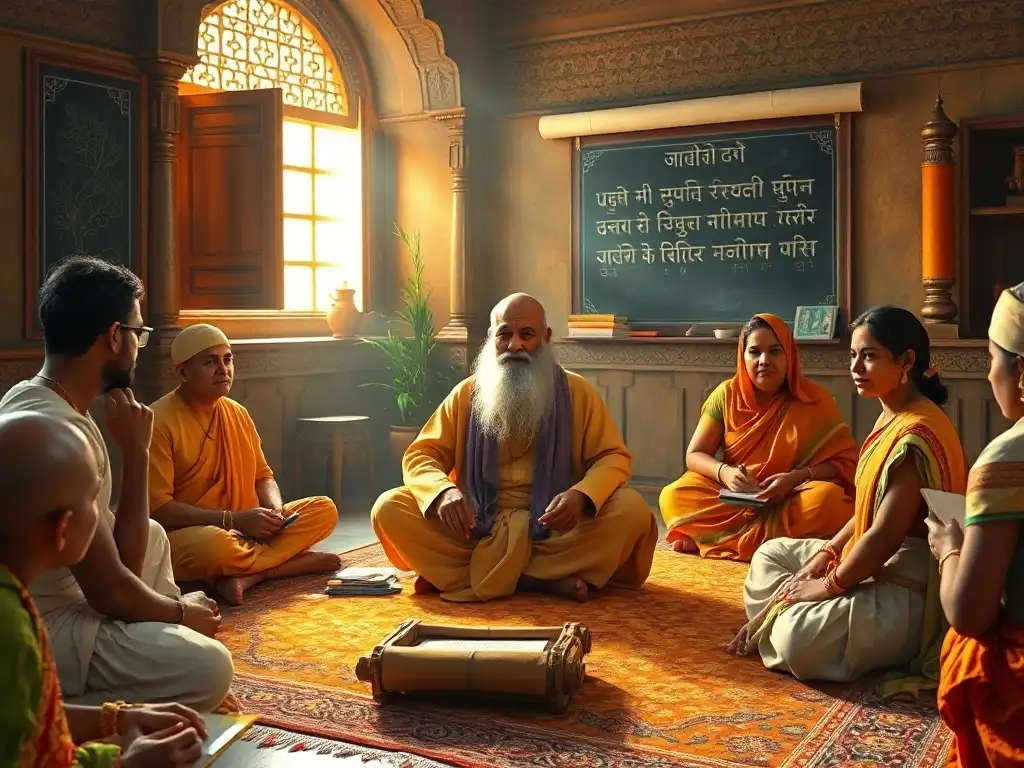
The educational landscape of ancient India is marked by a rich tapestry of traditions, philosophies, and practices that shaped family life and societal structures. The role of education, particularly within families, was pivotal in transmitting cultural values, ethical teachings, and practical knowledge across generations. This section delves into the key historical contexts that influenced education in ancient Indian families, highlighting the Vedic period, the impact of Buddhism, and the significance of Gurukuls.
The Vedic Period: Foundations of Learning
The Vedic period, spanning from approximately 1500 to 500 BCE, is often regarded as the cornerstone of educational practices in ancient India. During this era, the foundation of education was deeply intertwined with spirituality and religious teachings. The Vedas, the oldest sacred texts of Hinduism, served not only as religious scriptures but also as educational materials, imparting knowledge in various fields such as philosophy, astronomy, and mathematics.
- Guru-Shishya Tradition: The relationship between the teacher (guru) and the student (shishya) was central to education. This mentorship model emphasized personal guidance, moral values, and knowledge transfer. Families often entrusted their children to gurus, believing that a well-rounded education would prepare them for their future roles in society.
- Oral Tradition: Knowledge was primarily transmitted orally, with students required to memorize texts and recite them accurately. This method fostered a strong sense of discipline and dedication among learners. Rituals and ceremonies often accompanied the learning process, reinforcing the significance of education within family life.
- Varna System: Education was also influenced by the varna system, which categorized society into four groups: Brahmins (priests and scholars), Kshatriyas (warriors), Vaishyas (traders), and Shudras (laborers). Each group had specific educational focuses, shaping family expectations and responsibilities concerning education.
The Influence of Buddhism on Education
The advent of Buddhism in the 6th century BCE brought about significant changes in the educational paradigm of ancient India. Buddha's teachings emphasized practical wisdom, ethical conduct, and the pursuit of enlightenment, leading to new educational practices that impacted family structures.
- Monastic Education: Buddhist monasteries became centers of learning, attracting students from various backgrounds. Families often sent their children to these monastic schools, where they received comprehensive education in philosophy, logic, and the arts. This democratization of education allowed for broader access beyond the privileged classes.
- Focus on Moral Education: Buddhism placed a strong emphasis on moral education, encouraging families to instill values of compassion, non-violence, and mindfulness in their children. This ethical framework influenced family dynamics and interpersonal relationships, fostering a sense of community and mutual support.
- Integration of Learning and Life: The Buddhist approach to education integrated learning with daily life, promoting the idea that knowledge should serve practical purposes. Families were encouraged to apply learned principles in their everyday interactions, enhancing the overall quality of family life.
The Role of Gurukuls in Family Education
Gurukuls were traditional residential schools that played a vital role in the education of children in ancient India. These institutions were often located in serene natural settings, promoting a holistic learning environment that emphasized personal development alongside academic instruction.
- Family Involvement: Families actively participated in the education of their children by selecting appropriate gurus. The choice of a guru was significant, as it reflected the family's values and aspirations for their children. This involvement fostered a strong connection between family life and educational practices.
- Curriculum and Skills: The curriculum in Gurukuls was diverse, encompassing subjects such as mathematics, astronomy, music, and martial arts. Practical skills were highly valued, and education was often tailored to the needs and interests of the student, ensuring that learning was relevant to family and community life.
- Lifelong Learning: Education in Gurukuls was not limited to childhood; it emphasized the importance of lifelong learning. This perspective encouraged families to view education as an ongoing journey, promoting intellectual curiosity and the pursuit of knowledge throughout life.
Education in ancient Indian families was deeply rooted in historical contexts that shaped its practices and philosophies. The Vedic period laid the groundwork for a structured educational system, Buddhism introduced ethical considerations and broader access, and Gurukuls facilitated personalized learning experiences. Together, these elements contributed to the rich tapestry of family life in ancient India, highlighting the critical role that education played in shaping societal values and individual character.
Key Features of Education in Ancient Indian Families
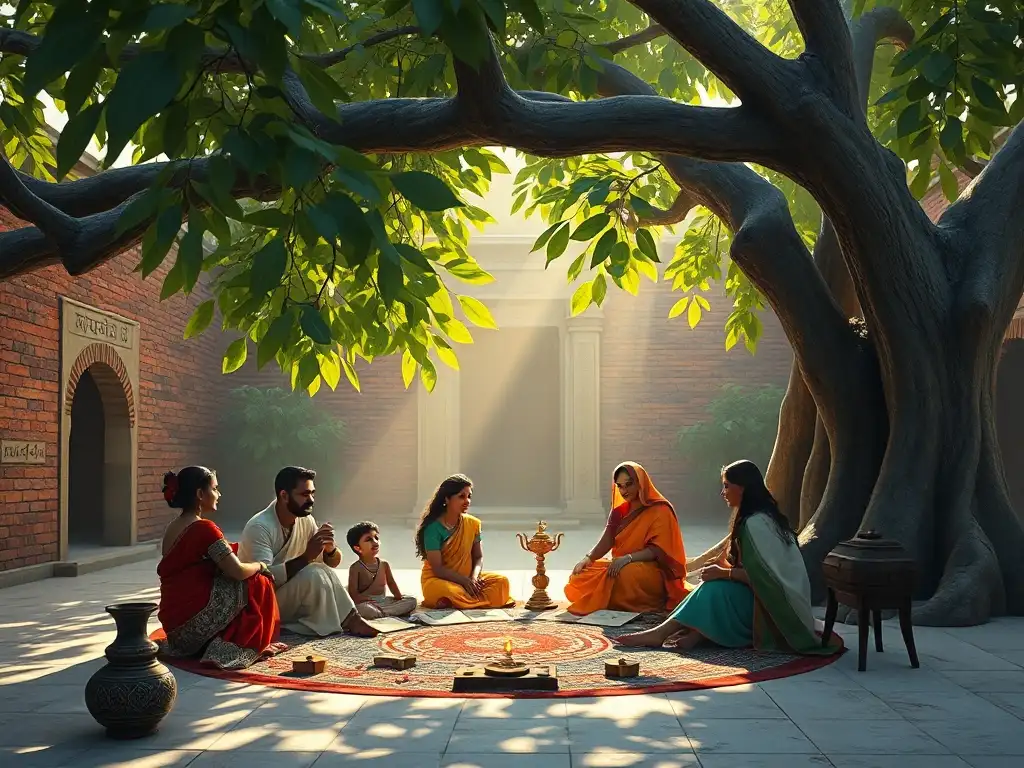
Education in Ancient Indian Families played a pivotal role in shaping family life, culture, and societal norms. The educational practices were deeply intertwined with the family structure, gender roles, and methods of knowledge transmission. Understanding these key features offers a glimpse into how education influenced familial relationships and responsibilities.
Family Structure and Educational Practices
In ancient India, family structures varied significantly across regions and communities, but the joint family system was prevalent. This system not only facilitated collaborative living but also fostered a unique educational environment.
- Role of Elders: Elders were regarded as the primary educators, imparting wisdom and moral values to younger generations. Their teachings often included practical skills, ethical conduct, and cultural traditions.
- Formal Education: While informal education took place at home, formal education was provided in Gurukuls (traditional schools) where children, especially boys, would live with their teacher (Guru) and receive instruction in various subjects such as philosophy, mathematics, and the arts. This setup fostered not just academic learning but also a close-knit community of learners.
- Curriculum: The curriculum in these educational settings was comprehensive, covering:
- Scriptural Studies: Focusing on texts like the Vedas and Upanishads.
- Arts and Sciences: Including subjects such as astronomy, medicine, and architecture.
- Ethics and Morality: Emphasizing the importance of Dharma (righteousness) in everyday life.
The educational practices within the family were designed to ensure that knowledge and values were passed down through generations, reinforcing the importance of both education and familial bonds.
Gender Roles in Education: Boys vs. Girls
The education of boys and girls in ancient Indian society was marked by distinct gender roles, reflecting broader societal norms.
- Boys: Education for boys was highly prioritized. They were often sent to Gurukuls to pursue a rigorous academic curriculum. The focus was on preparing them for roles as future leaders, warriors, and scholars.
- Girls: In contrast, girls had limited access to formal education. Their education primarily took place at home, where they were taught domestic skills and moral values. The content of their education emphasized:
- Household Management: Skills necessary for managing a household were taught, including cooking, weaving, and child-rearing.
- Cultural Education: Girls learned about rituals, customs, and the importance of family lineage.
Despite the unequal access to formal education, some girls from affluent families had opportunities for learning through private tutors or participation in religious and cultural ceremonies. Notable historical figures, such as Gargi and Maitreyi, exemplify instances where women engaged in scholarly pursuits, albeit rare.
The Transmission of Knowledge: Oral Traditions and Texts
The transmission of knowledge in ancient India was a blend of oral traditions and written texts, each playing a vital role in shaping education within families.
- Oral Traditions: Oral transmission was the primary mode of knowledge sharing, especially in rural areas. Stories, hymns, and teachings were passed down verbally through generations, ensuring that cultural values and historical narratives remained alive. This method allowed for flexibility and adaptation, as stories could evolve with each retelling.
- Written Texts: The advent of written language led to the preservation of knowledge in texts. Manuscripts in languages like Sanskrit and Prakrit became crucial in documenting various subjects, including philosophy, science, and ethics. Families often engaged in reading and studying these texts together, fostering a communal approach to learning.
The dual methods of knowledge transmission ensured that both formal and informal education coexisted, enriching the intellectual and cultural fabric of ancient Indian families.
Education in ancient Indian families not only shaped individual identities but also laid the foundation for a cohesive and culturally rich society. The interplay of family structure, gender roles, and knowledge transmission highlights the integral role education played in daily life and societal development.
Educational Institutions and Their Impact on Family Life
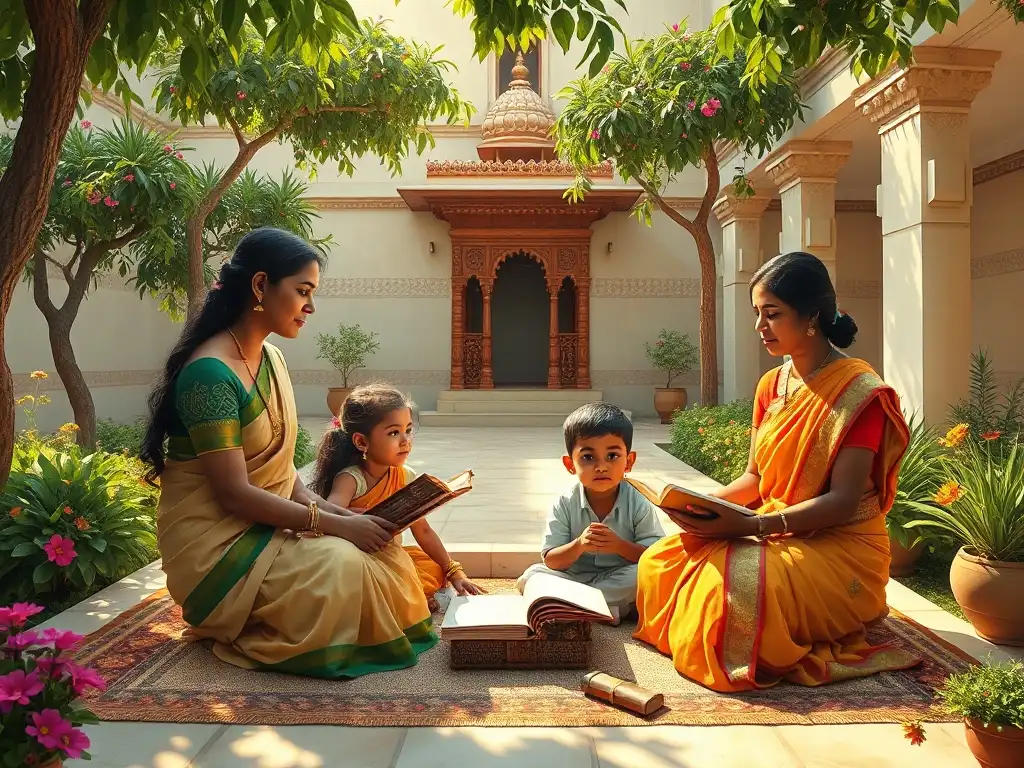
The Significance of Ashrams in Family Education
In ancient India, ashrams played a pivotal role in the educational landscape, significantly influencing family life. These secluded retreats served as centers for learning, where individuals could immerse themselves in various disciplines, including philosophy, arts, and sciences. The concept of 'Gurukul'—where students lived with their guru (teacher)—was prevalent, fostering a deep bond between students and their families.
Families often sent their children to ashrams to receive education under the guidance of a guru, which not only enriched the children's knowledge but also instilled values such as discipline, respect, and community living. The ashram system promoted an environment of mutual support among families, as they collaborated in the upbringing and education of their children.
Key aspects of ashrams that impacted family life include:
- Community Learning: Children from various families came together, promoting social bonds and cultural exchange.
- Holistic Development: Education wasn't limited to academics; it encompassed physical training, spiritual growth, and moral education.
- Role of Parents: Families were actively involved in the educational journey, often visiting the ashrams to ensure their children were thriving.
The legacy of the ashram system continues to influence educational philosophies in modern India, highlighting the enduring importance of family engagement in education.
The Role of Temples as Centers of Learning
Temples in ancient India transcended their religious functions, emerging as significant educational institutions. They served not only as places of worship but also as centers of learning, where scholars gathered to impart knowledge across various subjects.
The temple's role in education can be summarized as follows:
- Scholarly Gatherings: Temples attracted learned individuals who engaged in discussions, debates, and teachings, thus facilitating a culture of learning.
- Preservation of Knowledge: Texts and manuscripts were often stored in temples, making them repositories of knowledge that families could access.
- Cultural Education: Temples played a crucial role in teaching cultural and moral values through stories, rituals, and festivals, which families participated in together.
This symbiotic relationship between temples and families fostered a sense of community, where education was interwoven with everyday life, reinforcing cultural identity and moral values.
The Contribution of Universities like Nalanda and Takshashila
The ancient universities of Nalanda and Takshashila stand as monumental examples of higher education in ancient India, significantly shaping family life by offering advanced learning opportunities. These institutions attracted students from diverse backgrounds, including those from foreign lands, creating a melting pot of ideas and cultures.
Key Contributions:
- Diverse Curriculum: Both universities offered a wide range of subjects, from medicine to philosophy, which allowed families to send their children for specialized education. This broadened the intellectual horizons of families, preparing their children for various professions.
- Merit-Based Admission: Families were encouraged to cultivate talent and intelligence, as admission to these universities was based on merit, thereby promoting a culture of excellence within families.
- Global Connections: The presence of international students fostered cross-cultural exchanges. Families were able to connect with broader knowledge networks, enriching their understanding of the world.
The impact of these universities extended beyond individual families, influencing societal norms and expectations regarding education, thus embedding the value of learning deeply within the fabric of ancient Indian society.
The educational institutions in ancient India, including ashrams, temples, and universities, significantly shaped family life by promoting knowledge, values, and community engagement, establishing a legacy that continues to be relevant in today’s educational discourse.
Caste System and Access to Education in Families
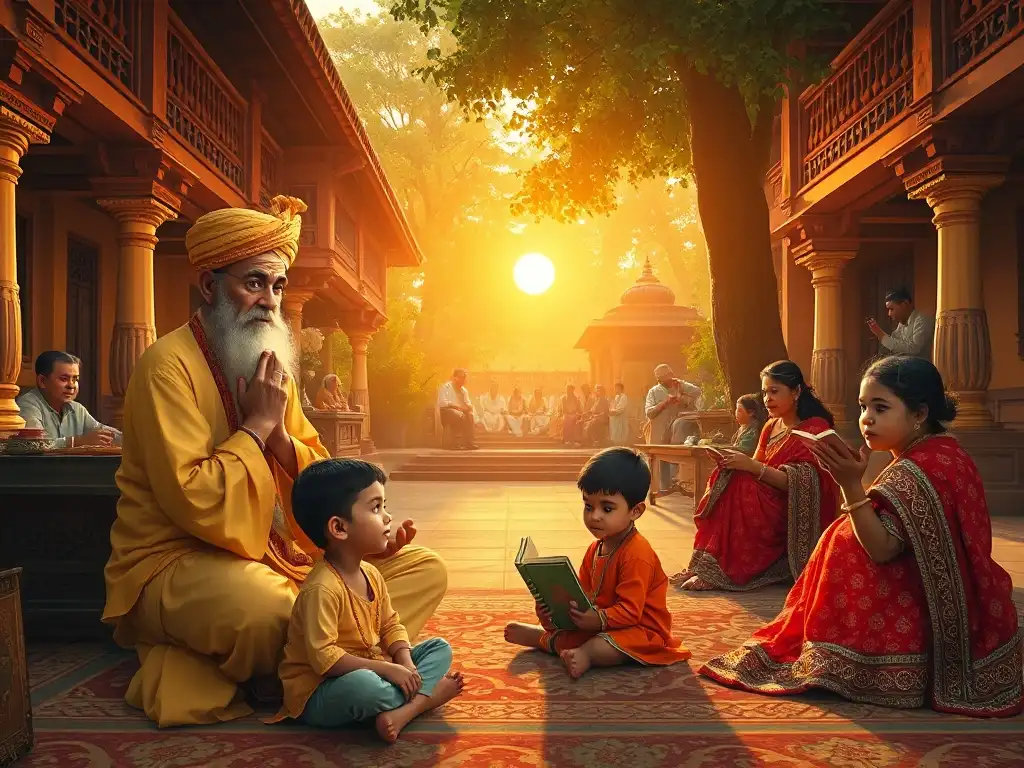
In ancient India, education was intricately tied to the caste system, a hierarchical structure that governed social interactions and opportunities. The caste system divided society into four primary categories: Brahmins (priests and scholars), Kshatriyas (warriors and rulers), Vaishyas (traders and agriculturists), and Shudras (laborers and service providers). This division significantly influenced the accessibility of educational resources for families within these groups.
- Brahmins: As the custodians of knowledge, Brahmin families prioritized education. They established gurukuls, where students from similar backgrounds received instruction in sacred texts, philosophy, and sciences. The education system was largely oral and focused on memorization and recitation.
- Kshatriyas and Vaishyas: Families belonging to these castes also valued education, albeit to a lesser extent than Brahmins. Their focus was often on practical knowledge related to governance, warfare, and commerce. Access to education for these groups was primarily facilitated through tutors or informal community gatherings rather than structured institutions.
- Shudras: Unfortunately, Shudra families faced substantial barriers to formal education. Their societal role often relegated them to manual labor, with little to no access to learning opportunities. It was not until much later in Indian history that educational reforms began to address these disparities.
The caste system's rigid structure ensured that education was a privilege rather than a universal right, shaping the family dynamics and aspirations of each caste.
The Influence of Wealth on Educational Opportunities
Wealth played a crucial role in determining the educational opportunities available to families in ancient India. Families with substantial financial resources could afford to invest in education, thereby influencing the trajectory of their descendants' lives. This economic factor manifested in several ways:
- Private Tutors: Wealthy families often hired tutors to provide personalized education for their children, ensuring a higher quality of instruction and a curriculum tailored to their needs. This access allowed for a more comprehensive education in philosophy, science, and the arts.
- Infrastructure: Families with greater means were more likely to support the establishment of educational institutions, such as monasteries and ashrams. Their financial contributions enabled the creation of learning spaces that benefited not only their children but also others in the community.
- Cultural Capital: Wealthy families often had the cultural capital necessary to navigate the educational landscape effectively. They could leverage their social connections to gain entry into elite educational settings, further enhancing their social status.
Conversely, families with limited financial resources struggled to provide their children with basic educational opportunities, reinforcing the cycle of poverty and limiting social mobility for future generations.
In ancient India, education emerged as a powerful tool for social mobility, albeit within the confines of the prevailing caste system and economic disparities. For families seeking to improve their social standing, education offered a pathway to elevate their status through various means:
- Knowledge Acquisition: Families that prioritized education, regardless of their caste, recognized that acquiring knowledge could lead to improved job prospects and greater respect within their communities. For example, a skilled artisan might gain recognition and patronage if they were educated in the arts and sciences.
- Caste Mobility: While the caste system was rigid, there were instances where individuals or families could change their caste status through education. Those who excelled academically or contributed significantly to society could be recognized and respected, leading to a shift in their social standing.
- Community Leadership: Educated individuals often became leaders within their communities, advocating for reforms and better educational access for all. This leadership role not only empowered them but also inspired others to pursue education as a means of improving their lives.
Education in ancient Indian families was not just about acquiring knowledge; it was a vital instrument for shaping family dynamics, influencing social status, and fostering aspirations for a better life. The interplay of caste and wealth, combined with the transformative power of education, highlights its critical role in the historical context of ancient Indian society.
The Role of Education in Shaping Family Values
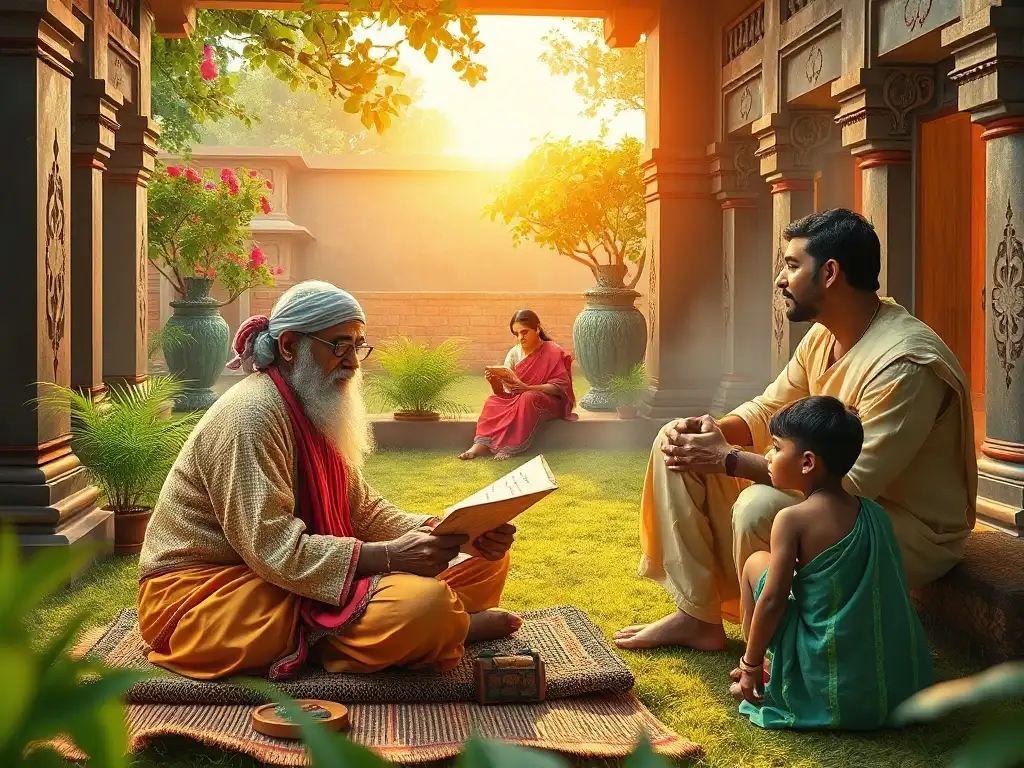
Education in ancient Indian families played a pivotal role in shaping moral and ethical values. The educational system was deeply intertwined with family life, where teachings were not limited to academic knowledge but extended to principles of dharma (duty), righteousness, and social responsibilities.
Moral and Ethical Teachings within Family Education
In ancient India, education was primarily imparted through the family unit, with parents acting as the first educators. The teachings included:
- Dharma: This encompassed the moral obligations each individual had towards their family, society, and the universe. Children learned the importance of fulfilling their duties, which was seen as essential for maintaining harmony and order.
- Values and Virtues: Families emphasized virtues such as truthfulness, respect for elders, compassion, and self-discipline. These values were often reinforced through storytelling, rituals, and daily practices.
- Religious Education: Many families integrated religious teachings into daily life, using scriptures like the Vedas and Upanishads to instill a sense of spirituality and ethical living. This not only provided a moral framework but also fostered a sense of identity and belonging.
The family served as a microcosm of society, where values were transmitted from one generation to the next. This intergenerational transfer of knowledge and ethics laid the foundation for cohesive family structures and strong societal bonds.
The Impact of Education on Marital Practices
Education significantly influenced marital practices in ancient Indian families, affecting both the choice of partners and the dynamics of marital relationships. Key aspects include:
- Arranged Marriages: Families often played a crucial role in arranging marriages, with education being a determining factor. Families sought educated partners, as education was associated with good character, social status, and the ability to contribute to family prosperity.
- Dowry Considerations: The educational background of both parties frequently influenced dowry negotiations. An educated groom might command a higher dowry, reflecting his perceived value in society.
- Role of Educated Women: With the emergence of women receiving education, there was a gradual shift in marital dynamics. Educated women contributed to household decisions, and their participation in family discussions fostered a more egalitarian approach within marriages.
The intersection of education and marriage practices demonstrated how knowledge could empower individuals, enabling them to negotiate their roles within the family unit while maintaining cultural traditions.
Education and Its Role in Parenting Practices
Parenting practices in ancient Indian families were profoundly shaped by educational values. The focus on nurturing knowledge and character was central to child-rearing. Important aspects include:
- Early Childhood Education: Parents were responsible for the initial education of their children, teaching them basic skills, values, and social etiquette. This early education often laid the groundwork for formal schooling later on.
- Teaching by Example: Parents embodied the lessons they taught. Children learned by observing their parents' behavior, which was crucial for instilling values such as respect and integrity.
- Encouragement of Learning: Families encouraged continuous learning, often promoting the pursuit of knowledge through formal education in gurukuls (ancient schools) and through household discussions. This emphasis on education fostered a lifelong love of learning in children.
Education in ancient Indian families served as a cornerstone for shaping family values, influencing marital practices, and guiding parenting approaches. By embedding ethical teachings within the family structure, ancient Indian societies cultivated a rich tapestry of cultural and moral integrity that resonated through generations.
Transformations in Family Life Due to Education
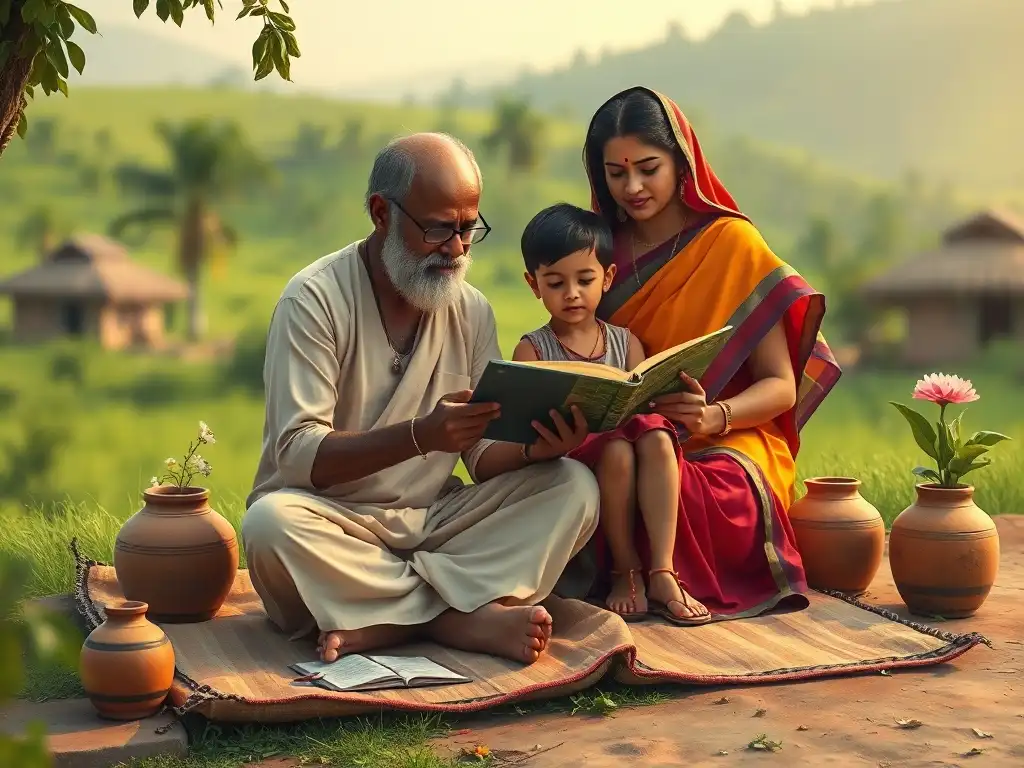
Education in ancient India played a pivotal role in transforming family life, particularly in how families functioned, shared responsibilities, and made decisions. The educational systems established during various periods, including the Vedic, Mauryan, and Gupta eras, cultivated a culture that emphasized learning, moral values, and social responsibilities, significantly impacting family dynamics.
Shifts in Family Dynamics and Responsibilities
The introduction of formal education systems, such as the Gurukul method, facilitated a shift in family dynamics. Families began to recognize the importance of knowledge and learning, leading to a more structured approach to responsibilities:
- Division of Labor: Education encouraged a more defined division of labor within families. Sons, in particular, were often sent to Gurukuls to study under gurus, which left daughters to take on more household responsibilities. However, this did not diminish their status; rather, it allowed women to manage homes more efficiently, ensuring sustenance and stability.
- Role of Elders: Elders in families became responsible for imparting knowledge and wisdom. They played a crucial role in educating the younger members about traditions, ethics, and societal roles, emphasizing the importance of maintaining familial bonds and societal values.
- Intergenerational Learning: Education fostered intergenerational dialogues about values and responsibilities. Families began to engage in discussions about moral dilemmas, social duties, and the significance of education, which strengthened familial ties and encouraged collective decision-making.
The Evolving Role of Women in Educated Families
Education had a profound impact on the role of women within ancient Indian families. As educational opportunities gradually expanded, women's roles began to evolve:
- Access to Knowledge: In educated families, women often received education that included not only household management skills but also religious and philosophical teachings. This access allowed women to contribute intellectually to family discussions, enhancing their status within the household.
- Leadership and Influence: Educated women emerged as leaders within their families, influencing decisions related to marriage, education of children, and community involvement. This shift was particularly noticeable during the Gupta period when women of higher castes began to participate more actively in cultural and intellectual pursuits.
- Cultural Preservation: Women played a crucial role in preserving cultural practices and educational traditions. They were often responsible for teaching children about their heritage, rituals, and values, ensuring the continuity of knowledge through generations.
Education and Its Influence on Family Decision-Making
The impact of education on family decision-making was significant, leading to a more democratic and informed approach:
- Informed Choices: Families with educated members tended to make more informed decisions regarding marriage, finances, and child-rearing. The ability to access and interpret information allowed families to navigate societal changes more effectively, adapting practices to align with contemporary needs.
- Community Engagement: Educated families were more likely to engage with their communities. They participated in local governance and social reforms, reflecting their enhanced understanding of societal issues. This engagement fostered a sense of responsibility towards both family and community.
- Negotiation and Consensus: Education promoted negotiation skills within families. Members, particularly women, could articulate their views and concerns, leading to collaborative decision-making processes. This shift resulted in a more egalitarian family structure, where voices were heard and valued.
Education in ancient Indian families was a transformative force that reshaped family dynamics, elevated women's roles, and influenced decision-making processes. It laid the foundation for a more informed, engaged, and equitable family life, highlighting the profound relationship between education and familial structures in ancient Indian society.
Conclusion: The Lasting Legacy of Education in Ancient Indian Families
The educational practices of ancient India have left an indelible mark on family life, shaping not only the structure of households but also the values and roles within them. Education, as seen in the Vedic texts and the systems established during the Gupta period, was pivotal in fostering a culture of learning and respect for knowledge. Families that prioritized education contributed to a society that valued intellectual development, ethical behavior, and spiritual growth.
This legacy can be observed in the continued emphasis on education within Indian families today. The historical focus on holistic education—encompassing arts, sciences, and moral teachings—has evolved into modern educational systems but retains its roots in ancient practices. The family unit, having historically served as the primary educational environment, nurtured not just academic knowledge but also cultural and ethical values that are still revered in contemporary society.
Furthermore, the influence of ancient educational frameworks on family dynamics is evident in the modern emphasis on parental involvement and community support in education. The collaborative approach seen in ancient times between families and educational institutions continues to foster a strong sense of community and shared responsibility in the upbringing of children. Thus, the legacy of education in ancient Indian families is not merely historical; it is a continuing narrative that shapes familial interactions and societal values today.
Reflection on the Impact of Ancient Educational Practices on Modern Family Life
Reflecting on the ancient educational practices in India reveals significant parallels with contemporary family life, particularly in the realms of values, responsibilities, and aspirations. The traditional roles defined by educational attainment in ancient times, where knowledge was revered and considered essential for social mobility and stability, still resonate today. In many Indian families, education remains a pivotal aspiration that influences family decisions, from the selection of schools to the encouragement of higher education.
Moreover, the focus on collective learning and the exchange of knowledge within families has transitioned into modern family dynamics where collaborative learning experiences, such as family study sessions or educational trips, are encouraged. This underscores a cultural continuity that values education as a shared journey rather than an isolated pursuit.
Additionally, the ancient emphasis on moral and ethical education within families has evolved but continues to be relevant. Parents often instill values such as respect, discipline, and social responsibility—principles that were foundational in ancient educational systems. The holistic approach to education, which integrated physical, intellectual, and spiritual growth, can still be seen in modern educational philosophies that advocate for well-rounded development.
The impact of ancient educational practices on modern family life is profound and multifaceted. The principles that guided ancient Indian families in their educational pursuits continue to influence contemporary practices, ensuring that the legacy of education remains a cornerstone of family life in India.
Frequently Asked Questions
What was the significance of education in ancient Indian families?
Education played a crucial role in shaping the values, ethics, and social roles within families, ensuring the transmission of cultural knowledge across generations.
How was education structured in ancient Indian societies?
Education was often organized around gurukuls or ashrams, where students received instruction in various subjects, including Vedic texts, arts, and sciences, under the guidance of a guru.
Were there any differences in educational opportunities based on caste in ancient India?
Yes, educational opportunities were often hierarchical and influenced by the caste system, with higher castes typically having greater access to formal education compared to lower castes.
What subjects were typically taught in ancient Indian education?
Subjects included literature, philosophy, mathematics, astronomy, and various forms of art, reflecting the diverse intellectual pursuits of ancient Indian civilizations.
How did education impact family dynamics in ancient India?
Education fostered strong family bonds and a sense of responsibility, as children were taught to respect elders and uphold family values, which were integral to social cohesion.
Final Reflection: The Enduring Legacy of Education in Ancient Indian Families
Education in Ancient Indian Families was not merely a tool for academic achievement; it was a cornerstone of societal structure and family dynamics. Today, as we navigate the complexities of modern family life, the lessons from ancient educational practices resonate profoundly. The emphasis on holistic development, moral values, and community engagement in ancient education systems reminds us that the foundation of a strong family is built on shared knowledge and mutual respect. In a world increasingly driven by technology and individualism, the essence of education as a unifying force within families remains as relevant as ever.
The influence of education in shaping family life in ancient India extends far beyond its historical context; it continues to echo in contemporary society. The values instilled through education—such as discipline, respect for elders, and the importance of knowledge—are still vital in nurturing strong family bonds today. As we reflect on this legacy, we can draw from the wisdom of the past to enrich our present. Education is the most powerful weapon which you can use to change the world.
– Nelson Mandela. This quote encapsulates the transformative power of education, not just for individuals but for families and communities alike.
As we conclude this exploration, I invite you to reflect on the role of education in your own family life. Consider how the principles of ancient educational practices can be integrated into your daily interactions and family values. Let us strive to foster an environment where learning is cherished, knowledge is shared, and family ties are strengthened through the pursuit of education. Embrace the lessons of the past to create a brighter future for your family, ensuring that education remains a central pillar in shaping lives and nurturing relationships.
Embrace the Lessons of Ancient India Today!
Thank you for exploring the fascinating relationship between education and family life in ancient India. We hope you discovered the profound impact that knowledge and wisdom had on shaping familial bonds and societal values. Now, let’s take those insights to the next level!
Here’s how you can connect with this rich legacy:
- Explore your own family history! Delve into the educational traditions that shaped your ancestors' lives, and consider how those lessons can influence your family today.
- Share this article with friends and family to spark meaningful conversations about the role of education in shaping your family dynamics today.
- Implement daily learning rituals at home—whether it’s a family book night or sharing stories that emphasize the values you cherish.
What educational values from ancient India resonate with your family, and how can you incorporate them into your lives today? We invite you to share your thoughts in the comments!