
Divorces in Ancient India: Were They Common or Rare?

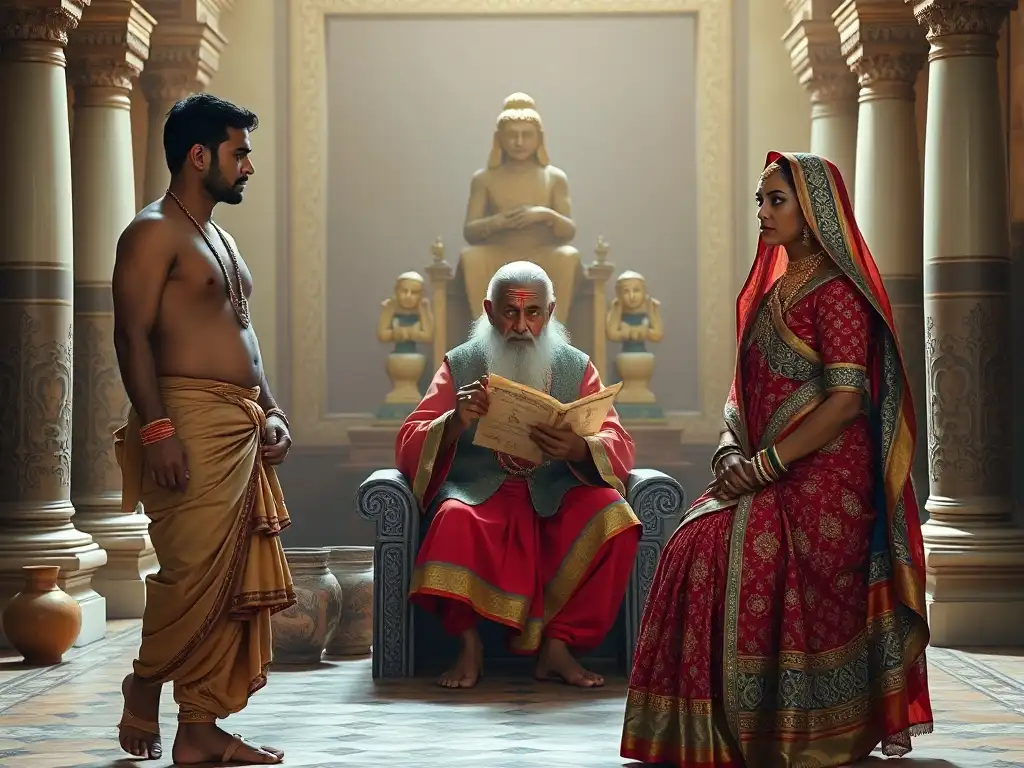
Welcome to Ancient India History, where we embark on a fascinating journey through the intricate tapestry of India's past! In this exploration, we delve into the divorce practices in ancient India, shedding light on a subject that reveals much about the societal norms and personal freedoms of the time. Were divorces common or rare in this rich civilization? Join us as we uncover the stories, customs, and cultural significance that surrounded marital relationships in ancient India. Prepare to be intrigued as we unveil the complexities of daily life and society in a time long gone, yet remarkably influential.
- Introduction to Divorce Practices in Ancient India
- Historical Context of Divorce in Ancient India
- Types of Divorce Practices in Ancient India
- Commonality of Divorce in Ancient India
- Reasons Behind Divorce in Ancient India
- Case Studies of Divorce Practices in Ancient India
- Myths and Realities of Divorce in Ancient India
- Conclusion: The Legacy of Divorce Practices in Ancient India
- References for Further Reading on Divorce Practices in Ancient India
-
Frequently Asked Questions
- What were the divorce practices in ancient India?
- Were divorces considered socially acceptable in ancient Indian society?
- What were the legal grounds for divorce in ancient India?
- How did divorce impact women's status in ancient India?
- Were there differences in divorce practices among various caste groups?
- Final Reflection: Understanding Divorce Practices in Ancient India and Their Modern Resonance
- Unveil the Truth: Explore Ancient Indian Divorces!
Introduction to Divorce Practices in Ancient India
Divorce practices in ancient India are a fascinating yet often overlooked aspect of the subcontinent's rich social tapestry. While contemporary discussions about divorce can evoke a plethora of opinions and emotions, understanding how divorce was perceived and practiced in ancient times reveals deeper insights into the values, norms, and societal structures of that era.
This article aims to explore the nuances surrounding divorce in ancient India, investigating whether it was a common occurrence or a rare event. By examining historical texts, cultural practices, and societal attitudes, we can gain a clearer picture of how divorce was embedded in the fabric of daily life, family dynamics, and marriage customs across various ancient Indian civilizations.
Overview of Family and Marriage in Ancient Indian Society
In ancient India, family and marriage were fundamental components of society, deeply intertwined with cultural, religious, and economic factors. The joint family system was predominant, where extended families lived together, reinforcing bonds and shared responsibilities. Marriages were often arranged, emphasizing alliances between families rather than individual choice. This system was governed by various texts, including the Manusmriti and other dharma shastras, which outlined duties, rights, and expectations for both men and women within marriage.
- Key Characteristics of Marriage in Ancient India:
- Arranged Marriages: Families played a crucial role in selecting spouses, often based on social status, caste, and compatibility.
- Dowry System: The practice of dowry was common, where the bride's family provided gifts or money to the groom's family, further complicating the dynamics of marriage.
- Religious Significance: Marriages were considered sacred rituals, often involving elaborate ceremonies that could last several days and included the blessings of deities.
Despite the strong emphasis on marital unions, the institution of marriage was not infallible, and various factors could lead to its dissolution.
Importance of Understanding Divorce in Historical Context
Understanding divorce practices in ancient India is essential for several reasons. First, it sheds light on the evolving nature of gender roles and societal expectations. As we delve into the historical context, it's crucial to recognize that divorce was not merely a personal affair but often a reflection of broader societal changes.
- Key Reasons for Studying Divorce:
- Cultural Insights: Analyzing divorce practices can provide insights into the status of women and their rights within the family structure.
- Social Dynamics: The reasons for divorce, whether due to incompatibility, infidelity, or social pressures, illuminate the complexities of relationships in ancient society.
- Legal Framework: Understanding the legal and religious frameworks governing divorce can reveal the interplay between personal agency and societal norms.
By examining these aspects, we can appreciate how divorce was perceived in ancient Indian society, whether it was a common recourse for those seeking to escape unhappy marriages or a rare and stigmatized event. This historical perspective not only informs our understanding of past societies but also offers valuable lessons for contemporary discussions surrounding marriage and divorce.
Historical Context of Divorce in Ancient India
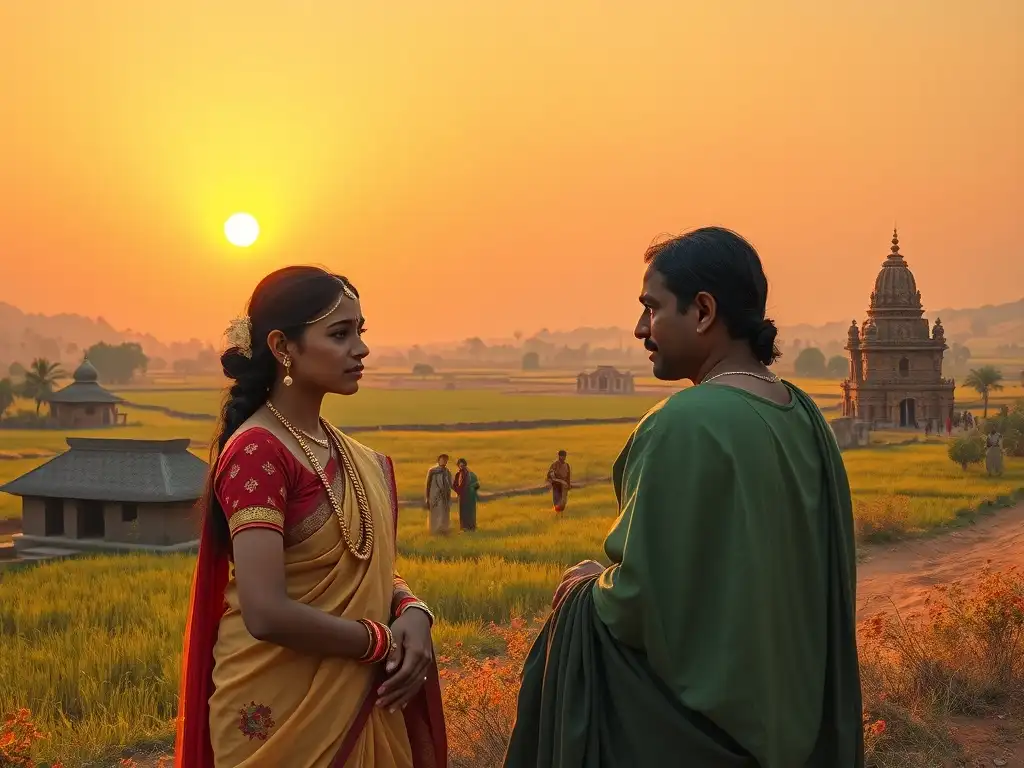
Divorce practices in ancient India are often perceived through the lens of societal norms and legal regulations that varied significantly over time and across different regions. The historical context reveals that while marriage was predominantly viewed as a sacred and enduring institution, there were nonetheless provisions and practices that allowed for divorce under certain circumstances.
In ancient texts, such as the Dharmashastras—a corpus of Hindu law texts—divorce is mentioned, albeit not as a common practice. The Manusmriti, one of the most influential texts, outlines several grounds for divorce, including abandonment, adultery, and incompatibility. This indicates that while marriage was highly valued, the recognition of divorce as a possibility reflects the complexities of personal relationships in ancient societies.
The frequency of divorce varied across different periods and communities, with historical records suggesting that it was more accepted in certain contexts, particularly among the Kshatriyas (warrior class) and among trader communities. Conversely, in Brahminical circles, where adherence to traditional values was emphasized, divorce was often frowned upon.
Sources of Information on Divorce Practices in Ancient India
Understanding divorce practices in ancient India requires examining a variety of sources that provide insights into family dynamics and legal customs.
- Religious Texts:
- Hindu Law Codes: Texts like the Manusmriti and Yajnavalkya Smriti offer guidelines on marriage and divorce, delineating the circumstances under which divorce might be permissible.
- Buddhist and Jain Texts: These scriptures also address marital relationships, with some advocating for more lenient divorce norms compared to the rigid Brahminical laws.
- Historical Records:
- Archaeological Findings: Artifacts from ancient sites often depict familial structures, suggesting varying norms regarding marriage and divorce.
- Inscriptional Evidence: Epigraphs and inscriptions can provide specific instances or cases of divorce, illustrating how societal practices evolved.
- Literary Works:
- Poetry and Drama: Ancient Indian literature, such as the plays of Kalidasa and the poetry of Bhavabhuti, reflects themes of love, betrayal, and separation, indicating that divorce was a reality faced by many.
- Legal Commentaries:
- Scholars and legal commentators over the centuries have interpreted and modified the original texts, providing further context and clarity on how divorce was practiced and perceived.
These sources collectively illustrate that while divorce was not a widespread phenomenon in ancient India, it was acknowledged within the broader framework of family law and societal expectations.
Societal Norms and Legal Framework Surrounding Divorce
The societal norms surrounding divorce in ancient India were deeply intertwined with prevailing cultural values and legal frameworks. Understanding these norms sheds light on why divorce practices varied significantly.
- Cultural Values:
- Marriage was often seen as a sacrament, emphasizing lifelong commitment. Thus, divorce was generally viewed as a failure of duty and adherence to dharma (moral law).
- In certain communities, particularly among the Kshatriyas, there was a more pragmatic approach toward marriage, allowing for the possibility of divorce under specific conditions.
- Legal Framework:
- The Dharmashastras provided a legal basis for divorce, detailing various grounds and procedures. For instance, a woman could seek divorce if her husband was impotent, abusive, or had abandoned her.
- However, the legal right to initiate divorce often favored men, reflecting a patriarchal society where women's autonomy was limited.
- Economic Factors:
- Economic independence played a crucial role in divorce practices. Women who were economically self-sufficient, such as those engaged in trade, had greater agency to seek divorce than those reliant on their husbands.
- Regional Variations:
- Practices also varied regionally; some areas had more lenient divorce laws, while others adhered strictly to the traditional norms outlined in Hindu texts.
Divorce practices in ancient India were complex, shaped by a myriad of social, cultural, and legal factors. While not prevalent, divorce was recognized and regulated, reflecting the dynamic nature of personal relationships in ancient Indian society.
Types of Divorce Practices in Ancient India
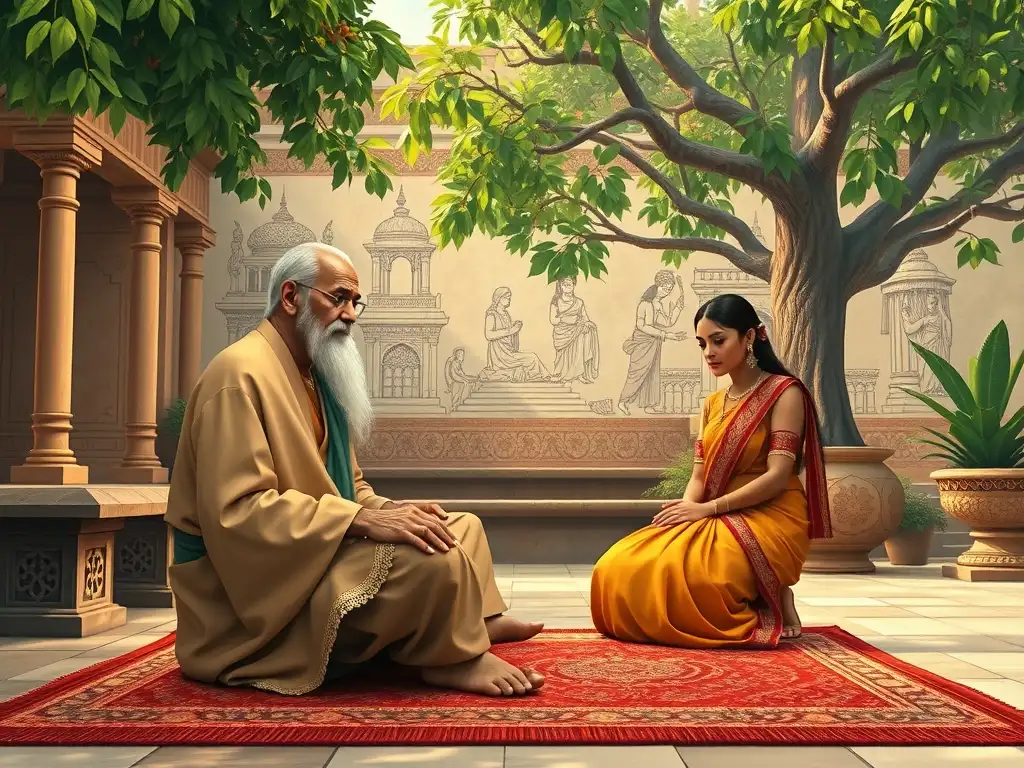
Throughout the history of ancient India, divorce practices varied widely depending on cultural, religious, and social influences. Understanding these variations is crucial for grasping the complexities of family life and marital relations in ancient Indian society. Below, we explore the two primary forms of divorce: mutual and unilateral, along with the cultural and religious factors influencing these practices.
Mutual Divorce: An Overview
Mutual divorce, where both parties agree to dissolve their marriage, was recognized in various ancient texts, particularly within certain religious contexts. This form of divorce often stemmed from mutual consent rather than conflict, which was seen as an ideal resolution for incompatible couples.
- Historical Reference: Mutual divorce practices can be traced back to the Dharmashastra, a collection of texts that outline the moral and legal duties of individuals. Specific texts, such as the Manusmriti, provide guidance on how couples could dissolve their marriage amicably.
- Social Acceptance: In ancient Indian society, mutual divorce was generally more accepted among the upper classes and scholars, who valued personal happiness and compatibility over societal norms. This acceptance varied by region and community, with some groups more progressive than others.
- Procedure: The process for mutual divorce often involved a formal declaration and sometimes required a ritual or ceremony to signify the end of the marital bond. This helped in maintaining social harmony and reducing stigma.
Mutual divorce in ancient India was characterized by consent and cooperation, showcasing a more progressive approach towards marital relationships when both partners sought a peaceful resolution.
Unilateral Divorce: Causes and Consequences
Unilateral divorce, where one partner seeks to end the marriage without the other's consent, was more complex and often fraught with social stigma. Several factors contributed to the prevalence of unilateral divorce:
- Causes: Common causes for unilateral divorce included:
- Infidelity: Adultery was frequently cited as a valid reason for dissolution, particularly for men.
- Incompatibility: Persistent disputes or inability to live harmoniously could lead to divorce.
- Abuse: Domestic violence or mistreatment provided grounds for spouses, particularly women, to seek divorce.
- Consequences: The repercussions of unilateral divorce were significant and varied:
- Social Stigma: Individuals who initiated unilateral divorces often faced societal backlash, leading to isolation or diminished prospects for remarriage.
- Legal Implications: Divorce laws were not consistently applied, and the legal framework could be biased, especially against women, who were often left without protection or support.
Unilateral divorce practices reflect the intricate social dynamics of ancient India, where personal desires frequently clashed with societal expectations and norms.
Cultural and Religious Influences on Divorce Practices
Cultural and religious beliefs played a pivotal role in shaping divorce practices in ancient India. These influences manifested in various ways:
- Religious Texts: Hindu scriptures like the Vedas and Upanishads addressed marriage and divorce, providing guidelines that were interpreted by scholars across generations. For instance, the Manusmriti articulated conditions under which a marriage could be annulled, often emphasizing the duties of spouses.
- Regional Variations: Different regions had unique customs and practices regarding divorce. In some communities, such as the Rajputs, divorce was more socially acceptable, while others adhered strictly to traditional norms that discouraged dissolution.
- Gender Roles: The role of gender significantly influenced divorce practices. Men typically held more power in initiating divorce, while women faced legal and social barriers that limited their agency. Nonetheless, certain sects allowed women greater autonomy, reflecting a more nuanced understanding of gender roles in marital relationships.
Cultural and religious influences were instrumental in shaping the landscape of divorce practices in ancient India. The interplay of tradition, scripture, and societal norms contributed to the diverse experiences surrounding marital dissolution, illustrating the complexity of family structures in historical contexts.
Commonality of Divorce in Ancient India
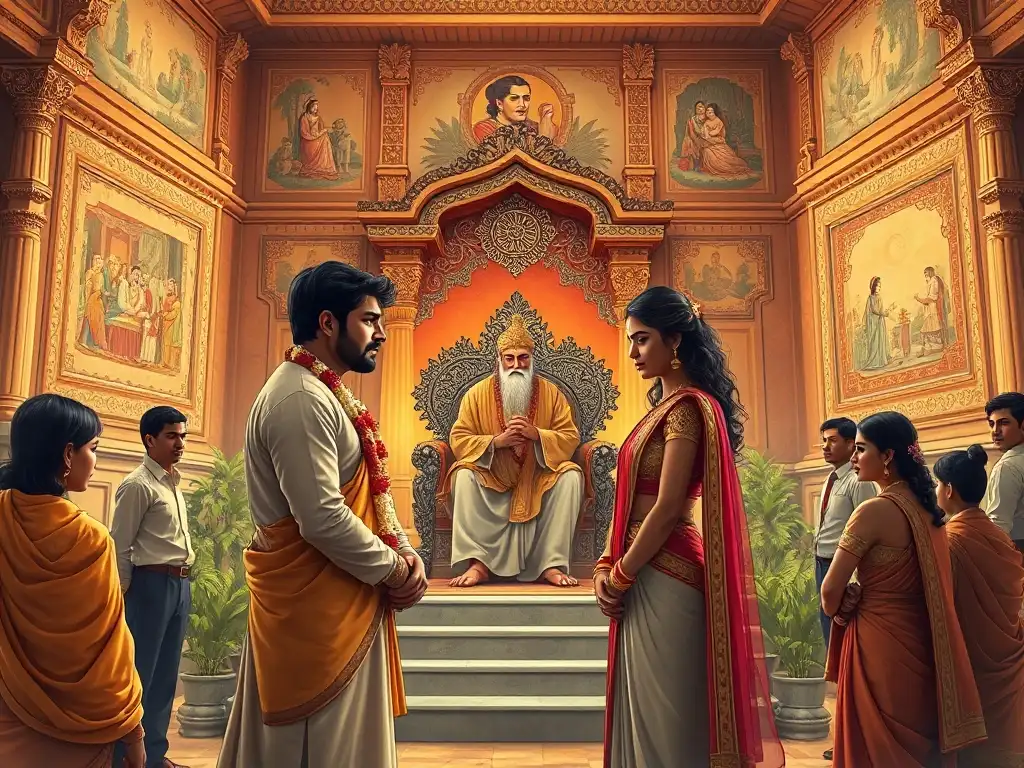
Divorce practices in ancient India present a nuanced picture, reflecting the complexities of social norms, legal frameworks, and cultural values of the time. While marriage was largely viewed as a sacred institution, evidence suggests that divorce was not entirely uncommon in various ancient Indian societies. Understanding the prevalence of divorce requires examining historical texts, archaeological findings, and socio-cultural contexts that influenced marital relationships.
Statistical Evidence of Divorce Rates in Ancient Societies
Historical records and literary sources provide insights into the divorce rates in ancient Indian societies. For instance, texts like the Manusmriti, which dates back to approximately 200 BCE to 200 CE, outline various circumstances under which a woman could initiate divorce. While specific statistical data are scarce, some estimates suggest that divorce rates could range from 5% to 10% of marriages in certain regions during different periods.
Factors influencing these rates included:
- Social Status: Higher divorce rates were often observed among the upper classes, where women had more agency to seek divorce.
- Cultural Norms: Communities that emphasized individual choice or where women's rights were more recognized exhibited higher divorce occurrences.
- Economic Factors: Economic independence of women, particularly in trading communities, contributed to a higher likelihood of divorce.
Scholarly research indicates that, contrary to the notion that divorce was wholly rare, it was a recognized aspect of marital life, albeit often stigmatized.
Comparison of Divorce Rates Across Different Ancient Indian Civilizations
When comparing divorce rates across various ancient Indian civilizations, notable differences emerge based on regional practices and sociopolitical structures.
| Civilization | Estimated Divorce Rate | Key Influencing Factors |
|---|---|---|
| Indus Valley | Low (1-3%) | Strong familial ties, less emphasis on individual choice |
| Vedic Period | Moderate (5-10%) | Scriptural allowances; changing roles of women |
| Mauryan Empire | Moderate (5-10%) | Influence of Buddhism promoting compassion and non-attachment |
| Gupta Empire | Higher (10-15%) | Economic prosperity, rise of women's rights |
- Indus Valley Civilization: Evidence suggests that marital stability was highly valued, with low divorce rates attributed to strong family structures and societal expectations. The archaeological findings indicate that marriages were likely arranged, limiting the scope for divorce.
- Vedic Period: The texts from this era indicate a gradual shift, where women had more rights and could seek divorce under certain circumstances, such as abandonment or mistreatment. This led to moderate divorce rates.
- Mauryan Empire: The spread of Buddhism and its teachings on compassion may have influenced divorce practices. While marriages were still valued, there was a recognition of the need for personal happiness, contributing to moderate divorce rates.
- Gupta Empire: With the rise of economic prosperity and increased social mobility, the Gupta period saw a notable change in women's status. Higher divorce rates during this time suggest that women were more empowered to make choices regarding their marital status.
Divorce practices in ancient India reveal a complex interplay of social, economic, and cultural factors that influenced the institution of marriage. While divorce was not exceedingly common, it was certainly recognized and practiced across various ancient Indian civilizations, adapting to the prevailing norms and values of each era.
Reasons Behind Divorce in Ancient India
Divorce practices in ancient India were influenced by a complex interplay of social, economic, and personal factors. Understanding these reasons can provide valuable insights into the societal norms and values of various ancient Indian civilizations.
The social structure of ancient India was characterized by a rigid caste system, which significantly impacted marriage and divorce practices. Marriages were often arranged for economic and social stability, and any disruption of this arrangement could lead to divorce. Here are some key social and economic factors that influenced divorce practices:
- Caste Considerations: Marriages within the same caste were preferred, and a marriage between different castes could lead to social ostracism. If a couple from different castes faced challenges, divorce might have been seen as a solution to avoid social stigma.
- Economic Stability: A woman's role within the household was often tied to her economic contributions. If a woman was unable to fulfill her expected duties or if her husband faced financial difficulties, this could lead to marital discord and, consequently, divorce.
- Dowry Issues: The practice of dowry often placed immense pressure on marriages. A lack of adequate dowry could lead to dissatisfaction and marital breakdown. In some cases, the husband’s family might seek divorce if they felt the dowry was insufficient.
- Religious Influences: Religious texts and societal norms often dictated the roles of men and women in marriage. Non-compliance with these expectations could result in divorce, especially if one partner engaged in behavior deemed unacceptable by societal standards.
These factors indicate that divorce was not merely a personal decision but was influenced by broader social and economic conditions that shaped individual choices.
Personal and Familial Reasons for Seeking Divorce
Apart from societal pressures, personal and familial reasons also played a significant role in divorce practices in ancient India. Understanding these personal motivations sheds light on the emotional and relational dynamics within marriages. Key personal and familial reasons include:
- Incompatibility: Just as today, incompatibility between spouses—stemming from differing values, interests, or personalities—could prompt individuals to seek a divorce. Such differences might become more pronounced over time, leading to marital breakdown.
- Abuse and Neglect: Instances of physical, emotional, or psychological abuse could lead a spouse to seek a divorce. Ancient texts hint at the existence of women's rights to seek separation in cases of mistreatment.
- Infidelity: Adultery was considered a severe breach of marital trust. In many instances, a spouse, particularly a woman, might seek divorce if their partner engaged in extramarital affairs, as fidelity was a crucial aspect of marital vows.
- Family Pressure: Families often had a significant influence on marital relationships. If a couple faced irreconcilable differences and their families supported divorce, it could expedite the process. In some cases, familial expectations or conflicts could lead to a couple seeking separation.
- Childlessness: The inability to bear children, especially in a patriarchal society that placed high value on progeny, could be a significant reason for divorce. This often placed immense pressure on women, resulting in the dissolution of marriages.
These personal and familial motivations demonstrate that the decision to divorce was often rooted in emotional and relational dynamics, reflecting the complexities of human relationships in ancient India.
Divorce practices in ancient India were shaped by a multitude of factors ranging from social and economic pressures to personal and familial issues. This multifaceted nature of divorce highlights the intricate web of relationships and societal expectations that influenced the lives of individuals in ancient Indian civilizations.
Case Studies of Divorce Practices in Ancient India
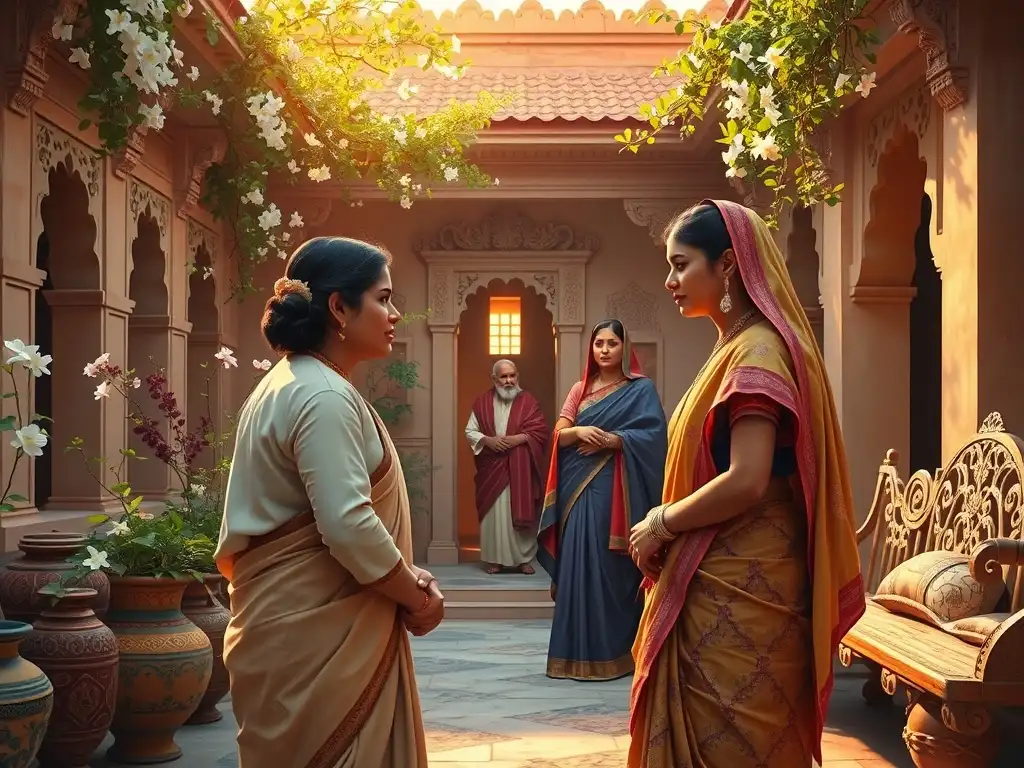
Case Study 1: Divorce in the Indus Valley Civilization
The Indus Valley Civilization (IVC), one of the earliest urban cultures in the world, flourished between 2600 and 1900 BCE in the northwestern regions of South Asia. While direct evidence regarding divorce practices in this civilization is limited, archaeological findings offer insights into marital relationships and potential divorce scenarios.
- Archaeological Evidence: Excavations at sites like Mohenjo-Daro and Harappa reveal well-planned settlements and sophisticated social structures. Artifacts such as seals, pottery, and figurines depict scenes of domestic life, suggesting that marriages were integral to social organization. However, the absence of explicit documentation on divorce indicates a lack of formalized procedures.
- Social Structure: The IVC is believed to have had a relatively egalitarian social structure, where women may have had a significant role in society. This could imply that women had some agency regarding marriage and, by extension, divorce. The concept of mutual consent may have been part of marital relationships.
- Speculative Practices: Scholars speculate that divorce, if it occurred, was likely informal and based on mutual agreement rather than codified laws. The emphasis on community and familial ties may have influenced how separations were perceived and managed within the society.
Case Study 2: Divorce Practices during the Gupta Empire
The Gupta Empire (approximately 320 to 550 CE) is often referred to as a golden age of Indian culture, marked by advancements in art, science, and philosophy. During this period, family and marriage practices were more defined, and divorce became a topic of discussion in legal texts.
- Legal Framework: The Dharma Shastras, particularly the Manusmriti, provide insight into the legal aspects of marriage and divorce during the Gupta period. While marriage was ideally seen as a lifelong commitment, the texts acknowledge circumstances under which divorce was permissible.
- Types of Divorce: The Gupta legal texts categorize divorce into various types, including:
- Mutual Consent: Both partners could agree to dissolve the marriage, reflecting a more progressive view of marital autonomy.
- Fault-Based Divorce: Grounds for divorce included infidelity, abandonment, or failure to fulfill marital duties. This indicates a shift towards recognizing individual rights within the marriage.
- Role of Women: The Gupta period marked a complex dynamic for women. Although societal norms often emphasized their roles as homemakers, there were instances where women could seek divorce, particularly if their well-being was at stake. This period illustrates a growing recognition of women's agency in marital matters.
- Cultural Attitudes: Despite the codification of divorce practices, social stigma surrounding divorce persisted. Divorced individuals, particularly women, often faced challenges reintegrating into society. Nonetheless, the legal acknowledgment of divorce practices during this period reflects evolving attitudes towards marriage and personal autonomy.
While divorce practices in ancient India varied significantly across different civilizations, they evolved from informal arrangements in the Indus Valley to more structured practices during the Gupta Empire. The exploration of these case studies highlights the complexities of marital relationships and societal norms surrounding divorce in ancient India.
Myths and Realities of Divorce in Ancient India
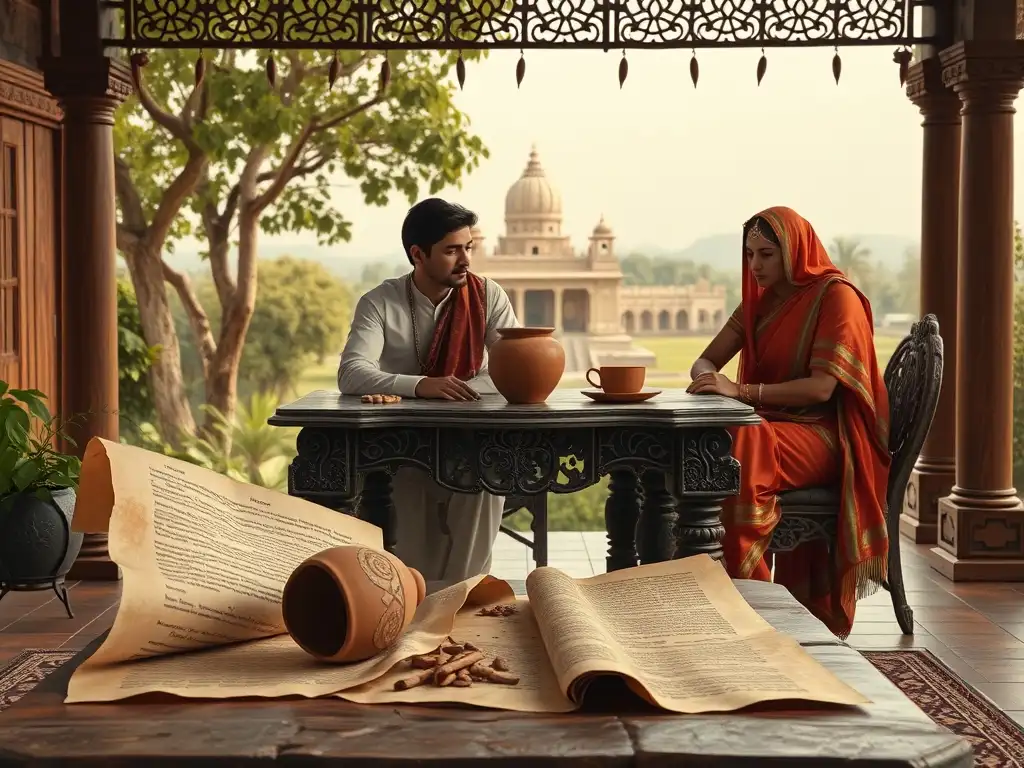
Common Misconceptions About Divorce Practices
When exploring the topic of divorce practices in ancient India, several misconceptions often arise. One prevalent myth is that divorce was universally frowned upon and virtually non-existent in ancient societies. This perception stems from the emphasis on marital permanence in religious texts and societal norms. However, the reality is more nuanced.
- Religious Interpretations: Many believe that ancient Hindu texts strictly prohibited divorce. While texts like the Manusmriti do emphasize the sanctity of marriage, they also acknowledge circumstances under which divorce could be permissible, such as abandonment or severe incompatibility.
- Cultural Stereotypes: It's commonly assumed that only women faced severe repercussions for seeking a divorce. In reality, both men and women could initiate divorce under certain conditions, and the social repercussions were not universally punitive.
- Historical Context: Another misconception is that divorce was a modern construct introduced during colonial times. However, evidence from various ancient texts suggests that divorce existed in different forms, adapting to the changing social and economic landscapes.
Divorce practices in ancient India reveal a more complex picture than commonly believed. The acceptance and prevalence of divorce varied significantly across different regions and periods.
- Diverse Practices: Historical accounts indicate that divorce was practiced in several ancient Indian cultures, particularly among the Kshatriya and Vaishya communities. For instance, the Arthashastra by Kautilya outlines procedures for divorce, suggesting it was recognized as a legal and social process.
- Social Factors Influencing Divorce: Economic factors played a crucial role in the decision to divorce. In agrarian societies, a woman's ability to inherit property or manage resources could impact her marital status. Women who found themselves economically disadvantaged might seek divorce as a means of securing their livelihood.
- Case Studies: Historical records, such as inscriptions and literature from various dynasties, provide evidence of divorce cases. For example, the Gupta period saw instances where women exercised their rights to divorce, reflecting a more flexible understanding of marital relationships.
- Regional Variations: The acceptance of divorce was also influenced by regional customs. In certain areas, such as Kerala, matrilineal societies had more lenient divorce practices, allowing women greater autonomy in marital matters compared to patriarchal regions.
While divorce was not as commonplace as it is in some modern contexts, it was certainly a recognized practice in ancient India, shaped by cultural, social, and economic factors. Understanding these divorce practices in ancient India helps to unravel the complexities of family and marriage in a historical context, highlighting both the challenges and the agency of individuals within those societies.
Conclusion: The Legacy of Divorce Practices in Ancient India

Reflection on the Evolution of Family Structures
The divorce practices in ancient India provide a fascinating insight into the evolving family structures throughout the ages. During the Vedic period, marriages were largely seen as sacramental unions, and divorce was not common. However, as society progressed into the period of the Maurya and Gupta empires, various texts began to reflect a more pragmatic approach to marriage. The Manusmriti, for instance, recognized the possibility of divorce under certain circumstances, indicating that it was not entirely absent from societal norms.
Over time, the reasons for divorce evolved, reflecting changes in societal values, economic conditions, and individual rights. The emergence of the concept of "Stri-Dharma" in later texts acknowledged women's rights to autonomy, allowing them to initiate divorce under specific conditions such as neglect or abandonment. This shift illustrates how family structures in ancient India were not static but were influenced by broader socio-political changes, leading to a more nuanced understanding of marital relationships.
Contemporary Relevance of Ancient Divorce Practices
The insights gained from divorce practices in ancient India remain relevant in contemporary discussions surrounding marriage and divorce. Today, as societies across the globe grapple with issues of gender equality and individual rights, the historical context of divorce practices serves as a crucial reference point.
For instance, many modern legal frameworks in India have their roots in ancient texts that sought to delineate the rights and responsibilities of spouses. The recognition of divorce in ancient legal texts provides a foundation for current debates on marital law and women's rights. Furthermore, understanding the socio-cultural attitudes towards divorce in ancient India can help in addressing contemporary stigma surrounding divorce, especially for women.
The examination of divorce practices in ancient India not only sheds light on the past but also offers valuable lessons that resonate with modern societal challenges. By reflecting on these historical practices, we can better appreciate the complexities of marriage and divorce within the framework of evolving family structures, ultimately fostering a more informed dialogue on the subject.
References for Further Reading on Divorce Practices in Ancient India
Recommended Books and Articles
To gain a deeper understanding of divorce practices in ancient India, a variety of scholarly works and historical texts can provide valuable insights. Below is a selection of recommended books and articles that delve into the complexities of family and marriage practices, including divorce.
- "The Laws of Manu"
- This ancient text is a key source for understanding the legal frameworks governing marriage and divorce in ancient India. It outlines the duties and rights of individuals in marital relationships, providing context to the practices of the time.
- "Women in Ancient India" by R. S. Sharma
- This book examines the role of women in ancient Indian society, including their rights concerning marriage and divorce. It offers critical perspectives on how societal norms influenced personal relationships.
- "Divorce and Remarriage in Ancient India: A Historical Perspective" by R. K. Mangal
- This article provides an in-depth analysis of divorce customs in ancient Indian society, exploring the social, cultural, and legal implications of divorce during various periods.
- "Marriage and Divorce in India: A Historical and Comparative Study" by A. C. Bhattacharya
- This comprehensive study compares ancient practices with contemporary norms, highlighting the evolution of divorce practices over time.
- "The Role of Women in Ancient Indian Society: A Historical Perspective" by Meera Kosambi
- Kosambi’s work focuses on the status of women in ancient India, including their agency in marriage and divorce, making it an essential read for understanding these dynamics.
Online Resources for Research on Ancient Indian Society
In addition to books and articles, several online platforms offer extensive resources for researching divorce practices in ancient India. Here are some recommended websites:
-
Digital South Asia Library (DSAL)
A rich repository of texts, maps, and other resources related to South Asian history, including materials on family and marriage practices.
Visit DSAL -
Internet Archive
This vast digital library includes historical texts and scholarly articles related to ancient Indian culture and society. Users can access a range of books discussing divorce practices.
Explore Internet Archive -
JSTOR
An extensive database of academic journal articles, where one can find peer-reviewed papers covering a variety of topics in ancient Indian history, including divorce.
Access JSTOR -
Academia.edu
A platform for academics to share research papers, where you can find studies related to family dynamics and divorce in ancient India.
Visit Academia.edu -
The British Library – Asian and African Studies
A collection of documents, manuscripts, and research materials focusing on the history of Asia, including resources relevant to ancient Indian societies and their practices.
Explore British Library
These resources can significantly enhance your understanding of divorce practices in ancient India, providing historical context and scholarly analysis to further enrich your knowledge of this fascinating subject.
Frequently Asked Questions
What were the divorce practices in ancient India?
Divorce in ancient India was not as common as today but did exist. Women could initiate divorce under certain circumstances, especially if there was abuse or neglect.
While divorce was permitted, it was often viewed as stigma attached to women. The caste system and societal norms heavily influenced perceptions of divorce.
What were the legal grounds for divorce in ancient India?
Legal grounds for divorce included infidelity, desertion, and incompatibility. Texts like the Manusmriti provided guidelines, although practices varied across regions.
How did divorce impact women's status in ancient India?
Divorce could significantly affect a woman’s social standing and economic security. Many women faced challenges in remarrying or supporting themselves post-divorce.
Were there differences in divorce practices among various caste groups?
Yes, divorce practices varied widely among different castes. Higher castes often had stricter regulations, while lower castes may have experienced more flexibility in marital practices.
Final Reflection: Understanding Divorce Practices in Ancient India and Their Modern Resonance
Divorce practices in ancient India reveal a complex tapestry of societal norms and personal choices that resonate with contemporary discussions on marriage and separation. As we explore the historical context of divorce, it becomes evident that these practices were not merely a reflection of personal circumstances but also indicative of the evolving cultural landscape. Today, as we navigate the intricacies of relationships in a rapidly changing world, understanding these ancient practices offers valuable insights into the ongoing dialogue about marriage and divorce.
The examination of divorce in ancient India serves as a mirror reflecting our current societal values and challenges. The historical acceptance or rejection of divorce has shaped contemporary perceptions and legal frameworks surrounding marital dissolution. As we grapple with the implications of these ancient practices, we are reminded of the words of the renowned scholar, "History is not just about the past; it is a lens through which we can understand our present." > This quote encapsulates the significance of studying divorce practices in ancient India, as they continue to influence modern relationships and societal expectations.
As we conclude this exploration, I invite you to reflect on the lessons learned from the past and consider how they can inform your own understanding of relationships today. Embrace the complexity of human connections, and recognize that the journey through love and separation is a shared experience that transcends time. Let the stories of those who navigated the challenges of divorce in ancient India inspire you to approach your own relationships with empathy, understanding, and a willingness to learn from history.
Unveil the Truth: Explore Ancient Indian Divorces!
Thank you for diving into the intriguing world of divorces in ancient India! You've uncovered fascinating insights into a complex topic that shaped personal lives and societal norms throughout history. Now, let’s take that knowledge further and explore its relevance to modern contexts.
Here’s how you can continue your journey:
- Engage with our community: Join our forum to discuss your thoughts on how ancient practices resonate with contemporary relationships. Share your insights and connect with others!
- Explore further: Read additional articles on societal norms and family structures from ancient times to understand their influence on today's roles and expectations.
- Share your discoveries: Help spread the knowledge! Share this article on your social media or with friends who are passionate about history.
What new perspectives will you uncover about marriage and relationships through the lens of ancient Indian practices?