
The Evolution of Social Classes in Ancient India: A Historical Perspective

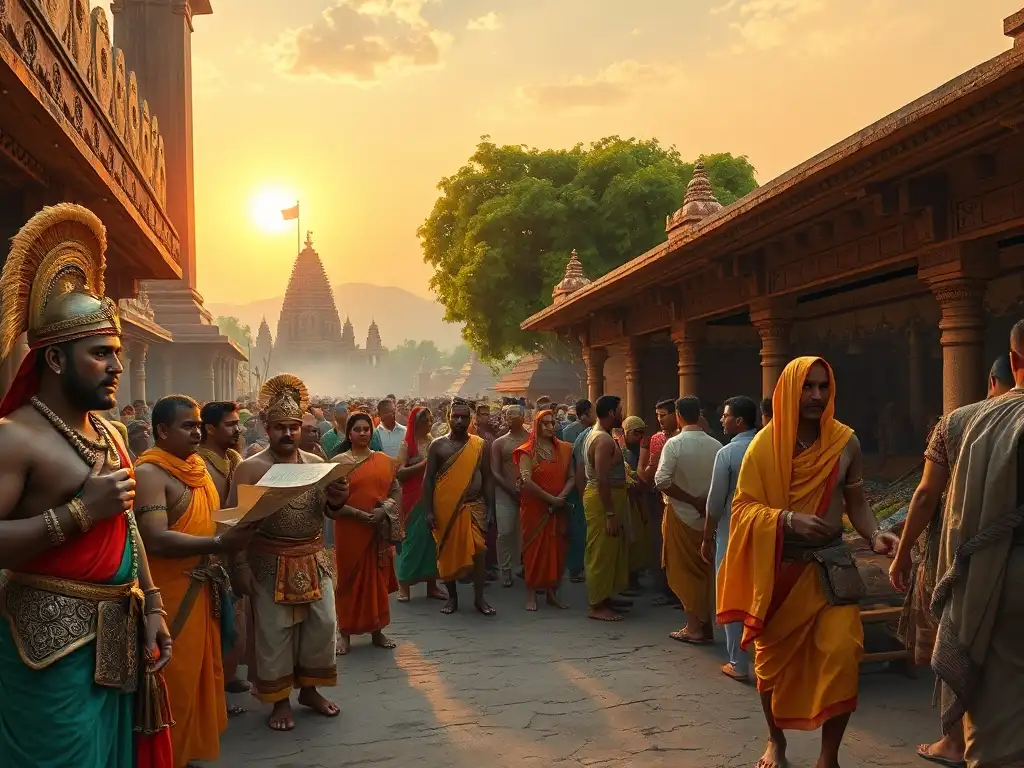
Welcome to Ancient India History, where we embark on a captivating journey through the rich tapestry of ancient Indian civilizations. In this exploration, we delve into the evolution of social classes in ancient India, uncovering the intricate dynamics that shaped daily life and societal structures from the Indus Valley to the Gupta Empire. What influenced these classifications, and how did they impact the lives of millions? Prepare to satisfy your curiosity as we reveal the fascinating stories behind these social hierarchies. Dive in and discover how the past continues to resonate in today's world!
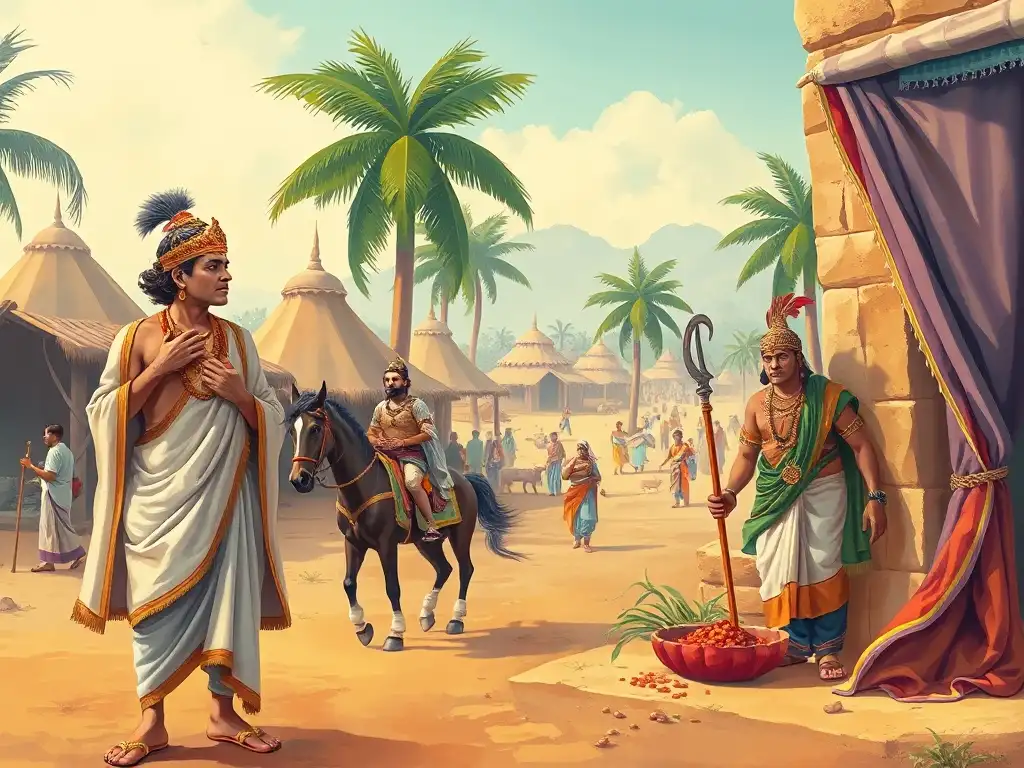
The social classes in ancient India represent a complex and evolving hierarchy that has significantly influenced the cultural, political, and economic landscape of the region. From the early days of the Indus Valley Civilization to the flourishing Gupta Empire, the structure and dynamics of these classes have shaped the daily lives of millions.
Understanding these social classes not only provides insights into the historical context of ancient Indian society but also reveals how these foundations have impacted contemporary social structures. This article delves deep into the evolution of social classes in ancient India, exploring their origins, transformations, and lasting legacies.
Understanding the Concept of Social Classes
Social classes in ancient India were defined by a combination of factors, including occupation, wealth, and ritual purity. The most prominent framework that emerged during this period is the caste system, which categorizes society into hierarchical groups known as "varnas." The four main varnas—Brahmins (priests and scholars), Kshatriyas (warriors and rulers), Vaishyas (merchants and landowners), and Shudras (laborers and service providers)—illustrate the stratification that characterized ancient Indian society.
- Brahmins: Guardians of sacred knowledge and rituals.
- Kshatriyas: Protectors and rulers of the land.
- Vaishyas: Economic backbone through trade and agriculture.
- Shudras: Essential workforce supporting the economy.
This classification not only dictated social interactions but also influenced religious practices, governance, and economic exchanges.
Importance of Studying Social Structure in Ancient India
Studying the social structure in ancient India is crucial for several reasons. First, it helps historians and scholars understand how societal norms evolved over time and how these changes influenced various aspects of life, including family structures, education, and governance. Moreover, examining the complexities of social classes sheds light on the interplay of power, privilege, and oppression, providing a nuanced perspective on the lived experiences of different groups.
Understanding social classes also allows for a better appreciation of the contributions of various communities to Indian civilization, from advancements in science and art to philosophical thoughts that continue to resonate today.
Overview of Ancient Indian Civilization
Ancient Indian civilization is one of the world's oldest continuous cultures, with roots tracing back to the Indus Valley Civilization around 2500 BCE. This civilization laid the groundwork for later social, cultural, and political developments. The evolution of social classes can be seen as a response to the changing needs of society, including trade, warfare, and governance.
The Indus Valley Civilization and Its Social Structure
The Indus Valley Civilization, known for its advanced urban planning and trade networks, showcased a relatively egalitarian society. Archaeological evidence suggests that while there were distinctions in wealth and status, there was no formal caste system as seen in later periods. The role of artisans, traders, and farmers was critical, and the society thrived on cooperation and trade.
Key features of the Indus Valley social structure include:
- Urban Centers: Cities like Harappa and Mohenjo-Daro acted as hubs of commerce and culture.
- Craft Specialization: Evidence of various crafts indicates a division of labor, though not strictly hierarchical.
- Religious Practices: The presence of seals and figurines suggests a complex belief system, possibly indicating early forms of spiritual leadership.
Vedic Period: Foundation of Caste System and Varna
Transitioning into the Vedic period (around 1500 BCE), the foundations of the social classes began to solidify. The arrival of the Indo-Aryans introduced new cultural practices and ideologies that significantly influenced the social fabric of ancient India. The concept of "varna" emerged, categorizing society into distinct groups based on profession and role.
The Vedic texts, particularly the Rigveda, reference these categories and the associated duties, reinforcing the hierarchical nature of society. This period marked a significant shift from the more fluid social structures of the Indus Valley to a rigid caste system that would persist for centuries.
- Brahmins became the authoritative religious class, entrusted with rituals and knowledge.
- Kshatriyas established themselves as rulers and protectors of the land, often engaging in warfare.
- Vaishyas emerged as the merchants and landowners, driving economic growth through agriculture and trade.
- Shudras, the working class, provided essential labor, often facing social restrictions.
This evolution of social classes in ancient India not only reflects the changing dynamics of power and economy but also sets the stage for understanding the complexities of the caste system that would follow.
The social structure of ancient India was complex and dynamic, primarily categorized into different classes known as varnas and jatis. These social classes played a significant role in shaping the daily lives, occupations, and interactions of individuals within the society. Understanding these classes provides deeper insight into the cultural, economic, and political frameworks of ancient Indian civilization.
Overview of the Four Main Varnas
The concept of varna is foundational to understanding social classes in ancient India. The four main varnas are:
- Brahmins: Traditionally priests and scholars, Brahmins were tasked with performing rituals, preserving sacred texts, and imparting knowledge. Their status as the highest varna was rooted in their role as spiritual leaders and educators.
- Kshatriyas: This class comprised warriors and rulers responsible for governance and protection of the realm. Kshatriyas were expected to uphold dharma (moral law) through valor and leadership in both military and administrative duties.
- Vaishyas: The merchant and agricultural class, Vaishyas were engaged in trade, agriculture, and economic activities that contributed to the prosperity of society. They played a crucial role in the economic framework of ancient India, facilitating commerce and resource distribution.
- Shudras: Positioned as the laboring class, Shudras performed various forms of manual labor and service. Their work was essential for the functioning of society, though they often faced social restrictions and limited rights compared to the higher varnas.
The interaction among these four varnas created a hierarchical social structure that dictated the roles and responsibilities of individuals, influencing their life choices and social mobility.
Emerging Social Classes Beyond the Varnas
While the varna system laid the groundwork for social stratification, the emergence of jatis (sub-castes) further diversified the social landscape. Jatis arose based on specific occupations, regional practices, and community affiliations. This evolution resulted in a more intricate social hierarchy that went beyond the four primary varnas.
For instance, the rise of trade and local economies led to the emergence of various merchant communities, each with unique customs and practices. Additionally, artisans and craftsmen formed their own jatis, contributing to the cultural richness of ancient India.
Over time, the rigidness of the varna system began to blur, with individuals from different jatis interacting more frequently, leading to a gradual transformation of the traditional social structure.
The evolution of social classes in ancient India was influenced by various factors, including economic changes, political dynamics, and religious beliefs. Each of these elements contributed to the fluidity and adaptability of the social structure over time.
Economic Changes and Their Impact on Social Structure
Economic transformations, particularly during periods of urbanization and trade expansion, significantly influenced social classes. The growth of cities and trade networks led to increased wealth and opportunities for various groups.
- Urbanization: The rise of urban centers attracted diverse populations, facilitating the emergence of new occupations and social roles. This diversification allowed individuals to move beyond traditional varna boundaries, creating a more dynamic social fabric.
- Trade: As commerce flourished, the merchant class gained prominence. Vaishyas, who were initially limited to agricultural roles, began to expand their influence, challenging the traditional hierarchy.
These economic changes fostered social mobility and reshaped the interactions among different classes, leading to a more interconnected society.
Political Dynamics and the Role of Rulers
Political factors also played a crucial role in shaping social classes in ancient India. Rulers and their policies influenced the distribution of power and resources among different groups.
- Dynastic Rule: Various dynasties, such as the Mauryas and Guptas, impacted the status of different classes through patronage and administrative reforms. Rulers often relied on the support of specific classes to maintain power, which could elevate their status.
- Military Alliances: The Kshatriyas, as the warrior class, were often at the forefront of political power. Their role in defending the state and expanding territories positioned them favorably within the social hierarchy.
This interplay between political authority and social class dynamics allowed for the emergence of new alliances and rivalries, contributing to the ongoing evolution of social structures.
Religious Influences on Caste and Class Hierarchies
Religion played a fundamental role in reinforcing and legitimizing the social classes in ancient India. The intertwining of religion with social norms established a framework that governed individual behavior and societal expectations.
- Hindu Texts: Sacred texts, such as the Vedas and Manusmriti, codified the roles and duties of each varna, providing a divine justification for the existing social hierarchy. These texts influenced societal attitudes towards caste and class, often perpetuating their distinctions.
- Religious Practices: Rituals and practices reinforced the social order, with Brahmins assuming a central role in religious ceremonies. The belief in karma and dharma further solidified the status of individuals within their respective classes, shaping their identities and life paths.
The religious emphasis on purity and social duties contributed to the persistence of the caste system, making it a defining characteristic of ancient Indian society. This influence remains evident in contemporary discussions surrounding social classes in ancient India.
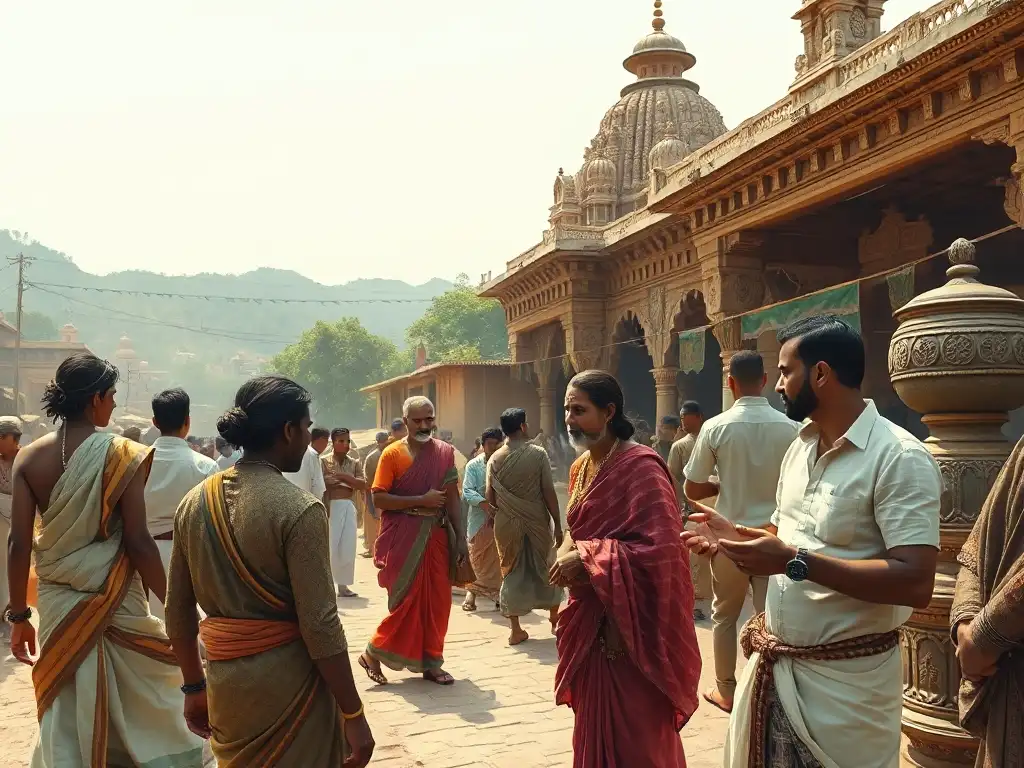
The evolution of social classes in ancient India can be observed through various historical contexts, particularly during significant empires such as the Mauryan and Gupta. These case studies illustrate how social class dynamics shaped the lives of individuals and communities, and how they were influenced by factors such as governance, culture, trade, and external interactions. By examining these periods, we can gain insight into how social classes in ancient India were not static but rather fluid, adapting to the changing socio-political landscape.
The Mauryan Empire: Unity and Diversity in Social Structure
The Mauryan Empire, which flourished from 322 to 185 BCE, was marked by a remarkable degree of unity and diversity within its social structure. Under the leadership of Chandragupta Maurya and later Ashoka, the empire expanded significantly, encompassing a variety of regions and cultures. This vast territory led to a complex social hierarchy that included various groups such as the Kshatriyas (warriors), Brahmins (priests), Vaishyas (merchants and landowners), and Shudras (laborers).
Ashoka's promotion of Buddhism played a crucial role in altering social dynamics. His edicts emphasized moral values and social welfare, promoting a sense of collective identity among the diverse populace. This inclusivity allowed for interactions and exchanges between different social classes, as many local customs and practices were respected and integrated. The period also witnessed the emergence of new merchant classes, which began to gain economic power and challenge traditional norms, contributing to a dynamic and evolving social landscape.
The Gupta Empire: Cultural Flourishing and Class Interaction
The Gupta Empire, often referred to as a golden age of ancient India (approximately 320 to 550 CE), saw significant cultural, scientific, and economic advancements. This flourishing period was characterized by a more defined social structure, but it also encouraged interaction across various classes. The Gupta rulers, while promoting Hinduism, acknowledged the importance of different social groups, which facilitated a rich exchange of ideas and cultural practices.
During this era, the emergence of prominent figures such as Kalidasa in literature and Aryabhata in mathematics exemplified how individuals from diverse backgrounds could rise to prominence. Moreover, the expansion of trade routes and urban centers encouraged economic mobility, allowing skilled artisans, traders, and even some Shudras to improve their status. This interaction among different social classes contributed to a vibrant cultural exchange and a more interconnected society, where the arts and sciences thrived alongside traditional roles.
The decline of traditional social classes in ancient India was influenced by a variety of factors, including external invasions, the rise of new social movements, and the impact of trade. These elements collectively contributed to the transformation of the established social order, leading to significant changes in how social classes were perceived and organized.
External Influences and Invasions
From the 5th century CE onwards, ancient India faced numerous invasions from foreign powers, including the Huns and later Islamic invaders. These invasions disrupted the established social order, challenging the authority of local rulers and traditional elites. The influx of diverse cultures and ideas led to a blending of customs and practices, diminishing the rigid boundaries between social classes.
As new groups entered the social fabric, the caste system began to evolve. The traditional hierarchies became less relevant as individuals from various backgrounds sought to assert their identities and influence. This period of turmoil and transformation catalyzed a reconfiguration of social dynamics, leading to the emergence of new social classes that better reflected the realities of a changing society.
The Rise of New Social Movements
The decline of traditional social classes was also marked by the rise of new social movements that sought to challenge the established order. With increased awareness and education, particularly in the late medieval period and beyond, various reform movements emerged. Leaders like Jyotirao Phule and B.R. Ambedkar advocated for the rights of the lower castes and sought to dismantle the oppressive structures of the caste system.
These movements emphasized social justice and equality, fostering a sense of agency among marginalized groups. As a result, the rigid caste distinctions began to blur, allowing for greater social mobility and the formation of alliances across traditional class boundaries. This shift laid the groundwork for modern social and political movements in India.
The Impact of Trade and Global Interactions
Trade has always been a significant driver of social change, and during the decline of traditional social classes, it played a crucial role in reshaping India's social landscape. The expansion of trade routes, particularly along the Silk Road and maritime paths, facilitated exchanges not only of goods but also of ideas and cultures. This interaction with foreign traders introduced new concepts and practices, challenging existing social norms.
Wealth generated from trade allowed individuals from lower social classes to attain economic power, which in turn enabled them to challenge traditional hierarchies. The emergence of a merchant class that transcended caste boundaries highlighted the fluidity of social structures, as trade became a unifying factor that encouraged collaboration and interaction among diverse communities.
The evolution of social classes in ancient India was a complex process influenced by internal dynamics and external factors. The case studies of the Mauryan and Gupta empires reveal how these dynamics were shaped by governance, culture, and trade, while the decline of traditional social classes underscores the fluidity and adaptability of social structures in response to changing realities.
The concept of social classes in ancient India has left an indelible mark on the society and culture of the subcontinent. The intricate social hierarchy, primarily defined by the caste system, has been both a unifying force and a source of division. While the rigid structures of social classes have evolved over centuries, their historical roots continue to influence contemporary Indian society.
The legacy of ancient social classes is evident in various aspects of modern life, including marriage, occupation, and social interactions. Despite legal reforms aimed at promoting equality, caste identities still shape the socio-economic landscape. The historical understanding of these classes provides valuable insights into the complexities of modern Indian society, where traditional roles and contemporary aspirations often intersect.
Lasting Influences on Modern Indian Society
The enduring influence of ancient social classes manifests in several ways:
- Cultural Practices: Many customs and rituals in modern India are steeped in the traditions of ancient social structures. Festivals, marriage ceremonies, and even dietary restrictions often reflect caste-based practices that have persisted through generations.
- Political Dynamics: The political landscape in India is significantly affected by caste affiliations. Political parties often align themselves with specific caste groups to garner support, demonstrating how deeply ingrained these identities are in the collective consciousness.
- Economic Disparities: The historical context of social classes has contributed to ongoing economic inequalities. While some castes have benefited from modernization and economic opportunities, others remain marginalized, struggling against the socio-economic challenges rooted in their historical positions.
Reflection on the Evolution of Social Classes
The evolution of social classes in ancient India reflects a dynamic interplay between various factors, including religion, economy, and external influences. Over time, the rigid boundaries of caste have experienced fluctuations, leading to periods of assimilation and resistance.
As society progressed from the Vedic period through the Maurya and Gupta empires, social classes began to adapt to changing political and economic realities. The rise of trade and urbanization during these eras facilitated greater social mobility, allowing individuals from lower strata to ascend in status and wealth. However, the fundamental aspects of the caste system remained resilient, often reasserting themselves in response to societal changes.
Understanding this evolution is crucial for recognizing the complexities of contemporary social structures in India. It invites a critical examination of how historical legacies continue to shape identity and social interactions today.
References
Suggested Further Reading on Social Classes in Ancient India
- "The Caste System and Social Stratification in India" by Susan Bayly: This book provides a comprehensive analysis of the caste system's historical roots and its implications in modern society.
- "Caste: The Origins of Our Discontents": by Isabel Wilkerson: While primarily focused on the American context, this work draws parallels with caste systems globally, including insights into the Indian experience.
- "Ancient Indian Society" by K. A. Nilakanta Sastri: This classic text offers a detailed account of the social structures prevalent in ancient India, emphasizing historical contexts.
Historical Texts and Archaeological Findings
Numerous historical texts and archaeological discoveries shed light on the social classes in ancient India:
- The Rigveda: One of the oldest known texts, it contains hymns that reference the early stratification of society, reflecting the emergence of class distinctions.
- Arthashastra by Kautilya: This ancient treatise on statecraft discusses the economic and political dimensions of social classes, providing insights into governance and hierarchy.
- Indus Valley Civilization Excavations: Archaeological findings from sites like Harappa and Mohenjo-Daro reveal social organization and economic activities, hinting at the complexities of social interactions during that era.
These resources not only enhance our understanding of social classes in ancient India but also invite further exploration into how these historical frameworks continue to resonate in contemporary society.
- Introduction to Social Classes in Ancient India
- Historical Context of Social Classes in Ancient India
- Key Social Classes in Ancient India
- Factors Influencing the Evolution of Social Classes
- Case Studies of Social Class Dynamics
- The Decline of Traditional Social Classes
- Conclusion: The Legacy of Social Classes in Ancient India
- References
Frequently Asked Questions
The social classes in ancient India were primarily divided into four main varnas: Brahmins (priests), Kshatriyas (warriors), Vaishyas (merchants), and Shudras (laborers and service providers). This system greatly influenced societal structure.
How did the caste system evolve over time?
The caste system evolved from the initial varna classification into a more complex hierarchy, with numerous jatis (sub-castes) developing. This transformation was influenced by regional practices and occupational specialization.
Religion played a significant role in defining and justifying social classes in ancient India. The Hindu scriptures often reinforced the status of each varna, linking their duties to spiritual beliefs and societal roles.
Yes, there were exceptions, particularly in the form of outcastes or Dalits, who operated outside the traditional varna system. Some individuals could rise in status through acts of valor or exceptional service, though this was relatively rare.
Social mobility was limited but possible in ancient India. Factors such as marriage alliances, wealth accumulation, and patronage could allow individuals to change their social standing, though such opportunities were often constrained by the rigid caste system.
The evolution of social classes in ancient India continues to resonate profoundly in our contemporary society. As we unravel the intricate layers of caste and class that shaped the lives of millions, we recognize that these historical frameworks have not only influenced social dynamics in the past but also continue to affect modern interactions and societal structures. The lessons learned from this evolution compel us to confront the complexities of social stratification that persist today.
The historical context of social classes in ancient India serves as a mirror reflecting our current cultural and social landscapes. This evolution has left an indelible mark on identity, community, and belonging, shaping how we perceive ourselves and others. As we navigate through the remnants of these ancient systems, we are reminded of the words of Dr. B.R. Ambedkar: Cultivation of mind should be the ultimate aim of human existence.
This quote encapsulates the ongoing journey toward understanding and dismantling the barriers that social classes impose, urging us to cultivate awareness and empathy in our interactions.
As we conclude this exploration, I invite you to reflect on the lessons from the past and consider how they can inform your actions today. How can you contribute to a more equitable society, free from the constraints of outdated social hierarchies? Embrace the opportunity to challenge preconceived notions and foster inclusivity in your community. By acknowledging the historical significance of social classes in ancient India, we can pave the way for a future that honors diversity and promotes social justice for all.
Thank you for diving into the fascinating world of Ancient India’s social classes! Your journey through history has unveiled the complex layers that shaped society as we know it. Now, it’s time to take what you’ve learned and put it into action!
Here are a few ways you can continue exploring and engaging with this vibrant history:
- Join a discussion group or online forum dedicated to Ancient Indian history to connect with fellow enthusiasts and deepen your understanding.
- Visit a local museum or cultural exhibit featuring Ancient Indian artifacts to immerse yourself in the richness of the past.
- Share your insights on social media or with friends—what surprised you most about the social structures of Ancient India?
How do you think the evolution of social classes in Ancient India can teach us about modern society today? **We invite you to share your thoughts and reflections! **