
How the Caste System Influenced Political Alliances in Ancient India

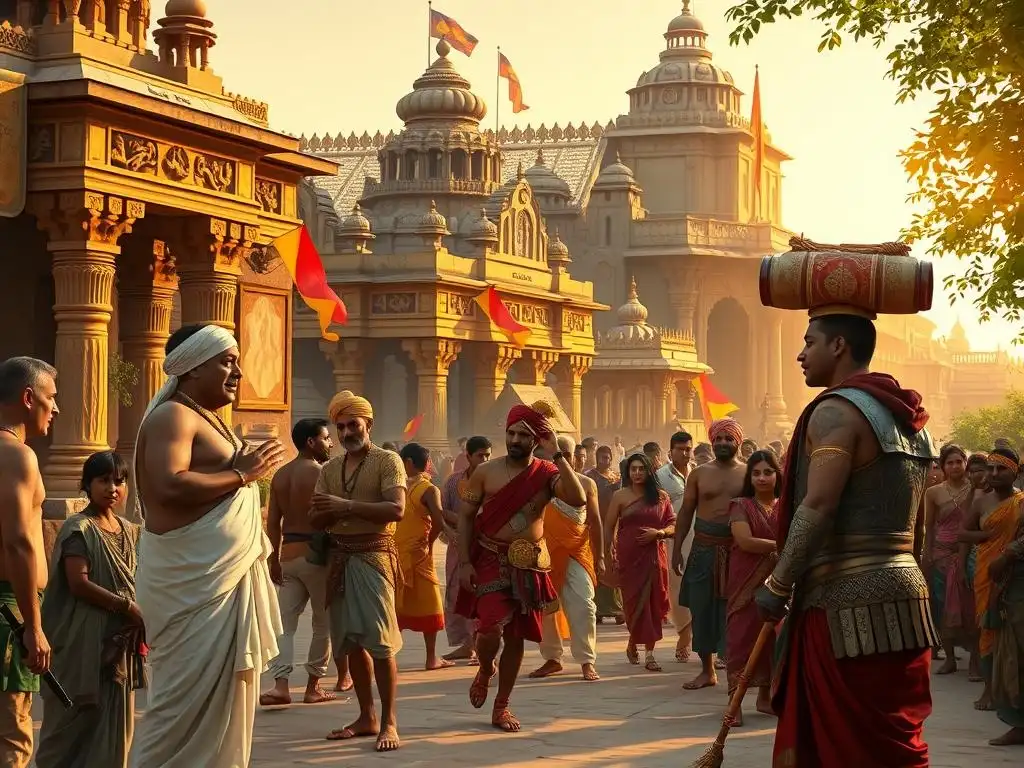
Welcome to Ancient India History, where we embark on a fascinating journey through the rich tapestry of India's past! Delve into the intricate connections between the caste system and political alliances that shaped the landscape of ancient Indian society. In our featured article, "How the Caste System Influenced Political Alliances in Ancient India," we unravel the complexities of these relationships and explore how they fostered both unity and division among diverse communities.
Prepare to ignite your curiosity as we illuminate the profound impact these social structures had on governance and daily life. Join us as we uncover the layers of history that continue to resonate today!
- Introduction to the Caste System in Ancient India
- Historical Context of the Caste System
- The Caste System and Political Alliances in Ancient India
- Key Political Alliances Influenced by the Caste System
- The Impact of the Caste System on Political Dynamics
- Conclusion: The Lasting Influence of the Caste System on Political Alliances
- Further Reading and Resources on Caste System and Political Alliances in Ancient India
-
Frequently Asked Questions
- What is the caste system in ancient India?
- How did the caste system affect political alliances in ancient India?
- What role did the Gupta Empire play in the caste system?
- Were there any attempts to reform the caste system in ancient India?
- How does the history of the caste system in ancient India relate to modern political dynamics?
- Final Reflection: The Enduring Legacy of the Caste System in Political Alliances
- Unveil the Impact of the Caste System Today!
Introduction to the Caste System in Ancient India
The caste system in ancient India is a complex social hierarchy that has significantly influenced various aspects of life, including politics, economics, and cultural practices. Originating from the Vedic texts, this system categorized individuals into distinct groups, or "varnas," which included the Brahmins (priests and scholars), Kshatriyas (warriors and rulers), Vaishyas (traders and agriculturists), and Shudras (laborers and service providers).
Understanding how the caste system shaped political alliances is essential for grasping the intricacies of ancient Indian society. This article delves into the interplay between the caste system and political dynamics, revealing how these social structures facilitated or hindered governance and power distribution throughout history.
Overview of the Caste System
The caste system is not merely a social classification; it encompasses a range of customs, behaviors, and societal norms that dictated the roles and responsibilities of individuals within ancient Indian society. This hierarchy was deeply entrenched in religious beliefs and was often justified through texts such as the Manusmriti. Here are some key points to consider:
- Four Main Varnas: The system was primarily divided into four categories:
- Brahmins: Priestly class responsible for religious rituals and education.
- Kshatriyas: Rulers and warriors tasked with governance and protection.
- Vaishyas: Merchants and farmers who contributed to the economy.
- Shudras: Servants and laborers who supported the other three varnas.
- Jati System: Within the broader varna classification, there existed numerous sub-castes or "jatis," which further complicated the social dynamics and reinforced local and regional identities.
- Endogamy: Marriages were typically restricted within one’s caste, ensuring the preservation of social boundaries and the exclusivity of certain roles.
Importance of the Caste System in Ancient Indian Society
The caste system played a pivotal role in shaping the cultural and social landscape of ancient India. Its implications extended beyond mere social stratification, influencing political alliances, economic transactions, and even religious practices. Here are several important aspects:
- Social Cohesion: The caste system fostered a sense of identity and belonging among members of the same caste, creating tight-knit communities that could mobilize for collective action.
- Political Loyalty: Caste affiliations often dictated political loyalties. Leaders would align themselves with specific castes to secure support and maintain power, leading to the formation of alliances based on caste solidarity.
- Economic Roles: The division of labor according to caste allowed for specialization and efficiency in various economic activities, which in turn supported the sustenance of political entities.
Purpose of the Article: Caste System and Political Alliances
This article aims to explore the intricate relationship between the caste system and political alliances in ancient India. By examining historical case studies and documented events, we will uncover how caste identities influenced political decisions and shaped governance. Key questions include:
- How did different castes forge alliances to achieve political power?
- What role did the caste system play in the rise and fall of ancient kingdoms?
- How did these alliances impact the socio-political landscape of ancient India?
Through this exploration, we will gain insights into the ways the caste system not only structured social relationships but also dictated the course of political history in India. Understanding this dynamic will enhance our appreciation of ancient Indian civilizations and their enduring legacy.
Historical Context of the Caste System

The caste system in ancient India is a complex social hierarchy that has its roots deeply embedded in the subcontinent's history. Its origins can be traced back to the Vedic period (circa 1500-500 BCE), where early texts, including the Rigveda, provide insights into the social stratification that began to take shape.
Origins and Development of the Caste System
The term "varna" is often used to describe the four broad categories of the caste system: Brahmins (priests and scholars), Kshatriyas (warriors and rulers), Vaishyas (traders and agriculturists), and Shudras (laborers and service providers). This categorization was initially more fluid, allowing for social mobility based on merit and contribution to society. However, over time, this system became more rigid, leading to the emergence of jatis, or sub-castes, which further segmented society into numerous groups based on lineage and profession.
The development of the caste system was influenced by various factors, including:
- Religious Beliefs: The caste system was often justified through religious doctrines that emphasized purity and pollution. Brahmins, being at the top, were considered the most spiritually pure, while Shudras were associated with tasks deemed impure.
- Political Structures: As kingdoms rose and fell, rulers often aligned themselves with different castes to consolidate power. This interplay between political ambitions and caste dynamics shaped the alliances and rivalries prevalent in ancient Indian society.
Major Castes and Their Roles in Society
Understanding the major castes within the Indian social structure is essential for grasping how the caste system influenced political alliances. Each caste had specific roles and responsibilities:
- Brahmins: As the priestly class, Brahmins held significant power in religious and educational spheres. Their influence extended to advising kings and overseeing rituals, which made them pivotal in political decision-making.
- Kshatriyas: This warrior class was responsible for governance and protection. Kshatriyas often formed political alliances through marriage, military support, and strategic partnerships, reinforcing their authority and expanding their territories.
- Vaishyas: As merchants and landowners, Vaishyas played a critical role in the economy. Their wealth allowed them to forge alliances with both Brahmins for religious legitimacy and Kshatriyas for protection, thereby establishing a network of economic and political influence.
- Shudras: Although positioned at the bottom of the caste hierarchy, Shudras provided essential labor and services. Their interactions with higher castes were often dictated by social norms; however, in times of political upheaval, they could play a crucial role in supporting or destabilizing ruling powers.
The Relationship Between Caste and Occupation
The occupation was intrinsically linked to one's caste, creating a framework where social roles were predetermined. This relationship served several purposes in the context of political alliances:
- Economic Stability: By aligning with specific castes, rulers could ensure that essential services and trades were maintained. For instance, Kshatriyas would often depend on Vaishyas for trade and revenue, while Brahmins could provide the religious legitimacy needed for governance.
- Control and Compliance: The rigid structure of caste ensured that individuals remained within their societal roles, which could be beneficial for maintaining order. Political leaders often utilized this stability to create loyalty among the castes, reinforcing their power and reducing the likelihood of rebellion.
- Strategic Marriages: Inter-caste marriages were frequently employed to forge alliances. For example, a Kshatriya king might marry into a wealthy Vaishya family to secure economic support, while Brahmins would intermarry with Kshatriyas to reinforce their religious authority.
The caste system significantly influenced political alliances in ancient India through its structured social roles and interdependencies. Understanding these dynamics offers a deeper perspective on how ancient Indian civilizations navigated their complex political landscapes, confirming the importance of the caste system political alliances India in shaping their historical narrative.
The Caste System and Political Alliances in Ancient India
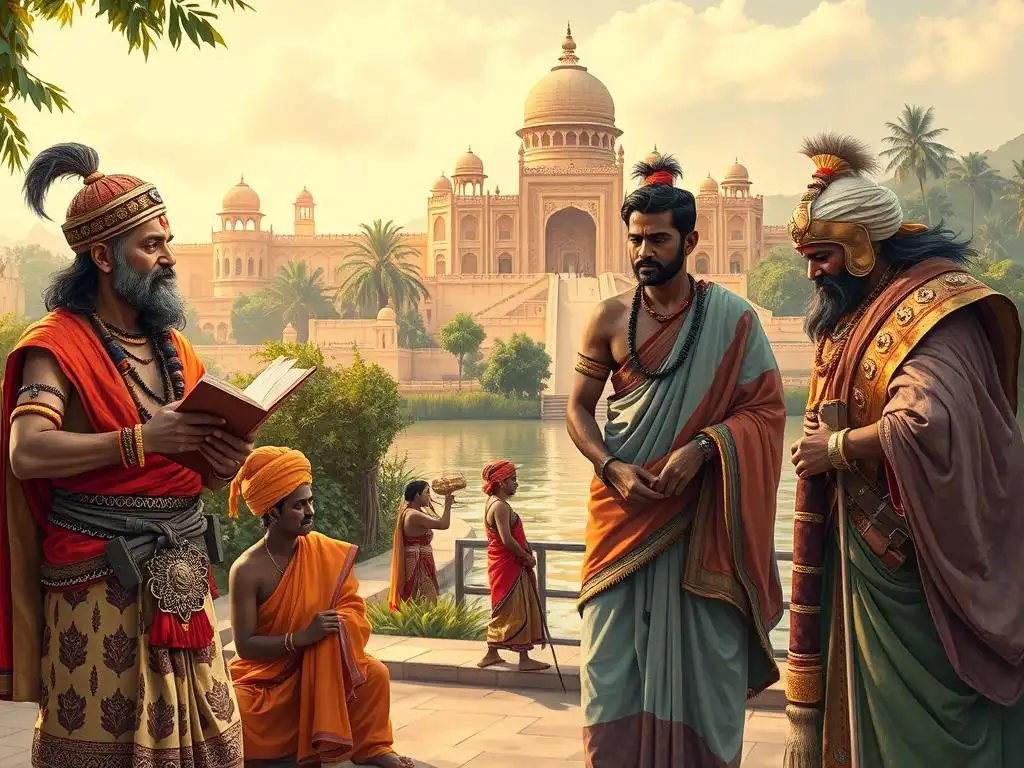
The caste system in ancient India was a complex social hierarchy that influenced nearly every aspect of life, including political alliances. This system categorized individuals into distinct groups based on their occupation, social status, and lineage, which in turn affected their ability to form alliances, governance, and the distribution of power. Understanding how the caste system shaped political alliances provides insight into the intricate socio-political fabric of ancient Indian civilizations.
How the Caste System Shaped Political Structures
The caste system was foundational in structuring political relationships in ancient India. The four primary varnas—Brahmins (priests), Kshatriyas (warriors), Vaishyas (merchants), and Shudras (laborers)—created a framework within which political alliances were often formed. The Brahmins held significant influence over religious and educational matters, which in turn bestowed political power upon them, as rulers often sought their counsel.
- Brahmins and Rulers: Rulers typically allied with Brahmins to legitimize their reign. The endorsement of a king by a Brahmin not only elevated the king's status but also reinforced the caste system's authority. For instance, many dynasties, such as the Mauryan Empire, relied on Brahminical support to consolidate power.
- Kshatriya Alliances: Kshatriyas, being warriors, formed alliances through marriage and military partnerships. These alliances were crucial during times of conflict, as they ensured support from various clans and regions. The allegiance of Kshatriyas often dictated the outcome of wars and the stability of kingdoms.
- Economic Alliances: The Vaishyas, as the merchant class, played a vital role in forming economic alliances that were politically motivated. Their wealth enabled them to support Kshatriyas and Brahmins, thereby enhancing their own political influence. The prosperity of trade routes often led to strategic alliances that benefited all parties involved.
Influence of Caste on Leadership and Governance
The caste system had profound implications for leadership and governance in ancient India. Leaders often emerged from the higher castes, particularly the Kshatriyas and Brahmins, who were perceived as more capable of governance due to their social status and education. This created a cycle where the higher castes maintained control over political power, further entrenching the caste system.
- Merit vs. Birth: Political positions were often determined by birth rather than merit. This practice limited opportunities for capable individuals from lower castes to ascend to power, perpetuating inequality within the political landscape.
- Caste-Based Governance: Some regions practiced caste-based governance, where local leaders were chosen based on caste affiliation. This not only reinforced the caste hierarchy but also affected the distribution of resources and political representation.
- Resistance and Reform: Throughout history, there were movements aimed at challenging the caste-based political structure. Figures like Gautama Buddha and Mahavira advocated for social reforms that sought to diminish the caste distinctions, but these were often met with resistance from the established power structures.
Case Studies of Political Alliances Formed Along Caste Lines
Examining specific instances of political alliances in ancient India reveals how deeply ingrained the caste system was in shaping political dynamics.
- Mauryan Empire: Under Emperor Ashoka, the Mauryan Empire exemplified a blend of caste and political alliances. Ashoka’s conversion to Buddhism promoted values that challenged caste hierarchies but still relied on Brahminical support for governance. His policies aimed to integrate diverse castes into the administration, showcasing a unique approach to political unity.
- Gupta Empire: The Gupta period saw a resurgence of Brahminical power, where alliances were formed primarily through marriages among Kshatriyas and Brahmins. This consolidation of power allowed the Guptas to establish a golden age of culture and science while reinforcing the caste system.
- Regional Kingdoms: In the Deccan and South India, regional kingdoms often formed alliances based on local caste dynamics. The Chola and Pandya dynasties, for example, navigated complex caste relationships to maintain control over their territories, demonstrating how localized caste structures influenced broader political strategies.
The interplay between the caste system and political alliances in ancient India is a testament to the intricate social and political landscape of the time. By analyzing these relationships, one gains a clearer understanding of how the caste system not only defined social interactions but also shaped governance and political power dynamics throughout ancient Indian history.
Key Political Alliances Influenced by the Caste System

The caste system in ancient India played a pivotal role in shaping political alliances among different groups. As a social structure that categorized individuals based on their occupation and lineage, the caste system influenced not only social interactions but also the formation of political alliances that were crucial for maintaining power and authority. This system fostered relationships among various castes, leading to intricate networks of alliances that defined the political landscape of ancient India.
Alliances Among the Kshatriyas (Warriors) and Their Impacts
The Kshatriyas, known as the warrior caste, were central to the political dynamics of ancient India. Their primary role was to protect and govern, making them key players in the formation of political alliances.
- Martial Alliances: Kshatriya clans often formed alliances through marriage and military partnerships. These alliances were instrumental in consolidating power, as they ensured mutual support in battles and territorial expansion. For instance, the alliances formed during the Mahabharata, such as between the Kauravas and the Pandavas, highlight how inter-clan marriages and kinship ties were critical for military campaigns.
- Territorial Control: The Kshatriyas frequently allied with one another to control regions and resources. By forming confederations, they could pool their resources for larger military endeavors. Historical accounts suggest that the Rajputs, a group of Kshatriyas, often banded together to resist invasions, showcasing how caste-based alliances could unify forces against common enemies.
- Impact on Governance: These alliances also impacted governance structures. Kshatriyas often held administrative positions within their territories, and alliances helped establish a cohesive leadership model, ensuring that power remained concentrated within the caste. For example, the Mauryan Empire utilized Kshatriya alliances to expand its dominion while maintaining stability through a network of vassal states.
The Role of Brahmins in Political Alliances
Brahmins, as the priestly caste, were not only spiritual leaders but also influential political advisors. Their role in political alliances was multifaceted and crucial for the sustenance of power.
- Advisory Roles: Brahmins often served as advisors to Kshatriya rulers, providing counsel on governance, law, and strategy. Their knowledge of scriptures and statecraft made them indispensable to those in power. The relationship between rulers and Brahmins was symbiotic; while Brahmins gained status and resources, Kshatriyas relied on their expertise to legitimize their rule.
- Legitimization of Power: The Brahmins played a key role in legitimizing the political authority of Kshatriya rulers through rituals, ceremonies, and the endorsement of divine right to rule. For instance, royal coronations often involved elaborate rituals performed by Brahmins, which reinforced the ruler’s legitimacy in the eyes of the populace.
- Cultural Influence: Beyond direct political involvement, Brahmins shaped cultural narratives that influenced political alliances. By promoting certain ideologies and values through texts and teachings, they could sway public opinion and encourage support for specific rulers or dynasties. This cultural authority often translated into political power, as seen in the Gupta Empire, where Brahminical texts were used to uphold the social order and the ruler's divine status.
Interactions Between Vaishyas and Shudras in Political Contexts
The interactions between Vaishyas (merchants and landowners) and Shudras (laborers and service providers) in political contexts were less direct but nonetheless significant in shaping the political framework in ancient India.
- Economic Alliances: The economic activities of the Vaishyas created opportunities for political alliances with powerful Kshatriyas. By providing financial support during wars or contributing to state coffers through taxes and trade, Vaishyas could gain favor and influence in political matters. This relationship was evident in the Mauryan period, where merchant guilds held considerable sway over political decisions.
- Social Mobility: While Shudras were often marginalized in the political sphere, their interactions with Vaishyas could lead to social mobility, albeit limited. In some instances, successful Shudras could ascend to positions of influence by aligning themselves with Vaishya merchants, thereby creating a dynamic political environment. This phenomenon illustrated how caste boundaries could be navigated in pursuit of power and influence.
- Community Representation: The need for representation in governance led to political alliances among Vaishyas and Shudras, particularly in urban centers where economic activity flourished. These groups often organized themselves into guilds or associations that could negotiate with rulers for better conditions and rights, showcasing an early form of collective bargaining that influenced local governance.
The intricate relationships and alliances formed within the caste system significantly influenced the political landscape of ancient India. The roles of Kshatriyas, Brahmins, Vaishyas, and Shudras were interwoven in ways that shaped governance, legitimacy, and economic power, ultimately contributing to the rich tapestry of India's historical narrative.
The Impact of the Caste System on Political Dynamics
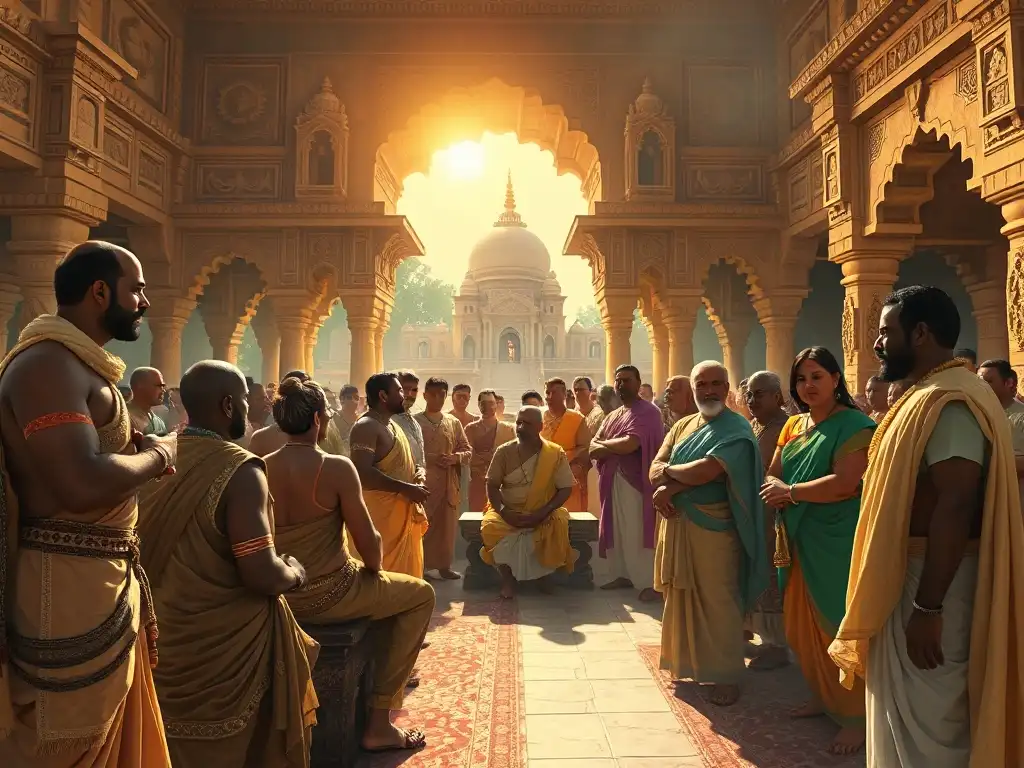
The caste system in ancient India was not merely a social stratification but a determinant of political dynamics. It influenced the formation of alliances, shaped governance structures, and dictated the nature of political relationships. The intertwining of caste with politics created a unique landscape where social identities could enhance or hinder political power.
The significance of caste extended beyond the personal and familial spheres and permeated various levels of governance. Political entities often relied on caste affiliations to solidify their power, leading to a complex web of relationships that could shift based on caste dynamics. In this context, understanding the impact of the caste system on political alliances is essential for grasping the broader historical narrative of ancient India.
Caste-Based Conflict and Its Political Implications
Caste-based conflicts were prevalent in ancient India and had profound political consequences. These conflicts often arose from competition over resources, political power, and social status. For instance, the Kshatriyas, traditionally warriors and rulers, might have engaged in conflicts with the Vaishyas, who were primarily traders and agriculturists.
- Political Outcomes of Caste Conflicts:
- Formation of Alliances: In times of conflict, groups would form alliances based on caste to strengthen their political clout. For example, during periods of upheaval, Kshatriyas could ally with other Kshatriya clans to consolidate power against rival castes.
- Rise of New Powers: Conflicts sometimes led to the emergence of new political entities. As seen during the rise of the Maurya Empire, the discontent among lower castes was harnessed by leaders like Chandragupta Maurya, who capitalized on caste grievances to garner support.
These conflicts not only influenced the immediate political landscape but also altered long-term power structures, leading to shifts in governance and policy.
How Caste Influenced Loyalty and Political Loyalty
Caste affiliation played a crucial role in shaping political loyalty among ancient Indian populations. Loyalty was often determined by caste-based identity, which could supersede broader nationalistic sentiments. For example, during the Gupta Empire, local rulers would often prioritize their caste allies over central authority, reflecting a loyalty rooted deeply in caste identity.
- Mechanisms of Loyalty:
- Caste Networks: Political leaders relied on caste networks to mobilize support. These networks were essential for ensuring loyalty among constituents, as shared caste identity fostered trust and mutual assistance.
- Patronage Systems: Rulers often provided patronage to specific castes, creating a reciprocal relationship where loyalty was rewarded with resources, protection, and political influence.
This intricate balance of loyalty based on caste dynamics significantly influenced political stability and governance practices throughout ancient India.
The Role of Marriage Alliances in Political Strategy
Marriage alliances were a pivotal strategy in ancient India, particularly among the ruling classes, to forge political ties and consolidate power. Marriages across caste lines, especially among the Kshatriyas, were often used to enhance political legitimacy and create strong alliances.
- Strategic Marriages:
- Uniting Clans: Marriages served to unite different clans, often bridging rival factions. A notable example is the alliance between the Mauryas and the Licchavis, which was cemented through marriage and significantly bolstered Chandragupta's power.
- Securing Loyalty: By marrying into influential families of different castes, rulers could secure loyalty and mitigate the risk of rebellion or dissent from powerful factions within their kingdoms.
These marriage strategies not only reinforced existing caste hierarchies but also played a crucial role in the political maneuvering of ancient Indian dynasties, illustrating the deep interplay between caste and politics in shaping historical outcomes.
The caste system in ancient India was a fundamental aspect of political alliances, influencing conflict, loyalty, and strategic marriages. Understanding these dynamics provides a clearer picture of how the sociopolitical landscape of ancient India was organized and how it evolved over time.
Conclusion: The Lasting Influence of the Caste System on Political Alliances

Summary of Key Points on Caste System and Political Alliances
The caste system in ancient India played a pivotal role in shaping not only social dynamics but also political alliances. Here are the key points summarizing its influence:
- Hierarchical Structure: The caste system established a strict social hierarchy, categorizing individuals into specific groups based on their occupation and lineage. This hierarchy often dictated political affiliations and alliances.
- Political Power and Caste: Rulers frequently aligned themselves with dominant castes to legitimize their authority. For instance, Brahmin and Kshatriya castes were often at the forefront of political power, forming alliances that reinforced their status.
- Regional Variations: The impact of the caste system on political alliances was not uniform across India. Different regions exhibited distinct caste dynamics that influenced local governance and power-sharing arrangements.
- Marriage Alliances: Inter-caste marriages were often utilized as a strategy to solidify political alliances, linking powerful families across different regions and enhancing their influence.
- Religious Influence: The caste system was deeply intertwined with religious beliefs, which further solidified alliances. Temples often served as political hubs, where caste affiliations played a role in governance and community organization.
Reflection on the Legacy of Caste in Modern Political Contexts in India
The legacy of the caste system continues to permeate the political landscape of modern India, influencing party dynamics and voter behavior. Here are several reflections on its enduring impact:
- Political Mobilization: Political parties in contemporary India often mobilize voters based on caste identity. This strategy reflects the historical significance of caste in political alliances, which remains relevant in the electoral process.
- Caste-based Reservations: The implementation of affirmative action policies, including reservations in education and government jobs for specific castes, demonstrates a direct continuation of caste considerations in political governance.
- Caste and Coalition Politics: The need for coalition politics in India is largely influenced by caste identities. Parties often form alliances with caste-based parties to maximize electoral success, which can lead to complex political landscapes.
- Social Movements: Various social movements have emerged in response to caste inequalities, impacting political discourse. These movements challenge traditional power structures and advocate for a more equitable representation, showcasing the evolving nature of caste dynamics.
- Future Perspectives: As India continues to develop, the influence of caste on political alliances may evolve. While modernization and urbanization may dilute traditional caste identities, the historical roots and socio-political realities ensure that caste remains a significant factor in shaping political alliances.
The caste system's profound influence on political alliances in ancient India has laid the groundwork for contemporary political dynamics, highlighting the need for a nuanced understanding of its role in shaping both historical and modern governance.
Further Reading and Resources on Caste System and Political Alliances in Ancient India
Suggested Literature on Caste System
To gain a deeper understanding of the caste system's impact on the political landscape of ancient India, the following literature provides valuable insights:
-
"Caste in Ancient India" by Dr. A.L. Basham
This foundational text examines the historical origins and evolution of the caste system, providing context for its socio-political ramifications.
-
"The Social Structure of Ancient India" by R. S. Sharma
Sharma's work delves into the intricate social hierarchies and their implications for governance and political alliances, emphasizing the caste system's role in shaping power dynamics.
-
"Caste and Politics in Modern India" by R. K. Sharma
While focused on modern implications, this book offers historical perspectives that trace the continuity of caste influences from ancient times to contemporary political structures.
-
"The Politics of Caste" by M. N. Srinivas
Srinivas explores how caste identities have historically influenced political affiliations and alliances, providing a comprehensive analysis that is grounded in ancient practices.
-
"The Caste System: A Historical Perspective" by S. K. Gupta
This work investigates the historical development of the caste system, linking its evolution to political strategies and alliances in ancient India.
Recommended Academic Journals and Articles on Political Alliances
Engaging with scholarly articles and journals can provide nuanced perspectives on how the caste system influenced political alliances in ancient India. The following resources are recommended:
-
Journal of Asian Studies
This peer-reviewed journal frequently publishes articles focused on South Asian history, including studies on the caste system and its political implications.
-
"Caste, Politics, and the Indian National Movement" in Modern Asian Studies
This article analyzes how caste identities shaped political mobilization and alliances during crucial historical junctures, offering insights into ancient precedents.
-
"The Role of Caste in Political Mobilization in Ancient India" in Indian Historical Review
This research piece examines specific case studies revealing how caste allegiances influenced political strategies and alliances among different kingdoms.
-
"Power Dynamics: Caste and Governance in Ancient India" in Journal of Historical Sociology
This article presents a sociological perspective on the interplay between caste and political governance, highlighting the caste system's role in administrative decisions.
-
"Political Alliances and Social Structure in Ancient Indian Kingdoms" in South Asian Studies
This paper discusses the formation of political alliances among different castes and communities, providing a comprehensive overview of the social structures at play.
By engaging with this literature and academic discourse, readers can better understand the complex interplay between the caste system and political alliances in ancient India.
Frequently Asked Questions
What is the caste system in ancient India?
The caste system was a hierarchical social structure that divided people into distinct social groups or castes, influencing various aspects of life, including political alliances and social interactions.
How did the caste system affect political alliances in ancient India?
Political alliances in ancient India were often formed based on caste affiliations, which determined power dynamics and social relationships, influencing decisions on governance and loyalty among different groups.
What role did the Gupta Empire play in the caste system?
The Gupta Empire recognized and reinforced the caste system, using it to establish stability and order, which in turn impacted political alliances and the administration of their vast territory.
Were there any attempts to reform the caste system in ancient India?
While there were philosophical and religious movements that challenged the rigidities of the caste system, such as Buddhism and Jainism, they struggled to create lasting changes in the political landscape.
How does the history of the caste system in ancient India relate to modern political dynamics?
The legacy of the caste system continues to influence political alliances in modern India, where caste identities still play a critical role in electoral politics and social interactions.
Final Reflection: The Enduring Legacy of the Caste System in Political Alliances
The exploration of how the caste system influenced political alliances in ancient India reveals a complex tapestry of social hierarchy and governance that continues to resonate in contemporary society. The intricate relationships formed through caste dynamics not only shaped political landscapes in the past but also laid the groundwork for ongoing social stratification and political maneuvering in modern India. As we reflect on this historical context, it becomes evident that understanding these alliances is crucial for comprehending the socio-political fabric of today's India.
The caste system's impact on political alliances has left an indelible mark on the cultural and social landscape of India. This historical framework has not only dictated social interactions but has also influenced power dynamics and governance.
The echoes of these ancient alliances can still be felt today, as caste identities continue to play a significant role in political affiliations and electoral strategies. As noted by sociologist G. S. Ghurye, “Caste is not merely a social institution; it is a political reality.” > This observation underscores the ongoing relevance of caste in shaping political discourse and alliances in contemporary India.
As we conclude, I invite you to reflect on the lessons drawn from the intricate relationship between the caste system and political alliances. Consider how these historical insights can inform our understanding of current social and political issues. Let us strive to foster a society that transcends the limitations of caste, encouraging inclusivity and collaboration across diverse backgrounds. By acknowledging the past and its influence on the present, we can work towards a future where political alliances are built on shared values and mutual respect, rather than inherited divisions.
Unveil the Impact of the Caste System Today!
Thank you for diving into the intricate relationships between the caste system and political alliances in ancient India. Your engagement in this fascinating subject enriches our understanding of how history shapes contemporary society. Now, it's time to take that knowledge and turn it into action!
Here are some ways you can deepen your exploration and contribute to this important conversation:
- Reflect on your own community: Consider how historical social structures, such as the caste system, might still influence modern interactions and hierarchies. Share your insights with friends or in community discussions!
- Engage with further reading: Look for additional resources on ancient political systems to broaden your perspective. Find a book or documentary that interests you and explore it!
- Join or contribute to local discussions: Participate in community talks or online groups focused on social justice and historical studies. Your voice can help foster meaningful dialogue!
What unique perspectives about the caste system and its enduring effects do you believe can help us navigate our social structures today?