
The Influence of Geography on Occupations in Ancient Indian Civilizations

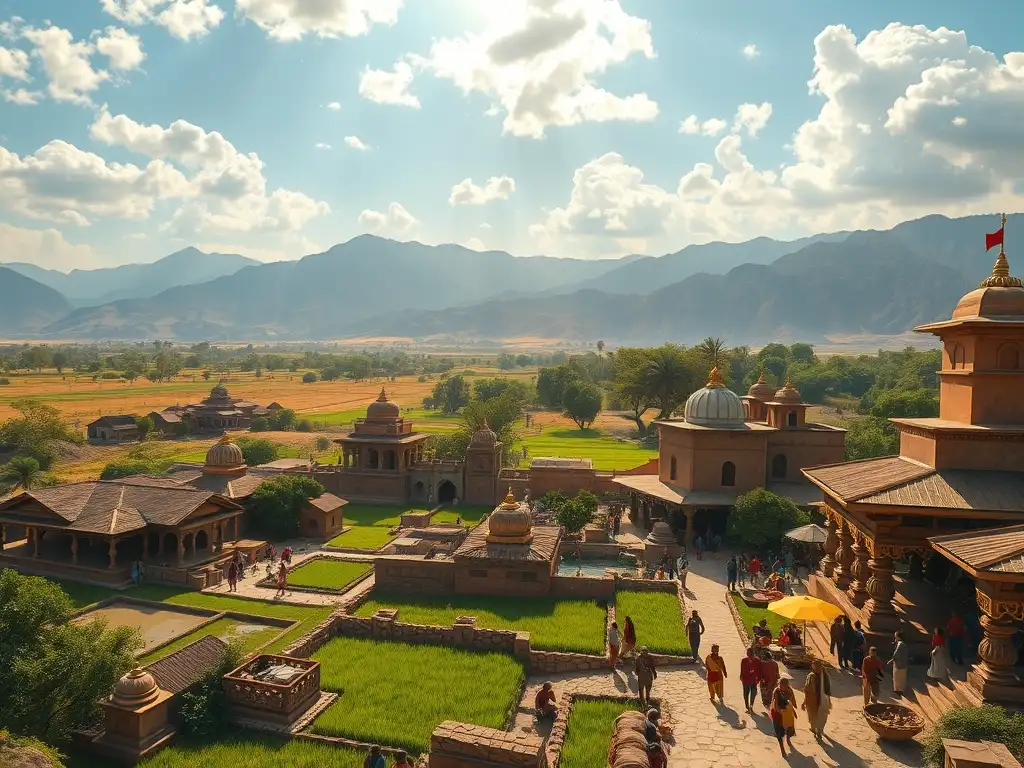
Welcome to Ancient India History, where we embark on an enthralling journey through the rich tapestry of ancient Indian civilizations. In this exploration, we unveil the profound connections between geography and occupations in ancient India, revealing how the diverse landscapes shaped the lives and livelihoods of its people. As you delve into our featured article, "The Influence of Geography on Occupations in Ancient Indian Civilizations," prepare to be captivated by the intricate ways in which the environment influenced daily life, culture, and societal structures.
Join us as we uncover the secrets of the past and explore the remarkable contributions of one of the world's oldest civilizations. Your adventure into history begins now!
Introduction to Geography and Occupations in Ancient India
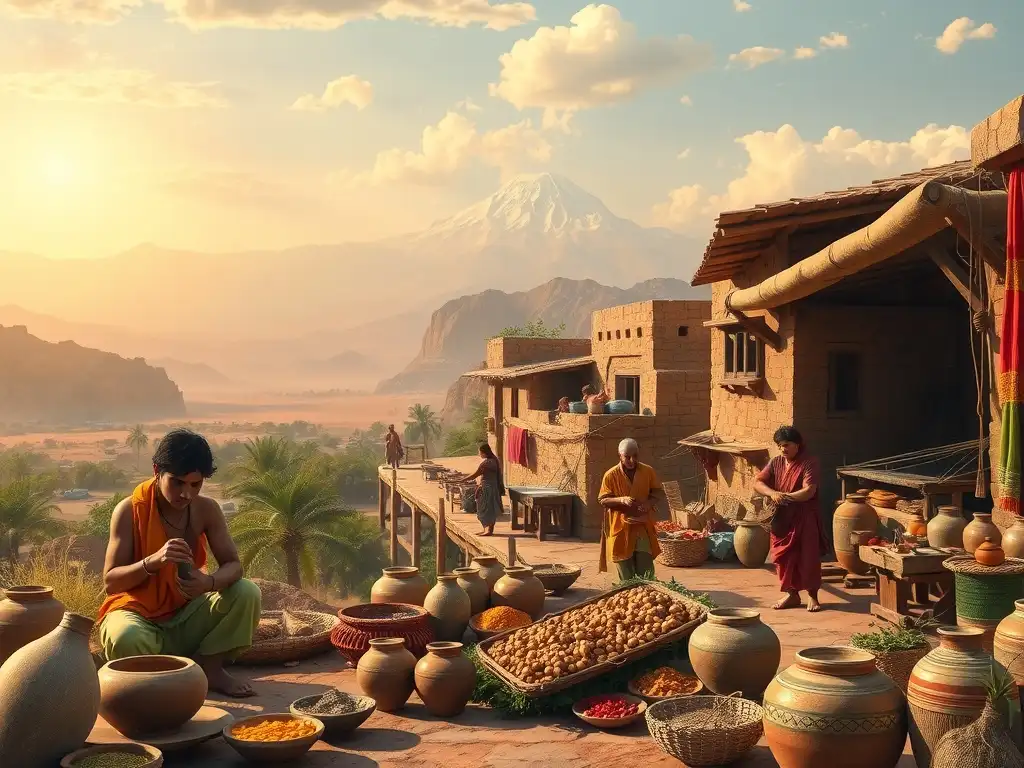
The intricate relationship between geography and occupations in ancient India is a fascinating study that reveals how the diverse landscapes of the subcontinent influenced the livelihoods of its people. From the arid deserts of Rajasthan to the lush valleys of the Ganges, the geographical features of ancient India not only determined the available resources but also shaped the culture, economy, and social structures of various civilizations. Understanding this connection is crucial for comprehending how ancient Indians adapted their occupations to thrive in diverse environments, thereby contributing to the rich tapestry of Indian history and society.
Overview of Ancient Indian Civilizations
Ancient India was home to several remarkable civilizations, including the Indus Valley Civilization, Vedic societies, and the Maurya and Gupta Empires. Each of these civilizations exhibited unique characteristics shaped by their geographical context. For instance, the Indus Valley, with its advanced urban planning, showcased a society that capitalized on riverine resources and trade routes.
In contrast, the agrarian societies of the Ganges River Basin thrived due to fertile lands that supported agriculture and diverse occupations. The complexity of these civilizations was largely influenced by their environment, leading to a rich diversity in occupations ranging from agriculture and trade to crafts and metallurgy.
Importance of Geography in Shaping Occupations
Geography played a pivotal role in determining the occupations of ancient Indian societies. Factors such as climate, topography, and the availability of natural resources directly influenced economic activities. For example, regions with abundant water resources facilitated agriculture, while mountainous areas pushed communities toward animal husbandry and trade. Additionally, trade routes established by geographical features encouraged commerce, leading to the emergence of specialized occupations. This interplay between geography and occupations not only shaped the economy but also contributed to the cultural richness of ancient India, as different professions influenced social hierarchies and community interactions.
Geographic Regions of Ancient India
The Indus Valley: A Cradle of Early Occupations
The Indus Valley Civilization, one of the earliest urban societies, thrived along the banks of the Indus River. The fertile plains supported agriculture, with evidence of wheat, barley, and cotton cultivation. Occupations in this region included:
- Agriculture: Farmers utilized the river's water for irrigation, leading to surplus production.
- Trade: The well-planned cities, like Harappa and Mohenjo-Daro, facilitated extensive trade networks, both locally and with distant lands.
- Craftsmanship: Skilled artisans produced pottery, textiles, and metal goods, showcasing the advanced craftsmanship of the time.
The Indus Valley's geography provided the foundation for a complex economy and societal structure, setting the stage for future civilizations.
The Ganges River Basin: Fertile Lands and Diverse Professions
The Ganges River Basin is renowned for its fertile alluvial soil, which supported extensive agricultural activities. This region became the heart of Vedic civilization, where a variety of occupations flourished. Key occupations included:
- Agriculture: Predominantly rice cultivation, supported by seasonal monsoons.
- Trade and Commerce: The river served as a vital trade route, leading to the growth of towns and markets.
- Cultural and Religious Roles: The region also fostered occupations related to religion and education, with numerous scholars and priests emerging.
The abundance of resources and favorable climate significantly influenced the social and economic dynamics of ancient Indian societies in this region.
The Deccan Plateau: Unique Challenges and Opportunities
The Deccan Plateau, characterized by its rugged terrain and varying climate, presented unique challenges and opportunities for its inhabitants. The geography influenced specific occupations, such as:
- Animal Husbandry: The semi-arid conditions encouraged pastoralism, with communities relying on livestock for their livelihood.
- Mining and Metallurgy: Rich mineral resources led to the development of mining and metalworking industries, with the plateau becoming known for its iron and gold production.
- Agriculture: Though less fertile than the Ganges, certain areas of the plateau supported crops like millet and sorghum.
The diverse landscape of the Deccan Plateau fostered resilience and adaptability among its communities, leading to a unique occupational landscape.
The Himalayan Region: Geography's Impact on Occupations
The majestic Himalayan region, with its steep slopes and harsh climate, shaped the livelihoods of its inhabitants in distinct ways. Key occupational trends included:
- Trade: The Himalayas served as a crucial passage for trade routes connecting India to Tibet and Central Asia, fostering a vibrant trade culture.
- Herbal Medicine: The rich biodiversity allowed for the collection and trade of medicinal herbs, leading to a flourishing practice of traditional medicine.
- Artisanal Crafts: Communities developed specialized skills in crafts like weaving and woodwork, often influenced by the region's culture and environment.
The geographical challenges of the Himalayas prompted innovation and resourcefulness, leading to a diverse range of occupations that reflected the region's unique characteristics.
The Role of Natural Resources in Shaping Occupations
Natural resources played a pivotal role in determining the types of occupations that flourished in ancient Indian civilizations. The diversity of the Indian subcontinent, with its varied climates, topographies, and resources, directly influenced the livelihoods of its inhabitants. For instance, regions endowed with fertile soil and a suitable climate for agriculture saw the emergence of farming as a primary occupation. The Indus Valley, known for its rich alluvial plains, facilitated the growth of crops such as wheat, barley, and cotton, leading to a predominantly agrarian society.
Conversely, areas rich in minerals and forests fostered industries such as metallurgy, pottery, and textile production. The extraction of resources like iron, copper, and precious stones spurred the development of crafts and trade. For example, the availability of high-quality clay in certain regions led to the flourishing of pottery, while forests provided timber for construction and fuel. This interplay between natural resources and occupational choices was crucial in shaping not only the economy but also the cultural practices of ancient Indian civilizations.
Agricultural Practices Influenced by Geography
Geography significantly influenced agricultural practices across ancient India. The monsoon season, which brought heavy rains to various regions, dictated the timing and types of crops that could be cultivated. In the northern plains, where the Indus and Ganges rivers provided ample irrigation, farmers were able to cultivate multiple crops annually. The fertile land allowed for rice, wheat, and pulses to be significant staples in their diet.
In contrast, the arid regions of Rajasthan and parts of Gujarat required different agricultural techniques, such as rainwater harvesting and the cultivation of drought-resistant crops like millet and barley. The geography of the Deccan Plateau, characterized by its rocky terrain, also shaped agricultural practices, leading to the development of terraced farming in some areas. Such geographical variations resulted in a rich tapestry of agricultural techniques, crops, and farming schedules that reflected the local environment and climate.
Crafts and Industries Linked to Local Materials
The availability of local materials influenced the crafts and industries that developed in various regions of ancient India. For instance, the coastal areas of India, rich in marine resources, saw the rise of fishing and salt production as vital occupations. Regions like Gujarat and Maharashtra became renowned for their shipbuilding and maritime trade due to their access to the Arabian Sea.
In the northern regions, artisans specialized in crafts that utilized local resources, such as wood, stone, and metals. The city of Varanasi became famous for its silk weaving, leveraging the nearby mulberry fields that provided silk worms. Similarly, the region of Tamil Nadu was known for its bronze casting and intricate temple sculptures, reflecting the abundance of suitable metals and skilled craftsmanship.
The geographical distribution of these materials not only determined the types of industries that thrived but also influenced trade routes and interactions between different cultures, contributing to the overall economic and cultural development of ancient India.
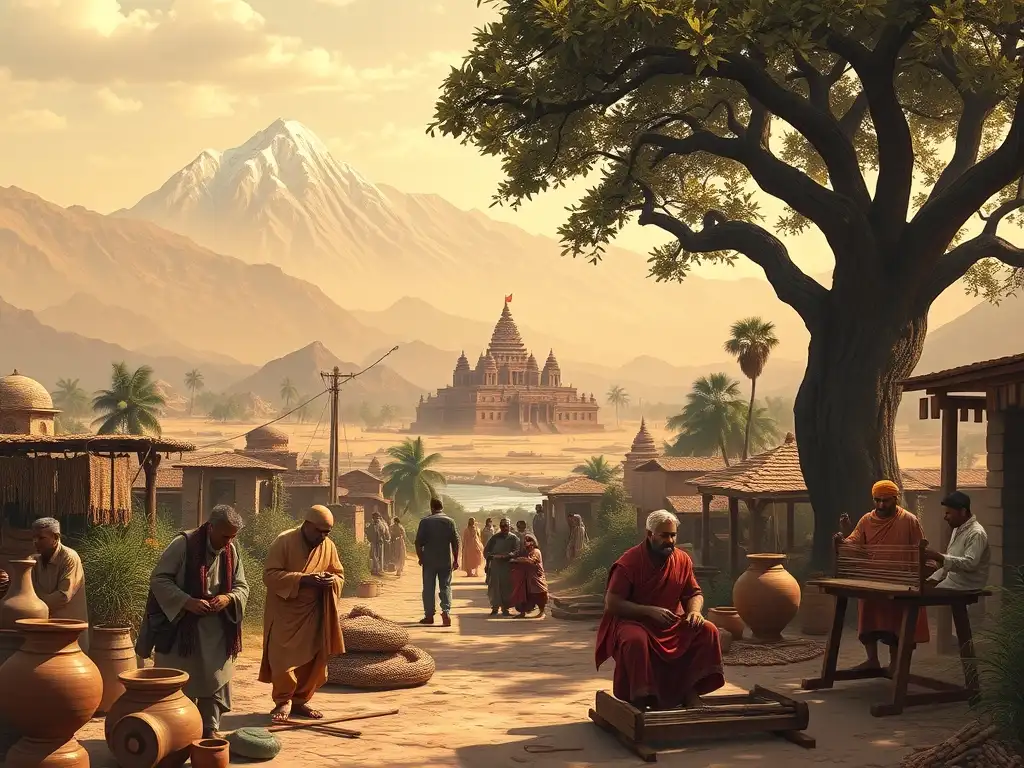
The influence of geography extended beyond mere occupations; it profoundly affected the social structure of ancient Indian societies. The spatial distribution of resources, agricultural lands, and urban centers shaped the organization of labor and the stratification of society.
Caste System and Geographic Distribution of Professions
The caste system in ancient India was intricately linked to geography and the distribution of professions. Regions with abundant agricultural resources tended to cultivate a predominantly agrarian society, where landowners and farmers formed the backbone of the economy. In contrast, urban centers became hubs for trade and crafts, leading to the emergence of merchant and artisan castes.
The geographic separation of communities often solidified caste boundaries, as occupational roles became hereditary. For example, certain regions became known for specific crafts—like the potters of Rajasthan or the weavers of Bengal—leading to a stratified society where social mobility was limited. Thus, geography not only influenced the types of occupations available but also helped entrench social hierarchies based on occupation and location.
Urbanization and Occupational Diversification
Geography also played a crucial role in urbanization and occupational diversification in ancient India. The establishment of cities like Mohenjo-Daro and Harappa in the Indus Valley was facilitated by their advantageous locations near rivers, which supported trade and agriculture. As urban centers developed, they attracted diverse populations, leading to increased specialization in various occupations.
In these urban settings, a multitude of professions emerged, ranging from skilled artisans to traders, reflecting the economic opportunities generated by geography. The growth of trade networks, supported by navigable rivers and coastal access, further diversified occupations, allowing people to engage in commerce and exchange goods. This urbanization process not only fostered economic growth but also encouraged cultural exchanges and the spread of ideas, enriching the tapestry of ancient Indian civilization.
Case Studies of Key Civilizations
Ancient Indian civilizations showcase a profound relationship between geography and the occupations that emerged within their confines. By examining specific case studies, we can observe how diverse geographical landscapes shaped the livelihoods, societal structures, and economic activities in these remarkable civilizations.
The Indus Valley Civilization: Urban Planning and Occupations
The Indus Valley Civilization (circa 3300–1300 BCE) is renowned for its advanced urban planning and sophisticated societal organization, largely influenced by its geography. Situated along the fertile plains of the Indus River, the civilization benefited from regular flooding, which replenished the soil and supported agriculture. This agricultural foundation allowed for specialization in various occupations.
The well-planned cities of Harappa and Mohenjo-Daro featured organized layouts, advanced drainage systems, and standardized brick sizes, reflecting a strong central authority. The abundance of crops such as wheat and barley led to the growth of trade networks, where artisans and traders flourished. Occupations included:
- Agriculture: Farmers cultivated crops, supported by irrigation from the river.
- Craftsmanship: Skilled workers produced pottery, textiles, and metalwork.
- Trade: Merchants engaged in long-distance trade with regions as far as Mesopotamia, exporting goods like cotton and beads.
The geographical advantages of the Indus Valley not only facilitated these occupations but also fostered a complex economy that laid the groundwork for future civilizations.
The Maurya Empire: Geography and Administrative Roles
The Maurya Empire (circa 322–185 BCE), one of the largest empires in ancient India, was significantly shaped by its geography, which included vast stretches of land across the northern and central parts of the subcontinent. The empire's strategic location enabled it to control important trade routes and access diverse resources.
The varied geography, ranging from the Himalayan mountains to the fertile Ganges plains, necessitated a well-structured administrative system to manage its vast territories. Key occupations during this period included:
- Administration: Bureaucrats and officials were essential for governance, overseeing tax collection and law enforcement.
- Military: The geography required a strong military presence to protect borders and maintain order within the empire.
- Agriculture and Trade: Farmers thrived in the fertile lands, while traders capitalized on the empire's extensive road networks to facilitate commerce.
The Mauryan administration, under leaders like Ashoka, emphasized the importance of geography in promoting trade and governance, leading to economic prosperity and cultural exchange.
The Gupta Empire: Cultural Flourishing and Economic Diversity
The Gupta Empire (circa 320–550 CE) is often referred to as the "Golden Age" of ancient India, marked by significant advancements in arts, science, and culture. Geographically, the empire encompassed the northern plains and extended to parts of central India, benefiting from both agricultural fertility and trade routes.
The Gupta period saw a diversification of occupations, influenced by the empire's stability and cultural flourishing. Notable occupations included:
- Scholarship and Literature: The empire fostered an environment where scholars, poets, and philosophers thrived, leading to groundbreaking works in mathematics and literature.
- Artisanship: Craftsmanship flourished, with artisans producing intricate sculptures, paintings, and textiles that reflected the rich cultural heritage.
- Trade and Commerce: The Gupta Empire's trade networks expanded, connecting India with regions like Southeast Asia and the Mediterranean, further enhancing economic diversity.
In this era, geography played a crucial role in enabling various occupations to thrive, contributing to the empire's overall prosperity and cultural legacy.
Conclusion: The Lasting Impact of Geography on Occupations in Ancient India
The intricate relationship between geography and occupations in ancient Indian civilizations highlights how environmental factors shaped societal structures and economic activities. From agriculture to trade, the diverse landscapes of India fostered a multitude of occupations, each contributing to the overall development of these civilizations.
Summary of Key Points
- The geography of the Indus Valley supported agricultural specialization and trade, fostering urban development.
- The Maurya Empire's vast territories required a structured administrative system, with occupations focused on governance, military, and agriculture.
- The Gupta Empire's stability and cultural advancements led to a flourishing of scholarship, arts, and diverse economic activities.
Reflection on the Interconnectedness of Geography and Occupations
The exploration of ancient Indian civilizations reveals a profound interconnectedness between geography and occupations. The geographical features not only shaped the livelihoods of the people but also influenced their cultural practices and societal norms. Understanding this relationship enhances our appreciation of the complexities of ancient Indian history and its enduring legacy in shaping modern societies.
- Introduction to Geography and Occupations in Ancient India
- Geographic Regions of Ancient India
- The Role of Natural Resources in Shaping Occupations
- How Geography Affected Social Structure and Occupations
- Case Studies of Key Civilizations
- Conclusion: The Lasting Impact of Geography on Occupations in Ancient India
- What role did geography play in ancient Indian occupations?
- How did the Indus Valley's geography affect its civilization?
- What types of occupations were common in ancient Indian civilizations?
- How did the Gupta Empire's geography impact its economy?
- Were there any occupations unique to specific geographic regions in ancient India?
Frequently Asked Questions
What role did geography play in ancient Indian occupations?
Geography significantly influenced occupations in ancient India by determining the availability of resources and the types of agriculture practiced in different regions.
How did the Indus Valley's geography affect its civilization?
The Indus Valley had rich soil and access to rivers, which facilitated agriculture and supported a thriving trade network, essential for its economic prosperity.
What types of occupations were common in ancient Indian civilizations?
Common occupations included agriculture, trade, craftsmanship, and fishing, all shaped by the local geography and resources available in different regions.
How did the Gupta Empire's geography impact its economy?
The Geography of the Gupta Empire, with its fertile plains and strategic trade routes, enhanced agricultural production and fostered a robust commercial economy.
Were there any occupations unique to specific geographic regions in ancient India?
Yes, certain regions had unique occupations; for instance, coastal areas focused on fishing, while mountainous regions specialized in herding and timber production.
Final Reflection: The Enduring Legacy of Geography on Ancient Indian Occupations
The intricate relationship between geography and occupations in ancient India remains profoundly relevant today. As we navigate our modern world, understanding how geographical factors shaped the livelihoods and societal structures of ancient civilizations offers invaluable insights into our own economic and cultural practices. The lessons from the past remind us that the land we inhabit continues to influence our choices, opportunities, and identities in ways we may not always recognize.
The impact of geography on occupations in ancient India has left an indelible mark on our cultural and social landscape. From the agrarian societies thriving along the fertile riverbanks to the bustling trade routes that connected distant lands, these geographical elements shaped not only the economy but also the very fabric of society. As we reflect on this, we can recall the words of historian Romila Thapar: The geography of a region is not merely a backdrop; it is a dynamic force that shapes the lives of its people.
This observation underscores the ongoing relevance of geography in understanding our past and present.
As we conclude this exploration, I invite you to reflect on your own relationship with geography and its influence on your life. Consider how the landscapes around you shape your opportunities, aspirations, and identity. Let the lessons from ancient India inspire you to appreciate the interconnectedness of our environment and our occupations, urging you to take action in preserving and understanding the geographical contexts that continue to define our world today.
Unlock the Secrets of Ancient Indian Occupations!
Thank you for exploring the fascinating interplay between geography and occupation in ancient Indian civilizations! Your curiosity about this intricate relationship enriches your understanding of history and its impact on society. Now, it's time to take that knowledge to the next level!
- Dive deeper into archaeology by planning a visit to local historical sites or museums to see artifacts first-hand.
- Join a discussion group or online community focused on ancient Indian history to share insights, ask questions, and learn from various perspectives.
- Explore the geography of different regions by researching how diverse landscapes influenced not just occupations, but also culture and daily life in ancient India.
How do you think the geography of your own region shapes the occupations and lifestyles of people today?