
The Influence of Textual Sources on Our Understanding of Ancient Marriage Practices

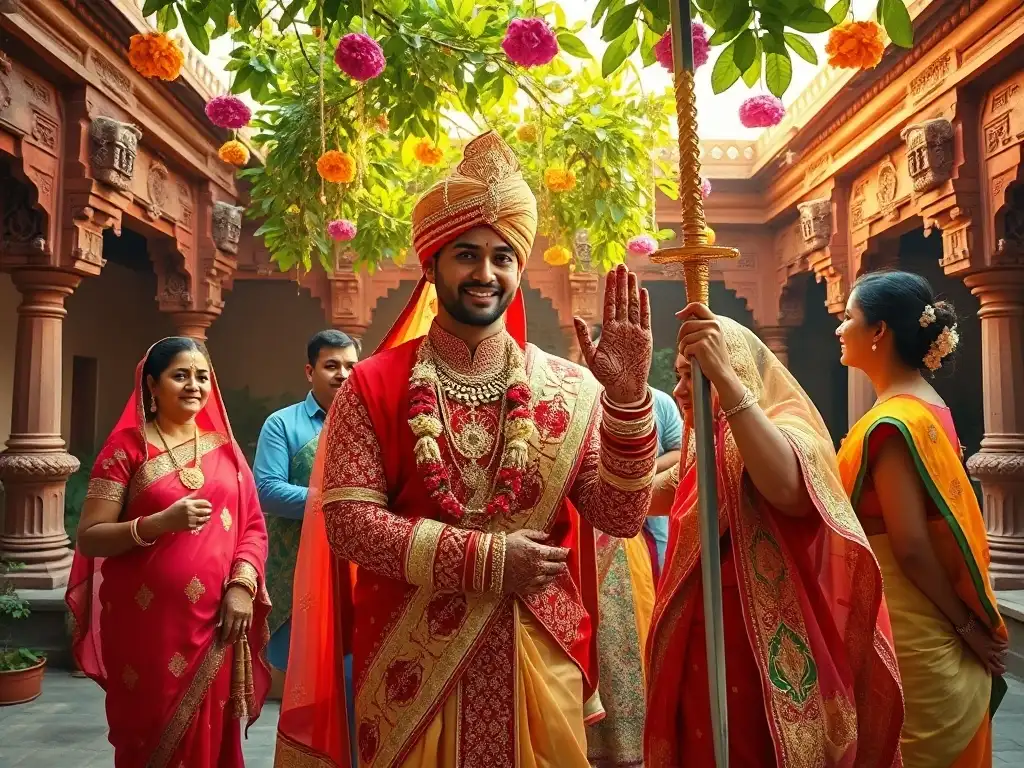
Welcome to Ancient India History, where we delve into the rich tapestry of ancient Indian civilization's past! In this exploration, we invite you to uncover the intriguing Ancient Indian marriage practices that shaped the daily lives and societal norms of a vibrant culture.
Our featured article, "The Influence of Textual Sources on Our Understanding of Ancient Marriage Practices," promises to illuminate the fascinating ways these traditions evolved and influenced relationships through time. Join us on this journey to discover the profound insights that ancient texts offer into the lives of those who came before us—and prepare to be captivated by the enduring legacy of their customs!
Introduction to Ancient Indian Marriage Practices
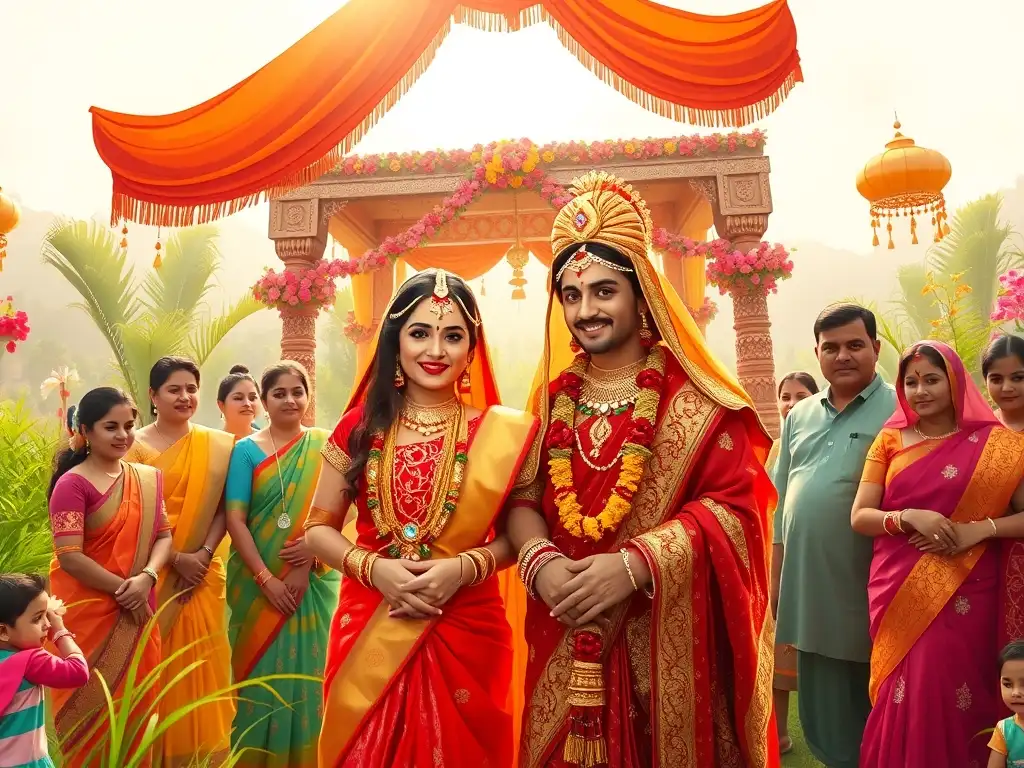
Understanding ancient Indian marriage practices is crucial for comprehending the broader social and cultural dynamics of ancient Indian civilizations. Marriage, as a foundational social institution, not only shaped personal lives but also influenced familial structures, social norms, and even political alliances. The complex interplay of customs and traditions surrounding marriage in ancient India reflects the values and beliefs of various societies, from the Indus Valley Civilization to the Gupta Empire. This rich tapestry of practices is illuminated by an array of textual sources, which provide invaluable insights into how these traditions evolved and were perceived through time.
Overview of Marriage in Ancient Indian Societies
In ancient India, marriage was more than just a union between individuals; it was a pivotal event that interconnected families and communities. The significance of marriage can be traced back to various social structures, including:
- Arranged Marriages: Predominantly practiced, these were orchestrated by families to strengthen alliances.
- Sacred Union: Many texts describe marriage as a sacred duty, embedded within religious and cultural contexts.
- Dowry Systems: The exchange of wealth during marriages often indicated social status and played a role in familial negotiations.
These practices not only highlight the importance of marriage as a social contract but also reflect the underlying values and norms of ancient Indian societies.
Importance of Textual Sources in Historical Research
Textual sources are essential for reconstructing historical narratives, especially regarding intricate social practices like marriage. They serve as:
- Primary Evidence: Texts provide firsthand accounts and descriptions of marriage customs, rituals, and societal expectations.
- Cultural Context: They offer insights into the ideological frameworks that shaped marital practices, revealing how beliefs influenced behaviors.
- Temporal Analysis: By examining texts from different periods, researchers can trace the evolution of marriage practices and identify shifts in societal norms.
The reliance on textual sources allows historians to build a more nuanced understanding of ancient marriage practices, bridging the gap between archaeological findings and social realities.
Types of Textual Sources Analyzing Ancient Indian Marriage Practices
To thoroughly explore ancient Indian marriage practices, it is essential to examine various types of textual sources that document these customs.
Religious Texts and Their Role in Marriage Customs
Religious texts, such as the Vedas, Upanishads, and Dharma Shastras, lay the foundation for understanding marriage in ancient India. These texts often outline:
- Rituals and Ceremonies: Detailed descriptions of marriage rituals, including the Saptapadi (seven steps) that symbolize the couple's commitment.
- Duties and Responsibilities: Guidelines regarding the roles of husbands and wives, emphasizing the social and spiritual dimensions of marriage.
- Caste Regulations: Instructions on inter-caste marriages and their implications, reflecting the social hierarchy of the time.
These texts provide critical insights into how marriage was not only a personal affair but also a religious obligation intertwined with societal norms.
Literary Works: Epics and Poetry Reflecting Marriage Norms
Literary works, such as the Mahabharata and Ramayana, serve as rich sources for understanding marital customs through narrative and poetry. They illustrate:
- Ideal Marital Relationships: Through characters like Sita and Draupadi, these texts depict the virtues and challenges of marital life.
- Cultural Values: The portrayal of love, loyalty, and sacrifice reveals societal ideals surrounding marriage.
- Conflict and Resolution: Stories often highlight the complexities of marital alliances, including the consequences of choices made by individuals and families.
These narrative forms provide a deeper emotional and cultural context to the study of ancient Indian marriage practices.
Historical Records and Inscriptions Documenting Marital Alliances
Historical records, including inscriptions and archaeological findings, complement the understanding gleaned from religious and literary texts. They document:
- Dynastic Marriages: Records of marriages between royal families to solidify political power and alliances.
- Economic Transactions: Inscriptions detailing dowries, gifts, and the socio-economic aspects of marriage.
- Civic Regulations: Evidence of laws governing marriage practices, reflecting the state's role in regulating familial structures.
These historical sources provide a tangible connection to the past, allowing researchers to correlate textual narratives with real-world practices and sociopolitical dynamics.
Key Themes in Ancient Indian Marriage Practices
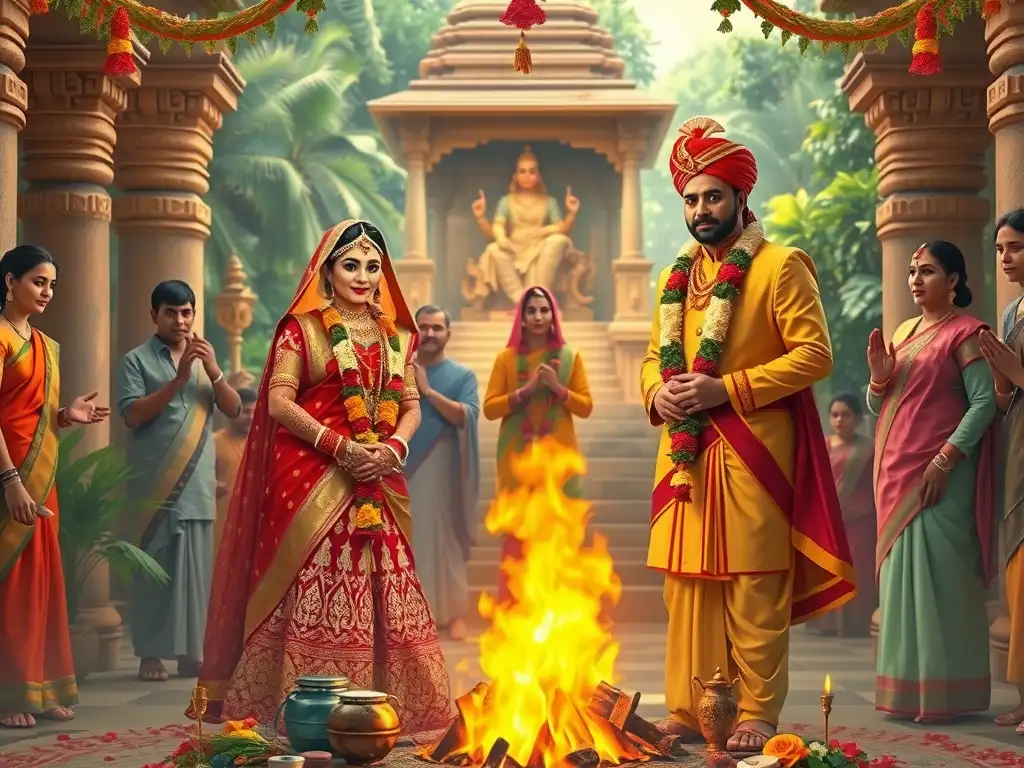
Ancient Indian marriage practices are rich and varied, deeply rooted in the cultural and social fabric of society. Textual sources such as the Vedas, Smritis, and epics like the Mahabharata and Ramayana provide critical insights into these practices. Key themes that emerge from these texts include the significance of arranged marriages, the evolution of the dowry system, and the various rituals and ceremonies associated with marriage. Each of these themes highlights how marriage was not merely a personal union but a vital social contract that reinforced familial ties and communal stability.
The Concept of Arranged Marriages
Arranged marriages have been a cornerstone of ancient Indian society, reflecting the values and priorities of the time. Textual sources indicate that families played a crucial role in selecting partners, often emphasizing the importance of social compatibility, caste, and economic status. The practice was seen as a way to ensure social stability and continuity of family lineage. By arranging marriages, families sought to maintain alliances and enhance their social standing.
In many texts, the agency of individuals—especially women—was often secondary to familial decisions. For instance, the Manusmriti outlines the duties of women in marriage, suggesting that their primary role was to support their husbands and manage household affairs. This reflects the patriarchal structure prevalent in society, where individual choice was often limited by familial obligations.
Dowry System and Its Evolution in Textual Accounts
The dowry system is another significant theme in the examination of ancient Indian marriage practices. Initially, dowries were intended as a form of inheritance for women, providing them with financial security in their new households. Textual references from the Arthashastra and Manusmriti highlight the practice of giving gifts and property to the groom’s family as part of marriage negotiations.
Over time, however, the dowry system evolved into a more transactional relationship, leading to various social issues, including the commodification of women. Texts from later periods reflect a shift where dowries became a burden for brides' families, often resulting in societal pressures and even violence in extreme cases. The evolution of this practice underscores the changing dynamics of marriage and the growing complexities of gender roles within ancient Indian society.
Marriage as a Social Contract: Rituals and Ceremonies
Marriage in ancient India was considered a profound social contract, laden with rituals and ceremonies that signified not just the union of two individuals but the merging of families and communities. Textual sources detail various rites, including the Saptapadi (seven steps) and the Kanyadaan (giving away the bride), which symbolize the couple's commitment to each other and their families.
These rituals were not merely ceremonial; they held deep spiritual significance, often invoking blessings from deities and ancestral spirits. Moreover, the detailed descriptions found in texts like the Brahmanas highlight the importance of these ceremonies in reinforcing social order and cultural norms, ensuring that marriages adhered to traditional expectations.
Comparative Analysis of Textual Sources
The comparative analysis of textual sources reveals significant insights into ancient Indian marriage practices, showcasing how different texts approached the subject and highlighting the complexities of marital traditions across regions and social strata.
Contrasting Views from Different Texts on Marriage Roles
Different texts present contrasting views on the roles of men and women within marriage. For example, the Rigveda portrays women as powerful figures with agency, while later texts like the Manusmriti often depict them in more submissive roles. This shift indicates changing societal attitudes towards gender and marriage over time.
Additionally, the portrayal of marital roles in narratives from the Mahabharata, such as the story of Draupadi, illustrates the intricacies of women's agency amid patriarchal structures. Such contrasts reflect broader societal changes and the influence of historical contexts on marriage practices.
Regional Variations in Marriage Practices Highlighted in Texts
Ancient Indian texts also highlight regional variations in marriage practices, showcasing the diversity of customs across different communities. For instance, while northern texts may emphasize elaborate wedding rituals and extensive dowries, southern texts could focus more on matrilineal practices and the significance of family honor.
These regional differences are crucial in understanding how local customs and traditions shaped the broader framework of ancient Indian marriage practices. By examining texts from various regions, scholars can gain a comprehensive view of the societal norms and values that influenced marriages.
The Influence of Class and Caste on Marital Traditions
Class and caste have played pivotal roles in shaping ancient Indian marriage practices, as reflected in various textual sources. The rigid caste system dictated marital interactions, often prohibiting cross-caste marriages and maintaining social hierarchies. Texts like the Manusmriti contain strict guidelines about whom one can marry based on caste, reinforcing social boundaries.
Additionally, the influence of class is evident in the portrayal of marriage practices among the elite versus the lower classes. While higher classes may have had access to lavish ceremonies and significant dowries, lower classes often engaged in simpler, more pragmatic arrangements. This disparity highlights how economic resources affected marriage customs and choices, further entrenching social stratification within ancient Indian society.
Methodological Approaches to Analyzing Textual Sources
Understanding ancient Indian marriage practices requires a careful and nuanced approach to the textual sources available. Scholars employ various methodological frameworks to analyze these texts, ensuring a comprehensive understanding of the cultural, social, and legal aspects of marriage in ancient India. Key approaches include critical textual analysis, interdisciplinary methods that incorporate archaeological findings, and comparative studies with contemporary practices.
- Textual Criticism: This method assesses the authenticity and reliability of the texts, examining variations in manuscripts, translation discrepancies, and the context in which these texts were produced. Such scrutiny helps identify biases and understand the intentions of the authors.
- Contextual Analysis: Researchers place texts within their historical and cultural contexts to better grasp their significance. This approach considers the socio-political landscape of the time, the influence of religious beliefs, and the role of gender dynamics in shaping marriage practices.
- Comparative Studies: Scholars often compare references to marriage in ancient Indian texts with those from other cultures, drawing parallels and contrasts that enrich our understanding of the universality or uniqueness of ancient Indian marriage practices.
Critical Analysis of Ancient Texts for Historical Accuracy
The critical analysis of ancient texts plays a pivotal role in discerning the historical accuracy of marriage practices documented within them. Texts such as the Vedas, Upanishads, and Dharmashastras provide essential insights, but their interpretations can vary significantly.
- Authorship and Intent: Understanding who authored these texts and their intended audience can shed light on potential biases. For instance, texts written by Brahmin scholars may reflect the interests and norms of a specific caste, which might not represent broader societal practices.
- Temporal Context: Many texts were written over centuries, reflecting evolving social norms and legal frameworks. Analyzing the texts within their specific temporal contexts helps historians recognize changes in marriage practices over time.
- Language and Terminology: The language used in these texts often contains layered meanings. Scholars must be careful in interpreting terms related to marriage, as their connotations may shift over time, affecting the understanding of marriage roles and duties.
Interdisciplinary Methods: Combining Archaeology and Textual Evidence
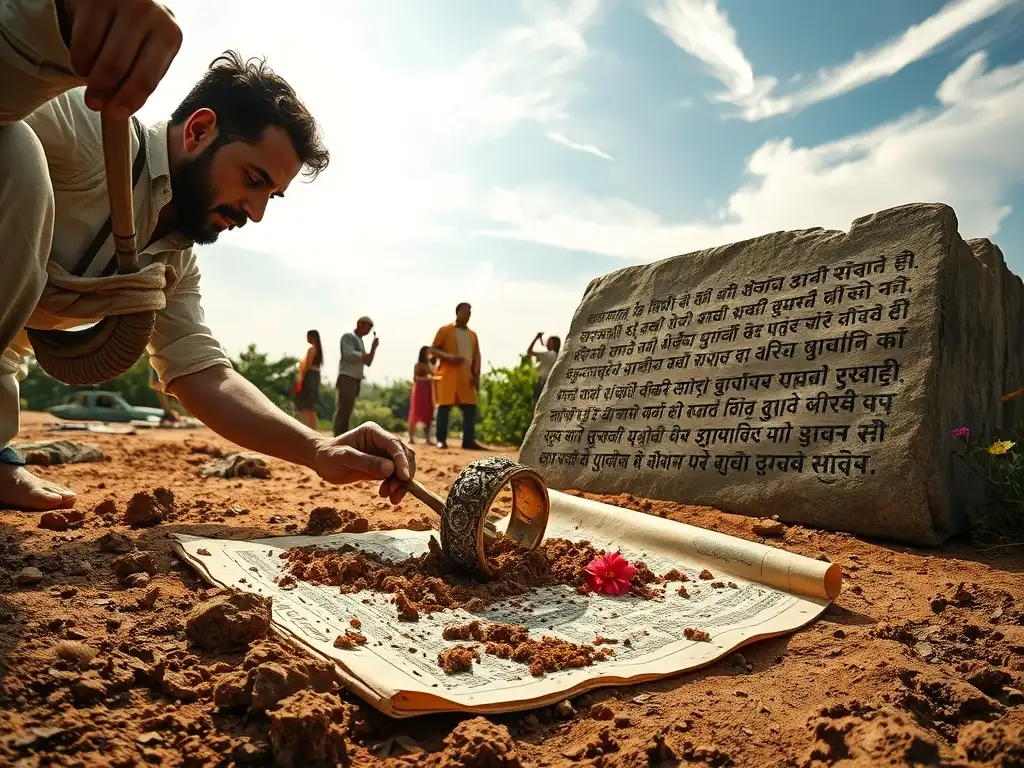
Interdisciplinary methods that combine archaeological findings with textual evidence provide a fuller picture of ancient Indian marriage practices. This approach allows for the cross-validation of information, leading to more robust conclusions.
- Archaeological Context: Excavations of ancient sites often reveal artifacts, such as wedding jewelry, pottery, and inscriptions, which can corroborate or challenge textual accounts of marriage practices. For example, the discovery of terracotta figurines depicting marriage rituals can provide insights into the ceremonies and customs that texts may only describe.
- Cultural Anthropology: By integrating anthropological perspectives, researchers can examine how marriage practices were lived experiences, influenced by local customs and traditions. This method emphasizes the practical aspects of marriage, such as rituals and community involvement, which are sometimes absent from textual accounts.
- Sociolinguistics: Analyzing the language used in texts through a sociolinguistic lens helps scholars understand how societal norms regarding marriage were communicated and reinforced. This can reveal the power dynamics at play and how they influenced marital relationships.
Case Studies of Notable Textual Sources
The Manusmriti and Its Impact on Marriage Laws
The Manusmriti, often referred to as the "Laws of Manu," is one of the most significant texts concerning ancient Indian marriage practices. Composed around the 2nd century BCE to 2nd century CE, it outlines rules and regulations governing various aspects of life, including marriage.
- Patriarchal Structure: The Manusmriti emphasizes a patriarchal structure, prescribing specific roles for men and women within marriage. It promotes the idea of women as dependent on their husbands, which has influenced social norms for centuries.
- Marriage Types: The text categorizes different types of marriages, including Brahma, Daiva, and Arsha, each with distinct characteristics and societal implications. This classification reflects the complexity of marital arrangements in ancient society.
- Legal Framework: The Manusmriti has had a lasting impact on Indian legal systems, informing contemporary laws regarding marriage, inheritance, and women's rights, showing its relevance even in modern contexts.
The Ramayana and Its Depictions of Ideal Marriages
The Ramayana, attributed to the sage Valmiki, not only serves as a foundational epic of ancient Indian literature but also presents models of ideal marriages through its narratives.
- Ideal Couple: The relationship between Rama and Sita is often viewed as the epitome of marital harmony, loyalty, and devotion. Their story reflects the values of dharma (duty) and fidelity, setting a cultural standard for marital expectations.
- Cultural Norms: The Ramayana illustrates various cultural norms surrounding marriage, including the significance of familial consent and the role of rituals. It also highlights the importance of alliances between families, showcasing marriage as a means to strengthen social ties.
- Moral Lessons: The epic conveys moral lessons about the responsibilities of husbands and wives, reinforcing societal norms that persist in various forms in contemporary Indian culture.
Arthashastra: Political Marriages in Ancient Indian Society
The Arthashastra, attributed to Kautilya (Chanakya), is primarily a treatise on statecraft and economics but also provides valuable insights into the role of marriage in political alliances.
- Strategic Alliances: Kautilya discusses the importance of marriage as a tool for forming strategic alliances between kingdoms. Marriages were often arranged to secure peace, strengthen power, and consolidate territories.
- Diplomatic Marriages: The text outlines the concept of diplomatic marriages, where royal families would marry to forge alliances, reflecting the political motivations behind marital arrangements in ancient India.
- Cultural Implications: The Arthashastra reveals how marriages extended beyond personal relationships, serving as instruments of statecraft that shaped the political landscape of ancient India. This underscores the interconnectedness of marriage practices with broader social and political frameworks.
Conclusion: The Lasting Influence of Textual Sources on Understanding Ancient Indian Marriage Practices
The study of ancient Indian marriage practices is profoundly shaped by the textual sources available to historians and researchers. These texts, which include religious scriptures, legal documents, and literary works, provide invaluable insights into the social, cultural, and ethical dimensions of marriage in ancient India. They help us construct a narrative around the norms, rituals, and familial roles that defined marital relationships throughout various periods, from the Vedic age to the Gupta Empire.
The interpretation of these sources reveals the complexity of marriage as not merely a personal union but as a social contract that involved familial alliances, economic considerations, and gender roles. These texts serve both as historical documents and as reflections of the evolving ideologies surrounding marriage, highlighting how textual records have been instrumental in shaping our understanding of ancient Indian society.
Summary of Key Insights
- Diverse Sources: Ancient marriage practices are illuminated through a variety of texts, including the Vedas, Manusmriti, and regional epics such as the Mahabharata and Ramayana. Each source offers a different perspective, reflecting the diversity of customs across different regions and communities.
- Rituals and Customs: Textual sources detail the rituals associated with marriage, such as the Saptapadi (seven steps), and the significance of various ceremonies that mark the transition from singlehood to marital life. These practices help elucidate the cultural importance of marriage in ancient Indian society.
- Social Constructs: The texts portray marriage not only as a personal bond but also as a means of reinforcing social hierarchies and ensuring the continuation of family lineage. They reveal how caste, class, and gender influenced marital arrangements and expectations.
- Evolving Interpretations: Over time, interpretations of these texts have evolved, affecting contemporary understandings of marriage. Scholars continue to debate the implications of ancient practices and how they resonate in modern society.
The Relevance of Ancient Marriage Practices in Contemporary Society
Understanding ancient Indian marriage practices remains relevant in contemporary society as it sheds light on the roots of current marital customs and societal norms. Many modern marriages in India still reflect traditional values, and insights gleaned from ancient texts can inform discussions about gender roles, familial obligations, and the significance of rituals.
Moreover, as society grapples with changing perspectives on marriage, such as the rise of love marriages and inter-caste unions, the historical context provided by ancient sources can enrich conversations around these topics. By examining how marriage practices have evolved, we gain a clearer understanding of the socio-cultural dynamics at play in today's relationships.
References
Notable Textual Sources on Ancient Indian Marriage Practices
- Vedas: The oldest sacred texts of Hinduism, particularly the Rigveda, which contains hymns that reflect early marriage customs.
- Manusmriti: An ancient legal text that outlines the duties and responsibilities of individuals within marriage and family.
- Mahabharata and Ramayana: Epic narratives that provide insight into the ideals and challenges surrounding marriage, including famous characters and their marital experiences.
- Kamasutra: While primarily known as a text on love and sexuality, it also discusses various aspects of marriage and relationships in ancient Indian society.
Suggested Further Reading on Family and Marriage in Ancient India
- "Marriage and Family in Indian Society" by Leela Dube: An exploration of the evolution of marriage and family structures in India.
- "Ancient Indian Society and Culture" by R.S. Sharma: A comprehensive overview of societal norms, including marriage, in ancient India.
- "The Cultural Heritage of India": A multi-volume series that delves into various aspects of Indian culture, including family and marriage practices.
- "Women and Marriage in Ancient India" by Kumkum Roy: A focused study on the role of women within the institution of marriage in ancient texts and society.
- Introduction to Ancient Indian Marriage Practices
- Overview of Marriage in Ancient Indian Societies
- Importance of Textual Sources in Historical Research
- Types of Textual Sources Analyzing Ancient Indian Marriage Practices
- Key Themes in Ancient Indian Marriage Practices
- Comparative Analysis of Textual Sources
- Methodological Approaches to Analyzing Textual Sources
- Critical Analysis of Ancient Texts for Historical Accuracy
- Interdisciplinary Methods: Combining Archaeology and Textual Evidence
- Case Studies of Notable Textual Sources
- Conclusion: The Lasting Influence of Textual Sources on Understanding Ancient Indian Marriage Practices
- References
- What are ancient Indian marriage practices?
- How did textual sources shape our understanding of these practices?
- What role did social structures play in marriage in ancient India?
- Were there variations in marriage practices across different regions of ancient India?
- How do modern interpretations of ancient marriage practices differ from historical accounts?
Frequently Asked Questions
What are ancient Indian marriage practices?
Ancient Indian marriage practices refer to the customs and rituals associated with marriage in various Indian civilizations, notably influenced by religious texts and social norms.
How did textual sources shape our understanding of these practices?
Textual sources like the Vedas and Smritis provide detailed accounts of marriage rituals, customs, and social regulations, helping historians interpret the cultural significance of these practices.
Social structures such as caste and class significantly impacted marriage practices, dictating whom one could marry and the rituals involved, which were often tailored to reflect societal hierarchies.
Were there variations in marriage practices across different regions of ancient India?
Yes, there were notable regional variations in marriage practices, influenced by local customs, languages, and traditions, leading to a rich tapestry of cultural diversity across ancient Indian societies.
How do modern interpretations of ancient marriage practices differ from historical accounts?
Modern interpretations often emphasize gender roles and individual choice, while historical accounts may reflect more rigid social norms and arranged marriages, highlighting a shift in societal values over time.
Final Reflection: The Enduring Legacy of Ancient Indian Marriage Practices
The exploration of ancient Indian marriage practices through textual sources reveals not only the customs and traditions of a bygone era but also their profound relevance in today's society. As we navigate the complexities of modern relationships, understanding these historical frameworks can provide invaluable insights into the values and beliefs that shape our contemporary views on marriage. The intricate tapestry of rituals, roles, and societal expectations woven into ancient texts serves as a reminder that our current practices are deeply rooted in a rich cultural heritage.
Cultural narratives surrounding marriage continue to evolve, yet the echoes of ancient practices resonate in our lives today. The influence of these historical texts is evident in how we perceive commitment, family structures, and gender roles within relationships. As we reflect on these practices, we can appreciate the wisdom embedded in them, which often emphasizes the importance of community, respect, and mutual support. Tradition is not the worship of ashes, but the preservation of fire.
This quote encapsulates the idea that while we honor the past, we must also adapt and innovate to keep the essence of these traditions alive.
As you consider the lessons gleaned from ancient Indian marriage practices, I invite you to reflect on how these insights can enrich your own understanding of relationships. Take a moment to ponder how the values of commitment, respect, and community can be integrated into your life today. By embracing the wisdom of the past, we can forge deeper connections and foster a sense of belonging, ensuring that the legacy of these ancient practices continues to illuminate our paths forward.
Unveil the Depths of Ancient Marriages!
Thank you for diving into the fascinating world of ancient marriage practices with us! Your interest allows you to uncover the rich tapestry of cultural traditions that have shaped human connections throughout the centuries. Now, it’s your turn to take this knowledge and explore even further.
Here are a few **exciting steps** you can take next:
- Engage with our community by sharing your thoughts or questions about ancient marriage practices in the comments section below.
- Explore additional resources on our website to deepen your understanding of the societal norms that influenced these practices.
- Consider visiting a historical site or museum that showcases artifacts from ancient cultures—experience history firsthand!
What aspect of ancient marriage traditions captivates you the most, and how might it influence your view on modern relationships? We’d love to hear your insights!