
Marriage and Spirituality: The Sacred Union in Ancient India

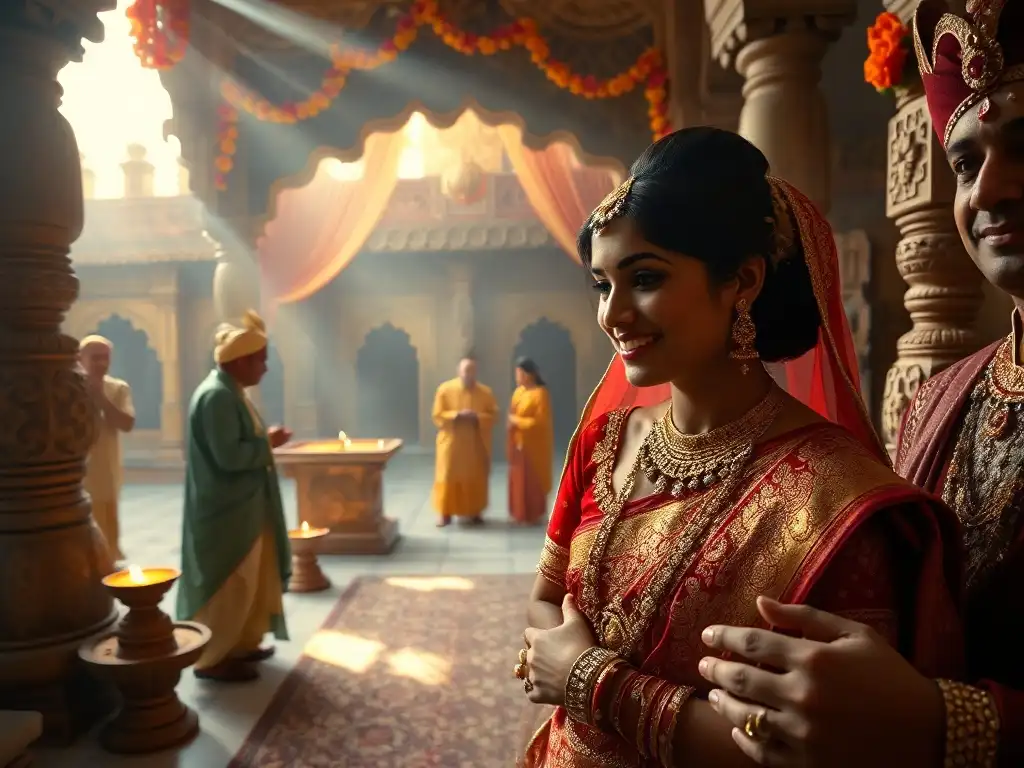
Welcome to Ancient India History, where we embark on a fascinating journey through the rich tapestry of ancient Indian civilizations. Today, we delve into the spiritual significance of marriage in ancient India, a topic that reveals profound insights into the values and beliefs that shaped daily life and society. Discover how the sacred union of marriage was not merely a social contract but a deeply spiritual bond, intricately woven into the cultural fabric of the time. Are you ready to uncover the mysteries and traditions that defined this pivotal aspect of ancient life? Let’s explore together!
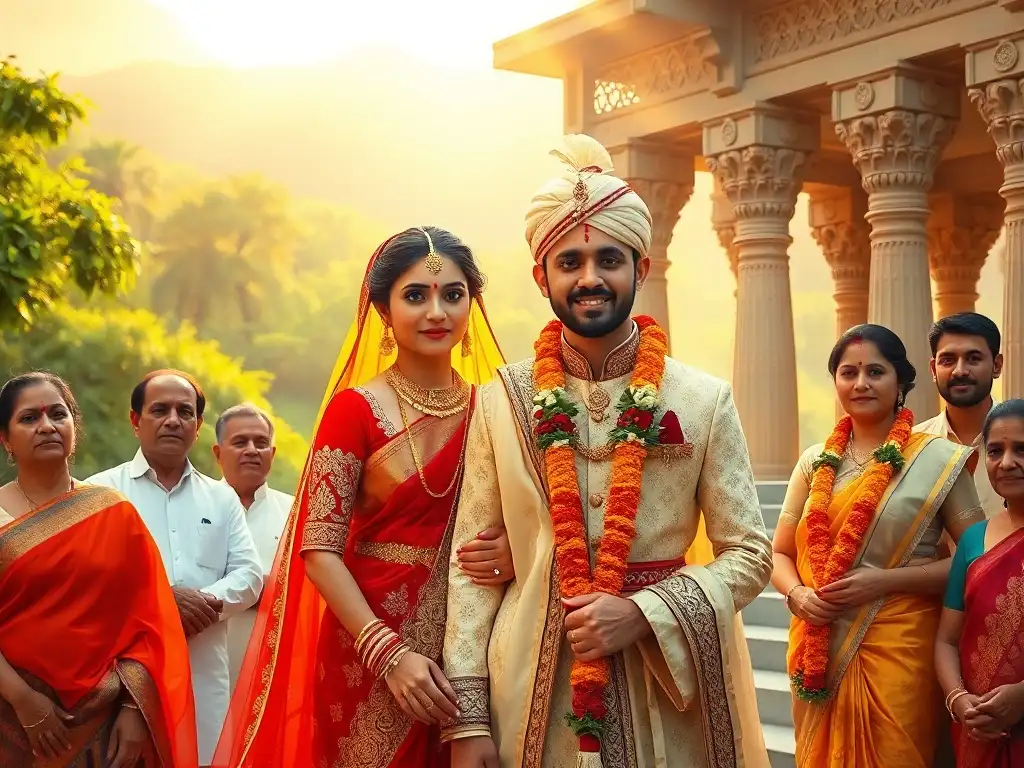
Introduction to the Spiritual Significance of Marriage in Ancient India
Marriage in ancient India was more than just a social contract; it was a profound spiritual union that intertwined the lives of individuals and their families. The sacredness attributed to marriage reflects the intricate relationship between personal devotion and societal duty, where the individual’s spiritual journey is deeply connected to their marital bond.
Understanding the spiritual significance of marriage in ancient India requires an exploration of how this institution was viewed within the broader context of daily life, family structures, and religious beliefs. This article delves into the essence of marriage as a sacred union, examining its implications for the individuals involved and the society at large.
Overview of Marriage in Ancient Civilizations
In ancient civilizations, marriage served as a cornerstone of social structure. It was not merely a personal affair but a crucial element in maintaining social order and continuity. In India, marriage was often seen as a duty that individuals owed to their families, community, and, importantly, to the divine. The various forms of marriage, including arranged marriages and those based on mutual consent, were influenced by cultural, economic, and spiritual considerations.
- Types of Marriage:
- Arranged marriages
- Love marriages
- Group marriages
- Cultural Influences:
- Regional variations
- Religious doctrines
- Social stratification
The significance of marriage extended beyond individual couples; it was a means of forming alliances between families and clans, thus reinforcing social ties and ensuring the continuation of lineage.
Importance of Spirituality in Daily Life
Spirituality permeated every aspect of life in ancient India, shaping not just personal beliefs but also societal norms and practices. Rituals, prayers, and ceremonies played a vital role in daily life, with marriage being one of the most prominent events that required spiritual intervention.
- Daily Spiritual Practices:
- Ritualistic prayers and offerings
- Festivals celebrating marital unions
- The role of priests and spiritual leaders
In this context, marriage was viewed as a sacred duty, where the couple was expected to fulfill their spiritual obligations, not just to each other, but to their families and the divine. The union was celebrated with elaborate rituals intended to invoke blessings and ensure harmony in both personal and spiritual realms.
The Concept of Marriage in Ancient Indian Culture
Definition and Purpose of Marriage in Ancient India
The concept of marriage in ancient India transcended mere companionship; it was a multifaceted institution imbued with religious, social, and economic significance. Marriage was often defined as a sacred duty (dharma) that individuals were expected to fulfill, serving to uphold family honor and societal stability.
- Key Purposes of Marriage:
- Continuation of lineage (putra-kāma)
- Spiritual growth and fulfillment (moksha)
- Social and economic alliances
Marriage was considered a samskara (sacrament) that marked the transition into a new phase of life, with specific rituals designed to sanctify the union. The spiritual purpose of marriage extended beyond procreation, aiming for the holistic development of individuals within the structure of family life.
The Role of Dharma in Marriage
Central to the understanding of marriage in ancient India is the concept of dharma, which represents moral order and duty. In the context of marriage, dharma outlines the responsibilities and expectations of both partners, forming the ethical backbone of their relationship.
- Dharma in Marriage:
- Mutual respect and support
- Upholding family values and traditions
- Spiritual partnership in fulfilling life's duties
The adherence to dharma not only strengthened the marital bond but also ensured that the union contributed positively to the larger community. By aligning personal and spiritual goals with societal expectations, couples were believed to achieve a harmonious existence, both in this life and beyond.
This exploration of marriage and spirituality in ancient India highlights the intricate tapestry of beliefs and practices that defined this sacred institution. As we delve deeper into the specific aspects of marriage, we will uncover more about its spiritual significance and its lasting impact on Indian society.
Spiritual Beliefs Surrounding Marriage
Marriage in ancient India was not merely a social contract; it was deeply intertwined with spirituality and religious beliefs. The sanctity of marriage was believed to transcend the physical union, representing a divine bond between two souls. This sacred union was often seen as a means to fulfill one's dharma (duty) and achieve spiritual growth. The spiritual significance of marriage in ancient India encompassed various dimensions, including the idea of samsara (the cycle of birth and rebirth) and the pursuit of moksha (liberation from the cycle of life).
In ancient Indian society, marriage was viewed as a partnership that went beyond individual desires. The union was thought to be preordained by the cosmos, where astrological compatibility played a crucial role. The spiritual dimension of marriage was emphasized through rituals and practices that sought blessings from deities, ensuring that the couple would lead a harmonious life together, fulfilling both worldly and spiritual aspirations.
Connection Between Marriage and Religious Practices
Marriage in ancient India was closely linked to various religious practices and ceremonies that invoked divine blessings. It was common for couples to engage in rituals that honored gods and goddesses, seeking their approval and auspiciousness for the union. These practices included offerings and prayers during significant life events, such as sankalpa (the intention-setting ceremony), which affirmed the couple's commitment to one another and their spiritual journey.
Moreover, marriage was often considered a duty towards family and society, where the couple would not only fulfill their personal aspirations but also contribute to the greater community. The interconnectedness of marital unions with religious practices reinforced the belief that marriage was a path to spiritual fulfillment, aligning personal growth with the larger cosmic order.
Marriage as a Sacrament (Samskara) in Hinduism
In Hinduism, marriage is regarded as one of the significant samskaras, or sacraments, representing a sacred rite of passage. It is believed that through marriage, individuals are initiated into a higher spiritual existence. The samskara of marriage includes various rituals that sanctify the union, such as kanyadaan (the giving away of the bride), which symbolizes the transfer of responsibility and blessings from the parents to the groom.
This sacramental view of marriage highlights the importance of commitment and the vows exchanged during the ceremony, which are seen as sacred promises not only to each other but also to the divine. It emphasizes the idea that marriage is a lifelong journey where both partners support each other's spiritual and personal growth, fostering a union that is both worldly and transcendental.
Influence of Vedic Texts on Marriage Rituals
The Vedic texts play a pivotal role in shaping the marriage rituals and customs observed in ancient India. These texts outline various duties and responsibilities of both partners, providing a framework for the marital relationship. The Rigveda, one of the oldest sacred texts, contains hymns that celebrate the union of a husband and wife, emphasizing love, fidelity, and mutual respect.
Additionally, the Dharmashastras, ancient legal texts, codified the norms surrounding marriage, including the importance of caste, dowry, and the roles of family members in the marriage process. These texts served as a guide for ensuring that marriages conformed to societal and spiritual expectations, thus reinforcing the belief that marriage was not only a personal choice but also a sacred obligation.
Rituals and Customs Signifying Spiritual Union
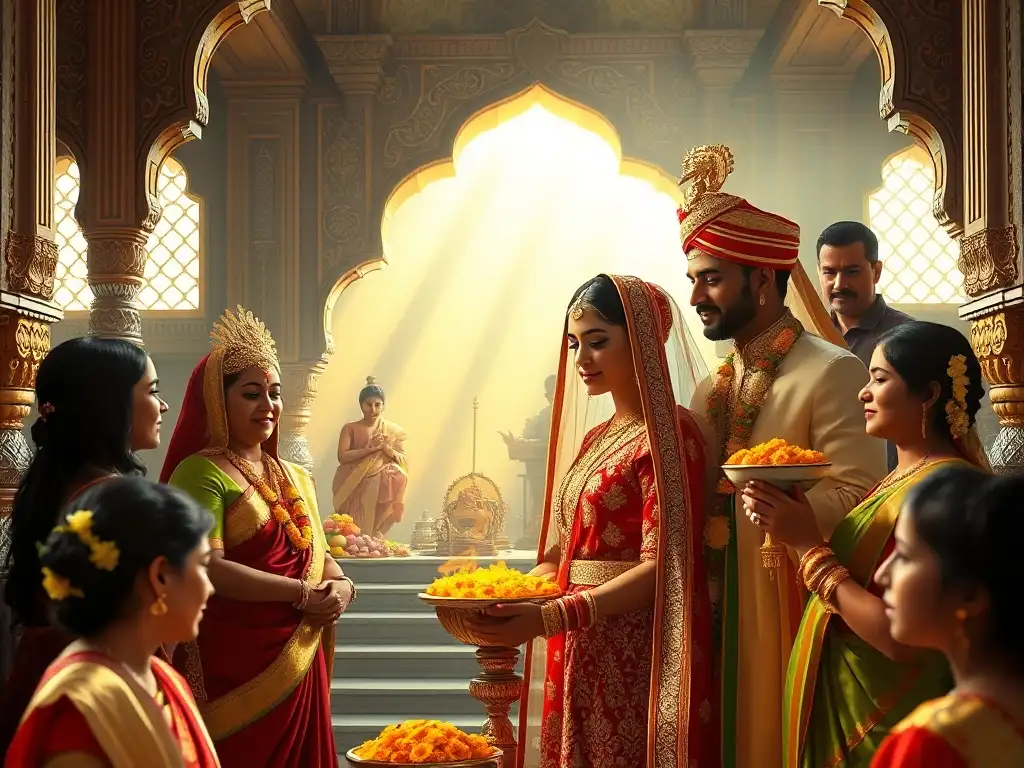
Rituals and customs surrounding marriage in ancient India were rich in symbolism and spiritual significance. Each ritual was designed to invoke blessings, purify the couple, and ensure their union was blessed by deities. These practices varied across regions and communities but often shared common themes reflecting the sacred nature of marriage.
Pre-Wedding Rituals and Their Spiritual Importance
Pre-wedding rituals, such as mehendi (henna application) and sangeet (musical celebration), served to prepare the couple spiritually and emotionally for the union. These rituals not only brought families together but also invoked divine blessings. For example, the mehendi ceremony is believed to symbolize the love and prosperity that the bride will bring to her new home, while the sangeet promotes joy and togetherness among the families.
Additionally, an important pre-wedding rite is Grah Shanti, a ceremony performed to ward off negative energies and ensure a harmonious environment for the marriage. These rituals emphasize the spiritual readiness of the couple and their families, reinforcing the belief that a successful marriage requires both physical and spiritual alignment.
Wedding Ceremony: A Sacred Rite
The wedding ceremony itself is a profound expression of the spiritual significance of marriage. The saat phere (seven circumambulations) around the sacred fire symbolizes the couple's commitment to each other and their journey together. Each round represents a specific vow, encompassing aspects such as loyalty, companionship, and the mutual promise to support one another through life's challenges.
The presence of the sacred fire, or agni, during the ceremony is crucial, as it is considered a witness to the vows taken by the couple. The fire symbolizes purity and the divine, emphasizing that the union is not just between two individuals but also a partnership blessed by the divine presence.
Post-Wedding Customs and Their Spiritual Significance
Post-wedding customs are equally important in highlighting the spiritual dimensions of marriage. Rituals such as Griha Pravesh (the bride's entry into her new home) and Punar Prapti (the welcome ceremony) symbolize the beginning of the couple's shared life and the blessings they receive from their families and ancestors.
These customs often involve invoking family deities and seeking their blessings for the couple's future together. By integrating traditional practices with spiritual significance, these post-wedding rituals reinforce the idea that marriage is a sacred journey that requires continual commitment to each other and to their spiritual growth.
Overall, the rituals and customs surrounding marriage in ancient India serve as a testament to the profound spiritual significance attributed to this sacred union, reflecting the deep-rooted belief that marriage is a vital aspect of human existence, connecting individuals not only to each other but also to the divine.
The Role of Deities and Divine Blessings in Marriage
In ancient India, marriage was not merely a social contract but a sacred union imbued with spiritual significance. The blessings of deities played a crucial role in ensuring the sanctity and success of this lifelong commitment. Families would invoke divine favor through rituals and prayers, inviting deities to bless the union and protect the couple from any adversities. This sacred aspect of marriage was deeply rooted in the belief that the union was not just between two individuals but also a joining of their respective families and a communion with the divine.
The spiritual significance of marriage in ancient India was often reflected in the various rituals performed during weddings. These rituals were seen as a means of aligning the couple with cosmic forces, ensuring that their union was blessed by the gods. The idea was that by incorporating divine blessings, the couple's relationship would flourish, leading to both personal happiness and societal stability.
Worship of Specific Deities for Marital Bliss
Different deities were worshipped for specific aspects of marital happiness and fulfillment. For instance, Goddess Parvati, revered as the embodiment of marital bliss and devotion, was often worshipped by brides and their families. Couples would also seek the blessings of Lord Shiva, who embodies the ideal husband, to ensure harmony and strength in their relationship.
The practice of invoking deities extended to various stages of marriage, from the engagement ceremony to the post-wedding rituals. Families would perform pujas (ritualistic prayers) dedicated to these deities, often including offerings of flowers, fruits, and sweets. This worship was not just a formality but a heartfelt appeal for divine guidance in navigating the complexities of married life.
Significance of Ritual Offerings and Prayers
Ritual offerings and prayers held immense significance in ancient Indian marriages. These practices were believed to create a spiritual bond between the couple and the divine, reinforcing the sanctity of their union. Offerings often included symbolic items such as rice, turmeric, and ghee, which were considered purifying and auspicious.
The chanting of mantras and recitation of sacred texts during these rituals served to invoke positive energies and blessings from the universe. Such spiritual practices were integral to creating an atmosphere of sanctity and devotion, allowing the couple to embark on their marital journey with divine support. By engaging in these rituals, families expressed their faith in the divine order, trusting that the gods would ensure the couple's well-being and happiness.
The Impact of Marriage on Family and Society
Marriage in ancient India was foundational to both family structure and societal dynamics. It was viewed as a societal institution that not only united two individuals but also their families, thereby fostering community ties and social cohesion. The significance of marriage extended beyond personal relationships, influencing the broader social framework.
The spiritual significance of marriage was often highlighted in the context of family lineage and heritage. By marrying, individuals were seen as fulfilling their dharma (duty) to their families, ensuring the continuation of family traditions and values. This aspect of marriage reinforced the importance of social responsibilities, as individuals were expected to contribute to the welfare of their families and society at large.
Marriage as a Foundation of Family Structure
Marriage served as the cornerstone of family structure in ancient India. It was through marriage that families were formed, and lineage was established, creating a network of relationships that defined social roles and responsibilities. The institution of marriage facilitated the transfer of wealth, property, and cultural values from one generation to the next, ensuring the stability and continuity of family units.
In many ancient texts, marriage is portrayed as a sacred duty, where the husband and wife are partners in fulfilling their familial roles. This partnership was believed to foster mutual respect, understanding, and support, essential for maintaining harmony within the family. The spiritual significance of marriage also implied that this union was divinely ordained, further solidifying its importance within society.
Spirituality and Social Harmony Through Marriage
The interconnectedness of spirituality and social harmony in the context of marriage cannot be overstated. In ancient India, marriage was not just a personal commitment but a societal obligation that contributed to the stability and harmony of communities. This was rooted in the belief that harmonious marriages would lead to peaceful families, which in turn would foster a balanced society.
Rituals and ceremonies associated with marriage reinforced social bonds and promoted cooperation among families. The participation of community members in wedding celebrations was indicative of collective support for the union, highlighting the communal aspect of marriage. Through shared rituals and celebrations, individuals were reminded of their interconnectedness and responsibilities towards each other, thereby enhancing social cohesion.
The spiritual significance of marriage in ancient India transcended the personal realm, establishing a framework for family and societal interactions. It underscored the belief that a harmonious marriage was essential for personal fulfillment and societal well-being, making it a vital aspect of daily life and culture in ancient Indian civilizations.
Comparative Analysis of Marriage Practices in Ancient India
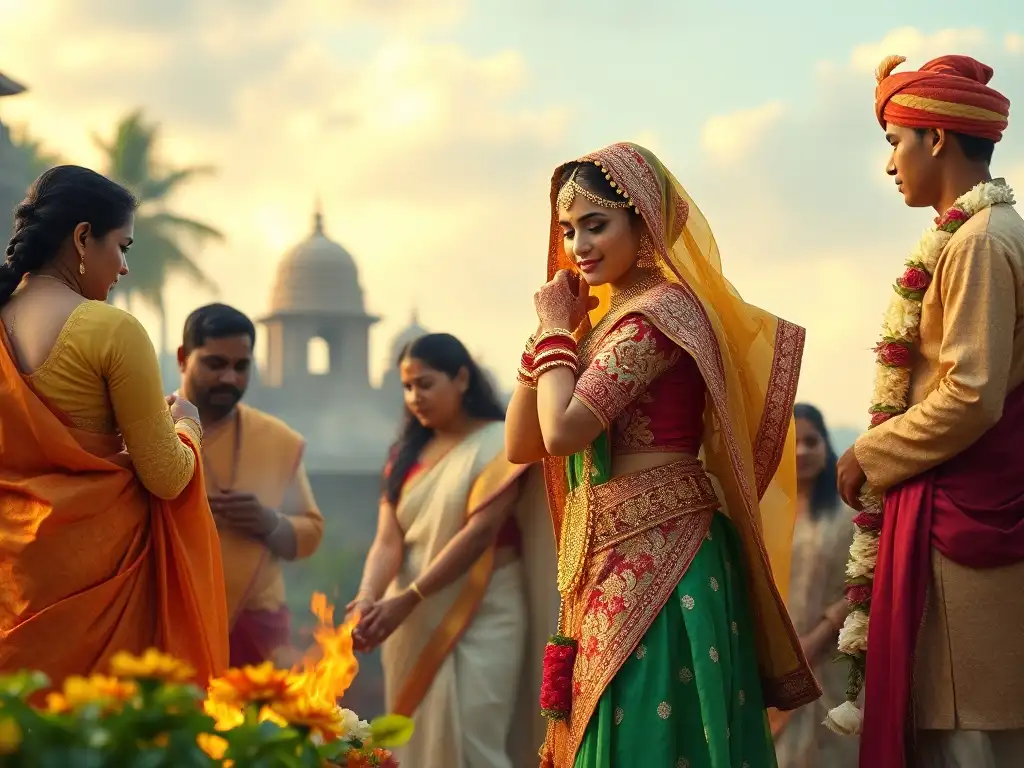
Marriage in ancient India was not merely a social contract but rather a significant spiritual union that varied across regions and cultures. This diversity in marriage practices reflects the rich tapestry of traditions that flourished in various parts of the subcontinent. As a fundamental institution, marriage played a crucial role in maintaining societal order, ensuring lineage continuity, and fostering community ties.
The spiritual significance of marriage was deeply rooted in ancient texts such as the Vedas and the Dharmashastras, which outlined various rituals and responsibilities associated with marital life. These texts emphasized the sanctity of marriage, often depicting it as a sacred duty that transcended personal desires. Each region had its unique customs, influenced by local beliefs, economic conditions, and the prevailing socio-political environment. A comparative analysis reveals both commonalities and distinct practices that defined marriage in ancient India.
Marriage Practices Across Different Regions of Ancient India
Ancient India was characterized by a multitude of cultures, each with specific marriage rituals and customs. In the northern regions, marriages often involved elaborate ceremonies with significant emphasis on family lineage, as seen in the Kshatriya and Brahmin communities. The practice of Swayamvara, where a bride chose her groom from a group of suitors, was prominent among royal families, highlighting the agency of women in marital choices.
In contrast, southern India had distinct marriage customs, where the concept of kanyadaan (the giving away of the bride) carried immense spiritual weight. The rituals involved in a Tamil wedding, for instance, included the Mangalya Dharanam, which symbolized the bride's transition into her new role as a wife, imbued with spiritual significance.
Eastern India showcased practices that emphasized kinship ties and community involvement, such as the Brahmin and Kayastha traditions, which incorporated various rituals invoking blessings from ancestors. Meanwhile, the western region, particularly among the Rajputs, was characterized by elaborate celebrations and a strong focus on honor and family prestige.
This regional diversity illustrates how local customs and beliefs shaped the understanding and practice of marriage, all while intertwining with the overarching spiritual significance attributed to the institution.
Influence of Other Cultures on Indian Marriage Traditions
The spiritual significance of marriage in ancient India was also influenced by interactions with other cultures. Trade, invasions, and migrations brought various foreign customs that blended with indigenous practices. For instance, the arrival of Persian and Central Asian influences during the medieval period introduced new elements into Indian marriage traditions, such as the concept of nikah and certain customs surrounding dowries.
Moreover, the spread of Buddhism and Jainism challenged existing marriage norms, advocating for simpler ceremonies and less emphasis on materialism. These philosophies contributed to a broader understanding of marriage, emphasizing respect, love, and spiritual partnership over mere social obligation.
Through these interactions, ancient Indian marriage practices evolved, reflecting a synthesis of spiritual beliefs and cultural customs. This adaptability ensured that marriage remained a relevant institution, capable of embodying the values of love, duty, and spirituality across different eras.
Conclusion: The Enduring Spiritual Significance of Marriage in Ancient India
The legacy of marriage in ancient India is rich with spiritual connotations that continue to resonate today. Marriages were viewed as sacred unions that bound not only the couple but also their families and communities. The rituals associated with marriage were steeped in symbolism, often invoking deities and ancestors to bless the couple's journey together.
Reflection on the Legacy of Ancient Marriage Practices
The practices of ancient Indian marriages have left a lasting imprint on contemporary society. Many of the rituals, such as pheras (circling the sacred fire) and saat phere (seven vows), are still integral to modern weddings, reinforcing the spiritual significance attributed to these ceremonies. The emphasis on family involvement and communal support in marriages continues to be a defining feature of Indian culture.
Moreover, the philosophical underpinnings of marriage as a spiritual journey resonate with many today. The ancient understanding of marriage as a partnership that nurtures growth and mutual respect remains a guiding principle for couples seeking harmony in their relationships.
The Relevance of Spirituality in Modern Marriages
In an era where individualism is on the rise, the spiritual significance of marriage in ancient India offers valuable insights for contemporary couples. Many are rediscovering the importance of spiritual connections within marriages, seeking deeper meaning beyond mere companionship.
Modern marriages are increasingly incorporating traditional rituals that highlight the spiritual bond, fostering a sense of unity and shared purpose. This revival signifies a collective desire to blend ancient wisdom with contemporary values, ensuring that the essence of marriage as a sacred union remains relevant in today's world.
As we reflect on the historical significance of marriage in ancient India, it is clear that its spiritual dimensions continue to inspire and shape the institution, making it an enduring aspect of human experience.
References
The spiritual significance of marriage in ancient India is deeply rooted in various texts, traditions, and practices that have evolved over millennia. To fully understand this intricate tapestry, exploring a range of scholarly resources is essential. Below are some recommended readings and key texts that delve into the nuances of marriage and its spiritual dimensions in ancient Indian culture.
Suggested Readings on Ancient Indian Marriage and Spirituality
-
"The Marriage of Tradition and Modernity in India" by R. K. Sharma
This book examines how ancient marriage customs have adapted over time while maintaining their spiritual essence. The author highlights the ways in which traditional practices continue to influence contemporary marriage in India.
-
"Sacred Unions: The Role of Marriage in Hindu Society" by Aditi Banerjee
Aditi Banerjee's work offers insights into the sacred nature of marriage within Hinduism, focusing on rituals and their spiritual implications. The book provides an analysis of how these rituals serve to sanctify the marital bond.
-
"Women and Marriage in Ancient India" by Meena Kumar
This scholarly piece discusses the roles and expectations of women in marriage during ancient times, highlighting their spiritual responsibilities and the significance of their contributions to family and society.
-
"The Concept of Dharma in Marriage" by Surya Prakash
Surya Prakash explores the philosophical underpinnings of marriage in the context of dharma (righteous duty), illustrating how this concept intertwines with spiritual beliefs and practices.
-
"Rituals of Marriage in Ancient India" by Vinay Gupta
This book provides a comprehensive analysis of the various rituals associated with marriage in ancient India, discussing their significance and the spiritual beliefs that underpin them.
Key Texts on the Spiritual Significance of Marriage in Ancient India
-
The Vedas
The oldest sacred texts of Hinduism, the Vedas contain numerous hymns and rituals related to marriage. They emphasize the divine nature of the union and the responsibilities of both partners.
-
The Manusmriti
This ancient legal text lays out the duties and roles of spouses within the context of marriage, presenting it as a sacred duty that upholds societal and cosmic order.
-
The Mahabharata
This epic includes various stories and teachings that highlight the spiritual significance of marriage, including the concept of Grihastha (householder) as a vital stage in life.
-
The Ramayana
The narrative of Rama and Sita provides an archetype of ideal marriage, demonstrating devotion, duty, and the spiritual bond between partners.
-
The Bhagavad Gita
While primarily a philosophical text, the Gita discusses the importance of duty and righteousness in all aspects of life, including marriage, reinforcing its spiritual significance.
These texts and readings collectively offer a profound understanding of the spiritual significance of marriage in ancient India, illustrating how it has been perceived as a sacred union that transcends mere social contract and embodies deeper spiritual truths.
- Introduction to the Spiritual Significance of Marriage in Ancient India
- The Concept of Marriage in Ancient Indian Culture
- Spiritual Beliefs Surrounding Marriage
- Rituals and Customs Signifying Spiritual Union
- The Role of Deities and Divine Blessings in Marriage
- The Impact of Marriage on Family and Society
- Comparative Analysis of Marriage Practices in Ancient India
- Conclusion: The Enduring Spiritual Significance of Marriage in Ancient India
- References
- What was the spiritual significance of marriage in ancient India?
- How did ancient Indian texts describe the marriage ceremony?
- What role did marriage play in the social structure of ancient Indian society?
- Were there specific deities associated with marriage in ancient Indian culture?
- How did the concept of marriage evolve in ancient Indian civilizations?
Frequently Asked Questions
What was the spiritual significance of marriage in ancient India?
In ancient India, marriage was viewed as a sacred union that transcended mere social contract, embodying spiritual growth and the fulfillment of dharma.
How did ancient Indian texts describe the marriage ceremony?
Ancient texts like the Vedas and Smritis detail rituals that emphasize the divine nature of marriage, including saat phere (seven circumambulations) to symbolize commitment and unity.
Marriage was crucial for maintaining family lineage and social hierarchy, serving as a means to forge alliances and ensure the continuity of varna (social classes).
Were there specific deities associated with marriage in ancient Indian culture?
Yes, deities like Goddess Parvati and Lord Shiva were often invoked during marriage rituals, symbolizing the divine union and the sacred bond between partners.
How did the concept of marriage evolve in ancient Indian civilizations?
Over time, the concept of marriage expanded beyond just a sacred union, incorporating elements of political alliances and economic partnerships, especially during the Maurya and Gupta empires.
Final Reflection: The Enduring Spiritual Significance of Marriage in Ancient India
The exploration of the spiritual significance of marriage in ancient India reveals a profound connection between the sacred and the secular that remains relevant today. In a world where relationships often seem transactional, the ancient Indian perspective invites us to reconsider marriage as a divine union, a partnership that transcends mere social contract and embodies spiritual growth. This understanding encourages us to seek deeper connections in our own lives, reminding us that love and commitment are not just personal choices, but sacred responsibilities.
Culture and spirituality are inextricably linked, and the rituals and beliefs surrounding marriage in ancient India continue to resonate in contemporary society. The teachings of ancient texts and traditions remind us that marriage is not only a union of two individuals but a sacred journey towards self-realization and mutual enlightenment. As the philosopher Swami Vivekananda once said, The ideal of marriage is not merely to live together, but to grow together.
This sentiment captures the essence of how ancient practices can guide modern relationships, emphasizing the importance of spiritual growth alongside emotional and physical intimacy.
As you reflect on the lessons of this article, I invite you to consider how the spiritual significance of marriage can influence your own relationships. Embrace the idea that every partnership is an opportunity for growth, understanding, and deeper connection. Whether you are married, in a partnership, or seeking a meaningful relationship, let the wisdom of ancient India inspire you to cultivate a bond that honors both the sacred and the everyday, fostering a union that uplifts and transforms both partners.
Embrace the Sacred Journey of Marriage!
Thank you for exploring the profound connection between marriage and spirituality in ancient India! Your interest in this sacred union not only deepens your understanding but also enriches your own relationships. Now that you’ve delved into this timeless wisdom, here are a few inspiring ways to take your journey further:
- Reflect on your own marriage: Consider how you can cultivate a deeper spiritual connection with your partner. You might try engaging in daily reflections together or exploring shared spiritual practices that resonate with both of you.
- Join a discussion group: Seek out communities or online forums where you can exchange insights on spirituality and relationships. Engaging with others can provide fresh perspectives and foster a sense of community.
- Explore ancient teachings: Delve into literature or resources related to the spiritual traditions of ancient India. This can enhance your knowledge and positively influence the dynamics of your relationship.
What unique practices do you believe can bring more spirituality into your marriage? We would love to hear your thoughts in the comments below!