
Modern Interpretations of Ancient Indian Family and Marriage Practices

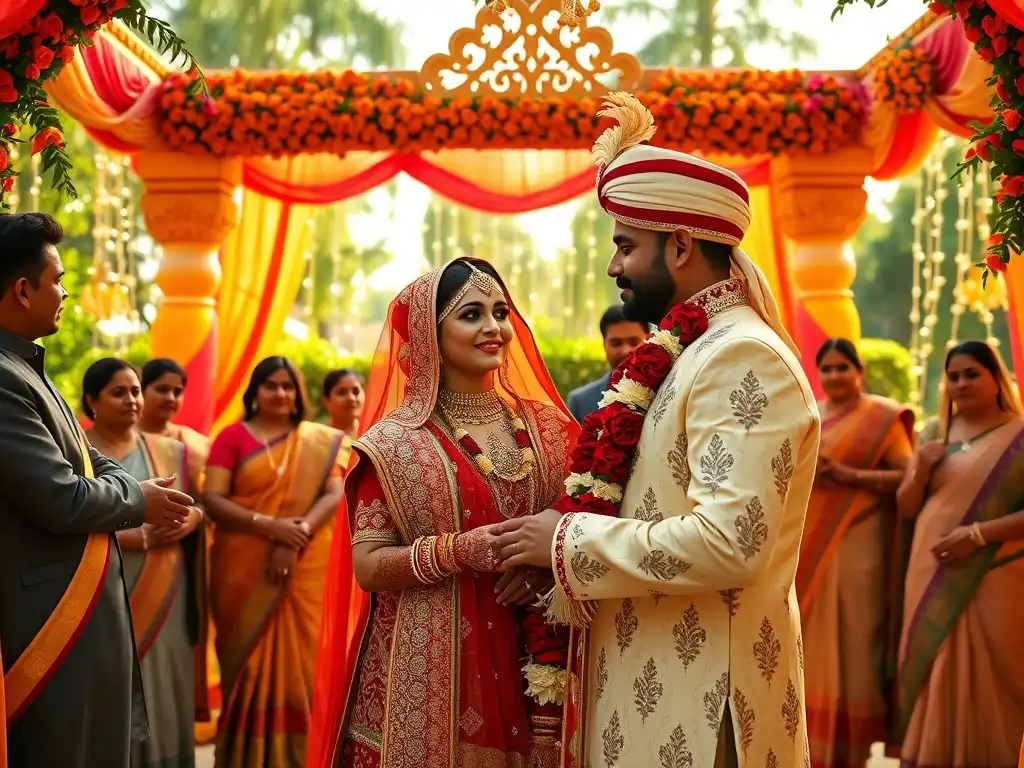
Welcome to Ancient India History, where we invite you to embark on a fascinating journey through the rich tapestry of India's past. In our latest article, we delve into the intriguing world of Ancient Indian family marriage practices, exploring how these traditions have shaped modern interpretations and societal norms. From the elaborate ceremonies of the Indus Valley to the influential customs of the Gupta Empire, the legacy of these practices offers profound insights into daily life and society.
Are you ready to uncover the secrets of love, union, and familial bonds that have stood the test of time? Dive in and discover the captivating stories that await you!
Introduction to Ancient Indian Family and Marriage Practices
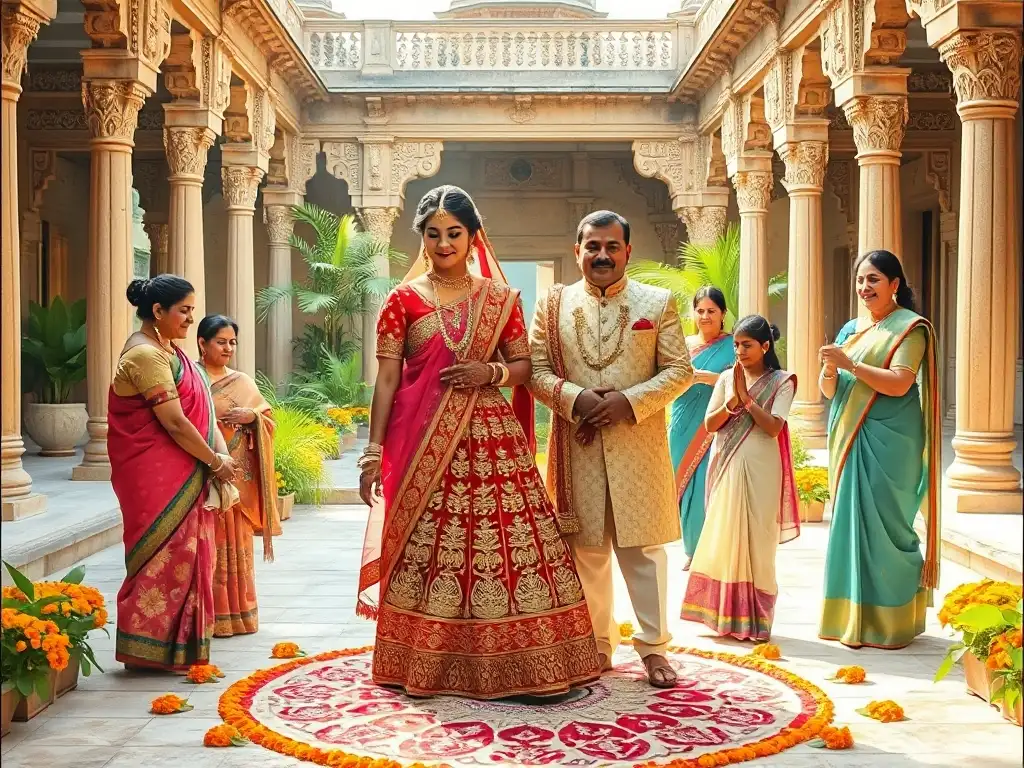
The exploration of Ancient Indian family marriage practices reveals a complex and richly woven tapestry of social norms, traditions, and customs that have significantly shaped the fabric of Indian society. From the early days of the Indus Valley Civilization to the flourishing Gupta Empire, family and marriage have played a pivotal role in societal structure and cultural identity.
The understanding of these practices not only sheds light on the ancient way of life but also influences contemporary interpretations and adaptations of family dynamics in modern India. As we delve into the historical nuances and significance of these practices, we uncover their relevance in today's rapidly changing social landscape.
Overview of Family Structures in Ancient India
Family structures in ancient India were primarily patriarchal, with an emphasis on joint families where several generations lived together. This system fostered strong familial bonds and collective responsibilities. Here are some key aspects of family structures during this period:
- Joint Family System: Extended families consisting of parents, children, and other relatives played a crucial role in social cohesion.
- Roles within the Family:
- Patriarch: The eldest male member held authority over family matters.
- Matriarch: Women managed household affairs and were responsible for the upbringing of children.
- Inheritance and Property: Land and wealth were typically passed down through male lineage, influencing social status and family dynamics.
This structure not only facilitated cooperation and resource sharing but also reinforced social hierarchies.
Significance of Marriage in Ancient Indian Society
Marriage in ancient India was more than a union between two individuals; it served as a vital institution that upheld societal norms and values. Its significance can be understood through several dimensions:
- Cultural Continuity: Marriage was considered a sacrament (samskara) that ensured the continuation of family lineage and cultural heritage.
- Social Alliances: Marriages often forged alliances between families, enhancing social status and strengthening community ties.
- Religious Obligations: Many rituals were performed during marriage ceremonies, binding the couple not only to each other but also to their families and society at large.
The sanctity attached to marriage reflects the depth of its impact on the social fabric of ancient India.
Historical Context of Family and Marriage in Ancient India
Understanding the historical context of family and marriage practices in ancient India is essential to grasp their evolution and significance.
Key Texts and Scriptures Influencing Family Practices
Ancient Indian society was deeply influenced by sacred texts and scriptures that outlined various aspects of family life and marriage. Prominent texts include:
- Vedas: These ancient scriptures provided guidelines on rituals and the roles of family members.
- Smritis: Texts like the Manusmriti laid down laws regarding marriage, inheritance, and family structure.
- Puranas: Mythological accounts often illustrated ideal family dynamics and moral lessons.
These texts played a crucial role in shaping societal expectations and norms related to family and marriage.
Evolution of Marriage Customs through Different Eras
The customs surrounding marriage in ancient India evolved significantly across different eras, reflecting changes in society, economy, and culture:
- Vedic Period: Marked by the practice of Brahma marriage, where marriages were based on mutual consent and familial approval.
- Post-Vedic Era: Introduction of various forms of marriage, including Gandharva (love marriage) and Asura (purchase marriage).
- Medieval Period: Rise of dowry systems and increased stratification within society, impacting marriage practices.
Each era introduced shifts in customs and practices, adapting to the socio-political climate of the time.
This comprehensive overview sets the stage for a deeper exploration of the intricate family and marriage practices of ancient India, providing insights into their enduring legacy in modern interpretations.
Core Elements of Ancient Indian Family Structures
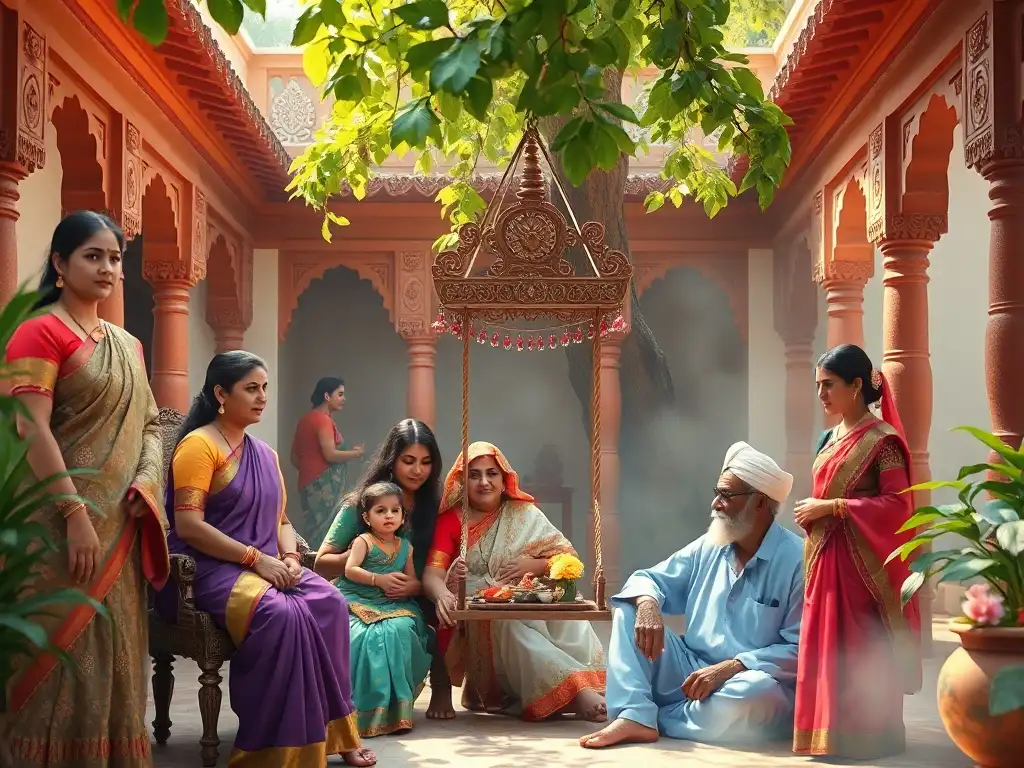
Ancient Indian family structures were characterized by their complexity and diversity, fundamentally shaping social interactions and community life. The family served not only as a basic social unit but also as the primary economic unit, where members relied on one another for support, labor, and resources. Joint families, often comprising multiple generations living under one roof, were common, fostering a sense of collective responsibility and mutual support. This structure reinforced social hierarchy and the transmission of cultural values.
Additionally, the notion of dharma, or duty, was pivotal in defining familial roles. Each member had specific responsibilities aligned with their age and gender, which reinforced the family’s cohesion and stability. The family's influence extended beyond individual households, impacting broader community dynamics. Thus, the ancient Indian family was not merely a personal unit but a critical component of the societal framework, reflecting and perpetuating cultural norms and practices.
Roles and Responsibilities within the Family Unit
Within ancient Indian families, roles were distinctly defined, often based on gender and generational hierarchy. Men typically assumed the role of the breadwinners, responsible for external affairs, including trade and governance. They were seen as the protectors and decision-makers, tasked with upholding family honor and legacy.
Conversely, women held significant responsibilities within the household. They managed domestic duties, including cooking, raising children, and maintaining the home. In many cases, women also engaged in economic activities, particularly in agrarian societies, contributing to the family’s sustenance. Their roles, while often relegated to the private sphere, were crucial for the family's survival and well-being.
Elders in the family, particularly grandparents, were revered for their wisdom and experience. They played a key role in decision-making processes and the education of younger generations, ensuring the transmission of cultural values and traditions. This intricate web of roles and responsibilities created a balanced dynamic that was essential for the family’s functionality in ancient India.
Patrilineal vs. Matrilineal Systems in Ancient India
The family structure in ancient India was predominantly patrilineal, where lineage and inheritance were traced through the male line. This system emphasized the importance of sons, who were expected to carry on the family name and legacy. Daughters, on the other hand, were often seen as temporary members of their natal families, as they would eventually marry and join their husbands' families.
However, there were also instances of matrilineal systems, particularly among certain communities in southern and northeastern India. In these societies, descent and inheritance were traced through women, allowing daughters to inherit property and maintain familial ties with their maternal relatives. This duality in family systems illustrates the diversity of ancient Indian society, where regional and cultural variations significantly influenced family structures and practices.
Ancient Indian Marriage Practices
Marriage in ancient India was more than a personal union; it was a social contract that served to strengthen familial ties and establish alliances between families. Marriages were often arranged by families, emphasizing the collective over the individual. The choice of a spouse was influenced by various factors, including social status, caste, and economic considerations.
Types of Marriages in Ancient India
There were several recognized types of marriages in ancient India, each reflecting different social norms and practices:
- Brahma Marriage: The most respected form, where the bride's father gives her away to the groom, often accompanied by rituals and gifts.
- Daiva Marriage: In this type, the bride is given to a priest as a form of religious duty, usually during a sacrifice.
- Arsha Marriage: Involving the exchange of a cow or money for the bride, this type was often seen as a transaction.
- Gandharva Marriage: A love marriage, where the couple elopes based on mutual affection, without parental consent.
- Kanya Daan Marriage: Highlighting the practice of giving away a daughter, which symbolizes her transition from one family to another.
Each type of marriage carries its own implications and reflects the complexities of relationships in ancient Indian society.
Rituals and Ceremonies Associated with Marriage
Marriages in ancient India were marked by elaborate rituals and ceremonies, each steeped in cultural significance. The saat phere (seven circles) around a sacred fire symbolized the couple's commitment to each other and their vows to live together in harmony. Kanya Daan, the ritual of giving away the bride, was a poignant moment that underscored the family's involvement in the marriage.
Other important rituals included Mehendi, where intricate designs were applied to the bride's hands and feet, symbolizing joy and auspiciousness. The Saptapadi, or the seven steps, taken by the couple during the ceremony, represented their journey together and the promises made to each other.
These rituals not only emphasized the sanctity of marriage but also reinforced social bonds, ensuring that the institution of marriage was celebrated with respect and reverence within the community. The rich tapestry of rituals associated with ancient Indian marriages continues to influence contemporary practices, illustrating the enduring legacy of these traditions.
Modern Interpretations of Ancient Indian Family and Marriage Practices
The family and marriage practices of ancient India have left an indelible mark on contemporary Indian society. Modern interpretations often reflect a blend of traditional values and contemporary dynamics. While ancient customs laid the foundation for familial structures, modern families are adapting these practices to fit current social contexts. This evolution is not merely a departure from the past; rather, it embodies a transformation that respects historical significance while addressing the realities of today’s world.
For instance, the joint family system, which was prevalent in ancient times, has seen a shift towards nuclear families. However, elements such as respect for elders and close-knit family ties remain strong, demonstrating a continuity of values. Furthermore, many modern marriages still incorporate rituals and customs from ancient traditions, albeit with modifications that align with contemporary sensibilities.
Influence of Ancient Practices on Contemporary Family Structures
Ancient Indian family structures, particularly the joint family system, have significantly influenced modern family dynamics. In ancient times, families often consisted of multiple generations living under one roof, sharing resources and responsibilities. This model fostered close relationships and a strong sense of community.
Today, while the nuclear family has become more common, many Indian families still value the principles of collective support and interdependence. For example, it is not uncommon for families to come together during festivals or significant life events, reflecting the ancient practice of community bonding. Moreover, the emphasis on familial duty and respect for elders continues to shape the moral and ethical frameworks within contemporary family structures.
Adaptations of Marriage Customs in Modern India
Marriage customs in modern India have evolved, incorporating ancient traditions while adapting to contemporary societal norms. While arranged marriages remain prevalent, there is a noticeable shift towards love marriages, reflecting changes in individual autonomy and choice.
The influence of technology and social media has also transformed how individuals meet and marry. Online matrimonial services are now common, allowing people to connect across geographical boundaries, which aligns with the ancient practice of forming alliances through marriages but in a modern context. Additionally, the rituals associated with marriage ceremonies have seen adaptations, such as shorter wedding durations and reduced expenses, reflecting changing economic realities.
Challenges and Changes in Family Dynamics
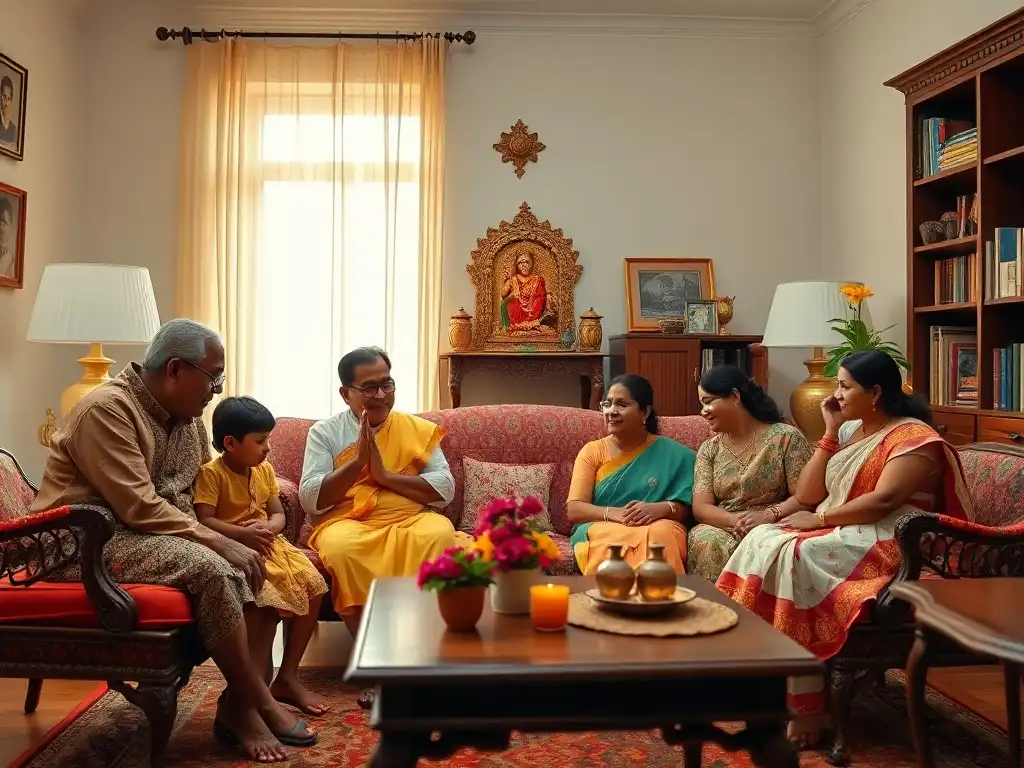
As Indian society continues to evolve, it faces various challenges that impact family dynamics. Rapid urbanization, migration, and changing economic conditions have led to significant shifts in how families operate and interact.
Impact of Globalization on Ancient Practices
Globalization has introduced new cultural influences that challenge traditional family and marriage practices. Exposure to global norms and values, particularly regarding individualism and gender equality, has prompted many to rethink ancient customs.
For instance, the concept of marriage as a partnership based on mutual respect and love is gaining traction, leading to changes in how roles are perceived within the family. This shift can sometimes create tension between traditional expectations and modern ideals, as families navigate the complexities of balancing heritage with contemporary demands.
Gender Roles: Then and Now
Ancient Indian society often upheld defined gender roles, with men typically seen as the breadwinners and women as caregivers. While these roles provided structure, they also limited personal freedoms and opportunities, especially for women.
In contrast, modern interpretations are increasingly challenging these historical roles. Women today are asserting their independence and pursuing education and careers, reshaping their roles within the family. This transformation reflects a broader societal shift towards gender equality, where both partners are seen as equals in maintaining the household and raising children. The reinterpretation of gender roles is not only changing family dynamics but also redefining the very essence of marriage in contemporary India, leading to more egalitarian partnerships.
Conclusion: The Legacy of Ancient Indian Family and Marriage Practices
The family and marriage practices of ancient India have left an indelible mark on contemporary society. These practices, rooted in rich traditions and cultural narratives, have shaped the social fabric of India. From the institution of arranged marriages to the importance placed on familial bonds, the legacies of ancient customs continue to influence modern relationships. The enduring relevance of these practices underscores the complexity and adaptability of Indian society, reflecting both continuity and change over time.
As we explore the modern interpretations of these ancient practices, it becomes evident that while many traditional values remain intact, there is a growing acceptance of individual choice and autonomy in matters of marriage. This evolution illustrates a dynamic interplay between tradition and modernity, where ancient customs are reinterpreted to suit contemporary lifestyles. The legacy of ancient Indian family and marriage practices thus exists not only as a historical reference but also as a living tradition that continues to evolve.
Reflections on the Continuity and Change in Family Structures
Family structures in India have historically been influenced by various factors, including religion, region, and socio-economic conditions. In ancient times, joint families were prevalent, emphasizing collective living and shared responsibilities. These structures provided stability and support, especially in the context of agrarian economies. However, with the advent of modernization and urbanization, nuclear families have become more common, reflecting a shift towards individualism.
Despite these changes, some aspects of ancient family structures persist. For instance, the significance of familial approval in marriage choices continues to be a critical component of many modern relationships. While young couples increasingly seek personal freedom in their marital decisions, they often navigate these choices within the framework of familial expectations. This duality highlights the ongoing relevance of ancient family dynamics in shaping contemporary experiences.
The Future of Marriage Practices in India
The future of marriage practices in India appears to be a blend of tradition and modernity. As globalization influences social norms, young Indians are redefining marriage to reflect personal values and aspirations. The rise of love marriages, inter-caste unions, and the acceptance of live-in relationships indicate a shift towards more egalitarian practices that prioritize individual choice.
Moreover, the increasing participation of women in the workforce and their pursuit of education has empowered them to negotiate their roles within marriage and family life. This empowerment is likely to foster more egalitarian partnerships in the future, where both partners share responsibilities and decision-making. As society continues to evolve, it is anticipated that marriage practices will further adapt, embracing both ancient customs and modern ideals to create a unique framework for future generations.
References and Further Reading on Ancient Indian Family Marriage Practices
To gain a deeper understanding of ancient Indian family and marriage practices, the following resources provide valuable insights and perspectives:
Recommended Books and Articles
- "The Hindu Marriage Act: A Historical Perspective": by A.C. Dutta – This book examines the evolution of marriage laws in India, including the traditional practices that preceded them.
- "Arranged Marriage: Stories": by Chitra Banerjee Divakaruni – A collection of short stories that explore the themes of arranged marriage and cultural expectations in contemporary Indian society.
- "Family and Marriage in India: A Sociological Perspective": by Ramesh D. Sharma – This work offers a comprehensive analysis of family structures and marriage customs across different Indian cultures.
Online Resources for Exploring Ancient Indian Culture
- Digital South Asia Library – A digital repository that includes historical texts, maps, and resources related to South Asian history and culture.
- India History Congress – An online platform that hosts research papers and articles focusing on various aspects of Indian history, including family and marriage practices.
- Online Journals and Databases – Platforms like JSTOR and Project MUSE provide access to academic articles and research studies related to ancient Indian family structures and marriage customs.
Through these resources, readers can explore the intricate tapestry of ancient Indian family and marriage practices, gaining a more profound understanding of their historical context and contemporary relevance.
- Introduction to Ancient Indian Family and Marriage Practices
- Overview of Family Structures in Ancient India
- Significance of Marriage in Ancient Indian Society
- Historical Context of Family and Marriage in Ancient India
- Core Elements of Ancient Indian Family Structures
- Ancient Indian Marriage Practices
- Modern Interpretations of Ancient Indian Family and Marriage Practices
- Challenges and Changes in Family Dynamics
- Conclusion: The Legacy of Ancient Indian Family and Marriage Practices
- References and Further Reading on Ancient Indian Family Marriage Practices
- What are ancient Indian family marriage practices?
- How did social status affect marriage practices in ancient India?
- What were some common rituals associated with marriages in ancient India?
- How did modern interpretations differ from ancient practices?
- Why is it important to study ancient Indian marriage practices today?
Frequently Asked Questions
What are ancient Indian family marriage practices?
Ancient Indian family marriage practices refer to the cultural norms and rituals surrounding marriage in ancient Indian societies, including customs like arranged marriages and the significance of dowries.
Social status played a crucial role in determining marriage alliances, where families sought to maintain or enhance their position through strategic unions, often adhering to caste and community norms.
What were some common rituals associated with marriages in ancient India?
Common rituals included saptapadi (seven steps), kanyadaan (giving away the bride), and various ceremonial rites that symbolized the union of two families and the blessings of deities.
How did modern interpretations differ from ancient practices?
Modern interpretations often emphasize individual choice and love marriages, contrasting with ancient practices that prioritized family arrangements and social obligations over personal preferences.
Why is it important to study ancient Indian marriage practices today?
Studying ancient Indian marriage practices helps understand the evolution of societal norms, influences on modern relationships, and the rich tapestry of cultural heritage that shapes contemporary Indian society.
Final Reflection: Embracing the Wisdom of Ancient Indian Family and Marriage Practices
In today's rapidly evolving society, the ancient Indian family and marriage practices offer profound insights that resonate with contemporary challenges. As we navigate the complexities of relationships in a modern context, the wisdom embedded in these traditions serves as a guiding light. The enduring relevance of these practices reminds us that while times change, the core values of love, respect, and commitment remain timeless.
The influence of ancient Indian family and marriage practices extends far beyond their historical roots; they continue to shape our cultural and social landscapes. These practices foster a sense of community and belonging that many of us yearn for in an increasingly individualistic world. As we reflect on the importance of these traditions, we can draw inspiration from the words of Mahatma Gandhi: A nation's greatness is measured by how it treats its weakest members.
This reminds us that the strength of our families and marriages lies in our ability to nurture and support one another, echoing the communal values of ancient practices.
As we conclude this exploration, I invite you to reflect on how the lessons from ancient Indian family and marriage practices can be woven into your own life. Consider how you can embrace these values of unity, respect, and love in your relationships. Let us strive to honor the past while forging a future that celebrates the richness of our heritage, creating bonds that are not only strong but also deeply meaningful. Your journey toward understanding and integrating these practices can lead to a more fulfilling and connected life.
Rediscover the Wisdom of Ancient Indian Family Practices!
Thank you for diving into the fascinating world of ancient Indian family and marriage traditions! We hope you feel inspired by the timeless values and practices that continue to shape our relationships today. Now, it's time to take this newly gained knowledge and turn it into action!
- Explore local cultural events or workshops that celebrate traditional family values and practices. You may discover unique connections to your heritage!
- Share this article with friends and family to spark meaningful conversations about how these ancient practices can enhance modern relationships.
- Join an online community or forum focused on family dynamics, where you can exchange ideas and learn about integrating these valuable traditions into your life.
Which aspect of these ancient practices resonates with you the most, and how do you envision applying it to your modern relationships? We would love to hear your thoughts in the comments!