
The Relationship Between Caste and Marriage Practices in Ancient India

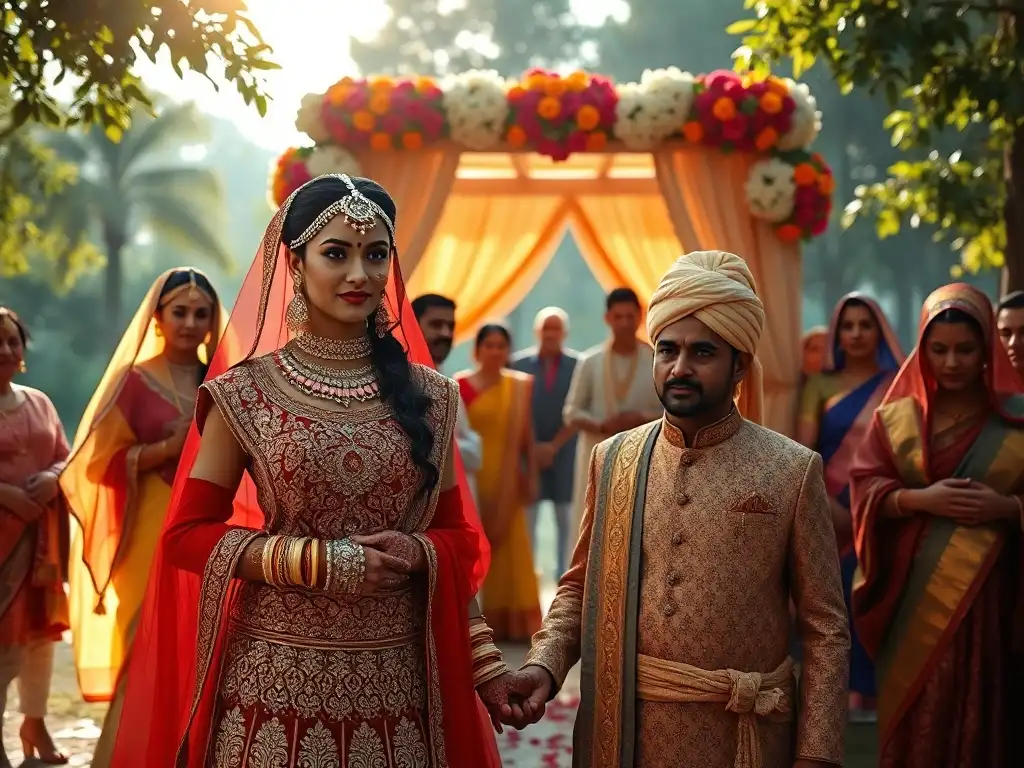
Welcome to Ancient India History, where we invite you to journey through the intricate tapestry of India's past. In this exploration of Caste marriage practices in ancient India, we delve into the profound ways in which social structures shaped personal relationships and societal norms. What secrets lie within the customs of these ancient civilizations? Join us as we unravel the complexities and significance of marriage within the caste system, revealing insights that challenge modern perceptions and spark your curiosity. Prepare to discover the vibrant interplay of culture and tradition that defined daily life in these remarkable societies!
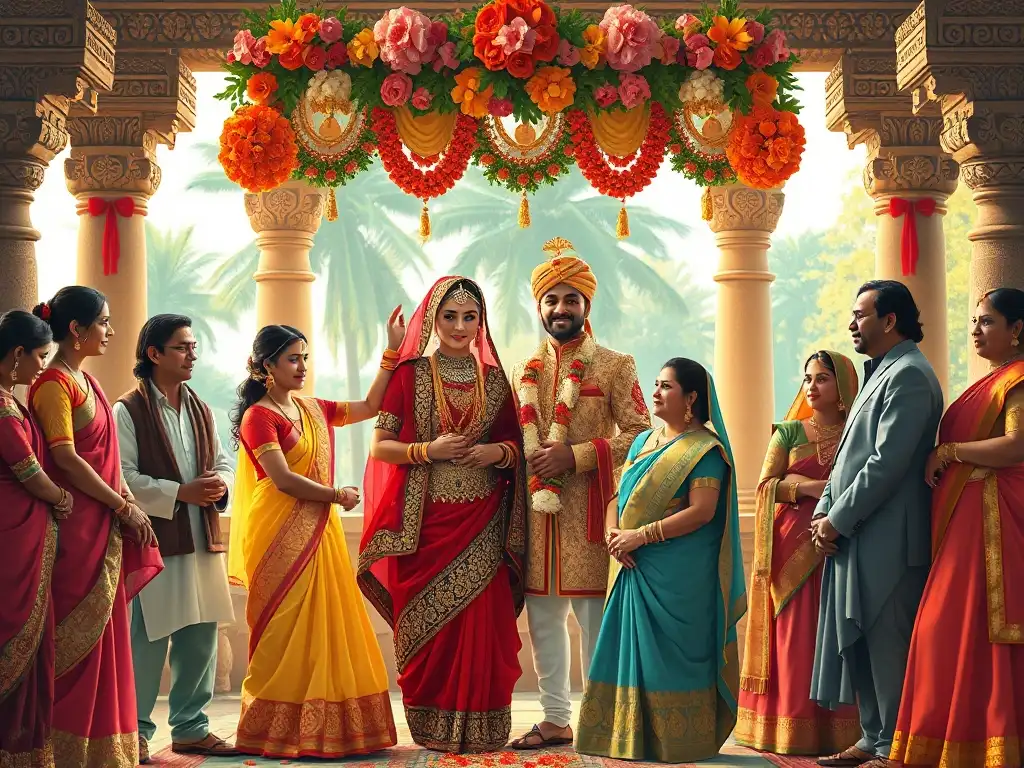
Introduction to Caste and Marriage in Ancient India
The intricate relationship between caste and marriage practices in ancient India reflects the complexity of social dynamics within one of the world's oldest civilizations. Caste, a system that categorized individuals into hierarchical groups based on their birth and occupation, played a significant role in shaping various aspects of life, particularly marriage.
In ancient Indian society, marriage was not only a personal union but also a pivotal social contract that reinforced caste boundaries, maintained social order, and facilitated the transmission of cultural values. Understanding these practices provides insight into how caste marriage practices in ancient India were deeply intertwined with social structure and cultural norms, influencing generations and laying foundations for future social frameworks.
Overview of Caste System in Ancient India
The caste system in ancient India, known as 'varna,' was traditionally divided into four primary categories:
- Brahmins (priests and scholars)
- Kshatriyas (warriors and rulers)
- Vaishyas (traders and agriculturalists)
- Shudras (laborers and service providers)
Each of these varnas had its own roles and responsibilities, shaping the social fabric of the time. Over time, this system became more complex, leading to the emergence of jatis or sub-castes, which further defined social interactions, including marriage. The rigid structure of the caste system imposed strict rules about who could marry whom, often resulting in endogamous practices—where individuals married within their own caste.
Importance of Marriage in Ancient Indian Society
Marriage in ancient India was not merely a union of two individuals; it was a crucial institution that connected families, upheld social status, and ensured the continuity of traditions. Key functions of marriage included:
- Social Alliances: Marriages often facilitated alliances between families, strengthening social ties and economic relationships.
- Cultural Preservation: They served as a means of transmitting cultural values and religious practices from one generation to the next.
- Economic Stability: Marriages were strategic, often arranged to enhance the family's wealth and social standing.
Thus, marriage practices were fundamentally linked to the caste system, reinforcing the norms and values that defined social interactions.
Historical Context of Caste Marriage Practices
Evolution of Caste Systems Over Time
The caste system in ancient India evolved significantly from its origins. Initially, it was based on occupational divisions, but as time progressed, it became increasingly rigid and hierarchical. Factors contributing to this evolution included:
- Religious Texts: Ancient scriptures like the Manusmriti codified rules regarding caste and marriage, establishing guidelines that governed social behavior.
- Political Changes: Various dynasties and empires, such as the Maurya and Gupta, influenced the caste system's structure, often enforcing or challenging existing norms.
- Cultural Interactions: The interactions with foreign cultures and migrations also led to shifts in caste identities and marriage practices.
This evolution reveals how caste marriage practices were not static but adapted to the changing socio-political landscape of ancient India.
Marriage as a Social Institution in Ancient India
Marriage was a social institution that defined individual identities and societal roles in ancient India. It was governed by intricate customs and rituals that varied across different regions and communities. Some notable aspects included:
- Arranged Marriages: Most marriages were arranged by families, emphasizing the importance of social compatibility over personal choice.
- Dowry System: The practice of dowry was prevalent, often affecting marriage negotiations and family dynamics.
- Rituals and Ceremonies: Elaborate rituals accompanied marriages, reflecting the significance of these unions within the broader context of caste and community.
The interplay between caste and marriage practices in ancient India illustrates a profound connection that shaped individual lives and societal structures, leaving a legacy that continues to influence contemporary social dynamics.
Caste-Based Marriage Practices in Ancient India
In ancient India, marriage was not merely a personal union but a critical social contract deeply embedded in the caste system. The caste system, a hierarchical social organization, influenced various aspects of life, including marriage practices. These practices were predominantly shaped by the principles of endogamy and exogamy, which governed whom individuals could marry based on their caste affiliations. Understanding these practices provides insight into the intricate relationship between caste and marriage in ancient Indian society.
Endogamy: Marrying Within One's Caste
Endogamy, the practice of marrying within one's own caste, was a fundamental aspect of marriage in ancient India. This practice served multiple purposes, including preserving social boundaries, maintaining caste purity, and ensuring the continuity of cultural heritage. Endogamous marriages helped to reinforce the social hierarchy, as families sought to align themselves with others of similar status and wealth.
The preference for endogamous unions meant that individuals were often compelled to marry within their caste, limiting their choices and reinforcing social stratification. Such marriages were also seen as a way to maintain familial alliances and ensure economic stability. For example, the Brahmins, known for their scholarly and priestly roles, tended to marry within their caste to preserve their status, while the Kshatriyas, associated with warrior nobility, followed similar practices.
Exogamy: Marrying Outside One's Caste
In contrast to endogamy, exogamy refers to the practice of marrying outside one's caste. While less common, exogamous marriages did occur under specific circumstances, often influenced by political alliances, social mobility, or unique local customs. These marriages could sometimes be a means to strengthen ties between different communities or to enhance one's social standing.
Exogamous practices were often more acceptable among lower castes or among certain communities, where the rigid caste boundaries were less pronounced. However, marrying outside one's caste could lead to social stigma or ostracism and was viewed with skepticism by many traditionalists. The dynamics of exogamy illustrate the complexities of the caste system, where the desire for social mobility could clash with deep-rooted traditions.
The Role of Kinship and Clan in Marriage Decisions
Kinship and clan relationships played a crucial role in marriage decisions in ancient India. Families would often engage in negotiations regarding potential marriages based on the social standing, economic status, and familial ties of the prospective partners. The involvement of extended family members, particularly elders, was significant, as their approval was often necessary for a marriage to proceed.
Clans, or gotras, were essential in determining marital alliances. Individuals from the same gotra were traditionally prohibited from marrying one another, as it was believed to lead to incestuous relationships. Thus, the gotra system further complicated marriage practices, as individuals needed to find suitable partners from different clans while still adhering to the broader caste guidelines.
Cultural Significance of Caste and Marriage
The intersection of caste and marriage practices in ancient India had profound cultural implications. The rituals and customs associated with caste marriages were not just personal but were also emblematic of the larger social order.
Religious Influences on Caste Marriage Practices
Religion played a pivotal role in shaping caste marriage practices. Hindu scriptures and texts, such as the Vedas and Dharmashastras, provided guidelines on marriage, emphasizing the importance of caste in determining appropriate partners. Religious ceremonies and rituals were integral to marital unions, often involving elaborate rites that reflected the couple's caste identities.
The sanctity of marriage was underscored by various religious mandates, such as the performance of specific rituals by priests belonging to the same caste as the bride and groom. These religious influences ensured that marriages were not only social contracts but also sacred unions that conformed to divine laws.
Rituals and Traditions Associated with Caste Marriages
Caste marriages in ancient India were accompanied by a rich tapestry of rituals and traditions, which varied significantly across different communities. Common practices included the Saptapadi, a ceremony where the couple takes seven steps together, symbolizing their commitment and companionship.
Other rituals often involved the exchange of gifts between families, traditional dances, and feasts that showcased regional cuisines, all reflecting the cultural heritage of the respective castes. The significance of these rituals extended beyond the individuals; they reinforced community bonds and celebrated the continuity of cultural practices across generations.
The relationship between caste and marriage practices in ancient India reveals a complex social structure where marriage was much more than a union between two individuals. It was a reflection of social hierarchies, cultural traditions, and religious beliefs, underscoring the intricate tapestry of ancient Indian society.
Case Studies of Caste Marriage Practices
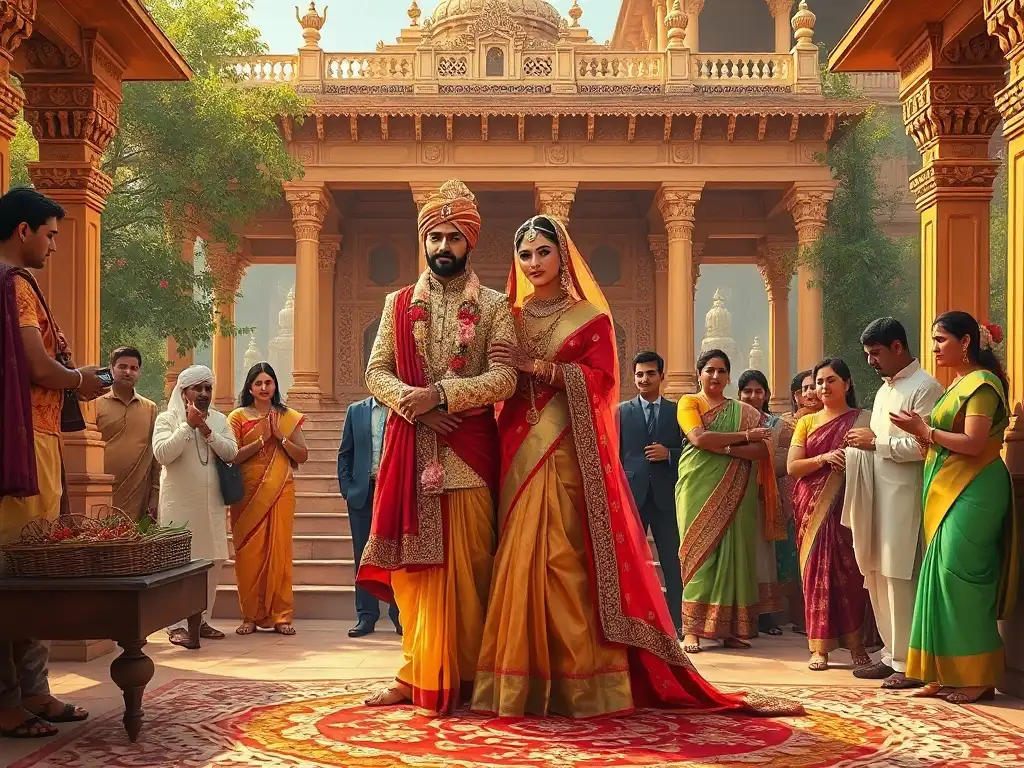
The relationship between caste and marriage in ancient India is deeply intertwined, reflecting the social hierarchies and cultural norms of the time. Examining specific case studies from different periods can provide insight into how caste influenced marriage practices across various dynasties and regions.
Examples from the Vedic Period
During the Vedic period (c. 1500–500 BCE), marriage was primarily influenced by the caste system and the societal roles assigned to different varnas (social classes). The Rigveda, one of the oldest texts, mentions the concept of 'kanyadaan', where the father gives away his daughter in marriage, symbolizing the transfer of responsibility.
Marriages were typically arranged, with families selecting partners based on caste and social standing. For instance, Brahmins (priests) would marry within their caste to preserve their religious and educational status, while Kshatriyas (warriors) sought alliances with other Kshatriya families to maintain their power and influence. The practice of 'swayamvara', where a woman chose her husband from a group of suitors, was also prevalent, although it often occurred within the same caste.
This period also saw the emergence of polygamy, particularly among the Kshatriyas, as a means of ensuring alliances and consolidating power. However, the practice reinforced the patriarchal structure, limiting women's autonomy in choosing their partners.
Insights from the Mauryan Empire
The Mauryan Empire (c. 322–185 BCE) marked a significant evolution in caste marriage practices, influenced by the expansion of trade, cultural exchanges, and the integration of diverse communities. Under the reign of Emperor Ashoka, there was a notable emphasis on social welfare and ethical governance, which extended to marriage practices.
Inter-caste marriages began to gain some acceptance, particularly in urban centers where cultural interactions flourished. Historical texts indicate that the Mauryan society allowed for more flexibility in marriage alliances, particularly among the merchant class, who were less bound by rigid caste rules compared to Brahmins and Kshatriyas.
Additionally, the concept of 'dharma' (duty) became critical in marriage decisions, promoting the idea that individuals should marry in accordance with their social responsibilities. While caste remained a determinant in many marriages, there was a gradual shift toward considering mutual respect and societal contributions in marital relationships.
Practices in Gupta Period Society
The Gupta Empire (c. 240–550 CE) is often referred to as the "Golden Age" of ancient India, with flourishing arts, sciences, and a robust social structure. During this period, caste marriage practices became even more codified, as the 'Manusmriti', a key legal text, outlined specific rules regarding marriage within castes.
Marriage rituals became more elaborate, emphasizing the importance of 'samskaras' (sacraments) to sanctify the union. Endogamy, or marrying within one’s caste, was strongly encouraged, and the system of dowries began to formalize, particularly among the higher castes.
The Gupta period also witnessed the increasing influence of regional customs on marriage practices. While Brahmins continued to marry within their caste, other groups, especially in the lower varnas, began to adopt more flexible marriage arrangements. This era highlighted the tension between traditional caste norms and emerging social dynamics as urbanization led to greater interactions among different communities.
Changes in Caste Marriage Practices Over Time
The evolving landscape of ancient Indian society brought about significant changes in caste marriage practices. Understanding these shifts requires examining the impact of historical events and the influence of regional variations.
Impact of Historical Events on Marriage Practices
Throughout ancient India, major historical events, such as invasions, the rise and fall of empires, and the spread of religions, played a crucial role in shaping caste marriage practices. For instance, the arrival of Buddhism and Jainism during the Mauryan period challenged the rigid caste structures by promoting ideals of equality and non-attachment.
As these religions gained followers, they introduced alternative marriage customs that sometimes transcended caste boundaries. This influence prompted a gradual questioning of traditional practices, leading to increased acceptance of inter-caste marriages, particularly in regions where these philosophies took root.
The establishment of the Delhi Sultanate in the 13th century further diversified marriage practices, as new cultural influences altered existing norms. While traditional caste practices persisted, there was a notable blending of customs, especially in urban areas, where people from different backgrounds coexisted.
Influence of Regional Variations on Caste Marriages
Regional variations have always played a pivotal role in shaping caste marriage practices in ancient India. Different regions developed unique customs based on local traditions, economic conditions, and cultural interactions. For example, in southern India, the practice of 'muhurtham' (auspicious timing) for marriages was prevalent, and the influence of Dravidian culture often led to different marriage customs compared to northern India.
In the eastern states, such as Bengal, the influence of local deities and folk traditions resulted in distinctive marriage rituals that sometimes incorporated elements from both Hindu and Buddhist practices. These regional differences highlight the adaptability of caste marriage practices in response to local conditions, demonstrating that while caste was a significant factor, it was not the sole determinant in marriage decisions.
As ancient India continued to evolve, the interplay between caste and regional traditions paved the way for a rich tapestry of marriage practices, reflecting the complexities of social life in this diverse civilization.
The Legacy of Caste and Marriage Practices in Ancient India
The legacy of caste and marriage practices in ancient India is a multifaceted aspect of the subcontinent's social history. The caste system, a hierarchical structure that categorized individuals into distinct social groups, significantly influenced marital arrangements and interpersonal relationships. Within this system, marriage was not merely a personal union but a socio-economic contract that reinforced caste boundaries and maintained social order.
In ancient Indian society, marriages were predominantly endogamous, meaning individuals married within their caste. This practice served to preserve the purity of the caste and was often governed by strict rules. The Manusmriti, a foundational text of Hindu law, codified many of these practices, outlining the roles and responsibilities of individuals within their respective castes. Consequently, marriages were often arranged by families rather than being based on romantic love, emphasizing familial alliances and economic considerations.
The impact of these practices extended beyond individual families to entire communities, shaping social dynamics and cultural identity. For instance, the consolidation of power among certain castes through strategic marriages allowed them to gain social status and economic advantages. This interplay between caste and marriage has left an indelible mark on the cultural fabric of India, influencing traditions and customs that persist to this day.
Lasting Effects on Modern Indian Society
The effects of ancient caste marriage practices are still evident in modern Indian society. Despite legal advancements aimed at promoting equality, many communities continue to uphold traditional marriage customs. The preference for endogamous marriages persists, with families often seeking partners from within their caste or sub-caste. This adherence to tradition can be attributed to a combination of social pressures, cultural values, and the desire to maintain economic stability.
Moreover, the concept of "gotra," or lineage, retains significance in matrimonial alliances. Families often consult their gotra to ensure that prospective spouses are not closely related, further reinforcing the idea of caste-based marriages. Interestingly, the emergence of arranged marriages, albeit with a modern twist, indicates that many young individuals still value parental involvement in selecting a spouse, even as they navigate the complexities of contemporary relationships.
In urban areas, while inter-caste marriages are on the rise, they can still face resistance from families and communities. This dichotomy illustrates the ongoing struggle between tradition and modernity, as individuals seek to balance personal choice with societal expectations.
Continuing Relevance of Caste in Contemporary Marriage Practices
Caste continues to play a crucial role in contemporary marriage practices, often shaping social interactions and relationship dynamics. Many matrimonial websites and platforms are designed specifically for individuals seeking caste-based partners, reflecting the enduring influence of caste identity in marital preferences.
Furthermore, caste considerations often extend beyond the marriage contract itself, affecting post-marital relationships and familial alliances. For instance, couples from different castes may encounter social obstacles, including ostracism or familial disapproval, which can strain relationships. This ongoing relevance of caste underscores the complexities involved in navigating marriage in a diverse society.
The legal framework in India has sought to address these issues, promoting equality and anti-discrimination laws. However, the deeply rooted nature of caste-related practices often leads to a slow evolution of attitudes, making it essential for contemporary society to engage in dialogues about caste, marriage, and their interconnections.
Conclusion
Summary of Caste Marriage Practices in Ancient India
The relationship between caste and marriage practices in ancient India shaped the social landscape of the time. Marriages were primarily endogamous, serving to uphold caste boundaries and reinforce familial ties. The codification of these practices in texts such as the Manusmriti provided a framework that governed societal interactions and expectations.
The implications of these practices extend into modern Indian society, where traditional values continue to influence marriage decisions. Despite the push for more egalitarian approaches, many individuals still navigate the complexities of caste considerations in their marital choices.
Reflection on the Relationship Between Caste and Marriage
Reflecting on the relationship between caste and marriage, it is evident that this intersection remains a significant aspect of Indian culture. While progress has been made in challenging caste-based norms, the persistence of these practices highlights the complexities inherent in social structure and identity. As society evolves, understanding and addressing the historical context of caste marriage practices is crucial for fostering inclusivity and bridging traditional values with contemporary ideals.
- Introduction to Caste and Marriage in Ancient India
- Historical Context of Caste Marriage Practices
- Caste-Based Marriage Practices in Ancient India
- Cultural Significance of Caste and Marriage
- Case Studies of Caste Marriage Practices
- Changes in Caste Marriage Practices Over Time
- The Legacy of Caste and Marriage Practices in Ancient India
- Conclusion
Frequently Asked Questions
What were the primary caste systems in ancient India?
The main caste systems included the Brahmins, Kshatriyas, Vaishyas, and Shudras, each associated with specific social roles and occupations.
How did caste influence marriage practices in ancient India?
Caste played a significant role in determining marriage alliances, often enforcing endogamy, where individuals married within their own caste to maintain social status and purity.
Were there any exceptions to caste marriage practices?
Yes, while caste typically dictated marriage, there were instances of inter-caste marriages, especially among royalty or in cases where social norms were challenged.
How did the Gupta Empire affect caste and marriage?
During the Gupta Empire, there was a reinforcement of caste-based marriage practices, which became more rigid, consolidating the system and impacting social mobility.
Ancient Indian texts, such as the Manusmriti, provided guidelines on marriage customs, elucidating the significance of caste and enhancing the understanding of socio-religious practices.
Final Reflection: Understanding the Legacy of Caste and Marriage Practices in Ancient India
The intricate relationship between caste and marriage practices in ancient India remains profoundly relevant today, as it shapes social dynamics and cultural identities. The historical context of these practices not only informs our understanding of societal structures but also highlights the ongoing challenges related to caste discrimination and social stratification. As we navigate the complexities of modern society, it is crucial to recognize how these ancient customs continue to influence contemporary marriage practices and community interactions.
Caste and marriage practices have long been intertwined, shaping not only individual lives but also the broader cultural landscape. The remnants of these ancient customs are still visible in various forms, from arranged marriages to community expectations. As we reflect on this legacy, we must acknowledge the words of sociologist G. S. Ghurye: Caste is a social institution that has adapted to the changing times, yet its roots run deep in the fabric of Indian society.
This observation underscores the need to critically examine how these traditions persist and evolve, impacting social cohesion and individual freedoms.
As we conclude this exploration, I invite you to reflect on your own beliefs and practices regarding marriage and social structures. Consider how the lessons from ancient India can inspire a more inclusive and equitable approach to relationships today. By understanding the historical context of caste and marriage, we can challenge outdated norms and work towards a society that values diversity and promotes unity. Let us carry forward the wisdom of the past while striving for a future where love and partnership transcend the limitations imposed by caste.
Unleash the Insights of Ancient Relationships!
Thank you for taking the time to explore the intricate relationship between caste and marriage practices in ancient India. Your curiosity not only deepens your knowledge but also sheds light on the complexities of social structures that have shaped human interactions throughout history. Now, it’s time to take action and further enrich your understanding!
Here are a few practical steps you can take:
- Dive Deeper: Explore our related articles on ancient Indian culture and social hierarchies to uncover more fascinating insights.
- Share Your Thoughts: Engage with others by sharing this article on your social media platforms and inviting your friends to discuss these unique marriage practices.
- Join the Conversation: Comment below and share your perspective on how caste influenced relationships in ancient times or ask any questions you may have about the topic!
What aspects of caste and marriage do you find most intriguing, and how do you think they resonate with today’s society?