
The Rise of Artisans: Craftsmanship in Ancient India’s Labor Systems

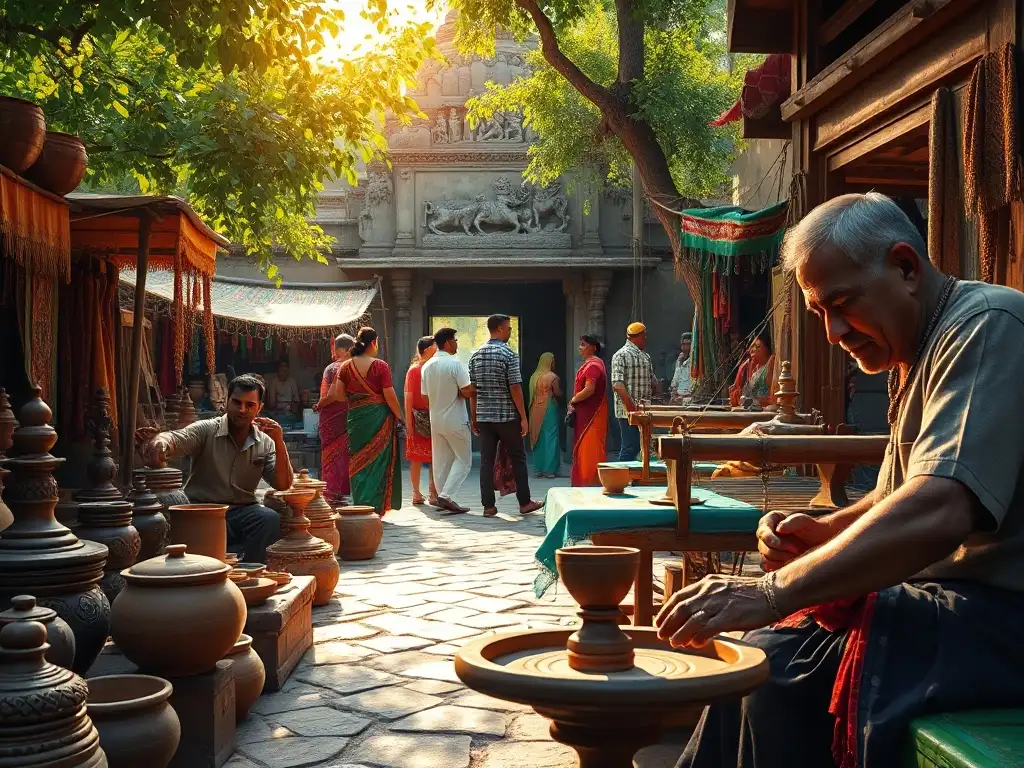
Welcome to Ancient India History, where we take you on a captivating journey through the rich tapestry of ancient Indian civilizations. Today, we delve into the fascinating realm of ancient Indian craftsmanship history, exploring how artisans thrived within the intricate labor systems of their time.
From the exquisite artistry of the Indus Valley to the refined techniques of the Gupta Empire, these skilled creators not only shaped their societies but also left a lasting legacy that resonates through the ages. Join us as we uncover the stories behind the crafts, the artisans, and the vibrant culture that once flourished in this remarkable land.
Introduction to Ancient Indian Craftsmanship History
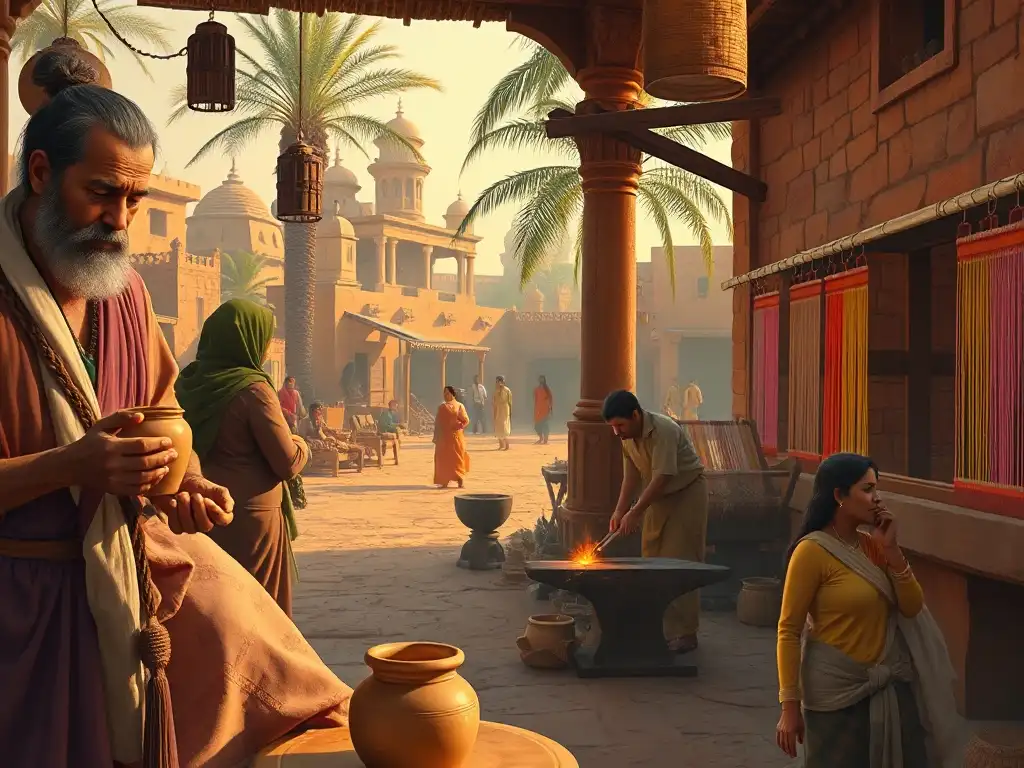
The history of ancient Indian craftsmanship is a testament to the remarkable skill and creativity that flourished across the subcontinent. From the intricate beadwork of the Indus Valley Civilization to the finely crafted sculptures of the Gupta Empire, artisans played a pivotal role in shaping the cultural and economic landscape of ancient India.
This article delves into the rise of artisans within the labor systems of ancient Indian societies, highlighting their significance, the evolution of craftsmanship, and the various contexts in which these skilled individuals operated. By examining the rich tapestry of ancient Indian craftsmanship history, we can appreciate the enduring legacy of these artisans whose work transcended mere utility to become a vital part of India's cultural heritage.
The Significance of Craftsmanship in Ancient India
Craftsmanship was not only an occupation but also a crucial aspect of daily life in ancient India. It encompassed a wide range of activities, from pottery and weaving to metalwork and sculpture. Some key points about its significance include:
- Cultural Expression: Artisans conveyed societal values, religious beliefs, and aesthetic preferences through their creations, making craftsmanship a vital expression of cultural identity.
- Economic Impact: The production of goods by artisans contributed significantly to local and regional economies, facilitating trade both within India and with neighboring civilizations.
- Social Structure: Craftsmanship often defined social roles, with artisan families typically passing down skills through generations, establishing a robust guild system that organized labor and ensured quality.
Overview of Labor Systems in Ancient Indian Societies
The labor systems in ancient Indian societies were complex and multifaceted, encompassing various occupations beyond craftsmanship. Understanding these systems helps to contextualize the role of artisans:
- Varna System: The social stratification based on the Varna system categorized individuals into four primary groups: Brahmins (priests), Kshatriyas (warriors), Vaishyas (traders), and Shudras (laborers and artisans). Artisans typically fell under the Shudra category but often held a respected position due to their essential contributions.
- Guilds: Artisans often organized themselves into guilds, which provided structure and support for their crafts. These guilds regulated practices, set quality standards, and facilitated training, ensuring the transfer of skills across generations.
- Trade Networks: The labor of artisans was integral to trade networks, both domestic and international. Artisans produced goods that were highly sought after, fostering relationships with other cultures and enhancing economic prosperity.
The Historical Context of Artisans in Ancient India
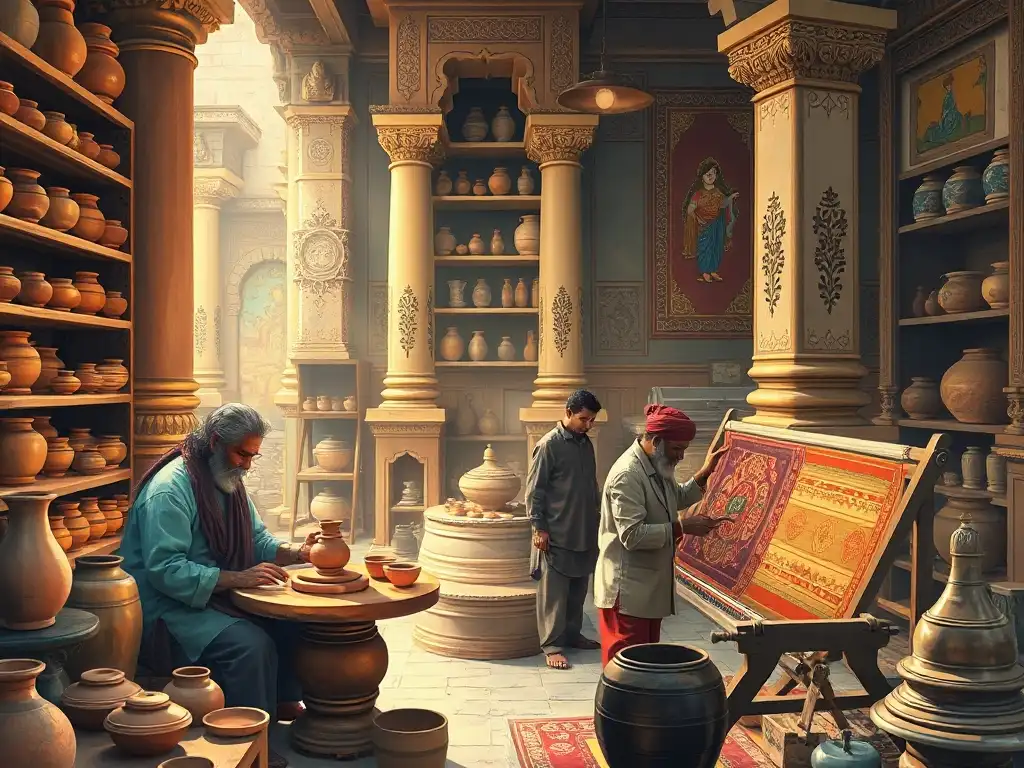
Understanding the historical context of artisans in ancient India allows us to appreciate their contributions more fully. Each period brought unique advancements and shifts in craftsmanship:
The Indus Valley Civilization: Pioneers of Craftsmanship
The Indus Valley Civilization (c. 3300–1300 BCE) is renowned for its advanced urban planning and sophisticated craftsmanship. Key aspects include:
- Bead Making: Artisans produced intricate beads from semi-precious stones, showcasing exceptional skill in lapidary work.
- Pottery: The civilization is known for its painted pottery, which depicted various motifs and themes, highlighting artistic expression.
- Metallurgy: The use of bronze and copper in tools and ornaments reflects advanced metallurgical techniques that set the foundation for future craftsmanship.
Artisans in Vedic Society: Roles and Contributions
As we transition to the Vedic period (c. 1500–500 BCE), artisans continued to play essential roles in society:
- Craft Specialization: The Vedic texts reference various crafts and trades, indicating the emergence of specialized artisans who contributed to the economy and ritual practices.
- Religious Artifacts: Artisans created items for religious ceremonies, including pottery, textiles, and metal objects, which were integral to Vedic rituals and cultural identity.
The Mauryan Empire: The Flourishing of Craftsmanship
During the Mauryan Empire (c. 322–185 BCE), craftsmanship reached new heights, reflecting the empire's political and economic strength:
- Royal Patronage: The support of emperors like Ashoka led to the flourishing of arts and crafts, as artisans were commissioned to create monumental structures and exquisite objects.
- Diverse Techniques: The period saw advancements in various crafts, from stone-carving and sculpture to textiles and jewelry-making, showcasing the diversity and richness of ancient Indian craftsmanship.
Through this exploration of artisans in ancient India, we recognize their essential contributions to society, culture, and the economy, laying the groundwork for a rich heritage that continues to resonate today.
Types of Crafts and Artisans in Ancient India
Ancient India was a melting pot of diverse cultures and practices, which fostered a vibrant artisan community. Various crafts flourished across the subcontinent, reflecting the creativity and skill of artisans. The types of crafts included textiles, pottery, metalwork, woodwork, and sculpture, each with its unique techniques and innovations. These crafts not only served practical purposes but also held significant cultural and religious importance, contributing to the rich tapestry of ancient Indian society.
Textiles and Weaving: The Art of Fabric Production
Textiles were a cornerstone of ancient Indian craftsmanship, with weaving techniques dating back to the Indus Valley Civilization. Artisans specialized in producing cotton, silk, and wool fabrics, employing intricate methods that included dyeing, embroidery, and block printing. Regions like Gujarat and Tamil Nadu became renowned for their unique styles, such as the vibrant Bandhani and exquisite Kanchipuram silk sarees.
The spinning wheel, known as the "charkha," played a crucial role in fabric production, making it easier to produce fine threads. Additionally, the trade in textiles was robust, with Indian fabrics being highly sought after in global markets, including those of the Roman Empire and later the Arab world. This not only enhanced the status of artisans but also spurred economic activity within local communities.
Pottery and Ceramics: Techniques and Innovations
Pottery in ancient India underwent remarkable evolution, with techniques refined over centuries. The early stages saw the production of plain earthenware, which later transitioned to painted pottery and intricate ceramic designs. The use of the potter's wheel, a significant innovation, allowed for more uniform and sophisticated shapes, paving the way for specialized pottery artisans.
Notable pottery styles emerged in various regions, such as the red and black pottery of northern India and the painted pottery of the Deccan. These artisans utilized natural pigments for decoration, often featuring motifs that reflected the surrounding environment and cultural beliefs. The significance of pottery extended beyond mere utility; it was often used in rituals and ceremonies, showcasing the artistry involved in its creation.
Metalwork and Jewelry: Craftsmanship in Precious Metals
Metalwork, particularly in gold, silver, and bronze, was a highly revered craft in ancient India. Artisans demonstrated exceptional skills in casting, forging, and inlay techniques, producing everything from everyday tools to intricate jewelry. The art of metallurgy was advanced, with methods such as lost-wax casting enabling the creation of detailed sculptures and decorative items.
Jewelry, adorned with gemstones and intricate designs, played a vital role in ancient Indian society, symbolizing wealth and status. Regions like Rajasthan and Gujarat became hubs for metalwork and jewelry production, with artisans often mastering specific styles. The craftsmanship in metalwork also extended to weaponry, where the creation of swords and shields showcased both functionality and artistry.
Woodwork and Sculpture: Artistic Expressions in Wood and Stone
Woodwork in ancient India encompassed a wide range of applications, from functional items like furniture to intricate sculptures. Artisans skilled in woodworking techniques utilized local timber, creating pieces that reflected the cultural and religious narratives of the time. Temples often featured wooden carvings, depicting deities and mythological stories that enhanced the spiritual ambiance.
Sculpture, particularly in stone, flourished with the establishment of significant centers like Khajuraho and Hampi. These artisans employed techniques such as chiseling and polishing to create elaborate sculptures that adorned temples and public spaces. The craftsmanship in stone not only displayed artistic talent but also served as a medium for storytelling, preserving the rich mythology and traditions of ancient India.
The social structure of ancient India significantly influenced the lives and work of artisans. Embedded within the broader framework of the caste system, artisans occupied specific roles that shaped their identities and economic opportunities. Craftsmanship was often passed down through generations, creating a lineage of skilled artisans dedicated to their specific trades.
The Caste System and Its Impact on Craftsmanship
The caste system played a pivotal role in organizing labor and determining the social standing of artisans. Specific castes were associated with particular crafts, such as the "Khatris" for textiles and the "Kumbhars" for pottery. This specialization ensured the transmission of skills, knowledge, and techniques within families, thereby maintaining high standards of craftsmanship.
However, the caste system also imposed restrictions on mobility and opportunities for artisans. While some artisan groups gained prominence and wealth, others faced social stigmas and limited access to resources. This dynamic created a complex landscape where craftsmanship was both a source of pride and a reflection of societal hierarchies.
Guilds and Cooperatives: The Organization of Artisans
Artisans often formed guilds, known as "shrenis," which served as cooperative associations that provided support, resources, and training. These guilds were instrumental in regulating trade practices, ensuring quality, and protecting the interests of their members. They fostered a sense of community among artisans, facilitating the sharing of techniques and innovations.
Guilds also played a crucial role in the economic landscape, negotiating prices and creating marketplaces for their crafts. They organized festivals and exhibitions, showcasing the skills of their members while attracting patrons and traders. This organization allowed artisans to thrive, contributing to the economic vitality of regions where crafts flourished.
Gender Roles in Craftsmanship: Women Artisans in Ancient India
While much of the focus on ancient Indian craftsmanship tends to highlight male artisans, women also played a significant role in various crafts. Women often engaged in textiles, particularly in weaving and embroidery, contributing to family businesses and local economies. Their work was integral to the production of garments and decorative items, reflecting cultural practices and traditions.
In some regions, women artisans formed their cooperatives, fostering a sense of empowerment and community. They passed down techniques and knowledge to future generations, ensuring the survival of their crafts. Despite facing societal challenges, women’s contributions to craftsmanship in ancient India were vital and deserve recognition in the broader narrative of ancient Indian craftsmanship history.
The Economic Impact of Artisanship in Ancient India
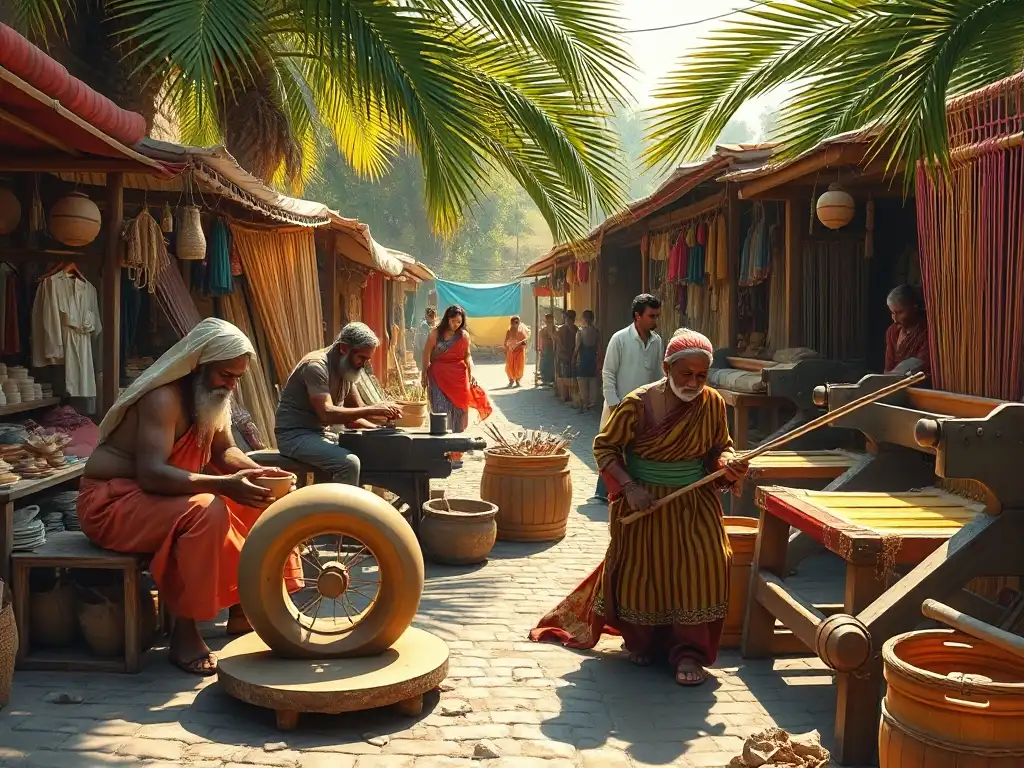
Artisanship in ancient India played a pivotal role in shaping the economy and influencing societal structures. The diverse skills of artisans—ranging from textile weaving and pottery to metalwork and stone carving—contributed significantly to the economic landscape. Artisans created goods not only for local consumption but also for trade, which fostered economic interdependence among various regions.
The guild system, known as shreni, was fundamental in organizing artisans into cooperative groups, which facilitated the sharing of resources and knowledge. These guilds often controlled the production and distribution of goods, ensuring quality and standardization. As a result, artisans became crucial economic agents, contributing to the wealth of their communities and the overall prosperity of ancient Indian civilization.
Trade and Commerce: Artisans as Economic Contributors
Artisans were integral to both domestic and international trade networks. Their products, renowned for quality and craftsmanship, found markets beyond local boundaries. For instance, textiles from the Indian subcontinent were highly sought after in regions like Persia, Mesopotamia, and beyond. The Silk Road and maritime trade routes connected Indian artisans with distant civilizations, creating a vibrant exchange of goods and ideas.
The economic contributions of artisans extended to urban centers, where marketplaces became bustling hubs of trade. Artisans not only sold their products but also engaged in barter systems, exchanging goods for raw materials and services. This interaction stimulated local economies, increased employment opportunities, and fostered a culture of innovation as artisans experimented with new techniques and designs.
The Role of Artisans in Urban Development
Artisans were key players in the urbanization process of ancient India. As cities emerged, the demand for specialized craftsmanship grew, leading to the establishment of workshops and craft districts. Cities like Varanasi, Pataliputra, and Ujjain became thriving centers where artisans honed their skills and produced intricate works that reflected the cultural and religious ethos of their times.
The architectural feats of ancient India, including temples and palaces, were largely the products of skilled artisans. These structures not only served religious and administrative purposes but also attracted trade and tourism, further enhancing urban economies. The concentration of artisans in urban areas led to a symbiotic relationship between crafts and commerce, laying the groundwork for the economic frameworks of future Indian societies.
The Legacy of Ancient Indian Craftsmanship
The craftsmanship of ancient India has left a lasting legacy that continues to influence various aspects of culture and society. The techniques, styles, and designs developed by artisans over centuries have shaped India's artistic expressions and cultural identity.
Influence on Modern Indian Craft Traditions
Modern Indian craftsmanship is deeply rooted in the practices of ancient artisans. Many traditional crafts, such as pottery, weaving, and metalwork, trace their origins to ancient techniques. Contemporary artisans often draw inspiration from historical styles, combining traditional methods with modern aesthetics to create unique products that appeal to today's consumers.
The resurgence of interest in handmade and sustainable products has further revived ancient crafts. Initiatives to promote indigenous artisans have not only preserved these age-old traditions but also contributed to local economies, ensuring that the skills and knowledge of ancient craftsmen are passed down through generations.
Preservation of Craftsmanship: Contemporary Relevance
In today's globalized world, the preservation of ancient Indian craftsmanship is more important than ever. Organizations and NGOs are working to document traditional techniques, support artisans, and promote fair trade practices. By creating platforms for artisans to showcase their work, these efforts aim to sustain the rich heritage of craftsmanship while providing economic opportunities.
Educational programs and workshops are being implemented to train aspiring artisans, ensuring that the knowledge of ancient techniques is not lost. Moreover, the integration of technology in traditional crafts has opened new avenues for innovation, allowing artisans to reach broader markets and adapt to changing consumer preferences.
Through these efforts, the legacy of ancient Indian craftsmanship continues to thrive, demonstrating its relevance and importance in the modern context.
Conclusion
The rise of artisans in ancient India marks a significant chapter in the history of craftsmanship, influenced by a rich tapestry of cultural, social, and economic factors. From the intricate beadwork of the Indus Valley Civilization to the sophisticated techniques of metalwork and textile production during the Gupta Empire, artisans played a crucial role in shaping both the economy and daily life. Their contributions not only fulfilled the material needs of society but also reflected the cultural and artistic values of their time.
Understanding the labor systems that supported these artisans provides valuable insights into the operational frameworks of ancient societies. As we reflect on this history, it becomes evident that ancient Indian craftsmanship was not merely a profession but an art form that conveyed stories, traditions, and innovations that resonate even in contemporary times.
The Enduring Importance of Ancient Indian Craftsmanship History
The legacy of ancient Indian craftsmanship continues to endure, influencing modern practices and artistic expressions across the globe. The techniques, styles, and materials developed by artisans are celebrated for their beauty and utility, serving as a source of inspiration for contemporary artists and craftspeople. Moreover, the craftsmanship of ancient India has been integral in fostering a sense of identity and continuity within communities, bridging the past with the present.
By studying this history, we not only appreciate the skill and creativity of ancient artisans but also recognize their contributions to trade and cultural exchange. Global interactions, facilitated by the crafts produced in ancient India, laid the groundwork for dialogue and exchange between diverse cultures, enriching human civilization as a whole.
Future Directions for Research and Exploration in Ancient Indian Labor Systems
As we move forward in our exploration of ancient Indian craftsmanship, several avenues for research and exploration remain ripe for investigation. Scholars can delve deeper into the socio-economic structures that supported artisan communities, examining how these systems evolved over time and their impacts on societal hierarchies.
Additionally, interdisciplinary approaches that integrate archaeology, anthropology, and art history can yield richer understandings of the context in which these artisans operated. There is also an opportunity to explore the role of gender in craftsmanship, as many artisans were women who contributed significantly to the cultural fabric of their societies.
Efforts to document and preserve traditional crafts today can draw lessons from ancient practices, ensuring that the knowledge and skills of artisans are not lost to time. By fostering a renewed interest in ancient Indian labor systems, we can cultivate a greater appreciation for the enduring contributions of artisans and their influence on contemporary craftsmanship.
- Introduction to Ancient Indian Craftsmanship History
- The Significance of Craftsmanship in Ancient India
- Overview of Labor Systems in Ancient Indian Societies
- The Historical Context of Artisans in Ancient India
- Types of Crafts and Artisans in Ancient India
- The Social Structure and Labor Systems Involving Artisans
- The Economic Impact of Artisanship in Ancient India
- The Legacy of Ancient Indian Craftsmanship
- Conclusion
- What is the significance of craftsmanship in ancient Indian history?
- How did ancient Indian artisans contribute to trade?
- What are some key examples of ancient Indian craftsmanship?
- How did social structures influence artisanship in ancient India?
- What legacy did ancient Indian craftsmanship leave on modern practices?
Frequently Asked Questions
What is the significance of craftsmanship in ancient Indian history?
Craftsmanship played a crucial role in economic development and cultural identity during ancient times, showcasing the artistic skills and innovation of various civilizations.
How did ancient Indian artisans contribute to trade?
Artisans were essential in producing high-quality goods that facilitated trade both locally and internationally, enhancing economic exchanges and cultural interactions.
What are some key examples of ancient Indian craftsmanship?
Key examples include intricate textiles, pottery, and metalwork from the Indus Valley Civilization and the exquisite sculptures from the Gupta Empire that reflect advanced techniques and aesthetics.
The labor systems in ancient India often categorized artisans into specific guilds, which provided support, training, and ensured the transmission of skills across generations.
What legacy did ancient Indian craftsmanship leave on modern practices?
The skills and techniques developed by ancient artisans continue to influence contemporary craftsmanship, preserving unique styles and methods that highlight India’s rich cultural heritage.
Final Reflection: The Enduring Legacy of Ancient Indian Craftsmanship
The exploration of ancient Indian craftsmanship history reveals not only the intricate skills of artisans but also their profound impact on contemporary society. Today, as we navigate a world increasingly dominated by mass production and digital technology, the value of handcrafted goods and the stories behind them resonate more than ever. The resurgence of interest in artisanal practices serves as a reminder that craftsmanship is not merely a relic of the past but a vital part of our cultural identity and economic sustainability.
Craftsmanship has always been a reflection of societal values and creativity, shaping our cultural landscape in ways that continue to inspire us. The skills honed by ancient artisans laid the groundwork for modern craftsmanship, influencing everything from design aesthetics to sustainable practices. As Mahatma Gandhi once said, "> The best way to find yourself is to lose yourself in the service of others." This sentiment rings true in the context of craftsmanship, where artisans pour their heart and soul into their work, fostering community and connection through their creations.
As we reflect on the lessons of ancient Indian craftsmanship, I invite you to consider how you can incorporate the spirit of craftsmanship into your own life. Whether it's supporting local artisans, learning a new skill, or simply appreciating the beauty of handmade goods, each action contributes to the preservation of this rich heritage. Embrace the artistry around you, and let it inspire you to create, connect, and cultivate a deeper appreciation for the craftsmanship that has shaped our world.
Embrace the Legacy: Transform Your Passion for Craftsmanship!
Thank you for exploring the fascinating world of artisans in Ancient India! We hope you've gained insights into how craftsmanship shaped labor systems and enriched cultures. Now it's time to take that inspiration and turn it into action!
Here are some ways you can connect with this vibrant legacy of craftsmanship:
- Start a mini-project: Create something with your own hands—whether it's pottery, weaving, or woodworking. Share your journey on social media to inspire others!
- Explore local artisans: Visit artisan markets or workshops in your area, and appreciate their skills firsthand. Consider supporting their crafts by purchasing handmade items.
- Join a community: Connect with fellow enthusiasts who share your passion for craftsmanship, whether through local groups or online forums.
What new skill would you love to learn that ties back to the artisans of ancient times? **Share your thoughts and let’s spark a discussion! **