
The Role of Scribes: Literacy and Record Keeping in Ancient Indian Labor Systems

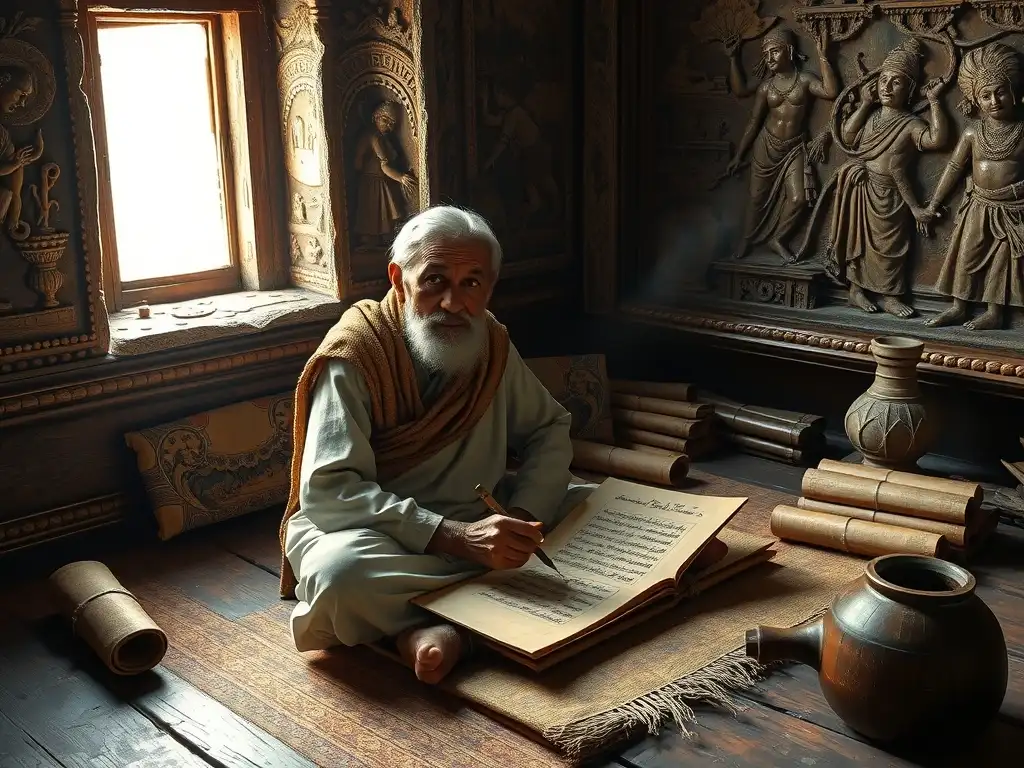
Welcome to Ancient India History, where we embark on a fascinating journey through the vibrant tapestry of India's rich past. Dive into our latest exploration, “The Role of Scribes: Literacy and Record Keeping in Ancient Indian Labor Systems,” as we uncover the pivotal contributions of ancient Indian scribes to literacy and the intricate systems of record-keeping that shaped society. What secrets do these early scribes hold, and how did their skills influence daily life? Join us as we unravel the stories of these unsung heroes and their remarkable impact on civilization—there's so much more to discover!

Introduction to Ancient Indian Scribes and Literacy
The role of scribes in ancient Indian societies was pivotal, not only for maintaining records but also for fostering literacy and communication across various civilizations. Scribes were the custodians of knowledge, documenting everything from administrative decrees to literary works, ensuring that information was preserved and transmitted through generations. Their function extended beyond mere writing; they were integral to the functioning of economic systems, legal frameworks, and cultural practices. Understanding the complexities of ancient Indian scribes and their contributions to literacy is crucial for appreciating the broader spectrum of labor systems that constituted daily life in ancient India.
Definition of Scribes in Ancient India
In ancient India, scribes were individuals trained in the art of writing and record-keeping, often using scripts such as Brahmi and Kharosthi. They occupied a unique position in society, typically associated with the ruling classes, temples, and trade guilds. Scribes were responsible for:
- Documentation: Keeping records of transactions, land ownership, and trade agreements.
- Administration: Assisting in governance by documenting laws, decrees, and census data.
- Cultural Preservation: Recording religious texts, epics, and historical narratives, which contributed to the preservation of cultural heritage.
These tasks required a high level of literacy and specialized training, making scribes essential figures in ancient Indian labor systems.
Importance of Literacy in Ancient Indian Societies
Literacy in ancient India was not merely a skill; it was a gateway to power and influence. The ability to read and write was closely linked to:
- Social Stratification: Literacy was often confined to the elite, reinforcing social hierarchies and limiting access to knowledge for lower classes.
- Economic Transactions: Written records facilitated trade, allowing merchants to keep accurate accounts and ensuring smoother business operations.
- Cultural Transmission: Written texts allowed for the transmission of religious and philosophical ideas, contributing to the development of diverse schools of thought.
Thus, the role of scribes in promoting literacy had profound implications for the structure and function of ancient Indian societies.
Historical Context of Scribes in Ancient India
Overview of Ancient Indian Civilizations
Ancient India was home to several remarkable civilizations, each contributing to the evolution of scribal traditions. The Indus Valley Civilization (c. 2600-1900 BCE) laid the groundwork for early forms of writing, although much of it remains undeciphered. Following this period, the Vedic period (c. 1500-500 BCE) saw the emergence of Sanskrit and the oral transmission of knowledge, which later became inscribed. By the time of the Maurya (c. 322-185 BCE) and Gupta Empires (c. 320-550 CE), literacy flourished, and scribes became increasingly vital to administration and culture.
The Role of Scribes in Different Periods (Indus Valley to Gupta Empire)
The role of scribes evolved significantly across different historical periods:
- Indus Valley Civilization: Scribes utilized seals and symbols for trade and administrative purposes, although the lack of deciphered writing limits our understanding.
- Vedic Period: Oral traditions dominated, but the eventual transition to written texts marked the beginning of a more formalized scribal role.
- Maurya Empire: The establishment of a centralized administration necessitated a robust system of record-keeping, with scribes managing legal documents and tax records.
- Gupta Empire: This period witnessed a cultural renaissance, where scribes played a critical role in literature, science, and philosophy, documenting advancements and preserving knowledge for future generations.
Throughout these periods, the contributions of ancient Indian scribes were instrumental in shaping the labor systems and societal structures, highlighting the importance of literacy in the development of ancient Indian civilization.
Functions of Scribes in Ancient Indian Labor Systems
Scribes played a pivotal role in ancient Indian labor systems, serving as the backbone of administrative, commercial, and agricultural operations. Their functions were multifaceted, encompassing a range of responsibilities that facilitated communication, record-keeping, and the dissemination of knowledge. The work of scribes was critical not only for the management of resources but also for the governance and cultural continuity of ancient Indian societies.
Among their primary functions was the documentation of transactions, agreements, and the daily activities of various trades and agricultural practices. Scribes meticulously recorded information on clay tablets, palm leaves, and other materials, ensuring that vital data was preserved for future reference. This record-keeping practice allowed for greater accountability and transparency in economic activities, fostering trust within communities.
Additionally, scribes acted as intermediaries between the ruling class and the general populace. They conveyed information about laws, taxation, and local governance, thereby playing a crucial role in the administration of justice and public policy. Their literacy and ability to communicate complex ideas made them invaluable to both local leaders and the broader bureaucratic systems of ancient Indian empires.
Record Keeping in Agriculture and Trade
In the agricultural sector, scribes documented crop yields, land ownership, and the distribution of resources. This meticulous record-keeping was essential for managing agricultural production, particularly in regions heavily dependent on farming. By maintaining accurate records, scribes helped ensure that harvests were effectively monitored, which in turn facilitated planning for future planting seasons.
In trade, scribes recorded transactions, inventory, and trade agreements, which were vital for economic stability. Merchants relied on scribes to keep precise accounts of goods exchanged, debts owed, and profits made. This practice not only enhanced trade efficiency but also established a framework for credit and financial transactions, enabling merchants to operate with a sense of security regarding their investments.
Scribes in Administrative Roles and Governance
Scribes were integral to the functioning of administrative systems in ancient India. They often held positions within royal courts or local governments, where their literacy skills were essential for drafting official documents, decrees, and legal contracts. These roles placed scribes at the heart of governance, allowing them to influence decisions that affected the lives of many.
Moreover, scribes were responsible for maintaining archives of laws and regulations, which were crucial for the administration of justice. Their ability to interpret and communicate these laws made them key players in ensuring that governance was fair and transparent. By effectively managing documentation, scribes helped uphold the rule of law and facilitated the smooth operation of bureaucratic processes.
The Impact of Scribes on Economic Management
The impact of scribes on economic management in ancient India cannot be overstated. Their ability to maintain detailed records allowed for better resource allocation and planning, leading to increased agricultural productivity and trade efficiency. By documenting economic activities, scribes provided insights into market trends and consumer behaviors, assisting merchants and farmers in making informed decisions.
Furthermore, the work of scribes contributed to the development of complex economic systems, including taxation and trade regulations. By creating a framework for economic transactions, they helped establish trust among various stakeholders, which was essential for the growth of commerce and trade networks. As a result, scribes not only facilitated daily transactions but also played a crucial role in the overarching economic health of ancient Indian societies.
The Education and Training of Scribes
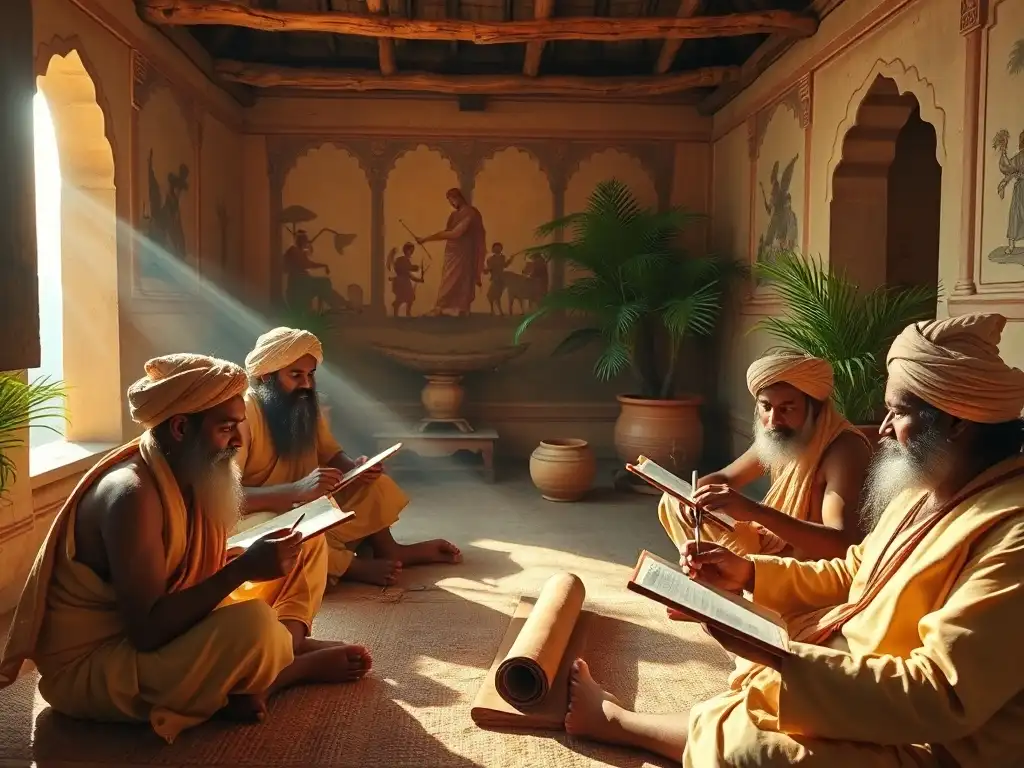
The education and training of scribes in ancient India were rigorous and deeply structured. Aspiring scribes underwent extensive instruction in various subjects, including language, mathematics, and administrative practices. This comprehensive education ensured that they were well-equipped to handle the demands of their roles in society.
Literacy Rates Among Ancient Indian Populations
Literacy rates among ancient Indian populations varied significantly based on region, social class, and access to education. While the elite classes, including those in urban centers, often had higher literacy rates, rural populations generally had lower levels of literacy. Historical evidence suggests that writing systems such as Brahmi and Kharosthi were instrumental in promoting literacy among certain segments of the population, particularly those involved in trade and administration.
The presence of inscriptions and documents from various periods indicates that literacy was valued and cultivated in specific communities. However, the widespread accessibility of education remained limited, leading to a bifurcated society where knowledge and literacy were privileges of the few.
Methods of Teaching Literacy to Aspiring Scribes
Teaching methods for aspiring scribes were typically hands-on and practical. Instruction often took place in formal schools or within the households of wealthy patrons. Students learned through a combination of rote memorization, practice writing, and real-life applications. The curriculum included not only the mechanics of writing but also the study of literature, mathematics, and the principles of governance.
Mentorship played a significant role in the education of scribes, with experienced scribes guiding novices through the intricacies of their work. This apprenticeship model ensured that knowledge was passed down through generations, preserving literacy skills and administrative practices essential for the functioning of society.
The Role of Institutions in Scribe Education
Institutions in ancient India, including temples and royal courts, were crucial in the education and training of scribes. These institutions often served as centers of learning, where aspiring scribes could receive formal instruction in writing, languages, and administrative duties. Temples, in particular, were known for their libraries and archives, which housed important texts and documents.
Additionally, royal patronage played a vital role in supporting educational initiatives for scribes. Rulers recognized the importance of literacy for effective governance and often established schools or sponsored educators to enhance the skills of scribes. This institutional support not only elevated the status of scribes within society but also contributed to the preservation and advancement of knowledge in ancient India.
Scribes and Their Contribution to Culture and Society
Scribes played a pivotal role in ancient Indian civilizations, serving as the backbone of literacy and record-keeping systems. Their contributions extended beyond mere documentation; they were integral in shaping the cultural and societal landscape of their times. Scribes were responsible for transcribing religious texts, royal decrees, and historical accounts, which not only preserved knowledge but also facilitated the transmission of culture across generations.
The work of scribes was essential in various fields, including administration, trade, and law. They meticulously recorded transactions, which helped establish trust and accountability in commerce. Additionally, the ability to write and read conferred a certain prestige, elevating the role of scribes within the social hierarchy. Their skills allowed them to bridge the gap between the literate elite and the broader populace, thus playing a crucial role in the dissemination of information.
Preservation of Knowledge and Literature
The preservation of knowledge in ancient India largely depended on the diligence of scribes. They were entrusted with the task of copying important texts, including religious scriptures such as the Vedas, Upanishads, and epics like the Mahabharata and Ramayana. Through their careful transcription, scribes ensured that these texts survived the ravages of time, providing future generations with invaluable insights into philosophy, spirituality, and ethics.
In addition to religious texts, scribes recorded historical events, scientific treatises, and literary works. The development of writing systems, such as Brahmi and Kharosthi, enabled scribes to document a wide array of subjects, from astronomy to medicine. This body of written knowledge created a foundation upon which later scholars could build, fostering an intellectual environment that encouraged inquiry and exploration.
Scribes as Cultural Mediators
Scribes functioned as cultural mediators, facilitating communication between diverse groups and enhancing cultural exchange. In a society marked by a multitude of languages and dialects, scribes were instrumental in translating and transcribing texts into various vernaculars. This task not only made literature accessible to a broader audience but also encouraged the integration of different cultural elements.
Furthermore, scribes often played a role in the administration of temples and courts, where they were responsible for maintaining records of rituals, donations, and legal proceedings. Their work ensured that cultural practices and traditions were documented and preserved, thereby reinforcing communal identities and shared histories. As a result, scribes became key figures in the cultural continuity of ancient Indian society.
The Influence of Scribes on Language Development
The work of scribes significantly influenced the development of languages in ancient India. By transcribing texts in various dialects and scripts, they contributed to the standardization and evolution of languages. For instance, the use of Sanskrit in religious and philosophical writings, facilitated by scribes, played a crucial role in establishing it as a scholarly language.
Moreover, the interaction between scribes and local dialects led to the emergence of regional linguistic variations. This dynamic contributed to the rich tapestry of languages in India, as scribes adapted and transformed written forms to suit different audiences. Their efforts in documenting vernacular languages not only helped preserve linguistic diversity but also enriched the literary heritage of ancient India.
Challenges Faced by Scribes in Ancient India
Despite their significant contributions, scribes faced numerous challenges in ancient India. The profession was often undervalued, leading to a lack of recognition for their critical role in society. Additionally, the demands of their work could be taxing, requiring long hours of meticulous writing and proofreading.
Societal Perceptions of Scribes and Their Work
Societal perceptions of scribes varied across different periods and regions. In some instances, they were respected for their knowledge and skills, particularly in royal courts and temples. However, in other contexts, they were seen as mere functionaries, lacking the prestige associated with scholars or priests. This ambivalence often affected their social standing and the rewards they received for their labor.
The reliance on scribes for administrative and record-keeping tasks also made them vulnerable to political changes. Shifts in power dynamics could lead to the marginalization of scribes, as new regimes might favor different administrative practices or languages. Consequently, the stability of their roles was often contingent on broader societal changes.
The Evolution of Scribe Roles Over Time
The roles of scribes in ancient India evolved significantly over the centuries. Initially, their primary function centered on recording religious texts and administrative documents. However, as trade expanded and political structures became more complex, the demand for skilled scribes grew.
During the Maurya and Gupta Empires, for instance, scribes became increasingly involved in various sectors, including commerce and governance. Their expertise was sought in drafting contracts, maintaining trade records, and even composing poetry and literature. This diversification of roles not only enhanced their status but also underscored their adaptability in response to changing societal needs.
As literacy spread and new writing technologies emerged, the nature of scribe work continued to evolve. The advent of more accessible writing materials and tools allowed for a broader population to engage in writing, leading to a gradual democratization of literacy. Despite these changes, the foundational contributions of ancient Indian scribes to literacy and record-keeping remain a testament to their enduring legacy in shaping the cultural and intellectual landscape of India.
The Decline of Scribes and Literacy in Later Periods

As ancient Indian civilization progressed into later historical periods, the prominence of scribes and their literacy began to wane significantly. This decline can be attributed to several interrelated factors that altered the socio-economic landscape of India. The once-essential role of scribes in maintaining records and documentation experienced a transformation that ultimately diminished their influence and the overall literacy levels among the populace.
Factors Contributing to the Decline of Scribe Influence
- Political Changes: The rise of new empires such as the Mauryan and Gupta empires brought about significant shifts in administrative practices. As centralized bureaucracies evolved, the need for traditional scribes diminished. The introduction of new administrative systems often favored a more direct form of governance, reducing reliance on written records.
- Cultural Shifts: With the spread of different religious and philosophical movements, such as Buddhism and Jainism, there was a growing emphasis on oral traditions and teachings. This shift placed less importance on written documentation, contributing to a decline in literacy rates among various communities.
- Economic Transformation: The evolution of trade networks and economic practices led to the emergence of new occupations that required different skill sets. As commerce expanded, merchants and traders began to prioritize practical skills over literacy, thereby decreasing the demand for scribes.
- Technological Advances: The introduction of new writing materials and methods, such as paper and printing (later in history), shifted the paradigms of record-keeping. These innovations often made traditional scribal practices less relevant, as documentation became more accessible to a wider audience.
The Transition from Scribe-Based Record Keeping to Other Systems
The transition from a scribe-dominated record-keeping system to alternative methods was gradual but marked a significant evolution in how information was documented and shared. As literacy became less exclusive to a specific class of scribes, various systems began to emerge:
- Community-Based Documentation: In many regions, local communities began to take responsibility for their records, leading to a more decentralized form of documentation. This shift often involved the use of local languages and dialects, making written records more relatable and accessible to a broader audience.
- Use of Oral Traditions: Oral history gained importance and became a valid means of record-keeping, particularly in rural areas where literacy was declining. Elders and community leaders played a crucial role in preserving knowledge and history through storytelling, thus reducing reliance on written documentation.
- Adoption of New Technologies: The advent of new writing technologies allowed for a more widespread distribution of literacy. While this democratization of knowledge was beneficial, it also meant that the specialized role of scribes was diminished, as more people began to engage with writing and record-keeping independently.
Conclusion: The Legacy of Ancient Indian Scribes and Literacy
The legacy of ancient Indian scribes and their contributions to literacy is profound and multifaceted. Despite their decline in later periods, the foundations laid by these early record-keepers have had lasting implications for the cultural and historical landscape of India.
Reflection on the Importance of Scribes in Historical Context
Scribes played a pivotal role in the development of administrative systems, cultural transmission, and the preservation of knowledge in ancient India. Their work ensured that vital information regarding trade, governance, and social customs was documented and passed down through generations. The literacy they fostered among the elite eventually permeated various strata of society, setting the stage for the flourishing of knowledge and education in subsequent eras.
The Lasting Impact of Ancient Indian Literacy on Modern India
The influence of ancient Indian literacy extends into modern times, where the value of education and written communication remains paramount. Today's educational systems and administrative frameworks can trace their roots back to the practices established by ancient scribes. Furthermore, the rich literary heritage, including classical texts and philosophical works, continues to shape India's cultural identity. The legacy of ancient Indian scribes is thus not only a testament to their historical significance but also a critical component of contemporary society's values regarding literacy and knowledge.
References and Further Reading on Ancient Indian Scribes and Literacy
The study of ancient Indian scribes and their contribution to literacy and record keeping is a rich field that encompasses various facets of history, culture, and administration. Engaging with scholarly works can provide deeper insights into how scribes functioned within the labor systems of ancient India and the significance of their roles in society. Below are some recommended resources to further explore this fascinating topic.
Suggested Books and Articles
-
"The Indus Civilization: A Contemporary Perspective" by Gregory L. Possehl
This book offers an overview of the Indus Valley Civilization, highlighting the role of writing and record keeping in trade and administration, which can provide context for the early scribes.
-
"Scribes and Scholars: A Guide to the Transmission of Greek and Latin Literature" by L.D. Reynolds and N.G. Wilson
Although primarily focused on Greek and Latin traditions, the methodologies discussed can be applied to the understanding of scribal practices in ancient cultures, including India.
-
"The Art of Writing: A History of Indian Script" by A. K. Sharma
This work delves into the evolution of writing systems in ancient India, discussing the various scripts used by scribes and their implications for literacy.
-
"Ancient Indian Society and Culture" by R. S. Sharma
This comprehensive book covers various aspects of ancient Indian life, including the role of scribes, literacy, and the administrative systems that relied heavily on written records.
-
"Literacy in Ancient India: A Study of the Role of Writing in Indian Society"
This article explores the significance of literacy and scribes in the context of ancient Indian civilizations, shedding light on their impact on governance and societal organization.
Online Resources for Further Exploration on Ancient Indian Labor Systems
-
The Archaeological Survey of India (ASI)
The ASI website provides access to a wealth of information regarding archaeological findings, including inscriptions and records that highlight the role of scribes in ancient India.
-
The Digital South Asia Library
This online resource hosts a collection of texts, images, and maps related to South Asian history, including materials pertinent to ancient Indian scribes and their literacy practices.
-
The Indian History Congress
Their website often features papers and proceedings that discuss various aspects of Indian history, including labor systems and the role of scribes.
-
Project Gutenberg
A valuable source for accessing free texts, Project Gutenberg includes works on Indian history and literature that may touch upon the themes of literacy and record-keeping in ancient societies.
-
Academia.edu
This platform allows researchers to share their papers. Searching for keywords like "ancient Indian scribes literacy" can yield numerous academic articles and studies that delve deeper into the subject.
These resources are excellent starting points for anyone interested in the intricate roles that scribes played in ancient Indian labor systems and the broader implications of literacy in society.
- Introduction to Ancient Indian Scribes and Literacy
- Historical Context of Scribes in Ancient India
- Functions of Scribes in Ancient Indian Labor Systems
- The Education and Training of Scribes
- Scribes and Their Contribution to Culture and Society
- Challenges Faced by Scribes in Ancient India
- The Decline of Scribes and Literacy in Later Periods
- Conclusion: The Legacy of Ancient Indian Scribes and Literacy
- References and Further Reading on Ancient Indian Scribes and Literacy
- What was the significance of scribes in ancient Indian societies?
- How did literacy impact the labor systems in ancient India?
- What materials did ancient Indian scribes use for writing?
- Were there any specific training or qualifications required for scribes?
- How did the Gupta Empire influence scribal practices?
Frequently Asked Questions
What was the significance of scribes in ancient Indian societies?
Scribes played a crucial role in record keeping and administrative tasks, enabling the documentation of economic and cultural activities essential for governance and trade.
How did literacy impact the labor systems in ancient India?
Literacy among scribes facilitated efficient communication and record keeping, which enhanced the organization and management of labor systems, thus contributing to the economy.
What materials did ancient Indian scribes use for writing?
Ancient Indian scribes commonly used materials like bark, palm leaves, and clay tablets, inscribed with tools such as styluses or ink made from natural substances.
Were there any specific training or qualifications required for scribes?
Yes, scribes underwent formal training in reading, writing, and the use of various scripts, which was essential for their role in maintaining administrative records.
How did the Gupta Empire influence scribal practices?
The Gupta Empire saw a significant advancement in literacy and the arts, leading to improved scribal techniques and increased literacy rates, which supported the empire's administration and culture.
Final Reflection: The Enduring Legacy of Ancient Indian Scribes
The role of ancient Indian scribes in promoting literacy and meticulous record-keeping remains profoundly relevant today. As we navigate an increasingly complex world, the ability to document, communicate, and preserve knowledge is more crucial than ever. The scribes of ancient India not only facilitated the administration of their societies but also laid the groundwork for the intellectual advancements that followed. Their contributions remind us that literacy is not merely a skill but a powerful tool for empowerment and progress.
The influence of scribes extends far beyond their historical context; they have shaped our cultural and social landscapes in ways that continue to resonate. The meticulous records they maintained were foundational in preserving the rich tapestry of Indian history, philosophy, and governance. As we reflect on their legacy, we recognize the importance of literacy in fostering informed communities. Literacy is a bridge from misery to hope.
— Kofi Annan. This quote encapsulates the transformative power of literacy, a sentiment that echoes through the ages and underscores the vital role of scribes in ancient Indian society.
As we contemplate the lessons from the past, let us embrace the spirit of the ancient scribes in our own lives. Consider how you can contribute to the preservation of knowledge and the promotion of literacy in your community. Whether through teaching, writing, or simply sharing stories, each of us has the potential to be a modern-day scribe. In doing so, we honor the legacy of those who came before us and ensure that the power of literacy continues to illuminate the path for future generations.
Unleash Your Curiosity About Ancient Indian Scribes!
Thank you for taking the time to explore the vital role of scribes in ancient Indian labor systems! You’ve uncovered how literacy and record-keeping shaped societies in profound ways. Now, it's time to translate that knowledge into action!
Take these steps to delve deeper and celebrate the legacy of these incredible record keepers:
- Explore further: Dive into a nearby library or an online archive to uncover more about ancient literacy and its impact on labor systems throughout history.
- Share your insights: Engage with friends or on social media by sharing a captivating fact about ancient scribes or recommending this article to spark meaningful discussions.
- Join a community: Connect with history enthusiasts online through forums or local groups to continue the conversation about ancient India and its labor systems.
What aspect of the scribe's influence would you like to explore further or discuss with others?