
The Role of Potters and Clay Workers in Ancient Indian Society

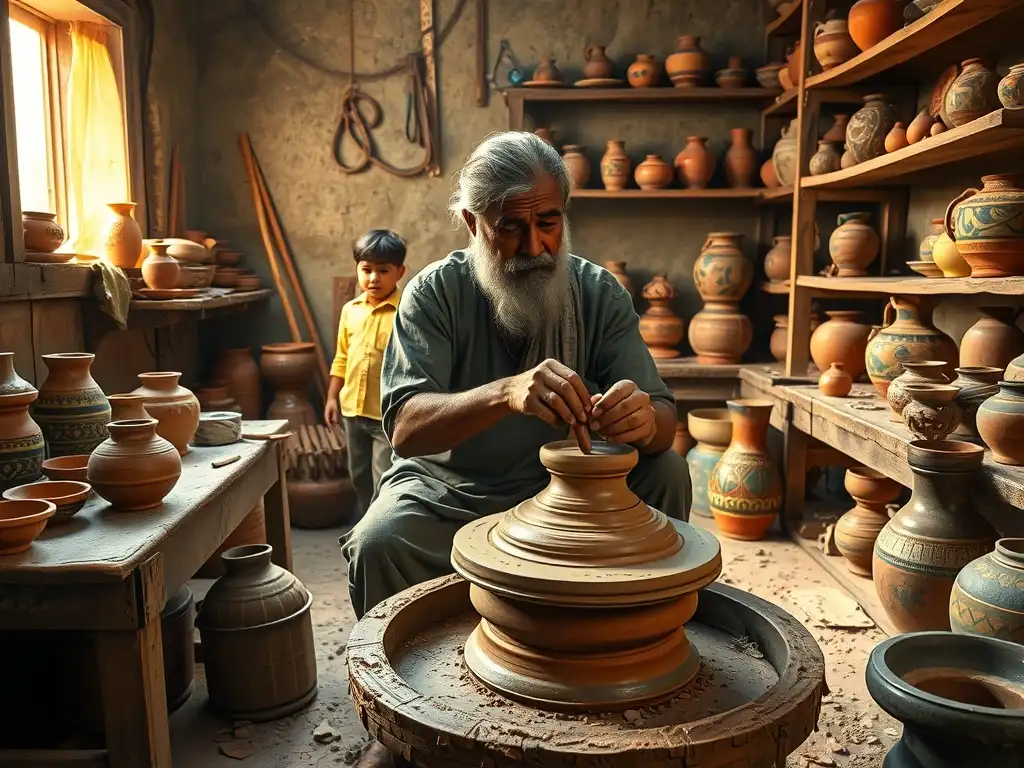
Welcome to Ancient India History, where we embark on a fascinating journey through the rich tapestry of ancient Indian civilizations. From the ingenious innovations of the Indus Valley to the profound contributions of the Gupta Empire, our exploration brings to light the diverse cultural heritage that shaped society. In today’s feature, we delve into the intriguing world of potters in ancient India—craftsmen whose artistry and skills played a pivotal role in daily life and societal development.
Discover how these clay workers not only created functional pottery but also influenced social structure and trade. Prepare to be captivated by the stories that lie beneath the surface of this essential craft and the vibrant culture it supported. Let’s dive in!
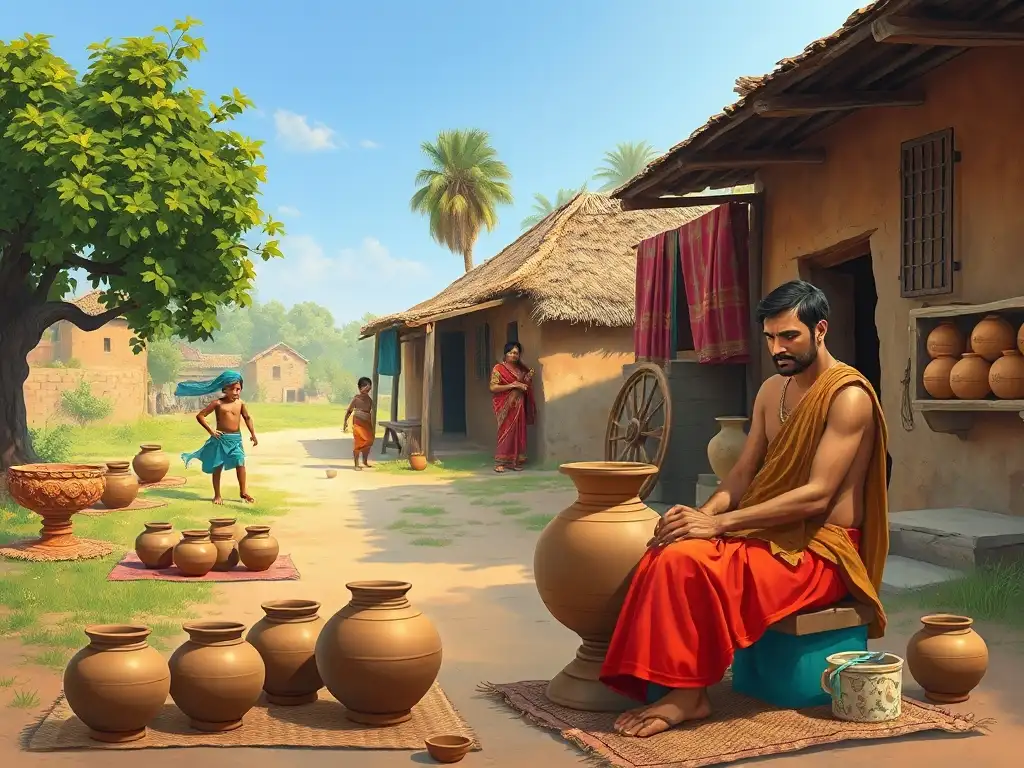
Introduction to Potters in Ancient India
The craft of pottery has held a significant place in the history of ancient Indian society, serving not merely as a means of utility but also as a profound expression of cultural identity and artistic creativity. From the earliest civilizations, such as the Indus Valley, to the flourishing cultures of the Maurya and Gupta Empires, potters and clay workers played a pivotal role in shaping both the domestic and ceremonial aspects of life.
Their contributions extended beyond mere functionality; they were artisans who influenced trade, social structure, and even religious practices. This article delves into the multifaceted role of potters in ancient India, exploring their historical significance, the evolution of their craft, and the vibrant pottery centers that emerged throughout the ages.
Overview of Ancient Indian Society
Ancient Indian society was characterized by a complex interplay of various social classes, occupations, and cultural practices. The caste system, along with various guilds, defined the roles and responsibilities of individuals within this society. Potters typically belonged to specific castes, which not only dictated their trade but also influenced their social standing.
- Key social structures included:
- Varna system: Divisions based on occupational roles.
- Guilds: Organized groups of artisans that fostered craftsmanship and trade.
- Rural and Urban Dynamics: Pottery was produced in both rural and urban settings, catering to different markets and needs.
The craftsmanship of potters was essential in fulfilling the everyday needs of the population, including cooking, storage, and ceremonial uses. Their work not only served practical purposes but also provided a canvas for artistic expression, reflecting the rich cultural tapestry of the time.
Significance of Pottery in Daily Life
Pottery was integral to daily life in ancient India, serving various functions that transcended mere utility. The significance of pottery can be highlighted through several aspects:
- Domestic Use: Everyday items like cooking pots, storage jars, and water vessels were crucial for household management.
- Ceremonial Roles: Pottery played a vital role in religious rituals, with specific vessels used in offerings and ceremonies, emphasizing its spiritual importance.
- Trade and Economy: The production and trade of pottery contributed to local economies, fostering connections between different regions through the exchange of goods.
Furthermore, the styles and motifs found on pottery provide invaluable insights into the cultural and social dynamics of the time, showcasing the artistry and symbolic meanings embedded in these artifacts.
Historical Context of Pottery in Ancient India
Understanding the historical context of pottery in ancient India requires an exploration of its evolution and the centers where this craft flourished.
Evolution of Pottery Techniques
The evolution of pottery techniques in ancient India is marked by significant advancements over the centuries.
- Indus Valley Civilization (c. 3300–1300 BCE):
- Early potters utilized hand-building techniques, producing painted and unpainted wares.
- The use of the potter's wheel emerged, allowing for more uniform and intricate designs.
- Post-Indus Developments:
- With the arrival of new cultures, techniques diversified, leading to the creation of distinctive regional styles.
- Glazing and decorative techniques became more elaborate, reflecting the artistic evolution of the craft.
These advancements not only improved the functionality of pottery but also enhanced its aesthetic appeal, marking a significant progression in ancient Indian craftsmanship.
Major Pottery Centers in Ancient India
Several regions in ancient India became renowned for their distinctive pottery styles and production techniques.
- Notable pottery centers included:
- Paharpur and Benares: Known for their fine earthenware and intricate designs.
- Kutch and Gujarat: Famous for their colorful and ornate pottery, reflecting local traditions.
- Tamil Nadu: Renowned for terracotta figurines and ritual pots.
These centers not only produced pottery for local consumption but also contributed to trade networks that facilitated the exchange of goods and cultural practices across the subcontinent. The legacy of these pottery centers continues to influence contemporary ceramics in India, demonstrating the lasting impact of ancient artisans.
The Craft of Pottery: Skills and Techniques
The craft of pottery in ancient India was a complex interplay of artistic expression, utilitarian functionality, and cultural significance. Potters, known as "kumbhakar" in many regions, were skilled artisans who employed a variety of techniques to create pottery that was not only practical but also aesthetically pleasing. The craftsmanship involved in pottery making required years of training and mastery over specific skills, including shaping, firing, and glazing techniques.
Potters utilized a keen understanding of clay properties, allowing them to select the right type for their intended use, whether for domestic items like pots and dishes or ceremonial objects. The techniques included hand-building methods such as coiling and pinching, as well as wheel throwing, which became increasingly popular with the advent of the potter's wheel around 3000 BCE. Each technique demanded precision and creativity, making the craft both a science and an art.
The finishing processes, such as polishing and painting, added further layers of complexity to the craft, with potters often using natural pigments derived from minerals and plants. These skills and techniques were passed down through generations, ensuring the preservation of both practical and cultural elements of pottery in ancient Indian society.
Traditional Methods Used by Potters
Traditional pottery methods in ancient India were deeply rooted in the local culture and environment. The most common technique employed was hand-building, which included methods like coiling and pinching. In coiling, potters would roll clay into long strips and layer them to form the desired shape, while pinching involved shaping the clay with fingers to create pots or bowls. These techniques allowed for a variety of forms, from simple utilitarian vessels to intricate decorative pieces.
With the introduction of the potter’s wheel, which is believed to have been in use since the Indus Valley Civilization, potters could produce more uniform and symmetrical items. The wheel enabled them to achieve greater efficiency and precision, revolutionizing pottery production. The spinning motion helped in shaping the clay evenly, allowing for the creation of larger and more complex vessels.
Moreover, many potters employed techniques such as burnishing and smudging to enhance the surface finish of their products. Burnishing involved rubbing the surface with a smooth tool, creating a shiny finish, while smudging utilized smoke to darken the color of the clay. These traditional methods not only reflected the potter's skill but also the cultural preferences of the communities they served.
Tools and Materials Employed in Pottery Making
Potters in ancient India utilized a variety of tools and materials that were essential for their craft. The primary material was clay, sourced from riverbeds and local deposits, which varied in texture and composition depending on the region. Potters would often mix different types of clay to achieve desired properties, such as improved workability or enhanced durability.
The basic tools used in pottery making included:
- Potter's wheel: A rotating platform that facilitated the shaping of clay into uniform forms.
- Wooden paddles and tools: Employed for shaping and smoothing the clay.
- Knives and wires: Used for cutting and trimming excess clay.
- Burnishing stones: Smooth stones used to polish the surface of pots.
In addition to these tools, potters also used natural materials for decoration, such as mineral pigments for painting and organic materials for glazing. The firing process, crucial for hardening the clay, typically took place in simple kilns or open fires, where the temperature and atmosphere could be controlled to produce different finishes and colors.
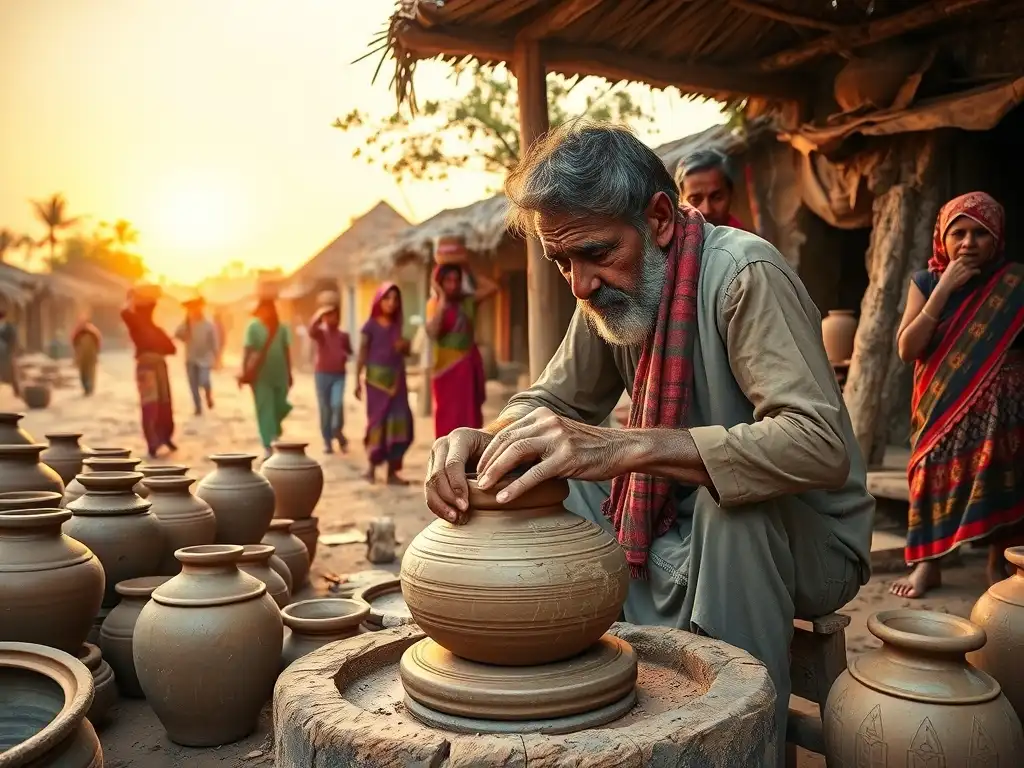
Potters held a distinct place within the social hierarchy of ancient Indian society. This social class was not only defined by their craft but also by their role in the community. Potters were essential to everyday life, providing the necessary vessels for cooking, storage, and rituals. Their contribution to both domestic and ceremonial life elevated their status within the community, making them integral to various cultural practices.
The Status and Roles of Potters
In ancient Indian society, potters were often regarded as skilled artisans with specialized knowledge and expertise. Their work was vital for the sustenance of families and communities, creating not only functional items but also beautiful artworks that reflected local traditions and values. In many regions, potters belonged to specific castes, which influenced their social standing and the type of pottery they produced.
Despite their important role, potters sometimes faced social stigmas associated with manual labor. However, their skills often granted them a level of respect, particularly when involved in religious or ceremonial contexts. Potters participated in various festivals, creating special vessels for rituals, which further solidified their importance within the social fabric of ancient India.
Interactions with Other Occupations and Labor Systems
Potters interacted closely with various other occupations and labor systems in ancient India, creating a network of economic and social relationships. They collaborated with farmers, for instance, as pottery was essential for storing grains and other produce. This symbiotic relationship ensured not only the potters' livelihood but also facilitated agricultural practices.
Additionally, potters often worked alongside metalworkers, weavers, and other artisans, contributing to the diverse marketplace in ancient settlements. The exchange of goods and services among these craftspeople exemplified a robust local economy, where each occupation supported the others. This interdependence fostered community cohesion, allowing potters to thrive within the wider social and economic systems of ancient India.
Potters were not just craftsmen; they were crucial participants in the cultural and economic life of their societies, demonstrating the profound impact of their work on everyday life in ancient India.
Cultural Significance of Pottery
Pottery has played a pivotal role in the cultural tapestry of ancient India, serving not only as functional objects but also as vital symbols of identity and tradition. The craftsmanship of potters in ancient India reflects the intricate relationship between humans and their environment, showcasing the themes of sustainability and resource utilization. From everyday utilitarian vessels to ceremonial artifacts, pottery has been a canvas for expressing cultural values and social norms.
Moreover, pottery styles varied significantly across different regions, influenced by local materials, techniques, and cultural practices. This diversity in pottery forms, colors, and decorations highlights the unique identities within ancient Indian civilizations, from the Indus Valley to the South Indian kingdoms. Pottery serves as a testament to the artistry and skill of potters, revealing insights into the lifestyles, beliefs, and customs of ancient communities.
Pottery in Rituals and Ceremonies
In ancient India, pottery was integral to various rituals and ceremonies, often serving as a medium for spiritual expression. Clay pots and figurines were commonly used in religious offerings, such as during pujas (worship rituals), where they were filled with food, flowers, and water as gifts to deities. The act of crafting these items was not merely functional; it was imbued with spiritual significance, often involving prayers and rituals performed by the potters themselves.
Additionally, certain pottery pieces were specifically designed for funerary practices, symbolizing the journey of the soul. The use of terracotta figurines and vessels in burial sites has been discovered in archaeological excavations, indicating their role in honoring the deceased and ensuring their safe passage to the afterlife. These practices reveal how potters contributed to the spiritual and ritualistic life of ancient Indian societies, underscoring their importance beyond mere craft.
Artistic Expression through Clay Work
The artistry of potters in ancient India transcended functional utility, transforming clay into expressions of beauty and cultural storytelling. Pottery was often decorated with intricate designs, motifs, and colors, reflecting the aesthetic sensibilities of various communities. This artistic expression was influenced by local traditions, religious beliefs, and even social status, making pottery a significant indicator of cultural identity.
Different regions boasted distinct pottery styles, such as the painted pottery of the Indus Valley, characterized by geometric patterns and figurative designs, or the black-and-red ware from the early historic period, showcasing innovative techniques in glazing and firing. The craftsmanship of potters not only served practical purposes but also played a crucial role in preserving and communicating the cultural narratives of their time, making them key contributors to the artistic heritage of ancient India.
Economic Contributions of Potters
The economic impact of potters in ancient India was substantial, serving as a backbone for local economies and trade networks. Pottery was not only essential for daily life, providing vessels for storage, cooking, and serving, but it also facilitated trade and commerce, integrating potters into broader economic systems. The production of pottery required considerable resources and labor, and local potters often formed guilds, supporting one another in both production and distribution.
Furthermore, the technological advancements in pottery-making techniques allowed for increased efficiency and innovation. This economic activity created jobs not only for potters but also for those involved in the supply chain, including clay gatherers, decorators, and traders. As a result, potters contributed significantly to the overall economic stability and growth of their communities.
Trade and Commerce Involving Pottery
Trade routes in ancient India were bustling with activity, and pottery emerged as a key commodity in these exchanges. Potters produced a variety of items tailored to different markets, ranging from everyday cookware to specialized ceremonial pieces, which were traded both locally and across regions. Archaeological findings indicate that pottery was traded with neighboring civilizations, enhancing cultural exchanges and economic interactions.
The significance of pottery in trade is evident in the discovery of potters' marks on various artifacts, suggesting a system of branding and quality assurance that facilitated commerce. Local markets thrived as potters established networks with merchants, allowing them to reach broader audiences. This trade not only promoted economic prosperity but also contributed to the dissemination of cultural practices, influencing pottery styles and techniques across regions.
Impact on Local Economies and Markets
The presence of potters in ancient Indian villages significantly influenced local economies and markets. Pottery production created a demand for raw materials, stimulating local industries such as clay mining and fuel provision for kilns. As potters became pivotal figures in their communities, they often played dual roles as both artisans and merchants, contributing to the vibrant economic landscape.
The establishment of local markets where pottery was sold further emphasized its economic importance. These markets became centers of commerce, where potters could showcase their work and engage with consumers directly. The revenue generated from pottery sales not only supported individual potters but also bolstered the local economy, facilitating trade in other goods and services. This interconnectedness highlights the integral role of potters in shaping the economic dynamics of ancient Indian society.
Challenges Faced by Potters in Ancient India
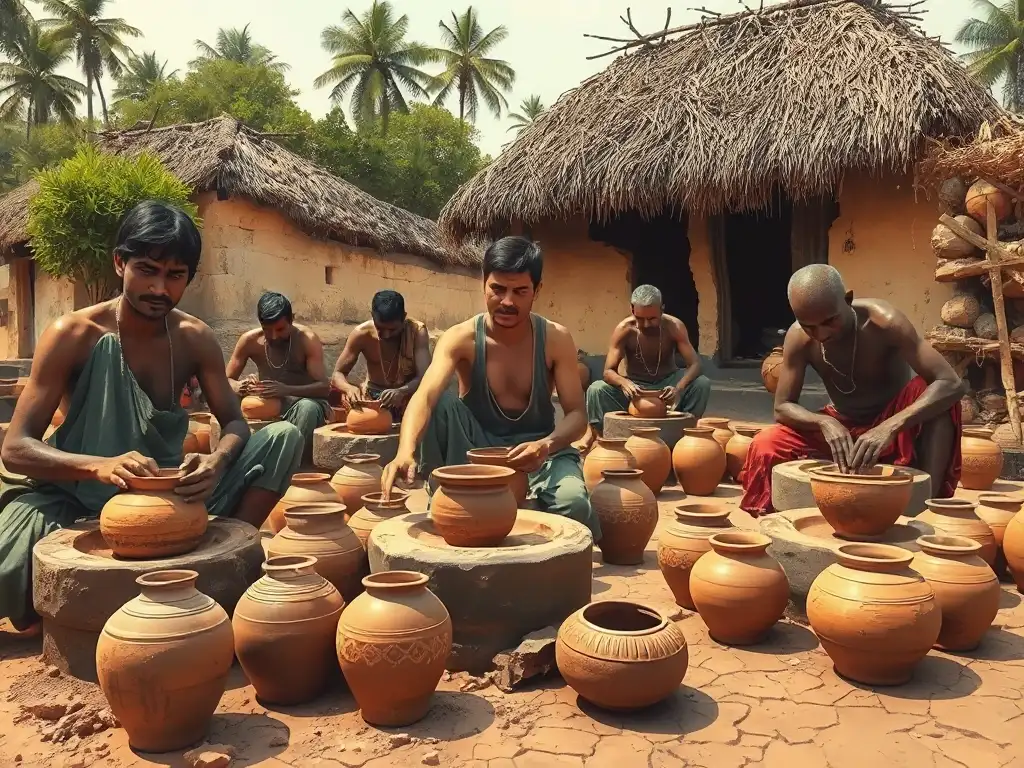
Potters in Ancient India played a vital role in shaping not only the physical landscape with their earthenware but also the cultural fabric of society. However, their profession was fraught with numerous challenges that impacted their work and livelihoods.
Environmental and Resource Constraints
The production of pottery is intrinsically linked to the availability of natural resources, particularly clay, water, and fuel for firing. Ancient Indian potters faced significant environmental limitations, such as:
- Clay Availability: The quality and type of clay varied significantly across different regions. Potters had to adapt their techniques based on local materials, which sometimes limited their production capabilities. In areas where high-quality clay was scarce, potters often had to travel long distances to source suitable materials.
- Water Scarcity: Pottery making is a water-intensive process, and during dry seasons or in arid regions, the lack of water could hinder production. This scarcity not only affected the potters' ability to create pottery but also impacted their ability to maintain the necessary tools and equipment for their craft.
- Fuel Sources: Firing pottery required significant amounts of fuel, often sourced from wood or other combustible materials. Deforestation and overexploitation of local resources could lead to fuel shortages, thereby affecting the potters' ability to produce high-quality, durable pottery.
Social and Economic Pressures on Pottery Makers
In addition to environmental challenges, potters in Ancient India faced various social and economic pressures that shaped their craft and livelihood:
- Market Competition: The rise of alternative materials and manufacturing techniques, such as metal and glass, posed a significant threat to traditional pottery. As markets expanded and consumer preferences evolved, potters had to continuously innovate to remain competitive.
- Caste System Constraints: The social structure of Ancient India often relegated potters to specific castes, which limited their social mobility and access to resources. These caste-based restrictions could impact their ability to negotiate prices and secure fair compensation for their work.
- Economic Vulnerability: Potters often operated as small-scale artisans, which made them susceptible to economic fluctuations and market demands. During times of economic downturn or social upheaval, such as invasions or natural disasters, potters could face severe income losses, making their livelihood precarious.
Conclusion: Legacy of Potters in Ancient Indian Civilization
The legacy of potters in Ancient India transcends their immediate contributions to daily life, as their work continues to influence modern society in various ways.
Continuing Influence of Ancient Pottery Techniques
Ancient pottery techniques have been passed down through generations, with many rural artisans still utilizing traditional methods that date back thousands of years. These techniques not only preserve cultural heritage but also offer insights into the technological advancements of ancient civilizations.
- Craftsmanship and Aesthetics: The intricate designs and functional forms of ancient pottery continue to inspire contemporary artisans, leading to a revival of traditional craftsmanship in modern pottery making.
- Cultural Significance: Pottery remains an essential aspect of various cultural rituals and practices in India. The use of traditional earthenware in religious ceremonies and festivals highlights the enduring relevance of potters' contributions.
Recognition of Potters in Modern Indian Culture
In contemporary India, the role of potters has gained recognition as part of the broader appreciation for traditional crafts:
- Artisan Support Initiatives: Various governmental and non-governmental organizations focus on empowering potters through skill development, fair trade practices, and access to markets. This support helps revive the pottery industry and sustain its cultural significance.
- Cultural Festivals and Exhibitions: Events celebrating traditional crafts often highlight pottery, showcasing the skills of artisans and raising awareness about their invaluable contributions to society. This recognition fosters a renewed interest in pottery, encouraging younger generations to engage with this ancient craft.
The challenges faced by potters in Ancient India are a testament to their resilience and ingenuity. Their enduring legacy not only shapes our understanding of ancient civilizations but also continues to influence modern Indian culture and craftsmanship.
References
Scholarly Articles and Books on Ancient Indian Pottery and Society
-
"The Pottery of Ancient India" by Susan B. Alt
This book provides a comprehensive analysis of pottery styles and techniques used throughout ancient Indian history. Alt explores the social and economic implications of pottery production and its relevance to daily life.
-
"Crafts and Craftsmen in Ancient India" by N. R. Ray
Ray’s work delves into the various crafts practiced in ancient India, with a significant focus on pottery. It outlines the roles and status of potters within their communities and the impact of their work on trade and cultural exchange.
-
"Indus Valley Civilization: A Historical Overview" by Jane McIntosh
This article discusses the significance of pottery in the Indus Valley Civilization, highlighting the advanced techniques and decorative styles that emerged. It emphasizes the role of potters in daily life and as contributors to the economy.
-
"Socio-Economic Dimensions of Pottery in Ancient India" by Ravi K. Sharma
Sharma examines the economic aspects of pottery production, including trade networks and the material culture of ancient Indian societies. The study also discusses the social hierarchy among potters and their interactions with other craftsmen.
-
"Ancient Indian Artisans: The Role of Potters" in the Journal of Ancient Civilizations
This journal article provides insights into the lives of potters, detailing their craftsmanship and the cultural significance of their work in various ancient Indian civilizations. It also explores the technological advancements in pottery-making over the centuries.
-
"Clay and Culture: The Pottery of Ancient India" edited by Aditi Mehta
This edited volume brings together various scholars to discuss the interplay between clay production and cultural practices in ancient India. The chapters cover regional variations and the evolution of pottery styles across different periods.
-
"The Economic History of Ancient India" by R. S. Sharma
This book offers a broader context for understanding the role of potters within the economic framework of ancient Indian societies. It discusses trade, craftsmanship, and the significance of pottery in local and regional economies.
These resources provide a thorough understanding of the contributions of potters in ancient India, reflecting their importance in both the cultural and economic landscapes of their time.
- Introduction to Potters in Ancient India
- Historical Context of Pottery in Ancient India
- The Craft of Pottery: Skills and Techniques
- Potters as a Social Class in Ancient Indian Society
- Cultural Significance of Pottery
- Economic Contributions of Potters
- Challenges Faced by Potters in Ancient India
- Conclusion: Legacy of Potters in Ancient Indian Civilization
- References
Frequently Asked Questions
What was the significance of potters in ancient Indian society?
Potters played a crucial role in ancient Indian society by producing essential pottery for daily life, including storage, cooking, and ceremonial uses. Their work was vital for trade and cultural practices.
How did pottery contribute to the economy in ancient India?
Pottery was a significant economic activity, with potters often working in communities to meet local demands. Their goods were traded extensively, contributing to the growth of markets and regional economies.
What materials did ancient Indian potters use?
Ancient Indian potters primarily used clay, sourced from riverbeds or nearby areas. They also incorporated natural pigments for decoration, enhancing the aesthetic value of their pottery.
How did pottery styles differ across regions in ancient India?
Pottery styles varied greatly, influenced by regional resources, cultural practices, and local traditions. For instance, northern regions displayed intricate painted designs, while southern styles often featured more utilitarian forms.
What tools and techniques did ancient potters employ?
Ancient potters utilized simple hand tools and techniques such as the potter's wheel for shaping clay. They also used kilns for firing, which improved the durability and quality of their pottery.
Final Reflection: The Enduring Legacy of Potters in Ancient India
The significance of potters in ancient Indian society cannot be overstated; they were not merely artisans but pivotal figures who shaped the cultural and economic landscape of their time. Today, as we explore the intricate relationship between craftsmanship and community, we recognize that the legacy of potters in ancient India continues to resonate in our contemporary world. Their artistry and skills remind us of the profound connection between human creativity and societal development.
The influence of potters extends beyond their tangible creations; it speaks to the heart of cultural identity and heritage. The techniques and traditions they established have been passed down through generations, enriching the social fabric of India. As we reflect on their contributions, we are reminded of the words of Mahatma Gandhi: The best way to find yourself is to lose yourself in the service of others.
This sentiment captures the essence of potters' work, as they not only served their communities through their craft but also helped define the very essence of Indian culture.
As we look to the future, let us take a moment to reflect on the lessons learned from the potters of ancient India. Consider how you can embrace creativity in your own life and contribute to your community, just as these artisans did centuries ago. Whether through art, service, or simply sharing your skills with others, you have the power to leave a lasting impact. Embrace your inner potter and shape your world with intention and purpose, honoring the rich legacy of those who came before you.
Uncover the Legacy of Ancient Potters and Clay Workers!
Thank you for diving into the fascinating world of ancient Indian potters and clay workers! Your interest not only enriches your understanding of history but also honors the artisans who shaped society with their craft. Now, let’s take meaningful steps to explore this legacy further.
- Visit a local pottery studio or workshop to observe traditional techniques in action and support artisans in your community.
- Research ancient pottery styles online and share your findings on social media to keep the conversation alive about this vital part of our history.
- Consider starting a pottery-making project or trying your hand at creating something new from clay, embracing the spirit of ancient artisans!
What new insights or inspirations have you gained about the role of potters that you can share with others?