
Understanding the Cultural Significance of Caste in Ancient Indian Society

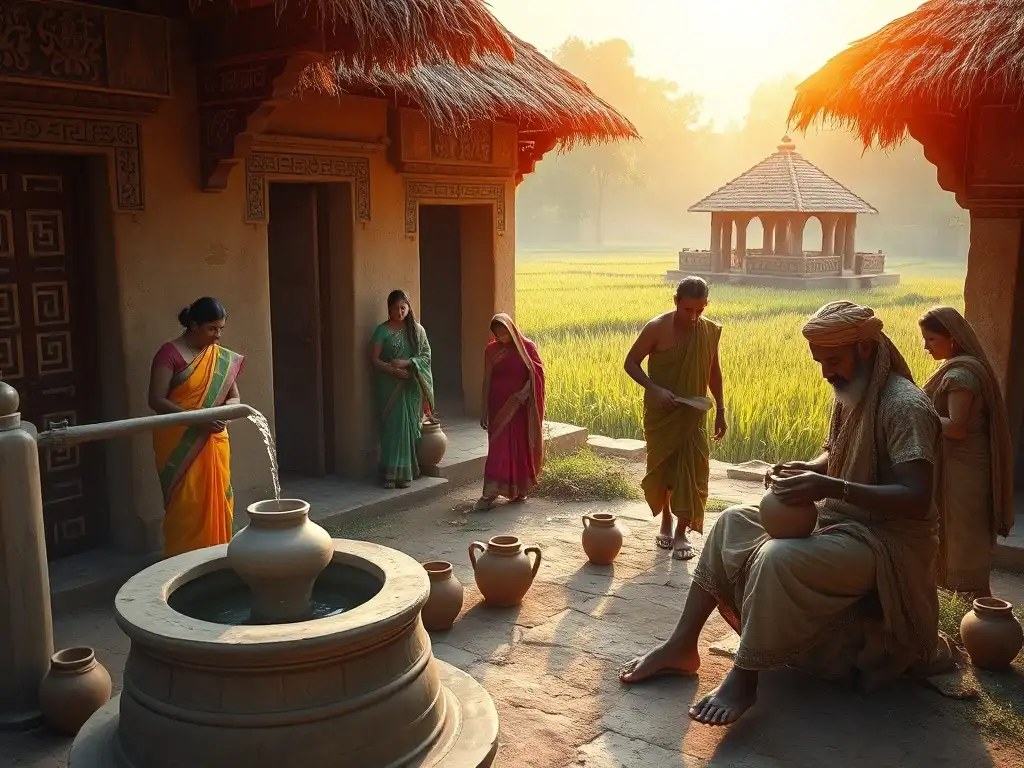
Welcome to Ancient India History, where we embark on a fascinating journey through the rich tapestry of India’s past. In our featured article, "Understanding the Cultural Significance of Caste in Ancient Indian Society," we delve into the complexities of caste systems that shaped daily life and societal structures in ancient India. What role did caste play in the lives of individuals and communities?
How did it influence trade, art, and politics? Join us as we unravel these intriguing questions and more, inviting you to explore the depth of ancient Indian civilization and its enduring legacy. Your adventure into the heart of history begins here!
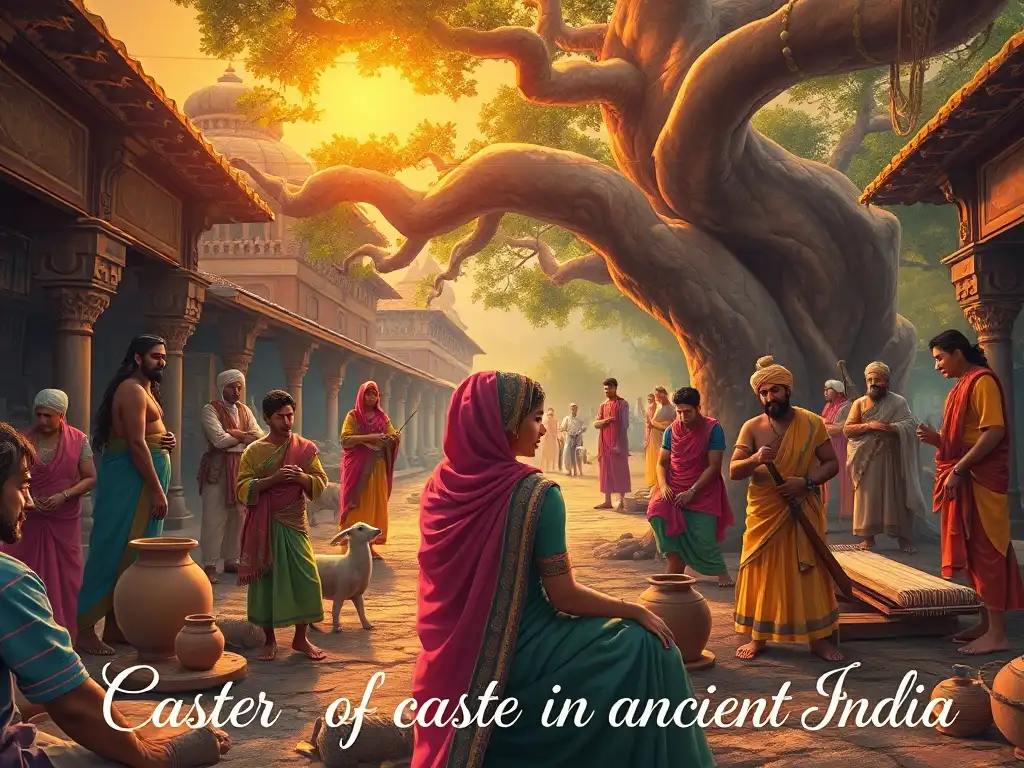
Introduction to Caste in Ancient India
The caste system in ancient India is a complex social hierarchy that has played a crucial role in shaping the cultural landscape of the subcontinent. Understanding the cultural significance of caste in India necessitates a deep dive into its origins, societal roles, and its evolution over centuries.
This article aims to explore these facets, shedding light on how caste influenced daily life, social interactions, and the overall framework of ancient Indian civilizations. From the early settlements of the Indus Valley to the flourishing societies of the Gupta Empire, the caste system not only structured social relations but also reflected the beliefs and values of the time.
Definition of Caste System in Ancient India
The caste system, known as "varna" in ancient texts, refers to a rigid social stratification that categorized individuals into distinct groups based on their occupational roles and duties. Traditionally, there are four primary varnas:
- Brahmins: Priests and scholars responsible for religious rituals and teaching.
- Kshatriyas: Warriors and rulers tasked with governance and protection.
- Vaishyas: Merchants and landowners engaged in agriculture and trade.
- Shudras: Laborers and service providers who supported the higher varnas.
These categories were not merely occupational but also dictated social interactions and cultural practices, influencing everything from marriage to dietary restrictions.
Overview of Caste's Role in Society
The caste system's role in ancient Indian society extended beyond mere classification; it was instrumental in maintaining order and stability. Each caste had specific duties (dharma) that contributed to the functioning of society, fostering a sense of interdependence among the groups. This hierarchical organization also established social norms and expectations, which governed individual behavior and community interactions. Additionally, caste identity often intertwined with regional and ethnic identities, adding layers to the complexity of social relationships in ancient India.
Historical Context of Caste in India
To fully grasp the cultural significance of caste, it is essential to explore its historical context, examining its origins and changes over time.
Origins of the Caste System
The origins of the caste system in India remain a subject of scholarly debate, with various theories suggesting its emergence as early as the Vedic period (1500-500 BCE). The Rigveda, one of the oldest texts, mentions the division of society into four varnas but does not provide a detailed account of the rigid structures that would later characterize the caste system. Some historians argue that the system may have evolved from earlier tribal societies, where roles were defined by function and necessity.
Evolution of Caste Structures Through Time
As Indian society progressed through various historical phases, including the Mauryan and Gupta Empires, the caste system underwent significant transformations. By the time of the Gupta Empire (approximately 320-550 CE), the caste system had become more entrenched, with increased restrictions on social mobility and inter-caste interactions. The introduction of jatis (sub-castes) further complicated the structure, leading to a more nuanced social hierarchy. Each jati had its own customs, rituals, and social rules, creating a tapestry of identities within the broader caste framework that influenced daily life, governance, and cultural practices.
By delving into the cultural significance of caste in ancient India, we can appreciate how these social structures not only shaped individual identities but also reflected the complexities of a civilization rich in diversity. Understanding this aspect of ancient Indian society is essential for comprehending its historical narrative and cultural legacy.
The Four Main Varna in Ancient Indian Society
In ancient Indian society, the caste system was primarily structured around four main varna, which represented broad social classes. This classification served as a framework for the division of labor and social roles, shaping the cultural and spiritual life of the community. Each varna was associated with specific duties, responsibilities, and expectations, contributing to the overall functioning of society.
- Brahmins: The priestly class responsible for religious rituals and the preservation of sacred knowledge.
- Kshatriyas: The warrior class tasked with protection, governance, and administration.
- Vaishyas: The merchant class engaged in trade, agriculture, and commerce.
- Shudras: The labor class responsible for serving the other three varna and performing various manual tasks.
This hierarchical structure was not merely a social stratification but also reflected the philosophical and spiritual dimensions of ancient Indian thought.
Brahmins: The Priestly Class
Brahmins occupied the highest rank in the varna system, primarily serving as priests, scholars, and teachers. Their role was crucial in performing rituals, conducting ceremonies, and imparting knowledge of the Vedas and other sacred texts. As custodians of spiritual wisdom, they played a significant part in preserving the cultural heritage of ancient India.
The significance of Brahmins extended beyond mere religious duties; they were also influential in political matters, often acting as advisors to kings and rulers. Their education and literacy allowed them to dominate the intellectual landscape, shaping philosophical and theological discourses that would resonate through centuries. Moreover, their ritualistic practices helped maintain cosmic order (ṛta), thus reinforcing their status within society.
Kshatriyas: The Warrior Class
Kshatriyas, the warrior class, held the responsibility of protecting the realm and upholding justice. They were the rulers, warriors, and landowners of ancient India, embodying virtues such as bravery, honor, and loyalty. The Kshatriya class was essential for maintaining the stability and security of society, often engaging in battles to defend their territories and subjects.
In addition to their martial duties, Kshatriyas were also involved in governance and administration. They collected taxes, enforced laws, and ensured the welfare of their people. The relationship between Kshatriyas and Brahmins was often characterized by mutual respect, as Kshatriyas relied on Brahmins for spiritual guidance, while Brahmins depended on Kshatriyas for protection and support.
Vaishyas: The Merchant Class
The Vaishyas, or merchant class, played a vital role in the economic development of ancient Indian society. They were responsible for agriculture, trade, and commerce, facilitating the exchange of goods and resources both locally and across regions. Their contributions were instrumental in fostering economic prosperity and cultural interactions.
Vaishyas engaged in various businesses, including farming, cattle rearing, and craftsmanship. They also participated in trade, establishing networks that connected different regions and cultures. The wealth generated by the Vaishyas not only supported their own class but also contributed significantly to the overall economy, enabling the flourishing of arts, sciences, and philosophies in ancient India.
Shudras: The Labor Class
Shudras, the labor class, formed the lowest tier in the varna system. Their primary role was to serve the other three varna, performing manual and menial tasks essential for the functioning of society. Shudras worked in various capacities, including agriculture, construction, and domestic service, often facing social stigma and limited opportunities for upward mobility.
Despite their marginalized status, Shudras played a crucial role in sustaining the economy. Their labor supported the agricultural production, construction projects, and the maintenance of households, forming the backbone of daily life in ancient India. Over time, the dynamics of the caste system evolved, and the roles of Shudras became more complex, leading to the emergence of various sub-castes.
Cultural Significance of Caste in Daily Life
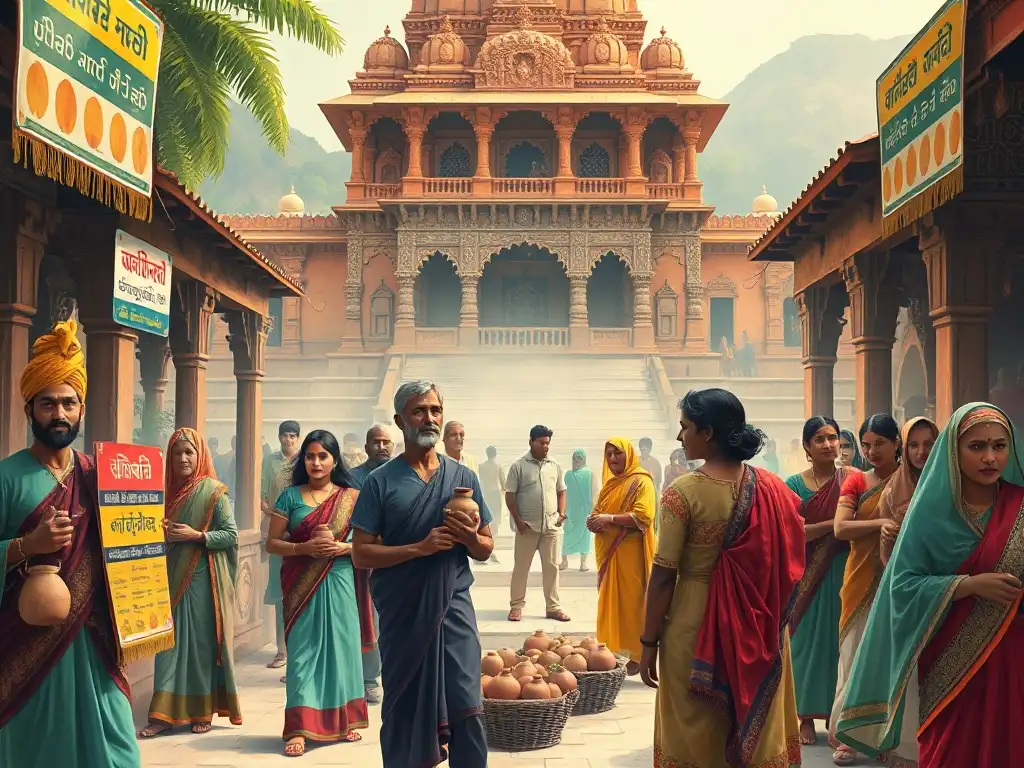
The cultural significance of caste in ancient Indian society permeated almost every aspect of daily life. It influenced social interactions, religious practices, and economic activities, creating a robust framework that governed the relationships among different classes. Understanding this significance is essential to appreciating the intricate tapestry of ancient Indian civilization.
Caste and Religious Practices
Caste significantly influenced religious practices in ancient India, dictating the roles individuals could play in rituals and ceremonies. Brahmins, as the priestly class, performed the sacred rituals, while Kshatriyas participated in war-related rites and ceremonies. Vaishyas often engaged in rituals associated with prosperity and abundance, whereas Shudras had limited access to religious activities.
Moreover, specific festivals and rituals were often associated with particular castes, reinforcing their social identities. The caste system also contributed to the proliferation of specific deities and the development of distinct local traditions, thus enriching the religious landscape of ancient India.
Caste's Influence on Social Interactions
Social interactions in ancient India were heavily influenced by caste, which dictated relationships, marriage practices, and community affiliations. Interactions between different castes were often formalized through social norms and rituals, establishing boundaries that governed daily life.
Marriage was typically arranged within the same caste, and crossing caste boundaries was often frowned upon. This practice not only preserved social status but also maintained cultural continuity. Additionally, the caste system contributed to the formation of networks and alliances, influencing political dynamics and community cohesion.
The Role of Caste in Economic Activities
Caste played a crucial role in shaping economic activities in ancient India, where each varna was associated with specific occupations. This division of labor allowed for specialization, facilitating trade, agriculture, and craftsmanship. The economic contributions of each caste were essential for sustaining the community and promoting development.
While higher castes like Vaishyas engaged in trade and agriculture, lower castes often performed labor-intensive tasks. This economic structure ensured that all castes had a role to play, creating interdependence among them. However, it also reinforced social hierarchies, impacting access to resources and opportunities for social mobility. Over time, these economic dynamics evolved, leading to changes in the caste system and its cultural significance within society.
Caste and Identity in Ancient Indian Society
In ancient Indian society, the caste system was not just a social classification; it was a fundamental aspect of identity. The caste one belonged to often dictated various elements of daily life, including occupation, social interactions, and even marriage prospects. This hierarchical structure was deeply rooted in the Vedic texts, which categorized society into four primary groups: Brahmins (priests and scholars), Kshatriyas (warriors and rulers), Vaishyas (traders and agriculturists), and Shudras (laborers and service providers). Each caste had specific duties and responsibilities, which in turn formed a crucial part of an individual’s self-perception and societal role.
The interrelationship between caste and identity was so profound that it influenced not only personal aspirations but also community dynamics. Individuals often identified first with their caste before other social identities. This strong sense of belonging fostered a collective consciousness that reinforced social norms and traditions, shaping cultural practices and community rituals.
How Caste Shapes Personal Identity
Caste played a pivotal role in shaping personal identity in ancient India, influencing values, behaviors, and life choices. From a young age, individuals were socialized into their caste's customs and expectations, creating a framework within which they understood their place in the world. For instance, Brahmins were expected to pursue education and perform religious rituals, while Kshatriyas were trained in martial skills and governance.
This identification with caste often extended into personal ambitions and life goals. For example, a young person from a Vaishya background might aspire to become a successful merchant, while a person from a Shudra background would typically pursue labor-intensive jobs. The ingrained expectations associated with caste led to a reinforcement of traditional roles, limiting the scope for social mobility and personal aspirations outside of these pre-defined paths.
Caste as a Source of Community and Belonging
Caste also served as a significant source of community and belonging in ancient Indian society. Each caste formed its own social network, providing a sense of security and support among its members. Festivals, rituals, and communal gatherings strengthened these bonds, allowing individuals to connect with their heritage and cultural identity.
Moreover, the shared experiences and collective responsibilities fostered a strong sense of solidarity within caste groups. This camaraderie was particularly evident during times of crisis or social challenges, where the community would band together to support its members. The networks formed through caste affiliation often provided economic assistance, social support, and a shared cultural identity, reinforcing the importance of caste as a pillar of community life.
The Impact of Caste on Ancient Indian Politics
The caste system significantly influenced the political landscape of ancient India, shaping leadership roles and governance structures. Political power was often concentrated within specific castes, particularly among the Kshatriyas, who were traditionally the rulers and warriors. This dynamic created a political environment where caste affiliations not only determined access to power but also influenced the administration and governance of regions.
Thus, the intersection of caste and politics in ancient India was complex, with caste-based identities playing a crucial role in political alliances and conflicts. The preferences, biases, and loyalties associated with caste often dictated the political decisions and leadership styles of rulers, affecting governance at multiple levels.
Caste and Leadership Roles
Leadership roles in ancient Indian society were largely influenced by the caste system, with Kshatriyas occupying the highest positions of power. These leaders were not only responsible for governance but were also expected to uphold dharma (righteousness) and protect their subjects. The legitimacy of a ruler was often tied to their caste identity; a Kshatriya king was seen as the rightful protector of the realm, while Brahmins often served as advisors, providing counsel grounded in religious and philosophical knowledge.
In contrast, individuals from lower castes faced significant barriers to leadership roles, with their contributions often marginalized or overlooked. This lack of representation in leadership positions reinforced existing power dynamics and perpetuated the social hierarchy, limiting diverse perspectives in governance and decision-making.
Caste’s Influence on Governance and Administration
Caste structures also played a critical role in the administration of ancient Indian states. Local governance was often organized along caste lines, with specific castes assigned particular responsibilities. For example, merchants (Vaishyas) were typically involved in trade regulation, while artisans and laborers (Shudras) provided essential services for the community.
This system allowed for a structured approach to governance, as each caste contributed to the economy and administration in its unique way. However, it also meant that governance was often rigid, with little room for flexibility or change. The reliance on traditional caste roles in administration could stifle innovation and adaptability, which were crucial for managing the evolving needs of society.
The cultural significance of caste in ancient Indian society was profound, influencing personal identity, community dynamics, political power, and governance structures. Understanding this intricate relationship is essential for comprehending the complexities of ancient Indian civilization and its lasting legacy.
The Legacy of the Caste System in Modern India
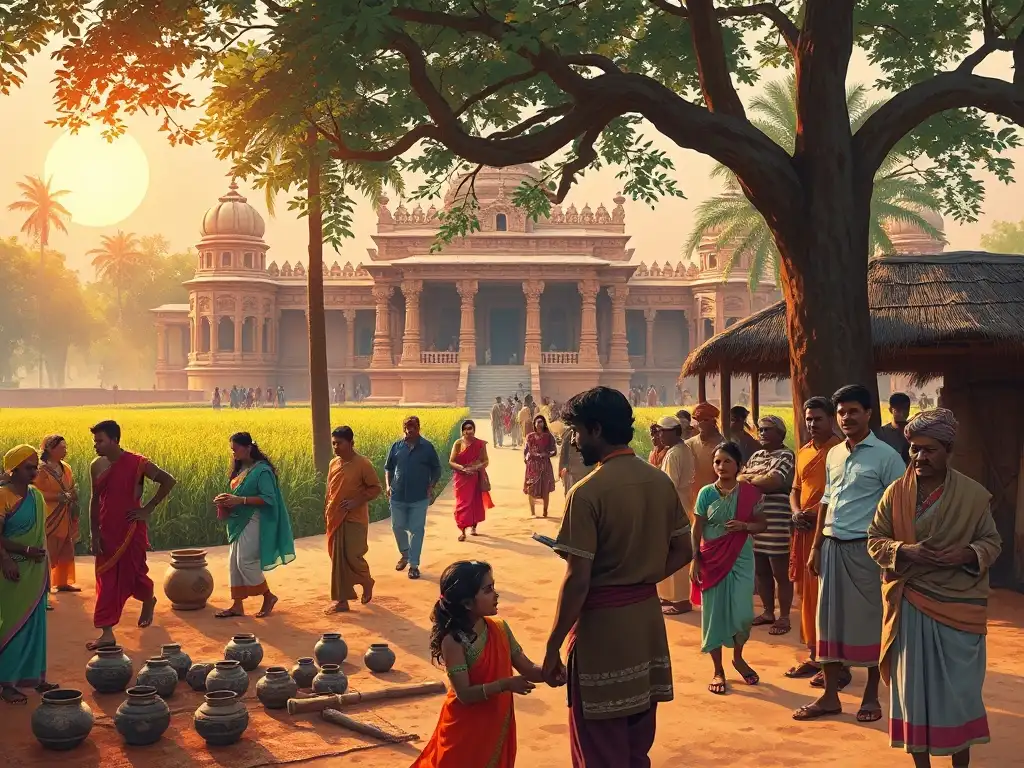
The caste system, an ancient social hierarchy, has left an indelible mark on modern Indian society. Despite significant political and social changes over the centuries, the legacy of the caste system persists in various forms. Today, caste influences not only social interactions but also politics, economics, and cultural practices.
One of the most significant aspects of this legacy is the way caste continues to shape social identity. Many individuals still identify strongly with their caste, often using it as a primary marker of social belonging. This identification can lead to both solidarity within communities and, unfortunately, social divisions. Political parties often mobilize support based on caste affiliations, highlighting its ongoing relevance in shaping political landscapes.
Moreover, the caste system's impact on economic opportunities is profound. While there have been advancements in education and employment for various caste groups, disparities remain. Certain castes, particularly those classified as Scheduled Castes and Scheduled Tribes, still face systemic barriers that hinder their socio-economic progress. This historical context continues to influence current debates about affirmative action and social justice in India.
Continuities and Changes in Caste Dynamics
The dynamics of caste in modern India exhibit both continuities and changes. On one hand, traditional caste distinctions remain strong, particularly in rural areas where community ties and cultural practices reinforce these hierarchies. These continuities manifest in marriage practices, where caste endogamy is still prevalent, and in the economic spheres where caste-based occupations persist.
On the other hand, urbanization and globalization have introduced significant changes to caste dynamics. The migration of individuals to urban centers for education and employment has fostered interactions across caste lines, often leading to a dilution of rigid caste boundaries. Young people, particularly in urban settings, are increasingly questioning traditional norms and forming relationships that transcend caste divisions.
Additionally, the rise of social media and digital platforms has provided marginalized communities with a voice, enabling them to challenge caste-based discrimination and advocate for their rights. This duality—of both continuity and change—illustrates the complex interplay between tradition and modernity in the context of caste.
The Cultural Significance of Caste Today
Caste continues to hold cultural significance in contemporary India, influencing various aspects of daily life. Festivals, rituals, and community events often reflect caste identities, reinforcing cultural heritage and traditions. For instance, many festivals are celebrated with specific rituals that are unique to certain castes, thereby preserving cultural practices that have been passed down through generations.
Moreover, caste plays a crucial role in the realm of politics and governance. Political mobilization along caste lines has become a key feature of Indian democracy, with various caste groups organizing to demand representation and resources. This has led to the emergence of caste-based political parties, which often advocate for the interests of specific communities, thus intertwining caste with contemporary political discourse.
However, the cultural significance of caste is not without its challenges. The persistence of caste-based discrimination and violence reflects the darker aspects of its legacy. Efforts to address these issues through legal frameworks and social movements highlight the ongoing struggle for equality and justice in a caste-conscious society.
Conclusion
Summary of Caste's Cultural Importance
The cultural significance of caste in India is deeply rooted in the country's historical context and continues to evolve in modern society. While it fosters a sense of identity and belonging among certain communities, it also perpetuates social divisions and inequalities. The legacy of the caste system influences various facets of life, from marriage and social interactions to politics and economics.
Reflection on the Historical Context of Caste in India
Reflecting on the historical context, it is clear that the caste system has been shaped by a myriad of factors, including religious beliefs, economic structures, and colonial influences. Understanding its historical evolution is essential for grasping the complexities of caste in contemporary India. As society progresses, the challenge lies in embracing the positive aspects of cultural identity while dismantling the barriers that caste poses to social justice and equality. The journey towards a more inclusive society requires continuous dialogue, education, and reform to transform the legacy of caste into a more equitable future.
References
The exploration of the cultural significance of caste in ancient Indian society necessitates a thorough understanding of various scholarly works and historical texts. These references provide a comprehensive foundation for appreciating the intricate tapestry of the caste system and its profound impact on daily life, social hierarchies, and cultural practices in ancient India.
Suggested Readings on Caste in Ancient India
-
"Caste: The Emergence of the South Asian Social System" by A. M. Shah
This book provides an in-depth analysis of the evolution of the caste system in India, exploring its origins, transformations, and the socio-political implications throughout history.
-
"The Caste System in India: A Historical Perspective" by T. N. Madan
Madan examines the historical roots of the caste system, offering insights into its development from ancient times to the present day, and discusses its significance in contemporary society.
-
"Caste in Indian Politics" by Rajni Kothari
This work delves into the intersection of caste and politics, analyzing how caste identities shape political dynamics in India, particularly during the post-independence period.
-
"The Hindu Social System" by D. R. N. Rao
Rao provides a foundational overview of the Hindu social structure, detailing the roles and responsibilities associated with different castes and their significance in maintaining social order.
-
"Untouchable: An Indian Life History" by A. M. Fazal
This poignant narrative presents the lived experiences of individuals from marginalized castes, shedding light on the social realities and cultural significance of caste in their lives.
Key Historical Texts and Sources
-
The Rigveda
One of the oldest sacred texts of Hinduism, the Rigveda contains hymns that reference the varnas (social classes), providing insights into the early conceptualization of caste in ancient Indian society.
-
Manusmriti (Laws of Manu)
This ancient legal text codifies social norms and duties associated with different castes, offering a comprehensive description of the roles and responsibilities that defined caste hierarchy in ancient India.
-
Mahabharata and Ramayana
These epic narratives contain numerous references to caste dynamics, illustrating the social roles of characters from various castes and their interactions, which reflect the complexities of caste relations.
-
Jain and Buddhist Texts
Works such as the "Sutras" and texts by Jain philosophers provide alternative perspectives on caste, critiquing the rigid caste hierarchy and promoting ideas of equality and social justice.
-
Historical Accounts by Foreign Travelers
Writings by travelers such as Megasthenes and Ibn Battuta offer external observations of the caste system in ancient India, contributing valuable insights into how it was perceived by outsiders.
Understanding these readings and texts is vital for grasping the cultural significance of caste in ancient India, as they reveal its multifaceted role in shaping social structures, cultural practices, and individual identities within this rich historical context.
- Introduction to Caste in Ancient India
- Historical Context of Caste in India
- The Four Main Varna in Ancient Indian Society
- Cultural Significance of Caste in Daily Life
- Caste and Identity in Ancient Indian Society
- The Impact of Caste on Ancient Indian Politics
- The Legacy of the Caste System in Modern India
- Conclusion
- References
- What is the cultural significance of caste in ancient India?
- How did the caste system affect social mobility in ancient India?
- What role did religion play in the caste system?
- How did the caste system influence ancient Indian economics?
- What were some contributions of ancient Indian civilizations in understanding the caste system?
Frequently Asked Questions
What is the cultural significance of caste in ancient India?
The caste system was a fundamental aspect of social organization, influencing various aspects of life, including occupation, marriage, and social interactions.
The caste system imposed strict rules that limited social mobility, as individuals were typically born into a specific caste and faced challenges in changing their social status.
What role did religion play in the caste system?
Religious beliefs were deeply intertwined with the caste system, as various textual traditions justified and perpetuated the hierarchical structure of caste in society.
How did the caste system influence ancient Indian economics?
The caste system determined occupational roles, leading to a division of labor that shaped the economic structure of society, with specific castes assigned to different trades and services.
What were some contributions of ancient Indian civilizations in understanding the caste system?
Ancient Indian civilizations contributed to the philosophical discourse on caste, with texts and practices that shaped its cultural significance, influencing not only social norms but also political structures.
Final Reflection: Embracing the Cultural Significance of Caste in India
The exploration of the cultural significance of caste in ancient Indian society remains profoundly relevant today, as it invites us to reflect on the enduring impact of social structures on our contemporary lives. The caste system, with its intricate layers and historical roots, continues to shape identities, relationships, and societal dynamics in modern India. Understanding this legacy is not merely an academic exercise; it is a vital step towards fostering inclusivity and social harmony in a world still grappling with the implications of caste.
The cultural significance of caste has woven itself into the very fabric of Indian society, influencing everything from art and literature to politics and social interactions. This historical framework has left an indelible mark on the collective consciousness, prompting ongoing discussions about equality and justice. As we navigate these conversations, we must remember the words of Mahatma Gandhi: The true measure of any society can be found in how it treats its most vulnerable members.
This quote resonates deeply, reminding us that the lessons of the past must guide our actions in the present.
As we conclude this exploration, I invite you to reflect on your own understanding of caste and its implications in today's world. Consider how you can contribute to a more equitable society by challenging stereotypes and advocating for inclusivity. The cultural significance of caste is not just a relic of history; it is a living narrative that calls for our engagement and action. Let us embrace this opportunity to learn, grow, and foster a society that honors the dignity of every individual, transcending the limitations imposed by caste.
Embrace the Rich Tapestry of Ancient Indian Culture!
Thank you for diving into the profound exploration of caste and its cultural significance in ancient India! You've gained invaluable insights into how societal structures shaped the lives and legacies of this incredible civilization. Now, let’s take meaningful steps to honor and deepen your understanding.
- Immerse Yourself: Explore the unique cultural practices and traditions associated with different castes. Consider delving into books or reputable online resources that provide a comprehensive view of this topic.
- Engage: Share your thoughts by discussing this article with friends or on social media. Connect with others who share your interest by using relevant hashtags!
- Reflect: Think about how these historical insights resonate with contemporary society. What lessons can we draw from the past to inform our present?
Which aspect of ancient Indian society do you find most intriguing, and how might it shape our understanding of modern social structures?