
Understanding the Role of Kinship in Ancient Indian Societies

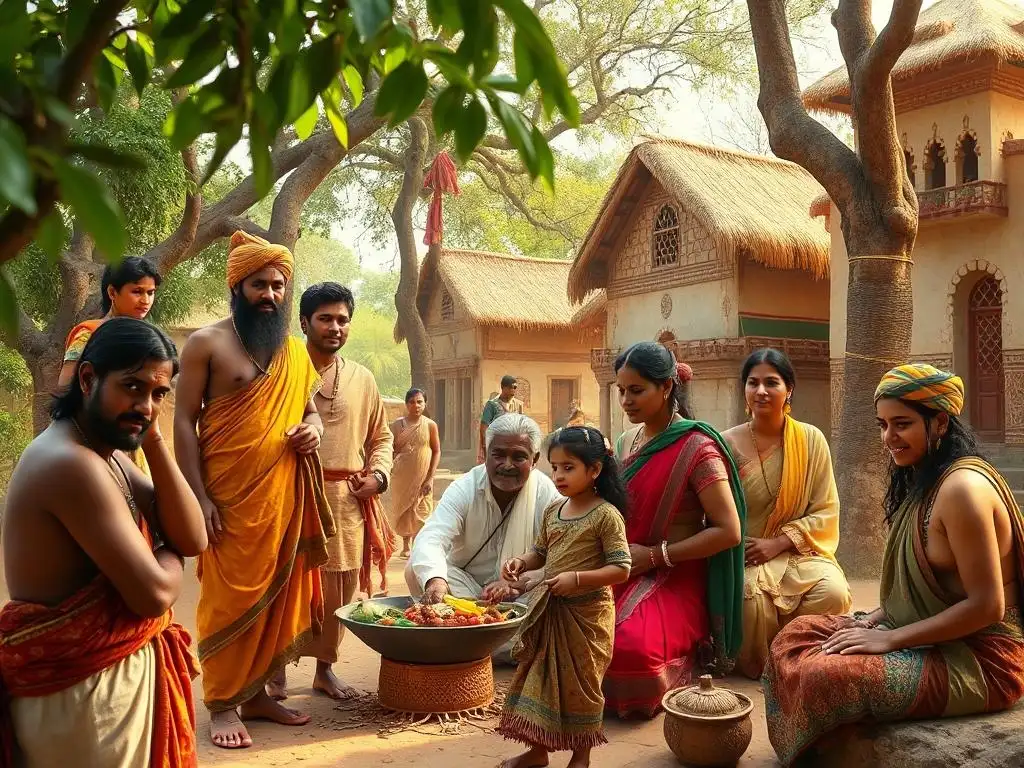
Welcome to Ancient India History, where we embark on a captivating journey through the rich tapestry of ancient civilizations. Dive into the intricate web of kinship in ancient Indian societies, a vital thread that wove together the social fabric of communities from the Indus Valley to the Gupta Empire.
Discover how familial bonds shaped daily life, influenced societal structures, and contributed to the vibrant culture that still resonates today. As you explore this fascinating topic, prepare to uncover the profound ways in which kinship defined identities and relationships in ancient India, inviting you to delve deeper into the past and its lasting legacies.

Introduction to Kinship in Ancient Indian Societies
Kinship has been a foundational element in the social fabric of ancient Indian societies, influencing various aspects of daily life, culture, and governance. The concept of kinship encompasses not only familial relationships but also the social ties that bind communities together. In ancient India, kinship played a crucial role in determining social status, inheritance, marriage alliances, and even political power. Understanding the intricacies of kinship in ancient Indian societies allows us to appreciate how these relationships shaped the civilizations that flourished from the Indus Valley through to the Gupta Empire.
Definition of Kinship and Its Importance
Kinship can be defined as the web of social relationships that connects individuals through blood ties, marriage, and other social contracts. It encompasses various forms, including:
- Consanguinity: Relationships by blood (e.g., parents, siblings).
- Affinity: Relationships by marriage (e.g., in-laws).
- Fictive Kinship: Social bonds that are not based on blood or marriage but serve similar functions in a community.
The importance of kinship in ancient Indian societies is multi-faceted:
- Social Structure: Kinship dictated social hierarchy and roles within the community.
- Cultural Transmission: It facilitated the passing down of traditions, values, and customs from one generation to the next.
- Political Alliances: Marriage and kinship ties often formed the backbone of political alliances and power dynamics.
Overview of Ancient Indian Societies
Ancient Indian societies were characterized by their diversity and complexity, evolving over millennia. Key civilizations, such as the Indus Valley Civilization (c. 2500–1500 BCE), the Vedic period (c. 1500–500 BCE), and the Mauryan Empire (c. 322–185 BCE), exhibited distinct kinship structures influenced by cultural, economic, and environmental factors.
- Indus Valley Civilization: Known for its urban planning and trade networks, kinship likely played a role in community organization.
- Vedic Society: Marked by the emergence of texts like the Vedas, kinship became more structured, influencing social order and rituals.
- Mauryan Empire: With its vast expanse, kinship networks were crucial for administration and governance.
Historical Context of Kinship
Understanding the historical context of kinship in ancient Indian societies reveals the evolution of social structures over time.
Kinship Structures in the Indus Valley Civilization
The Indus Valley Civilization, one of the earliest urban cultures, showcased sophisticated societal organization. While direct evidence of kinship structures is limited due to the undeciphered script, archaeological findings suggest:
- Community Living: Evidence of communal houses indicates kin-based groups living together.
- Burial Practices: Similar burial rites across regions may indicate shared kinship ties or community solidarity.
Evolution of Kinship Systems Through the Vedic Period
The Vedic period marks a significant transformation in kinship structures, with the introduction of more defined roles and rituals:
- Patriarchy: The shift towards patriarchal systems began, emphasizing paternal lineage.
- Gotra System: Families were categorized into gotras (clans), which regulated marriage and social interactions, reflecting the importance of lineage.
Kinship in Post-Vedic and Mauryan Societies
Post-Vedic and Mauryan societies saw further developments in kinship dynamics:
- Political Implications: Kinship became intertwined with politics, as royal families often intermarried to consolidate power.
- Social Stratification: The emergence of the caste system created new kinship ties that influenced social mobility and community interactions.
Kinship in ancient Indian societies was not merely a personal connection but a complex system that influenced the very essence of social life, governance, and culture. Understanding these dynamics provides key insights into the historical development of Indian civilization.
Types of Kinship in Ancient Indian Societies
Kinship in ancient Indian societies was a complex web of relationships that defined social structures, familial obligations, and cultural practices. Understanding the types of kinship can provide insight into how these societies functioned. The two primary systems of kinship observed in ancient India were patrilineal and matrilineal systems, each with unique characteristics and societal implications.
Patrilineal vs. Matrilineal Kinship Systems
In patrilineal kinship systems, lineage and inheritance are traced through the male line. This system was predominant in ancient Indian societies, where sons inherited property and titles, while daughters were often married off into other families, thus transferring their wealth and allegiance. The patriarchal structure ensured that family names and estates remained within the male lineage, reinforcing male authority and control.
Conversely, matrilineal kinship systems traced lineage through the female line. Though less common, certain communities, such as the Khasi and Jaintia tribes in Northeast India, practiced this system. In matrilineal societies, women held significant power in inheritance and family decisions, and property was passed down from mothers to daughters, providing women with a more prominent role in social and economic spheres.
Extended Family Networks and Their Significance
Extended family networks were a hallmark of ancient Indian kinship, consisting of multiple generations living together or in close proximity. These networks fostered a sense of belonging and collective responsibility.
- Support Systems: Extended families provided emotional and financial support, ensuring care for the elderly and upbringing of children.
- Cultural Transmission: They played a crucial role in the transmission of cultural values, traditions, and customs from one generation to the next.
- Social Interactions: The interactions within extended families often facilitated social gatherings, reinforcing community bonds and collective identity.
The significance of these networks extended beyond mere familial ties, influencing social dynamics and community cohesion.
Role of Clan and Caste in Kinship Relations
In ancient India, clans and castes significantly shaped kinship relations. Clans (known as "gotras") represented a group of families claiming descent from a common ancestor, while the caste system categorized individuals based on occupational roles and social status.
- Clan Relationships: Kinship within clans fostered solidarity and cooperation among members, often leading to alliances in marriage and trade.
- Caste Dynamics: The caste system added another layer, dictating permissible interactions and marriages between different groups. This often restricted kinship to within one’s caste, reinforcing social hierarchies and cultural practices.
These systems created a framework for social organization, influencing everything from marriage practices to political alliances.
Functions of Kinship in Ancient Indian Societies
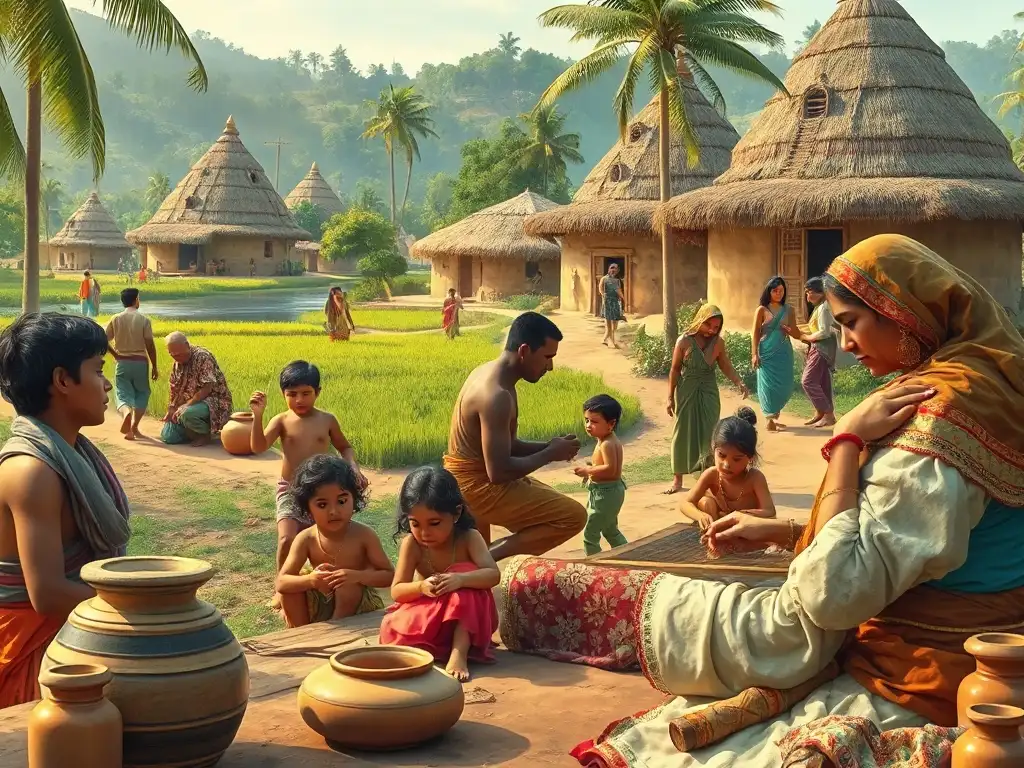
Kinship played multifaceted roles in ancient Indian societies, serving essential functions that contributed to social stability, economic viability, and political organization.
Social Cohesion and Support Systems
Kinship ties provided the foundation for social cohesion in ancient Indian societies. These relationships fostered a sense of belonging, creating support systems that were vital during times of hardship or crisis.
- Emotional Bonds: Kinship created strong emotional ties, ensuring families supported each other through challenges.
- Conflict Resolution: Kinship networks often facilitated conflict resolution within communities, allowing disputes to be settled through familial mediation rather than external intervention.
These support systems reinforced social bonds and contributed to the overall stability of ancient Indian societies.
Economic Functions of Kinship Ties
Kinship relations also served critical economic functions in ancient India. Family units often worked collaboratively in agricultural and trade activities, enabling shared resources and labor.
- Resource Sharing: Kinship allowed for the pooling of resources, ensuring families could withstand economic fluctuations.
- Labor Division: Different family members could take on specific roles based on their skills, maximizing efficiency in production and trade.
This cooperative economic framework was essential for sustaining livelihoods and promoting prosperity within communities.
Political Alliances and Kinship
Kinship played a pivotal role in shaping political landscapes in ancient India. Marriages, often arranged to form alliances, were a strategic means of securing power and influence.
- Alliances through Marriage: Royal families frequently arranged marriages to strengthen political ties with other clans or kingdoms, thereby expanding their influence.
- Support in Governance: Kinship networks provided a base of loyalty and support, crucial for maintaining authority and governance.
These alliances not only shaped the political dynamics of ancient India but also influenced the course of its history, demonstrating the integral role of kinship in societal organization.
Rituals and Kinship Practices
Rituals played a pivotal role in reinforcing and expressing kinship ties in ancient Indian societies. These practices were deeply embedded in the cultural fabric, serving both social and religious purposes. Among the most significant rituals were those associated with marriage, childbirth, and death, each designed to strengthen familial bonds and ensure the continuity of lineage.
- Marriage Rituals: Weddings were not merely personal unions; they were crucial events that intertwined families, often involving elaborate ceremonies that showcased wealth and social standing. The rituals conducted during these ceremonies, such as the 'Saptapadi' (seven steps), symbolized the commitment of both partners and their families to each other.
- Ancestral Worship: Rituals honoring ancestors, known as 'Shraddha', were vital for maintaining kinship connections. These ceremonies included offerings to deceased relatives, reinforcing familial loyalty and securing blessings for the living.
- Festivals and Gatherings: Family gatherings during festivals, such as Diwali and Makar Sankranti, served to strengthen kinship ties. These occasions fostered a sense of community and belonging, allowing families to reconnect and reaffirm their relationships.
Through these rituals, kinship not only provided social identity but also solidified the moral and ethical responsibilities among family members, ensuring the perpetuation of cultural values across generations.
Marriage Alliances and Their Impact on Kinship
Marriage alliances in ancient India were strategic tools for reinforcing kinship ties and expanding social networks. Families often sought to create alliances with others of similar or superior status, thereby enhancing their economic and political power.
- Political Alliances: Marriages among royalty and noble families were often arranged to secure peace and strengthen political alliances. For instance, the marriage of Chandragupta Maurya to a princess from the Nanda dynasty was a calculated move to consolidate power.
- Caste Considerations: The caste system influenced marriage practices significantly. Marriages within the same caste often solidified social cohesion, while inter-caste marriages could lead to social tensions and conflicts.
- Economic Benefits: Marriage also served as a means of economic exchange, with dowries and gifts playing a crucial role. This exchange promoted kinship ties by creating mutual obligations and fostering cooperation between families.
These alliances not only impacted individual families' status but also shaped broader societal structures, influencing everything from inheritance patterns to community dynamics.
Inheritance Practices and Kinship Roles
Inheritance practices in ancient Indian societies were closely tied to kinship structures, dictating the distribution of wealth and property among family members. The rules governing inheritance reflected and reinforced the importance of familial relationships.
- Patrilineal Systems: Most ancient Indian societies followed a patrilineal system, where property and family name were passed down through male heirs. This system ensured that the family lineage continued and maintained the family's wealth within the male line.
- Role of Women: While women typically did not inherit property directly, they played significant roles in managing household resources. In some instances, women could receive a share of their father's estate, particularly if they were unmarried or widowed, highlighting their importance in the kinship network.
- Customary Laws: Inheritance laws varied across different regions and communities, influenced by local customs and religious texts. The 'Manusmriti', for instance, provided guidelines on inheritance, emphasizing the father's rights over his sons' shares.
These inheritance practices underscored the complexities of kinship roles, reflecting both the societal values of the time and the economic realities faced by families.
Religious Significance of Kinship Ties
Kinship ties in ancient Indian societies were imbued with religious significance, deeply influencing social norms and practices. The intertwining of kinship and religion manifested in various ways, reinforcing the sanctity of familial relationships.
- Ritual Purity: Kinship relationships often determined the concept of ritual purity, especially in the context of marriage and religious ceremonies. Families were expected to maintain certain standards of purity, which were often linked to their caste and lineage.
- Divine Connection: Many ancient texts emphasized that familial bonds were ordained by the divine. The belief that ancestors had a direct influence on the lives of their descendants fostered a sense of duty to honor them through rituals and ceremonies.
- Caste and Dharma: The concept of 'dharma' (duty) was closely associated with kinship roles. Individuals were expected to fulfill their responsibilities towards family members, ensuring harmony and order within the household and society.
This religious significance of kinship not only shaped individual behaviors but also contributed to the broader social order, ensuring that familial and societal values were upheld across generations.
Case Studies of Kinship in Specific Ancient Indian Societies
Kinship in the Gupta Empire
The Gupta Empire (circa 320-550 CE) showcased a sophisticated understanding of kinship that influenced its political and social structure. Kinship played a crucial role in governance, with royal families often intermarrying to strengthen alliances.
- Royal Marriages: Marriages among the Gupta royalty were strategic, often arranged to create political alliances with neighboring kingdoms. This practice not only solidified power but also enhanced the empire's stability.
- Cultural Patronage: The Gupta period is often referred to as the "Golden Age" of India due to its advancements in arts and sciences. The royal family's patronage of scholars and artists further emphasized their kinship ties, fostering a rich cultural heritage.
- Brahmin Influence: The prominence of Brahmins in Gupta society also highlighted the importance of kinship. They played a key role in advising rulers and maintaining religious practices, reinforcing the interconnectedness of political and familial relationships.
This layered kinship network significantly contributed to the empire's cohesion and cultural achievements.
Analysis of Kinship in the Mauryan Dynasty
The Mauryan Dynasty (circa 322-185 BCE) is another critical example of how kinship influenced ancient Indian societies. The dynasty's founders, including Chandragupta Maurya and Ashoka, utilized kinship to establish and maintain their rule.
- Political Structure: The Mauryan administration was heavily reliant on familial connections. The appointment of officials often favored relatives, ensuring loyalty and control over the vast empire.
- Ashoka's Reforms: Emperor Ashoka's promotion of Buddhism and his emphasis on 'Dhamma' reflected a shift in focus from mere kinship loyalty to broader ethical principles. However, the underlying kinship ties remained essential for his governance.
- Cultural Integration: The Mauryan Dynasty's policies encouraged the integration of various cultures and communities. Kinship networks facilitated this integration, allowing for smoother interactions among diverse groups.
These dynamics illustrate how kinship not only shaped governance but also influenced cultural and social practices throughout the Mauryan era.
Evidence from Ancient Texts and Inscriptions
Ancient texts and inscriptions provide invaluable insights into the kinship practices of ancient Indian societies. These sources reveal the complexities of familial relationships and their societal implications.
- Religious Texts: Texts such as the 'Vedas' and 'Puranas' offer glimpses into the familial structures and the importance of maintaining kinship ties. They outline rituals, duties, and the significance of ancestral worship.
- Inscriptions: Inscriptions found in temples and palaces often reference kinship ties among rulers and their subjects. For instance, the edicts of Ashoka highlight the role of family in governance and societal duties.
- Literary Works: Classical literature, including works by Kalidasa and Bhasa, often features kinship as a central theme, showcasing the societal values and expectations surrounding familial relationships.
These ancient sources collectively illustrate the integral role of kinship in shaping the social, political, and religious landscape of ancient Indian societies, providing a rich tapestry of cultural heritage to explore.
Comparative Analysis of Kinship Across Cultures

Kinship serves as a foundational element in the social structures of various cultures, shaping societal norms, roles, and relationships. In ancient Indian societies, kinship was not only a mechanism for social organization but also a determinant of individual identity and status. By comparing kinship in ancient India with other civilizations, we can discern both unique characteristics and shared features that reflect the broader human experience.
In many cultures, kinship can be categorized into two primary systems: patrilineal and matrilineal. Ancient Indian societies predominantly followed a patrilineal system, where lineage and inheritance flowed through the male line. This contrasts sharply with matrilineal societies, such as the Minangkabau in Indonesia, where property and family names are passed down through women. Such differences in kinship systems often correlate with societal roles assigned to genders, influencing family dynamics and power structures.
Moreover, the concept of extended families is prevalent in both ancient India and numerous other cultures, emphasizing the importance of wider kinship networks. For instance, in many African societies, extended families serve as a support system, similar to the joint family structure found in ancient Indian households. These kinship ties foster cooperation, resource sharing, and collective responsibility, illustrating how kinship can operate as a social safety net across diverse cultures.
Kinship in Ancient India vs. Other Civilizations
In ancient India, kinship was deeply intertwined with cultural practices, religious beliefs, and social hierarchies. The Varna system, which categorized society into four main groups (Brahmins, Kshatriyas, Vaishyas, and Shudras), heavily influenced kinship relations and responsibilities. Each Varna had specific duties and expectations that shaped familial roles, reinforcing the social order.
In contrast, ancient Mesopotamian societies exhibited a different kinship dynamic, where city-states often established alliances through marriage. These alliances were strategic, aimed at political gain and stability, rather than purely familial connections. The practice of bride price in Mesopotamia also highlights a significant divergence from ancient Indian customs, where dowries played a critical role in marriage transactions.
Additionally, kinship in ancient Chinese civilization was characterized by the Confucian emphasis on filial piety, which mandated respect and obedience towards one’s parents and ancestors. While ancient Indian societies also revered elders, the focus was more on maintaining dharma (duty) within one's familial and social roles, illustrating differing philosophical underpinnings that governed kinship.
Influences of Geography and Environment on Kinship Structures
Geographical factors played a pivotal role in shaping kinship structures in ancient India. The diverse landscapes—from the mountainous regions of the Himalayas to the fertile plains of the Ganges—created varied lifestyles and societal needs that influenced kinship practices. For instance, communities in agricultural regions often emphasized extended family networks to facilitate labor sharing during planting and harvesting seasons.
In contrast, nomadic tribes in arid regions developed more flexible kinship structures, focusing on smaller, mobile family units to adapt to their environments. This adaptability is evident in the Gurjara tribes of Rajasthan, where kinship ties are crucial for collective survival in harsh terrains.
Moreover, the monsoon climate of India necessitated communal cooperation, leading to stronger ties within kinship groups. Festivals and rituals often reinforced these bonds, demonstrating how environmental factors can shape social relationships and kinship dynamics.
Conclusion: The Lasting Impact of Kinship on Ancient Indian Society
Kinship has profoundly influenced the fabric of ancient Indian society, shaping not only familial structures but also social hierarchies, cultural practices, and economic interactions. The intricate web of relationships established through kinship facilitated social cohesion, ensuring the survival and continuity of communities across generations.
Summary of Key Points on Kinship in Ancient Indian Societies
- Patrilineal Structure: Kinship primarily followed the male line, dictating inheritance and social status.
- Extended Families: Joint family systems provided social support and resource sharing.
- Cultural Integration: Kinship was intertwined with religious and cultural practices, influencing daily life and societal roles.
- Geographical Influences: Diverse environments shaped distinct kinship practices tailored to community needs.
Reflection on the Relevance of Kinship Today
The legacy of kinship in ancient Indian societies continues to resonate in contemporary contexts. Modern familial structures still reflect traditional values, with many communities maintaining close-knit family ties and emphasizing collective responsibility. Furthermore, understanding historical kinship practices provides insight into current social dynamics, illustrating the enduring importance of family and community in navigating today's complex societal landscape. As societies evolve, the fundamental principles of kinship remain a testament to the enduring bonds that connect individuals and communities across time and space.
References and Further Reading on Kinship in Ancient Indian Societies
Understanding the intricate dynamics of kinship in ancient Indian societies is essential for comprehending their social structures and cultural practices. Scholars have made significant strides in exploring this subject through various forms of literature and archaeological evidence. Below are some key resources and findings that delve deeper into the topic of kinship in ancient Indian societies.
Suggested Books and Articles
-
"The Social Structure of Ancient India" by R. S. Sharma
This book provides an in-depth exploration of the social hierarchies and kinship models that were prevalent in ancient India, focusing on various eras from the Vedic period to the Gupta Empire.
-
"Kinship and Family in Ancient India" by Romila Thapar
This work highlights the importance of kinship ties in shaping family dynamics and social relationships across different regions and periods in ancient India.
-
"Caste, Kinship, and Community in Ancient Indian Society" by S. N. Mukherjee
Mukherjee’s research emphasizes how caste and kinship interacted to form community structures, offering valuable insights into the complexities of societal organization.
-
"The Role of Women in Ancient Indian Society" by Kumkum Roy
This article discusses the position of women in kinship systems and their roles within families, shedding light on gender dynamics and social expectations.
-
"Marriage and Kinship in India: A Historical Perspective" edited by R. K. Sharma
This compilation of essays presents various historical viewpoints on marriage practices and kinship networks, providing a comprehensive overview of their evolution over time.
Relevant Archaeological Findings
Archaeological evidence plays a crucial role in understanding kinship in ancient Indian societies. Key findings include:
- Indus Valley Civilization (c. 3300–1300 BCE): Excavations at sites like Harappa and Mohenjo-Daro have revealed urban planning and dwelling structures that suggest familial units likely played a significant role in social organization. Artefacts such as seals depicting familial symbols hint at kinship ties.
- Cemetery R11 at Harappa: The discovery of burial patterns in this cemetery suggests the existence of lineage-based burial practices. Graves often contained multiple individuals, indicating familial relationships and possibly matrilineal or patrilineal descent.
- Vedic Texts and Ritual Sites: Archaeological sites associated with Vedic rituals, including fire altars, showcase the significance of kinship in religious practices. These rituals often required the participation of extended family, underlining the communal aspect of kinship.
- The Mauryan Empire (c. 322–185 BCE): The inscriptions of Emperor Ashoka provide insights into the kinship structures within the royal family and their broader societal implications, reflecting how lineage influenced governance and social status.
- Terracotta Figurines from the Gupta Era: These figurines, often depicting family scenes, highlight the importance of familial relationships and domestic life, indicating how kinship was woven into daily existence.
These resources and archaeological findings collectively enhance our understanding of kinship in ancient Indian societies, illustrating its pivotal role in shaping their social fabric.
- Introduction to Kinship in Ancient Indian Societies
- Historical Context of Kinship
- Types of Kinship in Ancient Indian Societies
- Functions of Kinship in Ancient Indian Societies
- Rituals and Kinship Practices
- Case Studies of Kinship in Specific Ancient Indian Societies
- Comparative Analysis of Kinship Across Cultures
- Conclusion: The Lasting Impact of Kinship on Ancient Indian Society
- References and Further Reading on Kinship in Ancient Indian Societies
- What was the significance of kinship in ancient Indian societies?
- How did kinship ties affect political power in ancient India?
- Were there different types of kinship systems in ancient India?
- How did kinship impact economic activities in ancient Indian societies?
- What is the connection between kinship and caste in ancient India?
Frequently Asked Questions
What was the significance of kinship in ancient Indian societies?
Kinship played a crucial role in shaping social structures, influencing marriage, inheritance, and community organization, thus helping maintain social cohesion.
How did kinship ties affect political power in ancient India?
Kinship ties often determined political alliances and succession, as rulers frequently relied on family connections to consolidate power and maintain stability.
Were there different types of kinship systems in ancient India?
Yes, ancient Indian societies exhibited various kinship systems, including patrilineal and matrilineal structures, which influenced inheritance and social roles differently across regions.
How did kinship impact economic activities in ancient Indian societies?
Kinship networks facilitated trade and economic cooperation, as families often worked together in agriculture, crafts, and commerce, enhancing community prosperity.
What is the connection between kinship and caste in ancient India?
Kinship was closely intertwined with the caste system, as family lineage often dictated one's caste, influencing social roles and access to resources within ancient Indian communities.
Final Reflection: The Enduring Legacy of Kinship in Ancient Indian Societies
Kinship in ancient Indian societies was not merely a social construct; it was the very backbone of cultural identity and community cohesion. Today, as we navigate an increasingly fragmented world, the principles of kinship remind us of the importance of connection and belonging. The intricate web of relationships that defined ancient Indian life continues to resonate, urging us to reflect on how we nurture our own familial and communal ties in a modern context.
The influence of kinship extends far beyond historical boundaries, shaping our understanding of social structures and relationships even today. In contemporary society, the lessons learned from ancient kinship systems can guide us in fostering stronger communities and more meaningful connections. As noted by anthropologist David Schneider, “Kinship is not just a matter of blood; it is a matter of social relations.” This perspective invites us to reconsider how we define family and community in our own lives, emphasizing the bonds we create through shared experiences and mutual support.
As you reflect on the insights gained from exploring kinship in ancient Indian societies, I encourage you to take a moment to evaluate your own relationships. How can you strengthen your connections with family and friends? Consider the ways in which you can cultivate a sense of belonging and community in your life, drawing inspiration from the past to shape a more interconnected future. Embrace the lessons of kinship, and let them guide you in building a more compassionate and cohesive world.
Unveil the Rich Tapestry of Ancient Kinship!
Thank you for diving into the fascinating world of kinship in ancient Indian societies! Your interest in understanding these complex relationships sheds light on the foundation of social structures that shaped an entire civilization. Now, it's time to turn that knowledge into action!
- Explore further: Discover the significant role of family and community ties in shaping cultural identities by exploring our extensive collection of articles on the history of Ancient India.
- Engage with the community: Participate in discussions on our forum to share your insights and learn from fellow history enthusiasts!
- Reflect and share: Think about how kinship influences societies today, and consider writing a brief reflection or blog post to express your thoughts and share them with others.
In what ways do you see the concept of kinship influencing modern relationships within your own community?