
The Legacy of Ancient Indian Philosophers in Contemporary Educational Practices

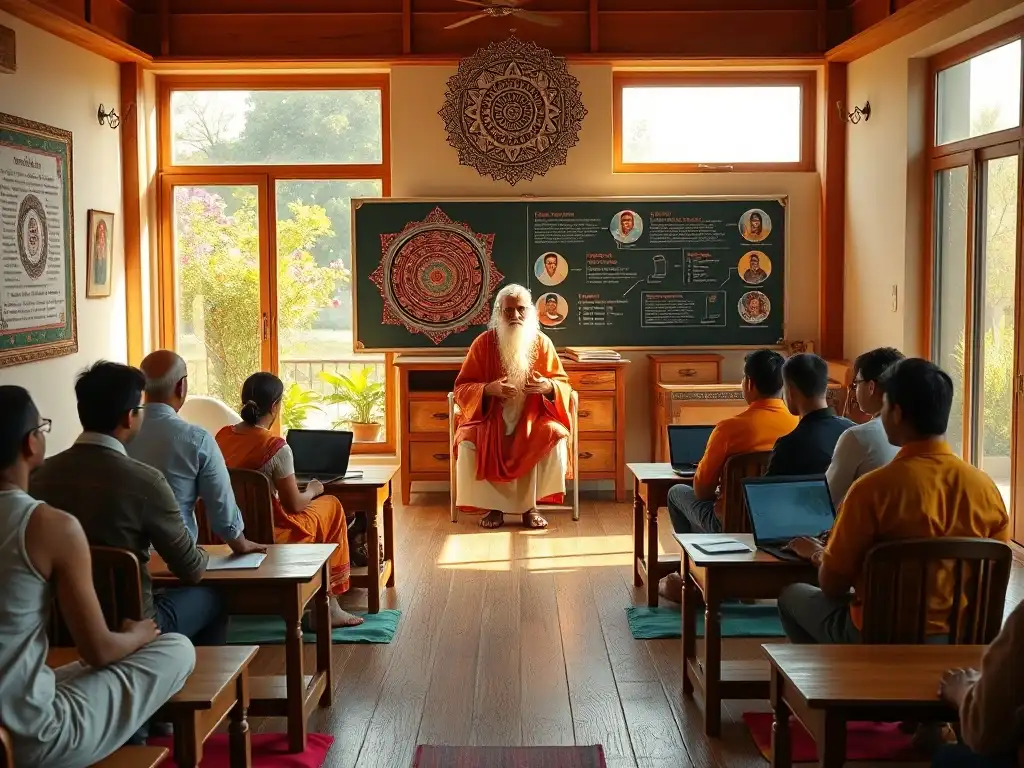
Welcome to Ancient India History, where we embark on a fascinating journey through the rich tapestry of ancient Indian civilizations. Delve into the profound influence of ancient Indian philosophers—thinkers whose ideas have not only shaped their own time but continue to resonate within contemporary educational practices. As you explore our featured article, "The Legacy of Ancient Indian Philosophers in Contemporary Educational Practices," prepare to uncover how these intellectual giants laid the groundwork for modern learning systems, sparking curiosity and inspiring new generations. Join us as we illuminate the past and its enduring impact on the present!
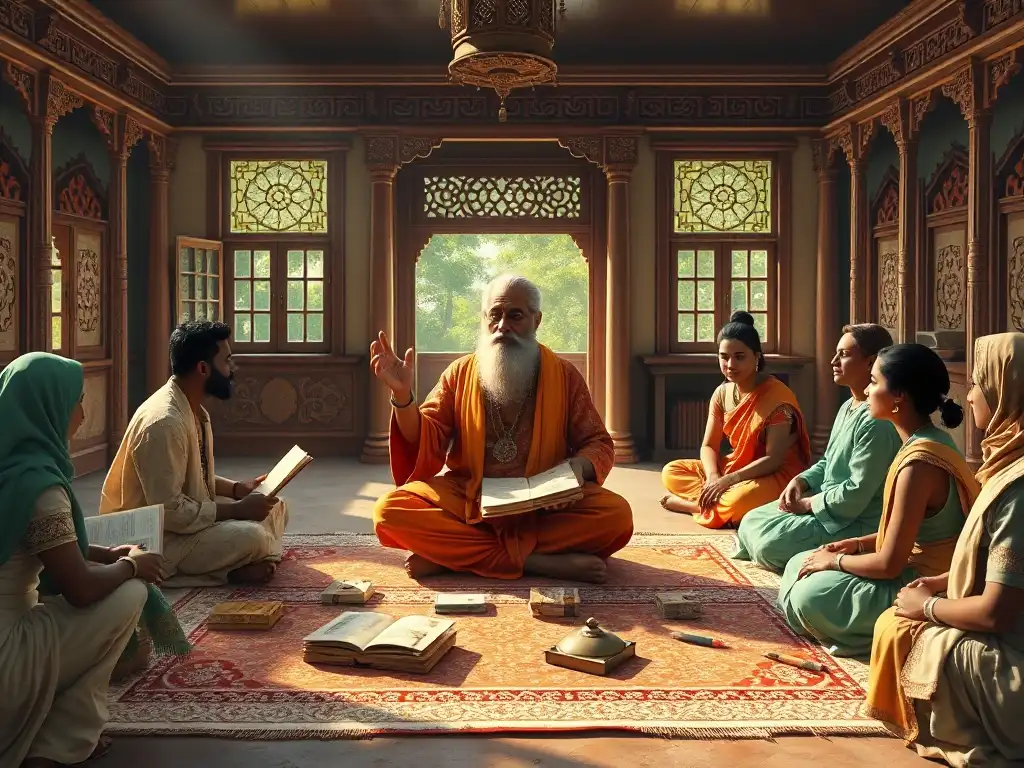
Introduction to Ancient Indian Philosophers' Influence
The influence of ancient Indian philosophers on contemporary educational practices is profound and multifaceted. From the systematic approaches to learning developed during the Vedic period to the moral frameworks established by key thinkers, these philosophical traditions have shaped not only Indian education but also global pedagogical methodologies. Ancient Indian philosophers emphasized the holistic development of individuals, integrating ethical, intellectual, and spiritual dimensions into learning. This article delves into their significant contributions and explores how their teachings continue to resonate in modern educational systems.
Overview of Ancient Indian Philosophy
Ancient Indian philosophy encompasses a wide range of schools of thought, including Hindu, Buddhist, and Jain philosophies. These traditions have contributed essential concepts such as Dharma (duty/righteousness), Karma (action and its consequences), and Moksha (liberation). The philosophical discourse often revolved around questions of existence, ethics, and the nature of knowledge, laying the groundwork for subsequent educational frameworks.
The six orthodox schools of philosophy, known as Darshanas, provided structured methods for inquiry and debate, fostering a culture of critical thinking and open dialogue. This tradition of intellectual rigor and ethical reflection remains relevant, influencing contemporary educational practices that aim to cultivate not just knowledgeable, but also responsible and compassionate citizens.
Significance of Ancient Indian Philosophers in Education
The significance of ancient Indian philosophers in education lies in their holistic approach to learning. They advocated for an education system that was not merely about imparting knowledge but also about nurturing character and fostering wisdom.
- Moral and Ethical Development: Philosophers like Gautama Buddha emphasized the importance of values, guiding students to develop a strong moral compass.
- Critical Thinking: The analytical methods cultivated by philosophers such as Adi Shankaracharya encouraged students to question assumptions and engage in reflective thinking.
- Mindfulness and Presence: Techniques for mindfulness introduced by various traditions have found their way into modern educational practices, promoting well-being and focus among students.
This rich legacy underscores the need to revisit and incorporate these philosophies into contemporary curricula to foster a more rounded educational experience.
Key Ancient Indian Philosophers and Their Educational Contributions
Gautama Buddha and the Concept of Mindful Learning
Gautama Buddha's teachings on mindful learning emphasize the importance of awareness and presence in the educational process. He advocated for an approach that encourages students to engage fully with their learning experiences and develop a deep understanding of their own thoughts and emotions. This method aligns with modern concepts of mindfulness in education, which aim to enhance focus, reduce stress, and promote emotional well-being.
- Mindful Engagement: Encouraging students to practice mindfulness helps cultivate a learning environment where concentration and clarity are prioritized.
- Ethical Reflection: Buddha’s emphasis on compassion and empathy fosters a supportive educational community, allowing students to thrive both academically and personally.
Confucius and the Importance of Moral Education
While Confucius is primarily associated with Chinese philosophy, his ideas about moral education have parallels in ancient Indian thought. Both traditions place significant emphasis on character formation and the role of educators as moral guides.
- Character Development: Confucius stressed the importance of virtues such as respect, integrity, and responsibility, which align with the ethical frameworks established by Indian philosophers.
- Role of Educators: Both Confucian and Indian philosophies advocate for teachers to serve as role models, emphasizing the transformative power of education in shaping character.
Adi Shankaracharya and the Role of Critical Thinking
Adi Shankaracharya, a pivotal figure in Indian philosophy, championed the practice of critical thinking. His work on non-duality (Advaita) encourages learners to question perceived realities and seek deeper truths.
- Encouragement of Inquiry: Shankaracharya's dialectical approach fosters an environment where questioning and debate are integral to the learning process.
- Philosophical Foundations: His teachings provide a framework for integrating philosophical inquiry into various subjects, promoting a deeper understanding of complex concepts.
These contributions from ancient Indian philosophers not only enrich educational practices but also provide a foundation for building a more ethical, reflective, and engaged society.
Core Philosophical Principles Shaping Education Today
The educational practices of today are deeply rooted in the rich philosophical traditions of ancient Indian thinkers. Their core principles, which emphasize holistic development, ethical conduct, and the pursuit of knowledge, continue to influence contemporary educational systems. The integration of these philosophies fosters an environment that nurtures not only academic excellence but also personal growth and moral integrity.
One of the significant contributions of ancient Indian philosophers is their understanding of the purpose of education. They viewed education as a means to develop the whole person, balancing intellectual, emotional, and spiritual growth. This holistic approach is increasingly recognized in contemporary education, encouraging curricula that cater to diverse learning styles and the overall well-being of students.
The Concept of 'Dharma' and Its Relevance in Modern Curriculum
The concept of 'Dharma,' which can be translated as duty, righteousness, or moral order, plays a crucial role in shaping ethical frameworks in modern curricula. Ancient Indian philosophers, such as Manu and Gautama Buddha, emphasized the importance of understanding one's responsibilities towards society and oneself. This notion encourages students to reflect on their roles within their communities and the broader world, fostering a sense of social responsibility.
In contemporary educational settings, integrating 'Dharma' into the curriculum can manifest through service-learning projects and discussions on ethical dilemmas. By instilling a sense of duty and moral awareness, educators can guide students to become conscientious citizens who are not only knowledgeable but also committed to positive societal impact.
'Moksha' and the Pursuit of Knowledge in Contemporary Learning
'Moksha,' or liberation, signifies the ultimate goal of human existence in many ancient Indian philosophies. The pursuit of knowledge, as a means to attain 'Moksha,' highlights the intrinsic value of education beyond mere vocational training. Philosophers like Adi Shankaracharya emphasized that true knowledge leads to self-realization and freedom from ignorance.
In modern educational practices, this principle encourages a curriculum that goes beyond standardized testing and rote memorization. Instead, it advocates for an inquiry-based approach that inspires critical thinking and self-discovery. By prioritizing the pursuit of knowledge for personal growth and enlightenment, educators can cultivate a generation of learners who are equipped to navigate complex challenges in life.
The Interconnection of Knowledge and Ethics
Ancient Indian philosophers posited that knowledge and ethics are intrinsically linked. The belief that true understanding must be accompanied by ethical behavior is a vital tenet of educational philosophy. Thinkers like Chanakya emphasized that the application of knowledge should align with moral principles, ensuring that learning serves the greater good.
Incorporating this interconnection into modern education can be achieved through ethics courses, discussions on moral philosophy, and real-life case studies. By fostering an environment where ethical considerations are paramount, educators can prepare students to make informed and principled decisions in their personal and professional lives.
Ancient Indian Philosophers' Influence on Modern Educational Practices
The influence of ancient Indian philosophers on modern educational practices is evident in various methodologies and frameworks adopted by contemporary educators. Their philosophies have laid the groundwork for innovative approaches that prioritize not just academic achievement, but also personal and social development.
Integration of Holistic Education Models
Ancient Indian philosophies advocate for holistic education, where the focus is on developing the mind, body, and spirit. This is reflected in modern educational models that incorporate aspects such as emotional intelligence, physical well-being, and spiritual growth. Schools and institutions are increasingly adopting curricula that emphasize mindfulness, creativity, and emotional resilience, drawing inspiration from the ancient understanding of education as a comprehensive journey.
Emphasis on Experiential Learning Techniques
Experiential learning, a method that promotes learning through experience and reflection, resonates with the teachings of ancient Indian philosophers. They believed in the value of practical knowledge gained through real-world experiences. This approach is now widely recognized in modern educational practices, where students engage in hands-on projects, field trips, and collaborative learning activities. By emphasizing experiential learning, educators can create immersive environments that enhance knowledge retention and personal engagement.
The Role of Dialogue and Debate in Classrooms
The ancient Indian tradition of dialogue and debate, or 'Vada,' is crucial to the educational process, fostering critical thinking and intellectual rigor. Philosophers such as Socrates, who drew from Indian traditions, emphasized the importance of questioning and dialogue in learning. Modern classrooms increasingly incorporate structured discussions and debates, encouraging students to articulate their thoughts and challenge ideas respectfully. This practice not only enhances communication skills but also nurtures a culture of inquiry and open-mindedness, essential for personal and academic growth.
Case Studies: Incorporating Ancient Philosophies into Current Educational Systems
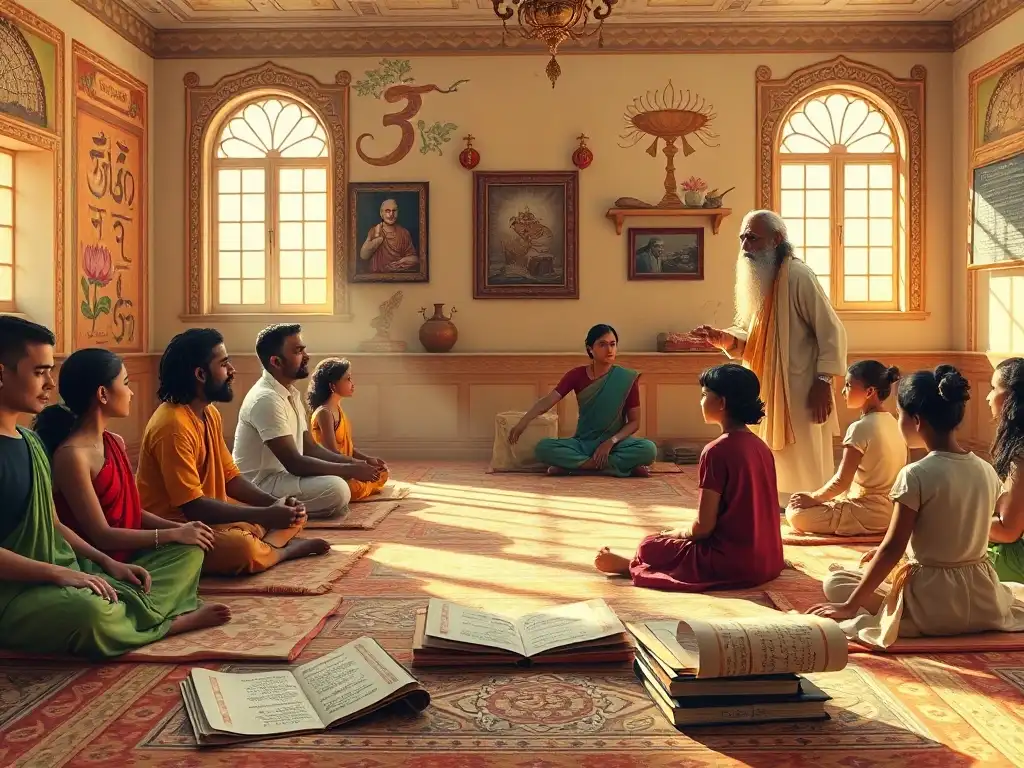
The incorporation of ancient Indian philosophies into contemporary educational practices has gained traction worldwide, demonstrating the enduring relevance of these thought systems. Various case studies reveal how schools and educational programs have adapted ancient teachings to enrich their curricula and foster holistic development in students. By weaving together the wisdom of ancient Indian philosophers with modern educational methodologies, educators aim to create a more inclusive and profound learning environment.
One notable example is the integration of Vedanta and Yoga principles into school curriculums, which emphasize self-awareness, mindfulness, and ethical living. Schools that embrace these philosophies often incorporate meditation practices into their daily routines, helping students cultivate focus and emotional resilience. This practice mirrors the teachings of Patanjali, who emphasized the importance of mental discipline and self-regulation.
Examples of Schools Adopting Ancient Indian Philosophical Approaches
Several educational institutions around the globe have begun adopting ancient Indian philosophical approaches in their teaching methodologies. One such institution is the Krishnamurti Foundation Schools, which prioritize inquiry-based learning inspired by the ideas of philosopher J. Krishnamurti. These schools emphasize the importance of understanding oneself and promoting critical thinking, rather than rote memorization.
Another example can be found in Rishi Valley School, located in the serene landscapes of Andhra Pradesh. Here, the curriculum is deeply influenced by the Gurukula system, which fosters a close student-teacher relationship and encourages experiential learning. This approach aligns with the ancient Indian belief that education should facilitate personal growth and spiritual development.
In the United States, schools like The Aryan School have started incorporating Buddhist principles rooted in ancient Indian thought, focusing on compassion, mindfulness, and community service. This illustrates the universal appeal of ancient philosophies and their adaptability to various cultural contexts.
Successful Educational Programs Inspired by Ancient Indian Thinkers
Educational programs inspired by ancient Indian thinkers are not just limited to specific schools but extend to broader initiatives that aim to reshape educational experiences. Programs such as Vedic Mathematics, which draws from ancient Indian mathematical texts, have gained popularity in various educational settings. This approach enhances students’ numerical skills and promotes faster problem-solving techniques, reflecting the ancient mathematicians' emphasis on practical application.
Furthermore, initiatives like Bharatiya Vidya Bhavan focus on integrating Indian cultural values into the educational framework. By incorporating teachings from ancient texts like the Bhagavad Gita, these programs foster a sense of ethical responsibility and civic awareness among students.
Additionally, organizations like Art of Living promote educational workshops that blend ancient yogic practices with modern pedagogy. These workshops aim to develop emotional intelligence and resilience among students, showcasing the practical benefits of ancient philosophies in contemporary contexts.
Challenges in Implementing Ancient Philosophical Concepts in Education
While the integration of ancient Indian philosophies into modern educational practices offers numerous benefits, several challenges hinder its widespread adoption. Understanding these challenges is crucial for educators and policymakers aiming to create a more holistic educational framework.
Resistance to Traditional Methods in Modern Classrooms
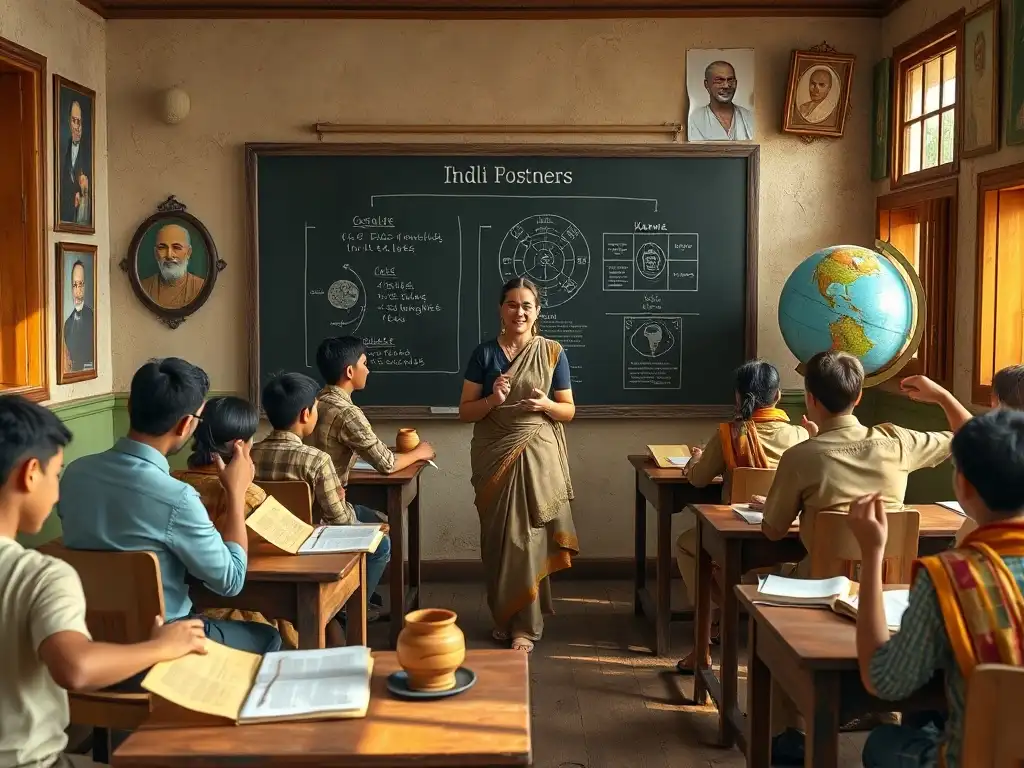
One significant challenge is the resistance to traditional methods often observed in modern classrooms. Many educators prioritize standardized testing and curriculum-driven approaches, viewing them as more relevant in preparing students for contemporary challenges. This focus can overshadow the value of ancient philosophies that emphasize critical thinking, emotional development, and interpersonal skills.
Additionally, the perception that ancient methods are outdated may deter educators from exploring their potential benefits. As a result, the rich legacy of ancient Indian thinkers might not receive the recognition it deserves in shaping the future of education.
Balancing Ancient Insights with Contemporary Educational Needs
Another challenge lies in balancing ancient insights with contemporary educational needs. While ancient philosophies provide profound wisdom, there is a need to contextualize these teachings to align with modern educational frameworks. Educators must find ways to integrate ancient insights into curricula that also address current societal issues and technological advancements.
Moreover, the challenge of ensuring that the diverse philosophies of ancient India are represented in educational practices can lead to confusion or misinterpretation. Educators must be well-versed in these philosophies to avoid superficial application, ensuring that students receive a comprehensive understanding of their relevance today.
While the integration of ancient Indian philosophers' influence into contemporary educational practices faces challenges, the potential benefits for holistic student development are substantial. By addressing these challenges thoughtfully, educators can create a more enriching learning environment that honors the wisdom of the past while preparing students for the future.
Future Directions: The Role of Ancient Indian Philosophers in Evolving Educational Practices
The teachings of ancient Indian philosophers hold immense potential for shaping modern educational practices. As educators and institutions seek innovative approaches to enhance learning outcomes, the philosophies of figures like Gautama Buddha, Adi Shankaracharya, and Chanakya can provide invaluable insights. These philosophers emphasized critical thinking, holistic development, and ethical considerations, which are increasingly relevant in today's education systems.
One of the key areas where ancient philosophy can influence education is in the promotion of interdisciplinary learning. Ancient Indian thinkers often viewed knowledge as a unified whole, breaking down barriers between subjects. This can inspire contemporary educators to create curricula that foster connections across disciplines, enabling students to develop a more comprehensive understanding of complex issues.
Moreover, the ancient Indian emphasis on experiential learning and self-discovery can be integrated into contemporary pedagogical strategies. By encouraging students to engage with their environments and draw personal connections to their studies, educators can cultivate a deeper engagement with the material, promoting lifelong learning.
Potential for Curriculum Development Based on Ancient Philosophies
There is a significant opportunity to develop curricula that incorporate the insights of ancient Indian philosophers. For instance, the concept of Dharma (duty/righteousness) can be woven into subjects like social studies and ethics, guiding students in exploring moral complexities in contemporary contexts.
Additionally, incorporating principles from Yoga and Meditation, as espoused by ancient texts, can promote mental health and well-being among students. These practices encourage mindfulness and focus, which are crucial for academic success and personal development.
Educational institutions can also draw inspiration from the Gurukul system, where learning was a communal and immersive experience. Modern adaptations could involve mentorship programs that allow students to learn directly from experienced practitioners in various fields, fostering a sense of community and shared knowledge.
The Impact of Ancient Indian Philosophy on Global Education Trends
The influence of ancient Indian philosophies is increasingly recognized on a global scale. As educational systems worldwide grapple with issues of inclusivity, ethics, and holistic development, the rich tapestry of Indian thought offers valuable perspectives.
For instance, the concept of Sankhya (enumeration) and Yoga can inform educational practices that prioritize both intellectual and emotional intelligence. These philosophies advocate for a balanced approach to learning that nurtures the mind, body, and spirit, resonating with contemporary movements towards social-emotional learning and well-rounded education.
Furthermore, the global rise of interest in mindfulness and well-being in education can be traced back to ancient practices rooted in Indian philosophy. Schools across the globe are increasingly adopting mindfulness practices to help students manage stress and improve focus, reflecting the timeless relevance of these teachings.
Conclusion: The Lasting Impact of Ancient Indian Philosophers on Education
The legacy of ancient Indian philosophers continues to echo in contemporary educational practices, offering timeless wisdom that can enrich learning environments. Their emphasis on critical thinking, ethical considerations, and holistic development provides a framework for addressing the challenges faced by modern education systems.
Summary of Key Insights
The integration of ancient Indian philosophies into educational practices can lead to:
- Interdisciplinary learning that breaks down subject barriers.
- Curricula designed around ethical principles like Dharma.
- The inclusion of mindfulness and well-being practices to support student mental health.
- A mentorship model inspired by the traditional Gurukul system to enhance communal learning experiences.
These insights underscore the need to revisit and re-evaluate the contributions of ancient thinkers in light of contemporary educational challenges.
Call to Action for Educators and Policymakers
Educators and policymakers are encouraged to explore the rich philosophical heritage of ancient India as a means to innovate and improve educational practices. By developing curricula that reflect these timeless principles, we can create an educational landscape that not only imparts knowledge but also fosters ethical, compassionate, and well-rounded individuals prepared to navigate the complexities of the modern world.
Let us advocate for a reimagined educational framework that honors the wisdom of ancient Indian philosophers, shaping future generations equipped with the skills and values necessary for a harmonious society.
- Introduction to Ancient Indian Philosophers' Influence
- Key Ancient Indian Philosophers and Their Educational Contributions
- Core Philosophical Principles Shaping Education Today
- Ancient Indian Philosophers' Influence on Modern Educational Practices
- Case Studies: Incorporating Ancient Philosophies into Current Educational Systems
- Examples of Schools Adopting Ancient Indian Philosophical Approaches
- Successful Educational Programs Inspired by Ancient Indian Thinkers
- Challenges in Implementing Ancient Philosophical Concepts in Education
- Resistance to Traditional Methods in Modern Classrooms
- Balancing Ancient Insights with Contemporary Educational Needs
- Future Directions: The Role of Ancient Indian Philosophers in Evolving Educational Practices
- Conclusion: The Lasting Impact of Ancient Indian Philosophers on Education
- What were the main contributions of ancient Indian philosophers to education?
- How did the concepts of ancient Indian philosophers influence contemporary teaching methods?
- Can you name some prominent ancient Indian philosophers?
- What role did the Gurukula system play in the education of ancient India?
- How do ancient Indian philosophical ideas manifest in modern educational practices?
Frequently Asked Questions
What were the main contributions of ancient Indian philosophers to education?
Ancient Indian philosophers emphasized critical thinking, moral education, and spiritual growth, laying the groundwork for holistic educational practices that resonate in modern systems.
How did the concepts of ancient Indian philosophers influence contemporary teaching methods?
The emphasis on dialogue, debate, and self-reflection in ancient Indian philosophy has significantly shaped interactive and student-centered teaching methods used today.
Can you name some prominent ancient Indian philosophers?
Notable ancient Indian philosophers include Gautama Buddha, Adi Shankaracharya, and Mahavira, whose teachings continue to influence both spiritual and educational paradigms.
What role did the Gurukula system play in the education of ancient India?
The Gurukula system promoted personalized learning and mentor-student relationships, allowing for in-depth exploration of subjects under the guidance of a knowledgeable teacher.
How do ancient Indian philosophical ideas manifest in modern educational practices?
Modern education often incorporates principles of holistic development, ethical reasoning, and cultural literacy, reflecting the enduring impact of ancient Indian philosophers on contemporary curricula.
Final Reflection: Embracing the Wisdom of Ancient Indian Philosophers
The teachings of ancient Indian philosophers continue to resonate profoundly in contemporary educational practices, reminding us that wisdom transcends time. Their insights into knowledge, ethics, and the holistic development of individuals are not just relics of the past; they are essential frameworks that can guide modern education. In an era where information is abundant yet wisdom seems scarce, revisiting these philosophies offers a pathway to cultivating deeper understanding and meaningful learning experiences.
The influence of ancient Indian philosophers is evident in the way we approach education today, fostering a culture of inquiry, critical thinking, and ethical responsibility. Their emphasis on self-awareness and the interconnectedness of all beings encourages us to create learning environments that nurture not just the intellect but also the spirit. As Mahatma Gandhi once said, Live as if you were to die tomorrow. Learn as if you were to live forever.
This sentiment captures the essence of lifelong learning that these philosophers championed, reminding us that education is a continuous journey, deeply rooted in our values and relationships.
As we reflect on the teachings of these great thinkers, I invite you to consider how you can integrate their wisdom into your own life and educational practices. What aspects of their philosophy resonate with you, and how can you apply these principles to foster a more enriching learning environment? By embracing the legacy of ancient Indian philosophers, we not only honor their contributions but also empower ourselves and future generations to pursue knowledge with purpose and integrity. Let us carry forward their vision and create a brighter, more enlightened future together.
Unveil the Timeless Wisdom of Ancient Philosophers!
Thank you for diving into the rich legacy of ancient Indian philosophers and their influence on modern educational practices. Your interest in this fascinating intersection of history and education reveals a commitment to enriching your understanding and embracing lifelong learning.
To take the insights you've gained from this article a step further, consider the following actions:
- Reflect on your own educational journey: Consider how the teachings of ancient philosophers can enhance your current learning experiences.
- Engage with others: Share your favorite concepts from this article on social media or within your local community to spark discussions about the relevance of ancient wisdom in today's educational landscape.
- Explore local or online courses that incorporate principles inspired by ancient Indian philosophy. This will help you deepen your knowledge and apply these timeless teachings in a practical way.
Which aspect of ancient philosophy do you believe has the greatest potential to transform contemporary education?