
How Ancient Indian Practices Can Inspire Modern Educational Innovations

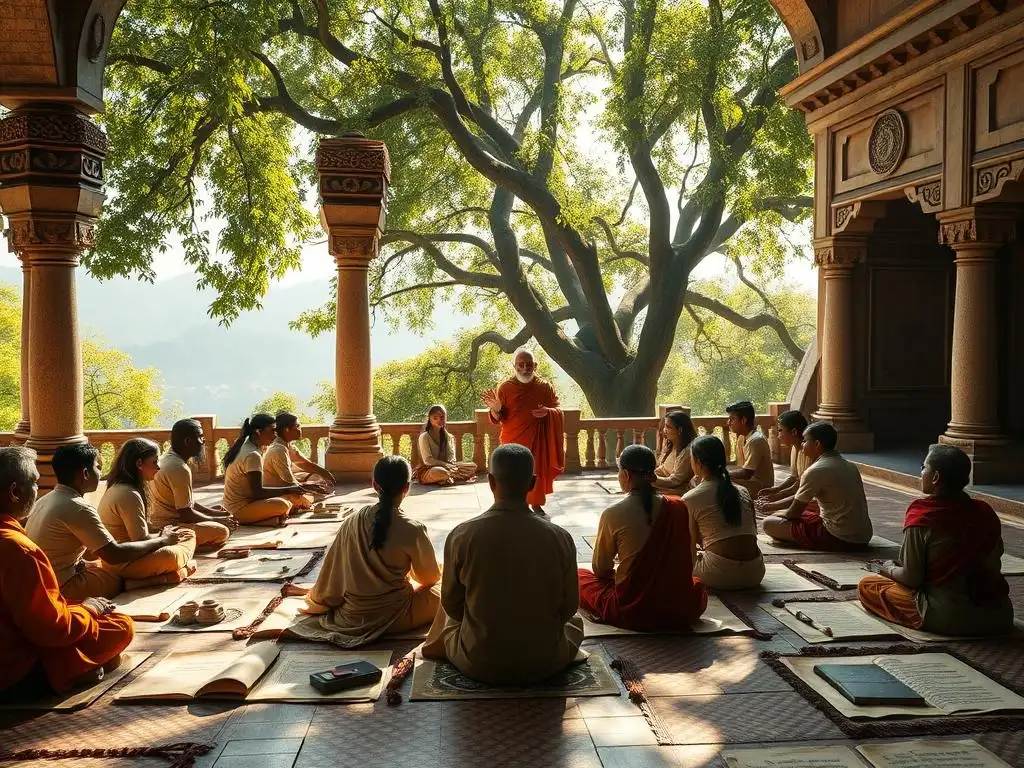
Welcome to Ancient India History, where we delve into the rich tapestry of India's past and uncover the extraordinary contributions of its ancient civilizations. In this enlightening journey, we invite you to explore the fascinating world of ancient Indian education practices—a cornerstone of cultural development that has shaped societies for centuries. Discover how these time-honored methods can inspire modern educational innovations and transform the way we think about learning today. Dive in and let your curiosity guide you through the remarkable legacy of knowledge that continues to resonate in our contemporary world.
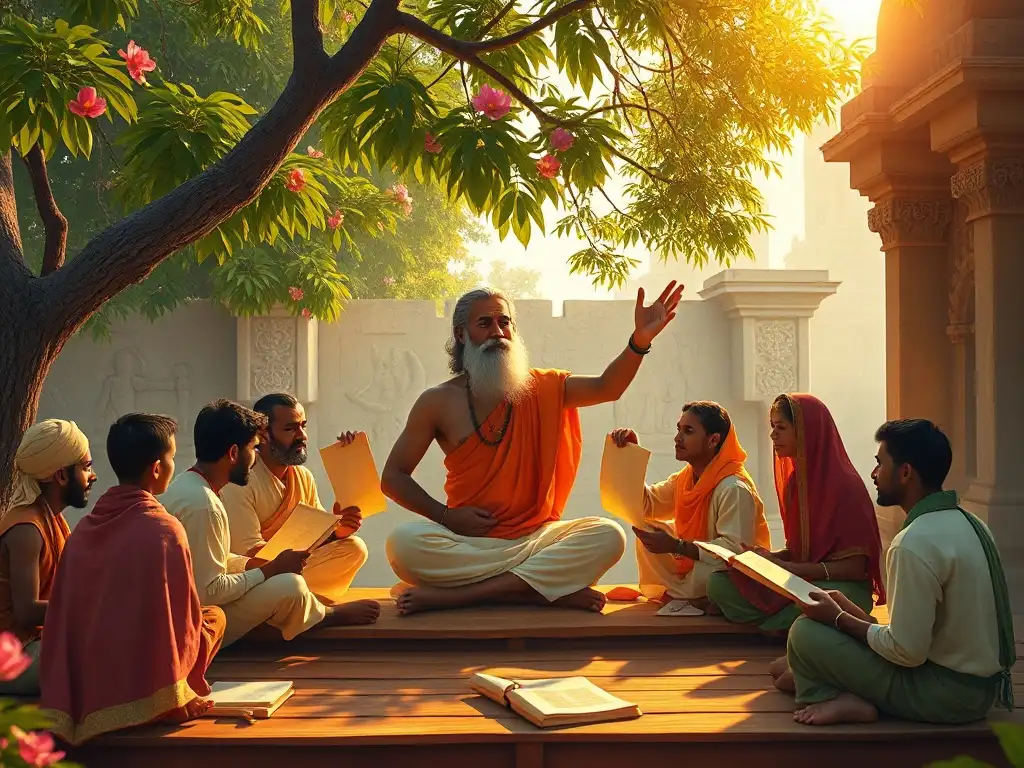
Introduction to Ancient Indian Education Practices
The educational landscape of ancient India is a rich tapestry woven with diverse philosophies, innovative practices, and a profound understanding of human development. From the disciplined learning environment of the Gurukuls to the philosophical underpinnings that shaped educational thought, ancient Indian education practices offer a treasure trove of insights that can inspire modern educational innovations.
As educators and policymakers seek to enhance contemporary educational frameworks, revisiting these time-tested methods can provide fresh perspectives on fostering holistic learning and critical thinking. This article delves into the key aspects of ancient Indian education and explores how these practices can be integrated into today's educational systems.
Overview of Ancient Indian Educational Systems
Ancient India boasted several educational systems that were not only practical but also deeply rooted in the cultural and spiritual ethos of the time. The primary model of education was the Gurukul system, where students lived with their gurus (teachers) in a communal setting, receiving instruction in various subjects ranging from the arts and sciences to spirituality and ethics.
- Key Characteristics of Ancient Indian Educational Systems:
- Holistic Learning: Emphasis on physical, mental, and spiritual development.
- Guru-Shishya Relationship: A mentor-student dynamic fostering personal growth.
- Diverse Curriculum: Subjects included mathematics, astronomy, literature, philosophy, and medicine.
Importance of Education in Ancient Indian Civilization
Education held a revered place in ancient Indian society, viewed not merely as a means to acquire knowledge but as a vital process for personal and societal development. It was integral in shaping moral values, social responsibilities, and a sense of community.
- Cultural Significance:
- Education was seen as a pathway to self-realization and enlightenment.
- The pursuit of knowledge was considered a noble endeavor, respected across all strata of society.
Key Features of Ancient Indian Education
The educational practices of ancient India were characterized by several innovative features that set them apart from contemporary models:
- Experiential Learning: Learning was often hands-on, with an emphasis on practical applications.
- Life-long Learning: Education was viewed as a continuous process, extending beyond formal schooling.
- Integration of Arts and Sciences: A balanced approach that encouraged creativity alongside analytical thinking.
Historical Context of Ancient Indian Education
Understanding the historical context of ancient Indian education is crucial for appreciating its enduring legacy and relevance in modern times. The evolution of educational practices mirrored the socio-political dynamics and cultural shifts of various epochs in Indian history.
The Gurukul System: Learning in Nature
The Gurukul system was emblematic of the ancient Indian approach to education, where learning took place in natural surroundings. This system fostered a close bond between students and their environment, encouraging experiential learning through direct interaction with nature.
- Benefits of the Gurukul System:
- Development of Critical Thinking: Students learned to observe and analyze their surroundings.
- Community Living: Emphasis on collaboration and communal harmony.
Role of Spirituality and Philosophy in Ancient Education
Spirituality and philosophy were deeply interwoven into the fabric of ancient Indian education. Educational practices were not solely academic; they encompassed moral and ethical dimensions, preparing students for a life of integrity and purpose.
- Philosophical Frameworks:
- Teachings from texts like the Vedas and Upanishads provided profound insights into the nature of knowledge and existence.
- Education was aimed at achieving self-realization and understanding one's place in the universe.
Contributions of Notable Ancient Indian Scholars
Ancient India produced a plethora of scholars whose contributions to education and knowledge continue to resonate today. Figures such as Panini, Aryabhata, and Chanakya not only advanced their respective fields but also set benchmarks for educational practices.
- Influential Scholars:
- Panini: Contributions to linguistics and grammar.
- Aryabhata: Innovations in mathematics and astronomy.
- Chanakya: Insights into statecraft and economics, emphasizing the importance of education in governance.
As we reflect on these ancient Indian education practices, it becomes evident that they hold invaluable lessons for modern educational systems. By integrating these time-honored principles into contemporary curricula, we can cultivate an enriched learning environment that prepares students for the complexities of the modern world.
Core Principles of Ancient Indian Education Practices
Ancient Indian education practices were deeply rooted in a philosophical framework that emphasized the development of the individual as a whole, rather than merely focusing on academic achievement. These practices were influenced by various ancient texts, including the Vedas, Upanishads, and the teachings of revered philosophers like Gautama Buddha and Mahavira. The core principles of this educational system can provide valuable insights for modern educational innovations.
Emphasis on Holistic Development
One of the most significant aspects of ancient Indian education was its focus on holistic development. Education was seen as a means to cultivate not just intellectual skills, but also physical, emotional, and spiritual growth. Students were encouraged to engage in a variety of activities, including physical exercises, meditation, and arts, fostering a well-rounded personality. This comprehensive approach ensured that individuals were not only knowledgeable but also equipped with life skills, ethical values, and emotional resilience.
- Physical Development: Activities such as yoga and martial arts were integral, promoting physical health and discipline.
- Emotional Intelligence: Emphasis on self-reflection and moral education laid the foundation for empathy and ethical decision-making.
- Spiritual Growth: Meditation and philosophical discussions nurtured a sense of purpose and connection to the universe.
Focus on Critical Thinking and Inquiry-Based Learning
Ancient Indian education placed a strong emphasis on critical thinking and the Socratic method of inquiry, encouraging students to ask questions and seek knowledge actively. This approach fostered deep understanding and intellectual curiosity, rather than rote memorization.
- Dialogue and Debate: Students often engaged in discussions and debates, sharpening their analytical skills and expanding their perspectives.
- Problem-Solving: Real-life problems were presented as case studies, allowing students to apply their knowledge in practical scenarios.
- Encouragement of Questions: Inquiry was not only welcomed but seen as essential for learning, empowering students to take ownership of their education.
Integration of Arts and Sciences in Education
The ancient Indian education system recognized the interconnectedness of various disciplines, integrating arts and sciences to create a more comprehensive learning experience. This interdisciplinary approach allowed students to draw connections between different fields, enhancing their overall understanding.
- Art as a Learning Tool: Music, dance, and visual arts were not merely extracurricular activities but essential components of the curriculum that supported cognitive development.
- Scientific Exploration: Subjects like astronomy, mathematics, and medicine were taught alongside philosophy and literature, promoting a well-rounded educational experience.
- Cultural Context: The integration of local culture and traditions into the curriculum reinforced the relevance of education in the students' lives.
Modern Educational Innovations Inspired by Ancient Practices
As modern educational systems grapple with challenges such as disengagement and a lack of critical thinking skills, ancient Indian practices can offer innovative solutions. By reimagining these traditional methods, educators can create more dynamic and effective learning environments.
Incorporating Gurukul Principles in Contemporary Classrooms
The Gurukul system, characterized by a close relationship between guru (teacher) and shishya (student), provides a model for modern educational practices. This system emphasized personalized learning, mentorship, and the nurturing of a supportive community.
- Mentorship Programs: Implementing mentorship initiatives can foster deeper connections and personalized guidance for students.
- Collaborative Learning: Creating learning communities within classrooms encourages peer support and collaborative problem-solving.
- Experiential Learning: Incorporating hands-on projects and real-world experiences can mimic the immersive learning environment of ancient Gurukuls.
The Role of Mindfulness and Meditation in Education
Mindfulness and meditation were integral to ancient Indian education, promoting mental clarity and emotional well-being. In today's fast-paced world, integrating these practices in educational settings can help students manage stress and enhance focus.
- Mindfulness Practices: Daily mindfulness sessions can improve concentration and emotional regulation among students.
- Meditation Techniques: Teaching simple meditation techniques can enhance students' ability to cope with academic pressures.
- Stress Reduction: Creating a calm classroom environment through mindfulness can lead to better learning outcomes.
Using Storytelling and Oral Traditions as Teaching Tools
Storytelling played a crucial role in ancient Indian education, serving as a means to pass down knowledge and cultural values. This approach can be revitalized in modern classrooms to engage students and enhance learning.
- Culturally Relevant Stories: Incorporating local folklore and historical narratives can make lessons more relatable and memorable.
- Interactive Storytelling: Encouraging students to tell their own stories fosters creativity and strengthens communication skills.
- Critical Analysis: Analyzing stories can promote critical thinking as students explore themes and characters in depth.
By embracing these ancient practices, modern education can evolve to create more engaging, effective, and holistic learning experiences for students, nurturing not just scholars, but well-rounded individuals prepared for the complexities of the world.
Case Studies: Successful Applications of Ancient Indian Educational Practices
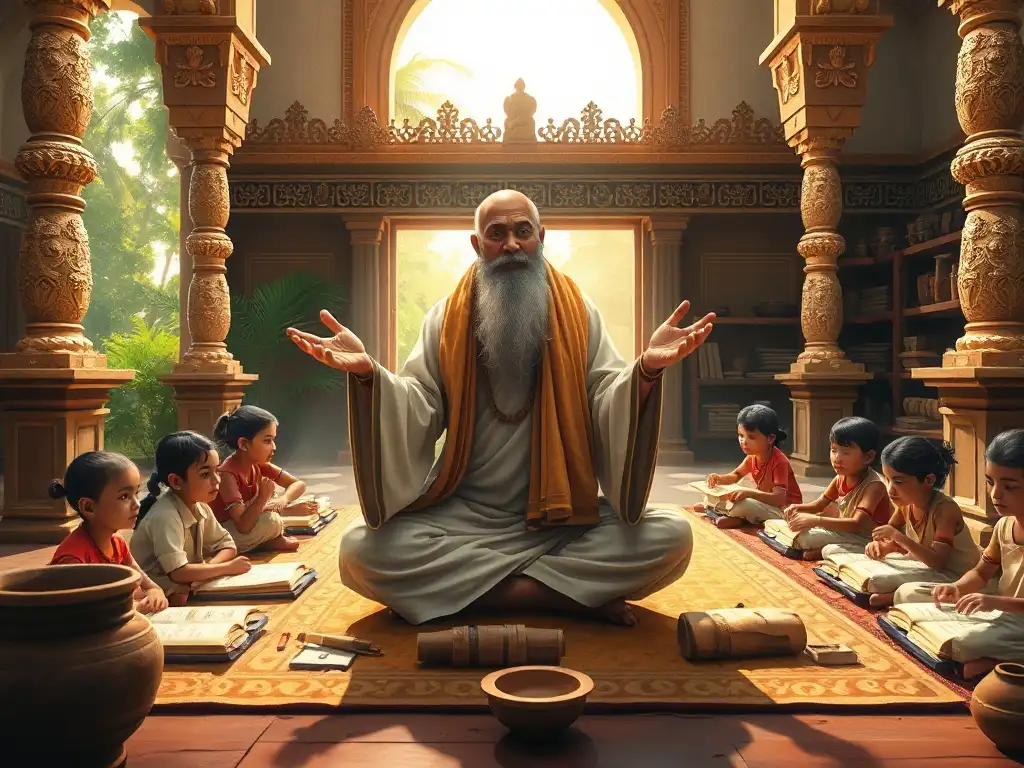
The revival of ancient Indian educational practices has found a foothold in contemporary teaching methodologies, showcasing how traditional wisdom can enhance modern learning environments. Several institutions have successfully integrated these principles, leading to innovative educational frameworks that promote deeper engagement and holistic development among students.
Example 1: The Shikshangan School's Integration of Gurukul Principles
The Shikshangan School, located in various regions across India, is a notable example of how Gurukul principles have been effectively integrated into modern education. The Gurukul system, which flourished during ancient times, emphasized personalized learning, mentorship, and experiential education. At Shikshangan, educators adopt a student-centric approach, fostering a strong mentor-student relationship reminiscent of the Gurukul tradition.
Key features of this integration include:
- Individualized Learning Plans: Each student receives a tailored curriculum that aligns with their interests and learning pace.
- Emphasis on Practical Knowledge: Lessons often extend beyond textbooks, incorporating real-world experiences and hands-on projects.
- Community Engagement: Students participate in community service, mirroring the Gurukul's commitment to societal contributions.
This blend not only enhances academic performance but also cultivates essential life skills, fostering responsible and engaged citizens.
Example 2: The Vidya Mandir's Focus on Holistic Development
Vidya Mandir serves as another exemplary institution that emphasizes holistic development while drawing inspiration from ancient Indian educational practices. This school integrates the concepts of Siksha (knowledge) and Vidya (wisdom) to create a well-rounded educational experience.
The school's curriculum includes:
- Arts and Culture: Students engage in traditional arts, music, and dance, promoting creativity and cultural appreciation.
- Physical Education and Yoga: Recognizing the importance of physical well-being, the school incorporates yoga and sports into the daily schedule, aiming for a balanced body and mind.
- Moral and Ethical Education: Values derived from ancient texts are woven into lessons, encouraging students to develop strong ethical foundations.
By focusing on the development of the whole person, Vidya Mandir prepares students not only for academic success but also for meaningful lives.
Impact of Ancient Practices on Student Engagement and Learning Outcomes
The integration of ancient Indian educational practices has shown significant positive impacts on student engagement and learning outcomes. Research indicates that schools adopting these methods experience:
- Increased Motivation: Students are more motivated when they see the relevance of their education to real-world contexts, a principle rooted in ancient practices.
- Enhanced Critical Thinking: The emphasis on discussion, debate, and inquiry-based learning encourages students to think critically and creatively.
- Improved Retention Rates: Holistic approaches have been linked to better retention of knowledge, as students connect emotionally and intellectually with the material.
As these case studies illustrate, the revival of ancient educational methodologies not only enriches the learning experience but also prepares students for a rapidly evolving world.
Challenges and Considerations in Adopting Ancient Practices
While the incorporation of ancient Indian educational practices into modern curricula presents numerous benefits, it also poses challenges that educators must navigate carefully to ensure effective integration.
Potential Misinterpretations of Ancient Techniques
One of the primary challenges lies in the potential misinterpretation of ancient techniques. The historical context of these practices can be misconstrued, leading to:
- Oversimplification: Reducing complex concepts into simplistic versions that may not capture their original intent.
- Inconsistent Application: Variations in understanding can lead to inconsistent applications across different educational settings, undermining effectiveness.
Educators must engage in thorough research and training to accurately interpret and implement these principles in a modern context.
Balancing Tradition with Modern Educational Needs
Striking a balance between traditional practices and contemporary educational needs is crucial. While ancient methods offer valuable insights, modern education also demands adaptability and innovation. Key points to consider include:
- Curriculum Relevance: Integrating ancient practices should not come at the cost of essential modern skills such as digital literacy and critical analysis.
- Flexibility in Teaching Methods: Educators should adapt ancient techniques to fit diverse classroom dynamics and learning styles while maintaining their essence.
This balance ensures that students receive a comprehensive education that honors tradition while preparing them for the future.
Addressing Cultural Relevance in Diverse Learning Environments
In increasingly diverse classrooms, cultural relevance becomes paramount. Ancient Indian educational practices may not resonate equally with all students. To address this, educators should:
- Incorporate Multicultural Perspectives: Blend ancient Indian practices with other cultural methodologies to create an inclusive curriculum.
- Engage in Community Collaboration: Work with local communities to understand their educational values and integrate those into the learning experience.
By fostering an inclusive environment, educators can ensure that all students feel represented and valued, enhancing engagement and learning outcomes.
Conclusion: The Future of Education Inspired by Ancient Indian Practices
The educational practices of ancient India hold profound wisdom that can significantly shape the future of modern education. By revisiting and integrating these time-tested methods, educators can foster a more holistic and inclusive learning environment. Ancient Indian education emphasized critical thinking, moral values, and the interconnectedness of knowledge, all of which remain relevant in today's rapidly evolving world. As we look forward, it is essential to blend these timeless principles with contemporary pedagogical strategies, creating an enriched educational landscape that caters to diverse learning needs.
The Lasting Legacy of Ancient Indian Education
The legacy of ancient Indian education is characterized by its emphasis on Dharma, or righteous living, and the pursuit of knowledge as a sacred endeavor. Institutions like Nalanda and Takshashila were not merely centers of learning; they were vibrant communities where scholars from various disciplines engaged in dialogue and debate. This collaborative spirit fostered a deep understanding of subjects ranging from mathematics and astronomy to philosophy and the arts.
The Gurukul system, where students lived with their teachers, emphasized mentorship and personalized learning, creating a strong bond between student and teacher that is often missing in today's educational setups. The reverence for learning and respect for teachers established in ancient times continues to influence modern educational values.
Vision for Integrating Ancient Wisdom in Modern Curriculums
Integrating ancient Indian education practices into modern curriculums requires a thoughtful approach that respects both historical contexts and contemporary needs. A vision for this integration includes:
- Interdisciplinary Learning: Encouraging connections between subjects, similar to how ancient curricula encompassed a wide array of disciplines.
- Experiential Learning: Incorporating hands-on activities and real-world applications that align with the ancient practice of learning through experience.
- Moral and Ethical Education: Infusing curriculums with teachings that promote ethical reasoning and moral development, reflecting the importance of Dharma.
- Community Engagement: Fostering partnerships with local communities to create learning experiences that are relevant and grounded in cultural context.
By adopting this vision, educational institutions can create a more engaging, relevant, and impactful learning experience for students.
Call to Action for Educators and Policymakers
To realize the potential of ancient Indian education practices in modern settings, educators and policymakers must take proactive steps:
- Research and Development: Invest in research to explore effective ways to integrate ancient practices with contemporary educational frameworks.
- Professional Development: Provide training for educators on ancient pedagogical methods, highlighting their relevance and application in today's classrooms.
- Curriculum Design: Encourage educational institutions to design curriculums that reflect the values and practices of ancient Indian education, including the importance of critical thinking and holistic development.
- Advocacy: Advocate for policies that support the inclusion of cultural histories and wisdom in educational systems, ensuring a more inclusive approach to learning.
By taking these actions, we can create an educational system that not only honors the past but also prepares students for a dynamic and interconnected future.
References
Recommended Readings on Ancient Indian Education Practices
- "The Gurukul System of Education": This text examines the foundational aspects of the Gurukul system and its impact on student-teacher relationships.
- "Nalanda: A Historical Overview": A comprehensive exploration of Nalanda University and its contributions to education and scholarship in ancient India.
- "Philosophy of Education in Ancient India": A detailed analysis of the philosophical underpinnings of ancient Indian educational practices.
Additional Resources for Educators Exploring Ancient Methods
- "Teaching with Ancient Wisdom": A resource guide for educators looking to incorporate ancient methods into their teaching practices.
- "Ancient Indian Texts and Their Relevance Today": A collection of ancient texts with modern commentaries that highlight their educational significance.
- Workshops and Seminars: Organizations that offer training on integrating ancient educational practices into contemporary curriculums, focusing on experiential learning and ethical education.
By leveraging these resources, educators can gain insights and tools to effectively blend ancient wisdom with modern pedagogical practices.
- Introduction to Ancient Indian Education Practices
- Historical Context of Ancient Indian Education
- Core Principles of Ancient Indian Education Practices
- Modern Educational Innovations Inspired by Ancient Practices
- Case Studies: Successful Applications of Ancient Indian Educational Practices
- Challenges and Considerations in Adopting Ancient Practices
- Conclusion: The Future of Education Inspired by Ancient Indian Practices
- References
- What are some key features of ancient Indian education practices?
- How did the Indus Valley Civilization contribute to education?
- What role did religion play in ancient Indian education?
- How did ancient Indian education influence modern educational systems?
- What can modern educators learn from ancient Indian practices?
Frequently Asked Questions
What are some key features of ancient Indian education practices?
Ancient Indian education was characterized by Guru-Shishya relationships, where knowledge was imparted through personal mentorship and oral traditions.
How did the Indus Valley Civilization contribute to education?
The Indus Valley Civilization laid the groundwork for future educational practices through their advanced urban planning and emphasis on writing systems, indicating a value for knowledge and record-keeping.
What role did religion play in ancient Indian education?
Religion was central to education in ancient India, with temples often serving as centers for learning, where philosophy, literature, and spiritual teachings were studied.
How did ancient Indian education influence modern educational systems?
Ancient Indian education emphasized critical thinking and holistic development, principles that continue to inspire modern educational frameworks focusing on student-centered learning.
What can modern educators learn from ancient Indian practices?
Modern educators can draw from ancient practices such as the importance of mentorship, community involvement, and fostering a love for learning, which can enhance contemporary educational approaches.
Final Reflection: Embracing Ancient Wisdom for Modern Learning
The relevance of ancient Indian education practices in today’s world cannot be overstated; they offer profound insights into holistic learning and community engagement. In an era where education often prioritizes standardized testing and rote memorization, the wisdom embedded in these ancient practices serves as a powerful reminder of the importance of nurturing the mind, body, and spirit. As we navigate the complexities of modern education, we must recognize that the past holds keys to unlocking innovative pathways for the future.
The influence of ancient Indian educational philosophies continues to resonate in our cultural and social landscapes. These practices emphasize not only knowledge acquisition but also the development of character and ethical values, fostering a sense of responsibility towards society. The words of Mahatma Gandhi echo this sentiment: Education is not the learning of facts, but the training of the mind to think.
This perspective invites us to reflect on how we can integrate these timeless principles into contemporary educational frameworks, ensuring that learning is not just about information, but about cultivating wisdom and compassion.
As we move forward, I invite you to reflect on how you can incorporate the lessons from ancient Indian education practices into your own life or community. Consider the ways in which you can foster a more holistic approach to learning, one that values creativity, critical thinking, and ethical responsibility. By embracing these ancient teachings, we can inspire a new generation of learners who are not only knowledgeable but also wise, compassionate, and equipped to face the challenges of the future.
Unlock the Wisdom of the Ancients in Your Learning Journey!
Thank you for diving into the fascinating world of ancient Indian educational practices! You’ve gained insights that can spark innovative changes in modern learning environments. Now, it’s time to take these lessons and make them a part of your life.
Here are a few actionable steps to integrate ancient wisdom into your educational pursuits:
- Embrace Holistic Learning: Start incorporating mindfulness and a balanced approach in your studies. Take a moment to reflect on your learning style. How can you integrate your mind, body, and spirit for a deeper understanding?
- Explore New Teaching Methods: Consider trying collaborative learning techniques that resonate with ancient practices. Form or join study groups to discuss topics and share diverse perspectives.
- Share Your Journey: Connect with others who are interested in blending ancient wisdom with modern education—whether through social media, online forums, or local workshops.
What ancient practice do you think would have the most profound impact on today’s education system? Share your thoughts below!