
The Role of Ancient Indian Universities in the Preservation of Texts


Welcome to Ancient India History, where we embark on a fascinating journey through the rich tapestry of ancient Indian civilizations! Delve into the extraordinary role of ancient Indian universities in the preservation of texts, a cornerstone of our educational heritage that shaped not only India but the world. From the illustrious halls of Nalanda to the scholarly pursuits of Takshashila, discover how these institutions were pivotal in safeguarding knowledge through the ages.
Join us as we uncover the secrets and stories that lie behind these hallowed grounds, and prepare to be inspired by the enduring legacy of ancient learning. What profound insights will you uncover? Let’s explore together!

Introduction to Ancient Indian Universities History
The history of ancient Indian universities is a fascinating tapestry woven with threads of knowledge, culture, and intellectual exploration. These institutions were not merely centers for education; they served as custodians of texts and wisdom, playing a pivotal role in preserving the rich heritage of ancient Indian civilization.
From the famed Nalanda University to the esteemed Takshashila and Vikramashila, these universities have left an indelible mark on the educational landscape of not just India, but the wider world as well. In this article, we will explore how ancient Indian universities contributed significantly to the preservation of texts, fostering an environment where the pursuit of knowledge flourished.
Overview of Ancient Indian Universities
Ancient Indian universities emerged as centers of higher learning during a time when scholarship and intellectual discourse were highly valued. They attracted scholars from across the globe, fostering a vibrant culture of learning.
- Key Features of Ancient Indian Universities:
- Multidisciplinary Approach: Subjects ranged from philosophy and mathematics to astronomy and medicine.
- Cultural Exchange: Scholars from different parts of the world contributed to a rich exchange of ideas.
- Vibrant Academic Life: Universities were bustling hubs of discussion, debate, and innovation.
These institutions not only preserved ancient texts but also produced original works that contributed to various fields of knowledge.
Importance of Education in Ancient India
Education in ancient India held a sacred significance, viewed as a means to attain moksha (liberation) and self-realization. The emphasis on education was reflected in the establishment of universities that prioritized both practical and theoretical knowledge.
- Key Aspects of Education:
- Guru-Shishya Tradition: The teacher-student relationship was central, fostering deep respect and learning.
- Diverse Curriculum: Subjects included Vedas, Upanishads, logic, and the arts, ensuring a comprehensive educational experience.
- Role of Women: Although limited, there were opportunities for women to engage in scholarly pursuits, indicating a more inclusive approach than often recognized.
Focus on Text Preservation
The preservation of texts was not merely an academic exercise; it was a cultural imperative. Ancient Indian universities recognized the importance of safeguarding their literary and philosophical heritage for future generations.
- Methods of Preservation:
- Copying and Transcription: Manuscripts were meticulously copied by hand, ensuring the survival of important texts.
- Oral Tradition: Many texts were preserved and transmitted orally, which was a common practice in ancient cultures.
- Libraries and Archives: Some universities boasted extensive libraries that housed invaluable works, ensuring their protection and accessibility.
Historical Context of Ancient Indian Universities

The historical context surrounding the emergence of ancient Indian universities is crucial to understanding their significance in the preservation of texts.
The Emergence of Early Universities in India
Early universities began to take shape between the 5th century BCE and the 12th century CE, aligned with the burgeoning intellectual climate of the time.
- Factors Contributing to Emergence:
- Political Stability: The patronage of various kingdoms created conducive environments for learning.
- Cultural Flourishing: The rise of Buddhism and Hinduism led to increased interest in philosophy and theology.
- Trade and Travel: Increased interactions with foreign cultures brought diverse perspectives to Indian scholarship.
Key Universities: Nalanda, Takshashila, and Vikramashila
Among the illustrious institutions, Nalanda, Takshashila, and Vikramashila stand out as paragons of educational excellence.
- Nalanda University:
- Established in the 5th century CE, it attracted scholars from as far as China and Korea.
- Renowned for its vast library, Dharmaganja, which housed thousands of manuscripts.
- Takshashila (Taxila):
- A critical center for education before Nalanda, flourishing around the 6th century BCE.
- Offered diverse subjects, including medicine, mathematics, and military science.
- Vikramashila:
- Founded in the late 8th century CE, it focused heavily on Buddhist studies and philosophy.
- It was one of the last great universities before the decline of Indian educational institutions.
Influence of Religion and Philosophy on Education
Religion and philosophy were deeply intertwined with the educational practices of ancient India.
- Impact on Curriculum:
- Buddhism and Hinduism: Both faiths contributed significantly to the philosophical frameworks taught in universities.
- Ethical Teachings: Education was often linked to moral and ethical development, ensuring a holistic approach to learning.
The role of ancient Indian universities in the preservation of texts is a testament to their enduring legacy in the realm of education and knowledge. These institutions not only safeguarded ancient wisdom but also paved the way for future generations to explore, learn, and innovate.
The Function of Ancient Indian Universities in Text Preservation
Ancient Indian universities served as critical hubs for knowledge and scholarship, playing a vital role in the preservation of texts throughout their existence. Institutions like Nalanda and Takshashila were not merely educational establishments; they were centers of cultural transmission and intellectual exchange. These universities attracted scholars from various regions, fostering an environment where texts were not only studied but also copied, annotated, and elaborated upon. The preservation of ancient manuscripts was paramount, as these texts encompassed a wide range of subjects including philosophy, science, and literature, which were fundamental to the Indian cultural and intellectual heritage.
Curriculum and Subjects Offered
The curriculum at ancient Indian universities was extensive and diverse, reflecting the multifaceted nature of Indian scholarship. Subjects included:
- Philosophy: Focused on metaphysics, ethics, and epistemology, with texts from various schools of thought being studied and preserved.
- Literature: Covering both classical and contemporary works, students were encouraged to engage with and refine literary texts.
- Science and Mathematics: This encompassed astronomy, algebra, and geometry, with significant texts such as Aryabhata's works being meticulously preserved.
- Medicine: The study of Ayurveda and surgery was prominent, with key texts like the Sushruta Samhita being central to the curriculum.
This rich academic environment not only preserved knowledge but allowed for its evolution and innovation, ensuring that foundational texts were transmitted through generations.
The Role of Scholars and Educators
Scholars and educators in ancient Indian universities were instrumental in the preservation of knowledge. Eminent figures such as Nagarjuna and Aryabhata dedicated their lives to teaching and expanding upon existing texts. They engaged in rigorous debates, wrote commentaries, and interpreted ancient scriptures, which served to both preserve and enrich the original works. Educators acted as custodians of knowledge, ensuring that texts were accurately transmitted through oral traditions and written copies. Their scholarly work was often collaborative, leading to the creation of comprehensive libraries that housed extensive collections of manuscripts.
Methods of Text Preservation and Transmission
Ancient Indian universities employed various methods for the preservation and transmission of texts. Key practices included:
- Copying Manuscripts: Scribes were trained to produce accurate copies of texts, ensuring fidelity to the original works.
- Oral Tradition: Many texts were transmitted orally, particularly Vedic literature, which relied on precise recitation techniques to maintain accuracy.
- Commentaries and Annotations: Scholars wrote extensive commentaries on classical texts, which not only preserved the original works but also provided interpretations and contextualizations for future generations.
- Library Systems: Universities established libraries that served as repositories for texts, offering a structured environment for the storage and study of manuscripts.
These methods ensured that vital knowledge endured despite the passage of time and the challenges posed by invasions and societal changes.
Notable Contributions of Ancient Indian Universities
Ancient Indian universities made numerous contributions that significantly impacted various fields of knowledge. Their legacy is evident in multiple disciplines that flourished due to their rigorous academic environment and commitment to preserving texts.
Preservation of Vedic Texts
The preservation of Vedic texts was one of the foremost achievements of ancient Indian universities. The meticulous oral traditions and later written manuscripts ensured that the rich body of Vedic literature, including the Rigveda, Samaveda, Yajurveda, and Atharvaveda, was carefully maintained. These texts not only served religious purposes but also laid the foundation for various philosophical and cultural developments in India.
Contributions to Mathematics and Astronomy
Ancient Indian universities were pivotal in advancing mathematics and astronomy. Scholars like Aryabhata and Brahmagupta made groundbreaking contributions, including the concepts of zero and the decimal system. Their works, such as Aryabhata's "Aryabhatiya," were preserved in university libraries and later influenced mathematical thought worldwide. The precise calculations and astronomical observations recorded in these texts reflect the advanced understanding of celestial phenomena by ancient Indian scholars.
Influence on Medicine and Linguistics
The influence of ancient Indian universities extended prominently into fields such as medicine and linguistics. Texts on Ayurveda, including the Charaka Samhita and Sushruta Samhita, were preserved and studied, establishing a foundational framework for traditional Indian medicine. Furthermore, the study of linguistics led to the development of Sanskrit grammar by scholars like Panini, whose grammatical treatises shaped the understanding of language structure and syntax. These contributions underscored the universities' role in preserving and advancing knowledge across diverse fields, solidifying their legacy in the tapestry of ancient Indian history.
Challenges Faced by Ancient Indian Universities
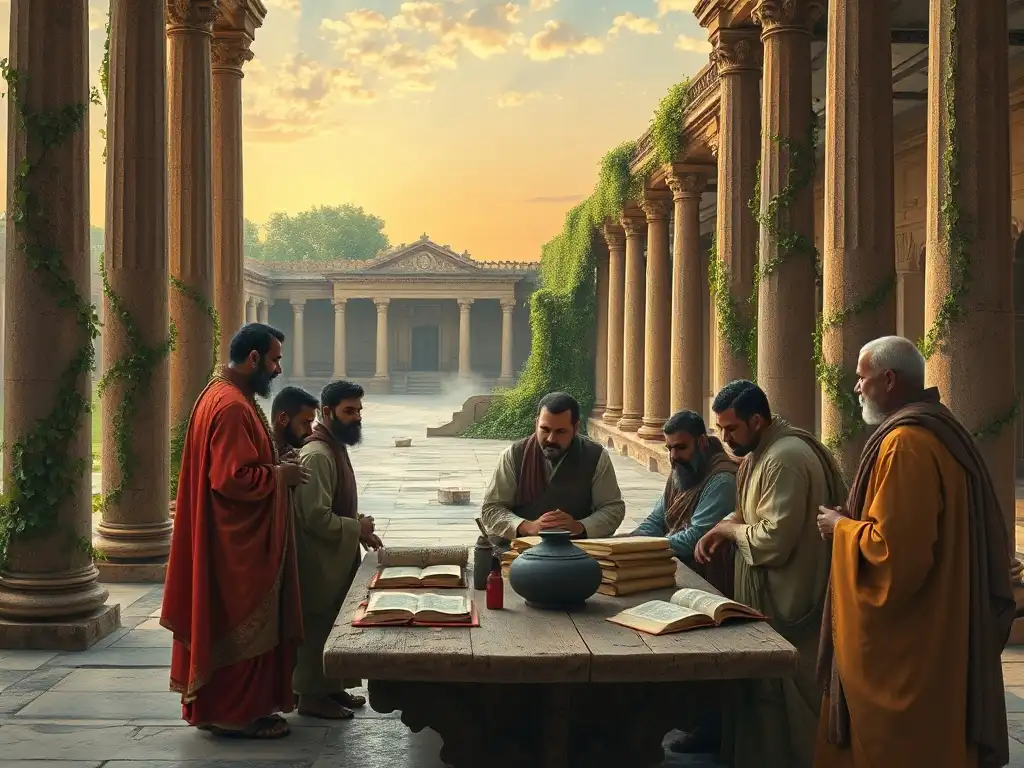
Ancient Indian universities, such as Nalanda and Takshashila, were remarkable centers of learning that flourished for centuries. However, they faced numerous challenges that ultimately impacted their ability to preserve and transmit knowledge. These challenges were multifaceted, stemming from political, economic, and social factors that contributed to their decline.
Political Instability and Invasions
Political instability played a significant role in the challenges faced by ancient Indian universities. The frequent invasions and conflicts throughout Indian history disrupted educational activities and led to the destruction of institutions. For instance, the invasion of Bakhtiyar Khilji in the 12th century is often cited as a pivotal moment that led to the downfall of Nalanda University.
The destruction of libraries, manuscripts, and the killing or displacement of scholars resulted in a substantial loss of knowledge. The constant power struggles among local rulers further contributed to an unstable environment, making it difficult for universities to maintain continuity in their educational programs.
Decline in Patronage and Funding
Ancient Indian universities heavily relied on royal patronage and sponsorship for their functioning. As political powers shifted and dynasties rose and fell, the patronage extended to educational institutions often waned. The decline in funding led to reduced resources for libraries, faculty, and infrastructure, which in turn diminished the quality of education.
Scholars and students were often left without the necessary support to continue their studies, leading to a gradual decline in the academic rigor that these institutions were once known for. The loss of patronage also meant fewer opportunities for attracting bright minds from across the region, further isolating these universities.
Impact of Colonialism on Educational Systems
The arrival of colonial powers in India marked a significant turning point in the educational landscape. British colonialism imposed a new educational system that prioritized Western knowledge and practices, sidelining traditional Indian forms of education. Ancient universities struggled to adapt to these changes, and many of the texts and knowledge systems they had preserved were dismissed as obsolete.
This shift not only led to the decline of ancient universities but also resulted in a cultural devaluation of indigenous knowledge systems. The emphasis on English and Western curricula marginalized the rich heritage of ancient Indian scholarship, further complicating the preservation of texts and traditions.
Legacy of Ancient Indian Universities
Despite the challenges they faced, ancient Indian universities left an indelible mark on the educational landscape, both in India and beyond. Their contributions continue to be relevant today, influencing modern educational practices and cultural perceptions.
Influence on Modern Educational Institutions
The legacy of ancient Indian universities can be seen in contemporary educational institutions worldwide. The concept of open discourse, debate, and critical thinking that characterized these universities laid the groundwork for modern universities. Many current educational models draw inspiration from the interdisciplinary approach and holistic learning practices of ancient universities. For instance, the emphasis on dialogue and argumentation in ancient Indian education can be observed in contemporary pedagogical methods that prioritize student engagement and collaborative learning.
Revival and Recognition of Ancient Texts
In recent years, there has been a renewed interest in the texts preserved by ancient Indian universities. Scholars and researchers are increasingly recognizing the value of these texts in understanding not only ancient Indian philosophy and science but also the broader context of global knowledge. Institutions and organizations dedicated to the revival of ancient texts are working to digitize manuscripts, translate works, and incorporate them into modern curricula, ensuring that the wisdom of the past is not lost to future generations.
Cultural and Historical Significance Today
The cultural and historical significance of ancient Indian universities extends beyond their scholarly contributions. They serve as symbols of India's rich intellectual heritage and its long-standing tradition of inquiry and learning. Modern India is witnessing a resurgence in interest in these universities, with efforts to celebrate their history through cultural programs, academic conferences, and heritage tourism. This increased recognition helps foster a deeper appreciation for the role of education in shaping civilizations and highlights the importance of preserving cultural narratives in a rapidly changing world.
Conclusion
The history of ancient Indian universities reveals a profound legacy in the preservation and dissemination of knowledge. These institutions, particularly renowned centers like Nalanda and Takshashila, were not merely educational establishments but thriving hubs of intellectual activity. Their commitment to preserving texts laid the groundwork for future generations to explore, understand, and expand upon diverse fields such as philosophy, medicine, mathematics, and astronomy. Through rigorous study and the meticulous copying of manuscripts, they ensured that invaluable knowledge was safeguarded against the ravages of time.
Summary of Key Points on Ancient Indian Universities History
- Establishment and Influence: Ancient Indian universities such as Nalanda and Takshashila were founded around the 5th century BCE and became pivotal in shaping educational standards.
- Curriculum and Subjects: These institutions offered a comprehensive curriculum encompassing various subjects, including Vedic studies, logic, grammar, and the sciences.
- Text Preservation: Ancient universities played a crucial role in the preservation of texts through extensive libraries and the practice of copying manuscripts, which ensured the survival of critical works.
- Global Impact: The influence of these universities extended beyond India, attracting scholars from various parts of the world, thereby facilitating cultural exchange and the spread of knowledge.
The Lasting Impact on Education and Text Preservation in India
The impact of ancient Indian universities on education and text preservation is still felt today. Their methodologies and pedagogical approaches laid the foundation for contemporary educational practices in India. The emphasis on critical thinking, debate, and comprehensive learning has influenced modern curricula across various educational institutions. Furthermore, the preservation techniques developed in these universities have inspired contemporary efforts to conserve manuscripts and texts, ensuring that the rich intellectual heritage of ancient India continues to be accessible to scholars and enthusiasts alike.
Call to Appreciate and Study Ancient Indian Contributions
As we delve deeper into the history of ancient Indian universities, it becomes essential to appreciate and recognize their contributions to global knowledge systems. By studying these institutions, we can gain insights into the educational philosophies that prioritized holistic learning and inquiry. It is vital for historians, educators, and learners to engage with this legacy, not only to honor the past but also to inspire innovative educational practices in the present and future. Embracing the wisdom of ancient Indian universities can encourage a richer understanding of our shared human heritage and foster a culture of continuous learning and exploration.
- Introduction to Ancient Indian Universities History
- Overview of Ancient Indian Universities
- Importance of Education in Ancient India
- Focus on Text Preservation
- Historical Context of Ancient Indian Universities
- The Function of Ancient Indian Universities in Text Preservation
- Notable Contributions of Ancient Indian Universities
- Challenges Faced by Ancient Indian Universities
- Legacy of Ancient Indian Universities
- Conclusion
- What were the key roles of ancient Indian universities?
- How did ancient Indian universities contribute to culture?
- What is the significance of the texts preserved by these universities?
- Were ancient Indian universities influential beyond India?
- How did the decline of ancient Indian universities affect education?
Frequently Asked Questions
What were the key roles of ancient Indian universities?
Ancient Indian universities, such as Nalanda and Takshashila, played a crucial role in the preservation and dissemination of knowledge, particularly in fields like philosophy, medicine, and mathematics.
How did ancient Indian universities contribute to culture?
These institutions not only focused on academic excellence but also promoted cultural exchange and fostered a sense of community among students from diverse backgrounds.
What is the significance of the texts preserved by these universities?
The texts preserved by ancient Indian universities are vital for understanding historical developments, philosophies, and the advancements of science and technology in ancient India.
Were ancient Indian universities influential beyond India?
Yes, ancient Indian universities attracted scholars from various regions, contributing to a global intellectual exchange and influencing educational practices in places like Southeast Asia and the Middle East.
How did the decline of ancient Indian universities affect education?
The decline of these universities led to a significant loss of knowledge and scholarship, which impacted the intellectual landscape of India and contributed to a period of cultural stagnation.
Final Reflection: The Enduring Legacy of Ancient Indian Universities
The preservation of knowledge through ancient Indian universities is not just a relic of the past; it is a vital thread in the fabric of our contemporary understanding of education and scholarship. As we navigate an increasingly complex world, the lessons from these institutions remind us of the importance of safeguarding intellectual heritage. The commitment to learning and the pursuit of wisdom that characterized these universities serves as a powerful reminder of the value of education in shaping societies.
The influence of ancient Indian universities extends far beyond their historical context; they continue to inspire modern educational frameworks and cultural dialogues. These institutions were not merely centers of learning; they were vibrant communities that fostered critical thinking and interdisciplinary studies. As we reflect on their impact, we are reminded of the words of Mahatma Gandhi: Live as if you were to die tomorrow. Learn as if you were to live forever.
This sentiment encapsulates the spirit of inquiry that ancient Indian universities championed and encourages us to embrace lifelong learning.
As we move forward, let us take a moment to reflect on the significance of education in our lives and communities. Consider how you can contribute to the preservation and dissemination of knowledge in your own context. Whether through teaching, sharing ideas, or engaging in discussions, each of us has a role to play in continuing the legacy of these ancient institutions. Embrace the wisdom of the past as you forge your path into the future, and remember that the pursuit of knowledge is a journey that enriches not only ourselves but also the world around us.
Unveil the Wisdom of Ancient Indian Universities!
Thank you for diving into the rich legacy of ancient Indian universities and their pivotal role in preserving priceless texts. Your interest in understanding this fascinating history is the first step in keeping their wisdom alive. Now, it’s time to take meaningful actions that celebrate and share this heritage!
Here’s how you can connect further:
- Join a local reading group that focuses on ancient texts—discover these teachings together!
- Share your insights with friends or on social media. Inspire others to explore this incredible legacy by discussing how these texts influence today’s world.
- Visit a museum or library that features ancient manuscripts. Experience these texts firsthand and deepen your appreciation for their significance.
Are you ready to explore how the wisdom of the past can shape our future? What ancient text inspires you the most, and in what ways would you like to share its teachings?