
The Role of Festivals and Celebrations in Ancient Indian Learning Environments

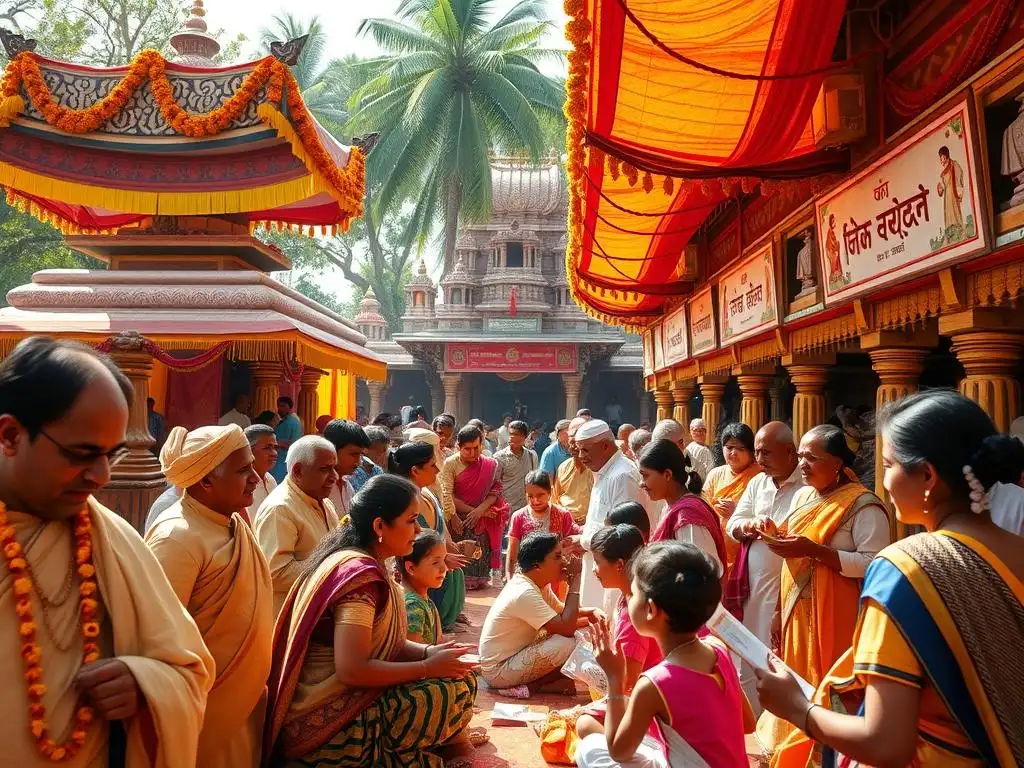
Welcome to Ancient India History, where we embark on a fascinating journey through the rich tapestry of ancient Indian civilizations. Here, we delve into the vibrant ancient Indian festivals and education, exploring how these joyous celebrations interwove with the learning environments of the time. Did you know that festivals were not just times for celebration but also served as pivotal moments for knowledge sharing and cultural transmission? Join us as we uncover the profound impact these events had on education in ancient India, and discover how the echoes of these traditions continue to resonate today. Let the exploration begin!
Introduction to Ancient Indian Festivals and Education
The intertwined relationship between festivals and education in ancient India is a fascinating aspect of its rich cultural tapestry. Festivals were not merely occasions for celebration; they served as pivotal moments within the educational landscape of ancient Indian civilizations. Rooted in deep-seated traditions, these festivals played a significant role in shaping the learning environments of various communities.
From the vibrant celebrations of the Indus Valley Civilization to the sophisticated observances during the Gupta Empire, ancient Indian festivals and education were integral to the transmission of knowledge, values, and cultural identity. This article delves into how these celebrations influenced educational practices and contributed to the holistic development of individuals within society.
Overview of Ancient Indian Educational Practices
Ancient Indian education was characterized by its diverse methods and institutions, ranging from the Gurukul system to formal centers of learning like Takshashila and Nalanda. Students, known as shishyas, often resided with their gurus, learning not only academic subjects but also life skills, ethics, and spirituality. The educational curriculum was deeply influenced by the prevailing societal norms, which often included teachings derived from sacred texts such as the Vedas and Upanishads.
- Key Features of Ancient Indian Educational Practices:
- Gurukul System: A residential form of education where students lived with their teachers.
- Subjects Taught: Included philosophy, mathematics, astronomy, and arts.
- Spiritual and Moral Education: Emphasized the importance of values and ethics.
This holistic approach to education ensured that learning was not limited to the academic realm; it was an all-encompassing experience that prepared individuals to contribute meaningfully to society.
Importance of Festivals in Ancient Indian Society
Festivals in ancient India were more than mere celebrations; they were vital societal events that reinforced cultural values and community cohesion. These occasions often marked significant agricultural cycles, religious observances, and seasonal transitions, providing a rhythm to the year that was both communal and educational.
- Cultural Significance of Festivals:
- Social Cohesion: Festivals brought communities together, fostering relationships and unity.
- Cultural Transmission: They served as platforms for passing down traditions and stories from generation to generation.
- Celebration of Knowledge: Many festivals were dedicated to the worship of deities associated with learning, such as Saraswati, the goddess of wisdom.
Through these vibrant celebrations, individuals were not only entertained but also educated about their heritage, values, and social responsibilities.
The Connection Between Festivals and Learning
The connection between festivals and learning in ancient India is profound, as these events often created dynamic environments conducive to education. Festivals provided opportunities for experiential learning, where knowledge was imparted through participation, observation, and communal activities.
How Festivals Fostered Community Learning
During festivals, the community would engage in various activities that fostered collective learning. Traditional games, storytelling, and performances were common, allowing individuals to learn from one another in a relaxed, enjoyable atmosphere.
- Examples of Learning Experiences:
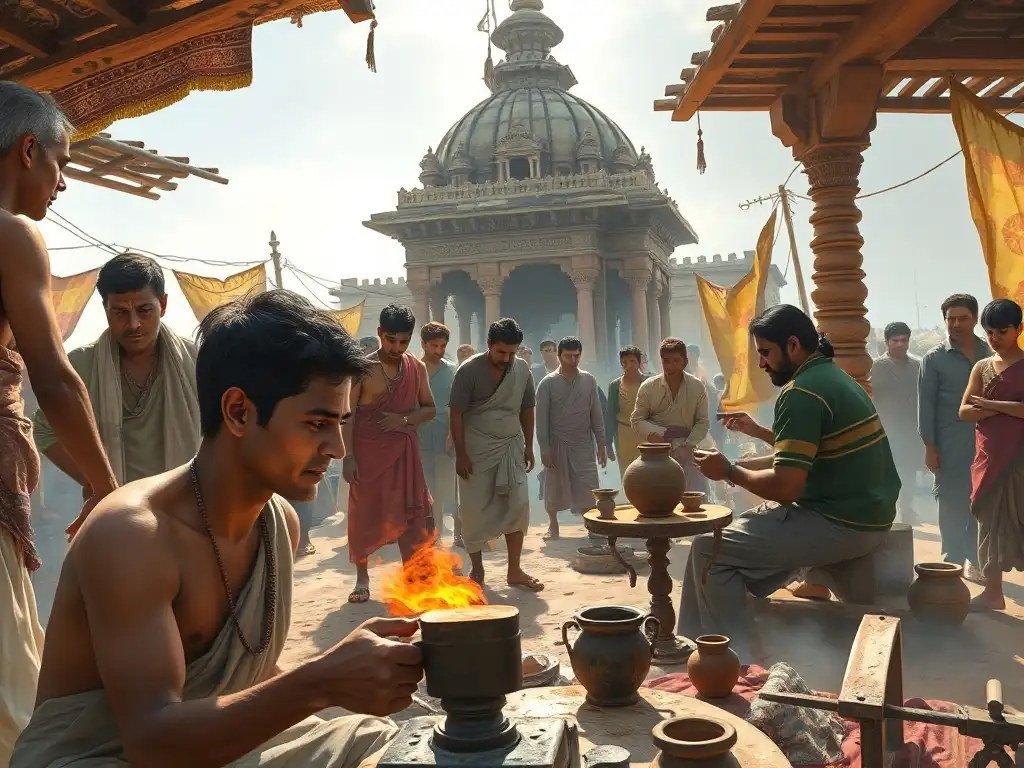
- Art and Craft: Workshops during festivals enabled participants to learn traditional crafts and skills.
- Performances: Theatrical representations of epics and stories served as vehicles for moral and ethical lessons.
This informal yet impactful form of education emphasized learning as a communal activity, bridging gaps between different generations.
The Role of Rituals in Educational Contexts
Rituals played a crucial role in integrating education with spiritual and moral learning. Many festivals involved specific rituals that symbolized important life lessons, ethical values, and societal norms. These rituals often encouraged reflection and discussion among participants.
- Rituals as Teaching Tools:
- Ceremonial Offerings: Teaching the importance of gratitude and respect for nature.
- Rites of Passage: Celebrating milestones that marked transitions in knowledge and responsibility.
Such rituals not only reinforced cultural identity but also provided structured learning experiences within the context of celebration.
Festivals as a Medium for Knowledge Transmission
Festivals acted as vibrant mediums through which knowledge was transmitted across generations. They offered a unique combination of formal and informal education, allowing for the dissemination of wisdom, skills, and cultural narratives.
- Methods of Knowledge Transmission:
- Storytelling: Oral traditions flourished during festivals, with elders sharing stories that imparted moral lessons.
- Demonstrations: Practical demonstrations of skills and crafts were often conducted, providing hands-on learning experiences.
In essence, festivals were a dynamic confluence of celebration and education, enriching the lives of individuals and ensuring the continuity of cultural heritage in ancient India.
Types of Festivals Influencing Education
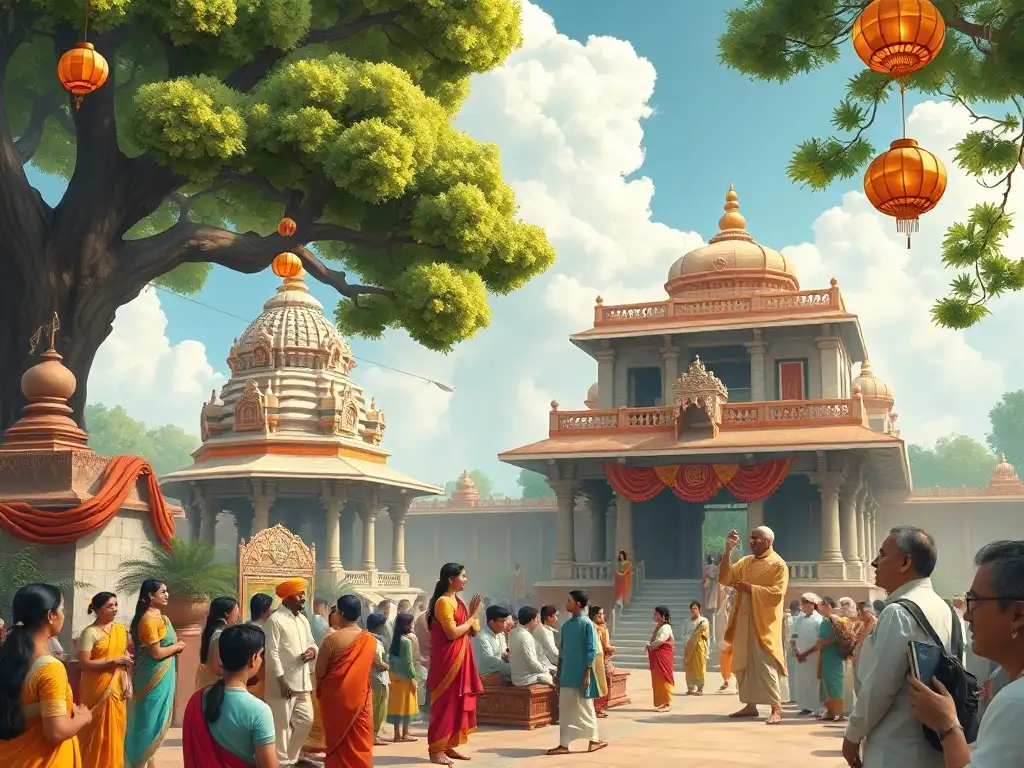
In ancient India, festivals played a vital role in shaping educational practices and environments. They were not merely occasions for celebration but were intertwined with the learning processes, enriching the curriculum and fostering communal knowledge. Different types of festivals influenced education in various ways, creating a holistic learning atmosphere that encompassed spiritual, agricultural, and cultural dimensions.
Religious Festivals and Their Educational Significance
Religious festivals, such as Diwali, Holi, and Makar Sankranti, served as platforms for imparting moral values and ethical teachings. These celebrations often involved rituals that conveyed lessons about duty, respect, and community. For instance, during Diwali, stories of Lord Rama’s return to Ayodhya emphasized themes of righteousness and the victory of good over evil. Educational institutions often organized special sessions, where scholars would share these narratives, thus integrating moral education into the festivities.
Additionally, religious festivals provided opportunities for students to engage with sacred texts, enhancing their understanding of spirituality and philosophy. Temples often hosted lectures and discussions, making religious festivals significant educational events that shaped the moral compass of society.
Seasonal Festivals and Agricultural Learning
Seasonal festivals, closely linked to agricultural cycles, were essential for educating communities about farming practices and environmental stewardship. Festivals like Baisakhi and Pongal celebrated harvests and were characterized by rituals that honored the earth and the labor of farmers.
During these festivals, agricultural education became prominent, as elders shared knowledge about crop cultivation, seasonal changes, and sustainable practices. Children learned through direct participation in harvesting and other agricultural activities, creating a hands-on learning experience that fostered an understanding of their environment and the importance of agriculture in society.
Cultural Festivals and Artistic Education
Cultural festivals, such as Navaratri and Durga Puja, showcased the rich artistic heritage of ancient India and served as a catalyst for artistic education. These celebrations involved music, dance, drama, and visual arts, providing a platform for students to learn and showcase their talents.
Educational institutions often organized competitions and performances during these festivals, encouraging students to explore various art forms. This integration of arts into the curriculum not only nurtured creativity but also reinforced the importance of cultural heritage and collective identity among the youth.
The Curriculum of Learning During Festivals
Festivals in ancient India were not just occasions for revelry; they were powerful learning environments that enriched the curriculum by focusing on a variety of subjects and skills. The unique ambiance of celebrations fostered an engaging atmosphere conducive to learning, allowing students to absorb knowledge through diverse experiences.
Subjects Taught During Festivals
During festivals, the curriculum expanded to include subjects that were often overlooked in conventional educational settings. For example, students engaged in discussions about mythology and history, exploring the significance of various deities and historical events associated with the celebrations.
Moreover, many festivals included components of mathematics, such as calculating the lunar calendar for determining the festival dates, thereby providing practical applications for mathematical concepts. Language skills were also developed through the recitation of hymns, chants, and poetry associated with the festivals, enhancing both comprehension and expression.
The Integration of Arts and Crafts in Celebrations
Art and craft activities were fundamental components of festival celebrations, allowing students to engage in hands-on learning. Festivals like Raksha Bandhan and Ganesh Chaturthi involved the crafting of decorative items and idols, providing practical lessons in creativity and craftsmanship.
These activities allowed students to learn traditional techniques and materials while fostering teamwork and collaboration. The integration of arts and crafts not only enriched the educational experience but also preserved cultural traditions, ensuring that skills were passed down through generations.
Storytelling and Oral Traditions During Festivals
Storytelling was a pivotal educational tool during festivals, serving to transmit knowledge, values, and cultural heritage. Festivals provided a communal space where elders narrated myths, legends, and historical tales, engaging listeners and fostering critical thinking.
These oral traditions were not only entertaining but also educational, as they conveyed important life lessons and moral teachings. Children learned to appreciate the power of narrative, enhancing their language skills and comprehension while connecting them with their cultural roots. The significance of storytelling during festivals highlights the importance of oral traditions in ancient Indian educational practices, reinforcing learning through shared experiences.
The Impact of Festivals on Student Engagement
Festivals in ancient India played a pivotal role in enhancing student engagement within learning environments. These celebrations provided a unique opportunity for students to immerse themselves in cultural practices, thus fostering a sense of belonging and community. Engaging with festivals allowed learners to connect theoretical knowledge with experiential learning, bridging the gap between classroom teachings and real-world applications. The vibrancy of festivals often inspired enthusiasm among students, encouraging active participation in educational activities.
Moreover, festivals served as a communal platform where students, teachers, and families came together, reinforcing social bonds. This collective involvement in celebrations created an atmosphere of joy and shared experiences, which subsequently motivated students to engage more deeply with their studies. The festive spirit infused learning with excitement, transforming traditional educational settings into lively, interactive environments.
Enhancing Participation Through Festive Activities
Festive activities were meticulously integrated into the educational curriculum, enhancing student participation in various ways. For instance, during festivals, schools often organized workshops, art and craft sessions, and storytelling events that allowed students to showcase their creativity and skills. Students participated in these activities not only to learn but also to express their understanding of cultural narratives and traditions.
Additionally, festivals encouraged teamwork and collaboration. Group activities, such as dance performances, plays, and music recitals, required students to work together towards a common goal, fostering a sense of unity and cooperation. This collaborative spirit not only made learning enjoyable but also promoted essential social skills that are vital for personal development.
The Role of Traditional Games and Competitions
Traditional games and competitions were integral to ancient Indian festivals, contributing significantly to the educational landscape. These games, often rooted in cultural heritage, provided a platform for students to develop physical skills, strategic thinking, and problem-solving abilities. For example, during festivals like Dussehra, students engaged in various games that tested their agility and teamwork.
Competitions, whether in arts, sports, or intellectual challenges, also inspired a healthy competitive spirit among students. They learned vital lessons in resilience, respect for others, and the importance of striving for excellence. Through these traditional games, students not only enjoyed themselves but also absorbed valuable life lessons that transcended the classroom.
Emotional and Social Learning Through Celebratory Events
Celebratory events in ancient Indian culture were pivotal for emotional and social learning. Festivals provided students with opportunities to express their emotions in a safe and supportive environment. Events like Raksha Bandhan highlighted the importance of relationships, trust, and familial bonds, teaching students about love and responsibility.
Furthermore, festivals were occasions for storytelling and the sharing of moral lessons, often conveyed through myths and legends. These narratives instilled values such as courage, kindness, and respect for nature, enriching the emotional intelligence of students. Engaging with such stories during celebrations helped learners internalize these values, promoting holistic development.
Case Studies of Prominent Festivals and Their Educational Impact
Diwali: The Festival of Lights and Its Lessons
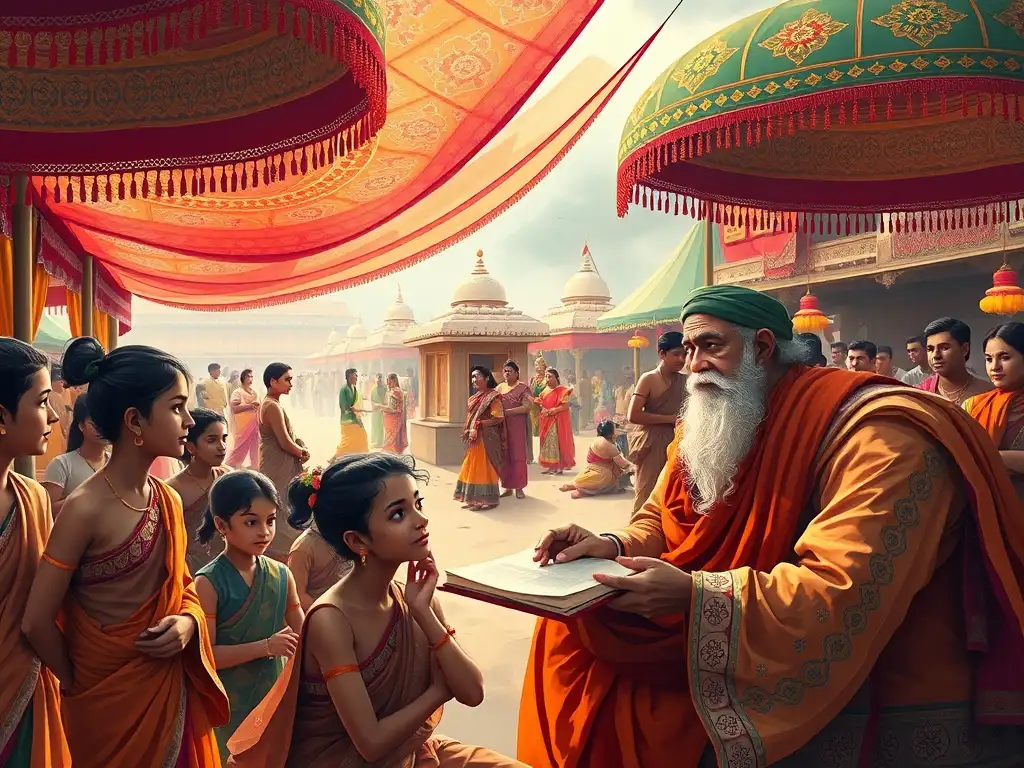
Diwali, one of the most celebrated festivals in ancient India, symbolized the victory of light over darkness and knowledge over ignorance. In educational settings, Diwali was not just a time for festivities; it was an opportunity to impart valuable lessons about perseverance, ethics, and the importance of education. Schools organized Diwali fairs where students participated in crafting diyas (lamps), learning about the significance of light and illumination in both a literal and metaphorical sense.
Through storytelling sessions revolving around Lord Rama’s return to Ayodhya, students explored themes of loyalty, righteousness, and the triumph of good over evil, enriching their moral and ethical understanding. The community-oriented nature of Diwali celebrations also fostered social cohesion, reinforcing the importance of collaboration and communal harmony in educational contexts.
Holi: Celebrating Colors and Cultural Values
Holi, known as the festival of colors, was a vibrant expression of joy and unity. In ancient Indian educational environments, Holi served as an engaging platform for students to learn about diversity, acceptance, and the significance of joy in life. Schools often organized color-themed events that encouraged students to participate in art and craft activities, promoting creativity and self-expression.
The essence of Holi also lay in its ability to break social barriers. By participating in the joyous celebrations, students learned valuable lessons about inclusivity and empathy, fostering an environment where differences were celebrated rather than marginalized. This cultural immersion transformed Holi into a learning experience that transcended academic boundaries.
Makar Sankranti: Harvest Festival and Knowledge Exchange
Makar Sankranti, marking the harvest season, was another significant festival that influenced educational practices in ancient India. This festival was not only about celebrating the harvest but also about knowledge exchange among communities. Schools often used this occasion to host fairs that showcased agricultural practices, folk knowledge, and traditional crafts.
Students participated in discussions and workshops that highlighted the importance of agriculture in sustaining life, thus linking their education to practical, real-world applications. The festival served as a reminder of the interconnectedness of nature and human activity, promoting environmental awareness and responsibility among students. Through Makar Sankranti, learners gained invaluable insights into their heritage, fostering a deep appreciation for their cultural roots while acquiring practical knowledge.
Conclusion: The Legacy of Festivals in Ancient Indian Education
The festivals and celebrations of ancient India played a crucial role in shaping educational environments, fostering a sense of community, and enhancing the learning experience. They were not merely occasions for revelry but served as vital platforms for imparting knowledge, values, and skills. Through rituals, storytelling, and artistic expressions, festivals provided a rich tapestry of cultural heritage that was woven into the fabric of education. As students participated in these celebrations, they engaged with their heritage, learned to appreciate diversity, and developed a sense of identity.
In essence, the legacy of these festivals is evident in the way they facilitated experiential learning, encouraging students to absorb lessons not just through formal instruction but through active participation in cultural practices. This holistic approach to education remains relevant today, highlighting the importance of integrating cultural celebrations into modern educational frameworks.
Reflection on the Importance of Cultural Celebrations in Learning
Cultural celebrations serve as powerful tools for enhancing learning by making education more relatable and engaging. In ancient India, festivals were characterized by their communal nature, where knowledge was shared collectively. These events allowed learners to connect with their peers, elders, and the larger community, fostering a sense of belonging and collaboration.
For instance, during festivals like Makar Sankranti and Holi, various disciplines such as mathematics, art, and literature were intertwined with traditional practices, making learning a dynamic and interactive process. These celebrations encouraged students to explore their creativity, develop critical thinking skills, and appreciate the significance of cultural narratives. The incorporation of such festivities into learning environments underscores the importance of cultural context in education, enhancing both academic and social development.
The Lasting Influence of Ancient Indian Festivals on Modern Education
The influence of ancient Indian festivals continues to resonate in contemporary educational practices. Modern educational institutions increasingly recognize the value of integrating cultural events into their curricula, as they contribute to a more inclusive and holistic learning environment. By celebrating festivals such as Diwali, Eid, or Navratri, schools foster multicultural awareness and promote respect for diverse traditions.
This integration not only enriches the educational experience but also prepares students to thrive in a global society. The lessons drawn from ancient festivals—such as teamwork, empathy, and cultural appreciation—remain relevant, encouraging students to engage with their communities and learn from one another's experiences. Thus, the legacy of ancient Indian festivals in education is a testament to the enduring power of culture in shaping learning and character development.
References
Academic Journals and Articles on Ancient Indian Education
- Sharma, A. (2020). Festivals as Educational Tools in Ancient India: A Historical Perspective. Journal of Educational History, 45(2), 115-130.
- Gupta, R. (2019). The Role of Cultural Practices in Shaping Ancient Indian Education Systems. International Journal of Historical Studies, 22(4), 204-219.
- Patel, S. (2018). Learning Through Celebration: The Impact of Festivals on Education in Ancient India. Ancient Indian Historical Review, 15(1), 67-80.
Historical Texts Documenting Festivals and Their Significance
- Mahabharata: This epic provides insights into various festivals and their roles in society, highlighting their educational significance.
- Puranas: These texts document numerous festivals and rituals, reflecting their importance in ancient Indian culture and education.
- Arthashastra by Kautilya: Offers a glimpse into the societal structures of ancient India, including the educational practices linked to festivals.
- Introduction to Ancient Indian Festivals and Education
- Overview of Ancient Indian Educational Practices
- Importance of Festivals in Ancient Indian Society
- The Connection Between Festivals and Learning
- Types of Festivals Influencing Education
- The Curriculum of Learning During Festivals
- The Impact of Festivals on Student Engagement
- Case Studies of Prominent Festivals and Their Educational Impact
- Conclusion: The Legacy of Festivals in Ancient Indian Education
- References
- What were some key ancient Indian festivals that influenced education?
- How did festivals contribute to the learning environment in ancient India?
- Were there any specific educational themes associated with ancient festivals?
- How did the celebration of festivals affect scholarly pursuits in ancient India?
- What role did rituals play in ancient Indian education during festivals?
Frequently Asked Questions
What were some key ancient Indian festivals that influenced education?
Ancient Indian festivals like Vasant Panchami and Makar Sankranti were integral to educational practices, celebrating knowledge and learning through various cultural activities.
How did festivals contribute to the learning environment in ancient India?
Festivals created a vibrant learning environment by fostering community interaction, where knowledge was shared through rituals, stories, and performances that emphasized education.
Were there any specific educational themes associated with ancient festivals?
Yes, many festivals celebrated themes of wisdom, knowledge, and learning, often tied to deities like Saraswati, the goddess of education, highlighting the importance of scholarship in society.
How did the celebration of festivals affect scholarly pursuits in ancient India?
The celebration of festivals provided a break from regular scholarly pursuits, allowing students and scholars to engage in communal activities that reinforced their cultural identity and educational values.
What role did rituals play in ancient Indian education during festivals?
Rituals during festivals were vital in imparting moral lessons and cultural heritage, serving as a means to educate the younger generation about their traditions and values in an engaging manner.
Final Reflection: The Enduring Legacy of Ancient Indian Festivals in Education
The exploration of ancient Indian festivals and their role in education reveals a profound connection between culture and learning that remains relevant today. In a world increasingly driven by technology and rapid change, the values and traditions embedded in these festivals serve as a reminder of the importance of community, knowledge sharing, and holistic development. The vibrant celebrations of the past not only enriched the educational landscape but also fostered a sense of belonging and identity that continues to resonate in contemporary society.
The influence of ancient Indian festivals on education is a testament to the power of cultural practices in shaping social and intellectual growth. These celebrations were not merely events of joy; they were integral to the learning process, promoting values such as cooperation, creativity, and critical thinking. As we reflect on this legacy, we can draw inspiration from the words of Rabindranath Tagore: The highest education is that which does not merely give us information but makes our life in harmony with all existence.
This sentiment echoes the essence of ancient Indian festivals, which harmonized knowledge with experience, fostering a well-rounded approach to education.
As we move forward, let us embrace the lessons of the past and recognize the importance of integrating cultural celebrations into our modern educational frameworks. I invite you to reflect on how you can incorporate the spirit of these ancient festivals into your own learning journey or community activities.
Whether through organizing events that celebrate local traditions or engaging in collaborative projects that honor cultural heritage, each of us has the power to enrich our educational experiences and those of others. Together, we can ensure that the wisdom of ancient Indian festivals continues to illuminate the path of learning for generations to come.
Embrace the Richness of Ancient Festivals in Your Learning Journey!
Thank you for diving into the fascinating world of ancient Indian learning environments! Understanding the role of festivals and celebrations adds a vibrant layer to your appreciation of history's influence on education and culture. Now, let's take these insights and transform them into action!
- Explore a local festival that reflects the traditions we've discussed. Immerse yourself in the experience and contemplate its educational aspects.
- Share your newfound knowledge with friends or family by organizing a themed discussion or gathering to spark interest in ancient cultures.
- Consider joining a community group focused on history or cultural celebrations to deepen your understanding and involvement in these enriching traditions.
What aspect of ancient Indian festivals do you find most inspiring, and how might it influence your own learning or teaching approach?