
The Cultural Significance of the Ramayana in Ancient Indian Society

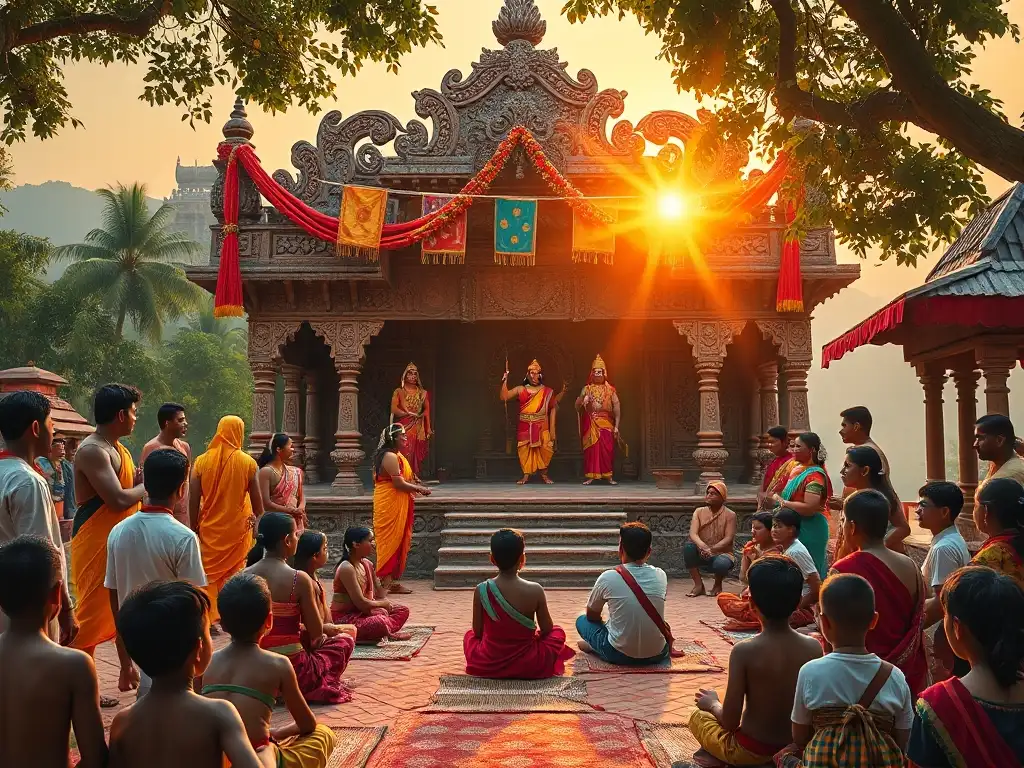
Welcome to Ancient India History, where we embark on a fascinating journey through the tapestry of time that weaves together the vibrant cultures, remarkable achievements, and profound legacies of ancient Indian civilizations. In our latest exploration, we delve into the cultural significance of the Ramayana, an epic that not only shaped the moral and spiritual fabric of society but also influenced art, literature, and traditions for generations.
Prepare to uncover the layers of meaning behind this timeless tale and discover how it continues to resonate in the hearts and minds of people today. Dive in to learn more about this monumental work and its enduring impact!
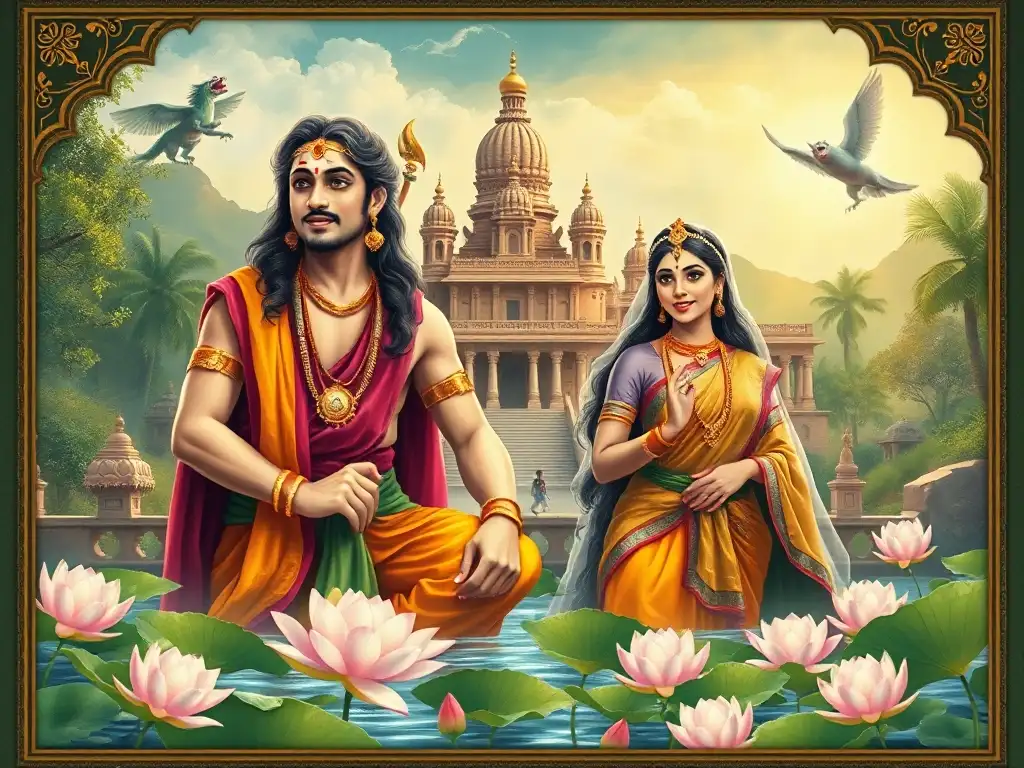
The "Ramayana," one of the two great epics of ancient Indian literature, holds profound cultural significance that extends far beyond its narrative of love, duty, and righteousness. As a foundational text of Hindu philosophy and ethics, the Ramayana is not merely a story; it is a mirror reflecting the values, beliefs, and social structures of ancient Indian society.
This epic, attributed to the sage Valmiki, has shaped the moral fabric, religious practices, and cultural identity of India for centuries. In this article, we will explore the various dimensions of the cultural significance of the Ramayana, examining how it has influenced moral values, social norms, and the collective consciousness of the Indian populace throughout history.
Introduction to the Ramayana
Overview of the Ramayana Epic
The Ramayana is an ancient Indian epic that narrates the life of Prince Rama, his wife Sita, and his loyal companion Hanuman. Comprising 24,000 verses divided into seven books (Kandas), it is a rich tapestry of adventure, philosophy, and spirituality. The narrative unfolds the themes of duty (dharma), devotion, and the struggle between good and evil, showcasing the ideal characters of Rama, Sita, and Lakshmana as paragons of virtue. The Ramayana's influence transcends literature, inspiring art, drama, dance, and various cultural expressions across the Indian subcontinent and beyond.
Historical Context of the Ramayana in Ancient India
To appreciate the cultural significance of the Ramayana, it is essential to understand its historical context. The text is believed to have been composed around 500 BCE to 100 BCE, during a period marked by the emergence of urban centers and the consolidation of Hindu religious practices. The Ramayana served as a vehicle for communicating ethical and moral lessons, reflecting the societal values of the time. It found resonance with the various social strata, making it a crucial component of cultural education and social cohesion in ancient India.
Understanding the Cultural Significance of Ramayana
Role of Ramayana in Shaping Moral Values
The Ramayana has played a pivotal role in shaping moral values throughout ancient Indian society. The characters within the epic embody virtues such as honor, loyalty, and righteousness, serving as role models for individuals. For instance, Rama's adherence to dharma, even in the face of personal loss, teaches the importance of duty over personal desire. The teachings of the Ramayana have been integrated into the moral education of children and have influenced various philosophical discourses within Hinduism.
Ramayana and Its Influence on Social Norms
Beyond individual moral teachings, the Ramayana has significantly influenced social norms in ancient Indian society. The epic has been instrumental in defining gender roles, familial structures, and community relationships. Sita's character, for instance, has been viewed as a symbol of virtue and fidelity, shaping the expectations of women in society. Furthermore, the relationship between Rama and his subjects sets a precedent for just leadership and governance, reinforcing the idea of a ruler's responsibility towards their people. The teachings and narratives of the Ramayana continue to resonate in contemporary discussions about ethics, leadership, and societal roles.
By delving into these aspects, we can better understand how the cultural significance of the Ramayana extends into various facets of life in ancient India, influencing generations and remaining a timeless touchstone of Indian heritage.
The Ramayana's Impact on Religion and Spirituality
The Ramayana, one of the most revered epics in ancient Indian literature, holds profound significance in both religious and spiritual contexts. Its narrative, centered on the life of Lord Rama, exemplifies the ideals of dharma (righteousness) and devotion, making it an essential text for spiritual guidance. The epic not only conveys moral lessons but also serves as a source of inspiration for millions of devotees, influencing various aspects of Hindu worship and religious practices.
Ramayana as a Religious Text
The Ramayana is not merely a story; it is considered a sacred scripture by many Hindus. Its verses, originally attributed to the sage Valmiki, are often recited during religious ceremonies and festivals, particularly during the celebration of Rama Navami, which marks the birth of Lord Rama. The text is structured in such a way that it provides a comprehensive understanding of ethical and moral dilemmas, illustrating how one should navigate the complexities of life while adhering to dharma.
Additionally, the Ramayana has been instrumental in the devotional practices of Bhakti traditions, where its characters and their virtues are revered. The epic’s teachings on duty, love, loyalty, and sacrifice resonate deeply within Hindu spirituality, reinforcing the notion of living a life aligned with divine principles. This has established the Ramayana as a central text in the spiritual lives of many, fostering a sense of community and shared values among its followers.
Reflection of Hindu Beliefs in the Ramayana
Hindu beliefs are intricately woven into the fabric of the Ramayana, reflecting core tenets of the religion. The epic emphasizes the concept of dharma, particularly through the character of Rama, who embodies the ideal man and king, showcasing virtue and righteousness in all his actions. His journey, along with that of Sita and Lakshmana, serves as an allegorical representation of the struggle between good and evil, a theme prevalent in Hindu philosophy.
Moreover, the Ramayana illustrates the significance of devotion (bhakti) and surrender to God, particularly through the character of Hanuman, who is revered as the epitome of devotion and selflessness. His unwavering loyalty to Rama showcases the ideal relationship between devotees and the divine, further reinforcing the spiritual messages found within the epic. The Ramayana's portrayal of these beliefs has left an indelible mark on the religious practices and cultural ethos of ancient Indian society.
Ramayana's Contribution to Literature and Arts
Beyond its religious significance, the Ramayana has made substantial contributions to literature and the arts in ancient India. Its rich narrative and complex characters have inspired countless adaptations and interpretations across various forms of creative expression, making it a cornerstone of Indian cultural heritage.
Literary Influence of the Ramayana on Ancient Texts
The Ramayana's literary impact is profound, influencing various genres of literature in ancient India, including poetry, drama, and prose. Many subsequent texts, such as the Mahabharata, draw upon themes and motifs established in the Ramayana, demonstrating its foundational role in shaping epic literature.
Scholars have noted that the Ramayana's intricate narrative structure and character development set a precedent for storytelling in Indian literature. Its verses have been adapted into regional languages, resulting in numerous retellings that capture the essence of the original while reflecting local customs and traditions. This adaptability has ensured that the Ramayana remains a relevant and cherished text across generations, contributing to its lasting legacy in literary history.
Artistic Representations of Ramayana in Ancient India
The Ramayana has also inspired a wealth of artistic expressions throughout ancient India, from intricate sculptures and paintings to classical dance and theater. Temples often feature reliefs and carvings depicting scenes from the epic, showcasing the artistry and craftsmanship of the time. These representations not only serve an aesthetic purpose but also function as a visual narrative, bringing the stories of Rama and Sita to life for worshippers and visitors.
In the realm of performing arts, the Ramayana has been adapted into various dance forms, such as Kathakali and Bharatanatyam, which dramatize its themes and characters. The performances not only entertain but also educate audiences about the moral lessons embedded in the epic. Overall, the Ramayana's profound influence on literature and the arts underscores its significance as a cultural treasure in ancient Indian society, enriching both the spiritual and artistic landscape of the time.
The Ramayana in Ancient Indian Society
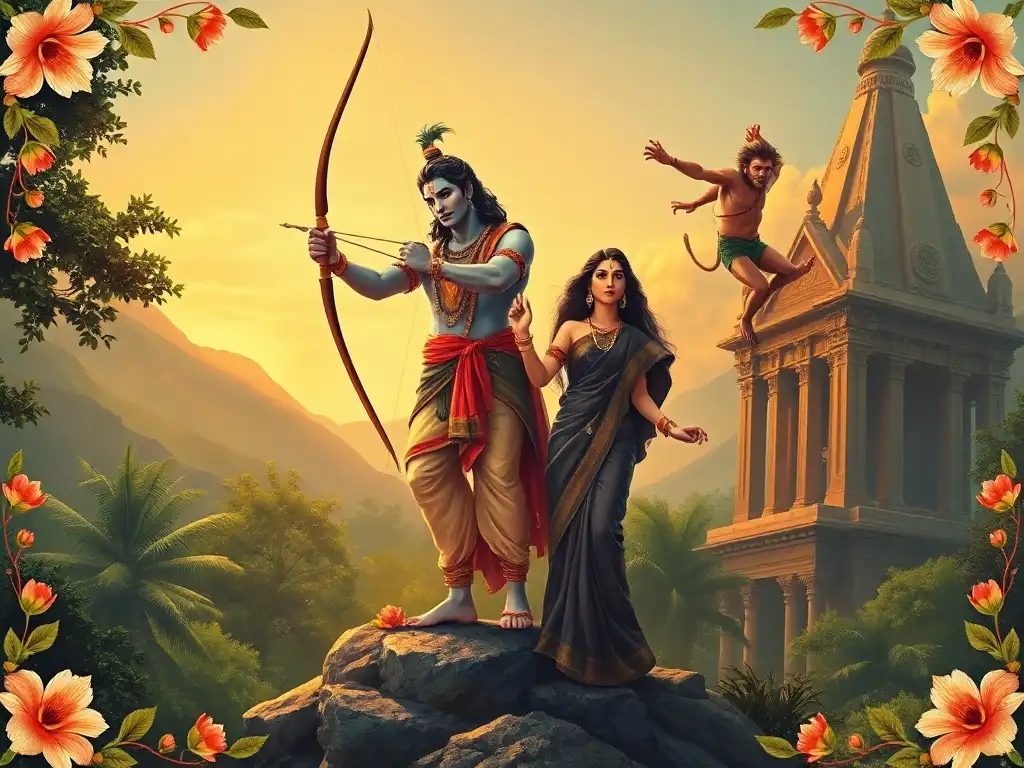
The Ramayana, one of the two major Sanskrit epics of ancient Indian literature, holds immense cultural significance in Indian society. Written by the sage Valmiki, this epic narrates the life and adventures of Lord Rama, his wife Sita, and his loyal companion Hanuman. Beyond its narrative, the Ramayana serves as a critical reflection of societal values, norms, and spiritual beliefs prevalent in ancient India.
It has profoundly influenced various aspects of life, including art, religion, and moral principles, shaping the cultural landscape of the nation. The themes of duty (dharma), righteousness, and devotion permeate throughout the text, making it a cornerstone of Indian philosophy and ethics.
Ramayana and Its Role in Daily Life
The Ramayana's teachings have permeated daily life in ancient Indian society in numerous ways. It provided moral guidance, with characters representing ideal virtues, teaching individuals about righteousness and ethical conduct. Families often recited verses from the Ramayana, especially during significant life events like weddings and festivals, instilling a sense of moral responsibility and cultural identity.
Moreover, the stories of the Ramayana were not only a source of entertainment but also served as educational tools for imparting values to younger generations. The characters, particularly Rama and Sita, epitomized loyalty, courage, and sacrifice, inspiring individuals to emulate their qualities. This epic became integral to the cultural fabric, influencing everything from personal conduct to societal expectations.
Festivals and Traditions Inspired by the Ramayana
The influence of the Ramayana extends into various festivals and traditions celebrated across India. One of the most prominent is Diwali, the festival of lights, which commemorates Lord Rama's return to Ayodhya after defeating the demon king Ravana. This celebration embodies the triumph of good over evil and is marked by lighting lamps, exchanging sweets, and performing rituals in honor of Lord Rama and Sita.
Additionally, the Rama Navami festival, which celebrates the birth of Lord Rama, involves recitations of the Ramayana, devotional songs, and processions. Temples dedicated to Lord Rama often host special events during this time, drawing devotees who seek blessings and engage in community celebrations. Such festivities not only honor the epic's characters but also strengthen communal bonds and foster a shared cultural heritage.
Comparative Analysis of Ramayana and Other Epics
The Ramayana is often compared to other great epics, particularly the Mahabharata, highlighting both similarities and unique characteristics. This comparative analysis provides deeper insights into their respective cultural and philosophical implications within ancient Indian society.
Similarities Between the Ramayana and the Mahabharata
Both the Ramayana and Mahabharata serve as foundational texts in Indian literature, sharing common themes of duty (dharma), righteousness, and the eternal struggle between good and evil. They explore familial relationships, moral dilemmas, and the consequences of one's choices, reflecting the complexities of human nature.
Furthermore, both epics feature divine interventions and the presence of extraordinary characters, such as avatars of deities. The narratives encompass moral teachings that guide individuals in their personal and social lives, reinforcing the importance of adhering to dharma.
Unique Aspects of the Ramayana Compared to Other Epics
While the Ramayana shares thematic similarities with the Mahabharata, it possesses distinct qualities that set it apart. One notable aspect is its focus on the ideal of kingship and the responsibilities of a ruler. Lord Rama is often portrayed as the ideal king, whose adherence to dharma serves as a model for governance.
Additionally, the Ramayana is characterized by its emphasis on devotion and loyalty, particularly through the figures of Hanuman and Sita. The deep emotional connections and the portrayal of love and sacrifice resonate throughout the text, creating a narrative that emphasizes personal relationships and their significance in the broader context of society.
The cultural significance of the Ramayana in ancient Indian society is profound and multifaceted, influencing various aspects of life and continuing to inspire generations. Its themes, characters, and teachings resonate deeply, ensuring its enduring legacy in the cultural and spiritual landscape of India.
Conclusion: Enduring Legacy of the Ramayana
The Ramayana, one of the two great epics of ancient Indian literature, transcends mere storytelling to embody the ethos, values, and beliefs of Indian society. Its narrative, centered around the ideals of duty, righteousness, and devotion, has left an indelible mark on the cultural landscape of India. The epic's ability to resonate across centuries speaks to its profound significance, influencing not just literature, but also art, dance, music, and theater. The characters of the Ramayana, particularly Lord Rama and Sita, serve as paragons of virtue, offering moral guidance and setting benchmarks for personal conduct.
The Ramayana's teachings extend beyond the pages of the text, permeating everyday life and communal practices. Festivals like Diwali, which celebrates Rama's return to Ayodhya, illustrate how the epic is woven into the fabric of cultural celebrations. Its narratives have been adapted into countless interpretations and performances, ensuring its relevance in contemporary society. Thus, the enduring legacy of the Ramayana is a testament to its foundational role in shaping not only ancient Indian culture but also continuing to inspire future generations.
Lasting Impact of the Ramayana on Modern Indian Culture
The impact of the Ramayana on modern Indian culture is profound and multifaceted. Its themes of love, loyalty, and justice continue to resonate in contemporary society, influencing various forms of art, literature, and popular media. The Ramayana has inspired numerous adaptations in film and television, including iconic serials that have brought the epic to life for millions, reinforcing its relevance in the modern context.
Moreover, the Ramayana’s moral lessons are often cited in discussions of ethical behavior and governance. Leaders and thinkers frequently reference Rama's ideals of dharma (duty) in their speeches, promoting the values embodied by the epic. Beyond entertainment and politics, the Ramayana also plays a significant role in educational curricula, where it is studied not just as a literary work but as a cultural artifact that encapsulates the essence of Indian civilization.
Reflection on the Cultural Importance of Ramayana Today
Today, the cultural importance of the Ramayana is evident in various aspects of Indian life. It serves as a source of inspiration for personal conduct and societal norms. The epic's teachings encourage individuals to aspire to virtuous living, emphasizing the importance of ethics in personal and communal relationships.
In a rapidly changing world, the Ramayana offers a framework for discussing contemporary issues such as gender roles, justice, and morality. The character of Sita, for instance, is often reinterpreted in modern feminist discourses, highlighting her strength and resilience. Additionally, the Ramayana is frequently invoked in discussions about national identity and heritage, reflecting its role in shaping a collective consciousness among Indians.
As a cultural touchstone, the Ramayana continues to facilitate dialogue about values and traditions, ensuring its place in the hearts and minds of people today. Its ability to adapt and remain relevant in a modern context underscores its significance as a living epic, one that transcends time and continues to enrich the cultural tapestry of India.
- Introduction to the Ramayana
- Understanding the Cultural Significance of Ramayana
- The Ramayana's Impact on Religion and Spirituality
- Ramayana's Contribution to Literature and Arts
- The Ramayana in Ancient Indian Society
- Comparative Analysis of Ramayana and Other Epics
- Conclusion: Enduring Legacy of the Ramayana
Frequently Asked Questions
What is the Ramayana?
The Ramayana is an ancient Indian epic that narrates the life of Lord Rama, his wife Sita, and his loyal companion Hanuman. It serves as a key cultural and spiritual text in Hinduism.
How did the Ramayana influence ancient Indian society?
The Ramayana profoundly shaped social norms, values, and ethical principles in ancient India, promoting ideals like dharma (righteousness) and loyalty. Its characters became models of virtue for society.
What role does the Ramayana play in Indian culture today?
The Ramayana continues to have a significant impact on contemporary Indian culture, influencing literature, dance, theater, and festivals. Its teachings remain relevant and are celebrated in various forms.
Who are the main characters in the Ramayana?
Key characters include Lord Rama, the virtuous hero; Sita, his devoted wife; Laxman, his loyal brother; and Hanuman, the embodiment of strength and devotion. Each character represents various moral values.
What are the key themes explored in the Ramayana?
The Ramayana explores themes such as dharma, loyalty, love, and the battle between good and evil. These themes resonate deeply with the cultural values of ancient Indian society and continue to inspire people today.
Final Reflection: The Enduring Legacy of the Ramayana
The cultural significance of the Ramayana transcends time and continues to resonate deeply within contemporary society. As we explore the rich tapestry of ancient Indian civilization, we uncover how this epic not only shaped moral and ethical frameworks but also fostered a sense of identity and belonging among its people. The Ramayana is not merely a story; it is a living testament to the values and ideals that continue to guide us today.
The influence of the Ramayana is evident in various aspects of our cultural and social landscape, from literature and art to festivals and rituals. Its themes of duty, righteousness, and devotion remain relevant, inspiring countless generations. The Ramayana serves as a mirror reflecting our struggles and triumphs, urging us to strive for a higher purpose. As the renowned scholar Ramesh Menon once said, "> The Ramayana is not just a story; it is a way of life." This profound connection underscores the epic's role in shaping our collective consciousness and cultural heritage.
As we reflect on the teachings of the Ramayana, let us invite ourselves to embody its lessons in our daily lives. Consider how the values of compassion, integrity, and resilience can guide your actions and decisions. In a world often fraught with challenges, the Ramayana offers a beacon of hope and a reminder of our shared humanity. Embrace the wisdom of this timeless epic, and allow it to inspire you to create a more harmonious and just society.
Unveil the Legacy of the Ramayana Today!
Thank you for immersing yourself in the rich cultural tapestry of the Ramayana and its significance in ancient Indian society. Your curiosity is the first step toward deeper understanding and appreciation! Now, let’s take that interest further with some actionable steps:
- Dive into the epic itself: Read or listen to the Ramayana to truly embrace its themes and teachings.
- Explore different interpretations by visiting local libraries or online platforms to discover various adaptations and commentaries.
- Join a community group or online forum focused on Indian mythology to share your thoughts and discuss interpretations with fellow enthusiasts.
What insights or revelations about the Ramayana resonate most with you, and how do you see them reflected in today’s world?