
The Mahabharata: The Art of Negotiation and Diplomacy in Ancient Times

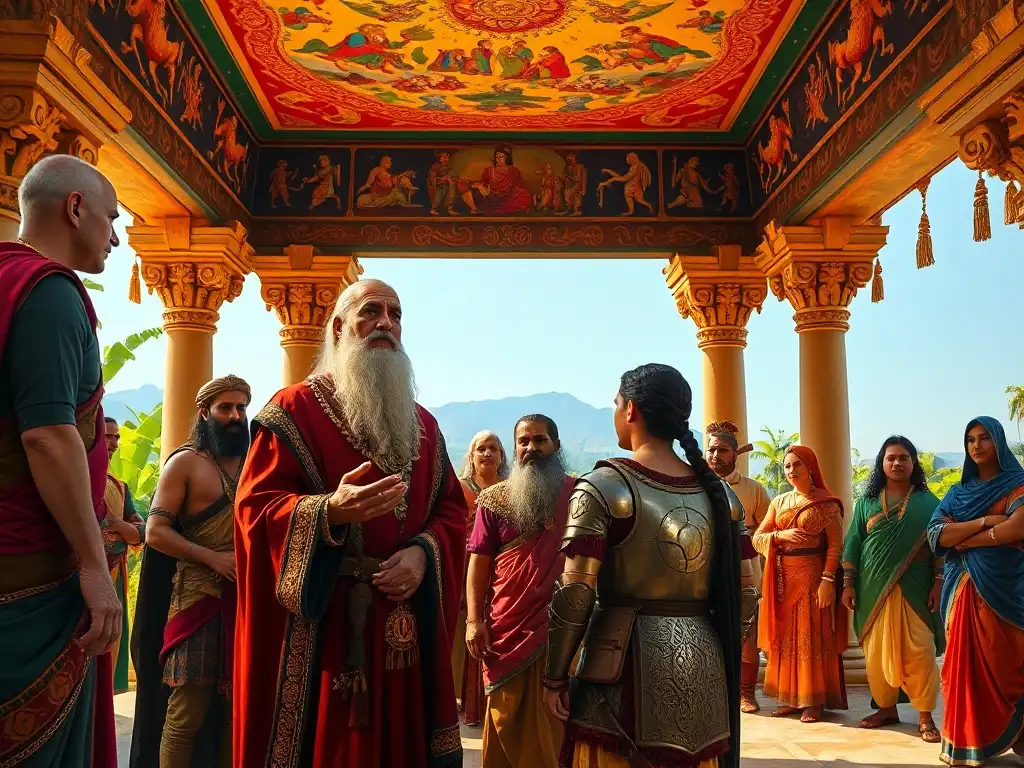
Welcome to Ancient India History, where we delve into the rich tapestry of ancient Indian civilizations that have shaped our world today. In our featured article, "The Mahabharata: The Art of Negotiation and Diplomacy in Ancient Times," we invite you to uncover the fascinating diplomacy strategies employed during one of history's most epic tales. Explore how these ancient techniques not only influenced the outcomes of legendary battles but also laid the groundwork for diplomatic relations that resonate even in modern times.
Prepare to embark on a journey through time that reveals the intricate connections between literature, culture, and strategy. Dive in and discover the profound wisdom hidden within the pages of the Mahabharata!
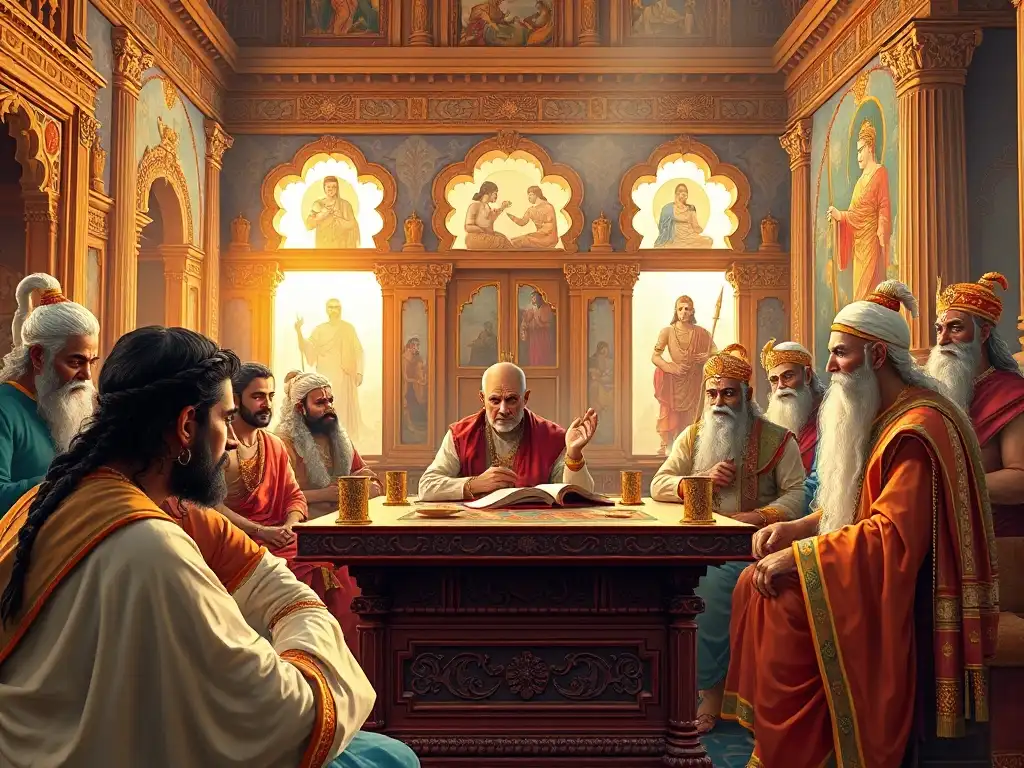
The Mahabharata, one of the most revered epics in ancient Indian literature, serves not only as a narrative of historical events but also as a profound exploration of human nature, ethics, and the complexities of diplomacy. Spanning over 100,000 verses, this epic tells the story of the Kurukshetra War and the fateful struggle between the Pandavas and Kauravas.
Within its rich tapestry, the Mahabharata encapsulates various ancient Indian diplomacy strategies, offering insights into negotiation, conflict resolution, and the intricate art of maintaining alliances. As we delve deeper into this epic, we uncover the multifaceted dimensions of diplomacy that were practiced in ancient India, revealing how these strategies continue to resonate in contemporary discussions about political and diplomatic relations.
Understanding the Mahabharata and Its Historical Context
The Mahabharata, attributed to the sage Vyasa, is not merely a tale of war but a comprehensive account of the societal, cultural, and political milieu of ancient India. It reflects the values, traditions, and complexities of a civilization that thrived around 400 BCE to 400 CE.
The Significance of the Mahabharata in Ancient Indian Literature
As one of the two major Sanskrit epics of ancient Indian literature, the Mahabharata holds immense significance for several reasons:
- Cultural Reflection: It mirrors the ethos of ancient Indian society, including its moral dilemmas and philosophical inquiries.
- Literary Masterpiece: The epic is a treasure trove of narratives, poetry, and dialogue that have influenced countless works of art, literature, and philosophy.
- Historical Documentation: While it is a work of fiction, the Mahabharata also provides valuable insights into the political structures, social norms, and diplomatic practices of the time.
Ancient Indian Civilization and Its Diplomatic Practices
Diplomacy in ancient Indian civilization was characterized by a diverse array of strategies, shaped by the context of each interaction. Key elements included:
- Negotiation and Persuasion: Leaders often engaged in dialogues to resolve conflicts, showing a preference for peaceful resolution over warfare.
- Alliances and Treaties: Forming strategic alliances through marriages or treaties was common, enabling the establishment of power dynamics that favored stability.
- Cunning and Strategy: Inspired by texts like Arthashastra, diplomacy often involved calculated moves, espionage, and psychological tactics to outmaneuver opponents.
Ancient Indian Diplomacy Strategies in the Mahabharata
The Mahabharata is a rich source of examples of ancient Indian diplomacy strategies, showcasing various methods employed by its characters to navigate conflicts.
Key Themes of Diplomacy in the Mahabharata
Several key themes emerge regarding diplomacy in the Mahabharata:
- Moral Dilemmas: Characters frequently face ethical questions that impact their diplomatic decisions, highlighting the tension between duty and personal values.
- The Role of Counsel: Advisors play a crucial role in shaping diplomatic outcomes, emphasizing the importance of wisdom and counsel in decision-making.
- Conflict Resolution: The epic illustrates various approaches to conflict resolution, from dialogue and negotiation to war, reflecting the complexities of human relationships.
Characters Exemplifying Ancient Indian Diplomatic Strategies
Throughout the Mahabharata, several characters exemplify the art of diplomacy:
- Krishna: A central figure in the epic, Krishna serves as a diplomat, advocating for peace and negotiation while also strategizing for war when necessary.
- Yudhishthira: Known for his commitment to truth and righteousness, he embodies the ideal of moral diplomacy, often seeking peaceful solutions.
- Duryodhana: As an antagonist, he represents the darker side of diplomacy, employing manipulation and deceit to achieve his goals.
By examining these themes and characters, the Mahabharata provides a nuanced understanding of ancient Indian diplomacy strategies, enriching our appreciation of this timeless epic.
The Art of Negotiation as Depicted in the Mahabharata
The Mahabharata, one of the longest epic poems in the world, intricately weaves themes of negotiation and diplomacy throughout its narrative. Central to the story is the conflict between the Pandavas and Kauravas, which serves not only as a backdrop for epic battles but also as a stage for complex negotiation strategies. Key figures such as Krishna, who acts as a mediator, exemplify the art of negotiation by attempting to resolve tensions through dialogue and persuasion. His role highlights the importance of understanding varied perspectives, employing empathy, and utilizing strategic thinking to navigate conflicts.
Negotiation in the Mahabharata goes beyond mere dialogue; it involves intricate dance-like maneuvers where parties must balance power dynamics, personal interests, and ethical considerations. The epic showcases that successful negotiation is not solely about winning an argument but about fostering mutual respect and understanding. This multifaceted approach to negotiation reflects ancient Indian diplomacy strategies, emphasizing that the art lies in the ability to adapt and respond to changing circumstances while maintaining one's core values.
The Role of Negotiation in Conflict Resolution
Negotiation is portrayed in the Mahabharata as a crucial mechanism for conflict resolution, often serving as a precursor to warfare. The epic illustrates that many conflicts could have been resolved through dialogue if all parties had been willing to engage in meaningful negotiation. For instance, the attempts made by Krishna to mediate between the Pandavas and the Kauravas epitomize this role. His efforts to advocate for peace highlight negotiation as a vital tool for resolving disputes without resorting to violence.
Additionally, the Mahabharata emphasizes the significance of timing in negotiation. Characters often face critical decisions about when to negotiate and when to prepare for battle, underscoring the delicate balance required in conflict resolution. The epic serves as a reminder that effective negotiation can lead to compromise, reconciliation, and long-lasting peace, thereby avoiding the devastating consequences of war.
Critical Negotiation Events in the Mahabharata
Several key events in the Mahabharata exemplify critical negotiation moments that shaped the course of the narrative. One of the most notable events is the Shanti Parva, where Bhishma, lying on his bed of arrows, imparts wisdom on governance and diplomacy. Here, the discussions about rightful kingship and the responsibilities of rulers highlight the importance of ethical negotiation in leadership.
Another pivotal moment occurs during the peace mission led by Krishna to prevent the war between the Pandavas and Kauravas. Despite his earnest attempts to negotiate peace, the Kauravas refuse to yield, showcasing the limitations and challenges inherent in negotiation. This event encapsulates the tension between idealism and realism in diplomatic efforts, illustrating that not all negotiations lead to successful outcomes.
Furthermore, the Game of Dice serves as a stark example of manipulation rather than genuine negotiation. The deceitful tactics employed in this event reflect how dishonesty can undermine trust and lead to catastrophic results in diplomatic relations. These critical events within the Mahabharata underscore the multifaceted nature of negotiation, highlighting both successful and unsuccessful attempts to resolve conflicts.
Lessons Learned from Ancient Indian Diplomacy Strategies
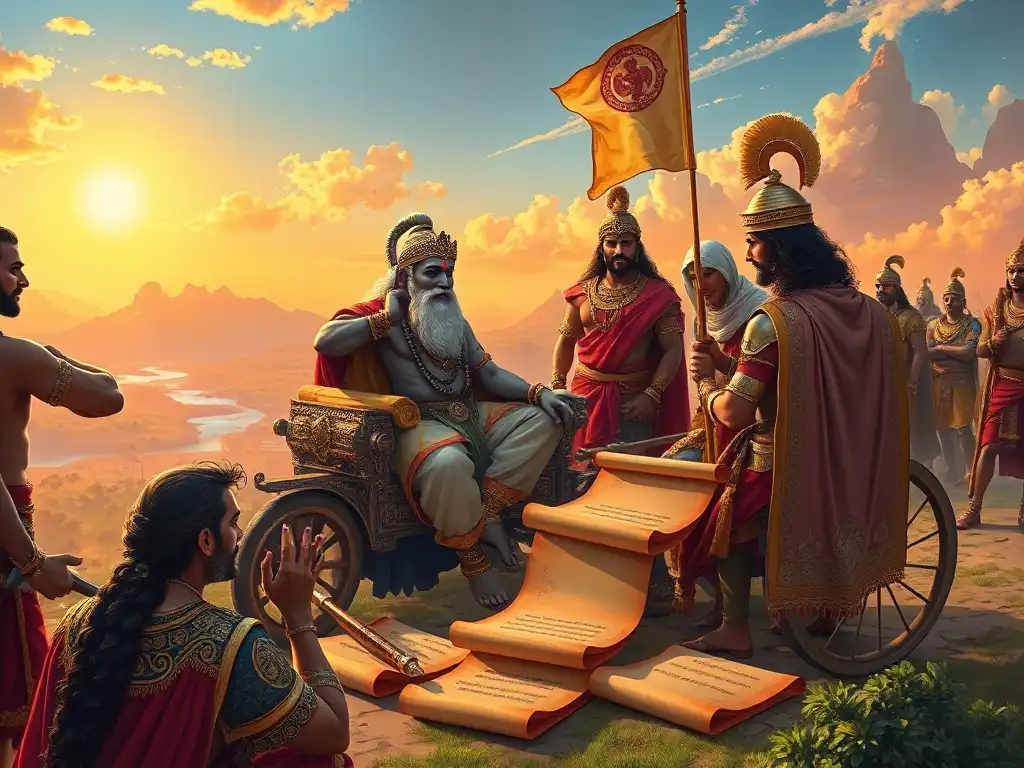
The Mahabharata is rich in lessons regarding ancient Indian diplomacy strategies, emphasizing principles that remain relevant in contemporary negotiations. One significant lesson is the necessity of preparation and knowledge. Characters who enter negotiations with a deep understanding of their opponent’s motivations and weaknesses often achieve better outcomes. This principle stresses the importance of research and strategic planning in diplomatic engagements.
Moreover, the epic advocates for patience and perseverance in negotiations. Many characters demonstrate that successful diplomacy requires time and sometimes multiple rounds of discussions. This lesson encourages modern diplomats to remain committed and patient, even in the face of setbacks.
Effective Communication Skills in Ancient Diplomacy
Effective communication is a cornerstone of ancient Indian diplomacy as depicted in the Mahabharata. The ability to articulate thoughts clearly and persuasively is crucial for any negotiator. Characters such as Krishna exemplify the use of eloquent speech to convey complex ideas and persuade others. His ability to listen actively and respond thoughtfully makes him a powerful diplomat.
Additionally, the use of non-verbal communication is significant in the epic. Body language, gestures, and even silence can convey messages that words may not fully express. The Mahabharata teaches that understanding and interpreting these subtle cues can enhance the effectiveness of negotiations.
The Importance of Trust and Alliance Building
Trust forms the bedrock of successful negotiations and alliances in the Mahabharata. The epic illustrates that without trust, even the most well-crafted negotiation strategies can falter. Relationships among characters, such as the bond between the Pandavas and their allies, emphasize the need for mutual reliance and loyalty in diplomatic efforts.
Building alliances through shared goals and values is another essential aspect of ancient Indian diplomacy. The Mahabharata shows that strategic alliances can shift the balance of power and influence outcomes in negotiations. This principle remains relevant today, as modern diplomacy often relies on coalition-building to achieve common objectives.
Strategies for Conflict Avoidance and Resolution
The Mahabharata offers various strategies for conflict avoidance and resolution that reflect ancient Indian diplomacy. One effective strategy is proactive engagement, where potential conflicts are addressed before they escalate. Characters in the epic often engage in open dialogues to clarify misunderstandings and explore common interests, demonstrating the value of early intervention.
Another strategy is flexibility in negotiation tactics. The Mahabharata illustrates that negotiators must adapt their approaches based on the evolving dynamics of discussions. This adaptability can lead to creative solutions that satisfy all parties involved, showcasing the importance of being open-minded and willing to compromise.
Lastly, the epic emphasizes the significance of ethical considerations in negotiations. Upholding moral values and principles can enhance credibility and foster respect, ultimately leading to more successful and sustainable resolutions. The lessons drawn from the Mahabharata highlight that diplomacy is not just about tactics but also about integrity and ethical leadership.
The Legacy of Mahabharata's Diplomacy in Modern Contexts
The Mahabharata, one of the most revered epics of ancient India, offers profound insights into the art of negotiation and diplomacy. Its narratives showcase various strategies employed by key figures such as Krishna, Yudhishthira, and Duryodhana, who navigated complex political landscapes. These stories illustrate that diplomacy is not merely about the use of power but also involves wisdom, empathy, and an understanding of human nature. The legacy of these diplomatic practices can be observed today in various fields, including international relations, conflict resolution, and corporate negotiations.
The principles derived from the Mahabharata emphasize the importance of understanding the motivations and perspectives of others. For instance, Krishna's role as a negotiator demonstrates the effectiveness of active listening and the ability to find common ground. His diplomatic maneuvers, which included both soft and hard strategies, highlight that successful negotiation often requires a delicate balance of assertiveness and tact. These lessons inform contemporary diplomatic practices, encouraging leaders to approach conflicts not just with strength, but with a strategic mindset that values dialogue and compromise.
Influences of Ancient Indian Diplomacy on Contemporary Practices
The influence of ancient Indian diplomacy, as depicted in the Mahabharata, can be seen in several contemporary diplomatic practices. One notable example is the emphasis on indirect communication and the use of envoys, which resonates with how modern diplomats often operate. The practice of sending intermediaries to negotiate sensitive issues reflects a strategy that can minimize conflict and facilitate smoother discussions.
Moreover, the concept of "Dharma" or duty, which plays a crucial role in the Mahabharata, continues to shape modern ethical frameworks in diplomacy. Diplomats today are often guided by moral imperatives that resonate with the principles of fairness and justice found in ancient texts. This ethical grounding helps to foster trust and credibility, which are essential in building and maintaining international relationships.
Additionally, the Mahabharata's portrayal of alliances and the strategic use of power dynamics can be seen in contemporary geopolitical strategies. Nations often form coalitions based on shared interests, akin to the alliances formed in the epic. This strategic thinking reflects an understanding of the broader context in which diplomacy operates, emphasizing that success often depends on the ability to adapt and respond to changing circumstances.
Case Studies: Modern Diplomacy Inspired by the Mahabharata
Several case studies can illustrate the direct inspiration drawn from the Mahabharata in modern diplomatic contexts. One such example is the peace negotiations in the post-conflict regions of South Asia. The approach taken by diplomats in these negotiations often mirrors the strategies utilized by Krishna, focusing on dialogue and the identification of shared interests among conflicting parties.
Another example can be found in corporate diplomacy, where leaders navigate complex negotiations with stakeholders. The use of techniques derived from the Mahabharata, such as building rapport and employing strategic concessions, has proven effective in achieving mutually beneficial outcomes. Companies that adopt these ancient strategies often find themselves more adept at resolving disputes and fostering long-term partnerships.
Moreover, the ongoing efforts toward conflict resolution in international relations reflect the teachings of the Mahabharata. Initiatives aimed at reconciling differences between nations often employ a blend of direct and indirect approaches, echoing the diplomatic maneuvers of figures like Krishna, who exemplified a multifaceted strategy in addressing conflicts.
Conclusion: The Enduring Relevance of Ancient Indian Diplomacy Strategies
The diplomatic strategies illustrated in the Mahabharata remain relevant in today’s complex global landscape. As the world continues to face multifaceted challenges, the insights offered by this ancient text provide valuable lessons in negotiation and conflict resolution. The emphasis on understanding diverse perspectives, building alliances, and navigating power dynamics is as applicable now as it was thousands of years ago.
The ability to engage in effective diplomacy is crucial in fostering peace and cooperation among nations. By drawing on the wisdom of ancient Indian diplomacy, modern leaders can cultivate more harmonious relationships and navigate conflicts with a sense of purpose and integrity.
Reflections on the Art of Negotiation and Diplomacy in Today's World
In reflecting on the art of negotiation and diplomacy as taught by the Mahabharata, it becomes evident that the principles of effective communication, empathy, and strategic thinking are timeless. The need for skilled negotiators who can bridge divides and foster understanding is more pressing than ever in today’s interconnected world.
As we analyze contemporary diplomatic practices, it is essential to recognize the profound impact that ancient frameworks can have on current strategies. The lessons from the Mahabharata remind us that diplomacy is not merely a function of politics but an art form that requires creativity, deep understanding, and an unwavering commitment to peace. By embracing these principles, we can contribute to a more stable and cooperative global community, ensuring that the legacy of ancient Indian diplomacy continues to inspire future generations.
- Understanding the Mahabharata and Its Historical Context
- Ancient Indian Diplomacy Strategies in the Mahabharata
- The Art of Negotiation as Depicted in the Mahabharata
- Lessons Learned from Ancient Indian Diplomacy Strategies
- The Legacy of Mahabharata's Diplomacy in Modern Contexts
- Conclusion: The Enduring Relevance of Ancient Indian Diplomacy Strategies
- What is the significance of The Mahabharata in understanding ancient Indian diplomacy?
- How did ancient Indian diplomacy strategies differ from those in other cultures?
- What lessons can modern diplomats learn from The Mahabharata?
- Were there any specific figures in The Mahabharata known for their diplomatic skills?
- How did ancient Indian texts influence diplomatic practices in later civilizations?
Frequently Asked Questions
What is the significance of The Mahabharata in understanding ancient Indian diplomacy?
The Mahabharata is a crucial text that illustrates various diplomatic strategies employed during conflicts, emphasizing the importance of negotiation and compromise in ancient Indian society.
How did ancient Indian diplomacy strategies differ from those in other cultures?
Ancient Indian diplomacy often focused on non-violent methods and strategic alliances, contrasting with the more militaristic approaches seen in other contemporary civilizations.
What lessons can modern diplomats learn from The Mahabharata?
Modern diplomats can draw insights on the importance of dialogue, understanding motivations, and the value of patience and tact in resolving conflicts, as depicted in the epic.
Were there any specific figures in The Mahabharata known for their diplomatic skills?
Yes, figures like Karna and Krishna exemplified exceptional diplomatic acumen, using their skills to navigate complex political landscapes and broker peace between warring factions.
How did ancient Indian texts influence diplomatic practices in later civilizations?
Ancient Indian texts, including The Mahabharata, laid foundational principles for diplomatic relations that influenced neighboring regions and contributed to the evolution of global diplomacy through their emphasis on strategic negotiation.
Final Reflection: The Enduring Legacy of Ancient Indian Diplomacy
In exploring the intricate tapestry of Ancient Indian diplomacy strategies, we uncover timeless lessons that resonate profoundly in today's global landscape. The Mahabharata, with its rich narratives of negotiation and conflict resolution, serves as a powerful reminder that the art of diplomacy is not merely a historical relic but a vital skill that shapes our interactions in an increasingly interconnected world. As we navigate complex relationships, both personal and political, the wisdom embedded in these ancient texts remains strikingly relevant.
The influence of these diplomatic strategies extends far beyond the pages of history, shaping the cultural and social dynamics of modern societies. The principles of negotiation, compromise, and strategic alliances illustrated in the Mahabharata continue to inform contemporary practices in international relations and conflict resolution. As we reflect on this, we are reminded of the words of Kofi Annan: We may have different religions, different languages, different colored skin, but we all belong to one human race.
This sentiment encapsulates the essence of diplomacy, urging us to seek common ground amidst our differences.
As we conclude this exploration, I invite you to reflect on how the lessons of ancient diplomacy can be applied in your own life. Consider the power of negotiation in your daily interactions, whether in personal relationships or professional settings. Embrace the art of listening, understanding, and finding mutually beneficial solutions. By doing so, you not only honor the legacy of the Mahabharata but also contribute to a more harmonious and cooperative world. Let us carry forward these ancient strategies, transforming them into tools for peace and understanding in our modern lives.
Unlock the Secrets of Negotiation Like a Warrior!
Thank you for diving into the fascinating world of the Mahabharata and the rich lessons it offers on negotiation and diplomacy. You've uncovered valuable insights that can transform your approach to conflict resolution and strategic discussions. Now, it’s time to take action and apply these timeless strategies!
Here are some next steps to enhance your negotiation skills:
- Reflect on Your Own Strategies: Identify a recent negotiation experience in your life and analyze it through the lens of the Mahabharata's teachings. Consider what alternative approaches you could have taken to achieve a better outcome.
- Practice Active Listening: Engage with a friend or colleague to refine your negotiation skills. Focus on understanding their perspective and seek opportunities for mutual agreement.
- Join a Discussion Forum: Connect with others who share your interest in negotiation techniques derived from the Mahabharata. Participate in online communities or social media groups that explore these ancient strategies.
What key lessons from the Mahabharata do you find most relevant when navigating modern-day negotiations?