
The Mahabharata: Decoding the Complex Relationships Among Characters

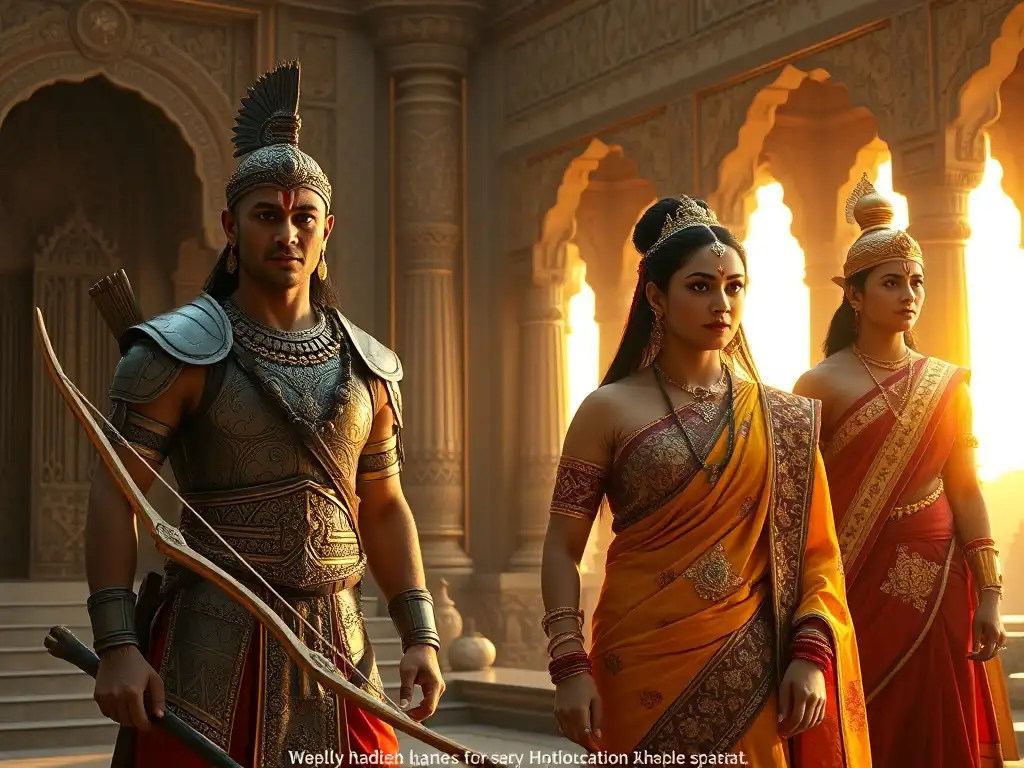
Welcome to Ancient India History, where we embark on a journey through the rich tapestry of ancient Indian civilizations. In this exploration, we delve into the intricate world of the Mahabharata, one of the greatest epics ever told. Are you ready to unravel the complex relationships among its characters?
Our main feature article, "The Mahabharata: Decoding the Complex Relationships Among Characters," invites you to uncover the hidden dynamics and profound connections that shape this timeless narrative. Join us as we explore how these relationships reflect the values, conflicts, and cultural nuances of their time, ensuring that the legacy of ancient India continues to inspire and intrigue. Dive in and discover more!
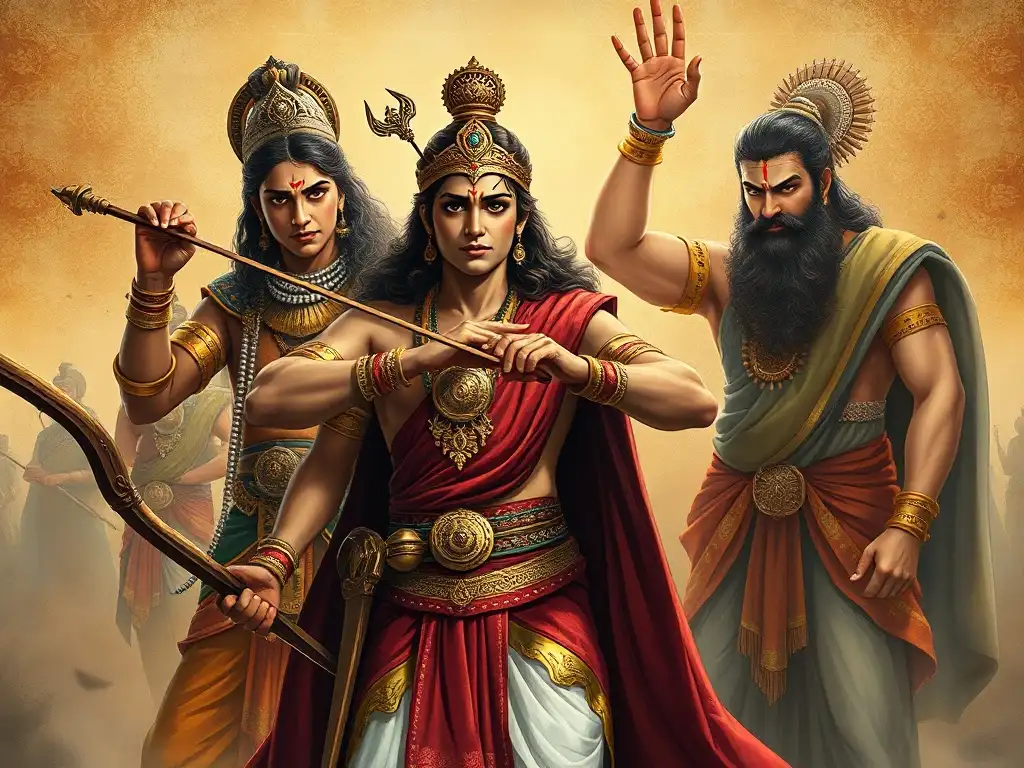
The Mahabharata, one of the longest and most revered epics in world literature, serves as a rich tapestry of human relationships, moral dilemmas, and epic battles. This ancient Indian narrative not only chronicles the events leading to the great Kurukshetra War but also delves deep into the intricate relationships among its characters.
Understanding these connections is essential for grasping the deeper themes of duty, righteousness, and the complexities of human nature embedded within the text. In this article, we will perform a comprehensive Mahabharata character relationships analysis, exploring how these relationships shape the narrative and influence the fates of the characters involved.
Introduction to the Mahabharata
Overview of the Mahabharata Epic
The Mahabharata, attributed to the sage Vyasa, is an epic poem that spans approximately 100,000 verses, making it roughly ten times the length of the Iliad and the Odyssey combined. This monumental work, composed over centuries, reflects the socio-political landscape of ancient India. It tells the story of the Kuru dynasty, focusing on the rivalry between the Pandavas and the Kauravas, culminating in a catastrophic war that serves as a metaphor for the struggles between good and evil.
The text is divided into 18 books, or parvas, which encompass a variety of genres including mythology, philosophy, and theology. Notable sections such as the Bhagavad Gita and the Swayamvara of Draupadi provide profound insights into the ethical and moral quandaries faced by its characters.
Importance of Character Relationships in the Narrative
Character relationships in the Mahabharata are not merely plot devices; they are central to the epic's thematic depth and moral complexity. The intricate web of alliances, rivalries, and familial bonds contributes significantly to the narrative's progression and the characters' development. Each relationship is fraught with emotional intensity, reflecting the human condition's multifaceted nature.
Key themes, such as loyalty, betrayal, love, and revenge, are explored through these relationships. For instance, the bond between brothers, the rivalry for power, and the tragic love stories all reveal the characters' motivations and moral dilemmas. Understanding these dynamics is essential for a holistic analysis of the text.
Key Characters in the Mahabharata
Main Characters and Their Roles
The Mahabharata features a plethora of characters, each with distinct roles that contribute to the epic's complexity.
- Yudhishthira: The eldest Pandava, known for his unwavering commitment to truth and dharma (righteousness).
- Bhima: The second Pandava, characterized by his immense strength and fierce loyalty to his family.
- Arjuna: The third Pandava and a master archer, who grapples with his duty as a warrior and his moral conflicts.
- Draupadi: The wife of the five Pandavas, whose humiliation in the Kaurava court becomes a catalyst for the war.
- Duryodhana: The eldest Kaurava, whose ambition and jealousy drive the conflict with the Pandavas.
These main characters not only embody various virtues and vices but also serve as focal points through which the narrative unfolds.
Supporting Characters and Their Contributions
In addition to the main characters, the Mahabharata is populated with a rich array of supporting characters, each adding depth to the story:
- Krishna: The divine charioteer and guide to Arjuna, whose counsel in the Bhagavad Gita addresses profound philosophical questions.
- Kunti: The mother of the Pandavas, whose decisions impact the fate of her sons and the unfolding events.
- Shakuni: The cunning uncle of Duryodhana, whose manipulations play a crucial role in igniting the conflict.
These supporting characters provide essential context and further illuminate the main characters' motivations, making their relationships even more intricate and compelling.
By analyzing the character relationships within the Mahabharata, we can uncover the underlying themes and moral lessons that remain relevant even in contemporary society. Through this exploration, we aim to achieve a deeper understanding of this extraordinary epic and its enduring impact on literature and culture.
Understanding Mahabharata Character Relationships Analysis
The Mahabharata is not just an epic tale of war; it is a profound exploration of human emotions, ethics, and interactions. The intricate relationships among its characters are pivotal in understanding the narrative's depth. An analysis of these character relationships reveals the motivations, conflicts, and alliances that shape the storyline. By dissecting these interactions, readers gain insights into the moral dilemmas faced by the characters, providing a richer understanding of the epic's themes such as duty (dharma), loyalty, and the consequences of choices made by individuals within a complex social framework.
Definition and Importance of Character Relationships Analysis
Character relationships analysis in the Mahabharata involves examining how the connections among characters influence their actions and the overall narrative. This analysis is essential for several reasons:
- Understanding Motives: By analyzing how characters relate to one another, we can uncover their motivations and the forces driving their decisions.
- Thematic Exploration: Relationships often highlight key themes of the epic, such as justice, revenge, and sacrifice. Analyzing these connections allows for a deeper exploration of these themes.
- Narrative Structure: The Mahabharata’s plot is heavily reliant on the character dynamics that unfold. Understanding these relationships helps in grasping the intricate narrative structure, where personal stakes intertwine with broader conflicts.
- Cultural Insights: Character relationships reflect the societal norms and values of ancient India, offering a window into the cultural context of the time.
How Relationships Shape the Narrative of the Mahabharata
In the Mahabharata, relationships are not merely a backdrop but are integral to the plot's progression. The interconnectedness of characters creates a rich tapestry of conflict and resolution that drives the narrative forward.
- Catalysts for Conflict: The relationships among the Pandavas and Kauravas, particularly the rivalry between Yudhishthira and Duryodhana, serve as central catalysts for the epic's conflict. Their personal grievances and familial ties escalate into a full-scale war, illustrating how personal relationships can have monumental consequences.
- Moral Dilemmas: The relationships bring forth complex moral dilemmas, such as the loyalty of Bhishma towards the throne of Hastinapura versus his allegiance to the Pandavas. These conflicts highlight the struggle between personal loyalty and ethical duty.
- Alliances and Betrayals: Characters frequently form alliances that alter the course of events. For instance, the alliance between the Pandavas and Krishna emphasizes the importance of strategic relationships during times of crisis, while betrayals, such as Shakuni's manipulation of the Kauravas, showcase the darker side of interpersonal dynamics.
Complex Family Dynamics in the Mahabharata
The Mahabharata is fundamentally a story about family, and its complex dynamics are central to the epic's narrative. The relationships within the Kuru Dynasty illustrate both the bonds of kinship and the conflicts that arise from them.
The Kuru Dynasty: A Web of Relationships
The Kuru Dynasty is characterized by a complex web of relationships that includes half-brothers, cousins, and in-laws. Key family ties include:
- Pandavas: The five brothers—Yudhishthira, Bhima, Arjuna, Nakula, and Sahadeva—are bound by their mother Kunti and their shared experiences. Their strong bond often contrasts with the rivalry they face from their cousins.
- Kauravas: The hundred sons of Dhritarashtra, led by Duryodhana, exhibit a mix of brotherly love and fierce competition. Their relationship with the Pandavas is marked by jealousy and conflict, particularly as they vie for power and status.
- Matriarchal Influence: Characters like Kunti and Gandhari play crucial roles in shaping their sons' destinies, influencing their actions and decisions through their own biases and teachings.
The interactions and tensions among these familial relationships are pivotal, leading to alliances, betrayals, and ultimately, the devastating war of Kurukshetra.
Sibling Rivalries and Alliances
Sibling rivalries form a core theme in the Mahabharata, driving much of the conflict and drama.
- Yudhishthira vs. Duryodhana: The rivalry between the eldest Pandava and Kaurava highlights the clash of values—Yudhishthira’s adherence to dharma versus Duryodhana’s ambition and jealousy.
- Bhima vs. Duryodhana: Bhima’s enmity with Duryodhana is marked by physical confrontations and an ongoing struggle for dominance, illustrating the personal vendettas that fuel the larger conflict.
- Arjuna and Karna: The relationship between Arjuna and Karna, who are half-brothers yet adversaries, underscores the tragic consequences of rivalry rooted in secrecy and social status.
These rivalries lead to shifting alliances and strategic maneuvering, showcasing how familial ties can become both a source of strength and a catalyst for conflict in the narrative. The complexity of these relationships not only enriches the plot but also serves as a reflection of human nature and societal dynamics.
Friendship and Loyalty in the Mahabharata
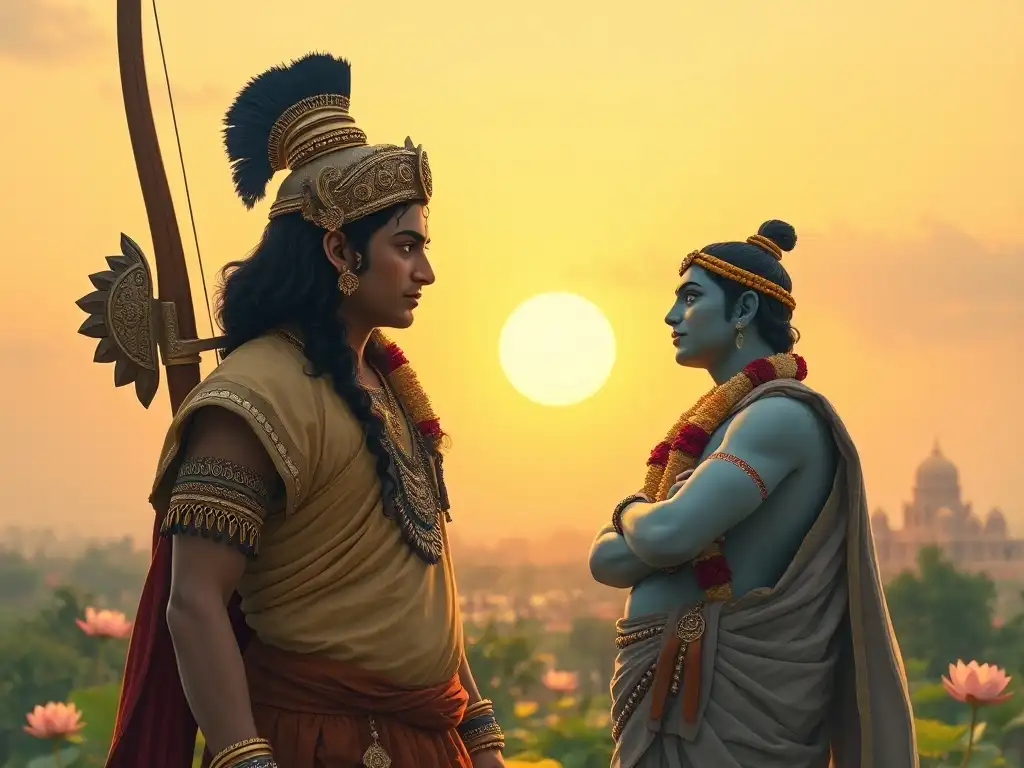
Friendship and loyalty are central themes in the Mahabharata, shaping the narrative and influencing the actions of its characters. The epic presents a myriad of friendships that range from camaraderie to deep-seated loyalty, often driving the plot forward and highlighting the moral dilemmas faced by the characters. These relationships are not just personal; they often intertwine with political alliances and familial ties, showcasing how intricately woven the fabric of human connections can be.
One of the most significant aspects of friendship in the Mahabharata is the unwavering loyalty that characters exhibit towards one another. This loyalty is often tested through trials and tribulations, revealing the true nature of friendships amidst adversity. The bonds of friendship serve as a counterbalance to the rivalries and conflicts that dominate the epic, illustrating the complexity of human emotions and the ethical choices characters must make in their allegiances.
The Bond Between Krishna and Arjuna
The relationship between Krishna and Arjuna is one of the most profound examples of friendship in the Mahabharata. Krishna serves as Arjuna's charioteer and guide, providing not only tactical advice in battle but also spiritual counsel. Their bond transcends mere friendship; it embodies the ideal of selfless support and unwavering loyalty.
Krishna’s role is pivotal during the Kurukshetra War, where he imparts the teachings of the Bhagavad Gita to Arjuna, helping him overcome his moral dilemmas about fighting against his own kin. This relationship highlights the importance of guidance and mentorship in friendships, illustrating how true friends can provide clarity and purpose during challenging times. Their dynamic also emphasizes the theme of duty—Arjuna’s fulfillment of his kshatriya (warrior) duties is rendered possible through Krishna's encouragement and wisdom.
The Role of Friendship in the Epic’s Conflicts
Friendship plays a crucial role in the conflicts depicted in the Mahabharata, often serving as a catalyst for war and peace alike. The epic illustrates how friendships can lead to both alliances and betrayals, shaping the course of events.
For instance, the bond between the Pandavas and their cousin, Krishna, unites them against the Kauravas, setting the stage for the great battle. Conversely, friendships that dissolve or are betrayed can lead to catastrophic outcomes, as seen in the relationships between characters like Duryodhana and his allies. The epic demonstrates that while friendships can be a source of strength, they can also be a source of conflict, as loyalties are tested and choices made can have dire consequences.
Love and Betrayal in the Mahabharata
The themes of love and betrayal are intricately woven into the Mahabharata, reflecting the complexities of human relationships. Characters navigate their desires, emotions, and moral obligations, leading to instances of profound love and devastating betrayal. These dualities not only propel the storyline but also serve as moral lessons about the consequences of actions driven by passion and ambition.
The epic’s exploration of love showcases the intricacies of relationships, often highlighting how personal emotions can clash with societal expectations and duties. Betrayal, on the other hand, serves as a poignant reminder of the fragility of trust and the far-reaching implications of treachery in interpersonal dynamics.
The Story of Draupadi: Love, Vengeance, and Betrayal
Draupadi’s narrative is one of the most compelling arcs in the Mahabharata, encapsulating themes of love, vengeance, and betrayal. Born from the fire and married to the five Pandavas, Draupadi’s life is marked by her deep love for her husbands and the loyalty she expects in return.
However, her story takes a tragic turn during the infamous game of dice, where she is humiliated in the Kaurava court. This act of betrayal not only shatters her trust in the Kauravas but also ignites a fierce desire for vengeance. Draupadi’s character embodies the struggle between love and betrayal, as her relationships are deeply affected by the actions of others. Her response to betrayal catalyzes the conflict that leads to the Kurukshetra War, illustrating how personal grievances can escalate into larger conflicts.
The Consequences of Betrayal Among Characters
Betrayal in the Mahabharata has profound consequences, impacting not only individual lives but also the fate of entire kingdoms. Characters who betray their allies or loved ones often face dire repercussions, reflecting the moral order in the epic.
For example, Duryodhana's betrayal of the Pandavas leads to the eventual destruction of his own lineage. Similarly, the betrayal of Bhishma and other key figures carries significant weight, as their divided loyalties contribute to the tragedy of war. The epic serves as a cautionary tale about the ramifications of betrayal, illustrating that such actions fracture relationships and can lead to irreversible consequences. Through its characters and their experiences, the Mahabharata emphasizes the importance of trust, loyalty, and the heavy toll that betrayal exacts on both personal and communal levels.
Mentor and Disciple Relationships in the Mahabharata
The Mahabharata intricately weaves the theme of mentorship, exploring the bonds between mentors and their disciples. These relationships often serve as pivotal points in character development and the unfolding of the epic's events. The dynamics of loyalty, duty, and the moral complexities inherent in these relationships reflect the broader ethical dilemmas faced by the characters. The mentors not only impart knowledge and skills but also influence the moral compass of their disciples, shaping their destinies in profound ways.
In this epic, mentorship is not limited to a single context; it spans across various forms, including formal education, spiritual guidance, and even emotional support. The relationships between mentors and disciples are often tested by trials, betrayals, and the harsh realities of war, underscoring the complex interplay of personal and moral obligations. Exploring these relationships provides deeper insights into the motivations and actions of key characters, revealing the multifaceted nature of their interactions.
Drona and His Disciples: Lessons in Loyalty and Duty
Drona, the royal teacher, is one of the most significant mentors in the Mahabharata, known for his unwavering commitment to his disciples, particularly the Pandavas and Kauravas. His teachings emphasize loyalty and duty, which become central themes in the unfolding drama of the epic. Drona’s relationship with his disciples is characterized by a blend of admiration, competition, and ultimately, conflict.
The loyalty that Drona expects from his students is tested when the rivalry between the Pandavas and Kauravas intensifies. His favoritism towards Arjuna, while understandable due to Arjuna’s prowess, creates rifts among the brothers. Drona's insistence on the importance of duty and righteousness is evident in his teachings, which he tries to instill in his disciples, but the war ultimately forces him to confront the consequences of his choices. His adherence to his role as a teacher, even in the face of moral ambiguity, highlights the complex nature of loyalty and duty in the Mahabharata.
Moreover, Drona's tragic end illustrates the pitfalls of blind loyalty and the devastating impact of conflicting allegiances in the epic. His legacy as a mentor serves as a cautionary tale about the responsibilities that come with guiding others and the moral dilemmas that can arise from such relationships.
The Impact of Mentorship on Character Development
The mentorship dynamics in the Mahabharata significantly shape the character arcs of both mentors and disciples. Through their interactions, individuals evolve, revealing traits that may not have been apparent without the influence of their mentors. For example, Arjuna's growth as a warrior and his moral struggles can be attributed to Drona's guidance, which emphasizes not just prowess but also the ethical dimensions of warfare.
Conversely, the failures and shortcomings of mentors, such as Drona's inability to navigate the familial conflict between the Pandavas and Kauravas, lead to catastrophic outcomes. This duality in mentorship underscores the importance of ethical considerations in teaching and leadership roles. The relationships between mentors and their disciples ultimately reflect the larger themes of fate, free will, and the complexities of human nature within the Mahabharata, emphasizing that mentorship is not a straightforward path but fraught with challenges that can define one's destiny.
The Role of Women in the Mahabharata
The Mahabharata features a rich tapestry of female characters whose roles are integral to the narrative. Women in this epic are not merely passive figures; they possess agency and influence that shape events and decisions. Their relationships with male characters often reveal deeper societal norms and expectations, as well as the complexities of love, duty, and sacrifice.
Key female characters, such as Draupadi, Kunti, and Gandhari, embody a spectrum of qualities that reflect the multifaceted nature of womanhood in ancient Indian society. These characters navigate their roles within a patriarchal framework while also challenging and redefining the boundaries of their identities. The exploration of their relationships and the impact they have on the male characters and the overarching plot showcases the significant role women play in the Mahabharata.
Key Female Characters and Their Relationships
Draupadi stands out as one of the most pivotal female characters, often regarded as the catalyst for the events that lead to the great war. Her tumultuous relationship with the Pandavas, particularly with Arjuna and Yudhishthira, highlights themes of loyalty, honor, and betrayal. Draupadi’s disrobing in the Kaurava court and her subsequent quest for justice reflect her strength and resilience, making her a symbol of female empowerment.
Kunti, the mother of the Pandavas, is another key figure whose relationships with her sons and her role in their upbringing are crucial to the narrative. Her decisions, including the concealment of Karna’s identity, illustrate the complexities of maternal love and the burden of secrets. Meanwhile, Gandhari, the blind queen, embodies the themes of sacrifice and loyalty, as she supports her sons despite their moral failings, showcasing the emotional depth of her character.
The relationships among these women and their male counterparts are laden with emotional tension, reflecting the societal expectations of their time while also offering nuanced portrayals of their strength and agency within those confines.
The Influence of Women on the Mahabharata’s Plot
Women in the Mahabharata wield significant influence over the plot, often acting as the driving force behind key events. Their actions and decisions can alter the course of fate, as seen in Draupadi's pivotal role in instigating the conflict between the Kauravas and Pandavas. Her outcry for justice not only galvanizes her husbands but also serves as a rallying point for the broader themes of dharma (righteousness) and adharma (unrighteousness) that permeate the epic.
Moreover, the emotional and moral dilemmas faced by female characters often mirror those of their male counterparts, establishing a parallel narrative that emphasizes the shared struggles of all individuals in the face of fate. The impact of their relationships, whether through love, betrayal, or sacrifice, resonates throughout the epic, underscoring the interconnectedness of their fates with the larger story.
In essence, the women of the Mahabharata play crucial roles in shaping not only their own destinies but also the destinies of the male characters and the unfolding of the epic itself. Their narratives enrich the story, adding layers of complexity and depth that continue to resonate with audiences today.
Moral and Ethical Dilemmas in Character Relationships
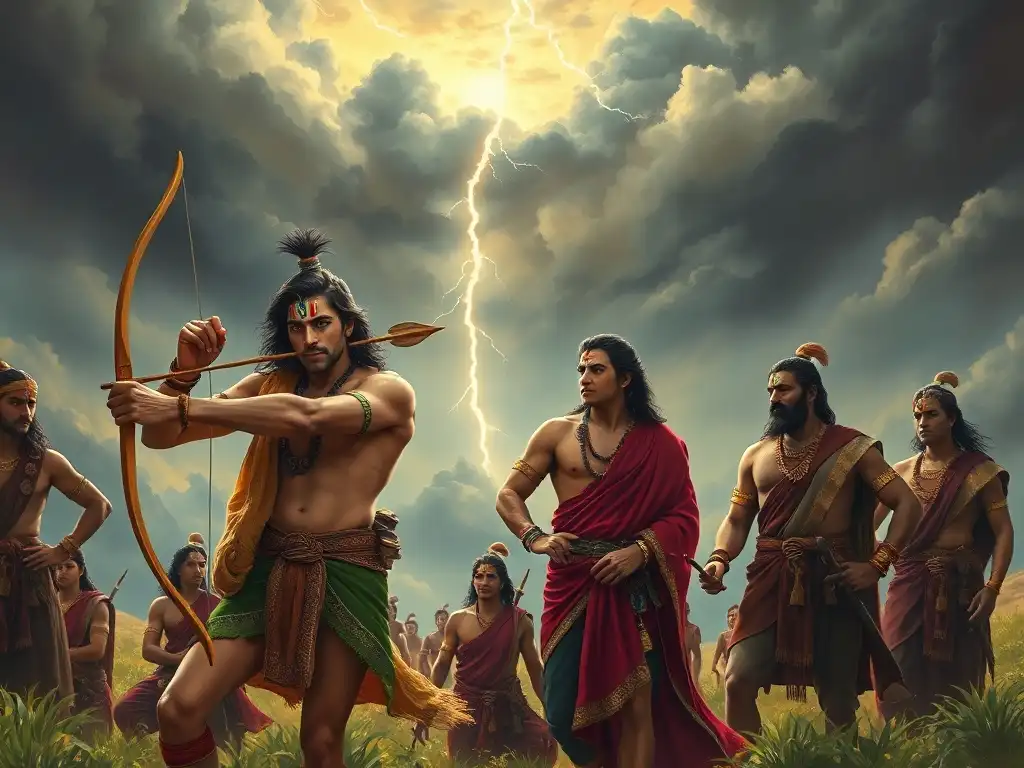
The Mahabharata intricately weaves a tapestry of moral and ethical dilemmas faced by its characters, creating a rich landscape for analysis of their relationships. The epic delves into the complexities of dharma (duty/righteousness) and adharma (unrighteousness), illustrating how personal choices often conflict with societal expectations and familial ties. This dynamic is especially pronounced in the relationships among the Kauravas and Pandavas, where loyalty to family often clashes with the principles of justice and morality.
The tension between personal desires and responsibilities is a recurrent theme. For instance, Arjuna's hesitation in the face of battle against his own kin symbolizes the profound anguish of choosing between duty as a warrior and compassion as a relative. Additionally, the role of women, particularly Draupadi, highlights the ethical quandaries surrounding honor, respect, and revenge, further complicating interpersonal dynamics. These dilemmas not only shape individual fates but also set the stage for the epic’s overarching conflicts.
The Choices Faced by Major Characters
Major characters in the Mahabharata are confronted with pivotal choices that define their relationships and the narrative's trajectory.
- Yudhishthira, the eldest Pandava, grapples with the moral implications of his decisions, such as his infamous gamble in the game of dice that leads to the loss of his kingdom and brothers. His choices embody the struggle between truth and deception, demonstrating how personal integrity can lead to catastrophic consequences.
- Duryodhana, the Kaurava prince, represents the archetype of ambition and envy. His choice to pursue power at any cost results in profound enmity with the Pandavas, reflecting the destructive nature of unchecked desires.
- Bhishma, the grandsire, faces the dilemma of loyalty versus righteousness. His vow of celibacy and unwavering loyalty to the Kauravas, despite their moral failings, raises questions about the implications of duty when it conflicts with justice.
- Draupadi, caught in the web of male dominance and betrayal, must navigate her role as a wife, a sister, and a figure of justice. Her choices in seeking vengeance for her humiliation ultimately catalyze the war, illustrating the consequences of personal indignation interwoven with broader ethical implications.
These choices are not merely personal; they resonate throughout the epic, influencing alliances, enmities, and the eventual outcomes of the great war.
The Impact of These Choices on the Epic’s Outcome
The choices made by characters in the Mahabharata significantly shape the epic's outcome, leading to a complex interplay of fate and free will. The ramifications of these decisions ripple through the narrative, culminating in the catastrophic war of Kurukshetra.
- Yudhishthira’s decisions, especially in the game of dice, set into motion a series of events that escalate the conflict. His adherence to dharma becomes a double-edged sword, revealing the nuances of righteousness in a morally ambiguous world.
- Duryodhana’s relentless pursuit of power and refusal to acknowledge the Pandavas as equals leads to bitter enmity, culminating in his tragic downfall. His choices underscore the epic’s exploration of how ambition can blind one to reason and ethical considerations.
- The decisions made by Bhishma and other elders, who choose to remain neutral or support the Kauravas, further complicate the moral landscape. Their choices illustrate the consequences of inaction and complicity in the face of wrongdoing, contributing to the inevitable tragedy.
The intertwining of these choices not only drives the plot but also serves as a commentary on the nature of human relationships, emphasizing that every action has a far-reaching impact on the collective fate of individuals and society.
Conclusion: The Significance of Character Relationships in the Mahabharata
The Mahabharata presents a profound exploration of character relationships, intricately linked with moral and ethical dilemmas. These relationships are not merely narrative devices; they are the essence of the epic’s thematic depth, illustrating the complexities of human nature and societal structures.
Summary of Key Insights from the Analysis
This analysis reveals several key insights regarding character relationships in the Mahabharata:
- The moral dilemmas faced by characters illuminate the conflicting demands of duty and personal values, showcasing the intricate dance between dharma and adharma.
- Choices made by major characters significantly impact the narrative, reflecting the interconnectedness of individual actions and the broader societal consequences.
- The relationships among characters serve as a microcosm of larger ethical struggles, emphasizing the importance of integrity, loyalty, and justice in human interactions.
The Lasting Legacy of the Mahabharata’s Character Relationships
The legacy of the Mahabharata extends beyond its narrative; it offers timeless lessons on relationships, ethics, and the human condition. The intricate dynamics among characters serve as a reflection of societal values and the perennial struggles between right and wrong.
The epic continues to resonate with contemporary audiences, inspiring discussions on morality, justice, and the complexities of human relationships. Its characters epitomize the enduring dilemmas faced by humanity, ensuring that the Mahabharata remains a relevant and thought-provoking text across generations. Through its exploration of character relationships, the epic not only tells a story of war and conflict but also invites reflection on the choices we make and their implications for ourselves and others.
Further Reading and References
The Mahabharata is a vast and intricate epic, and understanding its character relationships requires a deep dive into various texts and academic studies. Below are some recommended readings and resources that can enhance your understanding of the complex dynamics within this monumental work.
Recommended Texts on the Mahabharata
-
The Mahabharata by Ramesh Menon
This retelling of the Mahabharata captures the essence of the original epic while making it accessible to modern readers. Menon's narrative style brings out the emotional depth and intricate relationships among the characters.
-
Mahabharata: A Modern Rendering by Ramesh Menon
Another engaging retelling that maintains the original's spirit while offering a fresh perspective on character motivations and interactions.
-
The Mahabharata: An Inquiry in the Human Condition by K. M. Ganguli
This translation and commentary provide insights into the ethical dilemmas faced by characters, making it a valuable resource for analyzing relationships.
-
The Mahabharata: A New Translation by John D. Smith
Smith’s translation is noted for its fidelity to the original text and clarity, allowing readers to explore character relationships with greater understanding.
-
The Mahabharata: A New Interpretation by J. A. B. van Buitenen
This academic interpretation offers in-depth analysis and context, focusing on the psychological aspects of characters and their relationships.
Academic Studies on Character Relationships in Epic Literature
-
"Narrative Complexity in the Mahabharata" by Arvind Sharma
This paper explores the multifaceted narratives within the Mahabharata, highlighting how character relationships shape the overall story.
-
"The Role of Women in the Mahabharata: A Study of Draupadi" by Uma Chakravarti
Chakravarti's study delves into the female characters of the Mahabharata, particularly Draupadi, analyzing her relationships with male characters and their impact on the story.
-
"The Dynamics of Conflict in the Mahabharata" by R. S. Sharma
This research examines the conflicts among major characters, providing a framework for understanding the motivations behind their actions and relationships.
-
"Interpersonal Relationships in the Mahabharata: A Psychological Perspective" by S. N. Bhat
Bhat's work applies psychological theories to analyze character interactions, offering insights into the emotional and social dynamics at play.
-
"Epic Relationships: The Mahabharata and the Ramayana Compared" by V. K. Gokhale
This comparative study looks at character relationships in both epics, highlighting similarities and differences that enrich our understanding of epic literature.
These texts and studies provide a comprehensive foundation for anyone interested in exploring the rich tapestry of character relationships within the Mahabharata. Engaging with these resources will deepen your appreciation of the narrative complexity and emotional depth that define this ancient epic.
- Introduction to the Mahabharata
- Key Characters in the Mahabharata
- Understanding Mahabharata Character Relationships Analysis
- Complex Family Dynamics in the Mahabharata
- Friendship and Loyalty in the Mahabharata
- Love and Betrayal in the Mahabharata
- Mentor and Disciple Relationships in the Mahabharata
- The Role of Women in the Mahabharata
- Moral and Ethical Dilemmas in Character Relationships
- Conclusion: The Significance of Character Relationships in the Mahabharata
- Further Reading and References
Frequently Asked Questions
What is the Mahabharata?
The Mahabharata is an ancient Indian epic that narrates the story of a dynastic struggle between the Pandavas and Kauravas, encompassing intricate character relationships and moral dilemmas.
How does the Mahabharata explore character relationships?
The epic delves into the complex relationships among its characters, showcasing themes of loyalty, betrayal, and duty, and how these dynamics influence the narrative and outcomes of the story.
Who are the main characters analyzed in the Mahabharata?
Key characters include Yudhishthira, Arjuna, Bhima, and Draupadi, each representing different aspects of human nature and morality, which are pivotal to understanding the relationships within the epic.
Why is a relationship analysis important in the Mahabharata?
Analyzing character relationships enhances our understanding of the emotional and ethical conflicts faced by characters, providing deeper insights into the cultural and philosophical teachings of the epic.
How can one approach a character relationships analysis of the Mahabharata?
One can start by examining interpersonal dynamics, motivations, and transformations of key characters across the narrative, focusing on how their relationships drive the plot and reflect broader societal values.
Final Reflection: Understanding the Depth of Mahabharata Character Relationships
The intricate web of relationships in the Mahabharata is not just a tale of ancient times; it resonates profoundly with our contemporary struggles and triumphs. As we navigate our own complex relationships, the lessons embedded within this epic remind us that human emotions, conflicts, and reconciliations are timeless. The Mahabharata serves as a mirror reflecting our own lives, urging us to confront the nuances of love, loyalty, and betrayal that define our interactions today.
Cultural narratives like the Mahabharata continue to shape our understanding of morality and ethics in relationships. The characters' multifaceted dynamics encourage us to examine our own connections and the motivations behind our actions. As the philosopher and author Joseph Campbell once said, The cave you fear to enter holds the treasure you seek.
This insight invites us to explore the depths of our relationships, acknowledging that the challenges we face can lead to profound personal growth and understanding.
As you reflect on the lessons from the Mahabharata, I encourage you to consider how these ancient stories can inform your own life. What can you learn from the characters' choices and their consequences? Embrace the complexity of your relationships, and let the wisdom of the Mahabharata guide you in fostering deeper connections and navigating conflicts with compassion and insight. In doing so, you not only honor the legacy of this epic but also enrich your own journey through the intricate tapestry of human relationships.
Unveil the Depths of The Mahabharata!
Thank you for diving into the intricate world of The Mahabharata! We hope you found valuable insights into the rich tapestry of relationships within this epic. Now, it’s time to take your understanding to the next level and explore these connections more deeply.
Here are some exciting actions you can take right now:
- Join a discussion group or forum dedicated to The Mahabharata to share your thoughts and learn from others who are equally passionate about this epic.
- Reflect on the characters’ choices and relate them to modern situations—how do their dilemmas mirror contemporary challenges?
- Share your favorite character and their most impactful relationship on social media using the hashtag #MahabharataConnections to inspire others to explore!
Which character from The Mahabharata resonates with you the most, and what relationship do you find particularly compelling? Let’s dive deeper together!