
Rituals of Transition: Birth, Marriage, and Death in Ancient India

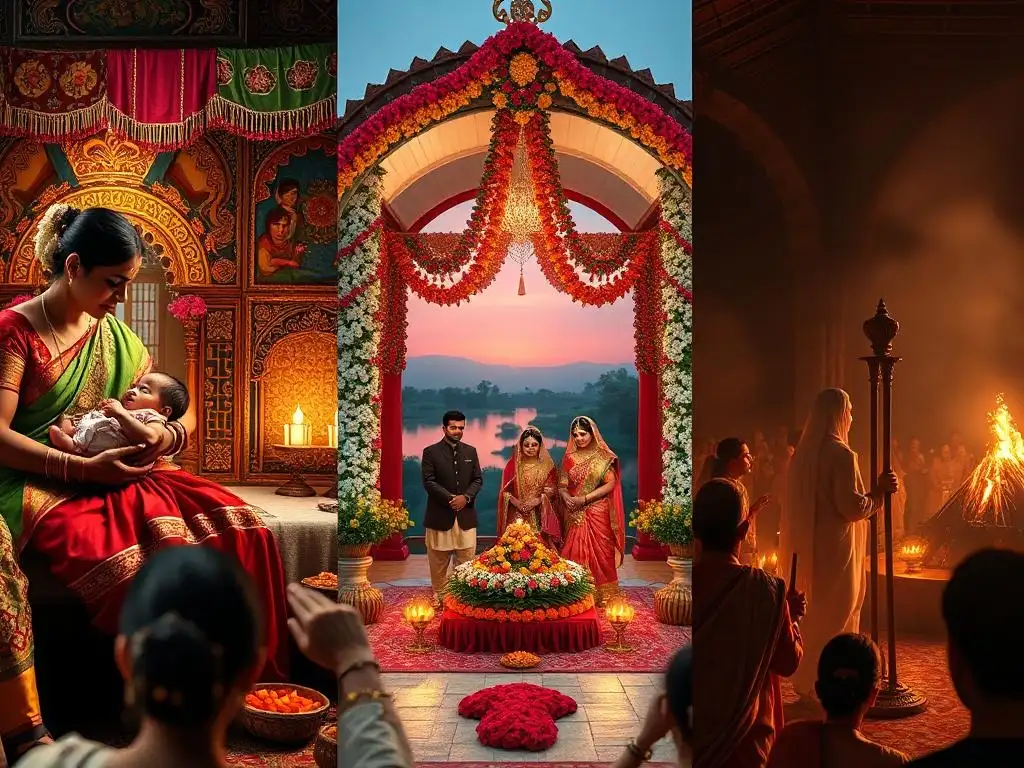
Welcome to Ancient India History, where we embark on a fascinating journey through the vibrant tapestry of one of the world's oldest civilizations. Here, we delve into the rich traditions and cultural practices that have shaped ancient Indian society, particularly focusing on ancient Indian transition rituals. Ever wondered how birth, marriage, and death were celebrated and honored in the ancient world?
Our featured article, "Rituals of Transition: Birth, Marriage, and Death in Ancient India," invites you to explore these profound ceremonies that connect generations and reflect the deep-rooted beliefs of the time. Join us as we uncover the stories behind these rituals and their significance in the grand narrative of ancient India. Your adventure into the past begins now!
- Introduction to Ancient Indian Transition Rituals
- Birth Rituals in Ancient India
- Marriage Rituals in Ancient India
- Death Rituals in Ancient India
- Comparison of Transition Rituals Across Different Regions
- Conclusion: The Enduring Legacy of Ancient Indian Transition Rituals
-
Frequently Asked Questions
- What are the main transition rituals in ancient India?
- How did birth rituals vary in ancient Indian cultures?
- What role did marriage rituals play in ancient Indian society?
- How were death rituals conducted in ancient India?
- Why are transition rituals important for understanding ancient Indian culture?
- Final Reflection: The Enduring Legacy of Ancient Indian Transition Rituals
- Embrace the Journey: Transform Your Understanding of Ancient Indian Rituals
Introduction to Ancient Indian Transition Rituals
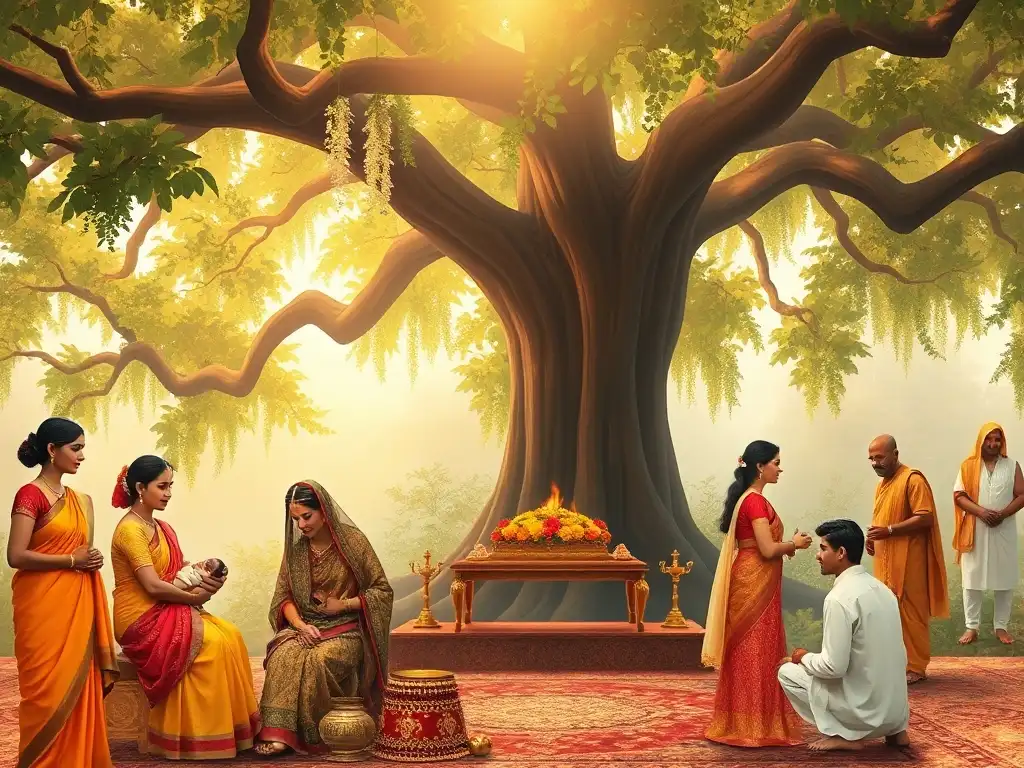
In ancient Indian culture, rituals surrounding significant life events such as birth, marriage, and death have always held a profound importance. These transition rituals, often referred to as samskaras, represent the spiritual and social milestones that mark an individual's journey through life. From the moment of birth to the solemnity of death, these ceremonies reflect the intricate beliefs, values, and traditions that shaped ancient Indian society.
They serve not only as rites of passage but also as a means to reinforce social bonds, cultural identity, and religious faith. In this article, we will explore the various facets of these ancient Indian transition rituals, delving into their meanings, significance, and the cultural practices associated with each life stage.
Understanding the Concept of Transition in Ancient Indian Culture
The concept of transition in ancient Indian culture revolves around the idea of samskaras, which are rites that purify and sanctify an individual at different stages of life. These rituals are deeply rooted in Hindu philosophy and reflect a comprehensive understanding of life as a continuum, where each phase is interconnected. Key aspects of this concept include:
- Spiritual Significance: Each transition is not merely a social event; it carries profound spiritual implications, believed to influence the individual's karma and future rebirths.
- Cultural Identity: These rituals are essential for maintaining cultural continuity, passing down traditions and values from one generation to the next.
- Community Involvement: Transition rituals often involve the participation of family and community members, fostering social cohesion and support networks.
Through these lenses, the ancient Indian approach to transition highlights the intricate relationship between individual experiences and collective cultural practices.
Importance of Birth, Marriage, and Death in Ancient Indian Society
The rituals associated with birth, marriage, and death are fundamental to the social fabric of ancient Indian society, each serving unique purposes and embodying specific cultural values:
- Birth Rituals:
- Celebrated with great enthusiasm, birth rituals symbolize the arrival of a new life and the continuation of family lineage.
- Key ceremonies, such as Jatakarma (the welcoming of the newborn) and Namakarana (naming ceremony), reflect the joyous occasion and the community's role in nurturing the new member.
- Marriage Rituals:
- Marriages in ancient India were not simply personal unions but were considered sacred covenants that held significant social implications.
- Rituals like Saptapadi (the seven steps) and Mangal Sutra (the sacred thread) signify the commitment and responsibilities shared by the couple, with prayers for their prosperity and happiness.
- Death Rituals:
- Death rituals, or Antyesti, are marked by solemnity and reverence, emphasizing the cycle of life and the belief in reincarnation.
- These rites are essential for ensuring the peace of the departed soul and maintaining the spiritual well-being of the living, reflecting the deep respect for ancestors and the continuity of family legacy.
The transition rituals surrounding birth, marriage, and death are pivotal in shaping the identity and values of ancient Indian society. They not only facilitate individual growth but also strengthen communal ties, ensuring the perpetuation of cultural heritage through generations.
Birth Rituals in Ancient India
Pre-Natal Ceremonies: Significance and Practices
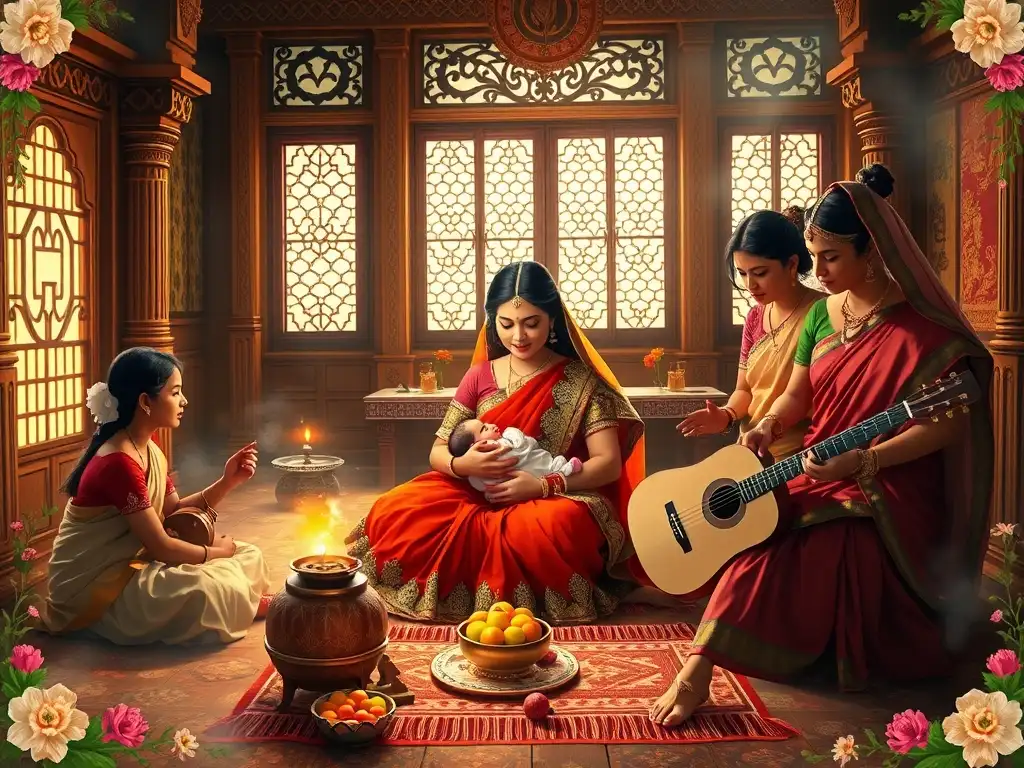
In ancient Indian culture, pre-natal ceremonies were considered crucial for ensuring the well-being of both the mother and the unborn child. These rituals, primarily observed during the pregnancy period, were imbued with spiritual significance and were believed to influence the health and destiny of the child. One of the most prominent pre-natal rituals is the Garbhadhana, which symbolizes the sanctification of conception.
The Garbhadhana ceremony involved elaborate prayers and offerings to deities, invoking blessings for a healthy pregnancy. Alongside this, the Pumsavana ritual was performed, usually in the third month of pregnancy, aimed at ensuring the birth of a healthy child, preferably a male. These rituals often included:
- Prayers and Mantras: Reciting specific Vedic hymns to invoke divine protection.
- Purification Practices: The expectant mother would undergo cleansing rituals to prepare her spiritually and physically for motherhood.
- Dietary Restrictions: Mothers adhered to specific diets believed to promote the health of the fetus.
These ceremonies were not merely cultural practices; they were interwoven with the spiritual fabric of society, reflecting the high value placed on family and lineage in ancient Indian civilization.
The Jatakarma: Welcoming the Newborn
The Jatakarma ceremony is one of the most significant rituals following the birth of a child in ancient India. This rite of passage marks the child's entry into the world and is an occasion for immense joy and celebration. The Jatakarma typically takes place on the day of birth or shortly thereafter and involves several key practices:
- First Sounds and Words: The father, or a respected elder, would whisper the sacred syllable "Om" into the newborn's ear, symbolizing the initiation of the child into the world of sounds and communication.
- Ritual Bathing: The newborn would be bathed with sacred water, often infused with herbs, to cleanse and purify the child, as well as to invoke blessings from various deities.
- Offering to Deities: An offering, usually consisting of rice and ghee, would be made to the deities, reflecting gratitude and seeking blessings for the child's future.
- Astrological Considerations: The astrological horoscope of the newborn was often prepared, with the family consulting astrologers to determine auspicious names and future predictions.
The Jatakarma ritual not only welcomed the newborn into the family but also reinforced the bonds of kinship and community, emphasizing the importance of lineage in ancient Indian society.
Naming Ceremony: The Importance of Names in Ancient Indian Culture
The naming ceremony, known as Namakarana, is a pivotal ritual in ancient Indian tradition that underscores the significance of names in shaping identity and destiny. This ceremony typically occurs on the 11th day after birth, although it can vary depending on regional customs. The importance of names is deeply rooted in the belief that a name carries the essence of an individual's character and fate.
Key elements of the Namakarana ceremony include:
- Selection of Names: The name is often chosen based on astrological considerations, family traditions, or meaningful attributes that parents wish to impart to their child. Names might be derived from sacred texts, nature, or virtues.
- Ceremonial Rituals: The ceremony involves the recitation of mantras and blessings from priests, aimed at invoking divine protection for the child.
- Feasting and Celebration: The family hosts a gathering to celebrate the occasion, often involving music, dance, and feasting, thereby reinforcing social bonds and community ties.
- Cultural Significance: In ancient Indian society, names were believed to influence a child's personality and life path. Thus, the thoughtful selection of a name was seen as an act of profound responsibility by the parents.
The Namakarana ceremony not only reflects the cultural values of ancient India but also highlights the deep connection between identity, spirituality, and community in the context of ancient Indian transition rituals.
Marriage Rituals in Ancient India
The Concept of Marriage in Ancient Indian Society
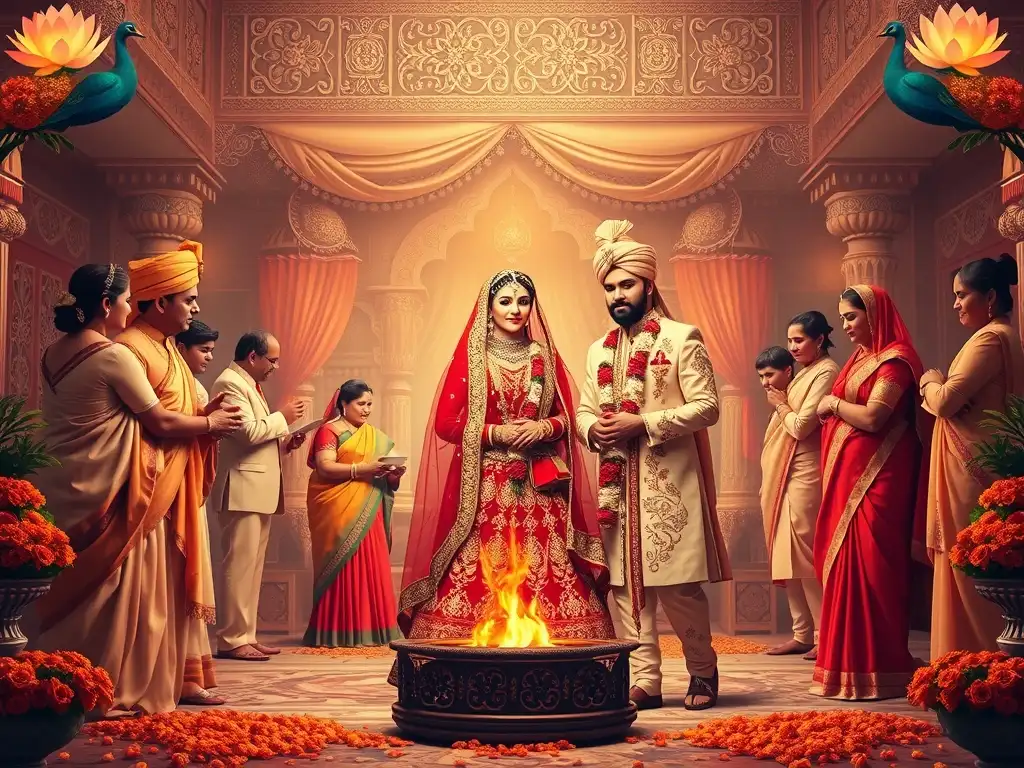
Marriage in ancient Indian society was not merely a union of two individuals; rather, it was a significant social contract that intertwined familial ties, economic stability, and cultural preservation. The institution of marriage was deeply rooted in Dharma, which refers to moral and ethical duties. In this context, marriage was seen as a means to uphold societal norms and ensure the continuity of family lineage.
Families played a pivotal role in the marriage process, often prioritizing alliances that would enhance their social standing. Arranged marriages were the norm, where parents selected partners based on caste, economic status, and compatibility. This practice ensured that marriages were viewed as a means of strengthening family bonds rather than just personal relationships.
Moreover, marriage also held spiritual significance. It was believed that a successful marriage could lead to spiritual growth and fulfillment. Texts like the Manusmriti and Kamasutra outline the importance of marital duties, emphasizing the need for mutual respect and cooperation between spouses. This perspective reflects the holistic nature of ancient Indian transition rituals, where personal, social, and spiritual dimensions were intricately linked.
Pre-Wedding Rituals: Engagement and Preparation
The pre-wedding phase in ancient Indian marriages was marked by several rituals that varied across regions and communities but shared common themes of celebration and preparation.
- Engagement Ceremony (Sagai): This involved a formal agreement between families, often symbolized by the exchange of gifts and rings. The engagement marked the beginning of a new relationship, setting the stage for the upcoming wedding.
- Mehendi Ceremony: A significant and joyous occasion where intricate henna designs were applied to the bride’s hands and feet. This ritual not only beautified the bride but also symbolized fertility and the arrival of good fortune.
- Haldi Ceremony: In this ritual, turmeric paste was applied to both the bride and groom. This practice was believed to purify them and bring health and beauty, preparing them for their new life together.
- Baraat (Groom’s Procession): The groom’s family would celebrate his journey to the bride’s home, often accompanied by music and dance. This was a moment of pride for the groom’s family, showcasing their joy and festivity.
These pre-wedding rituals were not only essential for the couple but also served to reinforce familial and community bonds, making them integral to the concept of ancient Indian transition rituals.
The Wedding Ceremony: Key Rituals and Their Meanings
The wedding ceremony itself was a profound and multifaceted event, incorporating various rituals that held deep meanings in ancient Indian culture. Here are some key rituals:
- Kanyadaan: This ritual involved the bride’s father giving her away to the groom, symbolizing the transfer of responsibility and care. It reflected the trust placed in the groom to protect and cherish the bride.
- Saptapadi (Seven Steps): The couple would take seven vows together, each representing a promise of loyalty, love, and companionship. As they walked together, they symbolized their union not just in this life, but also in future incarnations.
- Mangal Sutra: The groom would tie a sacred thread around the bride's neck, representing their marital bond. This act was imbued with spiritual significance, as the thread was believed to protect the couple from evil.
- Aashirvad (Blessings): After the completion of the wedding rituals, family members would bless the couple, wishing them prosperity, happiness, and harmony. This communal aspect emphasized the collective support of the extended family in the couple's new journey.
These rituals served as a transition point for individuals from their parental homes into a new family unit, encapsulating the essence of ancient Indian transition rituals. The wedding was not just a personal milestone but a societal event that reinforced cultural values and traditions, ensuring that the legacies of ancient Indian civilizations endured.
Post-Wedding Rituals: Integration into New Families
Post-wedding rituals in ancient India were crucial for the seamless integration of the bride into her new family. These ceremonies not only symbolized the union of two individuals but also the merging of two families, each with its unique customs and traditions. The significance of these rituals can be observed in various cultural practices across different regions of India.
One of the most prominent post-wedding rituals was the Griha Pravesh, or the entrance of the bride into her new home. This sacred ceremony was marked by the bride being welcomed with aarti, where family members performed a ritual of worship by circling a lit lamp in front of her. As she stepped inside, she would often knock over a pot filled with rice, symbolizing prosperity and abundance. This act was believed to ward off any negative energies and bring good fortune to the household.
Following the Griha Pravesh, the newlyweds would engage in the Panchangam, a ritual that involved consulting a Hindu calendar to determine auspicious timings for various activities in their new life together. This practice demonstrated the importance of astrology and timing in ancient Indian culture, ensuring that their married life would be blessed with harmony and success.
The Saptapadi, or seven steps, was another vital ritual in this phase. It involved the couple taking seven steps together, each step representing a specific vow they made to support each other in various aspects of life. This ceremony reinforced the commitment between the couple and was often accompanied by prayers for love, fidelity, and mutual respect.
Moreover, the integration into the new family was also marked by community celebrations, where both families would host feasts and gatherings. These events were not only a way to celebrate the union but also to strengthen social bonds and establish relationships between the two families. The exchange of gifts and blessings was customary, symbolizing goodwill and a shared future.
Post-wedding rituals in ancient India served as integral components in the transition from single life to married life. They facilitated the bride's acceptance into her new family, emphasized the importance of family ties, and established a foundation for the couple's new life together. Through these rituals, the rich tapestry of ancient Indian culture and traditions was woven, highlighting the significance of family, community, and spiritual beliefs in the journey of marriage.
Death Rituals in Ancient India
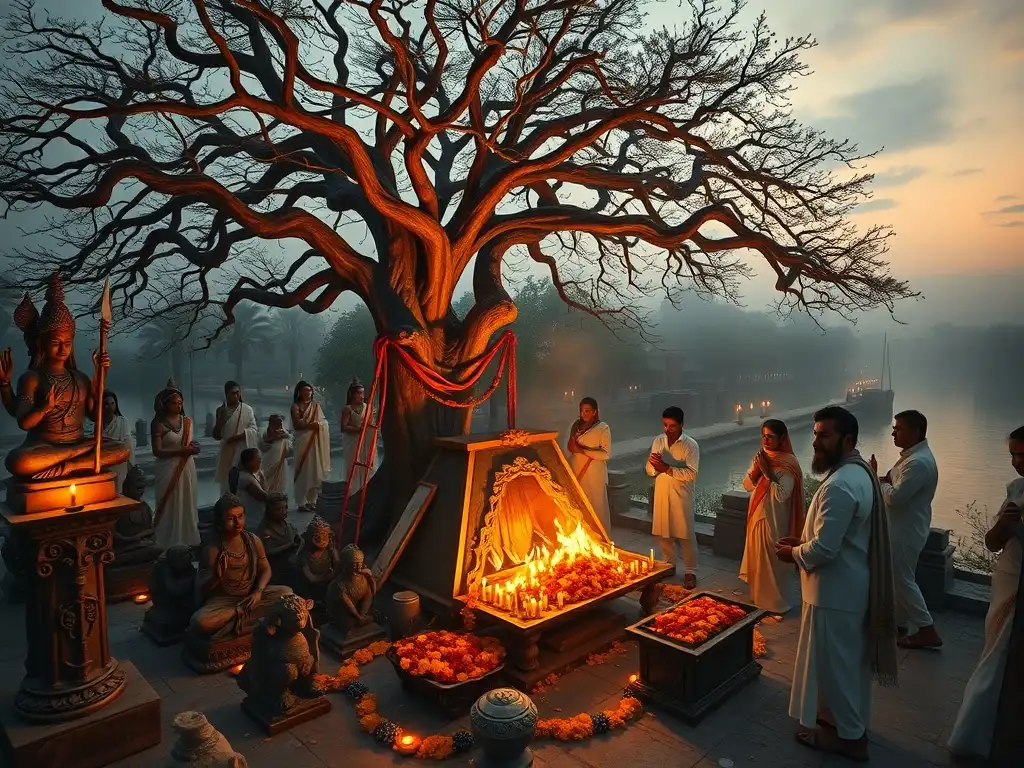
The Concept of Death and Afterlife in Ancient Indian Beliefs
In ancient Indian beliefs, death was not viewed as an end but rather as a transition to another state of existence. This perspective was deeply rooted in the concepts of samsara (the cycle of birth, death, and rebirth) and karma (the law of moral causation). According to these beliefs, a soul undergoes numerous lifetimes, accumulating karma that influences its next incarnation.
Hindu scriptures, particularly the Upanishads and the Bhagavad Gita, articulate a vision of the afterlife where the soul (atman) is eternal and indestructible. Upon death, the atman leaves the physical body to enter a new one, a process that is guided by the karma accumulated during previous lives. This cycle continues until the soul achieves moksha, or liberation, freeing itself from the cycle of samsara.
In ancient texts, various paths to moksha are prescribed, including knowledge (jnana), devotion (bhakti), and righteous action (karma). These differing paths reflect the diverse beliefs and practices surrounding death and afterlife in ancient Indian culture, influencing how transition rituals were performed.
Antyesti: The Last Rites and Their Significance
The Antyesti ritual, often referred to as the last rites or last sacrifices, is a critical component of death rituals in ancient India. This ceremony is characterized by its comprehensive nature, encompassing various practices designed to ensure the peaceful transition of the deceased into the afterlife.
- Preparation of the Body: The body is typically bathed, adorned with flowers, and dressed in new garments. This preparation is essential as it signifies respect for the deceased and facilitates a smooth transition.
- Funeral Procession: The corpse is carried to the cremation ground, accompanied by family members and friends who sing hymns and recite prayers. This procession acts as a communal acknowledgment of the loss and a celebration of the life that has passed.
- Cremation and Rituals: Upon reaching the cremation site, specific rituals are performed, including offering oblations (pinda) to the deceased, which are believed to provide nourishment in the afterlife. The eldest son typically performs the final rites, lighting the funeral pyre with the mantra, “ Agni, you are the light of the world,” symbolizing the journey of the soul.
- Post-Cremation Practices: After cremation, the ashes are collected and often scattered in sacred rivers or places, as water is considered purifying and sacred. This act signifies both a return to nature and the release of the soul.
Antyesti is not merely a ritual; it reflects profound cultural values centered on respect for the dead and the belief in life beyond death, reinforcing the significance of familial obligations and societal roles during the transition from life to afterlife.
Mourning Practices: Customs and Traditions Following Death
Following the completion of Antyesti, ancient Indian societies observed a period of mourning characterized by various customs and traditions that varied across regions and communities. These practices served to honor the deceased and support the bereaved.
- Mourning Period: The primary mourning period, known as shraaddha, often lasts for 10 to 13 days, during which the family refrains from participating in joyful events and rituals. This time is dedicated to remembering the deceased and conducting rituals to ensure their peace in the afterlife.
- Ritual Offerings: Throughout the mourning period, families perform rituals to offer food and water to the deceased, believed to provide nourishment for the soul. These offerings are typically made during specific times, often coinciding with the lunar calendar.
- Symbolic Mourning Attire: Family members often wear white or muted clothing during this period as a symbol of mourning. This practice reflects respect and the somber mood associated with loss.
- Community Support: The community plays a crucial role during mourning. Friends and relatives often visit to express condolences and provide support, reinforcing social bonds and communal ties.
- Post-Mourning Rituals: At the conclusion of the mourning period, families may conduct a shraaddha ceremony, where they invite Brahmins to perform rituals in honor of the deceased. This ceremony is believed to ensure the soul's peaceful journey in the afterlife.
These mourning practices highlight the significance of familial and societal support during times of loss and serve as a reminder of the enduring connections between the living and the dead in ancient Indian culture. The customs surrounding death rituals not only reflect the spiritual beliefs of the time but also emphasize the importance of community cohesion in the face of grief.
Comparison of Transition Rituals Across Different Regions
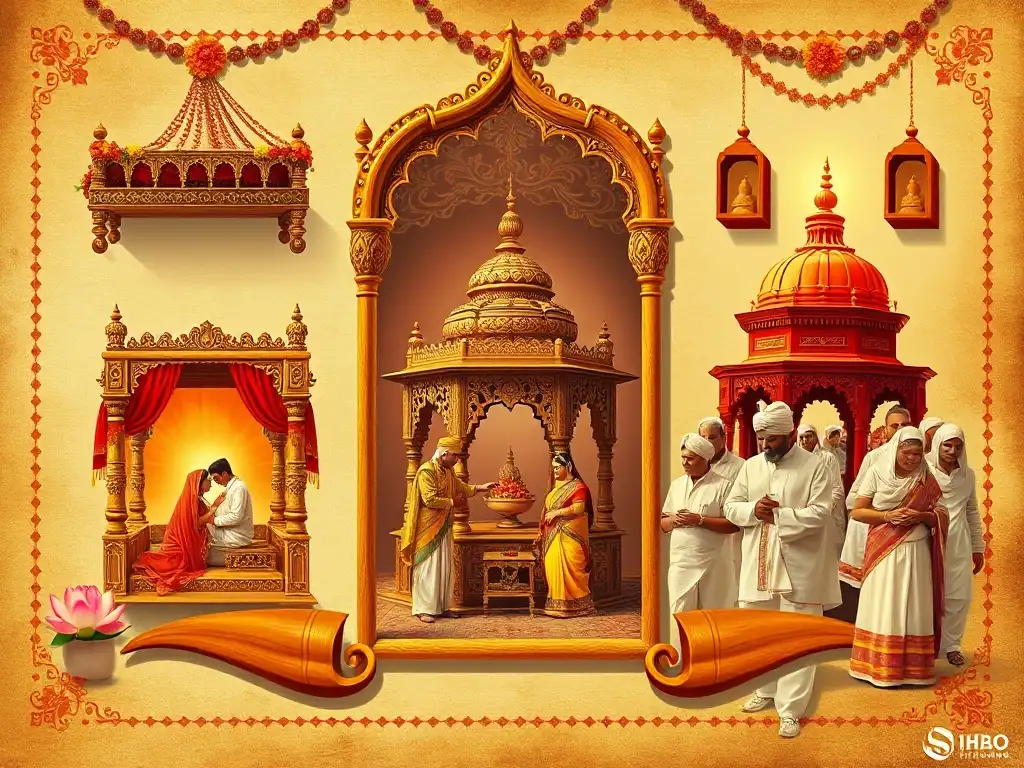
The transition rituals of birth, marriage, and death in ancient India showcase a rich tapestry of cultural practices that vary significantly across different regions. These rituals, steeped in tradition and local beliefs, reflect the diverse socio-cultural fabric of the Indian subcontinent. Understanding these regional variations not only highlights the significance of these rituals but also illustrates how they are intertwined with the identity and values of various communities.
Regional Variations in Birth Rituals
Birth rituals in ancient India were often elaborate and varied widely across regions. These rituals served to celebrate the arrival of a new life and to secure the child's well-being.
- North India: In regions like Punjab and Uttar Pradesh, the 'Jatakarma' ceremony was performed, which involved the father whispering the child's name into their ear, symbolizing the child's first interaction with the world. This was often accompanied by the recitation of sacred texts.
- South India: In Tamil Nadu, the 'Seemantham' ritual was significant, where the mother-to-be was honored with special prayers and offerings. This ceremony, performed in the seventh month of pregnancy, was aimed at ensuring the health of both the mother and child.
- West India: In Gujarat, the 'Mangal Fera' is a ritualistic celebration held after childbirth where family and friends gather to bless the mother and child, often accompanied by folk songs and dances.
- East India: In Bengal, the 'Bashor Ghar' tradition involved the mother and newborn being housed in a special room, where rituals and offerings were made to deities to protect them from evil spirits.
These diverse practices illustrate how birth rituals were tailored to local beliefs, emphasizing community involvement and spiritual safeguarding.
Distinct Marriage Practices in Various Indian Cultures
Marriage rituals in ancient India were equally varied, with each region having its unique customs and ceremonies that reflect local traditions and societal norms.
- North India: The 'Saptapadi' (seven steps) is a significant ritual in North Indian weddings, where the couple takes seven steps together, each representing a vow they make to each other. The ceremony is often accompanied by a grand feast and vibrant celebrations.
- South India: In Tamil weddings, the 'Kashi Yatra' is a fascinating ritual where the groom pretends to leave for Kashi (a holy city) in search of knowledge, only to be persuaded by the bride's father to marry his daughter instead. This reflects the importance of education and marital commitment.
- West India: In Maharashtrian weddings, the 'Haldi' ceremony involves applying turmeric paste to the bride and groom, believed to bless them with beauty and health. This custom is not only a pre-wedding ritual but also a social gathering for family and friends.
- East India: In Bengali weddings, the 'Sindoor Daan' ceremony is crucial, where the groom applies vermilion (sindoor) to the bride’s forehead, symbolizing her new status as a married woman. This act underscores the cultural significance of marital fidelity and the bride's new role.
These varied marriage practices reflect the deep-rooted customs that govern social unions in different regions, showcasing the unique identities of communities within ancient India.
Death Rituals: A Comparative Study of Different Communities
The death rituals in ancient India are perhaps the most profound expression of cultural beliefs and values, with practices varying greatly among different communities.
- North India: Hindu cremation rituals, particularly in regions like Varanasi, involve the 'Antyesti' (last rites) where the body is cremated on the banks of the Ganges. This practice symbolizes the cycle of life and the belief in moksha (liberation).
- South India: In Tamil Nadu, elaborate rituals are performed over several days, including the 'Shuddhi' (purification) ceremony that occurs before the final rites. Family members participate in rituals that honor the deceased and ensure their peaceful passage to the afterlife.
- West India: In Maharashtra, the 'Ushapati' ritual involves the family members engaging in prayers and offerings to the deceased's soul. The community plays a vital role in supporting the bereaved family, reflecting the collective nature of mourning.
- East India: In Bengal, the 'Bishorjon' ritual involves immersing the deceased in the Ganges, symbolizing the return to the cosmic source. The community gathers to support the family, emphasizing the importance of social solidarity during grief.
These death rituals not only highlight the diverse beliefs related to mortality and the afterlife but also demonstrate how communities come together to support each other in times of loss.
The comparison of ancient Indian transition rituals—spanning birth, marriage, and death—reveals a rich diversity of practices that are deeply rooted in the cultural and spiritual life of various regions. Each ritual serves as a vital connection to identity, community, and the overarching belief systems that have defined ancient Indian civilizations.
Conclusion: The Enduring Legacy of Ancient Indian Transition Rituals
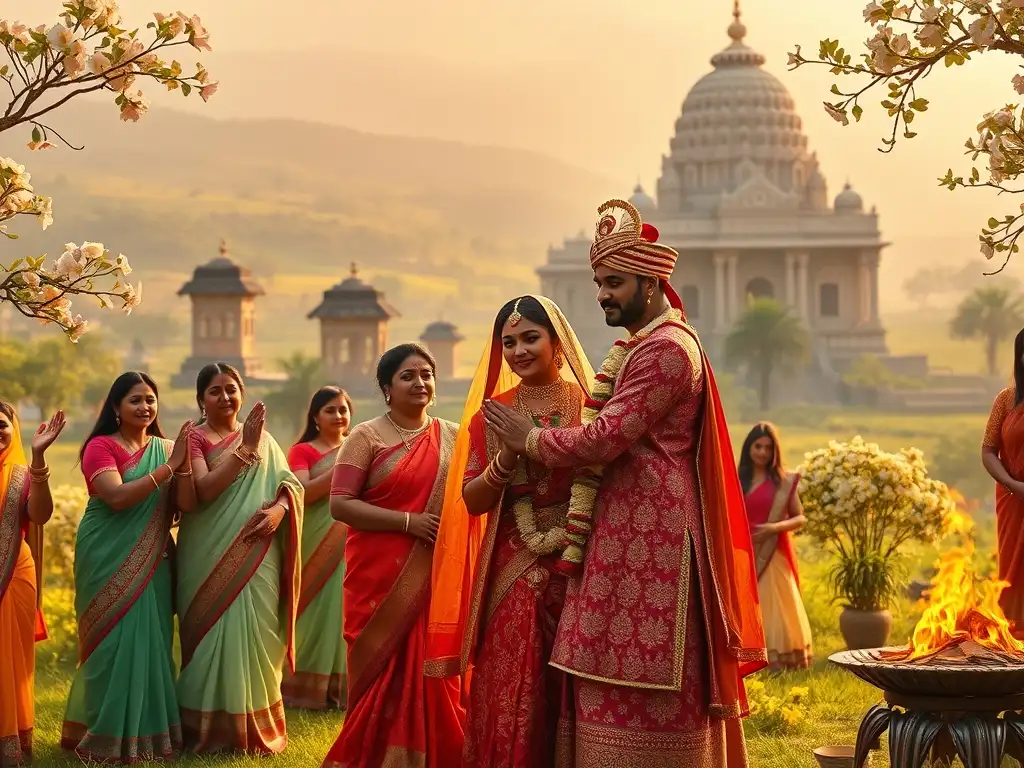
The legacy of ancient Indian transition rituals—encompassing birth, marriage, and death—continues to resonate throughout the cultural tapestry of contemporary Indian society. These rituals are not only significant in marking individual life events but also serve as a reflection of the values, beliefs, and social structures that have persisted through centuries. The intricate ceremonies associated with these transitions highlight both the continuity and evolution of cultural practices, showcasing a blend of tradition and modernity.
Reflections on the Cultural Significance of Birth, Marriage, and Death
The rituals surrounding birth, marriage, and death in ancient India were deeply intertwined with the social fabric, reflecting the beliefs and values of the time.
- Birth Rituals: The arrival of a child was celebrated with elaborate rites, such as the Jatakarma, which symbolized the child's entry into the world. These rituals were imbued with prayers for health and prosperity, emphasizing the community's role in nurturing the new life.
- Marriage Rituals: Marriage was viewed as a sacred union not only between individuals but also between families. The Saptapadi, or seven steps taken by the couple, symbolized their commitment and shared responsibilities. This rite underscored the importance of family lineage and social obligations, reinforcing the communal aspect of the union.
- Death Rituals: The Antyesti, or last rites, were crucial in ensuring a smooth transition for the deceased's soul. These rituals were guided by a belief in the cycle of birth and rebirth, emphasizing the importance of honoring ancestors. The communal support during these rites showcased the interconnectedness of society, as friends and family gathered to mourn and celebrate the life of the departed.
The cultural significance of these rituals lies in their ability to reinforce social bonds and maintain the continuity of tradition. They served as a means to impart moral values, preserve cultural identity, and foster a sense of belonging within the community.
The Influence of Ancient Indian Transition Rituals on Modern Practices
The influence of ancient Indian transition rituals is evident in many modern practices across diverse communities in India. While some traditions have evolved, the essence of the rituals remains intact.
- Adaptation in Ceremonies: Many contemporary ceremonies still reflect the core elements of ancient practices. For instance, modern weddings often incorporate traditional rites such as the Mangalsutra and Sindoor, which hold significant cultural meaning.
- Cultural Festivals: Festivals that celebrate life transitions, like Holi and Diwali, have roots in ancient rituals, emphasizing themes of renewal and celebration. These festivals provide a platform for communities to engage with their heritage while adapting to contemporary values.
- Social Significance: The communal aspects of ancient rituals continue to influence modern gatherings. Birth and marriage celebrations remain communal events, reinforcing social ties and shared cultural identity. Death rituals, too, maintain their significance, with families often coming together to honor their loved ones, reflecting the enduring importance of these practices.
The ancient Indian transition rituals have left an indelible mark on modern practices, preserving the essence of cultural heritage while adapting to the changes of contemporary society. The interplay between ancient customs and modern interpretations highlights the resilience of these traditions, ensuring their relevance in today’s world.
Frequently Asked Questions
What are the main transition rituals in ancient India?
The main transition rituals in ancient India include those related to birth, marriage, and death, reflecting the significance of these life stages in society.
How did birth rituals vary in ancient Indian cultures?
Birth rituals often included ceremonies such as Jatakarma and Namakarana, which celebrated the arrival of a child and marked their naming, emphasizing the importance of a child's place in the family and society.
What role did marriage rituals play in ancient Indian society?
Marriage rituals were crucial for uniting families and preserving social order, often involving elaborate customs such as Saptapadi, where the couple takes seven steps together, symbolizing their commitment.
How were death rituals conducted in ancient India?
Death rituals in ancient India typically involved ceremonies like Antyesti (last rites), which ensured the proper passage of the deceased's soul and reinforced the belief in an afterlife.
Why are transition rituals important for understanding ancient Indian culture?
Studying transition rituals provides insights into the values, beliefs, and social structures of ancient Indian civilizations, highlighting their cultural richness and diversity.
Final Reflection: The Enduring Legacy of Ancient Indian Transition Rituals
The rituals of transition—birth, marriage, and death—serve as profound markers of life's journey, deeply rooted in the cultural fabric of ancient India. Today, as we navigate a rapidly changing world, these rituals remind us of the significance of honoring life’s pivotal moments. They are not merely traditions of the past but living practices that continue to shape our identities and connections in contemporary society.
The influence of ancient Indian transition rituals extends beyond their historical context, resonating through our cultural and social landscapes. These rituals foster a sense of community, continuity, and belonging, bridging generations and offering solace in times of change. As we reflect on their importance, we can recall the words of the philosopher Jiddu Krishnamurti: Tradition becomes our security, and when the mind is secure, it is in decay.
This highlights the delicate balance between honoring our heritage and embracing the evolution of our practices in a modern context.
As you ponder the lessons embedded in these ancient rituals, I invite you to consider how you can incorporate their wisdom into your own life. Reflect on your own transitions—whether they be personal milestones or collective experiences—and think about how you can honor them meaningfully. By embracing the essence of these rituals, you can create a deeper connection to your own journey and those around you, fostering a sense of unity and understanding in an ever-changing world.
Embrace the Journey: Transform Your Understanding of Ancient Indian Rituals
Thank you for exploring the profound rituals of transition that shaped the lives and beliefs of ancient Indians. You've uncovered the significance of birth, marriage, and death in their rich cultural tapestry. Now, it's time to take action and deepen your connection to this fascinating history!
Here are some ways you can engage further with this topic:
- Join a local or online discussion group focused on ancient cultures to share insights and learn from others who are passionate about history.
- Visit a museum that features exhibits on ancient India, where you can explore artifacts and gain a deeper appreciation for these rituals in person.
- Document your own family's rituals and reflect on how they mirror or differ from those in ancient traditions, sparking a personal exploration of your cultural heritage.
What aspect of ancient Indian rituals resonates most with you, and how can it inspire your own personal practices today?