
The Spiritual Geography of Ancient Indian Rituals and Festivals

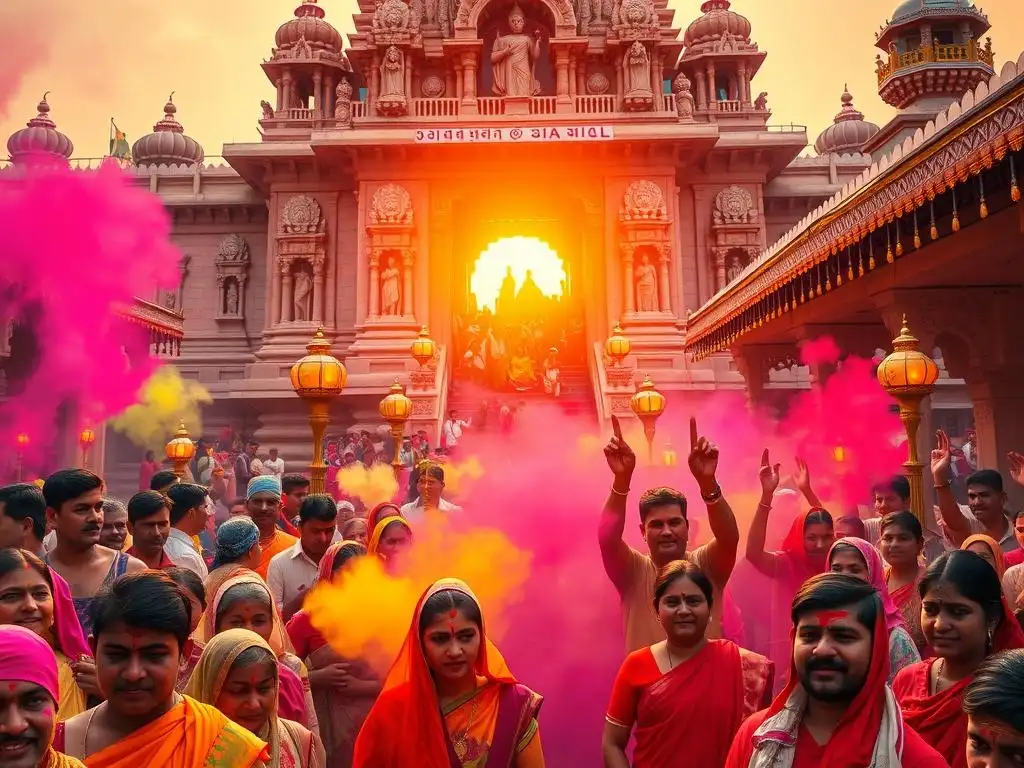
Welcome to Ancient India History, where we embark on an enlightening journey through the rich tapestry of ancient Indian civilizations. As we delve into our featured article, The Spiritual Geography of Ancient Indian Rituals and Festivals, prepare to uncover the profound significance of these age-old customs that shaped societal bonds and spiritual beliefs. What mysteries lie behind the vibrant celebrations and sacred practices of the past?
Join us as we explore the fascinating world of ancient Indian rituals and festivals, and discover how they continue to influence our lives today. Your adventure into the heart of India's heritage begins now!
Introduction to Ancient Indian Rituals and Festivals
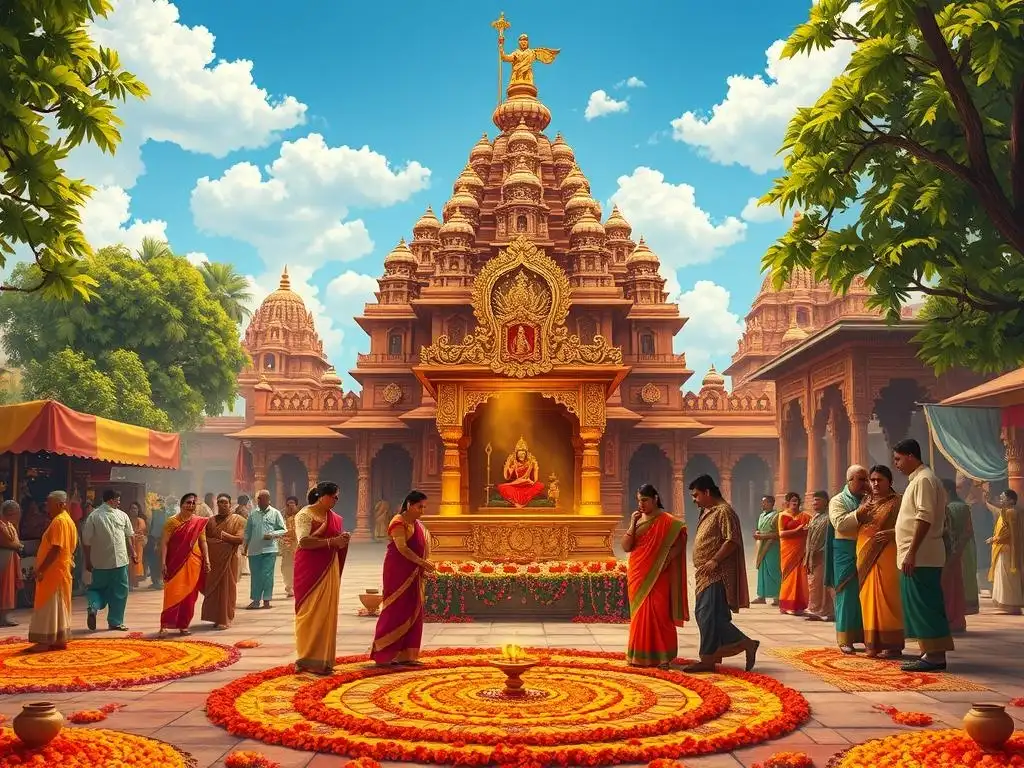
The rich tapestry of ancient Indian rituals and festivals serves as a profound reflection of the spiritual and cultural ethos of the subcontinent. This intricate heritage, spanning thousands of years, encompasses a myriad of practices, each imbued with deep significance and communal values. From the solemnity of rituals honoring deities to the jubilant celebrations marking seasonal changes, these traditions illuminate the interplay between daily life and spirituality in ancient India. In this exploration, we will delve into the spiritual geography that shaped these practices, providing insight into how ancient Indians expressed their beliefs through various rituals and festivals.
The Significance of Spirituality in Ancient India
Spirituality in ancient India was not merely a personal pursuit; it was intricately woven into the fabric of society. The concept of dharma (duty) guided individuals in their actions, influencing their participation in communal rituals and festivals. These events often served as a means of seeking blessings, expressing gratitude, and reinforcing social bonds within communities. The spiritual landscape was diverse, encompassing various philosophies and practices, from the Vedic traditions to the mystical insights of texts like the Upanishads.
- Key Aspects of Spirituality:
- Dharma: The moral law governing individual conduct.
- Karma: The belief in action and its consequences.
- Moksha: The pursuit of liberation from the cycle of rebirth.
Overview of Major Rituals and Festivals in Ancient Indian Culture
Ancient Indian culture was punctuated by a rich array of rituals and festivals, each serving distinct purposes and reflecting the agricultural, seasonal, and cosmic rhythms of life. Some of the most notable include:
- Diwali: The Festival of Lights, symbolizing the victory of light over darkness.
- Holi: The Festival of Colors, celebrating the arrival of spring and the triumph of good over evil.
- Makar Sankranti: A harvest festival marking the transition of the sun into the zodiac sign of Capricorn.
These celebrations often integrated local customs and beliefs, showcasing the diversity within ancient Indian spirituality.
Historical Context of Ancient Indian Rituals
Understanding the historical context of ancient Indian rituals requires an exploration of the evolution of these practices over time. The rituals were not static; they transformed with changing societies, beliefs, and geographical influences.
Evolution of Rituals in Ancient Indian Civilizations
The evolution of rituals in ancient India can be traced back to the Indus Valley Civilization, where archaeological findings suggest early forms of worship and ritualistic practices. As societies developed, particularly during the Vedic period, rituals became more formalized, with the introduction of complex ceremonies, sacrifices, and hymns. The later periods, including the rise of the Maurya and Gupta Empires, witnessed an amalgamation of regional practices and the incorporation of new philosophies, such as Buddhism and Jainism, further diversifying the ritual landscape.
- Key Periods of Evolution:
- Indus Valley Civilization: Early evidence of ritual practices.
- Vedic Period: Codification of rituals in sacred texts.
- Maurya and Gupta Empires: Synthesis of regional and philosophical influences.
Influence of Geography on Ritual Practices
The geographical diversity of India significantly influenced its ritual practices. From the snow-capped Himalayas to the tropical coasts of the south, each region developed unique festivals and rituals that resonated with the local environment. Seasonal changes dictated many celebrations, with harvest festivals being central to agrarian communities. Additionally, the spiritual geography, marked by rivers, mountains, and sacred sites, played a crucial role in shaping the rituals, as these natural elements were often revered and incorporated into ceremonial practices.
- Geographical Influences:
- Rivers: Sacred rivers like the Ganges became central to purification rituals.
- Mountains: Peaks like the Himalayas were seen as abodes of gods.
- Seasons: Festivals often aligned with agricultural cycles, celebrating sowing and harvest times.
Through the lens of geography, we gain deeper insight into how ancient Indian rituals and festivals were not only expressions of faith but also reflections of the land and its people.
Major Ancient Indian Festivals and Their Spiritual Significance
Ancient Indian rituals and festivals are deeply intertwined with the cultural and spiritual fabric of the civilization. Each festival not only marks a specific time of the year but also reflects the beliefs, values, and practices of the people. The celebration of these festivals often involves elaborate rituals, offerings, and communal gatherings, creating a sense of unity and shared identity among participants.
The significance of these festivals goes beyond mere celebration; they are moments for reflection, connection with the divine, and renewal of social bonds. They often align with celestial events or agricultural cycles, emphasizing the relationship between human life and the cosmos. Understanding the major festivals provides insight into how ancient Indians viewed their world and their place within it.
Vedic Festivals: A Connection to the Cosmos
Vedic festivals are some of the earliest recorded observances in ancient India, rooted in the rituals described in the Vedas, the oldest scriptures of Hinduism. These festivals often celebrate deities associated with natural elements, such as Agni (fire), Indra (rain), and Surya (sun).
One of the most prominent Vedic festivals is Makar Sankranti, which marks the transition of the sun into the zodiac sign of Capricorn. This festival symbolizes the end of winter and the beginning of the harvest season. Rituals performed during Makar Sankranti include taking holy dips in rivers, offering prayers to the sun, and preparing special sweets made from sesame seeds.
Another important Vedic festival is Pongal, celebrated primarily in South India. It is a harvest festival dedicated to the sun god, Surya, and involves cooking rice in new pots, symbolizing prosperity and abundance. The rituals of Pongal reflect gratitude to nature and the divine for a bountiful harvest.
These festivals illustrate the ancient Indian belief in the cyclical nature of time and the interconnectedness of life, emphasizing a harmonious relationship between humanity and the cosmos.
Harvest Festivals: Celebrating Abundance
Harvest festivals are a vibrant aspect of ancient Indian culture, celebrating the fruits of labor and the blessings of the earth. These festivals often coincide with the agricultural calendar and vary by region, reflecting local customs and agricultural practices.
Baisakhi, for instance, is celebrated in Punjab to mark the harvest of wheat. It is a time of joy and thanksgiving, with people participating in traditional dance forms like Bhangra and Gidda. Rituals include visiting gurdwaras (Sikh temples) and sharing communal meals, reinforcing community bonds.
Onam, celebrated in Kerala, is another significant harvest festival. It commemorates the homecoming of the mythical King Mahabali and includes elaborate feasts, traditional games, and floral decorations. The intricate Pookalam (flower rangoli) created during Onam symbolizes prosperity and the beauty of nature.
These festivals not only celebrate agricultural success but also serve as a reminder of the importance of sustainable living and respect for the earth.
Religious Festivals: Devotion and Community
Religious festivals in ancient India play a crucial role in fostering a sense of community and devotion among practitioners. These festivals are often dedicated to specific deities and involve a series of rituals, prayers, and offerings.
Diwali, known as the Festival of Lights, is one of the most widely celebrated religious festivals in India. It signifies the victory of light over darkness and good over evil. The rituals of Diwali include lighting oil lamps, decorating homes, and performing pujas (worship) to deities such as Lakshmi, the goddess of wealth and prosperity. This festival strengthens familial and communal ties as people come together to celebrate.
Holi, the Festival of Colors, is another prominent religious celebration that signifies the arrival of spring. It is marked by playful throwing of colored powders, singing, dancing, and communal feasting. The underlying themes of love, forgiveness, and renewal are reflected in the rituals, promoting social harmony and inclusiveness.
These religious festivals demonstrate the enduring nature of faith in ancient Indian society, where rituals serve as a means of expressing devotion and fostering community spirit.
The Role of Geography in Shaping Rituals
The geography of ancient India has significantly influenced the rituals and festivals celebrated across the subcontinent. The diverse landscapes—from mountains and rivers to plains and forests—have shaped the spiritual practices and the materials used in rituals.
Sacred Sites and Their Importance in Rituals
Geographically significant sites, such as rivers, mountains, and temples, are often regarded as sacred in ancient Indian culture. The Ganges River, for example, is not only a lifeline for millions but also a spiritual symbol of purity and liberation. Rituals such as bathing in the Ganges during festivals like Kumbh Mela highlight the river's significance, as devotees believe that the waters cleanse the soul and purify sins.
Similarly, the Himalayas are revered as the abode of deities and are integral to many religious practices. Festivals such as Maha Shivaratri, dedicated to Lord Shiva, often see thousands of pilgrims visiting sacred sites in the Himalayas for meditation and worship.
These sacred sites serve as focal points for rituals, drawing people together and reinforcing their spiritual beliefs. The geography of these locations adds layers of meaning to the rituals performed, grounding spiritual practices in the physical world.
The Influence of Natural Elements on Ritual Practices
Natural elements play a vital role in shaping the rituals and festivals of ancient India. The changing seasons, weather patterns, and agricultural cycles heavily influence the timing and nature of celebrations.
For instance, Chhath Puja is a festival dedicated to the sun god, celebrated primarily in the northern regions of India. It is observed during the winter solstice, highlighting the significance of the sun in sustaining life. Rituals include offering prayers and food to the rising and setting sun, showcasing the importance of solar worship in ancient Indian culture.
Similarly, the arrival of the monsoon season is celebrated with festivals like Teej, which honors the goddess Parvati. The rituals associated with Teej, including fasting and singing, symbolize the joy and rejuvenation brought by rain, reflecting the deep connection between natural elements and spiritual practices.
These natural influences illustrate how ancient Indian rituals and festivals are not only expressions of faith but also celebrations of the environment, emphasizing a holistic understanding of life and spirituality.
Symbolism in Ancient Indian Rituals
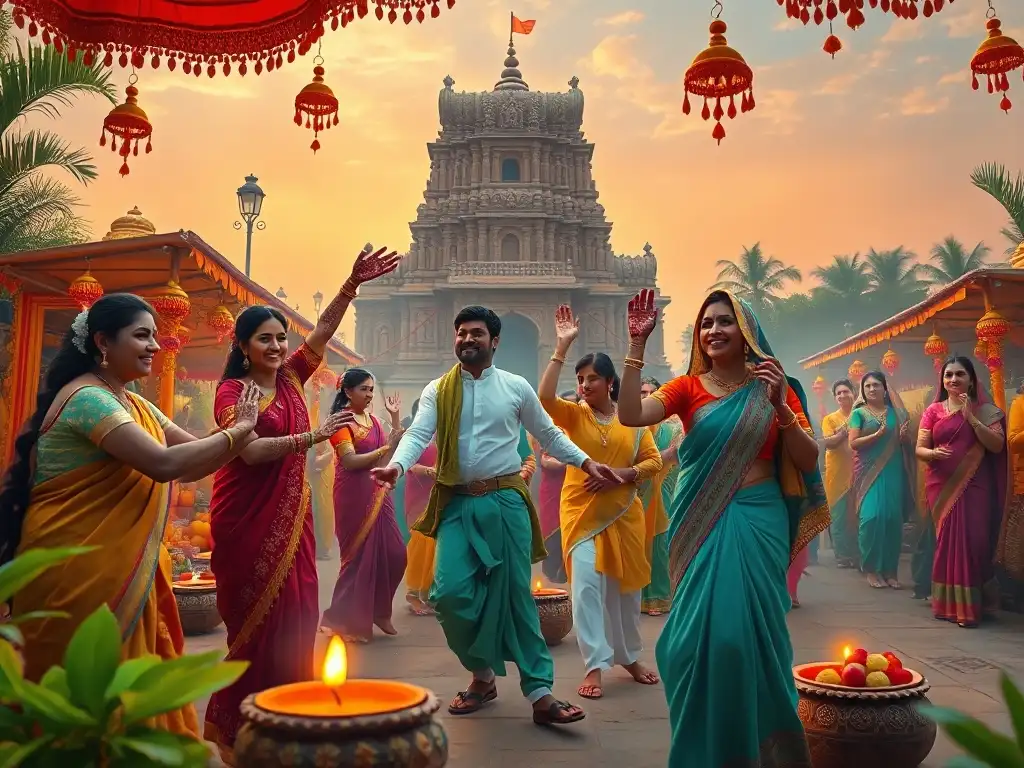
Ancient Indian rituals are deeply imbued with symbolism, reflecting the profound spiritual beliefs and cultural practices of the time. Each element of a ritual, from the materials used to the actions performed, carries specific meanings that connect participants to the divine and the universe. This intricate web of symbolism is essential for understanding how rituals functioned within ancient Indian societies and how they were used to convey philosophical concepts, social values, and spiritual insights.
The use of symbolism in rituals serves several purposes: it acts as a medium of communication with the divine, fosters a sense of community among participants, and reinforces cultural identity. For instance, the act of lighting a lamp during ceremonies symbolizes the dispelling of darkness (ignorance) and the arrival of light (knowledge). Thus, every gesture, color, and object used in rituals plays a significant role in enhancing the spiritual experience and anchoring the community in shared beliefs and values.
Colors, Symbols, and Their Spiritual Meanings
Colors hold a significant place in ancient Indian rituals, each representing various deities, emotions, and cosmic principles. For example:
- Red symbolizes purity and is often associated with the goddess Durga, embodying strength and protection.
- Yellow is linked to knowledge and learning, often used during festivals like Vasant Panchami, dedicated to Saraswati, the goddess of wisdom.
- White represents peace and purity and is commonly used in mourning rituals.
Moreover, specific symbols are integral to rituals, serving as visual representations of deeper spiritual truths. The Om symbol, for instance, represents the essence of the universe and is chanted to invoke divine presence. The lotus flower signifies spiritual enlightenment and purity, often appearing in rituals dedicated to various deities.
Understanding these colors and symbols provides insight into the mindset of ancient Indian societies and their reverence for the spiritual world, where physical actions were believed to influence the cosmos.
The Use of Offerings and Their Significance in Rituals
Offerings, or puja, are a central aspect of ancient Indian rituals, symbolizing devotion and gratitude towards deities. The materials offered can vary widely, including flowers, fruits, grains, and even symbolic items like incense and water. Each offering has its significance:
- Flowers represent beauty and transience, reminding participants of the impermanence of life.
- Fruits symbolize the rewards of one's labor and are often offered to invoke blessings for prosperity and abundance.
The act of presenting offerings is not merely transactional; it embodies the devotee's intention and emotional connection to the divine. This practice fosters a reciprocal relationship where devotees seek blessings in return for their offerings.
Moreover, the ritualistic preparation of offerings, such as the ahuti (offering to the fire), is steeped in meaning. It signifies the surrender of the self to a higher power, promoting humility and a sense of community among participants, who often share the prasad (blessed food) after rituals.
The Interconnection Between Rituals and Daily Life
The relationship between ancient Indian rituals and daily life is characterized by a seamless blend of the sacred and the mundane. Rituals were not confined to temples but were integrated into everyday practices, influencing social behaviors, agricultural cycles, and community interactions. This interconnection highlights how rituals served as a foundation for social cohesion and cultural identity.
How Festivals Influence Social Structure and Community Life
Festivals in ancient India were more than mere celebrations; they played a crucial role in shaping social structures and community life. Events such as Diwali, Holi, and Navaratri served as communal gatherings where individuals from various castes and classes came together, reinforcing social bonds.
These festivals often involved elaborate rituals that required collective participation, thereby fostering cooperation and collaboration within communities. The sharing of food, the exchange of gifts, and the participation in communal prayers not only strengthened relationships but also promoted a sense of belonging and identity among the participants.
Moreover, festivals marked seasonal changes and agricultural cycles, serving as a reminder of the interconnectedness of life. They often heralded the beginning of new agricultural seasons, prompting communal efforts in farming and harvest celebrations, further intertwining social structure with the rhythms of nature.
The Role of Rituals in Marking Life Transitions
Rituals in ancient Indian culture held significant importance in marking life transitions, such as birth, marriage, and death. These rites of passage, known as samskaras, were crucial in shaping individual identities and societal roles.
For instance, the samskara of Namakarana (naming ceremony) welcomed a newborn into the community, while Vivaha (marriage) rituals reinforced familial alliances and social ties. Each ritual was carefully crafted to ensure that the individual was recognized within the community and received blessings for their new stage of life.
Death rituals, such as Antyesti (last rites), served to honor the deceased while providing solace to the living. The performance of these rituals was believed to facilitate the deceased's journey to the afterlife, illustrating beliefs in reincarnation and the continuity of existence.
In essence, these life-transition rituals provided structure to the life cycle, offering individuals a clear framework for navigating significant changes and fostering a sense of continuity within the community.
Conclusion: The Lasting Legacy of Ancient Indian Rituals and Festivals
The spiritual geography of ancient Indian rituals and festivals is deeply woven into the cultural fabric of India. These practices not only reflect the beliefs and values of ancient civilizations but also serve as a bridge connecting the past to the present. The rituals and festivals, steeped in symbolism and meaning, have endured through centuries, adapting to changing societal norms while retaining their core spiritual significance.
From the elaborate ceremonies of the Vedic age to the vibrant celebrations of modern times, the legacy of ancient rituals is evident in contemporary practices. Festivals like Diwali, Holi, and Navratri continue to embody the essence of joy, community, and spirituality, showcasing the resilience of these ancient traditions. The amalgamation of various regional practices further enriches the spiritual landscape, highlighting the diversity and unity of Indian culture.
The Influence of Ancient Practices on Modern Indian Culture
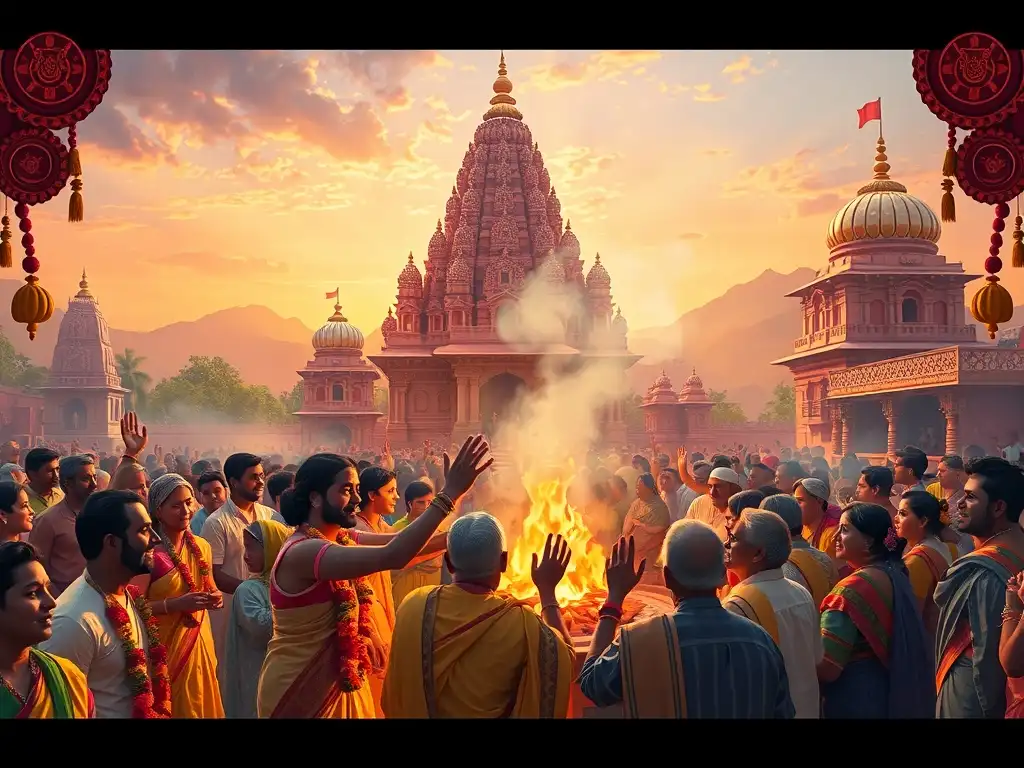
Ancient Indian rituals and festivals have profoundly influenced modern Indian culture in various ways. The cyclical nature of these celebrations reflects the agrarian roots of society, emphasizing the importance of nature and seasonal changes. For instance, festivals like Makar Sankranti and Pongal celebrate the harvest season, fostering a sense of gratitude and community.
Moreover, the philosophical underpinnings of ancient rituals continue to resonate in modern spiritual practices. Concepts such as dharma (duty), karma (action), and moksha (liberation) are integral to contemporary understanding of ethics and spirituality in India. The influence of ancient texts, such as the Vedas and the Upanishads, further shapes the moral and ethical frameworks guiding modern Indian life.
In addition, the artistic expressions associated with these festivals, such as dance, music, and crafts, continue to thrive, providing a sense of identity and continuity. Events like Durga Puja in West Bengal showcase intricate art forms that have evolved yet remain rooted in ancient traditions.
Reflection on the Spiritual Geography of Ancient Indian Civilization
The spiritual geography of ancient Indian civilization encompasses a rich tapestry of beliefs, practices, and sacred spaces. Temples, rivers, and mountains held significant spiritual value, serving as sites for rituals and festivals. The Ganges River, for instance, is revered as a sacred entity, embodying purity and the promise of salvation. Pilgrimages to holy sites like Varanasi and Haridwar illustrate the deep spiritual connection that ancient Indians maintained with their environment.
Rituals were often performed in alignment with cosmic cycles, reflecting the belief in the interconnectedness of all existence. This holistic approach to spirituality emphasized the importance of harmony between humanity and nature. Festivals were not merely communal gatherings; they were profound expressions of the community's relationship with the divine, encapsulating the essence of ancient Indian cosmology.
As we explore the spiritual geography of ancient Indian civilization, we recognize that these practices were not static but dynamic, evolving with the cultural exchanges and interactions of various communities. This adaptability has allowed ancient rituals and festivals to maintain their relevance, continuing to inspire spiritual seekers and cultural enthusiasts alike.
References
Key Texts and Sources on Ancient Indian Rituals and Festivals
- The Vedas: Ancient scriptures that lay the foundation for many rituals and festivals in Hindu culture.
- The Upanishads: Philosophical texts that explore the nature of the self and the universe, influencing spiritual practices.
- Puranas: A genre of ancient texts that contain myths, legends, and information about various deities and rituals.
Further Reading on the History and Culture of Ancient India
- "A History of Ancient India" by Romila Thapar: A comprehensive account of the political, social, and cultural aspects of ancient Indian civilization.
- "The Hindu Way: An Introduction to Hinduism" by Shashi Tharoor: An exploration of Hindu philosophy, rituals, and festivals in the context of modern society.
- "Festivals of India" by R. K. Narayan: A detailed look at the diverse festivals celebrated across India, highlighting their historical and cultural significance.
- Introduction to Ancient Indian Rituals and Festivals
- Historical Context of Ancient Indian Rituals
- Major Ancient Indian Festivals and Their Spiritual Significance
- The Role of Geography in Shaping Rituals
- Symbolism in Ancient Indian Rituals
- The Interconnection Between Rituals and Daily Life
- Conclusion: The Lasting Legacy of Ancient Indian Rituals and Festivals
- The Influence of Ancient Practices on Modern Indian Culture
- Reflection on the Spiritual Geography of Ancient Indian Civilization
- References
Frequently Asked Questions
What are some key ancient Indian rituals?
Ancient Indian rituals include fire sacrifices, yajnas, and pujas, which were integral to spiritual practice and community life, aimed at invoking blessings from deities.
How did festivals shape ancient Indian society?
Festivals played a crucial role in fostering community bonds, celebrating harvests, and marking religious events, thus reinforcing cultural identity and social cohesion.
What is the significance of rituals in ancient Indian culture?
Rituals were essential for maintaining a connection with the divine, ensuring cosmic order, and providing a structured way for individuals to express their spirituality.
Can you name some major ancient Indian festivals?
Major festivals include Diwali, Holi, and Navaratri, each celebrating different aspects of life, such as victory of light over darkness and the arrival of spring.
How did the Gupta Empire influence rituals and festivals?
The Gupta Empire was known for its cultural renaissance, promoting art, literature, and the standardization of rituals, which enriched the spiritual practices and festivals of that era.
Final Reflection: Embracing the Essence of Ancient Indian Rituals and Festivals
The exploration of ancient Indian rituals and festivals reveals their profound significance in shaping cultural identities and spiritual connections. Today, as we navigate a rapidly changing world, these traditions serve as a vital link to our past, reminding us of the values and beliefs that have endured through generations. The essence of these rituals transcends time, offering a sanctuary of meaning and community in an era often marked by disconnection.
The impact of ancient Indian rituals and festivals on our cultural landscape is undeniable. These celebrations not only foster a sense of belonging but also encourage introspection and gratitude. They invite us to reconnect with our roots and appreciate the rich tapestry of our heritage. As Mahatma Gandhi once said, “A nation’s greatness is measured by how it treats its weakest members.” This sentiment resonates deeply within the context of these rituals, which often emphasize compassion, unity, and the celebration of life’s cyclical nature.
As you reflect on the themes presented in this article, consider how you can incorporate the wisdom of ancient Indian rituals and festivals into your own life. Embrace the opportunity to celebrate your heritage, engage with your community, and cultivate a deeper understanding of the spiritual dimensions that these traditions offer. Let the lessons of the past inspire you to create meaningful connections in the present, ensuring that the essence of these rituals continues to thrive for future generations.
Unveil the Sacred Traditions of Ancient India
Thank you for exploring the rich tapestry of ancient Indian rituals and festivals with us! Your journey through these spiritual traditions not only deepens your understanding of culture but also connects you to the profound wisdom of the past. Now, let’s take your exploration further!
Here are some actionable steps you can take right now:
- Dive Deeper: Research an ancient festival or ritual that intrigues you – explore its origins, significance, and how it is celebrated today. You might uncover insights that resonate with your personal journey.
- Share the Wisdom: Discuss your findings with friends or share on social media – inspire others to discover the spiritual depth of these traditions.
- Engage with the Community: Join local groups or online forums that celebrate ancient traditions – immerse yourself in practices that honor these rituals and connect with individuals who share your interests.
What aspect of ancient Indian spiritual practices captivates you the most, and how do you envision incorporating it into your life? We’d love to hear your thoughts!