
The Mystical Power of Mantras in Ancient Indian Rituals

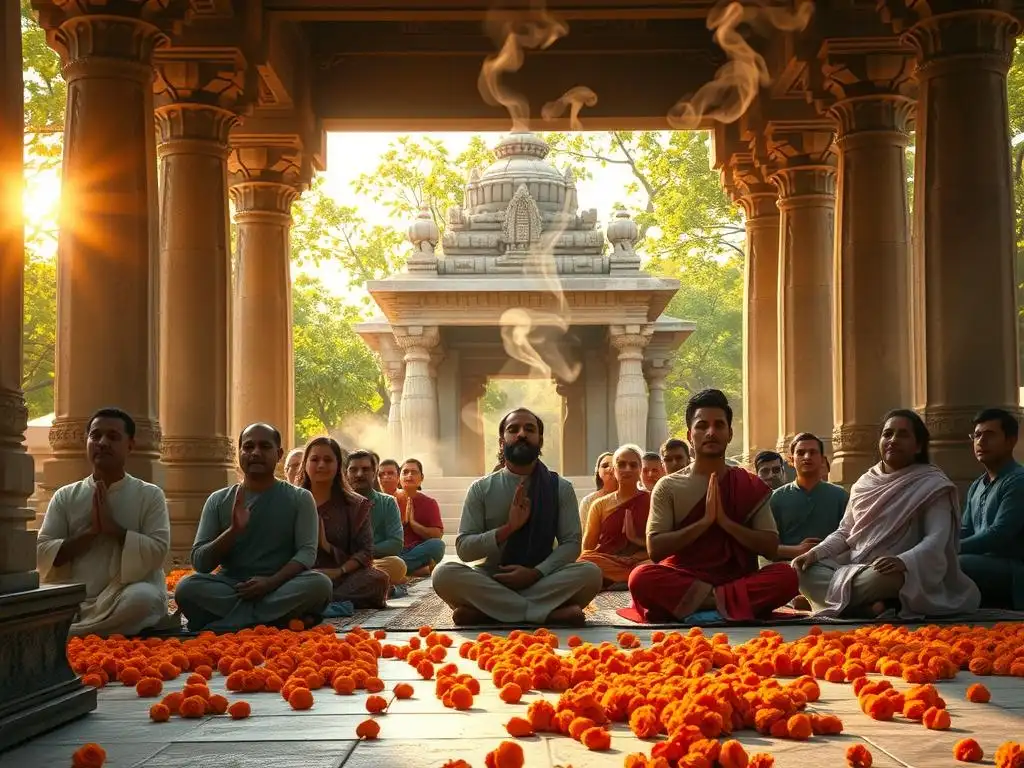
Welcome to Ancient India History, where we delve into the rich tapestry of civilizations that shaped the subcontinent. Prepare to embark on a fascinating journey as we explore the mystical power of mantras in ancient Indian rituals. Discover how these sacred sounds played a pivotal role in festivals and traditions, weaving together the spiritual and the cultural. What secrets do these ancient practices hold? Join us as we uncover the profound significance of rituals that have transcended time, inviting you to deepen your understanding of this captivating heritage. Dive into the article to unlock the mysteries that await!
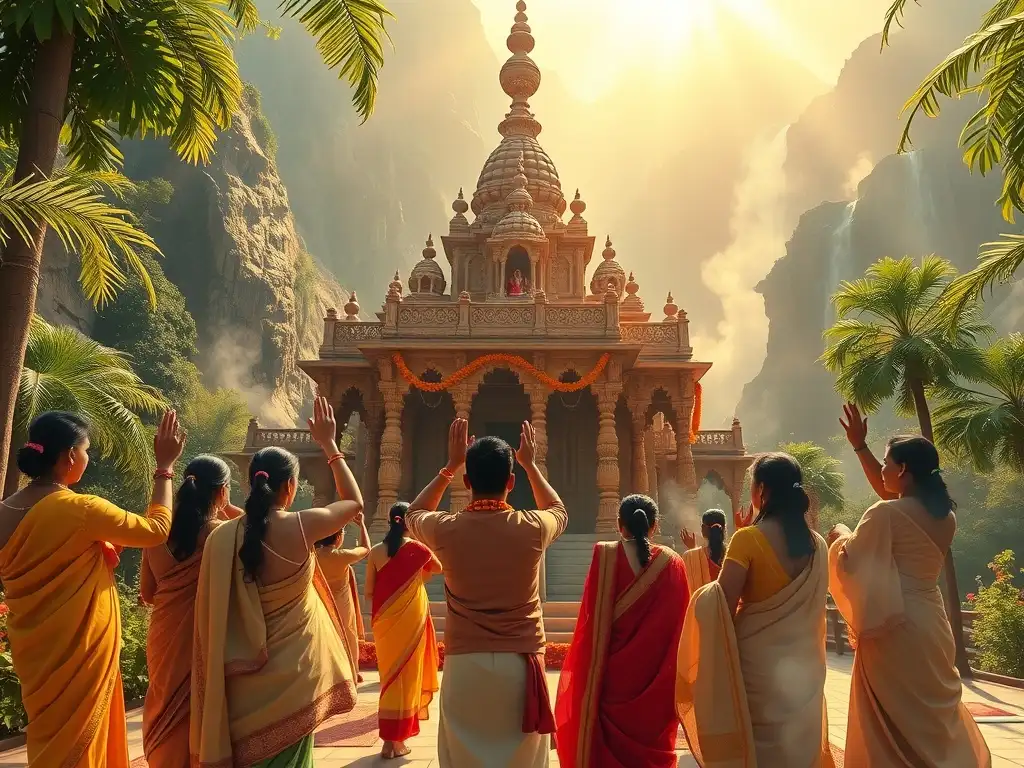
Introduction to Ancient Indian Rituals and Mantras
The intricate tapestry of ancient Indian rituals and mantras reveals a profound connection between spirituality, culture, and the cosmos. For millennia, these rituals have been central to the spiritual practices of various Indian civilizations, serving not only as tools for worship but also as mediums for personal transformation and communal harmony.
At the heart of these rituals lies the concept of mantras, which are sacred sounds or phrases believed to hold mystical power. This article delves into the role of mantras within the framework of ancient Indian rituals, exploring their significance, origins, and evolution to better understand how they shaped the spiritual landscape of ancient India.
The Historical Context of Mantras in Ancient Indian Traditions
Understanding the role of mantras in ancient Indian rituals requires a look back at their historical context. Mantras are not mere spoken words; they carry deep cultural, spiritual, and philosophical meanings. They are often recited during various ceremonies, from daily worship to grand festivals, each serving a specific purpose in aligning the individual with the divine and the universe.
Origins of Mantras in Vedic Texts
The origins of mantras can be traced to the Vedic texts, which are some of the oldest sacred scriptures in the world. Composed around 1500 BCE, the Vedas encompass a vast array of hymns and chants that form the foundation of Hindu rituals.
- Rigveda: The oldest of the Vedas, it contains numerous hymns dedicated to various deities, establishing the significance of sound in invoking divine presence.
- Yajurveda: This text provides specific directions for rituals, highlighting the use of mantras in sacrificial practices aimed at appeasing gods and ensuring cosmic order.
The phonetic quality of mantras is believed to resonate with the energies of the universe, making them powerful tools for spiritual connection.
Evolution of Mantras in Indian Rituals
As Indian civilization evolved, so did the use and interpretation of mantras in rituals.
- Post-Vedic Period: During this era, mantras began to blend with local traditions and philosophies, leading to the emergence of various schools of thought, such as Buddhism and Jainism, which also incorporated the use of mantras in their practices.
- Smriti Texts: Later texts, including the Puranas and Agamas, expanded the repertoire of mantras, integrating them into temple rituals and domestic worship.
By the time of the Gupta Empire, mantras became entrenched in the cultural fabric, influencing art, literature, and societal norms, as they were seen as essential elements in maintaining dharma (cosmic order).
The exploration of mantras in ancient Indian rituals reveals their indispensable role in connecting humanity to the divine, showcasing the rich spiritual heritage of India that continues to influence practices today.
The Role of Mantras in Ancient Indian Rituals
In ancient Indian rituals, mantras served as powerful tools to connect the material world with the spiritual realm. These sacred sounds and phrases, often composed in Sanskrit, were believed to possess intrinsic power that could influence the cosmos, invoke divine energies, and facilitate communication with deities. The recitation of mantras was not merely a ritualistic act; it was a profound practice intended to align the practitioner’s inner self with universal forces.
The significance of mantras in rituals extended beyond their phonetic structure. They were meticulously chosen based on the intention of the ritual, the deities being invoked, and the desired outcomes. Each mantra carried specific vibrations and meanings, making them integral to various ceremonies, including yajnas (sacrificial offerings), pujas (worship), and other spiritual observances. This connection between sound and spirituality underscores the importance of mantras in ancient Indian traditions, where every syllable was believed to resonate with the essence of the cosmos.
Mantras as Instruments of Spiritual Connection
Mantras acted as bridges for establishing spiritual connections, allowing practitioners to transcend ordinary consciousness and access higher states of awareness. By chanting these sacred phrases, individuals sought to elevate their spiritual energy and cultivate a sense of divine presence. This practice often involved deep concentration and meditation, where the repetitive nature of mantra recitation enabled practitioners to enter altered states of consciousness.
Moreover, mantras were believed to facilitate a two-way communication channel between humans and deities. When chanted with devotion and sincerity, they were thought to invoke divine grace, blessings, and protection. The vibrational frequency of mantras was seen as a means to align one’s personal energy with that of the universe, fostering a sense of harmony and balance. This profound connection was particularly vital during significant life events, such as weddings, births, and other rites of passage, where invoking divine blessings was deemed essential.
Ritualistic Functions of Mantras
The ritualistic functions of mantras in ancient Indian practices can be categorized into several key areas:
- Invocation: Mantras were primarily used to invoke deities and seek their presence during rituals. Chanting specific mantras would call upon particular gods or goddesses to bless the occasion and the participants.
- Protection: Many mantras were recited to safeguard individuals from negative energies or malevolent forces. These protective mantras served as spiritual shields, providing a sense of security during rituals.
- Purification: Mantras played a critical role in purification rituals, where they were used to cleanse spaces, objects, and individuals before commencing sacred activities. This purification process was essential for creating a conducive environment for spiritual practices.
- Offering: In sacrificial rituals, mantras were recited to accompany offerings made to deities. These invocations were believed to enhance the efficacy of the offerings, ensuring that they reached the divine realm.
Types of Mantras Used in Ancient Indian Rituals
The diversity of mantras used in ancient Indian rituals reflects the richness of spiritual practices in the subcontinent. Various types of mantras were employed for different purposes, each carrying unique meanings and vibrations that contributed to the ritual's overall significance.
Gayatri Mantra: The Essence of Spiritual Enlightenment
One of the most revered mantras in ancient Indian tradition is the Gayatri Mantra, which is often regarded as the essence of spiritual enlightenment. This mantra is dedicated to Savitr, the sun deity, and is a call for illumination and wisdom. Its verses, found in the Rig Veda, emphasize the importance of knowledge and the pursuit of truth. Reciting the Gayatri Mantra was believed to awaken the inner consciousness and enhance mental clarity, making it a staple in various spiritual practices and rituals.
The mantra's structure encourages contemplation and meditation, fostering a connection with the divine light of the sun. It serves as a reminder of the eternal quest for knowledge, urging practitioners to seek enlightenment not only for themselves but for the benefit of all beings. The Gayatri Mantra is often chanted at dawn, symbolizing the arrival of light and the dispelling of darkness.
Shanti Mantras: Invocations for Peace
Shanti Mantras hold a significant place in ancient Indian rituals, focusing on invoking peace and tranquility. These mantras are often recited at the beginning and end of rituals to create a harmonious environment. The essence of Shanti Mantras lies in their ability to calm the mind and spirit, promoting inner peace and collective harmony.
Typically, Shanti Mantras are chanted to seek peace on various levels: personal, communal, and universal. They express a deep yearning for peace in the world, harmony among living beings, and tranquility in one’s own heart. By reciting these mantras, practitioners aim to dissolve conflicts and foster cooperation, reflecting the foundational philosophy of ancient Indian thought that emphasizes unity and interconnectedness.
Other Notable Mantras in Ancient Indian Rituals
In addition to the Gayatri and Shanti mantras, many other notable mantras were integral to ancient Indian rituals. Some of these include:
- Maha Mrityunjaya Mantra: This powerful mantra is dedicated to Lord Shiva and is chanted for healing and protection from illness and misfortune. It embodies the essence of rejuvenation and overcoming fear.
- Saraswati Vandana: Recited to invoke the blessings of Goddess Saraswati, the deity of knowledge and arts, this mantra is often used in educational ceremonies and artistic pursuits to enhance creativity and learning.
- Durga Mantras: Various mantras dedicated to Goddess Durga are chanted during navaratri and other festivals, seeking her protection and strength in overcoming obstacles.
These mantras not only reflect the spiritual diversity of ancient Indian rituals but also highlight the deep-seated belief in the transformative power of sound and intention in connecting with the divine.
The Mystical and Psychological Impact of Mantras
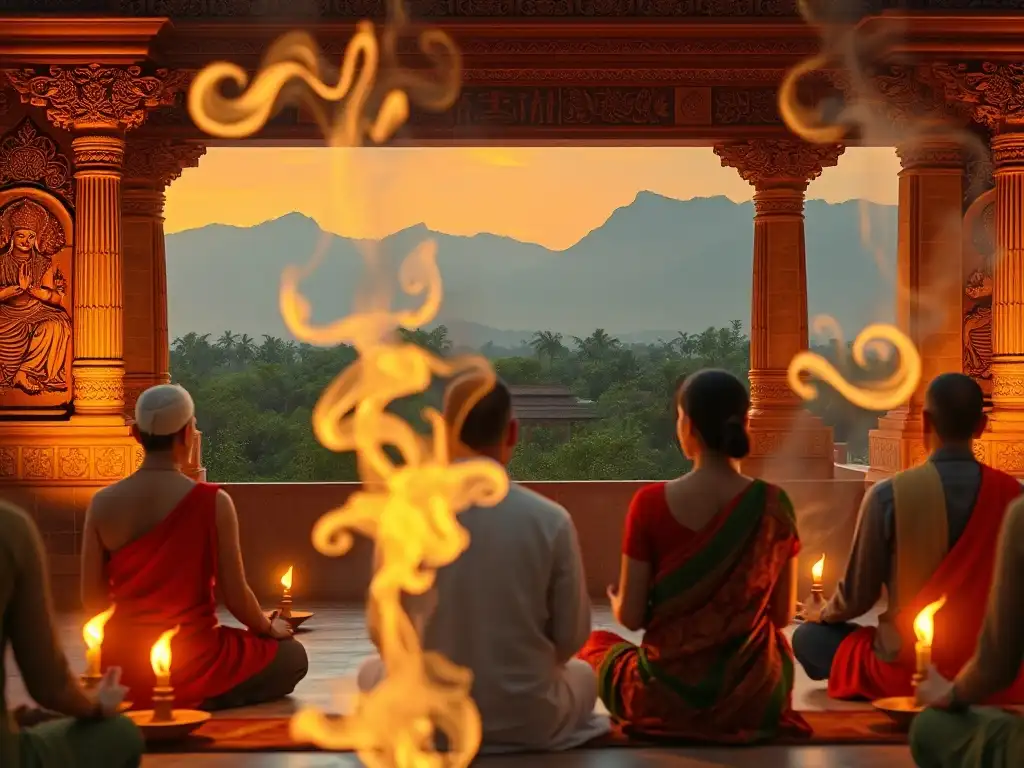
Mantras hold a significant place in ancient Indian rituals, serving as powerful tools to connect practitioners with the divine and the cosmos. The term "mantra" derives from the Sanskrit words "man," meaning mind, and "tra," meaning to release or liberate. Thus, mantras are often viewed as a means to free the mind, enabling a deeper understanding of the self and the universe. The repetition of mantras creates a vibrational resonance that can influence the mental and emotional states of individuals, fostering a sense of peace and spiritual clarity.
In ancient Indian rituals, mantras were not merely sounds but sacred syllables believed to encapsulate divine energies. Each mantra is associated with specific deities, cosmic forces, or natural elements, and is thought to invoke their presence and blessings. This connection is achieved through a combination of vocalization, intention, and meditation, making the act of chanting a holistic experience that encompasses body, mind, and spirit.
Moreover, the psychological impact of chanting mantras extends beyond spiritual practices. The rhythmic and repetitive nature of mantra chanting can induce a trance-like state, similar to meditation, allowing practitioners to experience heightened awareness and focus. This state can help alleviate stress, anxiety, and negative emotions, contributing to overall mental well-being. As such, mantras serve as a bridge between the mystical and the psychological, illustrating their multifaceted role in ancient Indian rituals.
Healing and Therapeutic Benefits of Chanting Mantras
Chanting mantras has been recognized for its profound healing and therapeutic benefits in ancient Indian traditions. The practice is believed to promote physical, emotional, and spiritual healing through the vibrational frequencies created by the sound of the words. Each mantra carries a unique energy, and when chanted with intention, it can resonate with the energy centers (chakras) in the body, stimulating healing processes and restoring balance.
Many practitioners report that chanting mantras can enhance relaxation and reduce stress levels. The focused breathing and rhythmic repetition during chanting can activate the parasympathetic nervous system, leading to a decrease in heart rate and blood pressure. This physiological response can significantly enhance mental clarity and emotional stability, making mantra chanting a valuable tool for coping with modern life's challenges.
In addition, certain mantras are specifically associated with healing intentions. For instance, the "Gayatri Mantra" is traditionally chanted for enlightenment and spiritual awakening, while the "Maha Mrityunjaya Mantra" is often recited to promote healing and ward off illness. These mantras are not only integral to ritual practices but also serve as powerful affirmations that can foster resilience and a positive mindset.
The Psychological Effects of Mantras in Rituals
The psychological effects of mantras in ancient Indian rituals are profound and multifaceted. The act of chanting mantras serves as a form of cognitive focus, directing the mind away from distractions and towards a singular intention. This focused attention is crucial during rituals, as it enhances the participant's connection to the ritual's purpose, whether it be healing, seeking guidance, or honoring the divine.
Furthermore, mantras create a communal experience when chanted in groups, fostering a sense of belonging and shared spiritual purpose. This collective chanting is often seen during festivals and ceremonies, where the energy generated by the group amplifies the effectiveness of the mantras. The psychological benefits of such communal practices include enhanced social bonds, a sense of community, and increased feelings of joy and upliftment.
Additionally, the repetitive nature of mantra chanting can facilitate neural changes in the brain, promoting emotional regulation and resilience. Studies have shown that regular mantra practice can lead to increased levels of serotonin, a neurotransmitter associated with feelings of happiness and well-being. Thus, the psychological effects of mantras extend beyond the ritualistic context, contributing to long-term mental health benefits and personal empowerment.
Conclusion: The Enduring Legacy of Mantras in Ancient Indian Rituals
The enduring legacy of mantras in ancient Indian rituals encapsulates their profound spiritual, psychological, and therapeutic impact. As ancient practices, mantras transcend time and culture, continuing to resonate with individuals seeking connection, healing, and enlightenment. The integration of mantras into rituals not only enhances the sacred experience but also fosters a deeper understanding of the self and the cosmos.
In contemporary society, the practice of chanting mantras has found renewed interest, as individuals increasingly seek holistic approaches to mental health and spiritual growth. The mystical power of these ancient sounds continues to inspire and heal, affirming their vital role in the rich tapestry of ancient Indian traditions. As we explore the intersection of spirituality and psychology, the significance of mantras as instruments of transformation remains a testament to their timeless relevance in the realm of ancient Indian rituals.
Further Reading and Resources on Ancient Indian Rituals and Mantras
To deepen your understanding of ancient Indian rituals and mantras, a wealth of resources is available that explore various facets of these mystical practices. Here are some recommended readings and resources that can provide valuable insights into the significance and application of mantras within the context of rituals in ancient India:
-
Books:
-
The Vedas: An Introduction to Hinduism's Sacred Texts by Roshen Dalal
This book offers an overview of the Vedas, which are foundational texts for understanding the rituals and mantras of ancient India. It delves into the philosophical underpinnings and the historical context of these sacred writings.
-
The Hindu Mantra: A Comprehensive Guide to Vedic Mantras and Their Benefits by D. S. Sharma
In this guide, the author provides an extensive collection of Vedic mantras along with explanations of their meanings, purposes, and the rituals in which they are commonly used.
-
-
Academic Journals:
-
Journal of Hindu Studies
This journal features articles and research papers that focus on various aspects of Hinduism, including the role of mantras in rituals. It is a valuable resource for scholarly discussions and contemporary interpretations of ancient practices.
-
Indo-Iranian Journal
Offering insights into the historical and cultural connections between Indian and Iranian traditions, this journal often explores topics related to ancient rituals and their linguistic aspects, including the use of mantras.
-
-
Online Resources:
-
Sacred Texts Archive
This online repository contains a wealth of primary texts related to Hinduism, including translations of the Vedas, Upanishads, and Puranas. These texts provide context and examples of how mantras have been used in rituals throughout history.
-
The Oxford Centre for Hindu Studies
An excellent resource for articles, courses, and lectures on various aspects of Hindu traditions, including rituals and mantras. It provides scholarly material that can enhance understanding of these ancient practices.
-
-
Documentaries and Lectures:
-
The Power of Mantras: Ancient Wisdom for Modern Times
This documentary explores the historical significance of mantras and their role in rituals, showcasing interviews with scholars and practitioners who share their insights into the transformative power of these ancient utterances.
-
YouTube Channels like "Hinduism Today"
Many educational channels offer lectures and discussions on the significance of mantras in rituals, featuring expert opinions and practical demonstrations on how these can be integrated into modern spiritual practices.
-
-
Workshops and Seminars:
- Attending workshops and seminars on Vedic chanting and rituals can provide hands-on experience. These sessions often feature practitioners who guide participants through the correct pronunciation and intention behind various mantras.
By exploring these resources, you can gain a more profound appreciation of the intricate relationship between mantras and ancient Indian rituals, uncovering the layers of meaning and practice that have shaped Hindu traditions through the ages.
- Introduction to Ancient Indian Rituals and Mantras
- The Historical Context of Mantras in Ancient Indian Traditions
- The Role of Mantras in Ancient Indian Rituals
- Types of Mantras Used in Ancient Indian Rituals
- The Mystical and Psychological Impact of Mantras
- Conclusion: The Enduring Legacy of Mantras in Ancient Indian Rituals
- Further Reading and Resources on Ancient Indian Rituals and Mantras
- What are mantras in the context of ancient Indian rituals?
- How did ancient Indian civilizations use rituals?
- What is the significance of the Indus Valley in understanding ancient Indian rituals?
- How did the Gupta Empire contribute to the understanding of mantras?
- Are ancient Indian rituals still practiced today?
Frequently Asked Questions
What are mantras in the context of ancient Indian rituals?
Mantras are sacred sounds or phrases used in rituals to invoke divine energies. They play a crucial role in spiritual practices and are believed to have transformative powers.
How did ancient Indian civilizations use rituals?
Ancient Indian civilizations employed rituals to connect with the divine, celebrate life events, and ensure prosperity and harmony in society. These practices were often linked to cultural traditions and beliefs.
What is the significance of the Indus Valley in understanding ancient Indian rituals?
The Indus Valley civilization offers insights into early ritualistic practices and spiritual beliefs. Archaeological findings suggest the use of ritual bathing and possibly early forms of mantras in their spiritual life.
How did the Gupta Empire contribute to the understanding of mantras?
The Gupta Empire is known for its patronage of arts and religion, leading to the codification and popularization of mantras. This period saw a flourishing of scriptures that documented various rituals and their associated mantras.
Are ancient Indian rituals still practiced today?
Yes, many ancient Indian rituals and the use of mantras continue to be an integral part of Hindu practices today. They have evolved but remain rooted in the spiritual traditions of ancient India.
Final Reflection: The Enduring Legacy of Ancient Indian Rituals and Mantras
The mystical power of mantras in ancient Indian rituals continues to resonate profoundly in our modern world. As we navigate the complexities of contemporary life, the timeless wisdom embedded in these sacred sounds offers a pathway to inner peace and spiritual awakening. The relevance of these ancient practices is not merely historical; they serve as a reminder of our intrinsic connection to the universe and the transformative potential of language and intention.
The influence of mantras and rituals extends far beyond the confines of tradition; they shape our cultural and social landscapes in profound ways. In today's fast-paced society, where stress and disconnection are rampant, the practice of chanting mantras can foster a sense of community and belonging. As Mahatma Gandhi once said, "> The best way to find yourself is to lose yourself in the service of others." This sentiment encapsulates the essence of mantras, which invite us to transcend our individual concerns and engage with the collective consciousness.
As you reflect on the insights shared in this article, I encourage you to explore the power of mantras in your own life. Consider integrating these ancient practices into your daily routine, allowing their rhythms and vibrations to guide you toward greater clarity and purpose. Embrace the opportunity to connect with the rich heritage of ancient Indian rituals, and let the transformative energy of mantras inspire your journey toward self-discovery and spiritual fulfillment.
Embrace the Power of Mantras Today!
Thank you for exploring the enchanting world of mantras in ancient Indian rituals with us! You’ve discovered how these sacred sounds can transform not only spiritual practices but also your everyday life. Now, it’s time to take that knowledge and let it guide your journey.
Here are some empowering steps you can take right now:
- Start Your Day with a Mantra: Select a mantra that resonates with you and recite it each morning to set a positive tone for your day.
- Share Your Experience: Discuss the significance of mantras with friends or family. Initiate a meaningful conversation and invite them to explore this practice alongside you.
- Join a Meditation Group: Look for local or online communities where you can practice mantras together and deepen your understanding in a supportive environment.
What mantra will you choose to guide your path and enhance your life today? Share your thoughts below, and let’s motivate each other on this transformative journey!