
The Spiritual Architecture of Rituals: Ancient Structures and Their Meanings

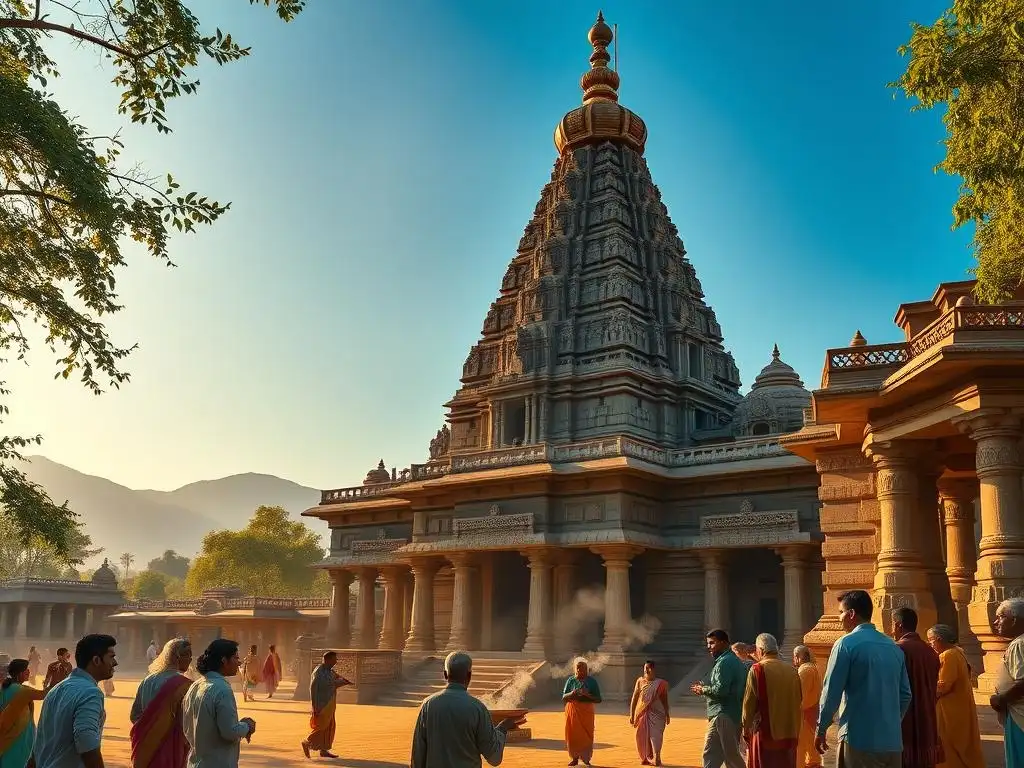
Welcome to Ancient India History, where we embark on a journey through the fascinating tapestry of ancient Indian civilization. In our featured article, "The Spiritual Architecture of Rituals: Ancient Structures and Their Meanings," we delve into the captivating world of ancient Indian ritual architecture, exploring how these magnificent structures have shaped the spiritual and cultural landscape of the subcontinent. From the intricate designs of temples to the sacred spaces of the Indus Valley, each site tells a story steeped in tradition and symbolism.
Are you ready to uncover the secrets behind these architectural marvels? Join us as we unveil the profound connections between rituals, architecture, and the vibrant festivals that define our past.
Introduction to Ancient Indian Ritual Architecture
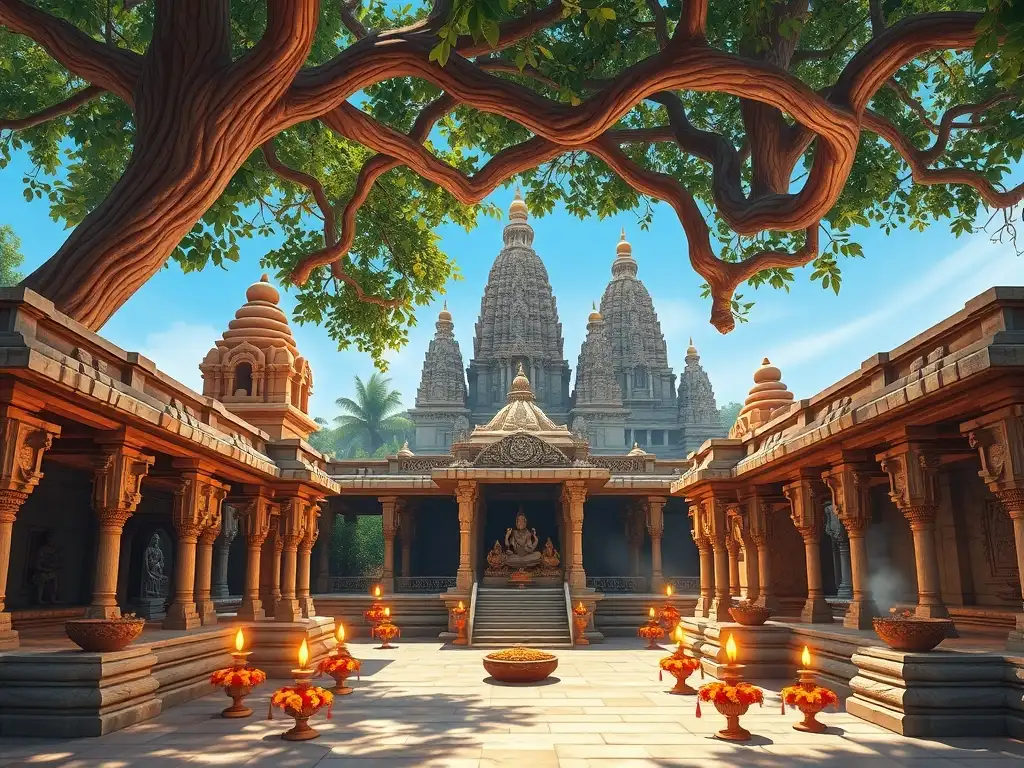
Ancient Indian ritual architecture represents a fascinating intersection of spirituality, culture, and artistry, reflecting the beliefs and values of diverse civilizations that flourished over millennia. From the meticulously planned cities of the Indus Valley to the grand temples of the Gupta Empire, these architectural marvels served not only as places for worship and community gathering but also as expressions of the profound philosophical and religious ideas that shaped ancient Indian society. Understanding the significance of these structures provides insight into how rituals were conceptualized and performed, revealing a rich tapestry of cultural heritage that continues to influence contemporary practices.
Definition and Importance of Ritual Architecture in Ancient India
Ritual architecture in ancient India encompasses a variety of structures designed specifically for religious and ceremonial purposes. This includes temples, altars, and sacred spaces, each meticulously crafted to facilitate rituals that connect the material world with the divine.
- Key Characteristics:
- Symbolism: Many structures were imbued with symbolic meaning, reflecting the cosmology and theology of the time.
- Functionality: These spaces were designed to accommodate various rituals, from daily worship to grand festivals.
- Cultural Expression: Architectural styles often varied by region, showcasing local materials and artistic traditions.
- Significance:
- Cultural Identity: Ritual architecture played a crucial role in shaping the identity of communities.
- Historical Continuity: These structures serve as physical manifestations of historical narratives, linking past traditions with present practices.
Overview of Ancient Indian Civilizations and Their Architectural Contributions
Ancient Indian civilizations, such as the Indus Valley Civilization, Maurya Empire, and Gupta Empire, each made distinct contributions to ritual architecture.
| Civilization | Key Contributions | Notable Structures |
|---|---|---|
| Indus Valley | Early urban planning and public baths | Great Bath of Mohenjo-Daro |
| Maurya Empire | Stupas and rock-cut architecture | Sanchi Stupa, Barabar Caves |
| Gupta Empire | Temple architecture with intricate carvings | Dashavatara Temple, Khajuraho Temples |
These contributions not only highlight the technological advancements of the time but also reflect the evolving nature of spiritual practices and their architectural expressions.
Historical Context of Rituals in Ancient Indian Civilizations
The history of rituals in ancient Indian civilizations is marked by a series of transformative phases, each contributing to the evolution of ritual architecture.
The Indus Valley Civilization and Early Ritual Practices
The Indus Valley Civilization (c. 3300–1300 BCE) is renowned for its advanced urban planning and sophisticated drainage systems. Archaeological findings suggest that rituals were integral to the daily lives of its inhabitants. The Great Bath at Mohenjo-Daro is often interpreted as a site for purification rituals, indicating the importance of water in their spiritual practices.
- Key Features:
- Water Management: The presence of pools and reservoirs indicates ritual bathing was a common practice.
- Symbols and Seals: Artifacts featuring symbolic motifs suggest a belief system centered around fertility and nature.
Vedic Period: The Emergence of Complex Rituals and Structures
The Vedic Period (c. 1500–500 BCE) saw a shift towards more elaborate rituals, influenced by the sacred texts known as the Vedas. This era introduced the concept of yajnas (fire sacrifices), which necessitated specific architectural forms like altars and fire pits.
- Architectural Developments:
- Yajna Kunda: Designated areas for conducting fire rituals.
- Temporary Structures: Often constructed for specific ceremonies, reflecting the transient nature of some Vedic practices.
The Influence of Buddhism and Jainism on Ritual Architecture
The rise of Buddhism and Jainism during the 6th century BCE brought profound changes to ritual architecture. Both religions emphasized non-violence and compassion, which influenced the design and purpose of their structures.
- Buddhist Contributions:
- Stupas: Dome-shaped structures housing relics, serving as focal points for pilgrimage and meditation.
- Chaityas and Viharas: Rock-cut caves that provided spaces for communal worship and monastic living.
- Jain Contributions:
- Temples: Known for their intricate carvings and detailed iconography, reflecting the importance of non-violence and spiritual purity.
The exploration of ancient Indian ritual architecture reveals a dynamic interplay between spirituality, community, and artistry, showcasing the diverse influences that shaped the architectural landscape of ancient India. Each civilization contributed uniquely, creating a legacy that continues to inspire and inform contemporary practices in the region.
Key Features of Ancient Indian Ritual Architecture
Ancient Indian ritual architecture is characterized by a blend of spirituality, artistry, and functionality. These structures were not merely built for aesthetic purposes; they were designed to facilitate various religious practices and ceremonies. Some key features include:
- Orientation and Layout: Many structures are meticulously oriented according to cardinal directions, aligning with astrological and spiritual beliefs. Temples, for instance, are often positioned to harness cosmic energy during specific times of the day.
- Symbolic Elements: Architectural elements frequently incorporate symbols that represent spiritual concepts. For example, the lotus flower, which symbolizes purity and divine beauty, is commonly found in various forms.
- Intricate Carvings and Inscriptions: The use of detailed carvings and inscriptions serves both decorative and educational purposes, often depicting deities, mythological stories, and philosophical teachings that guide devotees in their spiritual journeys.
- Use of Sacred Geometry: The principles of sacred geometry play a crucial role in the design, reflecting beliefs about the universe's order and harmony. Structures are often built using specific ratios and patterns that are believed to enhance spiritual energies.
Sacred Geometry and Symbolism in Architectural Design
Sacred geometry is a foundational principle in ancient Indian ritual architecture, embodying the conceptual link between the divine and the physical world. Structures are often designed using geometric shapes that hold spiritual significance, such as:
- Mandala Designs: Many temples incorporate mandalas, which are geometric configurations symbolizing the universe and serving as a guide for meditation and contemplation.
- Vastu Shastra: This ancient science of architecture emphasizes the placement and orientation of buildings in harmony with natural elements, utilizing shapes like squares and circles to create balanced spaces that promote well-being.
- Fractal Patterns: Fractal designs can be seen in the layout of sacred spaces, reflecting the belief in the interconnectedness of all life and the divine. These patterns are often repeated throughout the structure, creating a sense of unity and continuity.
Materials and Techniques Used in Construction
The construction of ancient Indian ritual architecture involved a deep understanding of materials and techniques, which varied across regions and periods. Common materials included:
- Stone: Hard, durable stones like granite and sandstone were frequently used for temples and stupas. These materials not only provided longevity but also allowed for intricate carvings.
- Brick and Mortar: In regions where stone was less accessible, baked bricks were employed. Techniques such as mud plastering were also utilized to enhance both durability and aesthetics.
- Wood: Wooden structures, particularly in the Himalayan regions, showcased elaborate carvings and were often used for smaller shrines and temples.
Construction techniques reflected local traditions and available resources. Techniques like corbel arching and interlocking stone blocks were common, demonstrating advanced engineering skills that allowed for the creation of complex architectural forms.
Regional Variations in Ritual Architecture Across India
Ancient Indian ritual architecture displays significant regional variations influenced by local cultures, available materials, and religious practices. Some notable distinctions include:
- North India: Temples in this region, such as those in Khajuraho, often feature intricate sculptures and are known for their towering shikharas (spires). The architecture reflects the influence of Hinduism and Jainism.
- South India: Dravidian architecture is prominent here, characterized by grand gopurams (gateway towers) and ornate carvings. Temples like the Brihadeeswarar Temple emphasize verticality and elaborate stonework.
- Eastern India: In places like Odisha, Kalinga architecture features curvilinear structures and the famous Jagannath Temple, which reflects both Hindu and Buddhist influences.
- Western India: The use of sandstone in Gujarat and Rajasthan led to the development of exquisite jali (lattice) work and intricate carvings in temples like those in the Mount Abu region.
Prominent Examples of Ancient Indian Ritual Structures
Ancient India is home to numerous ritual structures that exemplify the spiritual architecture of the time. Each of these structures carries profound meanings and reflects the cultural heritage of the region.
Temples as Centers of Spiritual Activity
Temples served as the epicenters of spiritual life in ancient India, acting as places of worship, community gatherings, and spiritual learning. They were designed to facilitate various rituals, including:
- Daily Worship (Puja): Temples provided a space for daily rituals where devotees could offer prayers and offerings to deities.
- Festivals and Celebrations: Major festivals often centered around temples, attracting crowds who participated in elaborate processions and ceremonies.
- Pilgrimage Sites: Many temples became focal points for pilgrimages, believed to hold divine significance and promote spiritual merit for visitors.
Stupas and Their Significance in Rituals
Stupas are dome-shaped structures that serve as reliquaries, housing sacred relics associated with the Buddha and other revered figures. Their significance in rituals includes:
- Meditative Spaces: Stupas are designed for meditation, encouraging practitioners to walk around them in a clockwise direction, a practice known as "kora," which symbolizes the cycle of life and death.
- Ritual Offerings: Devotees often perform rituals at stupas, offering flowers, incense, and prayers to honor the relics within and to seek blessings.
- Symbol of Enlightenment: The stupa itself represents the path to enlightenment, embodying the teachings of Buddhism through its architectural form.
Altars and Sacred Spaces in Ancient Ritual Practices
Altars and sacred spaces played a pivotal role in ancient Indian rituals, serving as focal points for worship and offerings. Key attributes include:
- Ritual Offerings: Altars were often adorned with items like fruits, flowers, and incense, symbolizing devotion and gratitude towards the deities.
- Ceremonial Practices: Sacred spaces were meticulously prepared for various ceremonies, including marriages, rites of passage, and seasonal festivals, creating an atmosphere conducive to spiritual activities.
- Community Gatherings: Altars often served as gathering points for communities, fostering a sense of unity and shared spiritual purpose during rituals.
Through these diverse structures and practices, ancient Indian ritual architecture not only reflects the spirituality of its time but also continues to influence contemporary religious practices and architectural designs in India today.
The Meaning Behind Ancient Indian Ritual Architecture

Ancient Indian ritual architecture serves as a profound expression of spirituality, cultural identity, and societal values. These structures were meticulously designed not only for functionality but also to embody the metaphysical concepts central to religious beliefs. Temples, stupas, and other sacred spaces reflect a deep understanding of cosmology, often incorporating elements that symbolize the connection between the earthly and the divine. The intricate carvings and layouts of these structures are infused with meaning, representing various deities, cosmic principles, and philosophical ideas.
The orientation and placement of these buildings were also significant. For instance, many temples are aligned with cardinal directions, reflecting the belief that such alignment enhances spiritual energy and facilitates a connection with the cosmos. This careful consideration of design illustrates how architecture in ancient India was not merely about aesthetics; it was fundamentally tied to the rituals performed within and their intended spiritual outcomes.
Spiritual Significance of Design and Layout
The design and layout of ancient Indian ritual architecture are steeped in spiritual significance. Sacred geometry plays a crucial role, as many structures are built following precise mathematical principles that resonate with cosmic order. For example, the square or rectangular plans often represent the earth, while circular designs symbolize the cosmos. This interplay between geometric shapes and spiritual concepts manifests in the construction of mandapas (pavilions) and garbhagrihas (sanctums), which are integral to temple architecture.
Moreover, the verticality of structures, such as shikharas (spires), signifies the aspiration towards the divine. The height of these constructions is intended to draw worshippers' gaze upward, creating a physical and metaphysical connection to the heavens. The use of natural materials, such as stone and wood, further enhances the spiritual ambiance, as these elements are often believed to carry their own energies and histories.
Rituals and Their Connection to Architectural Spaces
The connection between rituals and architectural spaces is a defining characteristic of ancient Indian culture. Every aspect of a ritual, from the materials used to the specific locations, is carefully curated to align with the spiritual purpose of the ceremony. Temples and other sacred structures serve as the backdrop for these rituals, turning them into experiential spaces where the divine is believed to manifest.
For instance, during pujas (worship ceremonies), the layout of the temple allows for a progression of sacred actions, where each step has its significance. The positioning of altars, the flow of devotees, and the arrangement of offerings are all designed to create a harmonious atmosphere that facilitates spiritual engagement. This symbiotic relationship between rituals and architectural spaces underscores the belief that the physical environment can enhance or detract from the spiritual experience.
The Role of Architecture in Community and Cultural Identity
Architecture in ancient India played a pivotal role in shaping community and cultural identity. Temples and ritual spaces were not only places for worship but also served as centers for social gatherings, festivals, and communal activities. These structures fostered a sense of belonging and collective identity among the community members, reinforcing shared beliefs and traditions.
The architectural style of a region often reflects its unique cultural heritage, with local materials and construction techniques influencing design. For example, the rock-cut temples of Ellora and Ajanta exhibit intricate artistry that tells the stories of the communities that built them. Such architectural expressions are vital in preserving cultural narratives and transmitting them across generations, ensuring that the community's identity remains intact.
Preservation and Legacy of Ancient Indian Ritual Architecture
The preservation of ancient Indian ritual architecture is crucial for maintaining cultural heritage and understanding the historical context of spiritual practices. These structures serve as a tangible link to the past, providing insights into the religious, social, and artistic milieu of ancient civilizations.
Efforts in Preserving Ancient Structures and Their Histories
Various organizations and governmental bodies are dedicated to the preservation and restoration of ancient structures. Initiatives often focus on protecting these sites from environmental degradation, urban encroachment, and neglect. For instance, the Archaeological Survey of India (ASI) has been instrumental in cataloging and conserving numerous temples and monuments across the country.
In addition to physical preservation, efforts include documenting oral histories and traditional practices associated with these sites. Engaging local communities in conservation efforts ensures that the cultural significance of these structures is recognized and respected, facilitating a deeper understanding of their value.
The Influence of Ancient Ritual Architecture on Modern Practices
Ancient Indian ritual architecture continues to influence modern practices in various ways. Contemporary temple designs often draw inspiration from traditional architectural elements, reflecting the enduring legacy of ancient styles. Additionally, the principles of sacred geometry and spatial organization are employed in modern religious structures, creating environments that resonate with the spiritual ethos of ancient times.
Furthermore, the revival of interest in traditional rituals and practices has led to a resurgence of cultural events held in these historical spaces, reaffirming their role in contemporary society. This interplay between ancient and modern illustrates the dynamic nature of cultural practices, where the past informs the present.
The Role of Archaeology in Understanding Ancient Rituals
Archaeology plays a vital role in deciphering the complexities of ancient rituals and their architectural contexts. Excavations and research have uncovered artifacts, inscriptions, and structural remnants that provide invaluable clues about the beliefs and practices of ancient societies. These findings contribute to a broader understanding of how rituals were performed and how they evolved over time.
The study of ancient ritual architecture through archaeology also offers insights into the socio-political dynamics of the time. By analyzing the scale, design, and distribution of these structures, archaeologists can gain a deeper understanding of the interactions between various communities and their shared cultural practices. This ongoing research continues to enrich our knowledge of ancient Indian civilization and its spiritual heritage.
Conclusion: The Enduring Impact of Ancient Indian Ritual Architecture
The study of ancient Indian ritual architecture reveals a wealth of knowledge about the spiritual and cultural life of early Indian civilizations. These structures, ranging from grand temples to sacred altars, were not mere physical constructions but were deeply intertwined with the socio-religious fabric of the time. They served as focal points for community gatherings, religious ceremonies, and personal reflection, shaping the spiritual landscape of ancient India. The architectural styles, intricate carvings, and symbolic designs found in these structures provide invaluable insights into the beliefs, practices, and aspirations of the people who built and used them.
Moreover, the influence of ancient Indian ritual architecture extends beyond its historical context. It continues to inspire contemporary architectural practices and religious expressions in modern India and beyond. The philosophies and traditions that underpinned these ancient structures resonate with current spiritual seekers and cultural enthusiasts. By studying these architectural marvels, we not only honor the legacy of our ancestors but also gain a deeper understanding of our own cultural identities and spiritual journeys.
Reflection on the Spiritual and Cultural Importance
The spiritual significance of ancient Indian ritual architecture is profound, as these structures were designed to facilitate connections between the earthly and the divine. Temples and shrines were often constructed in alignment with sacred geometry, embodying principles of harmony and balance that reflect the universe's order. This architectural alignment served as a physical representation of spiritual beliefs, allowing worshippers to feel a sense of proximity to the divine.
Culturally, these structures acted as repositories of knowledge, history, and tradition. They housed not only religious artifacts but also inscriptions and artworks that narrated the stories, philosophies, and values of ancient Indian society. The intricate sculptures and frescoes found within these spaces often depict mythological narratives and historical events, serving as educational tools for generations. Thus, the cultural importance of these structures cannot be overstated; they are vital links to understanding the complex tapestry of ancient Indian life.
Future Perspectives on Studying Ancient Indian Ritual Architecture
As scholars and enthusiasts continue to explore ancient Indian ritual architecture, several future perspectives emerge. One promising avenue is the application of modern technology, such as 3D modeling and virtual reality, to recreate and analyze these structures. This approach allows for a more interactive exploration of ancient sites, providing deeper insights into their construction and significance.
Furthermore, interdisciplinary collaboration between historians, architects, and archaeologists can yield a more holistic understanding of these architectural forms. By integrating perspectives from various fields, researchers can uncover new dimensions of meaning and function associated with ancient rituals and their architectural settings.
Lastly, there is an increasing need to promote awareness and preservation of these sites. As urbanization and globalization threaten many ancient structures, advocacy for their protection and maintenance is crucial. Future studies should emphasize sustainable practices that honor and preserve the integrity of ancient Indian ritual architecture for the benefit of future generations.
References
Suggested Reading on Ancient Indian Rituals and Architecture
- "The Architecture of Ancient India: From the Indus to the 20th Century": by Catherine Asher and Cynthia Talbot
- "Temples of India: A Historical and Architectural Guide": by R. C. Sharma
- "Sacred Architecture in India: The Social Implications of Temple Construction": by N. S. Ramesh
- "Indian Temples: What They Tell Us": by R. K. Sharma
Notable Scholars and Works in the Field of Ancient Indian History
- Romila Thapar - Renowned historian known for her studies on ancient Indian history, including the socio-political dynamics of the time.
- Diana L. Eck - Author of "India: A Sacred Geography," which explores the spiritual significance of Indian landscapes and architectures.
- M. S. Randhawa - His work on ancient Indian architecture and its relation to society has been influential in shaping modern understanding.
- S. P. Gupta - A prominent figure in the study of ancient Indian rituals, known for his extensive research on the Vedic period and its architectural manifestations.
- Introduction to Ancient Indian Ritual Architecture
- Historical Context of Rituals in Ancient Indian Civilizations
- Key Features of Ancient Indian Ritual Architecture
- Prominent Examples of Ancient Indian Ritual Structures
- The Meaning Behind Ancient Indian Ritual Architecture
- Preservation and Legacy of Ancient Indian Ritual Architecture
- Conclusion: The Enduring Impact of Ancient Indian Ritual Architecture
- References
Frequently Asked Questions
What is ancient Indian ritual architecture?
Ancient Indian ritual architecture refers to the design and construction of temples, altars, and other sacred structures that were built for religious and spiritual purposes in ancient India.
How did the Indus Valley Civilization influence ritual architecture?
The Indus Valley Civilization showcased early forms of urban planning and drainage systems, which laid the groundwork for later architectural styles and ritual spaces in subsequent Indian civilizations.
What are some key features of temples in ancient India?
Ancient Indian temples often featured intricate carvings, towering spires, and a central sanctum where deities were worshipped, reflecting the spiritual significance of these structures.
How did the Gupta Empire contribute to ritual architecture?
During the Gupta Empire, there was a significant development in architectural styles, characterized by elaborate sculptures and the establishment of large temple complexes that emphasized ritual practices.
What role did rituals play in ancient Indian architecture?
Rituals were central to the design of ancient structures, influencing their orientation, layout, and decorative elements to enhance the spiritual experience of worship and connection to the divine.
Final Reflection: Embracing the Wisdom of Ancient Indian Ritual Architecture
**The exploration of ancient Indian ritual architecture reveals profound connections between spirituality and physical space, emphasizing that these structures are not merely relics of the past but living embodiments of cultural identity and belief systems. In today's fast-paced world, where the sacred often feels overshadowed by the mundane, revisiting these architectural marvels invites us to reconnect with our spiritual roots and appreciate the deeper meanings embedded within them.
The influence of ancient Indian ritual architecture extends far beyond its historical context; it shapes our understanding of community, spirituality, and the environment. These structures serve as reminders of the harmony that can exist between human creativity and the natural world. As we navigate modern challenges, such as urbanization and disconnection from nature, we can draw inspiration from the wisdom of our ancestors. Architecture is the learned game, correct and magnificent, of forms assembled in the light.
— Le Corbusier. This quote encapsulates the essence of how these ancient designs were not only functional but also a celebration of light, space, and spirituality.
As we reflect on the lessons embedded in ancient Indian ritual architecture, let us take a moment to consider how we can incorporate these principles into our own lives. I invite you to explore your surroundings with a renewed sense of awareness, seeking out spaces that resonate with your spirit and inspire connection.
Whether through creating personal rituals, engaging with nature, or fostering community bonds, we have the power to infuse our lives with the sacredness that these ancient structures once represented. Embrace the journey of discovery and let the wisdom of the past guide you toward a more meaningful existence.
Unveil the Power of Rituals in Your Life!
Thank you for diving into the fascinating world of spiritual architecture and the profound meanings of ancient rituals! By exploring these time-honored practices, you’ve taken a significant step towards understanding the deep connections between humanity, culture, and spirituality. Now it’s time to act!
Here are a few ways you can bring the essence of these ancient rituals into your everyday life:
- Incorporate a Daily Ritual: Start small by establishing a morning or evening practice that resonates with you—be it meditation, journaling, or simply enjoying a moment of silence.
- Visit a Local Sacred Site: Seek out nearby temples or historical landmarks. Experiencing these spaces firsthand can deepen your connection to ancient practices and their meanings.
- Share Your Insights: Discuss your learnings and experiences with friends or in online communities. Consider hosting a small gathering to explore the significance of rituals in your lives!
How will you begin to weave the rich tapestry of ritual into your life? Share your thoughts and experiences in the comments below!