
How Ashoka the Great Handled Rebellions During His Rule

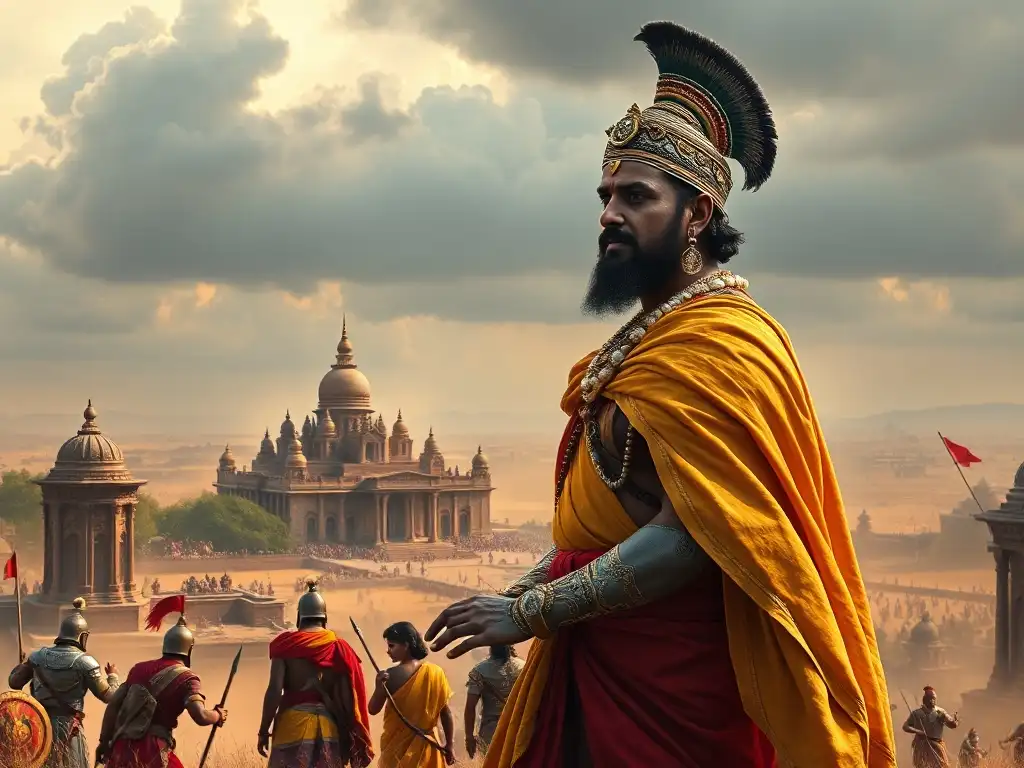
Welcome to Ancient India History, where we embark on an enlightening journey through the rich tapestry of India’s past! Here, we delve into the captivating stories of remarkable figures who shaped civilizations. In this article, we shine a spotlight on Ashoka the Great, a ruler whose innovative approach to governance during times of rebellion left an indelible mark on history.
Curious about how he navigated the turbulent waters of dissent and transformed his empire? Join us as we explore the intricacies of Ashoka's reign and uncover the strategies that defined his legacy. Your adventure into the depths of ancient wisdom begins now!
- Introduction to Ashoka the Great and His Reign
- Understanding the Context of Rebellions During Ashoka's Rule
- Ashoka the Great's Approach to Handling Rebellions
- Case Studies of Notable Rebellions During Ashoka's Rule
- The Impact of Ashoka's Rebellion Management on His Legacy
- Conclusion: The Lasting Influence of Ashoka the Great's Rebellion History
-
Frequently Asked Questions
- What were the main rebellions during Ashoka the Great's rule?
- How did Ashoka's philosophy change after the Kalinga War?
- What role did Buddhism play in Ashoka's approach to governance?
- How did Ashoka communicate his policies to his subjects?
- What is the legacy of Ashoka the Great in terms of rebellions and governance?
- Final Reflection: The Enduring Legacy of Ashoka the Great's Leadership
- Unveil the Leadership Lessons of Ashoka!
Introduction to Ashoka the Great and His Reign
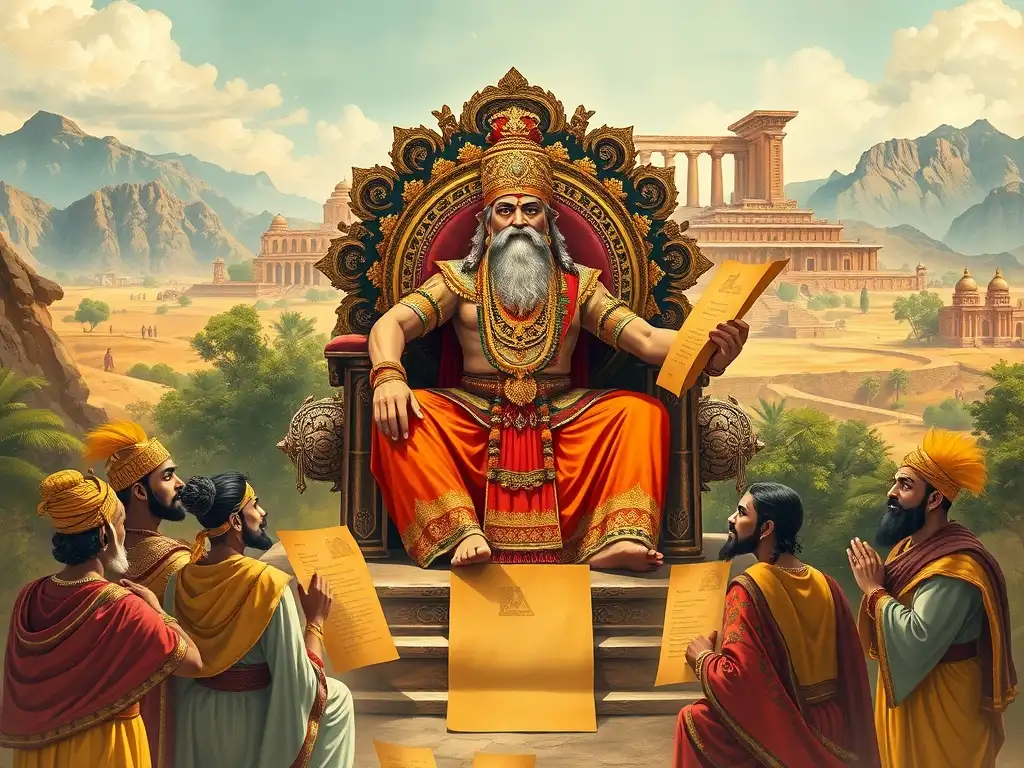
The reign of Ashoka the Great, one of the most illustrious emperors of ancient India, marks a significant period in the Indian subcontinent's history. His rule, which spanned from approximately 268 to 232 BCE, is characterized by remarkable achievements in governance, military prowess, and a profound transformation in approach to leadership following the Kalinga War. Ashoka's legacy is not only rooted in his military conquests but also in his commitment to peace, moral governance, and the promotion of Buddhism.
This article delves into how Ashoka managed rebellions during his rule, illustrating his strategic and philosophical approach to governance amidst challenges. By examining the intricacies of Ashoka's reign, we gain insights into the complexities of maintaining power in a diverse and vast empire, as well as the profound impact of his policies on the Indian subcontinent's cultural and historical landscape.
Overview of Ashoka's Significance in Ancient Indian History
Ashoka the Great stands as a pivotal figure in ancient Indian history, symbolizing the transition from a militaristic empire to a realm governed by ethical principles and social welfare. His significance is multi-faceted:
- Architect of the Mauryan Empire: As the third emperor of the Mauryan dynasty, Ashoka greatly expanded the empire's territory, which at its height included most of the Indian subcontinent.
- Buddhist Patronage: Ashoka’s conversion to Buddhism marked a turning point, leading to the spread of Buddhist teachings both within and beyond India. His support for the faith led to the establishment of stupas and monastic institutions.
- Promotion of Dharma: He emphasized the importance of Dharma (moral law) and non-violence, promoting a vision of governance that prioritized the welfare of all beings.
Ashoka's ability to adapt his leadership style in response to the challenges he faced, particularly during periods of unrest and rebellion, speaks volumes about his strategic mindset and the lasting impact of his reign on subsequent generations.
Key Contributions and Achievements of Ashoka the Great
Ashoka the Great's reign was marked by several key contributions and achievements that not only solidified his power but also transformed the sociopolitical landscape of ancient India:
- The Kalinga War: This conflict was a defining moment in Ashoka's life, leading to his conversion to Buddhism. The war's immense loss of life profoundly affected him, steering his policies toward peace and compassion.
- Edicts of Ashoka: Inscribed on pillars and rocks across his empire, these edicts communicated his vision of governance, promoting moral conduct and social justice. They serve as critical historical documents that reflect his thoughts and policies.
- Infrastructure Development: Ashoka invested in infrastructure, including roads, hospitals, and irrigation systems, facilitating trade and improving public welfare. His commitment to the well-being of his subjects is evident in these developments.
- Promotion of Religious Tolerance: Ashoka's reign is noted for its emphasis on religious harmony. He encouraged dialogue among different faiths, fostering a culture of acceptance and coexistence.
Through these contributions, Ashoka the Great not only secured his empire's stability but also laid the groundwork for a legacy that would influence Indian culture and governance for centuries to come.
Understanding the Context of Rebellions During Ashoka's Rule
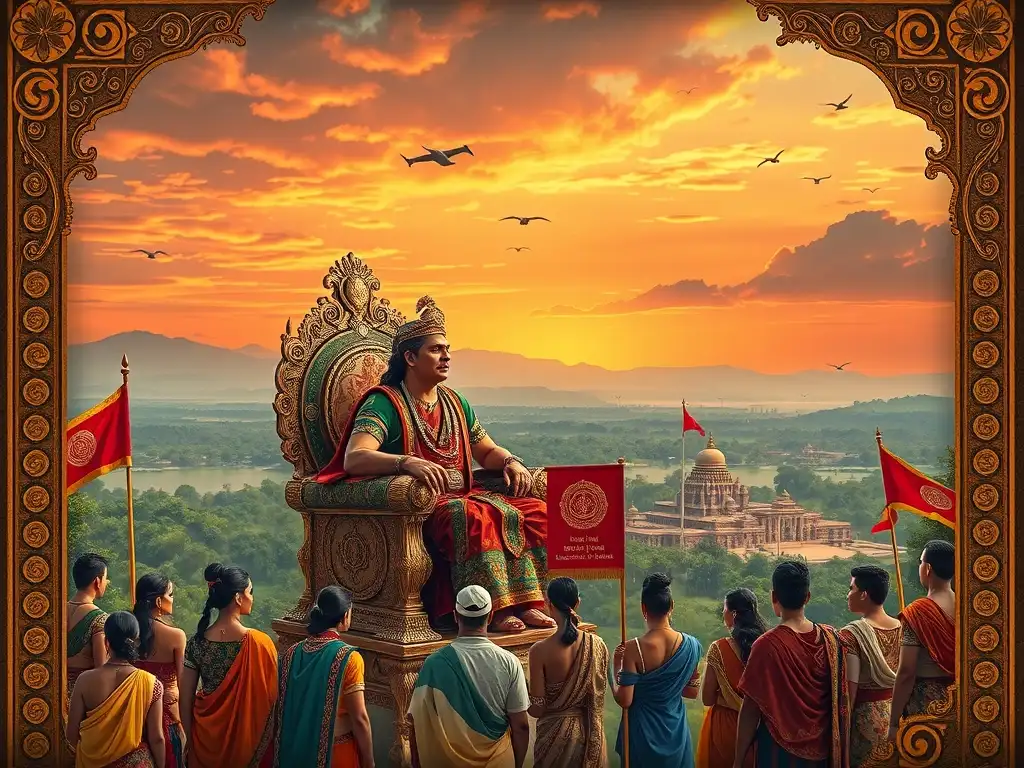
Historical Background of the Maurya Empire
The Maurya Empire, established in 322 BCE by Chandragupta Maurya, marked a significant turning point in the history of ancient India. Spanning nearly two centuries, this vast empire encompassed most of the Indian subcontinent, including modern-day India, Pakistan, and parts of Afghanistan. It was during the reign of Ashoka the Great (268-232 BCE) that the Maurya Empire reached its zenith, both in territorial expansion and in cultural advancements.
Under Ashoka's rule, the empire transitioned from a militaristic approach to governance to one focused on moral and ethical leadership. This shift became particularly important after the Kalinga War (c. 261 BCE), which resulted in immense loss of life and suffering. Ashoka's transformation into a proponent of Buddhism and non-violence was pivotal in shaping his policies and governance style. However, despite his efforts to promote peace, rebellion remained a persistent challenge during his reign, stemming from various historical and socio-political factors.
Factors Leading to Rebellions in Ancient India
The rebellions during Ashoka's rule can be attributed to multiple factors, each intricately linked to the socio-political landscape of ancient India. Here are some of the primary factors:
- Cultural Diversity: The Maurya Empire was home to a multitude of ethnic groups, languages, and religions. This diversity often resulted in tensions, as different communities sought greater autonomy and recognition. As Ashoka promoted Buddhism, some Hindu factions felt marginalized, leading to unrest.
- Administrative Challenges: Managing a vast empire posed significant administrative challenges. Regions far from the capital, Pataliputra, often experienced neglect in terms of governance and resources. Local leaders and chieftains, feeling disconnected from the central authority, were inclined to rebel to assert their power.
- Economic Strain: The economic policies of the Maurya Empire, while aimed at prosperity, sometimes imposed heavy taxes on local populations. This financial burden could lead to dissatisfaction and rebellion, particularly among farmers and merchants who struggled to meet tax obligations.
- Military Discontent: Following the Kalinga War, Ashoka's commitment to non-violence reduced military funding and support for soldiers. Disgruntled veterans and active military personnel, facing diminished roles and benefits, could become sources of rebellion, seeking to reclaim their status and influence.
- Regional Power Dynamics: The empire's expansion often led to the subjugation of powerful regional kingdoms. These kingdoms, with their own histories and loyalties, resisted Mauryan control, leading to conflicts and uprisings. The desire for restoration of their past glory often fueled rebellion against Ashoka's rule.
- Philosophical Opposition: While Ashoka's promotion of Buddhism aimed to cultivate peace, it also faced opposition from Brahmanical traditions and other philosophical schools. Critics of his policies viewed the shift in ideology as a threat to their social and religious practices, potentially inciting rebellion.
Ashoka the Great faced a complex web of factors leading to rebellions during his rule. Understanding these underlying causes provides valuable insight into how he managed dissent and maintained authority in an empire marked by diversity and change.
Ashoka the Great's Approach to Handling Rebellions
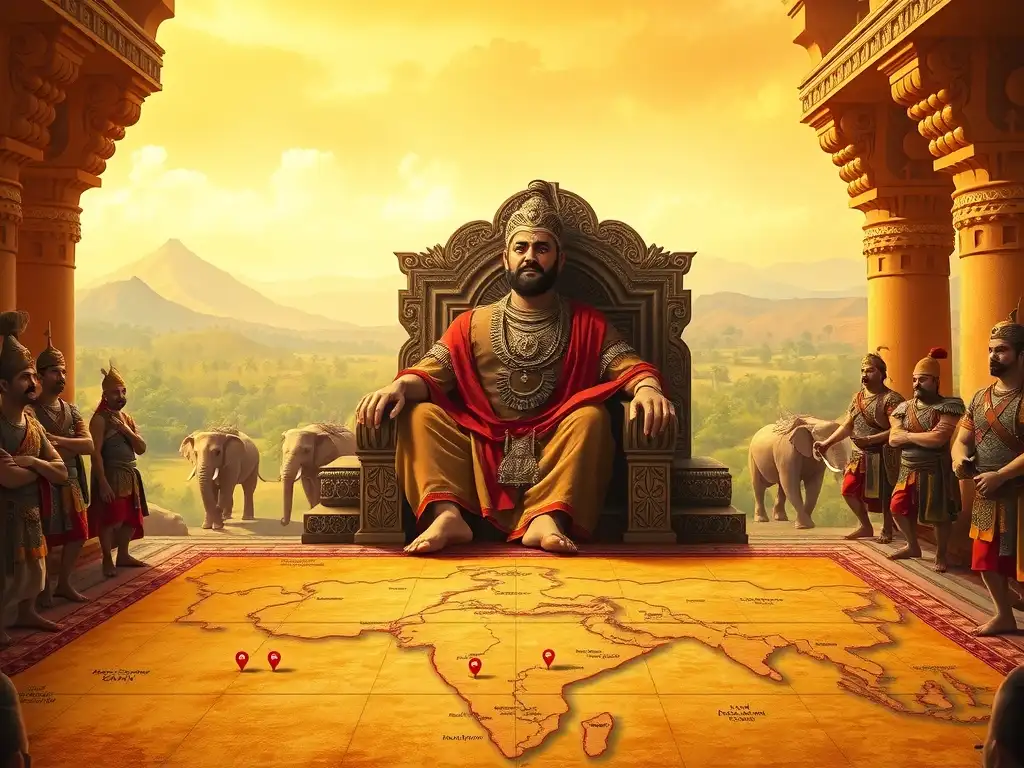
Ashoka the Great, the third Mauryan Emperor, is renowned not only for his contributions to Buddhism and the promotion of dharma but also for his adept handling of various rebellions during his reign. His approach to governance and conflict management was characterized by a blend of compassion and pragmatism, which set him apart from many rulers of his time. Ashoka's strategies for managing rebellions were multifaceted, incorporating diplomatic efforts, military responses, and significant administrative reforms.
Strategies Used by Ashoka to Manage Rebellions
Ashoka employed several strategies that underscored his commitment to maintaining stability and harmony within his vast empire. Notably, he recognized the importance of understanding the root causes of dissent. His methods included:
- Promoting Religious Tolerance: Ashoka’s endorsement of Buddhism and respect for other religions fostered an environment of tolerance. He encouraged dialogue among different faiths, reducing the likelihood of sectarian violence.
- Public Works and Welfare: Ashoka invested heavily in public infrastructure, such as roads and hospitals, which not only improved the quality of life for his subjects but also integrated diverse communities within his empire. Through these initiatives, he aimed to build loyalty and mitigate grievances that could lead to rebellion.
- Decentralized Administration: Recognizing the vastness of his empire, Ashoka implemented a decentralized system of governance. By appointing local governors who understood the regional dynamics, he ensured that grievances were addressed promptly and effectively, thus minimizing the chances of rebellion.
By utilizing these strategies, Ashoka sought to create a sense of unity and purpose among his subjects, often preempting potential conflicts before they could escalate.
The Role of Diplomacy in Ashoka's Rebellion Management
Diplomacy played a critical role in Ashoka’s approach to managing unrest. Rather than resorting to immediate military action, he often opted for negotiation and conciliation. Here are some key aspects of his diplomatic efforts:
- Engagement with Local Leaders: Ashoka frequently sought to engage with local chieftains and leaders. By forging alliances and establishing rapport, he was able to pacify areas that showed signs of dissent. This approach not only averted conflict but also strengthened his legitimacy as a ruler.
- Use of Edicts: Ashoka's edicts, inscribed on stone pillars and rocks throughout his empire, served as a means of communication with his subjects. In these edicts, he promoted ethical governance, moral conduct, and the importance of peace. This public display of his values helped to reinforce his authority and dissuade rebellion.
- Cultural Integration: Ashoka embraced the cultural diversity of his empire, promoting festivals and public gatherings that celebrated various traditions. This not only fostered a sense of belonging among different communities but also mitigated tensions that could lead to rebellion.
Through these diplomatic measures, Ashoka effectively managed dissent and maintained a relatively stable rule, showcasing his understanding of the complexities of governance.
Use of Military Force: When and How Ashoka Responded
While Ashoka preferred diplomacy, he was not averse to using military force when necessary. However, his approach to military engagement was often measured and strategic. Key points regarding his military responses include:
- Selective Military Action: Ashoka's military interventions were typically reserved for significant threats. For instance, he dealt decisively with the Kalinga War, which was a notable conflict that arose due to Kalinga's refusal to submit to Mauryan rule. The aftermath of this war deeply impacted Ashoka, leading him to renounce violence and embrace a path of peace.
- Focus on Restraint: Even when military action was taken, Ashoka emphasized restraint and humane treatment of defeated foes. He often spared the lives of those who surrendered, prioritizing reconciliation over revenge.
- Reform of the Military: Post-Kalinga, Ashoka reformed his military strategies to focus more on defense rather than expansion. This shift reflected his commitment to peace and stability, prioritizing the welfare of his subjects over territorial conquest.
While Ashoka the Great was willing to employ military force when faced with rebellion, his overarching philosophy was rooted in compassion and ethical governance, which ultimately defined his legacy as a ruler. The "Ashoka the Great rebellions history" thus reflects a complex interplay of diplomacy, military strategy, and a profound commitment to the welfare of his people.
Case Studies of Notable Rebellions During Ashoka's Rule
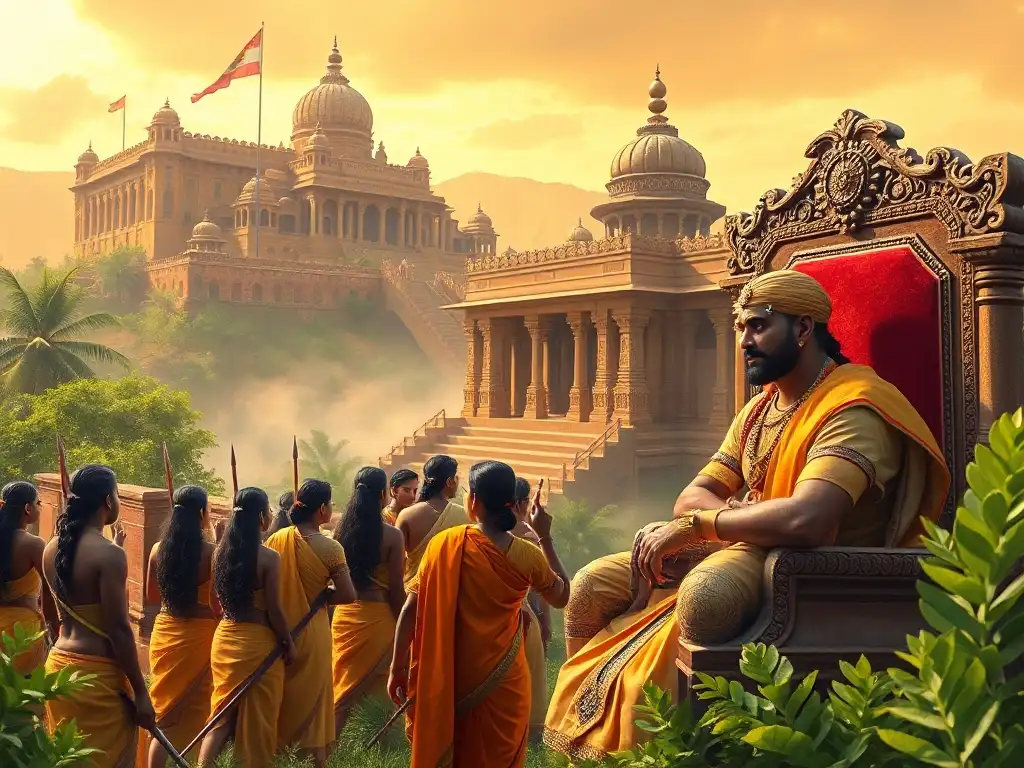
The Kalinga War: A Turning Point in Ashoka's Rule
The Kalinga War stands as one of the most significant events during the reign of Ashoka the Great, marking a pivotal moment that reshaped not only his rule but also his philosophy towards governance and military engagement.
Causes of the Kalinga War
The Kalinga region, located along the eastern coast of India, was prosperous and strategically important. The causes that led to this war can be summarized as follows:
- Territorial Expansion: Ashoka sought to expand his Mauryan Empire, which necessitated control over the wealthy Kalinga territory known for its trade routes and resources.
- Strategic Rivalry: Kalinga had resisted Mauryan influence, leading to tensions. Its refusal to submit to Ashoka's authority became a point of contention.
- Economic Incentives: The desire to control Kalinga’s rich resources, including its coastal trade, motivated Ashoka’s military ambitions.
The conflict escalated into a full-scale war around 261 BCE, leading to significant bloodshed and suffering.
Ashoka’s Response and Aftermath
The Kalinga War had profound implications for Ashoka's rule. The aftermath can be characterized as follows:
- Devastating Casualties: The war resulted in a staggering loss of life, with estimates suggesting over 100,000 soldiers and civilians killed. This devastation profoundly affected Ashoka.
- Transformation to Buddhism: Witnessing the horrors of war led Ashoka to adopt Buddhism as a guiding philosophy. He embraced the principles of non-violence and compassion, marking a significant shift in his governance.
- Edicts of Ashoka: Following the war, Ashoka issued a series of edicts promoting dharma (moral law) and condemning violence. These edicts were inscribed on pillars and rocks throughout his empire, aiming to spread messages of peace and ethical governance.
The Kalinga War is not just a military conflict; it symbolizes a transformative moment in Ashoka the Great's leadership, reflecting his journey from a conqueror to a proponent of peace.
Other Significant Rebellions: The Revolt of Takshashila and the Utkala Rebellion
While the Kalinga War is the most prominent example of rebellion during Ashoka's rule, other notable uprisings also occurred, including the Revolt of Takshashila and the Utkala Rebellion.
Overview of Each Rebellion
- Revolt of Takshashila:
- Context: Located in modern-day Pakistan, Takshashila was a major center of learning and trade. Its inhabitants resisted Ashoka's central authority, leading to unrest.
- Motivation: The local leaders sought to maintain their autonomy and were opposed to the imposition of Mauryan tax and administrative systems.
- Utkala Rebellion:
- Context: The Utkala region, corresponding to parts of present-day Odisha, was known for its cultural richness. The rebellion stemmed from dissatisfaction with Mauryan rule.
- Motivation: Local grievances included heavy taxation and loss of local governance, which spurred uprisings against Ashoka's centralized control.
Ashoka's Strategies and Responses
In handling these rebellions, Ashoka employed various strategies that reflected his evolving philosophy:
- Diplomacy Over Force: Unlike the violent response seen in the Kalinga War, Ashoka sought to resolve conflicts in Takshashila and Utkala through diplomacy. He aimed to engage local leaders and incorporate their grievances into a broader imperial framework.
- Cultural Integration: Ashoka promoted the integration of local customs and traditions, encouraging a sense of unity while respecting regional identities.
- Use of Edicts: Similar to the Kalinga aftermath, Ashoka issued edicts that stressed tolerance and understanding, aiming to mitigate resentment among the rebelling populations.
These rebellions illustrate the complexities of governance during Ashoka's reign and showcase his strategic shift towards a more compassionate and inclusive rule, aligning with his commitment to Buddhist principles.
The Impact of Ashoka's Rebellion Management on His Legacy
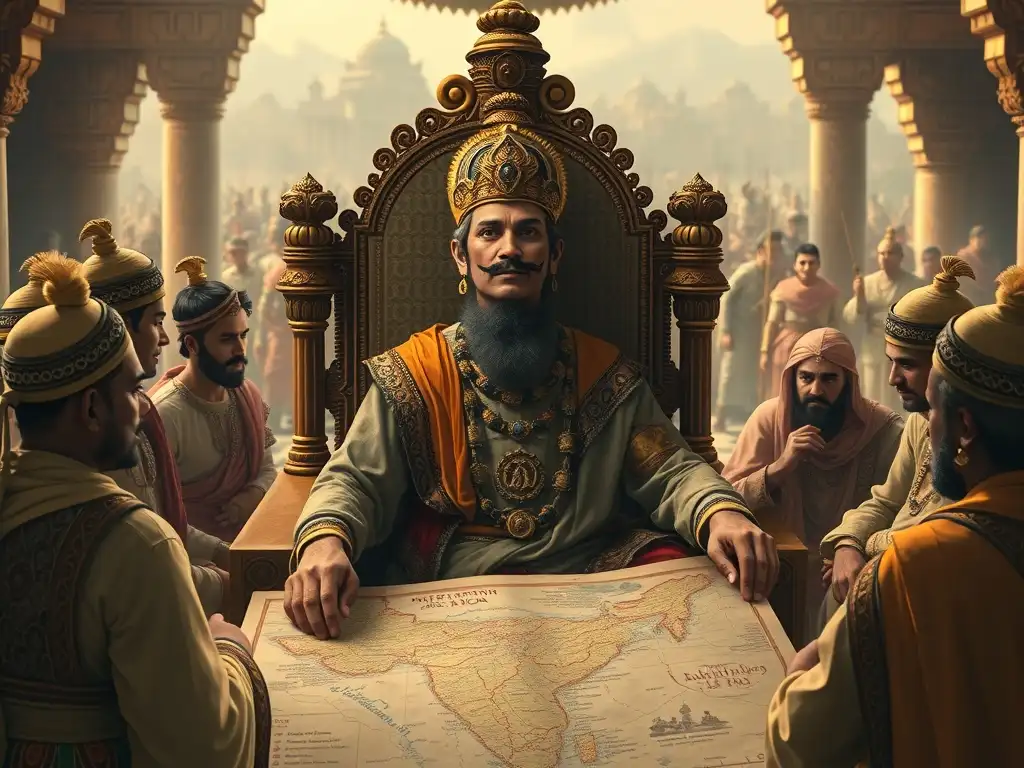
Transformation of Ashoka After the Kalinga War
The Kalinga War, fought around 261 BCE, was a significant turning point in the reign of Ashoka the Great. The brutal conflict claimed an estimated 100,000 lives and led to widespread suffering, profoundly impacting Ashoka's outlook on governance and warfare. Witnessing the aftermath of the war, Ashoka experienced a dramatic transformation that shaped his policies and approach to rebellion management.
Following the Kalinga War, Ashoka embraced the principles of Dharma, which emphasized non-violence, compassion, and moral governance. He recognized that the harsh realities of war and its consequences could not only lead to physical destruction but also to the erosion of societal harmony. This realization prompted Ashoka to adopt a more conciliatory approach, focusing on the integration of conquered territories rather than their subjugation. He implemented the following strategies:
- Promotion of Buddhism: Ashoka became a patron of Buddhism, advocating its teachings as a means to address the underlying causes of conflict. His support for Buddhist missionaries helped spread the message of peace and non-violence across his empire and beyond.
- Establishment of the Edicts of Ashoka: He inscribed his policies on pillars and rocks throughout his empire, promoting ethical governance and reminding subjects of their moral responsibilities. These edicts served as a form of communication that fostered loyalty and reduced the likelihood of rebellion.
- Investment in Welfare Programs: Recognizing the importance of public welfare, Ashoka invested in infrastructure, such as roads and hospitals, to improve the quality of life for his subjects. This focus on welfare helped to solidify his reputation as a benevolent ruler, reducing discontent and rebellion.
This transformation not only marked a change in Ashoka's personal beliefs but also set a precedent for future rulers regarding the importance of ethical leadership in maintaining stability.
Long-term Effects of Ashoka’s Policies on Rebellion Management
Ashoka's approach to handling rebellions had profound long-term effects on the Indian subcontinent, influencing the political landscape long after his reign. His policies on governance and rebellion management can be analyzed through several key outcomes:
- Cultural Integration and Unity: By promoting Buddhism and encouraging cultural exchanges, Ashoka's policies fostered a sense of unity among diverse ethnic groups within his empire. This cultural integration reduced the likelihood of regional rebellions, as various communities began to identify with a shared identity centered around Buddhist values.
- Administrative Reforms: Ashoka's focus on Dharma led to significant administrative reforms. He established a more organized bureaucratic system that included local governance structures, allowing for better representation of regional interests. This decentralization helped local leaders maintain order and address grievances, thereby reducing the potential for uprisings.
- Legacy of Non-Violence: Ashoka's commitment to non-violence and moral governance left a lasting legacy that influenced future Indian rulers. His reign became emblematic of the idea that effective governance could be achieved without resorting to brutality. This legacy resonated particularly during later periods of Indian history, where many rulers sought to emulate his methods.
- Religious Tolerance: By advocating for religious tolerance and respect for all faiths, Ashoka created an environment conducive to peaceful coexistence. This policy was pivotal in managing dissent, as it allowed dissenting voices to express their concerns without the fear of persecution.
Ashoka the Great's handling of rebellions not only transformed his own reign but also left an indelible mark on the history of governance in ancient India. His policies on ethical leadership, cultural integration, and welfare significantly shaped the political and social fabric of the region, impacting subsequent generations and establishing a model for future rulers to follow.
Conclusion: The Lasting Influence of Ashoka the Great's Rebellion History
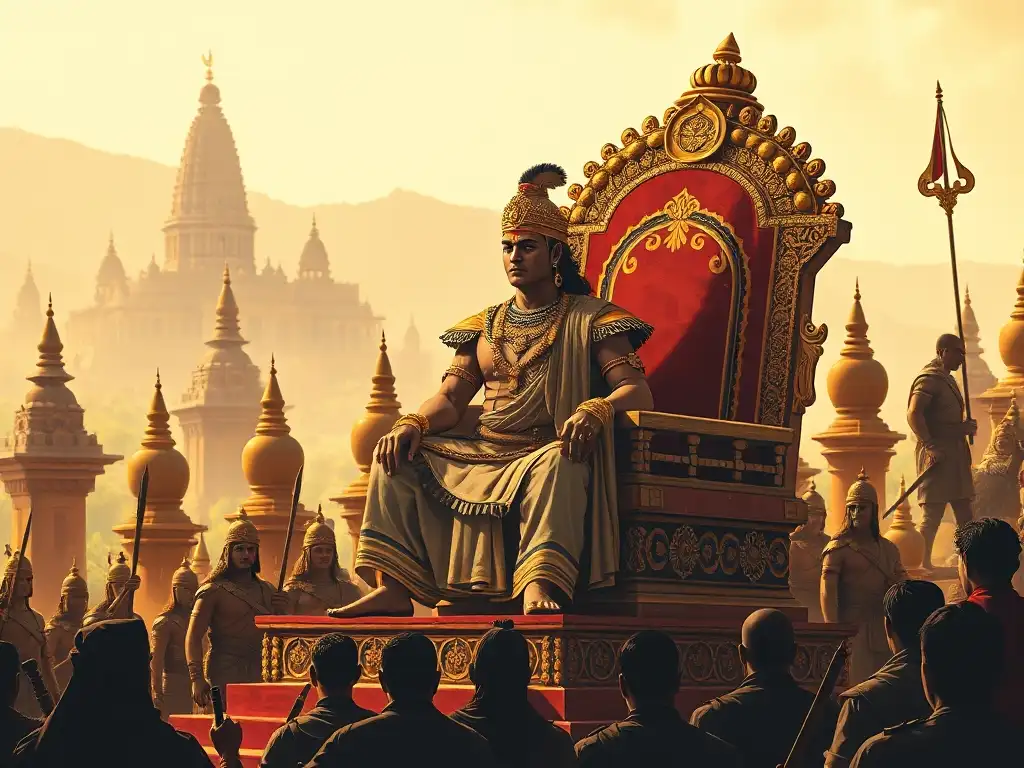
Reflection on Ashoka's Leadership and Its Relevance Today
Ashoka the Great's approach to handling rebellions during his reign is a testament to his exceptional leadership qualities and strategic acumen. His reign, marked by the transition from a warrior to a benevolent ruler, reflects a significant shift in governance paradigms that resonates even in contemporary leadership discussions. Ashoka's ability to transform his response to conflict—from violent suppression to reconciliation and dialogue—highlights the importance of understanding the socio-political contexts of unrest.
In dealing with rebellions, Ashoka emphasized Buddhist principles that advocated for peace, compassion, and moral authority. This approach not only quelled immediate conflicts but also fostered long-term stability and loyalty among his subjects. By prioritizing Dhamma (moral law), he laid foundations for governance that valued ethical considerations over mere power dynamics. The lessons derived from his methods remain relevant in today’s world, where leaders are often faced with dissent and social unrest.
Modern leaders can learn from Ashoka’s example on the significance of inclusive governance and empathetic communication. His initiatives, such as the establishment of public welfare projects and the promotion of religious tolerance, serve as a reminder that effective leadership often entails addressing the root causes of discontent rather than resorting to force. As societies grapple with various forms of unrest, Ashoka's legacy reinforces the idea that lasting peace is achieved through understanding and compassion.
Final Thoughts on Ashoka the Great and His Rebellions History
Ashoka the Great's history with rebellions highlights a pivotal moment in ancient Indian governance, illustrating a ruler’s capacity to evolve in response to challenges. His reign, from approximately 268 to 232 BCE, serves as a profound case study in the dynamics of power, morality, and statecraft. The strategies he employed to address the upheavals during his rule, particularly after the Kalinga War, underscore the transformative power of remorse and introspection in leadership.
By shifting his focus towards Dhamma, Ashoka not only curtailed the violence that characterized his earlier military campaigns but also redefined the role of the state in the lives of its citizens. His efforts to promote welfare, education, and cultural integration reflect a broader vision that transcended immediate political concerns. This comprehensive approach to governance set a precedent for future leaders in India and beyond, reinforcing the notion that the strength of a ruler lies in their ability to unite diverse populations through shared values and mutual respect.
Ashoka the Great's rebellion history is not merely a chronicle of conflicts but rather a rich tapestry of lessons in leadership, ethics, and governance. His legacy continues to inspire discussions on the principles of non-violence and humanitarianism, reminding us that the true measure of a ruler is not solely in their conquests but in their ability to foster peace and unity among their people. As we reflect on Ashoka's contributions, we recognize the profound impact of his actions on the fabric of Indian history, and the enduring relevance of his ideals in shaping modern governance.
Frequently Asked Questions
What were the main rebellions during Ashoka the Great's rule?
Ashoka faced several rebellions, notably the Kalinga War, which significantly influenced his policies and led to his commitment to non-violence and Buddhism.
How did Ashoka's philosophy change after the Kalinga War?
After witnessing the devastation caused by the Kalinga War, Ashoka adopted a philosophy of peace and tolerance, promoting Buddhism as a means to govern and resolve conflicts.
What role did Buddhism play in Ashoka's approach to governance?
Ashoka's embrace of Buddhism led him to prioritize moral and ethical governance, using Dhamma to promote harmony and reduce social unrest.
How did Ashoka communicate his policies to his subjects?
Ashoka used rock edicts and inscriptions across his empire to communicate his policies and promote moral values, ensuring that his vision reached even remote areas.
What is the legacy of Ashoka the Great in terms of rebellions and governance?
Ashoka's handling of rebellions set a precedent for future rulers, emphasizing the importance of diplomacy and compassion in governance, which continues to inspire leaders today.
Final Reflection: The Enduring Legacy of Ashoka the Great's Leadership
Ashoka the Great's approach to handling rebellions during his rule remains profoundly relevant today, as it showcases the power of compassion and diplomacy in leadership. In a world where conflict often reigns, Ashoka's commitment to non-violence and moral governance serves as a striking reminder that true strength lies in understanding and reconciliation rather than brute force.
The historical narrative of Ashoka's reign continues to resonate within our cultural and social landscapes, influencing modern leaders and thinkers alike. His ability to transform from a warrior king to a proponent of peace illustrates the potential for personal growth and change in leadership roles. As Mahatma Gandhi once said, "> The greatness of a nation and its moral progress can be judged by the way its animals are treated." This sentiment echoes Ashoka's own principles, emphasizing the importance of ethical governance and empathy in fostering a harmonious society.
As we reflect on Ashoka the Great's legacy, let us consider how we can apply his lessons of compassion and understanding in our own lives. Take a moment to think about how you can embody these values in your interactions, whether in personal relationships or within your community. By embracing the spirit of Ashoka, we can contribute to a more peaceful and just world, ensuring that his remarkable story continues to inspire future generations.
Unveil the Leadership Lessons of Ashoka!
Thank you for diving into the fascinating world of Ashoka the Great and his remarkable responses to rebellion. You’ve gained valuable insights into the art of leadership and conflict resolution. Now, let’s transform those lessons into action!
Here’s how you can channel Ashoka’s wisdom in your own life:
- Embrace a Mindful Approach: Reflect on a current challenge you face and apply Ashoka's principle of compassion in your response. Consider ways to engage constructively with those involved.
- Share Your Knowledge: Discuss Ashoka’s strategies with friends or in online communities. Engage in conversations about the relevance of historical leadership in today's context.
- Explore Further: Read about other influential leaders throughout history and compare their methods to those of Ashoka. Look for leaders who approached conflict and rebellion in innovative ways.
What leadership challenge will you tackle next using Ashoka’s principles? **We'd love to hear your thoughts and experiences in the comments below! **