
The Mauryan Empire Under Ashoka: Power, Prosperity, and Peace


Welcome to Ancient India History, where we embark on an enlightening journey through the tapestry of time, unraveling the rich and diverse narratives of India’s ancient civilizations. In this exploration, we delve into the remarkable Mauryan Empire under Ashoka, a period marked by extraordinary power, prosperity, and an enduring legacy of peace. What drove this transformative ruler to embrace such a profound philosophy?
As you navigate through our insights, prepare to uncover the triumphs and trials of a leader who reshaped a nation’s identity and ideals. Join us as we uncover the mysteries and marvels of ancient India, igniting your curiosity to learn more!
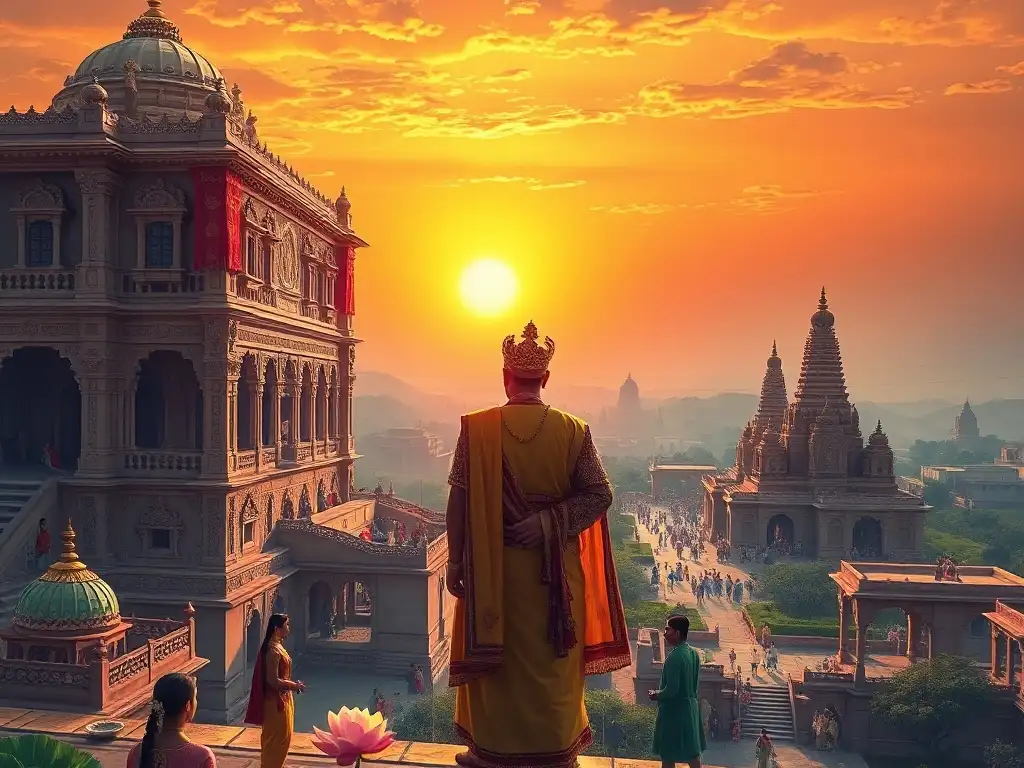
The Mauryan Empire, one of the most significant and influential empires in ancient India, reached its zenith under the reign of Emperor Ashoka. This period is marked by unparalleled power, economic prosperity, and a profound commitment to peace and social welfare.
Ashoka's transformation from a fierce warrior to a proponent of non-violence and Buddhism not only reshaped the empire but also left a lasting legacy on Indian civilization and beyond. This article delves into the rich tapestry of the Mauryan Empire under Ashoka, exploring his rise to power, his contributions to governance and society, and the enduring impact of his policies on the Indian subcontinent.
Introduction to the Mauryan Empire
Overview of the Mauryan Empire
The Mauryan Empire emerged in the 4th century BCE, founded by Chandragupta Maurya, and it rapidly expanded to encompass much of the Indian subcontinent. At its height, it covered vast territories, stretching from the modern-day regions of Afghanistan in the northwest to Bengal in the east. The Mauryan administration was notable for its centralized government, sophisticated bureaucracy, and extensive road networks that facilitated trade and communication.
- Key Features of the Mauryan Empire:
- Centralized government led by a monarch.
- An extensive and efficient bureaucracy.
- Promotion of trade and economic activities.
- Cultural integration across diverse regions.
Significance of Ashoka in Indian History
Ashoka the Great, who reigned from approximately 268 to 232 BCE, is often regarded as one of the most illustrious rulers in Indian history. His significance lies not only in his military conquests but also in his revolutionary approach to governance and societal values. After witnessing the horrors of war during the Kalinga conflict, Ashoka embraced Buddhism and committed himself to the principles of non-violence, compassion, and religious tolerance.
- Ashoka's Contributions:
- Establishment of the Edicts of Ashoka, promoting moral governance.
- Patronage of Buddhism, resulting in its spread across Asia.
- Implementation of welfare measures for the public.
- Development of infrastructure, including roads and hospitals.
Ashoka's Rise to Power
Early Life and Ascension to the Throne
Ashoka was born into the Mauryan royal family, the grandson of Chandragupta Maurya. His early life was marked by a rigorous education and military training. Following the death of his father, Bindusara, Ashoka faced a power struggle among his siblings before ultimately ascending to the throne. His early reign was characterized by a focus on consolidating power and expanding the empire through military campaigns.
- Key Events in Ashoka's Early Life:
- Education in martial arts and philosophy.
- Familial conflicts leading to his ascension.
- Initial military campaigns to solidify control over the empire.
Key Events Leading to Ashoka's Rule
Several pivotal events shaped Ashoka's rule, including the brutal Kalinga War, which was a turning point in his life. The suffering witnessed during this conflict led to his profound transformation and his subsequent embrace of Buddhism. Ashoka's reign marked a shift from conquest and expansion to a focus on internal stability and moral governance.
- Significant Events:
- The Kalinga War and its aftermath.
- Adoption of Buddhist principles and non-violence.
- Initiatives for public welfare and infrastructure development.
The Mauryan Empire under Ashoka stands as a testament to the potential for leadership that prioritizes peace and prosperity. As we explore the depths of his reign, we uncover the intricate balance Ashoka maintained between power and compassion, leaving an indelible mark on the history of ancient India.
Governance and Administration of the Mauryan Empire
The governance and administration of the Mauryan Empire, particularly under Ashoka, were marked by a sophisticated bureaucratic system that facilitated effective rule over a vast and diverse territory. Ashoka's reign saw the establishment of an organized structure that ensured efficient governance, allowing the empire to maintain stability and prosperity. The centralization of power was pivotal in managing the complex needs of the empire, and Ashoka's approach to governance is often regarded as a model of effective administration in ancient history.
Structure of the Mauryan Government
The structure of the Mauryan government was hierarchical, with Ashoka at the apex as the emperor. Below him were various officials responsible for different regions and functions of the state. The empire was divided into provinces known as Mahajanapadas, each governed by a Rajuka or provincial governor. These governors were responsible for maintaining law and order, collecting taxes, and implementing the emperor’s policies.
The administration was further supported by a network of officials, including:
- Ministers: Key advisors who assisted the emperor in decision-making.
- Council of Ministers: A group of trusted officials who advised on matters of state.
- Local Administrators: Responsible for managing smaller territories and ensuring local governance aligned with imperial policies.
This structured bureaucracy allowed for effective communication and control throughout the vast empire, making the Mauryan administration one of the most advanced of its time.
Ashoka’s Reforms and Administrative Policies
Ashoka’s reign is particularly noted for significant reforms that reflected his commitment to good governance and the welfare of his subjects. After his conversion to Buddhism, Ashoka emphasized moral governance, which he believed was essential for societal harmony. Key reforms included:
- Dhamma: Ashoka promoted the principles of Dhamma, which included ethical conduct, non-violence, and compassion towards all living beings. This was a cornerstone of his administration, influencing laws and public policy.
- Decentralization: While maintaining central control, Ashoka also decentralized certain administrative functions to allow local leaders to address regional issues effectively.
- Judicial Reforms: Ashoka introduced measures to ensure justice was accessible to all, including the establishment of courts and the appointment of judges.
- Public Welfare Projects: He initiated numerous projects focusing on health, education, and infrastructure, including the construction of hospitals, wells, and roads, which improved the overall quality of life in the empire.
These reforms not only enhanced the efficiency of governance but also fostered loyalty among the populace, ensuring that the Mauryan Empire under Ashoka was characterized by peace and prosperity.
The Mauryan Empire under Ashoka: Economic Prosperity
Under Ashoka's rule, the Mauryan Empire experienced significant economic prosperity, driven by advancements in trade, commerce, and agriculture. Ashoka's policies played a crucial role in stimulating economic growth, which in turn supported the empire's stability and expansion.
Trade and Commerce in the Mauryan Era
The Mauryan Empire was strategically located for trade, connecting the eastern and western parts of India as well as facilitating international trade routes. Ashoka’s reign saw the flourishing of trade and commerce due to several key factors:
- Infrastructure Development: The construction of roads and major trade routes, including the Grand Trunk Road, facilitated easier movement of goods and people. This infrastructure was vital for commerce and helped integrate different regions of the empire.
- Market Regulations: Ashoka implemented regulations that promoted fair trade practices, ensuring that merchants could conduct their business without the fear of exploitation.
- Cultural Exchange: Trade routes also encouraged cultural exchanges, leading to the spread of ideas, religions, and technologies, enhancing the overall richness of the Mauryan Empire.
As a result, the Mauryan Empire became a hub of economic activity, attracting merchants from various regions, including Central Asia and beyond.
Agricultural Advancements and Taxation Policies
Agriculture was the backbone of the Mauryan economy, and under Ashoka, significant advancements were made to improve agricultural productivity. His policies focused on both enhancing agricultural techniques and ensuring equitable taxation.
- Irrigation Projects: Ashoka invested in irrigation systems, which allowed for more efficient water management and increased agricultural yields. This was crucial for sustaining the growing population and supporting trade.
- Crop Diversity: He encouraged the cultivation of various crops, which not only diversified the economy but also improved food security across the empire.
- Taxation Reforms: Ashoka implemented fair taxation policies designed to alleviate the burden on farmers while ensuring the state’s revenue needs were met. Taxes were often collected in kind and adjusted based on the harvest, demonstrating a sensitivity to the agricultural cycles.
These agricultural advancements and thoughtful taxation policies contributed significantly to the economic prosperity of the Mauryan Empire under Ashoka, allowing it to thrive and sustain its vast population.
Promoting Peace and Buddhism
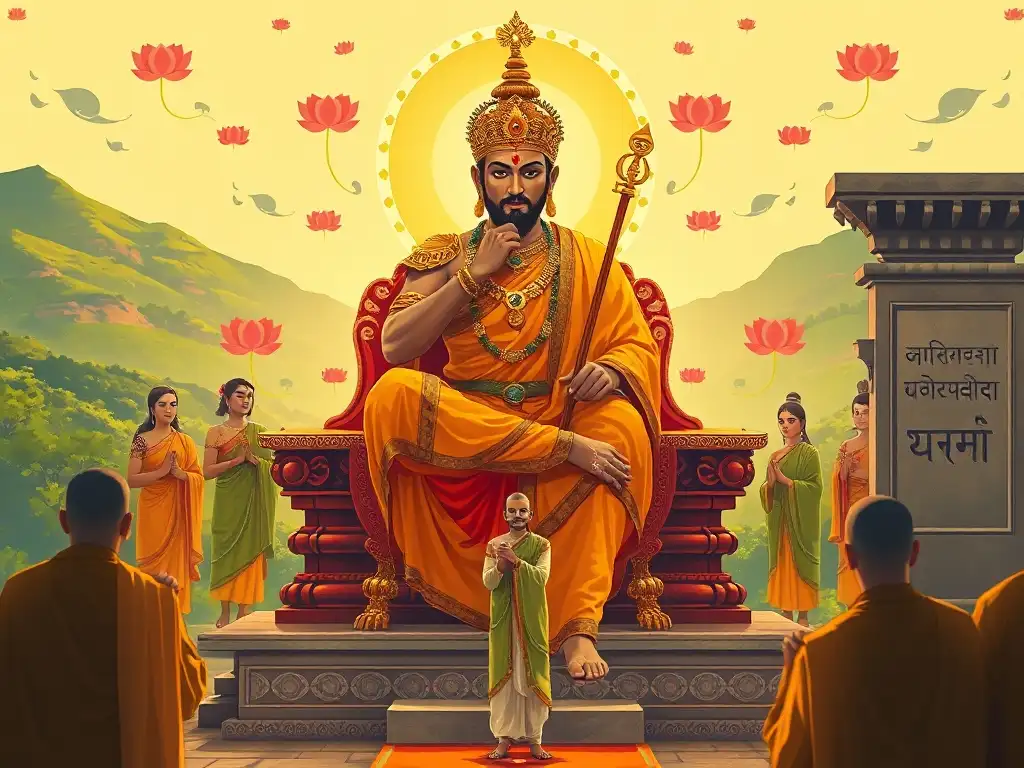
Under the reign of Ashoka, the Mauryan Empire underwent a transformative shift towards peace and the promotion of Buddhism. Following the Kalinga War, which resulted in the loss of countless lives, Ashoka sought to redefine his rule and the direction of his empire. He recognized the need for a moral compass in governance, which led him to embrace the principles of Buddhism. This transition marked a pivotal moment in Indian history, as Ashoka became not only a ruler but also a proponent of non-violence, compassion, and ethical governance.
Ashoka’s commitment to peace was manifested in various policies aimed at fostering harmony among his subjects. He encouraged religious tolerance, promoting the idea that all religions should coexist peacefully. His reign was characterized by efforts to spread the message of Buddhism, advocating for a life free from hatred and violence. This ethos not only transformed the Mauryan Empire but also influenced subsequent generations and the development of Indian culture and philosophy.
Ashoka’s Embrace of Buddhism
Ashoka’s conversion to Buddhism was a crucial turning point in his life and reign. After witnessing the devastation caused by the Kalinga War, he felt a profound sense of remorse and sought a path that aligned with his newfound values. Buddhism, with its teachings on non-violence (ahimsa) and compassion, resonated deeply with him.
Embracing these principles, Ashoka became a patron of Buddhism, supporting the establishment of monasteries and the propagation of the religion throughout his empire and beyond. He facilitated the sending of Buddhist missionaries to various regions, including Sri Lanka, where his efforts significantly contributed to the spread of Buddhism. Ashoka’s personal commitment to the religion was not merely political; it was a genuine transformation that shaped his policies and interactions with his subjects.
Edicts of Ashoka: Messages of Peace and Tolerance
One of the most significant legacies of Ashoka’s reign is the collection of edicts inscribed on pillars and rocks across his empire. These edicts serve as historical documents that communicate his philosophies and directives regarding governance, morality, and inter-religious tolerance.
The edicts emphasize the importance of ethical conduct, respect for all life, and the promotion of peace. They call for the humane treatment of animals, the welfare of subjects, and the necessity of mutual respect among different religious communities. For instance, Ashoka's edicts advocate for the practice of dharma, which encompasses righteousness, moral law, and social responsibility.
These inscriptions not only reflect Ashoka's adherence to Buddhist teachings but also illustrate his vision for a unified and peaceful society. By disseminating these messages, Ashoka aimed to instill a sense of shared values among the diverse populations of his empire, thereby fostering a culture of peace and cooperation.
Cultural Contributions during Ashoka's Reign
The Mauryan Empire under Ashoka was not only a period of political transformation but also a flourishing era for culture and the arts. Ashoka’s patronage of Buddhism significantly influenced artistic expression, leading to remarkable developments in art, architecture, literature, and philosophy.
Art and Architecture: Stupas and Pillars
Ashoka's reign is renowned for its architectural achievements, most notably the construction of stupas and pillars that served both religious and commemorative purposes. The Great Stupa at Sanchi, for example, is a quintessential representation of Mauryan architecture and a site of pilgrimage for Buddhists.
These stupas were built to house relics of the Buddha and symbolize the path to enlightenment. They are characterized by their hemispherical domes and elaborate gateways (toranas) adorned with intricate carvings depicting scenes from the life of the Buddha and Jataka tales.
In addition to stupas, Ashoka's pillars, such as the Lion Capital of Ashoka, are iconic symbols of Indian heritage. These pillars, often inscribed with edicts, showcase remarkable craftsmanship and artistic skill. The Lion Capital, which features four lions standing back to back, has become a national emblem of India. Together, these architectural marvels reflect the cultural and religious ethos of the Mauryan Empire during Ashoka's reign.
Literature and Philosophy in the Mauryan Era
The Mauryan Empire also witnessed significant advancements in literature and philosophy, largely influenced by the rise of Buddhism and Jainism. Ashoka’s support for these religions led to the flourishing of literary works that explored moral and philosophical themes.
Buddhist texts, including the Dhammapada and various Jataka tales, gained prominence during this period, emphasizing moral conduct, ethical living, and the pursuit of wisdom. These texts not only served as spiritual guidance but also contributed to the broader philosophical discourse in ancient India.
Moreover, the period saw the emergence of notable figures in philosophy, such as the great thinker and scholar Nagarjuna, who played a vital role in developing Mahayana Buddhism. The blending of Buddhist ideals with local cultural elements enriched the intellectual landscape of the Mauryan Empire, fostering a legacy that would influence Indian thought for centuries to come.
The Mauryan Empire under Ashoka was marked by significant cultural contributions that reflected its commitment to peace, ethical governance, and the promotion of Buddhism, shaping the course of Indian history.
Decline of the Mauryan Empire After Ashoka
The decline of the Mauryan Empire following the reign of Ashoka is a notable period marked by a gradual weakening of central authority, economic challenges, and external pressures. Although Ashoka's rule was characterized by peace and prosperity, his death in 232 BCE initiated a series of events that led to the empire's fragmentation. The vast territories that had been unified under Ashoka started to experience regionalism, with local rulers gaining power and influence, often disregarding the central authority established by the Mauryan dynasty.
Factors Leading to the Decline
Several key factors contributed to the decline of the Mauryan Empire after Ashoka. These include:
- Weak Successors: Ashoka's successors were often seen as incapable leaders. The lack of strong leadership led to a failure in maintaining the administrative structure and military strength, which had been hallmarks of Ashoka’s reign.
- Economic Strain: The extensive welfare programs initiated by Ashoka, while noble, put a significant strain on the empire's treasury. As resources dwindled, the state struggled to support its vast bureaucracy and military.
- Political Fragmentation: The vastness of the empire made it difficult to govern effectively. As central power weakened, local governors and regional kings began to assert their autonomy, leading to a lack of cohesion and unity.
- Invasions and External Threats: The Mauryan Empire faced threats from invading forces, such as the Greco-Bactrians and other nomadic tribes. These invasions further destabilized the region and challenged the authority of the Mauryan rulers.
- Religious and Cultural Shifts: Ashoka’s promotion of Buddhism and policies of non-violence may have led to decreased military readiness. The emphasis on peace over martial strength could have left the empire vulnerable to external threats.
Legacy of Ashoka and the Mauryan Empire
The legacy of Ashoka is multifaceted, encompassing both the achievements of his reign and the subsequent decline of the Mauryan Empire. His commitment to Buddhism, non-violence, and social welfare established a moral framework that influenced Indian society for centuries. Ashoka's edicts, inscribed on pillars and rocks across the empire, served as a means of communication and governance, promoting ethical conduct and the principles of Dharma.
Moreover, Ashoka's legacy extended beyond religion. His reign is often regarded as a high point in ancient Indian art and architecture, exemplified by the construction of stupas and the famous Ashoka Pillars, which are significant cultural symbols. Despite the empire's decline, the ideas and policies he championed permeated Indian culture and governance, setting a precedent for future rulers and empires.
Conclusion: The Impact of Ashoka on Ancient India
Ashoka's influence on ancient India and beyond is profound, marking a significant transition in the region's political, social, and cultural landscape. His reign represents a unique blend of power, prosperity, and peace that left an indelible mark on history.
Lasting Influence of Ashoka's Policies
The policies instituted by Ashoka have had a lasting impact not only in India but throughout Asia. His promotion of Buddhism and advocacy for non-violence resonated in various cultures, influencing leaders like Emperor Kanishka and later Buddhist rulers in Southeast Asia. Ashoka's concept of Dharma emphasized ethical governance and social responsibility, which has continued to inspire political and spiritual leaders throughout history.
The inscriptions of Ashoka serve as a historical record that reflects the values of his time, advocating for compassion, tolerance, and respect for all living beings. These principles have been integrated into various philosophical and religious traditions, contributing to a legacy that transcends time and geography.
Reflection on the Mauryan Empire's Significance in History
The Mauryan Empire, particularly under Ashoka, is often regarded as one of the most significant empires in ancient Indian history. Its contributions to art, culture, administration, and philosophy laid the groundwork for future Indian civilizations. The period of the Mauryan Empire is characterized by advancements in governance and public welfare, which have influenced political thought in India for centuries.
In retrospect, the Mauryan Empire serves as a testament to the potential of centralized power to foster peace and prosperity. Ashoka's reign exemplifies how ethical leadership and inclusive governance can yield remarkable social and cultural advancements, making it a pivotal chapter in the annals of ancient Indian history.
- Introduction to the Mauryan Empire
- Ashoka's Rise to Power
- Governance and Administration of the Mauryan Empire
- The Mauryan Empire under Ashoka: Economic Prosperity
- Promoting Peace and Buddhism
- Cultural Contributions during Ashoka's Reign
- Decline of the Mauryan Empire After Ashoka
- Conclusion: The Impact of Ashoka on Ancient India
Frequently Asked Questions
What was the significance of the Mauryan Empire under Ashoka?
The Mauryan Empire under Ashoka marked a transformative period in Indian history, known for its political stability, economic prosperity, and the promotion of Buddhism.
How did Ashoka contribute to the spread of Buddhism?
Ashoka was instrumental in the spread of Buddhism throughout Asia by sending missionaries and establishing rock edicts that promoted Buddhist teachings and values.
What were some key achievements of Ashoka during his reign?
Some of Ashoka's key achievements include the unification of India, the establishment of a network of roads, and the promotion of social welfare programs aimed at improving the lives of his subjects.
How did Ashoka's reign influence governance in ancient India?
Ashoka's reign introduced the concept of Dharma in governance, advocating for moral and ethical leadership that emphasized the well-being of the people rather than just power and conquest.
What led to the decline of the Mauryan Empire after Ashoka?
The decline of the Mauryan Empire after Ashoka can be attributed to administrative challenges, succession disputes, and the inability to maintain control over the vast territories he had unified.
Final Reflection: The Enduring Legacy of the Mauryan Empire Under Ashoka
The story of the Mauryan Empire under Ashoka is not just a tale of power and prosperity; it is a profound lesson in the pursuit of peace and ethical governance. In today's world, where conflicts and power struggles often overshadow the quest for harmony, Ashoka's reign serves as a beacon of hope. His transformation from a warrior king to a proponent of non-violence reminds us that true strength lies not in domination but in compassion and understanding.
The influence of Ashoka's principles continues to resonate in our cultural and social landscapes. His commitment to Dharma and the welfare of his people laid the groundwork for a society that valued moral integrity over mere conquest. As we navigate the complexities of modern governance and societal challenges, we can draw inspiration from Ashoka's legacy. The greatest victory is that which requires no battle.
This quote encapsulates the essence of Ashoka's philosophy, urging us to seek resolutions through dialogue and empathy rather than conflict.
As we reflect on the lessons from the Mauryan Empire under Ashoka, let us challenge ourselves to embody these ideals in our daily lives. Consider how you can promote peace and understanding in your community, embracing the spirit of Ashoka's governance. Whether through acts of kindness, advocating for justice, or fostering inclusive dialogue, each of us has the power to contribute to a more harmonious world. Embrace the legacy of Ashoka and let it inspire your actions as we strive for a future marked by compassion and unity.
Embrace the Legacy of Ashoka: Take Action Today!
Thank you for diving into the fascinating world of the Mauryan Empire under Ashoka! Your interest in this rich history not only broadens your knowledge but also inspires a deeper appreciation for **leadership, peace, and prosperity**. Now, let’s turn that knowledge into action!
Here are some engaging steps you can take:
- Rediscover Ashoka's Principles: Read Ashoka’s Edicts online and reflect on how his commitment to peace can inform your life today.
- Share Your Insights: Join our community on social media to discuss how Ashoka’s values resonate in your life—tag us with **#AshokaInspired**!
- Explore Further: Check out our recommended readings on ancient philosophies and their impact on modern leadership.
What aspect of Ashoka's reign inspires you the most, and how can you apply it to your daily life?