
Ashoka’s Contributions to Medicine and Healthcare in Ancient India


Welcome to Ancient India History, where we embark on a captivating journey through the rich tapestry of India's past! In this exploration, we delve into the profound impact of Ashoka on ancient medicine, a topic that not only highlights the remarkable innovations of the time but also reveals the compassionate ethos of one of history's most revered emperors. What did Ashoka's reign mean for healthcare practices, and how did his vision shape the medical landscape of ancient India?
Join us as we uncover these intriguing connections and more, inviting you to discover the legacy that continues to influence modern thought and practice. Dive deeper into the world of ancient civilizations right here!
- Introduction to Ashoka's Impact on Ancient Medicine
- Ashoka's Reforms in Healthcare
- Key Contributions to Medical Knowledge
- Public Health Initiatives Under Ashoka
- Ashoka's Influence on Ancient Indian Medicine
- Conclusion: Ashoka's Enduring Legacy in Medicine and Healthcare
-
Frequently Asked Questions
- What were Ashoka's contributions to ancient medicine and healthcare?
- How did Ashoka influence public health policies?
- What role did Buddhist teachings play in Ashoka's medical contributions?
- How did Ashoka's edicts impact the practice of medicine?
- What was the significance of hospitals during Ashoka's reign?
- Final Reflection: Ashoka's Enduring Legacy in Ancient Medicine
- Unveil the Legacy of Ashoka in Modern Healthcare
Introduction to Ashoka's Impact on Ancient Medicine

The legacy of Ashoka the Great, one of the most prominent emperors of ancient India, extends far beyond his military conquests and administrative prowess; it profoundly impacted the field of medicine and healthcare. Ashoka's reign, spanning from 268 to 232 BCE, was marked by a significant shift towards the promotion of welfare, compassion, and healthcare for his subjects.
His efforts not only modernized medical practices of the time but also laid the groundwork for future advancements in the field. This article explores Ashoka's contributions to medicine and healthcare, highlighting the essence of his policies that fostered a holistic approach to health and well-being in ancient India.
Overview of Ashoka the Great
Ashoka, known as "Ashoka the Great," was the third ruler of the Maurya Dynasty and is often celebrated for his transformative governance following the bloody Kalinga War. After witnessing the devastating consequences of war, Ashoka embraced Buddhism and its principles of non-violence, compassion, and social welfare. This philosophical shift influenced various aspects of his rule, including healthcare, where he initiated widespread reforms aimed at improving the health and well-being of his citizens.
- Key Achievements:
- Promoted the establishment of hospitals for both humans and animals.
- Advocated for the use of herbal medicines and traditional healing practices.
- Implemented policies that emphasized the importance of public health and sanitation.
Ashoka's vision of a benevolent ruler extended to ensuring that all individuals, regardless of their social standing, had access to medical care, thus making a remarkable impact on ancient medicine.
Significance of Medicine in Ancient India
The significance of medicine in ancient India can be traced back to the rich tapestry of its cultural and philosophical heritage. Various medical systems, such as Ayurveda, emerged, emphasizing balance and holistic healing. During Ashoka's reign, these practices were further integrated into the governance of health.
- Key Aspects of Ancient Indian Medicine:
- Ayurveda: An ancient system of medicine that focuses on harmony between body, mind, and spirit.
- Surgery: Evidence of advanced surgical techniques and knowledge of anatomy was prevalent, as documented in texts like the Sushruta Samhita.
- Herbal Treatments: Utilization of plants and herbs for healing was a common practice, showcasing a deep understanding of natural remedies.
Ashoka's contributions to healthcare not only highlighted the importance of medical practices during his time but also set a precedent for future rulers and societies to prioritize the health and welfare of their people. The advancements made during his reign continue to influence modern medicine, reflecting his lasting legacy in ancient Indian history.
Ashoka's Reforms in Healthcare
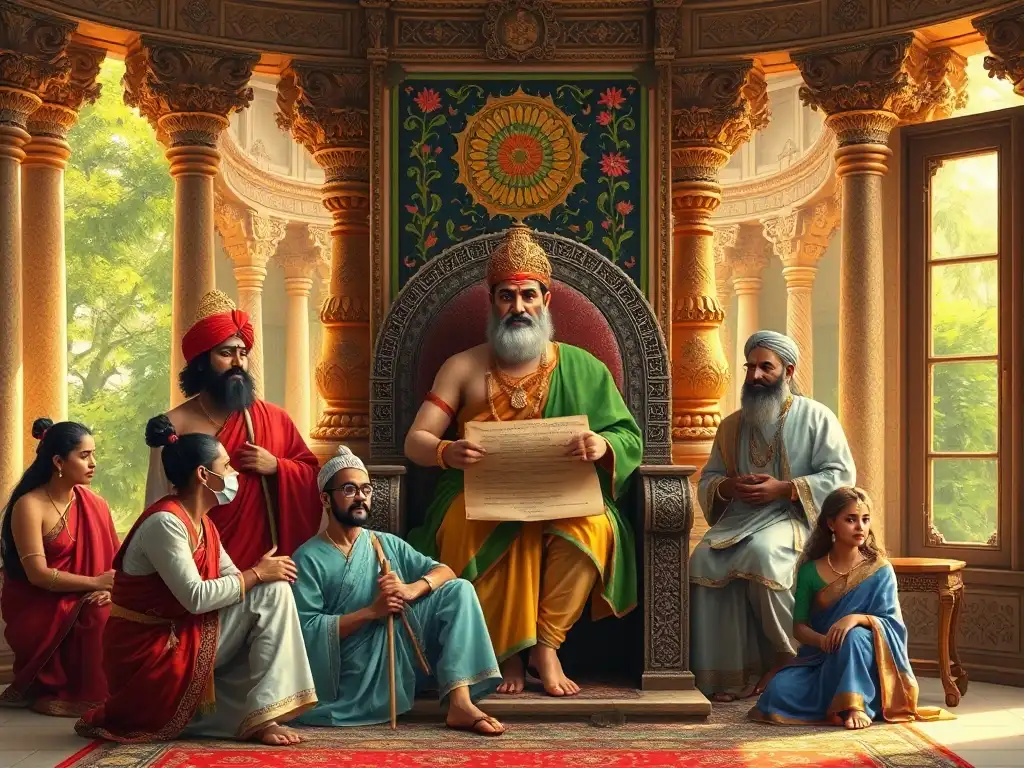
Ashoka the Great, the third ruler of the Maurya Dynasty, is renowned not only for his military conquests and the spread of Buddhism but also for his significant contributions to healthcare and medicine in ancient India. His reign marked a transformative period where health and well-being were prioritized alongside spiritual and moral development. Ashoka's impact on ancient medicine is evident through his various reforms that laid the foundation for organized healthcare systems in India.
Establishment of Hospitals and Medical Facilities
One of Ashoka's most notable contributions to healthcare was the establishment of hospitals and medical facilities. Historical records indicate that he built hospitals for both humans and animals throughout his empire. These facilities were equipped to provide medical care and were strategically located along trade routes, ensuring accessibility for a wide population.
- Public Health Initiatives: Ashoka initiated public health campaigns aimed at educating the masses about hygiene and sanitation. This proactive approach included the construction of wells and the planting of trees along roads to provide shade and comfort for travelers.
- Veterinary Care: Understanding the importance of animals in agriculture and daily life, Ashoka also ensured the establishment of veterinary hospitals. These facilities not only treated sick animals but also promoted animal welfare, reflecting his compassionate governance.
- Funding and Resources: The funding for these hospitals came from state resources, illustrating Ashoka's commitment to healthcare as a vital aspect of governance. His use of royal edicts to promote these facilities signifies the integration of health policies into the administrative framework of his empire.
Promotion of Ayurvedic Practices
Ashoka's impact on ancient medicine also extended to the promotion of Ayurvedic practices. Ayurveda, the traditional system of medicine in India, was encouraged during his reign through various means:
- Integration of Ayurveda into Public Health: Ashoka recognized the value of Ayurvedic principles in maintaining health and treating ailments. He supported the training of physicians in Ayurvedic practices, ensuring that this knowledge was preserved and disseminated across the empire.
- Standardization of Treatments: Under Ashoka's rule, there was an effort to standardize Ayurvedic treatments. This included the documentation of medicinal plants, their uses, and preparation methods, which contributed to the systematic understanding of herbal medicine.
- Access to Ayurvedic Knowledge: Ashoka’s edicts often highlighted the importance of Ayurvedic medicine, making it accessible to the general populace. This emphasis on traditional healing methods not only preserved indigenous medical practices but also fostered a sense of cultural identity.
Influence of Buddhist Principles on Healing
Buddhism, which Ashoka actively promoted, had a profound influence on the healing practices of his time. The principles of compassion and non-violence, central to Buddhist philosophy, shaped Ashoka's approach to healthcare:
- Compassionate Care: Ashoka believed in the moral obligation to care for the sick and suffering, which was reflected in the establishment of hospitals and the inclusive healthcare policies he enacted. His approach was not merely about curing diseases but also about enhancing the overall well-being of individuals.
- Spiritual Healing: The integration of spiritual practices with physical healing was a hallmark of Ashoka’s healthcare reforms. He encouraged the idea that mental and emotional well-being were critical to physical health, promoting meditation and mindfulness as complementary to medical treatments.
- Ethics in Medicine: Ashoka’s influence led to an ethical framework for medical practitioners, emphasizing the importance of treating patients with dignity and respect. This ethical perspective ensured that healthcare was not only about physical treatment but also about the holistic care of individuals.
Ashoka's impact on ancient medicine was profound and multifaceted. His reforms in healthcare, the promotion of Ayurvedic practices, and the infusion of Buddhist principles into healing created a legacy that shaped the medical landscape of ancient India and laid the groundwork for future generations. His commitment to health and well-being remains a significant chapter in the annals of Indian history.
Key Contributions to Medical Knowledge
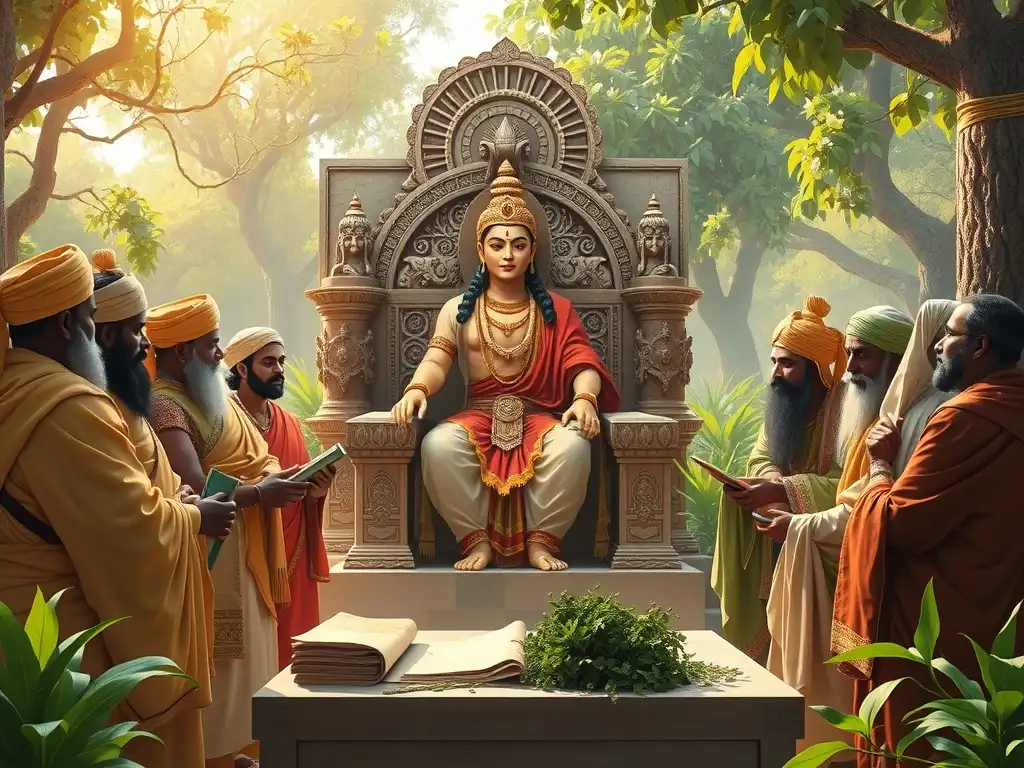
Documentation of Medical Texts
Ashoka's reign marked a significant period in the documentation of medical knowledge in ancient India. Although most of the medical texts from this era have not survived in full, historical accounts suggest that Ashoka's patronage greatly influenced the compilation of various Ayurvedic texts. Ayurveda, the traditional system of medicine in India, saw a systematic organization of its principles during this time, which laid the groundwork for future generations.
One of the most notable texts believed to be influenced by Ashoka's era is the Charaka Samhita, a foundational work on Ayurveda that elaborates on herbal medicine, surgery, and holistic health practices. This text emphasizes the integration of physical, mental, and spiritual well-being, reflecting Ashoka's own principles of dharma and compassion.
Moreover, inscriptions on pillars and edicts from Ashoka's reign also hint at the importance of health and hygiene. For example, one of his edicts explicitly mentions the establishment of hospitals and medicinal plant gardens, which encouraged the documentation of medicinal properties and practices.
Role of Monasteries in Medical Education
During Ashoka's rule, monasteries served as crucial centers for medical education and knowledge dissemination. These institutions were not only places for spiritual learning but also hubs for various disciplines, including medicine. Monastic communities, particularly those associated with Buddhism, played an essential role in the advancement of medical practices.
The Buddhist monasteries often included facilities for the sick, where monks would practice medicine based on the teachings of Ayurveda and other contemporary medical systems. They were responsible for the preservation and transmission of medical texts, ensuring that knowledge was passed down through generations. The monks' commitment to care for the ill aligns with Ashoka's policies of compassion and welfare.
In addition, the monasteries facilitated the training of medical practitioners, allowing for a structured approach to learning. Aspiring healers would study under experienced monks, learning about herbal remedies, surgical techniques, and patient care. This system of education was pivotal in cultivating a knowledgeable class of physicians who could serve the community effectively.
Interaction with Medical Practitioners and Scholars
Ashoka's impact on ancient medicine was also characterized by his interactions with medical practitioners and scholars. He actively encouraged the exchange of ideas between various medical schools and traditions, fostering a collaborative environment for medical advancements.
Royal patronage was crucial in this regard; Ashoka supported scholars and practitioners by providing them with resources and platforms to share their knowledge. This led to discussions on various medical practices, including surgery, pharmacology, and preventive medicine. Notably, the efforts to improve public health through the establishment of hospitals were influenced by advice from skilled physicians and scholars from different regions.
Moreover, Ashoka's engagement with foreign medical knowledge cannot be overlooked. His empire, which spanned diverse cultures and regions, facilitated the exchange of ideas and practices. For instance, contact with Greek and Persian medical traditions through trade and diplomacy may have introduced new concepts that enriched the existing medical framework in India.
Ashoka's reign was pivotal in shaping the landscape of ancient medicine through the documentation of medical texts, the establishment of educational monasteries, and his interactions with medical practitioners. His contributions laid the foundation for the rich tapestry of medical knowledge that would evolve in the centuries to follow, cementing his legacy as a key figure in the history of medicine in ancient India.
Public Health Initiatives Under Ashoka
Implementation of Hygiene Standards
Ashoka the Great, revered for his humanitarian principles, implemented several public health initiatives aimed at improving hygiene standards across his empire. Recognizing the importance of cleanliness in preventing disease, he introduced measures that emphasized sanitation. One of his significant contributions was the construction of public toilets and the establishment of drainage systems in urban areas. These infrastructures were not only vital for maintaining hygiene but also played a crucial role in reducing waterborne diseases that were rampant during that era.
Ashoka's edicts, inscribed on pillars and rocks, reflect his commitment to public health. For instance, he encouraged the regular cleaning of streets and water bodies. His emphasis on clean water supply was pivotal; Ashoka ordered the construction of wells and reservoirs to ensure that all communities had access to fresh drinking water. These initiatives not only enhanced the quality of life but also fostered a sense of community responsibility towards maintaining cleanliness.
Introduction of Vaccination Practices
Although the concept of vaccination as we know it today was not present in ancient India, Ashoka’s reign marked the beginnings of preventive healthcare practices, which can be seen as a precursor to vaccination. Historical accounts suggest that Ashoka promoted the use of certain medicinal herbs and plants, which were believed to have healing properties.
For instance, the use of the Tulsi plant (Holy Basil) was encouraged for its reputed ability to enhance immunity and combat infections. Ashoka's emphasis on herbal knowledge contributed to the development of early forms of preventive medicine. Additionally, he promoted the idea of quarantine for those suffering from contagious diseases, which helped to control outbreaks and protect the broader population.
These early methods of disease prevention reflect Ashoka's progressive approach to health, which laid the groundwork for future advancements in medicine and healthcare practices.
Under Ashoka's rule, a noteworthy aspect of his healthcare policy was the focus on making medical care accessible to all social classes. Traditionally, medical services were often limited to the wealthy; however, Ashoka sought to democratize healthcare. He established hospitals not only in urban centers but also in rural areas, ensuring that even the poorest citizens received medical attention.
These hospitals provided free treatment, and Ashoka employed skilled physicians who were well-versed in various medicinal practices, including Ayurveda. His edicts encouraged the training of medical professionals and the sharing of knowledge about herbal remedies, making healthcare more inclusive.
Moreover, Ashoka's commitment to animal welfare, as evidenced by his ban on animal sacrifices and promotion of veterinary care, reflects his holistic view of health that encompassed both human and animal well-being. This accessibility to medical care across social classes was revolutionary and demonstrated Ashoka's understanding of the interconnectedness of health, society, and ethics.
Ashoka's impact on ancient medicine was profound, as he instilled principles of hygiene, preventive care, and equitable access to medical services that resonated throughout his empire and beyond, influencing future generations.
Ashoka's Influence on Ancient Indian Medicine
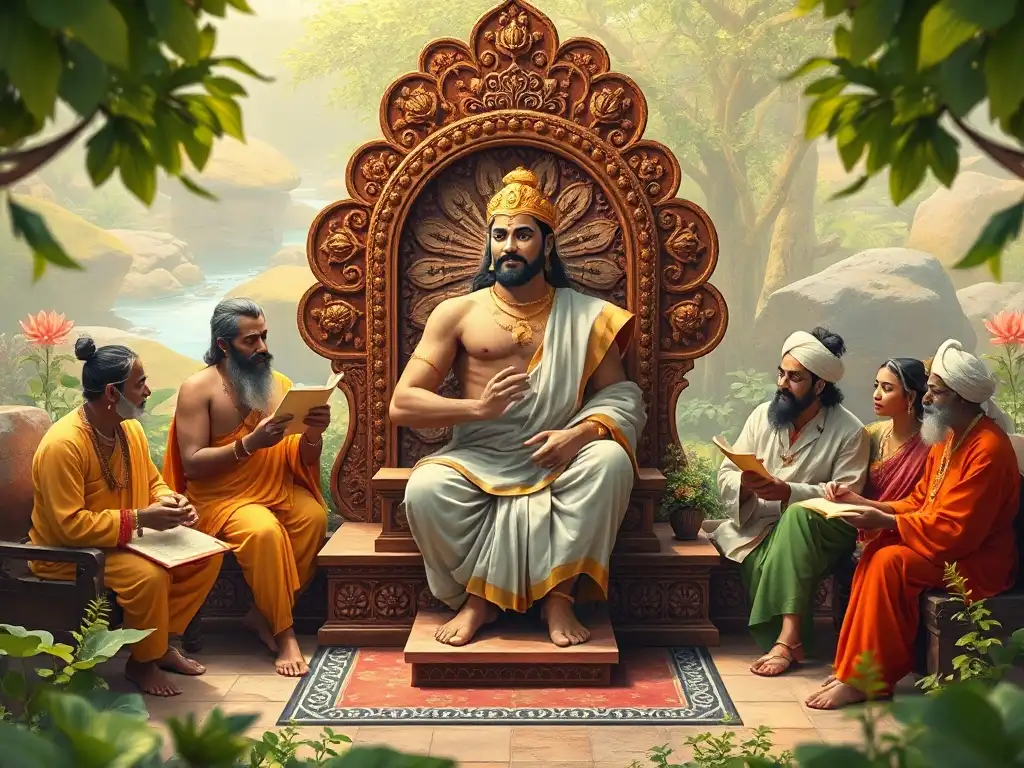
Emperor Ashoka, who ruled from 268 to 232 BCE, is often celebrated not only for his military conquests but also for his profound influence on the moral and ethical dimensions of governance. One of the most significant aspects of his reign was his commitment to healthcare and medicine, which stemmed from his transformation after the Kalinga War. Ashoka's impact on ancient medicine can be seen through various initiatives, policies, and philosophies that promoted health and well-being across his empire.
Integration of Spiritual and Physical Health
Ashoka's approach to medicine was deeply intertwined with spiritual beliefs. He recognized the importance of mental and spiritual well-being as part of overall health. This integration can be traced back to the principles of Buddhism, which Ashoka actively promoted.
- Buddhist Healing Practices: Ashoka supported the dissemination of Buddhist teachings, which included various methods of healing that emphasized compassion, meditation, and ethical living. Monasteries often served as centers for healing, where monks practiced herbal medicine and spiritual healing techniques.
- Health and Dharma: Ashoka's edicts emphasized the concept of "Dharma" (moral law), which included the health and well-being of all living beings. His famous edict, the Rock Edict of 13, mentions the establishment of medical facilities and the importance of treating both humans and animals with care and compassion.
This holistic approach ensured that the physical ailments of the populace were addressed alongside mental and spiritual health, reflecting a comprehensive view of wellness that was ahead of its time.
Legacy of Ashoka's Medical Contributions
Ashoka’s legacy in the field of medicine is marked by several key contributions that laid the groundwork for future developments in healthcare:
- Establishment of Hospitals: Ashoka is credited with the creation of one of the earliest known hospital systems in the world. His edicts mention the building of hospitals for humans and animals, where patients could receive care, rest, and nourishment. These facilities often included gardens with medicinal plants, promoting the use of herbal remedies.
- Promotion of Medical Knowledge: Ashoka encouraged the study and sharing of medicinal knowledge. He is believed to have facilitated the translation of texts and the exchange of medical practices across regions, improving the overall quality of healthcare. The availability of trained practitioners in his hospitals was a significant advancement in ancient Indian medicine.
- Public Health Initiatives: His rule saw the implementation of various public health measures, including the establishment of water wells and the planting of trees along roads to provide shade and improve air quality. These initiatives reflected a forward-thinking approach to community health.
Ashoka's contributions created a legacy that influenced not only his time but also future generations, establishing a precedent for the importance of healthcare in governance.
Comparison with Other Ancient Civilizations' Medical Practices
When examining Ashoka's impact on ancient medicine, it is essential to compare his contributions with those of other ancient civilizations:
| Civilization | Medical Practices | Comparison to Ashoka's Contributions |
|---|---|---|
| Ancient Egypt | Emphasis on herbal remedies and surgery; spiritual healing through rituals. | Similar focus on holistic health, but less integration of public health initiatives. |
| Ancient Greece | Development of rational medicine by Hippocrates; focus on observation and ethics in practice. | Ashoka's integration of ethical governance and healthcare provides a unique perspective. |
| Ancient China | Holistic approaches such as acupuncture and herbal medicine; emphasis on balance (Yin and Yang). | Ashoka’s combination of spiritual and physical health resonates with Chinese practices but is more community-focused. |
Ashoka's impact on ancient medicine was profound and multifaceted, characterized by a unique blend of spirituality and physical healthcare. His forward-thinking policies and initiatives not only transformed the medical landscape of ancient India but also established principles that would resonate throughout history, influencing healthcare practices in subsequent civilizations.
Conclusion: Ashoka's Enduring Legacy in Medicine and Healthcare
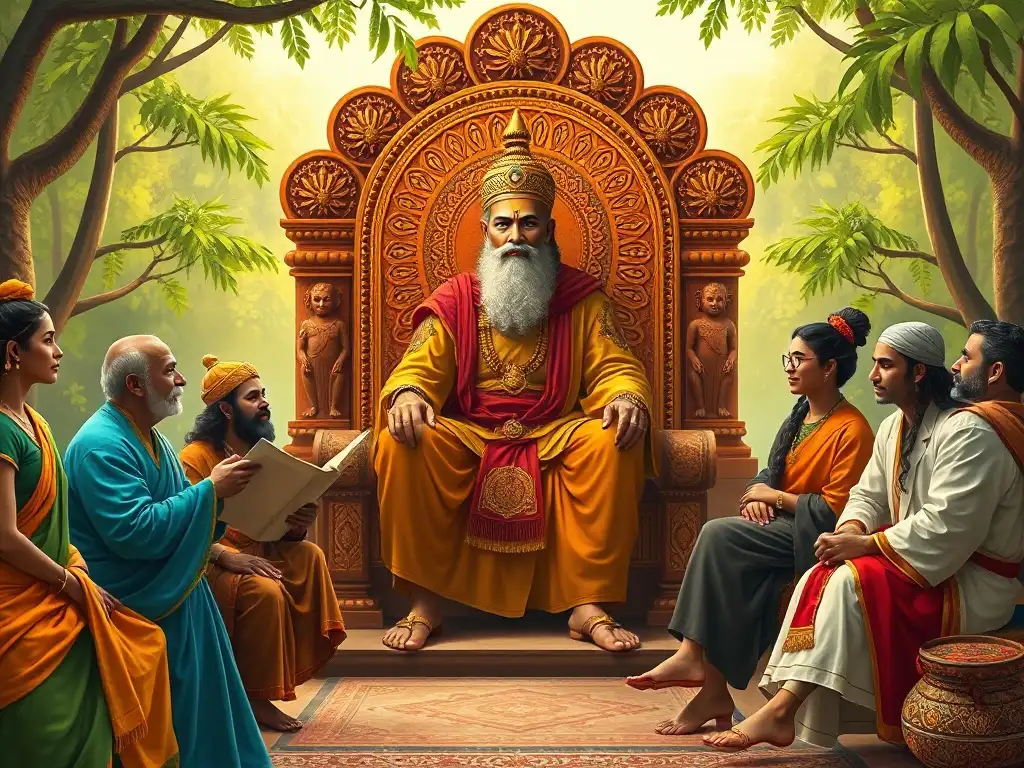
Ashoka the Great, known for his transformative influence on ancient Indian society, left an indelible mark in the realm of medicine and healthcare. His reign from 268 to 232 BCE was characterized by a profound commitment to the welfare of his subjects, which is evidenced by his extensive healthcare reforms and initiatives. These contributions not only emphasized the importance of health and well-being but also laid the groundwork for future medical practices and public health policies in India and beyond.
Ashoka's establishment of hospitals, particularly for both humans and animals, was revolutionary for its time. These institutions provided care and treatment, reflecting a holistic approach to healthcare that recognized the interdependence of human and animal welfare. His directives, inscribed on pillars and edicts across his empire, promoted the idea that a healthy populace was essential for a prosperous state. This vision of healthcare as a fundamental right continues to resonate in contemporary discussions about public health.
Moreover, Ashoka's advocacy for herbal medicine and natural therapies highlights his understanding of preventive care. He encouraged the cultivation of medicinal plants and the dissemination of knowledge regarding their benefits, contributing to the rich tradition of Ayurveda that flourished in India. His legacy is not just historical; it is a source of inspiration for current healthcare systems striving to integrate traditional knowledge with modern medical practices.
Reflection on Ashoka's Impact on Ancient Medicine
Ashoka's impact on ancient medicine can be understood through several key dimensions. Firstly, his emphasis on public health was groundbreaking. The establishment of hospitals signified a shift from traditional, often localized, forms of healing to organized medical care accessible to the masses. This initiative set a precedent for future healthcare systems, where the state plays a crucial role in ensuring the health of its citizens.
Secondly, Ashoka's edicts reflect a sophisticated understanding of preventive healthcare. He recognized that health is not merely the absence of disease but encompasses a broader spectrum of well-being. By promoting cleanliness, sanitation, and the availability of medical treatments, he laid the foundation for public health initiatives that many modern countries still strive to achieve.
Additionally, his promotion of herbal and traditional medicine demonstrates a deep respect for indigenous knowledge systems. The recognition of the efficacy of natural remedies not only preserved traditional practices but also integrated them into a more formalized healthcare approach. This respect for holistic healing practices continues to influence contemporary medicine, particularly in holistic and integrative health fields.
Lessons from Ashoka's Healthcare Reforms for Modern Practices
The lessons derived from Ashoka's healthcare reforms remain remarkably relevant in today's context. Here are several key takeaways:
- State Responsibility in Health: Ashoka's model illustrates the importance of government involvement in healthcare. Modern systems can learn from his example by ensuring that health policies prioritize accessibility and quality of care for all citizens.
- Integrative Approaches: Ashoka's endorsement of herbal medicine underscores the value of integrating traditional practices with modern medical approaches. Contemporary healthcare can benefit from recognizing and incorporating the wisdom of traditional healing systems.
- Preventive Healthcare Focus: Emphasizing prevention over cure, as Ashoka did, is crucial for modern health systems facing rising chronic diseases. Public health initiatives that promote wellness and disease prevention can lead to healthier populations.
- Public Awareness and Education: Ashoka's commitment to disseminating information about health practices can inspire current healthcare systems to invest in public health education, ensuring that communities are informed about health-promoting behaviors.
- Compassionate Care: Finally, Ashoka's compassionate approach to healthcare reminds us of the importance of empathy and care in medical practice. This aspect can enhance the patient experience and improve health outcomes.
Ashoka's impact on ancient medicine extends beyond his time, offering valuable insights that can inform modern healthcare practices. His legacy of compassion, preventive care, and state responsibility continues to inspire efforts towards a healthier society.
Frequently Asked Questions
What were Ashoka's contributions to ancient medicine and healthcare?
Ashoka's reign saw significant advancements in healthcare practices. He promoted the establishment of hospitals and ensured that medicinal herbs were cultivated along roadsides for easy access.
How did Ashoka influence public health policies?
Ashoka introduced policies aimed at improving public health, emphasizing the importance of sanitation and hygiene. His edicts encouraged the construction of clean water sources and better waste management.
What role did Buddhist teachings play in Ashoka's medical contributions?
Buddhist principles greatly influenced Ashoka's approach to medicine, advocating for compassion and non-violence. This led to the development of holistic healing practices that focused on both physical and mental well-being.
How did Ashoka's edicts impact the practice of medicine?
Ashoka's edicts served as a guideline for medical practitioners, promoting ethical practices and patient care. They encouraged the sharing of medical knowledge across regions, thereby enhancing healthcare accessibility.
What was the significance of hospitals during Ashoka's reign?
Hospitals established during Ashoka's time were crucial for providing care to the sick and injured. They marked a transition in ancient India towards more organized and systematic healthcare services.
Final Reflection: Ashoka's Enduring Legacy in Ancient Medicine
Ashoka's contributions to medicine and healthcare in ancient India resonate profoundly in today's world, reminding us of the timeless importance of compassion and public health. As we navigate modern healthcare challenges, the principles established by Ashoka—emphasizing the welfare of all living beings—serve as a guiding light. His commitment to health and well-being not only transformed ancient practices but also laid the groundwork for a more humane approach to medicine that is still relevant today.
Clearly, Ashoka's impact on ancient medicine extends beyond his reign; it has shaped the cultural and social landscape of India and beyond. His policies on healthcare and the promotion of medicinal plants reflect a deep understanding of the interconnectedness of society and health. As we reflect on this legacy, we are reminded of the words of Mahatma Gandhi: The greatness of a nation and its moral progress can be judged by the way its animals are treated.
This quote encapsulates the essence of Ashoka's vision, highlighting the moral imperative of caring for all beings, a principle that continues to inspire contemporary discussions on ethics in medicine and healthcare.
As we conclude our exploration of Ashoka's impact on ancient medicine, I invite you to reflect on how these ancient ideals can inform your own life and choices today. Consider how you can embody the spirit of compassion and responsibility in your community, advocating for health and well-being for all. Let Ashoka's legacy inspire you to contribute positively to the world around you, fostering a culture of care that honors the past while paving the way for a healthier future.
Unveil the Legacy of Ashoka in Modern Healthcare
Thank you for joining us in exploring the remarkable contributions of Ashoka to medicine and healthcare in ancient India. You have engaged with a pivotal chapter of history that not only shaped ancient practices but also resonates with contemporary health philosophies. Now, let's transform that knowledge into action!
Here are a few steps you can take to honor and build upon Ashoka's legacy:
- Dive Deeper! Explore more about ancient medical practices by visiting your local library or utilizing online resources to understand how they influence today's healthcare systems.
- Share Your Knowledge! Engage your friends and family in discussions or create social media posts about Ashoka's impact on medicine—who knows? You might inspire someone to explore this fascinating history!
- Actively Engage! Attend workshops or community events focused on holistic health and wellness, embracing practices inspired by ancient traditions.
What aspect of Ashoka's contributions to medicine resonates most with you, and how do you envision it inspiring modern healthcare practices?