
Ashoka’s Depictions in Art and Literature: A Cultural Exploration

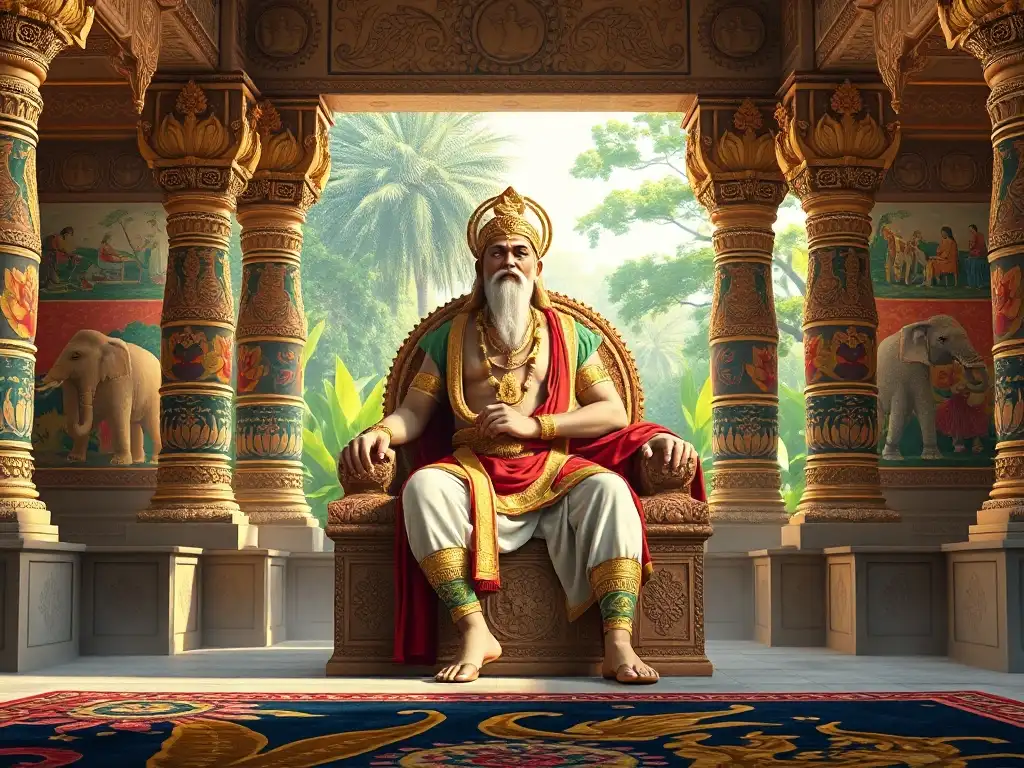
Welcome to Ancient India History! Dive into the captivating world of Ashoka in Indian Art, where the echoes of a bygone era come alive through intricate depictions and profound narratives. Discover how this remarkable emperor influenced not only the political landscape of his time but also the artistic expressions that continue to resonate today. Join us as we unravel the rich tapestry of art and literature that celebrates Ashoka's legacy, inviting you to explore the multifaceted contributions of ancient Indian civilizations. Prepare to be intrigued and inspired as you journey through this cultural exploration!
- Introduction to Ashoka in Indian Art
- Historical Context of Ashoka's Reign
- Depictions of Ashoka in Visual Art
- Ashoka in Literature: Textual Representations
- Thematic Elements in Ashoka's Depictions
- Regional Variations in Depictions of Ashoka
- The Legacy of Ashoka in Contemporary Culture
- Conclusion: The Enduring Impact of Ashoka in Indian Art
- Frequently Asked Questions
- Final Reflection: The Enduring Legacy of Ashoka in Indian Art
- Unveil the Legacy of Ashoka – Take Action Now!
Introduction to Ashoka in Indian Art
The legacy of Ashoka the Great, one of India's most revered emperors, extends far beyond his reign from 268 to 232 BCE. His profound influence on the cultural and political landscape of ancient India is reflected not only in historical texts but also in the rich tapestry of art and literature that emerged during and after his time.
Ashoka's commitment to spreading the principles of Buddhism and his adoption of non-violence post the Kalinga War have made him a pivotal figure in Indian history. As we explore "Ashoka in Indian Art," we delve into the various artistic representations and literary references that highlight his significance, embodying the values he championed and the cultural milieu of ancient India.
Overview of Ashoka the Great's Significance
Ashoka's reign marked a transformative period in Indian history, characterized by the unification of diverse territories and the promotion of a moral and ethical governance model. His significance can be summarized through several key aspects:
- Buddhism and Dhamma: Ashoka's conversion to Buddhism after witnessing the devastation of the Kalinga War led to the propagation of Dhamma, a moral code based on non-violence and compassion. This not only influenced his policies but also shaped the cultural ethos of the time.
- Edicts of Ashoka: The inscriptions on pillars and rocks, known as the Edicts of Ashoka, are vital historical sources that communicate his policies and philosophies. These edicts serve as a foundation for understanding his governance and the societal norms he advocated.
- Cultural Patronage: Ashoka’s patronage of the arts significantly contributed to the development of Indian culture. His support for architecture, sculpture, and literature fostered a vibrant artistic environment.
By examining these aspects, we can appreciate Ashoka's multifaceted role in shaping the Indian civilization and its cultural expressions.
Importance of Art and Literature in Understanding History
Art and literature serve as crucial lenses through which we can interpret historical events and figures. The depictions of Ashoka in various art forms and literary works provide insights into:
- Cultural Values: Artistic representations reflect the values and beliefs of a society. Ashoka's imagery often incorporates symbols of peace, such as the lion and the wheel, illustrating the ideals he promoted.
- Historical Context: Literature from Ashoka's time, including Buddhist texts and historical accounts, offers context to his reign, revealing how he was perceived by contemporaries and later generations.
- Legacy and Influence: The continued portrayal of Ashoka in art and literature over centuries underscores his lasting impact on Indian culture and identity. His representations can be seen in modern adaptations, showcasing the enduring relevance of his contributions.
Through the exploration of Ashoka's depictions, we gain a deeper appreciation of how art and literature not only document history but also shape collective memory and cultural heritage.
Historical Context of Ashoka's Reign
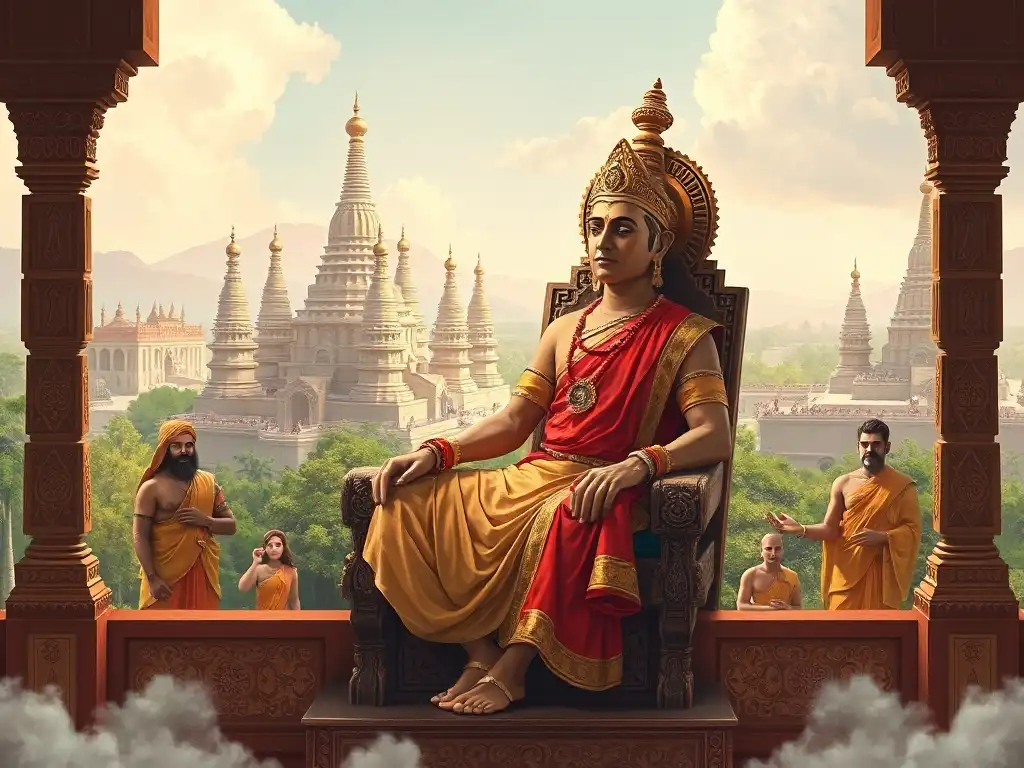
The Mauryan Empire and Its Cultural Flourishing
The Mauryan Empire, established in 322 BCE by Chandragupta Maurya, marked a significant turning point in ancient Indian history. This vast empire extended across the Indian subcontinent, covering regions from present-day Afghanistan to Bangladesh. Under the reign of Ashoka (circa 268–232 BCE), the Mauryan Empire experienced unparalleled cultural flourishing and political stability, which laid the groundwork for artistic and literary advancements.
Political and Administrative Innovations
Ashoka's reign was characterized by innovative governance. He implemented a centralized administration and established a bureaucratic system that facilitated communication and trade. This stability encouraged artisans and scholars to thrive, contributing to a vibrant cultural landscape. The empire became a melting pot of diverse ideas, leading to exceptional achievements in various fields, including architecture, sculpture, and literature.
Architectural Marvels
One of the most significant contributions of the Mauryan Empire during Ashoka’s reign was the construction of stupas and monastic complexes. The most famous of these is the Sanchi Stupa, which is a UNESCO World Heritage Site today. These stupas served as reliquaries and centers for Buddhist worship, showcasing intricate carvings and sculptures that depicted scenes from the life of the Buddha and his teachings.
Artistic Techniques and Styles
The art of the Mauryan period is noted for its realism and attention to detail. Sculptors utilized techniques such as high relief and low relief to create dynamic representations of figures and narratives. The use of polished stone was prominent, giving the sculptures a lustrous appearance. This artistic style would later influence various regional art forms across India.
Ashoka’s Conversion to Buddhism and Its Impact on Art
Ashoka’s conversion to Buddhism was a pivotal moment not just in his life, but also in the cultural landscape of ancient India. His deep commitment to the principles of Buddhism significantly influenced the art and literature of the time, promoting themes of compassion, non-violence, and dharma.
Promotion of Buddhist Art
Post-conversion, Ashoka became a patron of Buddhism, which led to the proliferation of Buddhist art across the empire. He commissioned numerous inscriptions on pillars and rocks, now known as Ashoka's Edicts, which were written in various languages, including Prakrit and Greek. These inscriptions were not only meant to disseminate Buddhist teachings but also to encourage moral conduct among his subjects.
Symbolic Representations
Art during Ashoka's reign often featured symbolic representations rather than direct depictions of the Buddha. The Lotus, Dharma Wheel, and Bodhi Tree became prominent motifs. For instance, the Dharma Wheel symbolizes the spread of Buddhism and the cycle of birth and rebirth, while the Lotus represents purity and enlightenment. These symbols were integrated into various forms of art, including sculpture and architecture.
Influence on Subsequent Artistic Traditions
Ashoka's dedication to Buddhism and the art associated with it laid the groundwork for future artistic traditions in India. The narrative style of relief sculptures from Ashoka's period influenced later art forms, particularly during the Gandhara and Mathura schools of art. This continuity of artistic expression showcased the enduring legacy of Ashoka in Indian art, making him a central figure in the historical depiction of Buddhism.
Ashoka's reign was not only a period of political and territorial expansion but also a golden age of cultural and artistic development. His conversion to Buddhism catalyzed a shift in artistic themes across the Mauryan Empire, fostering a rich tapestry of art that continues to resonate in Indian culture today.
Depictions of Ashoka in Visual Art
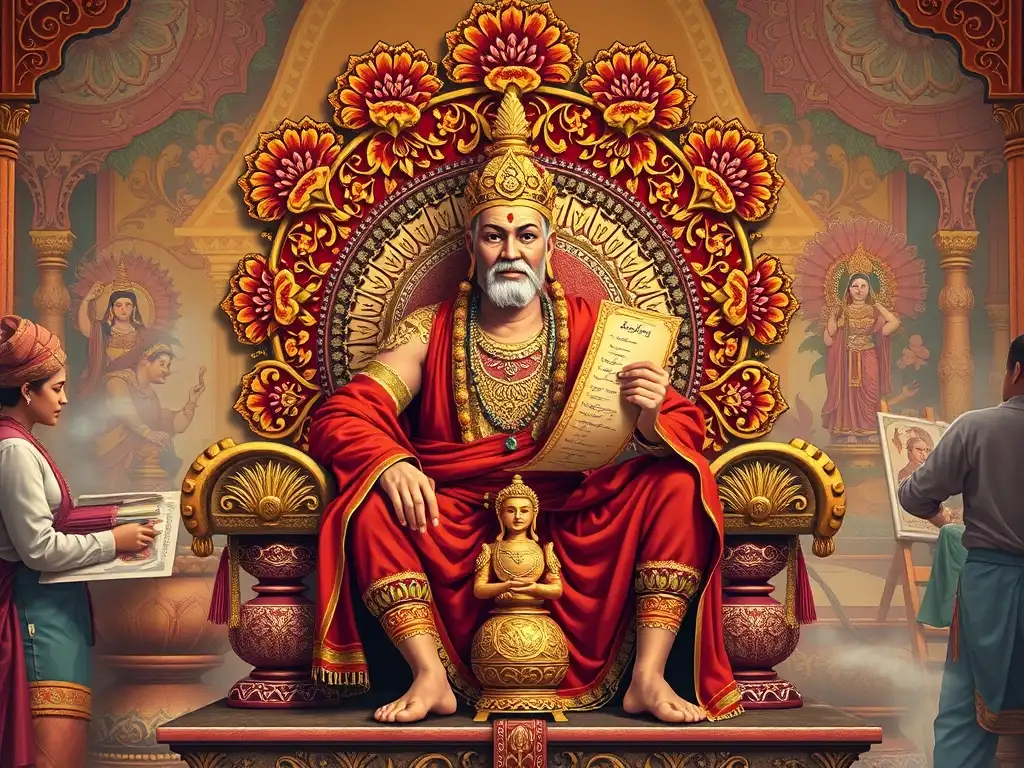
The visual representations of Ashoka the Great provide profound insights into his reign and the cultural landscape of ancient India. These depictions not only celebrate his legacy but also reflect the sociopolitical environment and the spread of Buddhism during his time. From intricate sculptures to symbolic iconography, Ashoka's image has been immortalized in various forms of art.
Sculptural Representations of Ashoka
Sculptural representations of Ashoka are pivotal in understanding his role as a monarch and a promoter of Buddhism. These artworks reveal the aesthetic sensibilities of the era and the significance attributed to Ashoka's figure.
Stone Carvings and Reliefs
Stone carvings and reliefs serve as some of the most enduring representations of Ashoka. Key features include:
- Detail and Craftsmanship: Artisans employed meticulous techniques to carve detailed representations of Ashoka in various poses, often accompanied by symbolic elements of Buddhism.
- Narrative Reliefs: Many reliefs depict scenes from Ashoka's life, including his conversion to Buddhism and his efforts to spread the faith across the Indian subcontinent.
For instance, the Sanchi Stupa, a UNESCO World Heritage Site, showcases several stone carvings that illustrate Ashoka's commitment to non-violence and dharma. These carvings offer a glimpse into the spiritual and ethical principles that guided his reign.
Coinage Featuring Ashoka's Image
Ashoka's image also appeared on various coins during his rule, serving both economic and propagandistic purposes. Notable aspects include:
- Bimetallic Coins: Coins were often made from silver and copper, featuring Ashoka's likeness alongside symbols of Buddhism, such as the wheel (Dharmachakra).
- Economic Influence: The use of Ashoka's image on currency reinforced his authority and promoted the ideals of his administration, including trade and cultural exchange.
These coins not only facilitated commerce but also acted as a medium to disseminate Ashoka's messages of peace and prosperity throughout the empire.
Iconography Associated with Ashoka
The iconography associated with Ashoka is rich and varied, often intertwining with Buddhist symbolism that conveys deeper meanings related to peace and ethical governance.
Symbols of Buddhism and Peace
Ashoka's reign is indelibly linked to the spread of Buddhism, and his depictions frequently incorporate various symbols:
- The Dharmachakra: Often represented as a wheel with eight spokes, this symbol signifies the Eightfold Path of Buddhism and represents Ashoka's commitment to dharma.
- Lotus Flowers: The lotus, symbolizing purity and enlightenment, is often found in artworks depicting Ashoka, reinforcing his role as a patron of Buddhism.
These symbols not only highlight Ashoka’s spiritual beliefs but also serve as a visual language that communicates his ideals of peace and moral governance.
The Lion Capital of Ashoka
One of the most significant symbols associated with Ashoka is the Lion Capital, which remains a powerful emblem of India today. Key features include:
- Historical Significance: Originally erected at Sarnath, the Lion Capital symbolizes Ashoka's dedication to Buddhism and his role in spreading its teachings.
- Artistic Elements: The capital features four lions standing back to back, symbolizing strength and courage. Beneath the lions are representations of a wheel and other motifs that reflect Ashoka’s philosophies.
The Lion Capital has become an enduring symbol of India, representing the country’s heritage and the values that Ashoka championed during his reign.
The artistic depictions of Ashoka, from stone carvings to coinage and iconic symbols, illustrate the profound impact he had on Indian culture and art. His legacy continues to resonate today, not only in the realm of history but also in the values of peace and tolerance that he promoted through his reign.
Ashoka in Literature: Textual Representations
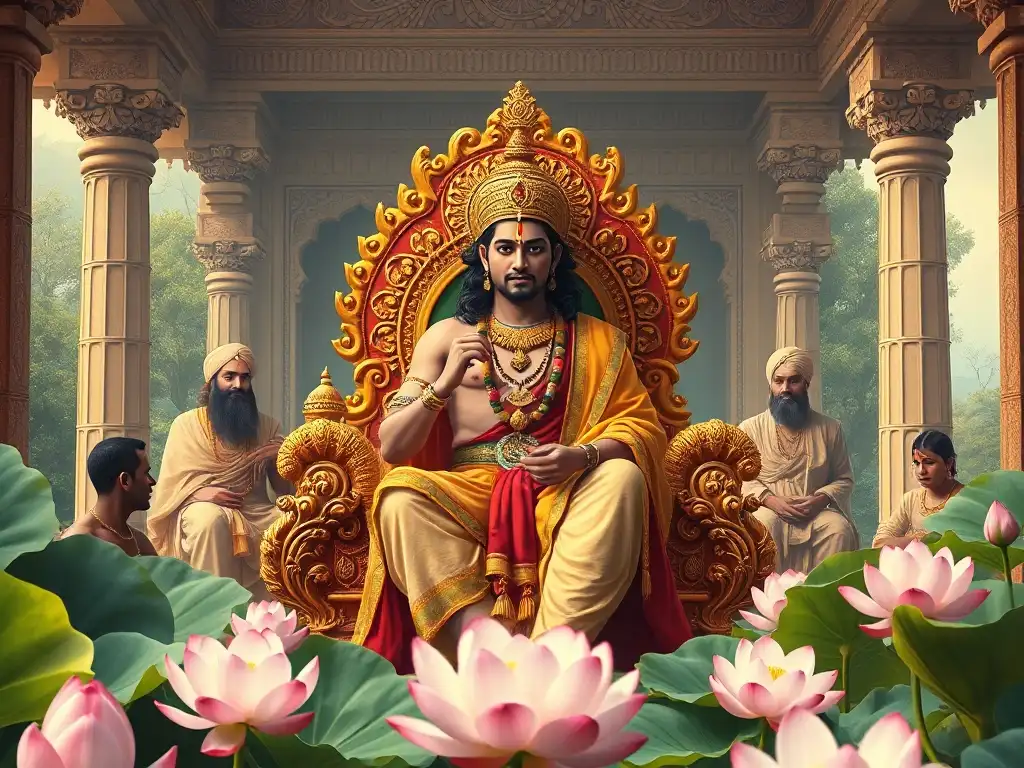
Ancient Texts and Inscriptions
Ashoka's legacy is profoundly embedded in ancient texts and inscriptions, reflecting his philosophies, governance, and the cultural milieu of his time. His edicts, primarily inscribed on pillars and rocks across his empire, serve as a remarkable record of his thoughts and policies.
Edicts of Ashoka: A Literary Analysis
The Edicts of Ashoka, composed in various languages including Prakrit and Greek, are pivotal to understanding his reign. These inscriptions are not merely administrative decrees but also embody moral and ethical guidelines. For instance, Edict I emphasizes Dharma (righteousness), urging citizens to practice compassion, tolerance, and non-violence.
The literary style of these edicts is characterized by its simplicity and clarity, making them accessible to a wide audience. This approach reflects Ashoka's intent to reach not just the elite but also the common populace, promoting a sense of unity and shared values. The edicts also reveal Ashoka's commitment to Buddhist principles, showcasing how he sought to align governance with ethical and spiritual ideals.
Buddhist Texts and Ashoka’s Legacy
Ashoka’s influence on Buddhist literature is significant. Various Buddhist texts, including the Jataka tales and Sutras, often reference his contributions to the spread of Buddhism. His patronage is highlighted as a turning point for the faith, leading to its expansion beyond India.
In the Mahavamsa, an ancient Sri Lankan chronicle, Ashoka is depicted as a pivotal figure in the transmission of Buddhism to Sri Lanka. His commissioning of the Buddhist mission led by Mahinda, his son, illustrates his role as a key promoter of Buddhist teachings. These texts not only commemorate Ashoka’s dedication but also frame him as a model for future rulers in the promotion of moral governance.
Modern Literature’s Interpretation of Ashoka
In contemporary literature, Ashoka has become a symbol of enlightened leadership and moral governance. His story has inspired numerous authors and playwrights, leading to a rich tapestry of narratives that reinterpret his life and philosophies.
Novels and Biographies Exploring Ashoka’s Life
Several modern novels and biographies delve into Ashoka's life, portraying him as a complex and multifaceted character. Works such as "Ashoka: The Search for the Lost Emperor of India" by Charles Allen provide a detailed exploration of his reign, illustrating the historical context and personal motivations behind his decisions.
These literary pieces often blend historical facts with imaginative storytelling, presenting Ashoka not just as a ruler but as a visionary leader grappling with the moral dilemmas of power. The narrative style often emphasizes his transformation from a warrior to a proponent of peace, highlighting the struggles he faced in reconciling his past with his newfound beliefs.
Poetry and Plays Inspired by Ashoka
Ashoka's life has also inspired various poems and theatrical works. Poets have depicted his internal conflicts and ethical dilemmas, using his character as a metaphor for broader themes of justice, compassion, and the quest for redemption.
In the realm of theater, plays like "Ashoka: The Great" bring his story to life, focusing on key moments of his reign, including the aftermath of the Kalinga War and his subsequent embrace of Buddhism. Such dramatizations not only entertain but also invite audiences to reflect on the moral implications of leadership and the impact of one individual’s choices on the collective conscience of society.
Ashoka’s representations in literature—both ancient and modern—reveal the depth of his character and the enduring significance of his contributions to Indian culture and governance. Through various literary forms, his legacy continues to inspire and provoke thought on the principles of ethical leadership and social responsibility.
Thematic Elements in Ashoka's Depictions
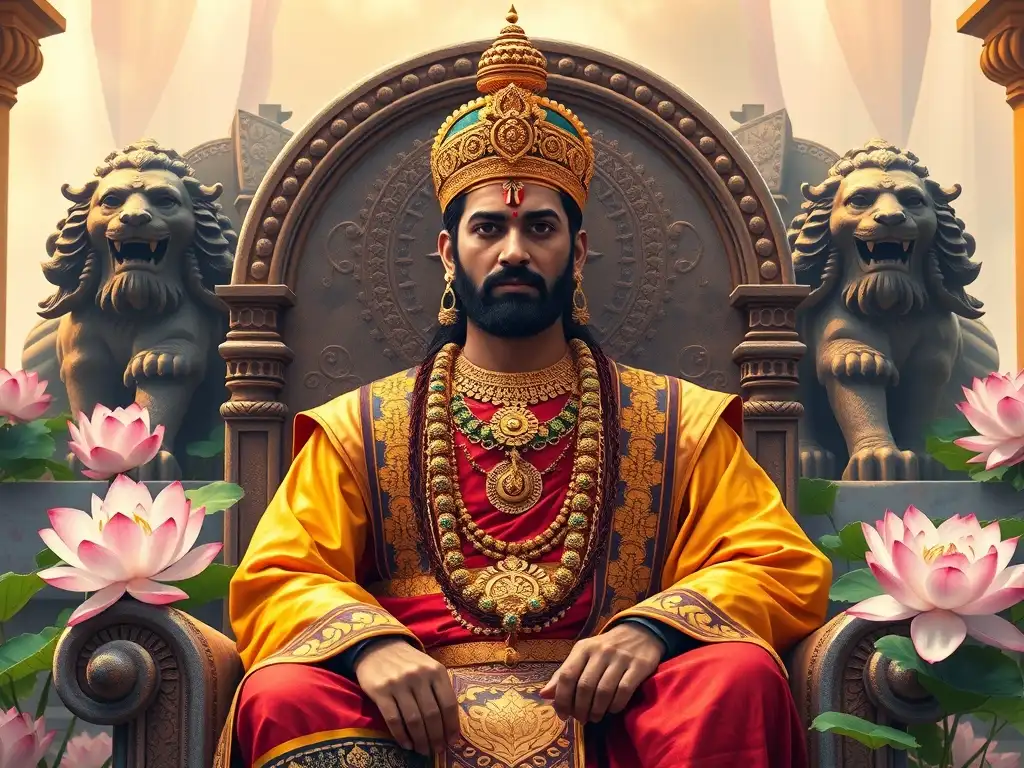
Themes of Dharma and Non-Violence in Art
Ashoka the Great is often depicted in art and literature as a champion of Dharma and non-violence. These themes are central to his legacy, especially following his conversion to Buddhism after the Kalinga War. His artworks—whether in stone carvings, sculptures, or paintings—often symbolize his commitment to these principles.
- Dharma Wheels: One of the most prominent symbols associated with Ashoka is the Dharma Chakra (Wheel of Law). This symbol represents the spread of Buddhist teachings and the moral order in the universe. In various artistic representations, the Dharma Wheel is often depicted alongside Ashoka, signifying his role as a lawgiver and a moral exemplar.
- Peaceful Imagery: Artistic depictions frequently illustrate Ashoka in calm and serene poses, emphasizing his transformation from a warrior king to a benevolent ruler. This transformation is visually represented through the use of soft lines, warm colors, and peaceful expressions, which collectively invoke a sense of tranquillity and non-violence.
- Inscriptions and Edicts: The Rock Edicts of Ashoka, which were inscribed across his empire, serve as both historical artifacts and artistic works. These edicts detail his philosophies on governance, emphasizing compassion, ethical conduct, and the importance of adhering to Dharma. The artistry of the inscriptions, characterized by the use of Brahmi script, showcases the importance he placed on communicating his ideals to the populace.
The Role of Nature and Animals in Ashoka’s Iconography
Nature and animals play a significant role in the artistic representations of Ashoka, serving as metaphors for his ideals and governance. The integration of these elements not only underscores his connection to the natural world but also represents the harmony he sought to establish within his realm.
- Lotus Flowers: Often depicted in the background of Ashoka's sculptures and paintings, lotus flowers symbolize purity and enlightenment in Buddhist iconography. The presence of the lotus in his depictions suggests Ashoka’s spiritual aspirations and his commitment to uplifting his subjects through moral and ethical governance.
- Animals as Symbols of Peace: Many artworks include representations of animals, particularly deer and elephants, which are associated with peace and strength. The symbolism of the elephant, in particular, reflects Ashoka’s role as a protector of his people, while the deer represents the compassionate aspect of his rule. These animals are frequently shown alongside Ashoka, reinforcing his identity as a ruler who embodies both might and mercy.
- Natural Landscapes: The backgrounds of Ashoka's depictions often include lush greenery and serene landscapes, which serve to frame him as a ruler who is in harmony with the environment. This imagery reinforces the idea that his governance was not just about political power but also about nurturing the land and its people.
The thematic elements in Ashoka's depictions in art reveal a multifaceted portrayal of his character and ideals. Through the exploration of dharma, non-violence, and the integration of nature and animals, these artistic representations contribute to a deeper understanding of Ashoka's legacy as a pivotal figure in Indian history.
Regional Variations in Depictions of Ashoka
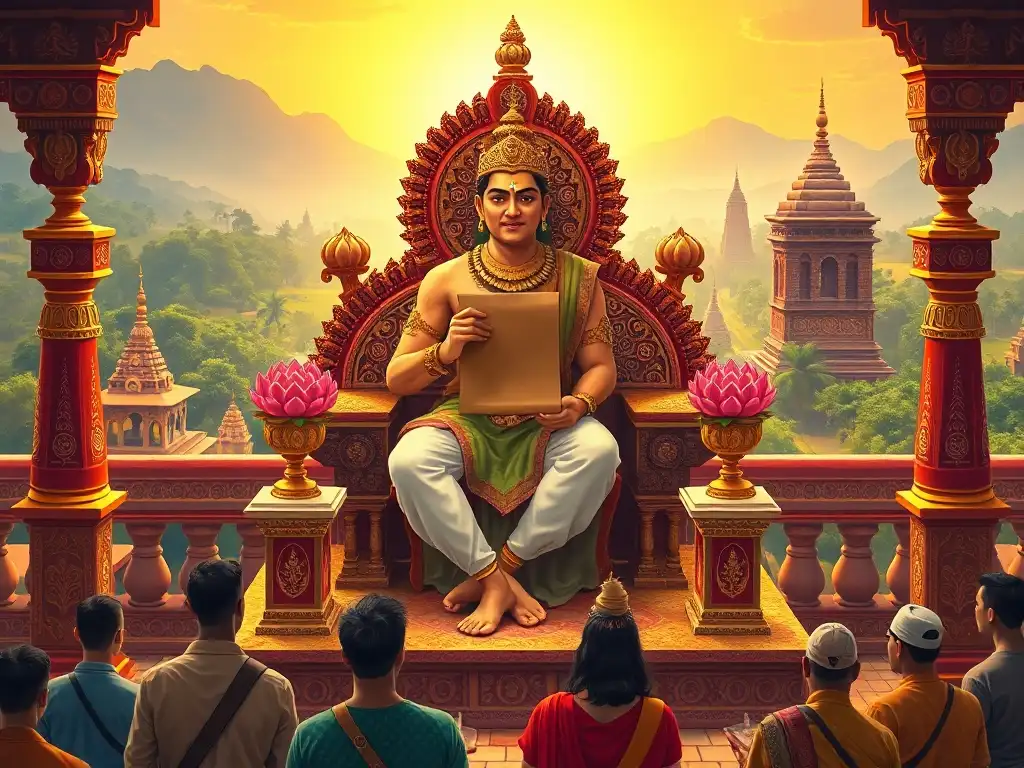
The figure of Ashoka the Great has been immortalized in various forms of art across different regions of India and beyond. These depictions not only reflect the artist’s interpretation but also showcase regional styles, cultural influences, and historical contexts. Understanding these variations offers insights into how Ashoka was perceived and revered in diverse cultural landscapes.
Differences in Artistic Styles Across India
Throughout India, the portrayal of Ashoka varies significantly across different regions, each exhibiting unique artistic styles influenced by local traditions, materials, and historical narratives.
- North India:
- In the northern regions, particularly in places like Uttar Pradesh and Bihar, Ashoka is often depicted in relief sculptures and stone carvings. The Sarnath Lion Capital, one of the most famous representations, showcases a dignified Ashoka surrounded by symbols of peace and Buddhism.
- Artistic Elements:
- Use of intricate floral patterns and geometric designs.
- Naturalistic representation of figures, emphasizing expressions and attire.
- South India:
- The Southern Indian states, influenced by Dravidian architecture, portray Ashoka in temple sculptures. The Mahabodhi Temple in Bodh Gaya features carvings that depict Ashoka’s conversion to Buddhism, emphasizing his role as a compassionate ruler.
- Artistic Elements:
- Bold and expressive forms, often larger than life.
- Use of vibrant colors and elaborate decorations that convey a sense of divine presence.
- Western India:
- In states like Gujarat and Maharashtra, Ashoka appears in cave paintings and rock-cut sculptures, such as those found in the Ajanta and Ellora Caves. These artworks often depict Ashoka in a narrative context, engaging with Buddhist themes of compassion and enlightenment.
- Artistic Elements:
- Fluid lines and dynamic compositions that capture motion and emotion.
- Integration of natural surroundings, creating a harmonious relationship between figures and landscape.
- Eastern India:
- In regions like Odisha and West Bengal, Ashoka is often depicted in traditional Pattachitra paintings, showcasing his edicts and moral teachings. These artworks imbue a sense of storytelling, revealing the philosophical underpinnings of his reign.
- Artistic Elements:
- Flat, two-dimensional style with detailed iconography.
- Use of a rich color palette, often featuring earthy tones that reflect local aesthetics.
Influence of Ashoka on Southeast Asian Art
Ashoka's influence transcended the Indian subcontinent, significantly impacting the art and culture of Southeast Asia. As Buddhism spread throughout the region, Ashoka's image and ideals were adapted into local artistic expressions.
- Buddhist Iconography:
- Ashoka is often portrayed alongside Buddhist symbols like the Dharma Wheel and the Bodhi Tree in Southeast Asian art. This integration signifies his role in the propagation of Buddhism and his status as a model for righteous kingship.
- Cultural Adaptations:
- In countries such as Thailand, Myanmar, and Indonesia, local artists incorporated Ashoka into traditional narratives, depicting him in ways that resonate with local beliefs and aesthetics. For example, in Borobudur, a prominent Buddhist temple in Indonesia, Ashoka’s edicts are inscribed alongside intricate bas-reliefs that narrate the life of the Buddha.
- Artistic Styles:
- Southeast Asian depictions of Ashoka often blend Indian motifs with indigenous styles, showcasing a unique fusion. The representation might include:
- Stylized Forms: Figures may appear more elongated and ornate, reflecting local artistic traditions.
- Symbolic Elements: Use of local flora and fauna to convey deeper meanings associated with Ashoka and his teachings.
- Southeast Asian depictions of Ashoka often blend Indian motifs with indigenous styles, showcasing a unique fusion. The representation might include:
Through these regional variations, the legacy of Ashoka in Indian art and the broader Southeast Asian context demonstrates the enduring impact of his reign and philosophical contributions, enriching the cultural tapestry of these civilizations.
The Legacy of Ashoka in Contemporary Culture
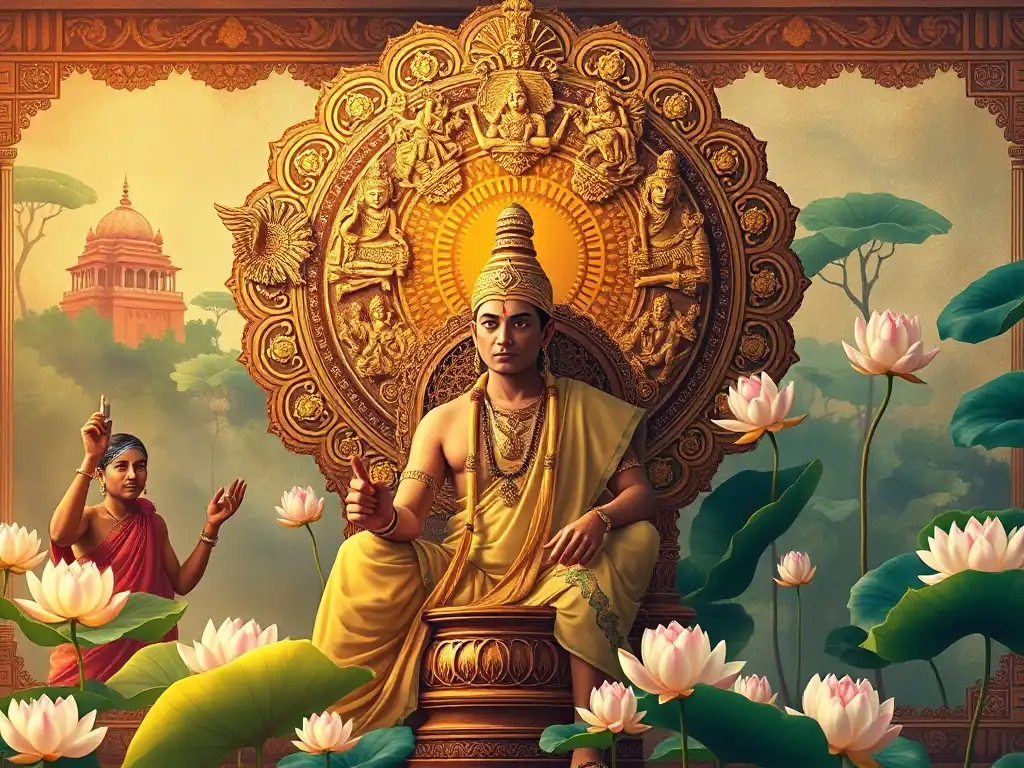
Ashoka the Great, the third Mauryan emperor, left an indelible mark on the cultural landscape of India, and his legacy continues to resonate in contemporary society. His commitment to peace, non-violence, and moral governance has been a source of inspiration across various domains, including art, literature, and political thought. This section explores the ongoing influence of Ashoka in modern Indian culture, particularly in the realms of art and social symbolism.
Ashoka's Influence on Modern Indian Art
The artistic legacy of Ashoka is profound, with his reign marking a significant period of artistic innovation in India. The introduction of the Ashoka Chakra, which is now a national emblem, symbolizes his commitment to Dharma and justice. Contemporary artists frequently draw upon motifs and symbols from Ashoka's time to signify peace and moral integrity.
- Sculptural Works: Many modern sculptures pay homage to Ashoka by incorporating elements from the Lion Capital of Sarnath, which features four lions standing back to back. This emblem is a powerful representation of unity and strength, and artists often use it to express themes of sovereignty and leadership.
- Paintings and Murals: In various regional art forms, such as Madhubani and Warli, artists depict scenes from Ashoka's life, portraying his transformation after the Kalinga War. These artworks serve not only as historical narratives but also as reflections of contemporary values of peace and reconciliation.
- Literature and Performance Arts: Playwrights and poets have also embraced Ashoka's legacy, using his story as a backdrop for exploring themes of morality, governance, and the human condition. Modern adaptations of ancient texts often reimagine Ashoka's life, highlighting his ideals while connecting them to contemporary issues.
The following table summarizes significant artistic contributions inspired by Ashoka:
| Art Form | Description |
|---|---|
| Sculptures | Incorporation of Ashoka Chakra and Lion Capital in modern installations. |
| Paintings | Depictions of Ashoka's life and philosophies in traditional art styles. |
| Literature | Plays and poems focusing on Ashoka's moral dilemmas and leadership qualities. |
Ashoka's philosophy of non-violence and social welfare has transcended his time, becoming a symbol for various political movements and social initiatives in modern India. His emphasis on Dharma has been interpreted through different lenses, resonating with various ideologies.
- Political Symbolism: Ashoka's principles have been adopted by several political leaders and parties, who invoke his name to bolster their agendas on peace and governance. For example, the Indian National Congress frequently referenced Ashoka during the independence movement, portraying him as a model for ethical leadership.
- Social Movements: Organizations advocating for peace, human rights, and social justice often cite Ashoka’s edicts as foundational texts. His message of compassion is used to promote non-violent protest and civil disobedience, encouraging citizens to engage in social reform.
- Cultural Identity: Ashoka has become a symbol of Indian identity, especially in the context of promoting a unified cultural narrative. His legacy is embraced by various communities, fostering a sense of shared history and values.
Ashoka's legacy remains vibrant in contemporary culture, as his ideals continue to inspire artistic expression and serve as a moral compass in political and social contexts. His portrayal in modern art and literature reflects a deep respect for his contributions, while his symbolism remains relevant in discussions of leadership and ethical governance.
Conclusion: The Enduring Impact of Ashoka in Indian Art
Summary of Ashoka's Cultural Significance
Ashoka the Great, the third Mauryan emperor, left an indelible mark on Indian history, particularly through his promotion of Buddhism and his commitment to non-violence following the Kalinga War. His reign (c. 268-232 BCE) was characterized by significant cultural and artistic achievements. The Ashoka Pillars, intricately carved stone columns, stand as monumental testaments to his influence, featuring inscriptions that advocate for moral governance and ethical conduct.
The artistic legacy of Ashoka is not confined to architecture alone; it extends to various forms of sculpture and relief work. For instance, the Lion Capital of Ashoka, which features four lions standing back to back, has become a symbol of India and is prominently displayed on the national emblem. The Buddhist stupas, particularly the Sanchi Stupa, are adorned with intricate carvings that depict scenes from the life of the Buddha, reflecting Ashoka's role in spreading Buddhist ideals.
In literature, Ashoka's significance is echoed through ancient texts, including the Edicts of Ashoka, which convey his philosophy of Dhamma (moral law). These inscriptions not only highlight his administrative policies but also serve as early forms of public communication, showcasing his desire to connect with the populace. The interplay between Ashoka's political endeavors and cultural contributions illustrates his multifaceted legacy that continues to inspire modern interpretations of Indian history and art.
Reflecting on the Importance of Ashoka in Art and Literature
The importance of Ashoka in Indian art and literature transcends mere representation; it embodies a transformative period in ancient Indian civilization. Through art, Ashoka's reign is depicted as one of harmony and enlightenment, fostering a rich cultural dialogue that resonates with contemporary values. The motifs and symbols associated with Ashoka—such as the Dharmachakra (Wheel of Dharma)—are not only artistic expressions but also carry profound philosophical meanings that continue to influence religious and cultural narratives in India.
Moreover, Ashoka's literary contributions, particularly the edicts, serve as a unique fusion of political discourse and ethical philosophy. His commitment to the welfare of his subjects, as articulated in these texts, underscores the role of leadership in shaping societal values. This dual dimension of art and literature creates a comprehensive understanding of Ashoka's vision, reinforcing his legacy as a proponent of peace and moral governance.
As scholars and artists continue to explore Ashoka's impact, it becomes evident that his contributions to Indian art are not static; they evolve through reinterpretation and modern artistic expressions. Contemporary artists draw inspiration from Ashoka's symbols and stories, weaving them into new narratives that resonate with current societal issues. This ongoing engagement ensures that Ashoka remains a pivotal figure in the cultural landscape of India, exemplifying the enduring legacy of ancient civilizations in shaping contemporary identity.
Frequently Asked Questions
What is the significance of Ashoka in Indian art?
Ashoka is a central figure in Indian art, representing the Buddhist philosophy and the spread of non-violence. His depictions often symbolize his contributions to artistic expression during the Mauryan period.
How did Ashoka influence literature?
Ashoka's edicts, inscribed on pillars and rocks, serve as important literary sources that reflect his values and policies. They provide insight into the moral and ethical governance of his reign.
What are some common themes in depictions of Ashoka?
Common themes include dharma, compassion, and the prominence of Buddhism. Artistic representations often highlight his role as a protector of peace and his commitment to the well-being of his subjects.
How is Ashoka portrayed in modern Indian art?
In modern Indian art, Ashoka is often depicted as a symbol of unity and progress, reflecting his legacy in promoting tolerance and cultural exchange. His image continues to inspire contemporary artists.
What role did Ashoka play in the development of Indian culture?
Ashoka was instrumental in shaping Indian culture through his patronage of art, architecture, and Buddhism. His efforts in promoting cultural diffusion helped establish a rich cultural tapestry that influenced future generations.
Final Reflection: The Enduring Legacy of Ashoka in Indian Art
Ashoka’s influence on Indian art and culture remains profoundly relevant today, as his ideals of peace, compassion, and governance resonate in our contemporary society. The visual and literary representations of Ashoka serve not only as historical artifacts but also as powerful reminders of the values we aspire to uphold in our modern world. As we navigate the complexities of our times, the lessons from Ashoka’s reign offer a guiding light, urging us to foster understanding and harmony.
The depictions of Ashoka in art and literature have shaped our cultural identity and continue to inspire generations. From the intricate carvings on the Ashoka Pillars to the vivid narratives in classical texts, these representations reflect a rich tapestry of Indian heritage. They remind us that art is not merely a reflection of the past but a living dialogue that shapes our present and future. Art is the most beautiful of all lies.
This quote encapsulates the transformative power of artistic expression, illustrating how Ashoka’s legacy is not just a historical account but a source of inspiration that transcends time.
As you reflect on the themes presented in this article, consider how Ashoka’s principles can be integrated into your own life. Embrace the call for compassion and understanding in your daily interactions, and let the artistic representations of Ashoka inspire you to contribute positively to your community. The legacy of Ashoka is not confined to the annals of history; it is a vibrant force that invites each of us to partake in the ongoing journey of cultural exploration and personal growth.
Unveil the Legacy of Ashoka – Take Action Now!
Thank you for diving into the fascinating world of Ashoka’s impact on art and literature! You've gained insights into how his legacy continues to shape cultural narratives, and now it’s time to engage further with this remarkable history.
Here are some ways you can deepen your understanding and appreciation:
- Explore local museums or online collections showcasing Ashoka’s art and artifacts to see his influence firsthand.
- Share your favorite artwork or quote related to Ashoka on social media with the hashtag #AshokaLegacy to inspire others to learn more about this incredible figure.
- Connect with fellow history enthusiasts in forums or community groups to discuss your insights and expand your knowledge about Ashoka’s influences.
What aspect of Ashoka's legacy fascinates you the most, and how will you share it with others?