
Ashoka the Great: A Case Study in Conflict Resolution

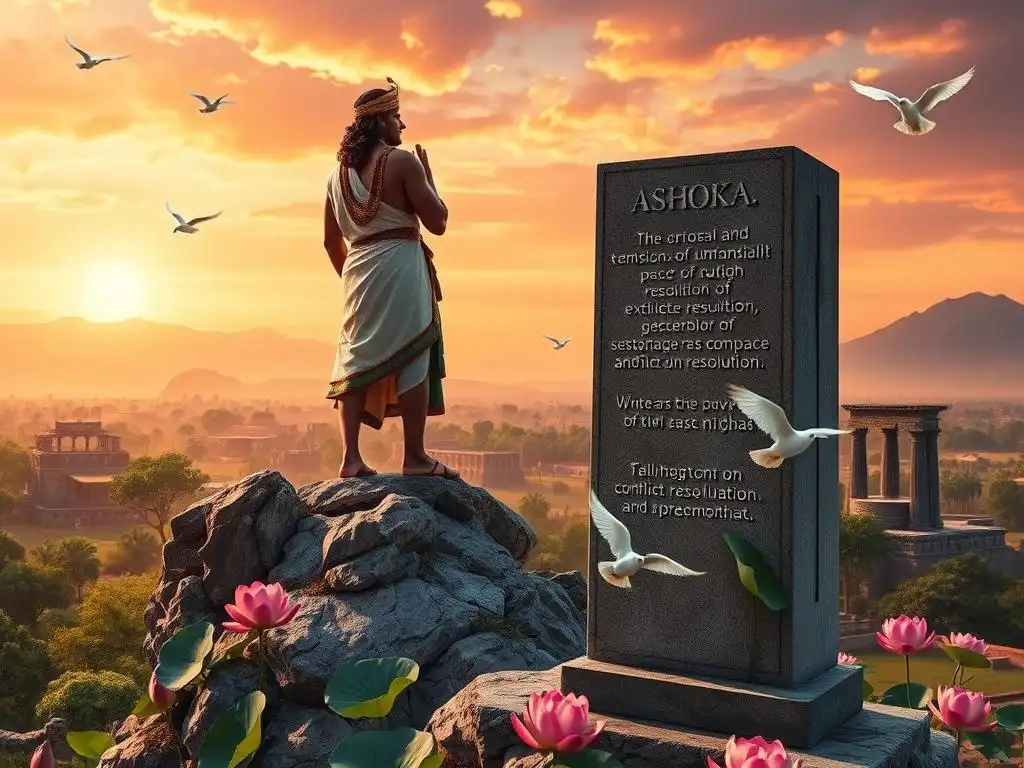
Welcome to Ancient India History, where we embark on a captivating journey through the rich tapestry of India’s past. Today, we delve into the remarkable story of Ashoka the Great, a visionary leader whose approach to conflict resolution transformed a once-divided empire into a beacon of peace and prosperity. As you explore our latest article, "Ashoka the Great: A Case Study in Conflict Resolution," prepare to uncover the strategies and philosophies that not only shaped his reign but also left an indelible mark on the world.
What lessons can we draw from his life that resonate with our times? Dive in and discover the profound impact of this extraordinary ruler!
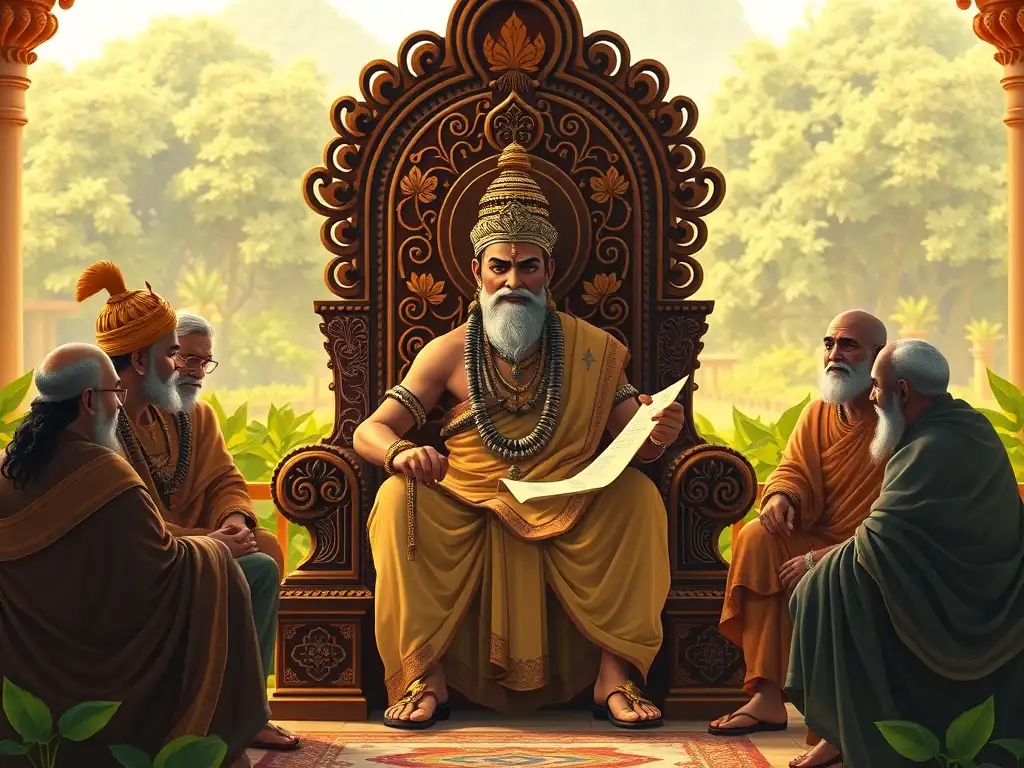
Introduction to Ashoka the Great
Ashoka the Great, often regarded as one of the most influential rulers in ancient India, represents a pivotal chapter in the narrative of conflict resolution and governance. Reigning during the 3rd century BCE, Ashoka transformed the Mauryan Empire into one of the largest empires of its time, stretching across the Indian subcontinent.
His journey from a military leader to a proponent of peace and moral governance provides a unique lens through which we can explore the intricacies of conflict resolution. This article delves into Ashoka's strategies for managing conflict, both within his empire and beyond, shedding light on how his policies not only shaped his reign but also left a lasting legacy on Indian civilization.
Overview of Ashoka's Reign
Ashoka's reign lasted from approximately 268 BCE to 232 BCE, during which he oversaw significant territorial expansion and consolidation of power. Initially known for his military prowess, Ashoka's approach shifted dramatically after witnessing the devastation caused by the Kalinga War. The intense suffering of his subjects and the bloodshed of battle prompted a profound transformation in his ideology.
- Key Achievements:
- Expansion of the Mauryan Empire to its greatest extent.
- Establishment of a centralized administration that promoted trade and economic stability.
- Advocacy for the spread of Buddhism, which influenced not only religious practices but also societal values.
Ashoka's reign is often characterized by his commitment to Dharma, or moral law, which guided his governance and efforts towards conflict resolution. He adopted an approach that emphasized empathy, tolerance, and the well-being of all beings, aiming to create a harmonious society.
Significance in Ancient Indian History
The significance of Ashoka the Great extends beyond his military and administrative achievements. His legacy is marked by the introduction of principles that would influence future generations, particularly in the realms of governance, ethics, and international relations. His edicts, inscribed on pillars and rocks throughout his empire, serve as a testament to his commitment to non-violence and moral leadership.
- Influential Contributions:
- Promotion of Buddhism as a state religion, leading to its spread across Asia.
- Establishment of hospitals, schools, and infrastructure that catered to the welfare of his subjects.
- Initiation of diplomatic relations with neighboring kingdoms, fostering peace and trade.
Ashoka's approach to conflict resolution and governance laid the groundwork for a more humane society, emphasizing the importance of dialogue and understanding over warfare.
The Historical Context of Conflict During Ashoka's Time
To fully appreciate Ashoka's methods of conflict resolution, it is essential to understand the historical context of his reign. The period leading up to his ascendance was marked by significant strife and instability, particularly within the Mauryan Empire itself.
The Mauryan Empire: A Brief Background
The Mauryan Empire, founded by Chandragupta Maurya in 321 BCE, was a powerful political entity that unified a vast region of India. Its early years were characterized by military conquests and territorial expansion, laying the foundation for one of the most formidable empires in Indian history.
- Key Features:
- Centralized governance with a bureaucratic system.
- A diverse population with various cultural and religious practices.
- Economic prosperity fueled by trade routes and agricultural advancements.
As the empire grew, so did the complexities of managing a diverse populace and addressing internal conflicts, setting the stage for Ashoka's later reforms.
Major Conflicts Leading to Ashoka's Ascendancy
Before Ashoka became emperor, the Mauryan Empire faced numerous challenges, including territorial disputes and resistance from local rulers. The most notable was the Kalinga War (c. 261 BCE), a devastating conflict that would profoundly impact Ashoka's worldview.
- Conflict Highlights:
- The Kalinga War resulted in significant loss of life, with estimates suggesting that over 100,000 soldiers and civilians perished.
- The aftermath of the war led Ashoka to reassess his approach to leadership, leading to his famous conversion to Buddhism and commitment to non-violence.
These conflicts not only shaped Ashoka's policies but also his vision for a unified and peaceful empire, establishing him as a key figure in the study of conflict resolution in ancient history.
The Transformation of Ashoka: From Warrior to Peacemaker
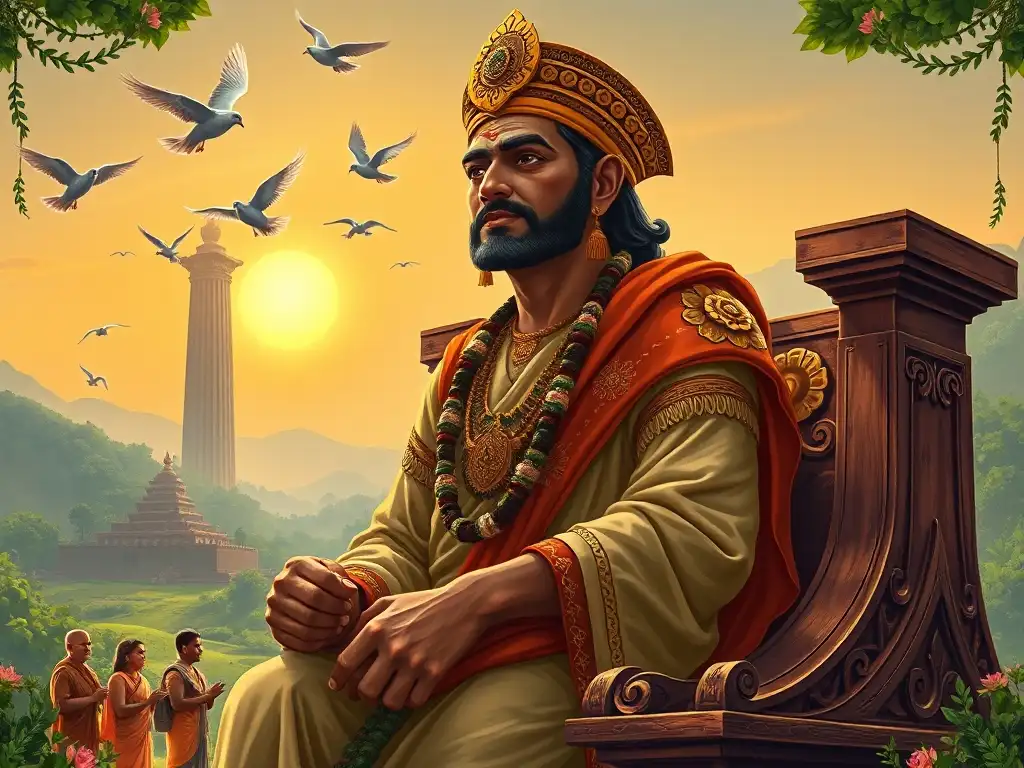
Ashoka the Great, the third emperor of the Maurya Dynasty, is a remarkable figure in ancient Indian history, primarily known for his transformation from a fierce warrior to a devoted advocate of peace. Initially, Ashoka was renowned for his military prowess and ambition, leading successful campaigns to expand his empire across the Indian subcontinent. However, it was after witnessing the devastating effects of war, particularly during the Kalinga War, that he underwent a profound transformation.
This metamorphosis was marked by a deep introspection and a commitment to non-violence. Ashoka's embrace of Buddhism played a crucial role in this change, providing him with a framework for his new philosophy of governance rooted in compassion and moral responsibility. The shift from a ruler who glorified conquest to one who prioritized the welfare of his subjects was a significant evolution in leadership philosophy, setting a precedent for future generations. His reign became synonymous with the promotion of peace, tolerance, and ethical governance, making him an exemplary figure in conflict resolution.
The Kalinga War: A Turning Point
The Kalinga War, fought around 261 BCE, was a pivotal event that marked the turning point in Ashoka's life. It was one of the bloodiest conflicts in ancient Indian history, resulting in the loss of thousands of lives, both soldiers and civilians. The sheer scale of devastation witnessed by Ashoka during and after the battle deeply affected him. Historical accounts suggest that the sight of the suffering caused by the war led him to question the value of his military ambitions.
This traumatic experience catalyzed his transformation, prompting him to renounce violence and adopt a policy of peace. The Kalinga War not only changed Ashoka's personal beliefs but also influenced his governance style, leading him to seek methods of conflict resolution that emphasized diplomacy and moral integrity over military might. This shift laid the groundwork for Ashoka’s later policies, which focused on the welfare of all living beings and the promotion of non-violent interaction among different communities.
Ashoka's Reflections on Violence and Its Consequences
Ashoka's reflections on violence were central to his development as a peacemaker. After the Kalinga War, he is said to have engaged in deep contemplation about the moral implications of warfare. His writings from this period reveal a profound understanding of the consequences of violence—not only on the battlefield but also in the hearts and minds of people. Ashoka articulated his sorrow and remorse regarding the suffering inflicted by war, which was at odds with his vision of a just and harmonious society.
He recognized that true leadership required the ability to foster peace and understanding rather than domination. By publicly renouncing war and emphasizing the need for compassion, Ashoka set an example for current and future leaders. His reflections served as a powerful reminder of the human cost of conflict, highlighting the importance of conflict resolution strategies that prioritize empathy, dialogue, and reconciliation over aggression.
Principles of Conflict Resolution Adopted by Ashoka
Ashoka's reign is characterized by several principles of conflict resolution that underscore his commitment to peace and harmony. These principles were not merely theoretical; they were implemented in practice and became a hallmark of his governance. Among these principles were inclusivity, moral authority, and the promotion of mutual respect among diverse communities.
- Inclusivity: Ashoka aimed to create a society where all voices were heard, fostering an environment of dialogue rather than discord.
- Moral Authority: By grounding his policies in ethical considerations, Ashoka gained both respect and legitimacy from his subjects.
- Mutual Respect: He encouraged respect for different beliefs and practices, promoting coexistence among various religious and cultural groups.
Through these principles, Ashoka effectively navigated conflicts, allowing for a more cohesive and peaceful society.
The Edicts of Ashoka: Promoting Peace and Tolerance
The Edicts of Ashoka, inscribed on pillars and rocks throughout his empire, serve as fundamental texts reflecting his principles of peace and tolerance. These edicts communicate Ashoka's commitment to non-violence, compassion, and ethical conduct. They urge his subjects to practice tolerance towards one another, irrespective of their differing beliefs, thereby laying the groundwork for a pluralistic society.
Ashoka’s edicts also highlighted the importance of moral and ethical behavior, encouraging people to engage in acts of kindness and charity. By making his message accessible, he ensured that the principles of peace were not confined to the elite but reached all levels of society. This widespread dissemination of his ideals contributed significantly to the long-term stability and cohesion of his empire.
Concepts of Dhamma and Non-Violence in Governance
Central to Ashoka’s philosophy of conflict resolution was the concept of Dhamma, which can be understood as a moral law or ethical duty guiding personal and communal conduct. Dhamma encompasses principles of non-violence (Ahimsa), compassion, and respect for all living beings. Ashoka integrated these concepts into his governance, promoting policies that prioritized the welfare of his subjects and the environment.
Non-violence, in particular, became a cornerstone of Ashoka’s reign. He discouraged capital punishment and advocated for humane treatment of prisoners. This approach not only reflected his personal convictions but also helped to cultivate a culture of peace and reconciliation within his empire. The emphasis on Dhamma and non-violence established Ashoka as a model for leaders worldwide, illustrating how ethical governance can lead to sustainable peace and conflict resolution.
Strategies Employed by Ashoka in Conflict Resolution
Ashoka the Great, the third Mauryan emperor, is renowned not only for his conquests but also for his remarkable approach to conflict resolution. Following the bloody Kalinga War, Ashoka underwent a profound transformation, leading him to adopt strategies that emphasized peace, diplomacy, and the welfare of his subjects. His multifaceted approach included employing diplomacy and alliances, promoting cultural and religious tolerance, and implementing policies aimed at social harmony and ethical governance. These strategies not only facilitated the resolution of conflict during his reign but also established a legacy that influenced future governance in the region.
Diplomacy and Alliances: Strengthening Relationships
One of the most significant strategies that Ashoka employed in conflict resolution was the use of diplomacy and forging alliances. Recognizing the futility of prolonged warfare, Ashoka sought to strengthen relationships with neighboring states and tribes through diplomatic channels. He often sent envoys to negotiate peace treaties and establish trade relations, fostering an environment of mutual respect and cooperation.
- Peace Treaties: Ashoka negotiated several peace treaties that ended hostilities with rival kingdoms. By prioritizing dialogue over aggression, he was able to stabilize borders and enhance the security of his empire.
- Marriage Alliances: Ashoka also utilized marriage as a diplomatic tool, marrying into local royal families to solidify alliances and create bonds that would deter conflict. This approach not only strengthened his political power but also created cultural ties that further integrated diverse populations within his empire.
- Cultural Exchanges: Through diplomatic missions, Ashoka facilitated cultural exchanges that enriched the Mauryan Empire and promoted understanding among various ethnic groups. Such exchanges not only diffused tensions but also encouraged economic collaboration.
Promoting Cultural and Religious Tolerance
Ashoka's commitment to cultural and religious tolerance was central to his conflict resolution strategies. After witnessing the devastation of the Kalinga War, he embraced Buddhism and its principles of compassion and nonviolence, which he actively promoted across his empire.
- Edicts of Ashoka: His edicts, inscribed on pillars and rocks throughout the empire, emphasized the importance of respecting diverse beliefs. These edicts urged subjects to practice tolerance and coexist peacefully, thereby reducing sectarian conflicts.
- Support for Multiple Religions: Ashoka's support for various religious traditions, including Hinduism and Jainism, highlighted his belief in a pluralistic society. He established places of worship for different faiths and encouraged interfaith dialogues, fostering an atmosphere of acceptance.
- Social Welfare Initiatives: By implementing social welfare programs, such as building hospitals and providing for the poor, Ashoka addressed the underlying issues that often led to conflict. His emphasis on the welfare of all citizens helped cultivate a sense of community and belonging, further mitigating tensions.
The Impact of Ashoka's Conflict Resolution Strategies
The strategies employed by Ashoka in conflict resolution had profound and lasting impacts. His innovative approaches not only transformed the Mauryan Empire but also set a precedent for future leaders in India and beyond.
Long-Term Effects on the Mauryan Empire
Ashoka's conflict resolution strategies contributed significantly to the stability and prosperity of the Mauryan Empire. The emphasis on diplomacy and tolerance fostered a unified state that was able to thrive amidst regional diversity.
- Cultural Integration: The promotion of cultural exchanges and religious tolerance led to a harmonious society where diverse communities coexisted peacefully. This integration facilitated economic growth and stability, allowing the Mauryan Empire to flourish.
- Administrative Reforms: Ashoka's policies led to administrative reforms that prioritized ethical governance, emphasizing justice and welfare. His commitment to fair administration reduced corruption and improved the efficiency of governance, which in turn solidified loyalty among his subjects.
- Legacy of Peace: The legacy of Ashoka's approach to conflict resolution endured beyond his reign, with later rulers adopting similar principles of diplomacy and tolerance as tools for governance.
Influence on Subsequent Indian Leaders and Governance
Ashoka's conflict resolution strategies have had a lasting influence on subsequent Indian leaders and governance models. His ideas about nonviolence, diplomacy, and tolerance became integral to the Indian political landscape.
- Inspiration for Future Rulers: Many Indian leaders, including Mahatma Gandhi, drew inspiration from Ashoka's philosophy of nonviolence and his commitment to ethical governance. His legacy has been a guiding light in promoting peaceful conflict resolution.
- Framework for Governance: The principles established by Ashoka provided a framework for governance that emphasized social welfare, cultural integration, and ethical leadership, which were echoed in various dynasties throughout Indian history.
- Civic Foundations: Ashoka's initiatives laid the groundwork for modern civic values in India, where respect for diversity and commitment to peace continue to influence contemporary society.
Ashoka the Great's strategies in conflict resolution not only shaped his empire during his reign but also left an indelible mark on the course of Indian history, promoting values of diplomacy, tolerance, and social welfare that resonate even today.
Case Studies of Ashoka's Conflict Resolution Efforts
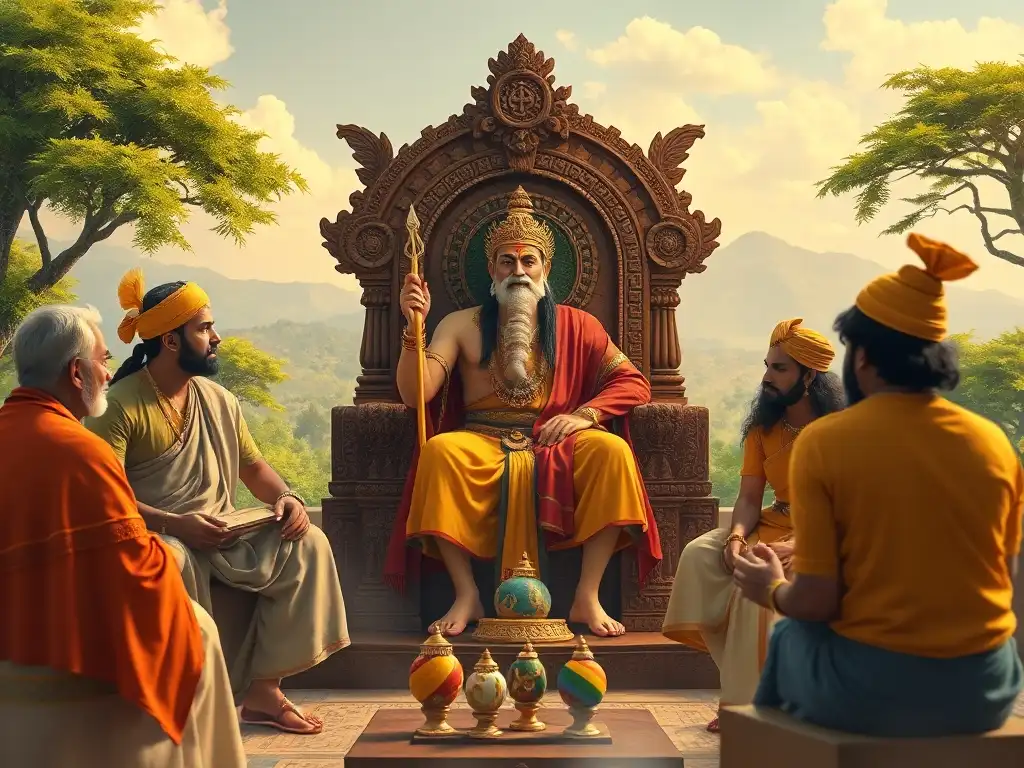
Ashoka the Great, the third Mauryan emperor, is renowned for his profound approach to conflict resolution, which transformed the Indian subcontinent during his reign (268-232 BCE). His methods, deeply influenced by his embrace of Buddhism after the Kalinga War, are exemplified through various case studies that highlight his innovative strategies for resolving conflicts both within his empire and with external entities.
The Resolution of Internal Conflicts within the Empire
One of the most significant internal conflicts Ashoka faced was the challenge of unifying a vast and culturally diverse empire. He implemented a series of policies aimed at fostering tolerance and understanding among various ethnic and religious groups.
- Promotion of Dhamma: Ashoka's adoption of Dhamma—principles of righteousness and moral duty—was pivotal in addressing internal discord. He encouraged his subjects to adhere to non-violence, compassion, and respect for all living beings. This reinforcement of ethical conduct helped diminish sectarian tensions within the empire.
- Public Edicts: Through the issuance of edicts inscribed on pillars and rocks across his empire, Ashoka communicated his vision for peace and social harmony. These edicts not only advocated for moral behavior but also emphasized the importance of dialogue and understanding. By promoting civic responsibility and ethical governance, Ashoka managed to mitigate internal strife and foster loyalty among his subjects.
- Inclusive Governance: Ashoka established a bureaucratic system that included representatives from various communities, ensuring that diverse voices were heard in the administration. This inclusivity played a crucial role in reducing grievances and fostering a sense of belonging among the populace.
Peace Treaties and Their Outcomes
Ashoka's efforts in conflict resolution extended beyond his empire's internal dynamics; he also sought to establish peace through treaties with neighboring states.
- Kalinga War Aftermath: Following the bloody Kalinga War, which resulted in significant loss of life and suffering, Ashoka recognized the futility of military conquest. Instead of pursuing further aggression, he negotiated peace treaties with the region. These treaties were characterized by mutual respect and the cessation of hostilities, allowing for the rebuilding of relationships that had been shattered by conflict.
- Diplomatic Missions: Ashoka sent envoys to various foreign kingdoms to promote peace and trade, further reinforcing his commitment to non-violence. These diplomatic missions helped to establish a network of alliances that prioritized dialogue over warfare.
- Cultural Exchanges: The treaties also facilitated cultural exchanges, allowing for the spread of Buddhism and the principles of Dhamma beyond India. This not only enriched the cultural tapestry of the regions involved but also laid a foundation for long-lasting peace.
Lessons Learned from Ashoka the Great on Conflict Resolution
Ashoka's strategies offer valuable insights into effective conflict resolution that remain relevant today.
Relevance of Ashoka's Strategies in Modern Conflict Resolution
Ashoka's approach to conflict resolution emphasizes the importance of non-violence, dialogue, and ethical governance. In contemporary contexts, these principles can be applied to various conflicts, both at national and international levels.
- Non-Violent Communication: Much like Ashoka's emphasis on dialogue, modern conflict resolution benefits from open communication channels. Facilitating conversations between conflicting parties can lead to mutual understanding and compromise.
- Ethical Leadership: Ashoka's leadership style underscores the necessity for leaders to embody ethical principles. In today's world, leaders who promote transparency, accountability, and moral integrity can foster environments conducive to peace.
- Cultural Sensitivity: Ashoka's inclusive policies highlight the importance of recognizing and respecting cultural differences. Today’s conflict resolution strategies that prioritize cultural sensitivity can enhance cooperation and reduce tensions.
The Role of Leadership in Promoting Peace
The leadership demonstrated by Ashoka serves as a profound example of how effective governance can promote peace.
- Visionary Leadership: Ashoka’s vision for a unified and peaceful empire was instrumental in his conflict resolution efforts. Today's leaders can learn from his example by developing clear, compassionate visions that prioritize peace and coexistence.
- Empathy and Compassion: Ashoka’s transformation after the Kalinga War illustrates how empathy can drive change. Leaders who demonstrate compassion towards those affected by conflict can foster healing and reconciliation.
- Sustainable Peace Initiatives: Ashoka’s long-term approach to peace, through education and moral guidance, underscores the importance of sustainable conflict resolution strategies. Modern leaders should aim for solutions that address root causes rather than merely treating symptoms, ensuring lasting peace for future generations.
Conclusion
Ashoka the Great, one of the most prominent rulers of ancient India, exemplifies the transformative power of conflict resolution and peacemaking in governance. His reign marked a significant shift from militaristic expansion to a focus on moral and ethical leadership, underscoring the profound impact that a ruler's philosophy can have on a civilization's trajectory. By prioritizing non-violence, compassion, and social welfare, Ashoka not only shaped the Mauryan Empire but also left a lasting legacy that resonates through history.
Summary of Ashoka's Legacy in Conflict Resolution
Ashoka's legacy in conflict resolution is characterized by his commitment to Dharma, or moral duty, which guided his policies and actions. After the brutal Kalinga War, which resulted in immense suffering and loss of life, Ashoka underwent a profound transformation. He embraced the principles of Ahimsa (non-violence) and sought to resolve conflicts through dialogue, understanding, and ethical governance. His establishment of the Edicts of Ashoka, inscribed on rocks and pillars across the empire, illustrates his dedication to promoting peace, tolerance, and the welfare of his subjects.
Ashoka's innovative approach to conflict resolution included:
- Promotion of Religious Tolerance: He advocated for respect among different religious communities, understanding that harmony could be achieved through mutual acceptance.
- Focus on Social Welfare: Ashoka implemented policies that addressed the needs of the poor and marginalized, effectively reducing social unrest and fostering unity.
- Diplomatic Engagement: He sought diplomatic relations with neighboring states, using negotiation over aggression to resolve disputes, thereby setting a precedent for future rulers.
These initiatives not only solidified his authority but also integrated the ideals of peace into the very fabric of Indian society.
Final Thoughts on the Importance of Peacemaking in History
The significance of peacemaking as demonstrated by Ashoka the Great cannot be overstated. In a world often plagued by conflict and strife, Ashoka's methods serve as a powerful reminder of the effectiveness of non-violent approaches to conflict resolution. His legacy challenges contemporary leaders to consider the long-term benefits of peace over war, and the profound impact that ethical leadership can have on society.
Moreover, Ashoka's emphasis on communication, understanding, and compassion remains relevant today. As nations grapple with complex geopolitical issues, the principles that guided Ashoka provide valuable insights into fostering dialogue and cooperation. The study of Ashoka's conflict resolution strategies encourages a reexamination of how history can inform present-day practices in diplomacy and governance, emphasizing that the path to peace often lies in the embrace of humanity and shared values rather than in the force of arms.
- Introduction to Ashoka the Great
- Overview of Ashoka's Reign
- Significance in Ancient Indian History
- The Historical Context of Conflict During Ashoka's Time
- The Transformation of Ashoka: From Warrior to Peacemaker
- Principles of Conflict Resolution Adopted by Ashoka
- Strategies Employed by Ashoka in Conflict Resolution
- The Impact of Ashoka's Conflict Resolution Strategies
- Case Studies of Ashoka's Conflict Resolution Efforts
- Lessons Learned from Ashoka the Great on Conflict Resolution
- Conclusion
- What is Ashoka the Great known for in terms of conflict resolution?
- How did Ashoka implement his principles of non-violence?
- What were the major contributions of Ashoka in ancient India?
- How did Ashoka's reign impact the concept of governance?
- What lessons on conflict resolution can be learned from Ashoka's life?
Frequently Asked Questions
What is Ashoka the Great known for in terms of conflict resolution?
Ashoka the Great is recognized for his unique approach to conflict resolution, promoting non-violence and diplomatic dialogue following the Kalinga War, transforming his empire into a model of peace.
How did Ashoka implement his principles of non-violence?
After the Kalinga War, Ashoka adopted Buddhism, which emphasized ahimsa (non-harm) and compassion, guiding his policies and interactions with other nations to prioritize peaceful coexistence.
What were the major contributions of Ashoka in ancient India?
Ashoka contributed significantly to art, architecture, and administration, establishing the Edicts of Ashoka that outlined his policies on social justice, welfare, and conflict resolution.
How did Ashoka's reign impact the concept of governance?
Ashoka's reign marked a transition to ethical governance, where rulers were encouraged to focus on the welfare of their subjects and engage in conflict resolution through moral and ethical means.
What lessons on conflict resolution can be learned from Ashoka's life?
Ashoka’s life teaches the importance of forgiveness, understanding, and the power of non-violence in resolving conflicts, emphasizing that peaceful dialogue can lead to long-lasting solutions.
Final Reflection: Embracing Ashoka's Legacy in Conflict Resolution
Ashoka the Great's approach to conflict resolution remains profoundly relevant in today's world, where divisions and disputes often overshadow our collective humanity. His transformation from a fierce warrior to a compassionate ruler exemplifies the power of empathy and understanding in resolving conflicts. In an era marked by polarization, Ashoka's principles remind us that true strength lies not in dominance but in the ability to foster peace and reconciliation.
The impact of Ashoka's philosophy extends far beyond his reign, influencing cultures and societies across the globe. His commitment to non-violence and dialogue serves as a beacon for contemporary leaders and individuals alike, urging us to seek common ground rather than perpetuate discord. The greatest victory is that which requires no battle.
This quote encapsulates the essence of Ashoka's legacy, inspiring us to prioritize dialogue over confrontation in our daily lives and interactions.
As we reflect on Ashoka's teachings, let us challenge ourselves to embody his principles in our own lives. Consider how you can apply the lessons of compassion, understanding, and non-violence in your personal and professional relationships. By embracing these values, we can contribute to a more harmonious world, honoring Ashoka's legacy and paving the way for future generations to thrive in peace.
Unleash Your Inner Conflict Resolver!
Thank you for taking the time to explore the inspiring journey of Ashoka the Great! You've gained valuable insights into the art of conflict resolution from one of history's most renowned leaders. Now, it's time to transform that knowledge into action and make a positive impact in your life and community.
Here are some steps you can take to embody the principles of Ashoka and become a better conflict resolver:
- Start a dialogue: Engage with someone who holds a different opinion and practice active listening. Create an open space for understanding and empathy.
- Join a local community group dedicated to peace-building and conflict resolution. Your involvement can lead to collective action and support.
- Share your insights on social media or within your personal network! Encourage discussions about the importance of conflict resolution—your voice can inspire others to take action.
What unique approaches can you think of to foster understanding and harmony in your community? We invite you to share your thoughts below!