
How Ashoka’s Philosophy Can Inspire Today’s Leaders

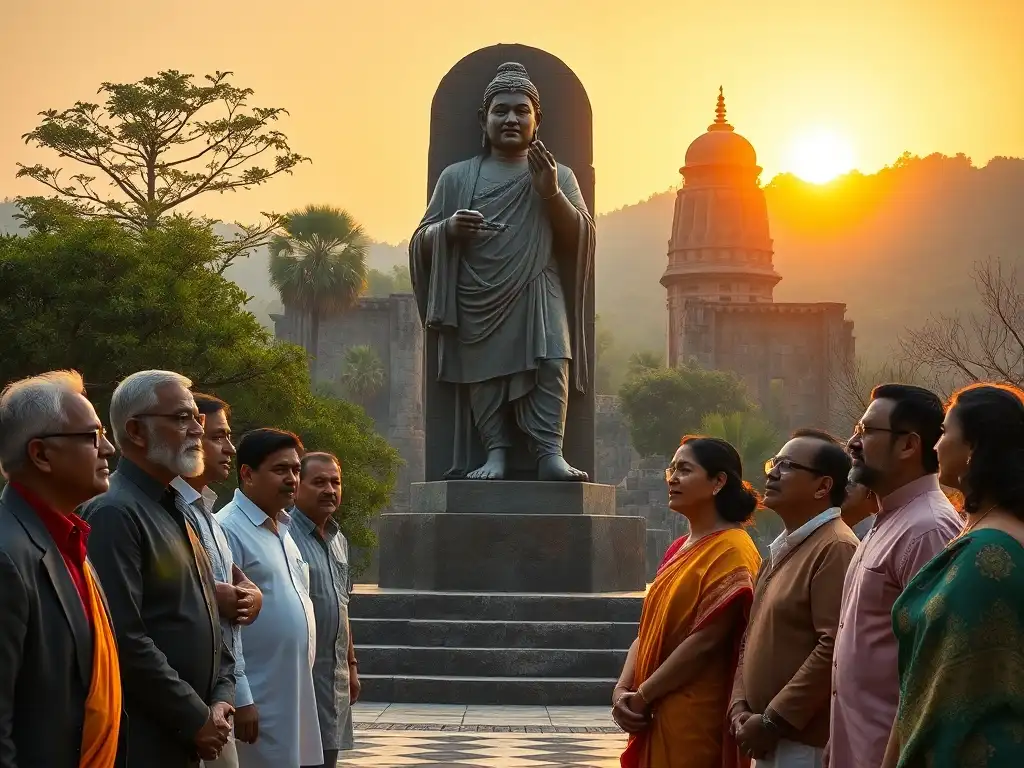
Welcome to Ancient India History, where we embark on a fascinating journey through the rich tapestry of ancient Indian civilizations. From the awe-inspiring Indus Valley to the illustrious Gupta Empire, our exploration reveals the profound cultural contributions that have shaped humanity. Today, we invite you to delve into a compelling discussion about Ashoka's philosophy for modern leadership.
Discover how the principles espoused by one of India’s greatest emperors can inspire contemporary leaders to foster compassion, inclusivity, and ethical governance. Join us as we unravel the timeless wisdom of Ashoka and its relevance in today's world—your path to understanding begins here!
- Introduction to Ashoka's Philosophy for Modern Leadership
- Historical Context of Ashoka's Philosophy
- Ashoka's Philosophy and Its Relevance to Modern Leadership
- Case Studies: Modern Leaders Inspired by Ashoka's Philosophy
- Implementing Ashoka's Philosophy in Today's Leadership
- Challenges in Adopting Ashoka's Philosophy Today
- The Future of Leadership Inspired by Ashoka's Philosophy
- Conclusion: Ashoka's Enduring Legacy for Modern Leaders
- Frequently Asked Questions
- Final Reflection: Ashoka's Philosophy as a Beacon for Modern Leadership
- Ignite Your Leadership Journey Today!
Introduction to Ashoka's Philosophy for Modern Leadership
Ashoka the Great, one of the most revered figures in ancient Indian history, exemplifies a unique blend of power, compassion, and moral leadership. His reign during the Maurya Dynasty marked a pivotal shift in governance, from a focus on conquest to the promotion of peace and ethical values.
This article delves into Ashoka's philosophy, exploring how his principles of leadership, rooted in non-violence, empathy, and public welfare, can provide valuable insights for contemporary leaders. By examining Ashoka's approach to governance and his commitment to the welfare of his subjects, we can uncover timeless lessons that resonate with the challenges faced by today's leaders in various fields.
Overview of Ashoka the Great
Ashoka, born in 304 BCE, ascended to the throne after a series of conquests that expanded the Mauryan Empire to its greatest extent. However, the turning point in his reign came after the Kalinga War, a conflict that resulted in significant loss of life and suffering. This event profoundly impacted Ashoka, leading him to embrace Buddhism and adopt a doctrine centered on non-violence and compassion.
Key aspects of Ashoka's rule include:
- Edicts and Inscriptions: Ashoka's edicts, inscribed on pillars and rocks throughout his empire, convey his commitment to ethical governance, religious tolerance, and social welfare.
- Promotion of Buddhism: He played a crucial role in spreading Buddhism, emphasizing moral conduct, community service, and spiritual growth.
- Social Welfare Initiatives: Ashoka established hospitals, rest houses, and educational institutions, showcasing his dedication to the well-being of his people.
These facets of his leadership not only transformed his empire but also left a lasting legacy that continues to inspire leaders around the world.
Importance of Ashoka's Philosophy in Today's Context
In an era marked by political strife, social inequality, and environmental challenges, Ashoka's philosophy offers a refreshing perspective on leadership. His emphasis on human values and ethical governance serves as a guiding light for modern leaders striving to create inclusive, compassionate, and sustainable societies.
Key reasons why Ashoka's philosophy is relevant today include:
- Non-Violence and Conflict Resolution: In a world often plagued by conflict, Ashoka's commitment to non-violence can inspire leaders to seek peaceful resolutions and foster dialogue.
- Empathy and Community Engagement: Ashoka's focus on the welfare of his subjects encourages leaders to prioritize empathy and actively engage with their communities to understand their needs.
- Sustainable Development: His initiatives in public health and education highlight the importance of investing in human capital, advocating for sustainable practices that benefit future generations.
By internalizing these principles, modern leaders can cultivate a leadership style that not only addresses immediate challenges but also nurtures a more harmonious and equitable society. Ashoka's legacy is a powerful reminder that true leadership transcends power and influence—it's about serving humanity with integrity and compassion.
Historical Context of Ashoka's Philosophy
The Mauryan Empire and Its Significance
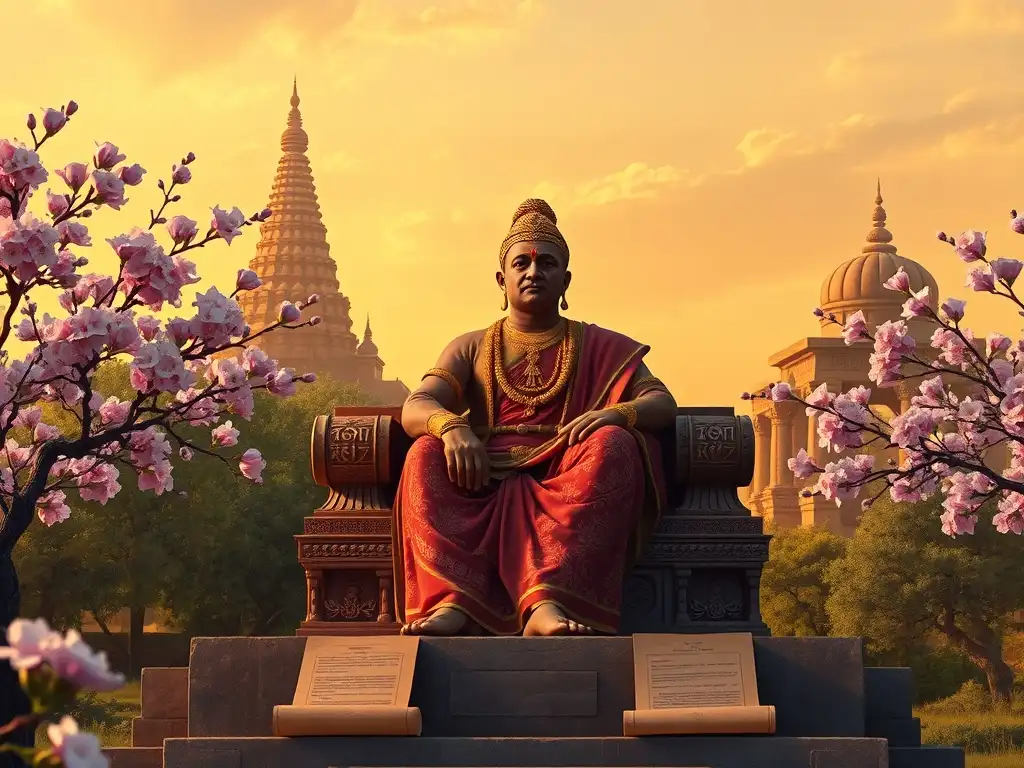
The Mauryan Empire, which flourished from 322 to 185 BCE, was one of the largest and most influential empires in ancient India. Founded by Chandragupta Maurya, the empire reached its zenith under the rule of his grandson, Ashoka the Great. This period was marked by significant political, economic, and cultural developments that laid the groundwork for future Indian civilizations.
Ashoka’s reign is particularly notable due to his efforts to unify the diverse regions of the empire through a centralized administration, innovative governance, and the promotion of trade and agriculture. His capital, Pataliputra, became a hub of culture and commerce, attracting scholars, artisans, and traders from various regions. The Mauryan Empire's significance extends beyond its territorial expanse; it was a pivotal moment in history that saw the emergence of ideas and philosophies that would resonate through the ages.
One of Ashoka's lasting contributions was his embrace of Buddhism after the Kalinga War, a turning point that influenced his leadership style and philosophical outlook. His transformation from a fierce conqueror to a proponent of peace and non-violence showcased a remarkable evolution that has inspired leaders across centuries. Ashoka’s edicts, inscribed on rocks and pillars throughout his empire, serve as primary sources that illuminate his vision of governance, rooted in ethical principles and the welfare of the people.
Key Principles of Ashoka's Philosophy
Ashoka's philosophy is characterized by a set of key principles that resonate with modern leadership practices. His commitment to ethical governance, social welfare, and the pursuit of truth has established a framework for effective leadership that transcends time and culture.
- Ethical Governance: Ashoka believed in ruling through morality rather than fear, emphasizing the importance of ethical conduct in leadership.
- Social Welfare: His initiatives in public health, education, and infrastructure reflect a deep concern for the well-being of his subjects.
- Inclusivity: Ashoka's respect for different religions and cultures within his empire showcases the importance of inclusivity in leadership.
Non-Violence (Ahimsa) as a Leadership Trait
Non-violence, or Ahimsa, is perhaps the most profound aspect of Ashoka's philosophy. After witnessing the devastation caused by the Kalinga War, Ashoka renounced violence and sought to promote peace and harmony. His commitment to Ahimsa influenced his policies and interactions with both his subjects and neighboring states.
- Practical Implications: Ashoka’s emphasis on non-violence can inspire modern leaders to adopt conflict resolution strategies that prioritize dialogue and understanding over aggression.
- Moral Leadership: By embodying non-violence, leaders can foster trust and loyalty among their followers, creating a more cohesive and motivated team.
- Long-term Vision: Ahimsa encourages leaders to think beyond immediate gains and focus on sustainable development, which is essential for the long-term success of any organization.
The Role of Dharma in Governance
Dharma, often translated as moral law or duty, played a crucial role in Ashoka's governance philosophy. It encompasses ethical conduct, social responsibility, and the pursuit of justice, serving as a guiding principle for his administrative decisions.
- Guiding Principles: Ashoka's edicts reflect his belief that rulers should act in accordance with Dharma, ensuring that their policies benefit the populace and uphold justice.
- Social Responsibility: Leaders today can draw from Ashoka's integration of Dharma into governance by prioritizing ethical practices and accountability in their decision-making processes.
- Legacy of Justice: By promoting Dharma, Ashoka established a legacy of justice and moral integrity that continues to inspire leaders striving for ethical governance in contemporary society.
Incorporating Ashoka's philosophy into modern leadership practices can yield profound benefits, guiding leaders to foster environments rooted in peace, ethics, and social responsibility. By embracing these timeless principles, today’s leaders can navigate complex challenges while promoting the welfare of their communities.
Ashoka's Philosophy and Its Relevance to Modern Leadership
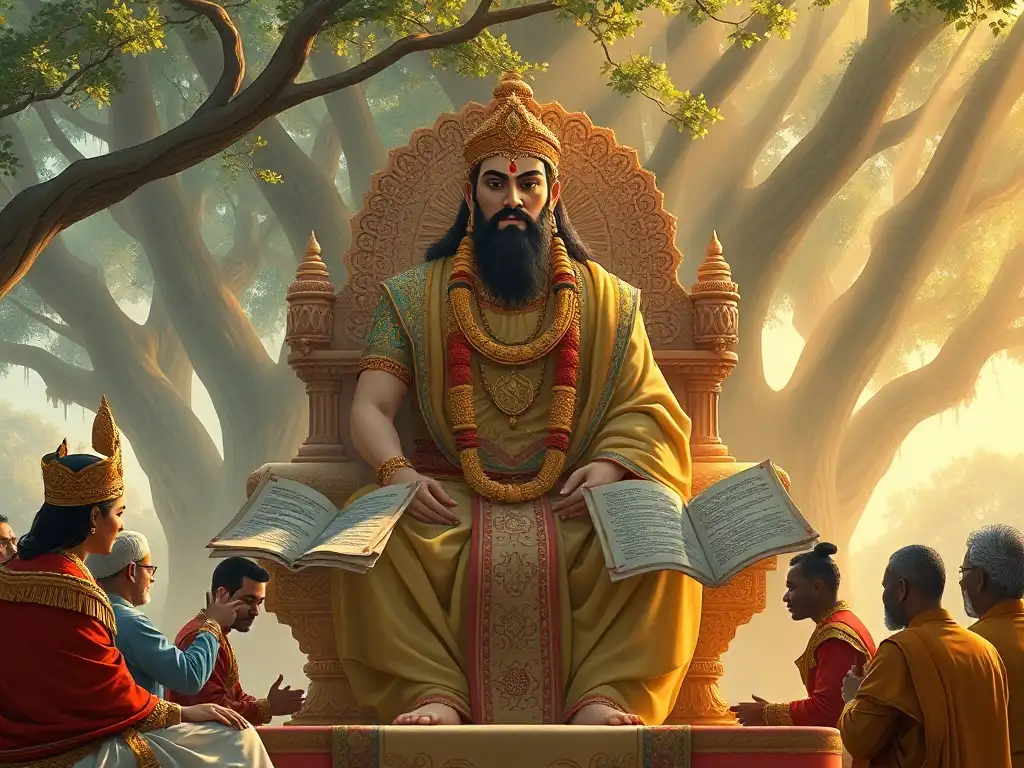
Ashoka the Great, who ruled India from 268 to 232 BCE, is often remembered not just for his military conquests but for his profound transformation into a proponent of peace and ethical governance following the Kalinga War. His philosophy, rooted in Buddhist principles, emphasized compassion, non-violence, and the welfare of all beings. In today's complex and often tumultuous world, Ashoka's philosophy offers timeless lessons for modern leaders seeking to cultivate a more humane and effective approach to leadership.
Compassionate Leadership: Lessons from Ashoka
Ashoka's commitment to compassionate leadership is perhaps his most significant contribution to the discourse on governance and leadership. After witnessing the devastation of the Kalinga War, Ashoka adopted a policy of Dhamma, which is often translated as righteousness or moral law. This shift marked a profound change in his approach, prioritizing the well-being of his subjects over mere territorial expansion.
- Key Principles of Compassionate Leadership:
- Understanding and Empathy: Ashoka's edicts highlight the importance of understanding the suffering of others. He believed that a leader must connect emotionally with their people, fostering a sense of belonging and trust.
- Promoting Welfare: His initiatives included the establishment of hospitals, planting of trees for shade, and construction of wells, all aimed at improving the quality of life for his subjects.
- Non-violence: Ashoka's embrace of Ahimsa (non-violence) stands as a powerful reminder that effective leadership does not necessitate aggression. Instead, true strength lies in the ability to forge peace and resolve conflicts through dialogue.
Ashoka's compassionate leadership serves as a robust model for today’s leaders, reminding them that a focus on empathy and welfare can yield a more harmonious and productive society.
The Importance of Ethical Governance
Ethical governance was a cornerstone of Ashoka's reign. His Edicts of Ashoka, inscribed on pillars throughout his empire, articulated the values of honesty, integrity, and accountability. These principles remain crucial in contemporary governance and organizational leadership.
- Core Aspects of Ethical Governance:
- Transparency: Ashoka emphasized the need for leaders to be open and transparent in their actions. Modern leaders can learn from this by fostering an environment where information is shared freely and decisions are made with accountability.
- Justice and Fairness: He advocated for the fair treatment of all individuals, regardless of their social status. This principle of justice is essential in today’s diverse workplaces, where equity and inclusion are paramount.
- Responsibility to Society: Ashoka believed that leaders have a moral obligation to serve their communities. This sense of social responsibility can inspire today’s leaders to prioritize corporate social responsibility initiatives and community engagement.
By adopting Ashoka's ethos of ethical governance, modern leaders can build organizations that not only thrive economically but also contribute positively to society.
How Ashoka's Philosophy Encourages Inclusive Leadership
Inclusivity was a key element of Ashoka's governance philosophy. He recognized the importance of incorporating diverse voices and perspectives, which is especially relevant in today's globalized world.
- Elements of Inclusive Leadership:
- Listening to Diverse Opinions: Ashoka actively sought counsel from various advisors, including those from different cultures and backgrounds. This practice of inclusive dialogue can help modern leaders make well-rounded decisions that consider the needs of all stakeholders.
- Empowerment of Marginalized Groups: His efforts to uplift the underprivileged demonstrate a commitment to social equity. Leaders today can draw inspiration from this by ensuring that marginalized voices are heard and represented within their organizations.
- Cultural Sensitivity: Ashoka’s respect for different cultures and religions serves as a model for fostering a workplace culture that values diversity and promotes collaboration among diverse teams.
Ashoka’s philosophy provides a rich framework for contemporary leaders aiming to create inclusive environments where all individuals feel valued and empowered to contribute. By embracing these principles, leaders can navigate the complexities of modern governance and organizational dynamics with grace and effectiveness.
Case Studies: Modern Leaders Inspired by Ashoka's Philosophy
Mahatma Gandhi and Their Approach to Non-Violence
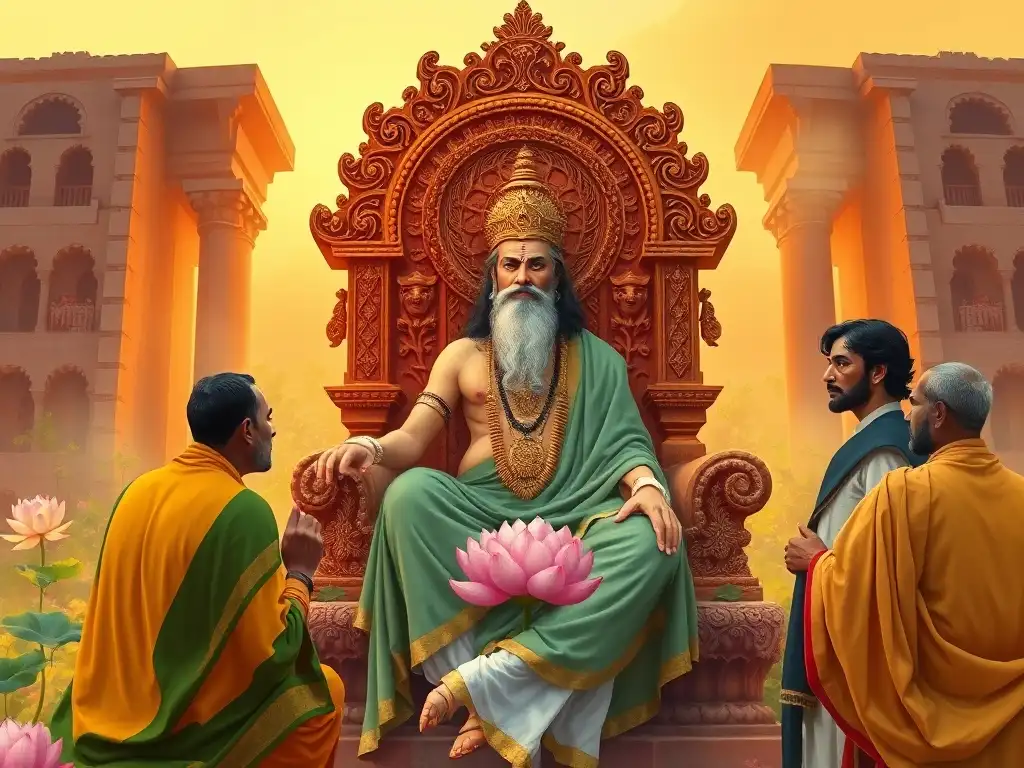
Mahatma Gandhi, often referred to as the "Father of the Nation" in India, drew heavily from Ashoka's philosophy, particularly the principle of ahimsa, or non-violence. Ashoka's commitment to peace and his efforts to propagate Buddhism after the Kalinga War serve as a profound example for Gandhi, who believed that non-violent resistance could effectively combat oppression.
Gandhi's strategy of satyagraha, which translates to "truth force," is a direct reflection of Ashoka's emphasis on moral authority over brute force. He argued that true power lies in the ability to endure suffering without retaliating, a notion deeply rooted in Ashoka's post-war transformation. Gandhi's campaigns, such as the Salt March, exemplified how peaceful protests could mobilize masses and challenge colonial rule without resorting to violence.
Key principles from Ashoka’s reign that influenced Gandhi include:
- Compassion and Empathy: Ashoka's edicts emphasized caring for all living beings, inspiring Gandhi to adopt a similar worldview.
- Moral Leadership: Gandhi believed that leaders should embody their ideals, just as Ashoka lived by his edicts promoting peace.
- Public Welfare: Ashoka's dedication to the welfare of his subjects influenced Gandhi's vision for an equitable society, prioritizing the needs of the marginalized.
Jacinda Ardern and Ethical Governance Practices
Jacinda Ardern, the former Prime Minister of New Zealand, exemplifies how Ashoka's philosophy can inform modern leadership practices centered on empathy, inclusivity, and ethical governance. Ardern’s leadership during crises, such as the Christchurch mosque shootings and the COVID-19 pandemic, showcases a commitment to compassionate leadership that resonates with Ashoka’s principles.
Ardern's approach can be characterized by:
- Transparent Communication: Following Ashoka's edicts, which were publicly displayed, Ardern prioritizes open dialogue with citizens, ensuring that her government remains accountable and transparent.
- Empathy in Policy-Making: Echoing Ashoka's concern for all subjects, Ardern’s administration has focused on policies that support mental health, child poverty alleviation, and community well-being.
- Inclusivity: Ashoka's efforts to integrate diverse communities within his empire inform Ardern's commitment to inclusivity, reflected in her government’s emphasis on multiculturalism and social justice.
The impact of Ashoka's philosophy on these modern leaders demonstrates that the tenets of ethical governance and non-violence remain relevant today. By embodying these principles, contemporary leaders can inspire collective progress and foster a more just society.
Implementing Ashoka's Philosophy in Today's Leadership
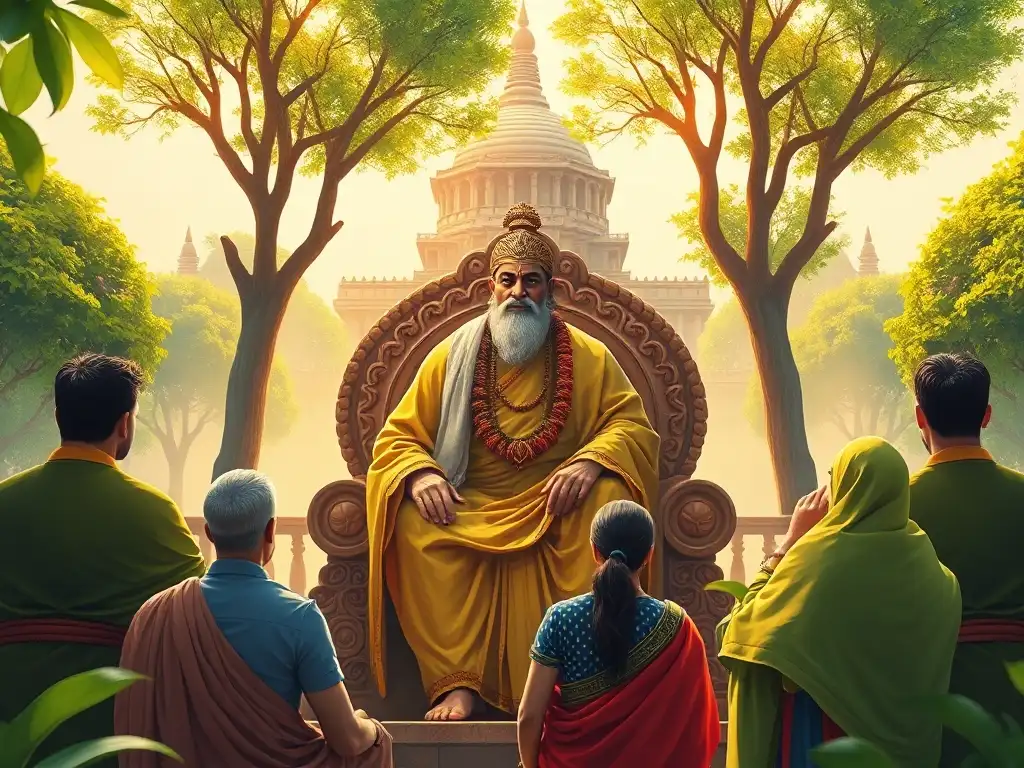
Practical Steps for Leaders to Embrace Ashoka's Teachings
Leaders today can draw valuable lessons from Ashoka's philosophy, which emphasizes compassion, ethics, and a commitment to the welfare of all beings. By integrating these principles, modern leaders can create a more conducive environment for innovation and collaboration. Here are some practical steps that leaders can take:
- Emphasize Compassion in Leadership
- Active Listening: Encourage leaders to practice active listening, fostering an environment where team members feel valued and heard.
- Empathy Training: Implement training programs focused on developing empathy among team leaders to enhance interpersonal relationships within the organization.
- Promote Ethical Standards
- Code of Ethics: Establish a strong code of ethics that aligns with Ashoka's principles, encouraging transparency and accountability.
- Regular Ethical Audits: Conduct regular audits to ensure that the organization adheres to its ethical standards and makes adjustments as necessary.
- Encourage Community Engagement
- Social Responsibility Initiatives: Launch initiatives that encourage employees to engage with the community, reflecting Ashoka's commitment to societal welfare.
- Volunteer Programs: Develop programs that allow employees to volunteer and contribute to causes they are passionate about.
Promoting Non-Violence in Leadership Styles
Ashoka's doctrine of non-violence (Ahimsa) is a cornerstone of his philosophy and can be a guiding principle for contemporary leaders. Here are some ways to promote non-violence in leadership styles:
- Conflict Resolution Training: Equip leaders with tools and techniques for resolving conflicts through dialogue rather than aggression. This can include:
- Mediation skills
- Negotiation tactics
- Creating a Safe Environment: Foster a workplace culture where team members feel safe expressing their opinions and concerns without fear of retribution.
“Non-violence is a weapon of the strong.” – Mahatma Gandhi, echoing Ashoka's philosophy.
Integrating Ethical Decision-Making in Organizations
Ashoka's emphasis on ethical governance offers a robust framework for modern leadership. Leaders can integrate ethical decision-making into their organizations through the following methods:
- Establishing Ethical Decision-Making Frameworks
- Guiding Principles: Develop a set of guiding principles that reflect Ashoka's values and can be used as benchmarks for decision-making.
- Scenario Analysis: Encourage leaders to analyze potential decisions through the lens of their ethical implications, considering the impact on all stakeholders.
- Incorporating Stakeholder Feedback
- Open Forums: Hold regular forums where stakeholders can voice their opinions on ethical concerns related to company policies or practices.
- Feedback Loops: Implement mechanisms for continuous feedback to ensure that ethical standards are upheld and adapted to changing circumstances.
- Leadership Accountability
- Performance Metrics: Introduce performance metrics that assess not only financial success but also adherence to ethical standards and community impact.
- Recognition Programs: Create recognition programs for leaders who exemplify ethical decision-making, reinforcing the importance of these values within the organization.
By applying Ashoka's philosophy for modern leadership, leaders can create a more ethical, compassionate, and effective workplace, ultimately contributing to the greater good of society.
Challenges in Adopting Ashoka's Philosophy Today
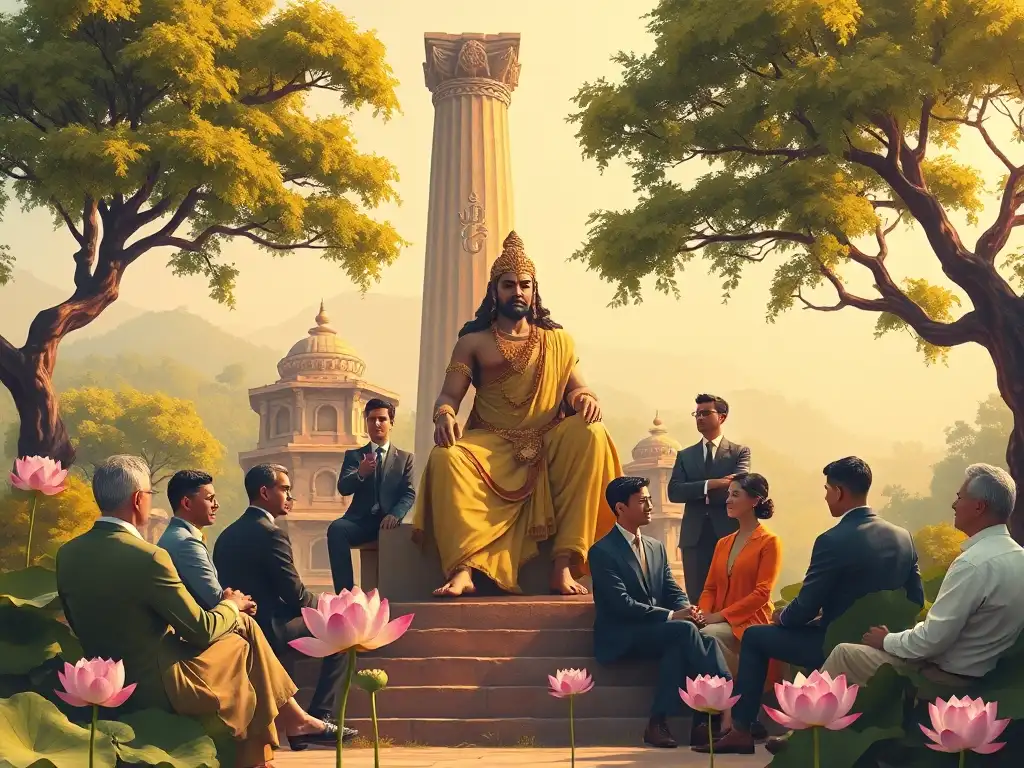
Misinterpretations of Non-Violence in Leadership
Ashoka's commitment to non-violence (Ahimsa) is one of the cornerstones of his philosophy and presents a significant challenge for modern leaders who aspire to adopt his principles. While the essence of non-violence is about fostering peace and resolving conflicts without bloodshed, its interpretation can be problematic. Many leaders might perceive non-violence merely as passivity or weakness, leading to inaction in critical situations. This misinterpretation can hinder the effective resolution of conflicts, particularly in high-stakes environments where assertive decision-making is required.
To truly embody Ashoka's philosophy, leaders must understand that non-violence is not synonymous with inaction. Instead, it involves proactive measures to engage in dialogue, build consensus, and create environments where all voices are heard. Here are a few key aspects that can clarify this misinterpretation:
- Proactive Conflict Resolution: Non-violence encourages leaders to engage in constructive dialogue rather than resort to coercion. This requires strong communication skills and a commitment to understanding diverse perspectives.
- Empowerment and Inclusivity: Ashoka's philosophy emphasizes the importance of inclusivity. Leaders should empower their teams, encouraging contributions from all levels, which can lead to more innovative solutions.
- Courage in Non-Violence: It takes courage to choose non-violent approaches, especially when facing opposition. Leaders must be willing to stand firm in their beliefs while also advocating for peaceful resolutions.
By embracing these aspects, modern leaders can avoid the pitfalls of misinterpretation and leverage Ashoka's philosophy to foster a more harmonious and effective leadership style.
Balancing Idealism with Practical Governance
Adopting Ashoka's philosophy in today's complex political and corporate landscape also requires a delicate balance between idealism and practical governance. While Ashoka’s vision of an ideal state, grounded in moral principles and ethical conduct, is inspiring, leaders often face real-world constraints that necessitate pragmatic decision-making.
- Setting Realistic Goals: Leaders inspired by Ashoka should aim to set realistic, achievable goals that align with their ethical framework. This involves understanding the limitations of their authority and resources while striving for ideals that can be progressively realized.
- Integrating Ethics into Strategy: It’s crucial for leaders to incorporate ethical considerations into their strategic planning. This means evaluating the long-term impacts of decisions, not just immediate gains. A strategic approach that reflects Ashoka’s values can foster trust and loyalty among stakeholders.
- Navigating Political Realities: In many cases, leaders operate within systems that may resist idealistic change. Balancing the need for ethical governance with the practicalities of political maneuvering requires a nuanced understanding of power dynamics and the ability to negotiate without compromising core values.
- Continuous Adaptation: Implementing Ashoka's philosophy requires a commitment to ongoing learning and adaptation. Leaders must be willing to reevaluate their strategies and approaches in response to changing circumstances while remaining steadfast in their ethical commitments.
By effectively balancing idealism with practical governance, modern leaders can draw inspiration from Ashoka's legacy to create meaningful change while navigating the challenges of contemporary leadership.
The Future of Leadership Inspired by Ashoka's Philosophy
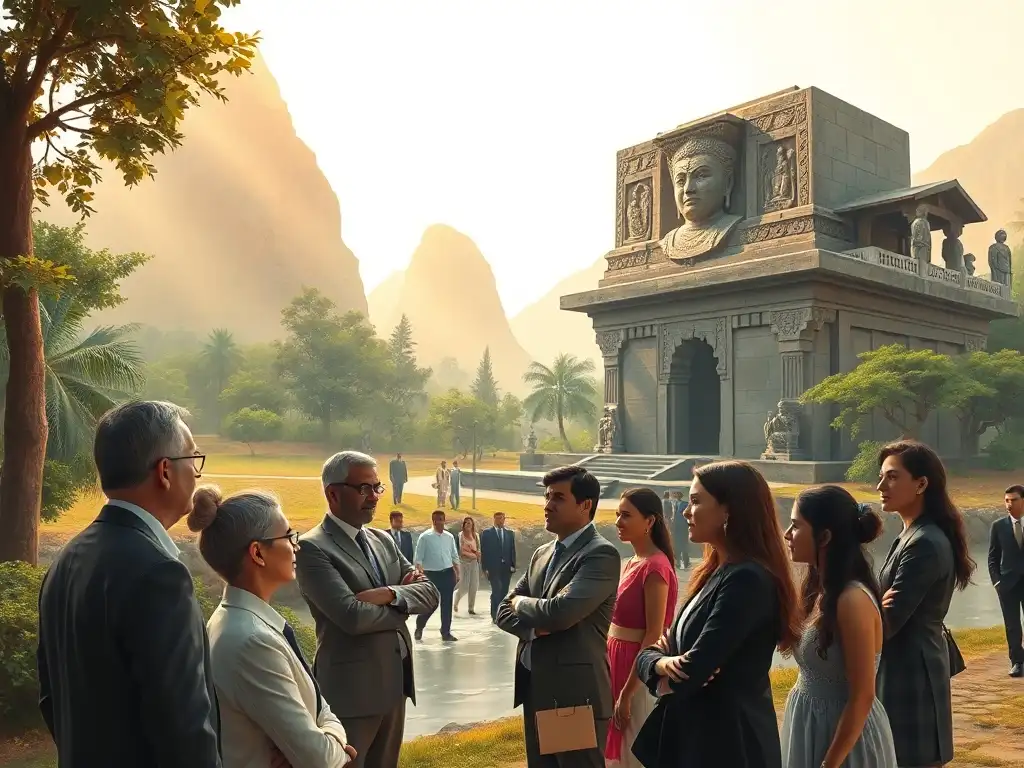
Ashoka the Great, known for his transformative reign and ethical governance, offers invaluable insights for contemporary leaders navigating the complexities of modern society. His philosophy, centered on principles such as dharma (righteousness), ahimsa (non-violence), and compassion, serves as a guiding beacon for current and future leadership practices. By embracing these ideals, leaders can foster inclusive, resilient, and ethical environments that prioritize the welfare of their communities and stakeholders.
Emerging Trends in Ethical Leadership
The landscape of leadership is evolving, with a growing emphasis on ethical practices that resonate with Ashoka's tenets. Here are some key trends shaping this movement:
- Transparency and Accountability: Modern leaders are increasingly held accountable for their actions. Ashoka's commitment to transparency, exemplified by his edicts promoting public awareness, encourages leaders to operate with integrity and openness. This trend is evident in companies adopting ESG (Environmental, Social, and Governance) frameworks, prioritizing ethical decision-making over mere profit generation.
- Servant Leadership: Ashoka's focus on serving his subjects underscores the rise of servant leadership. Today's leaders are shifting from authoritative models to those that empower and uplift their teams. This approach fosters a culture where employees feel valued and motivated, driving overall organizational success.
- Inclusivity and Diversity: Emphasizing ahimsa, modern leaders are recognizing the importance of inclusivity and diversity in decision-making processes. By valuing diverse perspectives, organizations can innovate and adapt more effectively to changing circumstances. Implementing policies that promote diversity not only aligns with ethical practices but also enhances business performance.
- Sustainable Practices: Ashoka's legacy of environmental stewardship is increasingly relevant as leaders confront climate change and sustainability challenges. Organizations are integrating sustainable practices into their core strategies, reflecting a commitment to future generations. This shift is essential for building a resilient society that honors both the environment and its people.
The Potential Impact of Ashoka's Philosophy on Global Leadership Practices
Ashoka's philosophy can significantly reshape global leadership paradigms in the following ways:
- Promoting Peaceful Conflict Resolution: By advocating for non-violence and understanding, Ashoka inspires leaders to seek peaceful resolutions in conflicts. This approach not only mitigates hostility but also fosters cooperative relationships among diverse groups, which is crucial in today's polarized world.
- Fostering Community Engagement: Ashoka's emphasis on connecting with and understanding his subjects encourages modern leaders to actively engage with their communities. Leaders who prioritize community feedback can create policies that genuinely reflect the needs and aspirations of the people they serve.
- Long-term Vision: Ashoka's shift from military conquests to promoting welfare demonstrates the importance of long-term vision. Leaders today must also look beyond short-term gains to consider the lasting impact of their decisions on society and the environment.
- Emphasizing Ethical Decision-Making: Ashoka’s writings highlight the significance of making decisions grounded in ethical considerations. Modern leaders can adopt frameworks that prioritize ethical implications, ensuring that their choices align with broader societal values rather than transient interests.
In conclusion, Ashoka's philosophy for modern leadership provides a timeless framework that can guide leaders in cultivating ethical, inclusive, and sustainable practices. By drawing inspiration from his principles, today's leaders can navigate the complexities of their roles with integrity and purpose, ultimately contributing to a more just and compassionate world.
Conclusion: Ashoka's Enduring Legacy for Modern Leaders
The legacy of Ashoka the Great transcends time and continues to resonate with contemporary leaders. His philosophy, rooted in the principles of non-violence, compassion, and moral governance, serves as a guiding beacon for today's decision-makers. By examining Ashoka's approach, modern leaders can adopt strategies that foster unity, ethical governance, and social responsibility.
Ashoka's transformation from a fierce warrior to a benevolent ruler exemplifies the potential for personal growth and the pursuit of higher ideals. His commitment to the welfare of his people, demonstrated through the establishment of hospitals, educational institutions, and infrastructure, underscores the importance of servant leadership. In a world increasingly characterized by division and conflict, Ashoka's message of peace and reconciliation is more relevant than ever.
Summary of Key Takeaways
- Non-violence as a Leadership Principle: Ashoka’s embrace of ahimsa (non-violence) teaches leaders to prioritize peaceful resolutions and ethical considerations in decision-making.
- Compassion and Empathy: By understanding the needs and perspectives of others, leaders can cultivate a more inclusive and supportive environment, enhancing team cohesion and morale.
- Moral Governance: Ashoka’s emphasis on dharma (righteousness) encourages leaders to operate with integrity, ensuring that their actions align with ethical standards and contribute positively to society.
- Focus on Welfare: Investing in the well-being of communities, as Ashoka did, can lead to sustainable growth and a loyal following. Leaders today should consider how their policies impact not just their organizations but the broader society.
- Legacy of Communication: Ashoka’s use of edicts to communicate his values and policies signifies the importance of transparent communication. Leaders should strive for clarity and openness to build trust and engage their teams effectively.
Call to Action for Leaders to Embrace Ashoka's Philosophy
In an era where leadership challenges abound, it is imperative for modern leaders to draw inspiration from Ashoka's philosophy. Here are actionable steps for leaders to integrate these principles into their leadership styles:
- Reflect on Personal Values: Take time to assess your values and how they align with your actions. Consider ways to embody non-violence and compassion in your leadership approach.
- Engage in Community Service: Implement initiatives that benefit your community, demonstrating a commitment to social responsibility. This could include volunteering, supporting local charities, or developing programs that address community needs.
- Promote Ethical Practices: Establish a culture of integrity within your organization. Encourage open discussions about ethics and create a framework for addressing moral dilemmas.
- Foster Open Communication: Regularly communicate with your team about goals, successes, and challenges. Transparency builds trust and encourages a collaborative environment.
- Lead by Example: Embody the principles of Ashoka in your daily interactions. Your behavior sets the tone for your organization and influences others to adopt similar values.
By embracing Ashoka's philosophy for modern leadership, today's leaders can cultivate a legacy of compassion, responsibility, and ethical governance that can inspire future generations. 🌟
Frequently Asked Questions
What is Ashoka’s philosophy?
Ashoka’s philosophy emphasizes non-violence, compassion, and the welfare of all living beings. His principles promote ethical governance and social responsibility.
How can Ashoka’s teachings apply to modern leadership?
Modern leaders can draw from Ashoka's teachings by embracing ethical decision-making, promoting social justice, and fostering a culture of inclusivity and respect.
What role did Ashoka play in ancient India?
Ashoka was a significant ruler of the Maurya Empire who transformed from a conqueror to a proponent of Buddhism and peace, influencing governance through his Dhamma.
What are some examples of Ashoka's contributions to society?
Ashoka is known for establishing hospitals, planting trees, and creating Edicts that promote ethical behavior and moral values, which can serve as a blueprint for modern societal development.
How can leaders implement Ashoka's philosophy today?
Leaders can implement Ashoka's philosophy by prioritizing community welfare, practicing transparency, and engaging in active listening to address the needs and concerns of their stakeholders.
Final Reflection: Ashoka's Philosophy as a Beacon for Modern Leadership
In an era where leadership is often defined by power and authority, Ashoka's philosophy offers a refreshing perspective that emphasizes compassion, ethical governance, and the well-being of all. The principles of non-violence and moral responsibility that Ashoka championed resonate deeply in today's complex social and political landscapes, reminding us that true leadership is not about domination, but about fostering harmony and understanding. As we navigate the challenges of modern society, the relevance of Ashoka's teachings becomes increasingly apparent, urging us to rethink what it means to lead.
The impact of Ashoka's philosophy extends far beyond historical significance; it continues to shape cultural and social paradigms across the globe. In a world rife with conflict and division, Ashoka's commitment to peace and inclusivity serves as a guiding light for contemporary leaders. His legacy encourages us to cultivate empathy and to prioritize the collective good over individual ambition. As Mahatma Gandhi once said, The greatness of a nation and its moral progress can be judged by the way its animals are treated.
This sentiment echoes Ashoka's own values, illustrating how the treatment of all beings reflects the ethical standards of leadership.
As we reflect on the lessons drawn from Ashoka's life and philosophy, I invite you to consider how you can embody these principles in your own leadership journey. What steps can you take to lead with compassion and integrity in your community? Whether in personal relationships, professional environments, or civic engagement, let Ashoka's example inspire you to create a more just and peaceful world. Embrace the challenge of leading with heart, and remember that the most profound impact often comes from the simplest acts of kindness and understanding.
Ignite Your Leadership Journey Today!
Thank you for exploring the transformative philosophy of Ashoka with us! You've uncovered insights that can elevate your leadership style and inspire those around you. Now, let’s take these lessons off the page and into action.
Here are a few powerful steps you can take right now:
- Reflect on Your Leadership: Take a moment to journal about how you can embody Ashoka's principles of compassion and inclusivity in your daily leadership approach.
- Share Your Insights: Discuss what you've learned with your team or peers. Engage in conversations about the relevance of ancient wisdom in modern leadership.
- Join a Community: Seek out or create a local group focused on ethical leadership inspired by figures like Ashoka. Collaboration fosters innovation!
How will you integrate the timeless wisdom of Ashoka into your leadership practices? Share your thoughts and ideas below!