
How Ashoka the Great Dealt with Religious Diversity

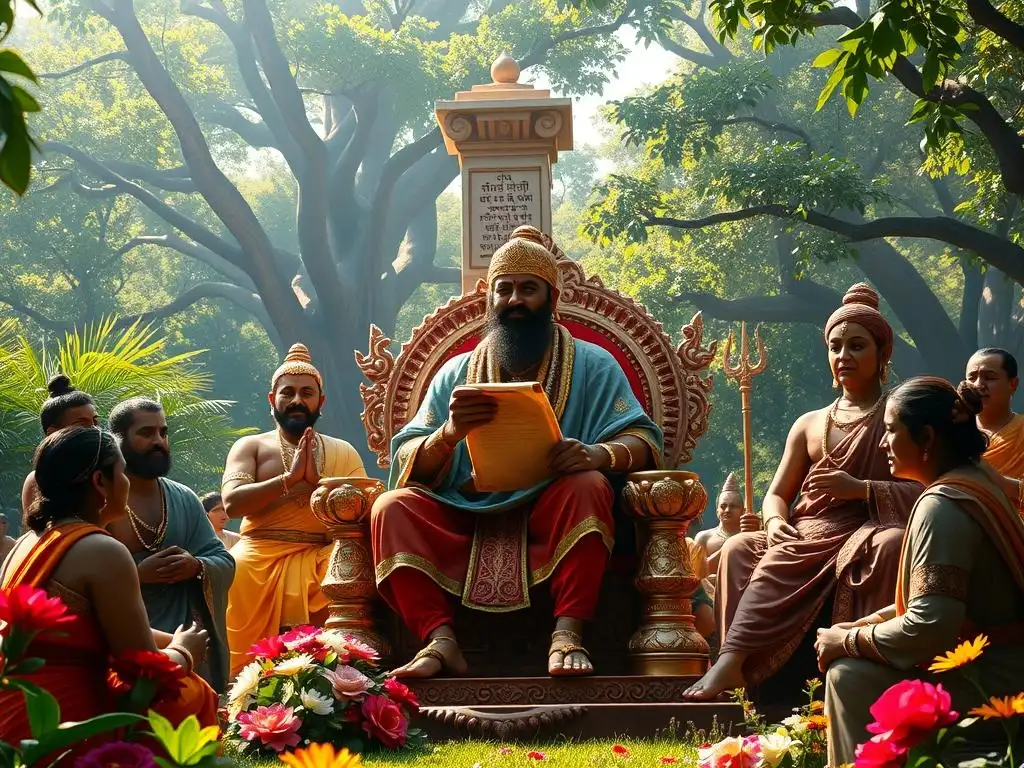
Welcome to Ancient India History, where we embark on a fascinating journey through the intricate tapestry of one of the world's oldest civilizations. Today, we delve into the remarkable reign of Ashoka the Great, a visionary leader whose approach to religious tolerance not only shaped his empire but also laid the groundwork for harmonious coexistence that resonates through history. Join us as we unravel the profound ways in which Ashoka navigated the complexities of religious diversity, fostering a legacy that continues to inspire dialogue and understanding.
Are you ready to discover the wisdom of a ruler who believed in peace over power? Explore further to unlock the secrets of his transformative policies.
- Introduction to Ashoka the Great and Religious Diversity
- Ashoka's Approach to Religious Tolerance
- Key Strategies Employed by Ashoka
- Impact of Ashoka’s Policies on Indian Society
- Comparisons with Other Historical Figures
- Conclusion
- Frequently Asked Questions
- Final Reflection: Embracing Ashoka's Legacy of Religious Tolerance
- Embrace Unity Through Diversity: Take Action Today!
Introduction to Ashoka the Great and Religious Diversity
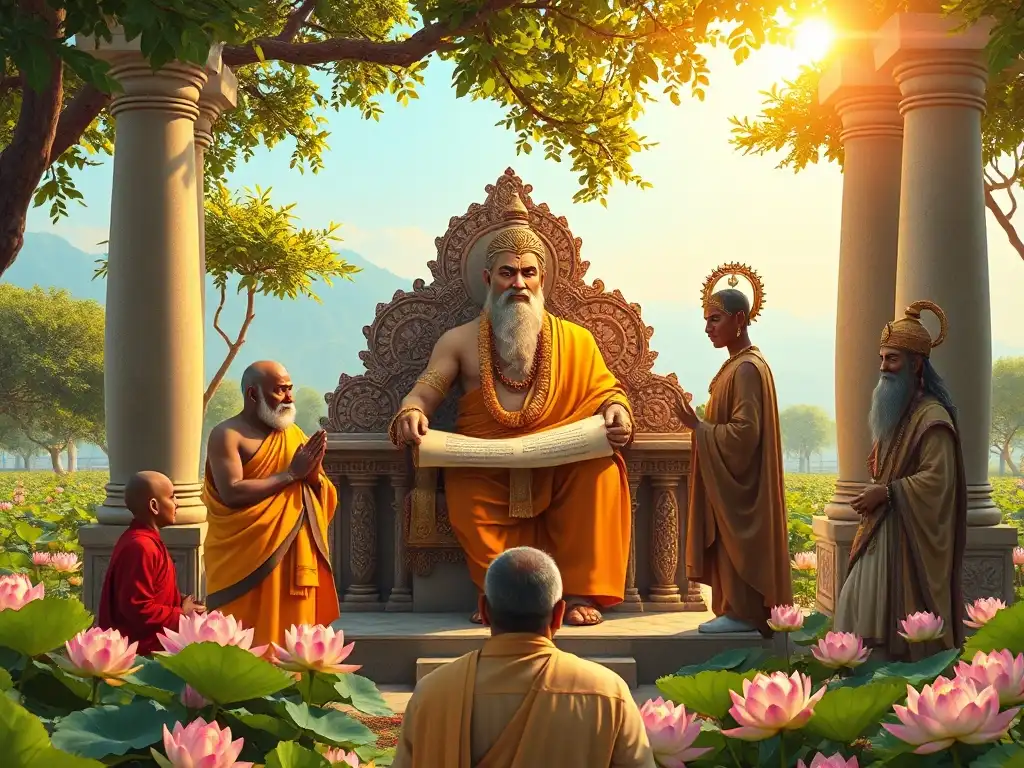
Ashoka the Great, the third Mauryan emperor, is celebrated not only for his military conquests but also for his profound transformation into a proponent of peace and religious tolerance. His reign, which lasted from 268 to 232 BCE, marked a significant shift in the political and spiritual landscape of ancient India.
As one of the most influential figures in Indian history, Ashoka's approach to religious tolerance stands out as a remarkable example of how a ruler can embrace diversity and foster unity among varied communities. This article delves into Ashoka's methods and philosophies concerning religious diversity, providing insights into how his policies promoted harmony in a culturally rich and complex society.
Overview of Ashoka's Historical Context
To understand Ashoka's approach to religious tolerance, it is crucial to examine the historical context in which he ruled. The Mauryan Empire, at its zenith, encompassed significant portions of the Indian subcontinent, characterized by a tapestry of religious beliefs, languages, and customs.
- Initial Conquests: Ashoka ascended to the throne following a series of military campaigns, including the brutal conquest of Kalinga. This campaign resulted in immense bloodshed, which profoundly affected Ashoka and led him to reconsider his governance methods.
- Embrace of Buddhism: After the Kalinga War, Ashoka converted to Buddhism, embracing its core principles of non-violence and compassion. His conversion not only influenced his personal beliefs but also shaped his policies towards other religions.
- Cultural Fusion: The period was marked by the coexistence of Hinduism, Buddhism, and Jainism, among other belief systems. Ashoka recognized the need for a cohesive strategy to manage this diversity effectively.
Significance of Religious Tolerance in Ancient India
Religious tolerance during Ashoka's reign had profound implications, not only for his empire but also for the broader historical narrative of ancient India.
- Promotion of Dharma: Ashoka's edicts emphasized the importance of "Dharma" (moral duty), which included respect for all religions. This concept laid the groundwork for a more inclusive society.
- Edicts of Ashoka: The inscriptions on pillars and rocks across his empire highlighted his commitment to tolerance and ethical governance. These edicts served as a public declaration of his policies towards different faiths.
- Cultural Integration: By fostering an environment of acceptance, Ashoka encouraged the flourishing of various artistic and cultural expressions that drew from multiple religious traditions. This blending of cultures enriched the Indian civilization, leaving a lasting legacy.
Ashoka the Great's approach to religious tolerance not only transformed his empire but also set a precedent for future rulers and societies. His legacy remains a vital part of India's historical narrative, illustrating the importance of coexistence and mutual respect in a diverse cultural landscape.
Ashoka's Approach to Religious Tolerance
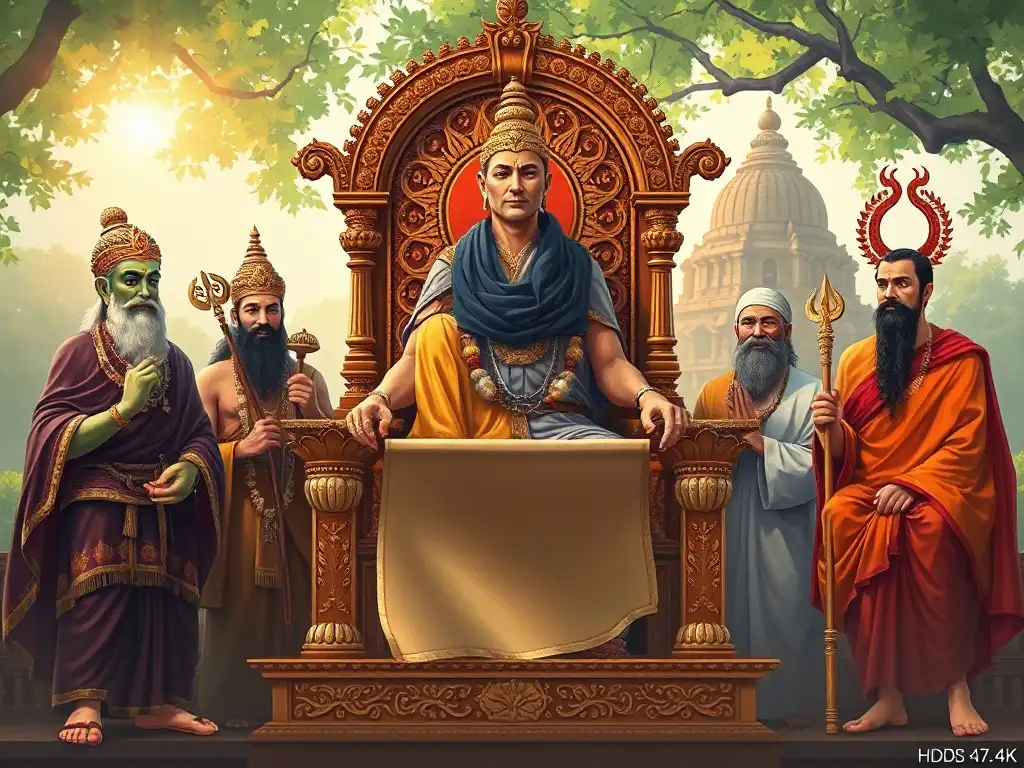
Understanding Ashoka's Philosophy on Religious Diversity
Ashoka the Great, the third Mauryan emperor who reigned from 268 to 232 BCE, is often heralded for his progressive stance on religious tolerance. His approach was not merely a political strategy but a profound philosophical commitment that reflected the complexities of his diverse empire.
At the core of Ashoka's philosophy was the understanding that a unified empire could thrive only through mutual respect and acceptance of different faiths. He recognized that the vast territories under his rule were home to various religious beliefs, including Hinduism, Jainism, Brahmanism, and the newly emerged Buddhism. Ashoka's own conversion to Buddhism after the Kalinga War marked a pivotal moment in his governance, leading him to advocate for a path of non-violence (ahimsa) and compassion towards all living beings.
Ashoka believed that by fostering an environment where different religions could coexist peacefully, he could cultivate a sense of community and stability. His vision was encapsulated in the principle of "Dhamma," which entailed ethical conduct, compassion, and social responsibility. This philosophy encouraged his subjects to live righteously, irrespective of their religious affiliations.
The Edicts of Ashoka: Promoting Religious Harmony
One of the most significant ways Ashoka implemented his approach to religious tolerance was through the Edicts of Ashoka, a series of inscriptions carved on pillars and rocks throughout his empire. These edicts served not only as declarations of policy but also as moral guidelines for his subjects.
Key Features of the Edicts:
- Promotion of Dhamma: Ashoka emphasized the importance of Dhamma, advocating for ethical behavior and respect towards all religions.
- Respect for All Faiths: He urged his subjects to respect and honor all religious teachings, fostering an atmosphere of acceptance.
- Encouragement of Dialogue: Ashoka encouraged open discussions among different religious groups, promoting mutual understanding and cooperation.
- Condemnation of Fanaticism: He explicitly condemned sectarian violence and religious intolerance, urging people to avoid extremes in their beliefs.
The 14th Edict, in particular, stands out as a testament to his commitment to religious harmony, where Ashoka instructs his officials to ensure that all sects are treated with respect and that no one is to be harmed or insulted because of their beliefs.
Influence of Buddhism on Ashoka’s Religious Policies
Ashoka's embrace of Buddhism deeply influenced his policies regarding religious tolerance. After witnessing the devastating consequences of the Kalinga War, he turned to Buddhism as a guiding philosophy, which inherently promoted non-violence and compassion.
Impact of Buddhism on Ashoka's Policies:
- Non-Violence (Ahimsa): Ashoka’s interpretation of Buddhism led him to adopt non-violence as a foundational principle, extending this belief to all interactions, including those involving different religions.
- Support for Monastic Communities: He provided patronage to Buddhist monasteries, which became centers of learning and dialogue, furthering the exchange of ideas among different faiths.
- Universal Ethics: The Buddhist concept of universal compassion resonated with Ashoka, prompting him to advocate for a moral framework that transcended individual sects, promoting a collective sense of humanity.
Through his policies, Ashoka established a legacy of religious tolerance that not only characterized his reign but also influenced the broader historical narrative of India. His methods served as a model for future leaders in navigating the complexities of diverse societies, proving that acceptance and dialogue can be powerful tools for unity.
Key Strategies Employed by Ashoka
Promoting Dialogue Among Different Faiths
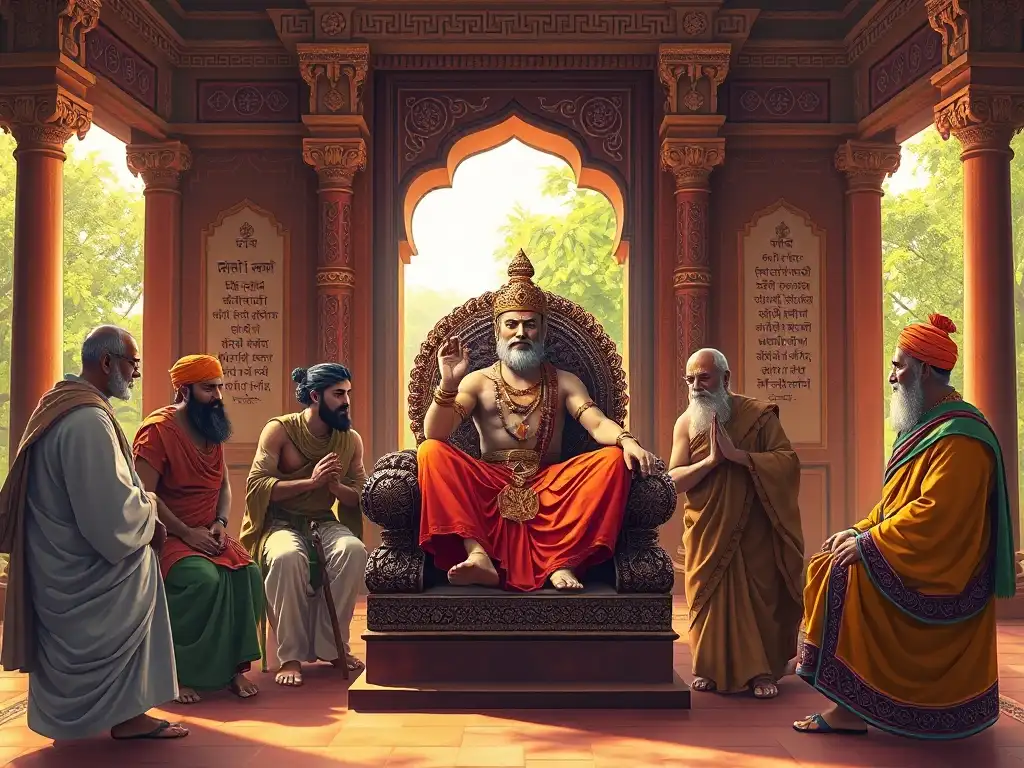
Ashoka the Great, who reigned from 268 to 232 BCE, is often celebrated for his remarkable approach to governance, particularly in fostering religious tolerance. One of his key strategies was promoting dialogue among different faiths. This was particularly significant in a time when the Indian subcontinent was characterized by a multitude of religious beliefs and practices.
Ashoka held regular assemblies and discussions with leaders from various religious backgrounds, including Buddhism, Hinduism, Jainism, and other local traditions. By bringing these leaders together, he aimed to create a platform for exchanging ideas, beliefs, and practices. This approach not only encouraged mutual understanding but also fostered respect among different communities.
The Buddhist concept of Dhamma, which emphasizes morality and ethical living, was central to his dialogues. Ashoka advocated for principles such as compassion, non-violence, and respect for all beliefs, thereby reinforcing the idea that all faiths ultimately seek truth and virtue. His commitment to dialogue is evident in the way he sought to learn from other traditions while also sharing the teachings of Buddhism.
Moreover, Ashoka's efforts were not limited to formal gatherings; he encouraged everyday citizens to engage with one another across religious lines. This grassroots approach helped in building a more cohesive society, where diverse beliefs could coexist peacefully.
Establishing Rock Edicts and Pillars as Symbols of Tolerance
Another significant strategy employed by Ashoka was the establishment of Rock Edicts and Pillars. These inscriptions, spread across his empire, served multiple purposes, including the promotion of Ashoka's approach to religious tolerance. The edicts, inscribed in various languages and scripts, communicated his policies and ethical guidelines to the public.
Among the edicts, one of the most notable was the 13th Rock Edict, which explicitly called for respect towards all religions. It stated:
All religions should reside everywhere. The various sects should be honored and should not be disparaged.
This proclamation highlighted Ashoka's commitment to a pluralistic society, where different faiths could thrive. The visibility of these edicts ensured that his message reached a wide audience, transcending social and geographical boundaries.
The Pillars of Ashoka, often adorned with intricate carvings and symbols, also served as enduring reminders of his dedication to tolerance. These architectural marvels not only demonstrated his grandeur as a ruler but also communicated his moral vision. Many of these pillars are still standing today, symbolizing the lasting legacy of Ashoka's approach to religious diversity.
The Role of Diplomacy in Religious Affairs
Ashoka's diplomatic strategies were instrumental in managing religious diversity within his empire. He recognized that the unity of his realm depended on the harmonious coexistence of various faiths. To achieve this, he employed a combination of statecraft and moral leadership.
One of his notable diplomatic efforts was to send Buddhist missionaries to different regions, including modern-day Sri Lanka and regions of Central Asia. These missions were not merely about spreading Buddhism; they were also aimed at fostering peaceful relations and understanding among different cultures and religions. Ashoka's missionaries engaged in dialogue with local leaders, promoting compassion and ethical conduct, which resonated with diverse populations.
Additionally, Ashoka maintained diplomatic relations with neighboring kingdoms that practiced different religions. His approach was characterized by respect and acknowledgment of their beliefs, which often led to peaceful coexistence and mutual support. This strategy not only strengthened his empire's borders but also facilitated cultural exchanges that enriched the Indian subcontinent's spiritual landscape.
Ashoka's approach to religious tolerance was multifaceted, involving dialogue, symbolic communication through edicts, and diplomatic engagement. His legacy serves as a profound reminder of the importance of understanding and respecting diverse beliefs in achieving social harmony.
Impact of Ashoka’s Policies on Indian Society
Effects on Hindu-Buddhist Relations
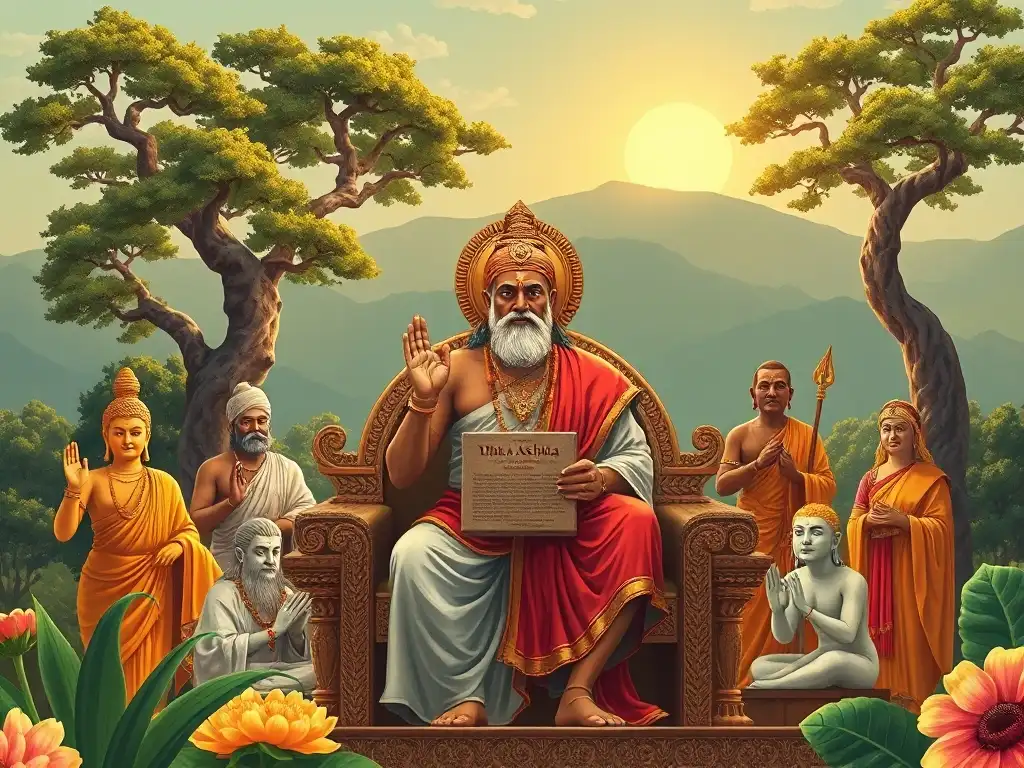
Ashoka the Great, known for his pivotal role in the spread of Buddhism, also significantly impacted Hindu-Buddhist relations during his reign. His policies fostered an environment of mutual respect and dialogue between these two major religious traditions.
- Promotion of Ahimsa: Central to Ashoka's philosophy was the principle of Ahimsa (non-violence). This ethical stance resonated with Hindu beliefs, particularly those emphasizing non-violence in the context of dharma or righteous living. Ashoka’s endorsement of Ahimsa helped to bridge gaps between Hindu and Buddhist communities, encouraging peaceful coexistence.
- Cultural Exchange: The Edicts of Ashoka, inscribed on pillars and rocks across his empire, articulated messages of tolerance and respect for all religions. His proclamations encouraged interactions between followers of different faiths, leading to a rich exchange of cultural and philosophical ideas. For instance, many Hindu practices were incorporated into Buddhist rituals, creating a syncretic culture.
- Royal Patronage: Ashoka's support for Buddhist institutions did not come at the expense of Hinduism. Instead, he revered Hindu deities and participated in Hindu festivals, which reinforced an atmosphere of inclusion. This royal patronage helped to mitigate tensions and promote a sense of unity among the diverse religious communities.
The Influence on Jainism and Other Religions
Ashoka's approach to religious tolerance extended beyond Buddhism and Hinduism. His policies recognized the importance of Jainism and other indigenous faiths, fostering a climate where various beliefs could thrive.
- Embracing Jain Ideals: Jainism, with its emphasis on non-violence and asceticism, resonated with Ashoka's values. He expressed admiration for Jain leaders and their teachings, which contributed to the mutual respect between Jains and Buddhists. This interaction helped to elevate Jainism's status in Indian society, promoting its principles alongside those of Buddhism.
- Inclusivity of Other Faiths: Ashoka's edicts also addressed the importance of respecting all religious practices, not just those of Buddhism and Hinduism. He acknowledged the significance of other local cults and spiritual traditions, advocating for their protection and acceptance. This recognition cultivated an environment where diverse religious expressions were honored.
- Establishment of Religious Councils: To further promote interfaith dialogue, Ashoka convened councils where representatives from various religions could discuss their beliefs and practices. These councils served as platforms for understanding and collaboration, fostering a spirit of unity among different faith communities.
Long-term Legacy of Ashoka's Approach to Religious Tolerance
The legacy of Ashoka's approach to religious tolerance has left an indelible mark on Indian society and beyond. His policies not only shaped the religious landscape of his time but also laid the groundwork for future interactions among faiths.
- Foundation for Secularism: Ashoka's commitment to religious tolerance is often seen as a precursor to the secular principles that would later flourish in Indian society. His emphasis on respect for all religions contributed to a cultural ethos that values diversity, which remains a cornerstone of modern Indian identity.
- Influence on Future Leaders: Subsequent rulers in India, inspired by Ashoka’s model, adopted similar policies promoting tolerance and inclusivity. This continuity can be observed in various dynasties that followed, which sought to emulate Ashoka's vision of a harmonious society.
- Global Impact: Ashoka's legacy transcends geographical boundaries, influencing global perspectives on religious pluralism. His edicts, advocating for peace and respect among different faiths, have inspired contemporary movements aimed at achieving interfaith harmony. The principles he championed continue to resonate in discussions about coexistence and mutual respect in diverse societies today.
Ashoka's approach to religious tolerance not only shaped the dynamics between major faiths in ancient India but also laid a foundation for a legacy of inclusivity that echoes through history and remains relevant in the modern world.
Comparisons with Other Historical Figures
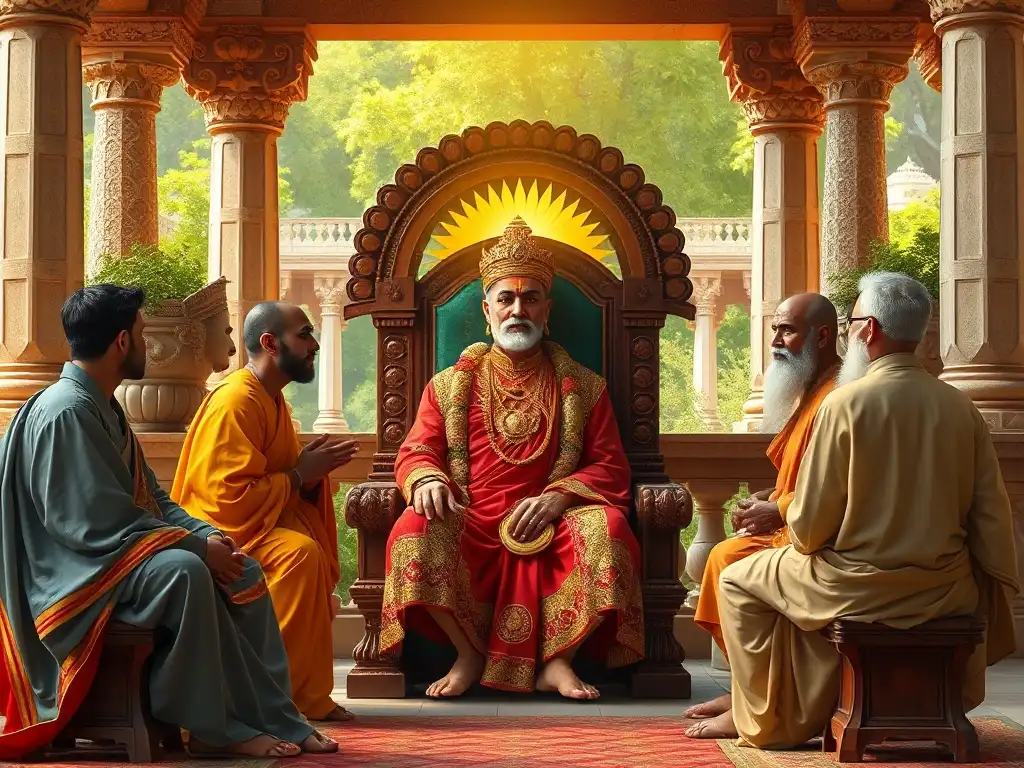
Ashoka the Great is often celebrated for his unique approach to religious tolerance, particularly in the context of the diverse spiritual landscape of ancient India. To understand the significance of Ashoka's policies, it is essential to compare his strategies with those of other historical figures, both within India and on a global scale.
Ashoka vs. Other Indian Rulers in Religious Policy
When examining Ashoka's approach to religious tolerance, it is crucial to consider his contemporaries and predecessors. Several rulers prior to Ashoka, such as Chandragupta Maurya, his grandfather, and Bindusara, his father, exhibited varying degrees of religious tolerance, but none matched Ashoka's comprehensive approach.
- Chandragupta Maurya: While he established a vast empire and was influenced by Jainism, his policies were more about consolidating power than promoting religious harmony. His reign focused on political stability rather than fostering inter-religious dialogue.
- Bindusara: Known for his pragmatic rule, Bindusara maintained a level of tolerance toward different religions, particularly Jainism, which he practiced. However, his approach lacked the proactive promotion of tolerance that Ashoka later embraced.
In contrast, Ashoka's Edicts of Ashoka explicitly advocate for respect and understanding among different faiths, providing a framework for coexistence. His famous edict, "All religions should reside everywhere", emphasizes his commitment to inter-religious dialogue and respect, setting a precedent that was not fully realized by his predecessors.
| Ruler | Approach to Religion | Key Policies/Edicts |
|---|---|---|
| Chandragupta Maurya | Pragmatic, focused on power consolidation | Limited promotion of any particular faith |
| Bindusara | Tolerant, especially towards Jainism | Encouraged Jain practices, but not interfaith dialogue |
| Ashoka | Proactive, promoting religious tolerance and dialogue | Edicts advocating respect for all religions |
Global Perspectives on Religious Tolerance: Ashoka vs. Other Leaders
Comparing Ashoka's approach to religious tolerance with that of other global leaders reveals both similarities and differences in strategies. Notably, figures like Emperor Constantine and Mahatma Gandhi provide contrasting perspectives on how leaders can influence religious harmony.
- Emperor Constantine: As the first Roman emperor to convert to Christianity, Constantine's policies marked a significant shift in religious tolerance in the Roman Empire. His Edict of Milan in 313 CE granted religious freedom to Christians, contrasting Ashoka's emphasis on coexistence among multiple religions. While Constantine favored Christianity, Ashoka's edicts promoted a more balanced approach to various faiths.
- Mahatma Gandhi: In modern history, Gandhi's philosophy of ahimsa (non-violence) and his efforts to bridge the gap between Hindus and Muslims echo Ashoka's principles of tolerance. Both leaders faced immense challenges due to religious conflicts within their societies and advocated for peace and understanding. However, Gandhi's approach was rooted in a broader social reform context, while Ashoka's was specifically tied to the governance of an empire.
| Leader | Approach to Religion | Key Policies/Principles |
|---|---|---|
| Emperor Constantine | Promoted Christianity but allowed other religions | Edict of Milan granting religious freedom |
| Ashoka | Advocated for coexistence and understanding among religions | Edicts promoting respect for all faiths |
| Mahatma Gandhi | Focused on non-violence and communal harmony | Philosophy of ahimsa, efforts for Hindu-Muslim unity |
Ashoka's approach to religious tolerance stands out not only within the historical context of India but also in comparison to global leaders. His commitment to promoting harmony across diverse faiths significantly influenced the cultural and spiritual landscape of ancient India, paving the way for a legacy of tolerance that resonates to this day.
Conclusion
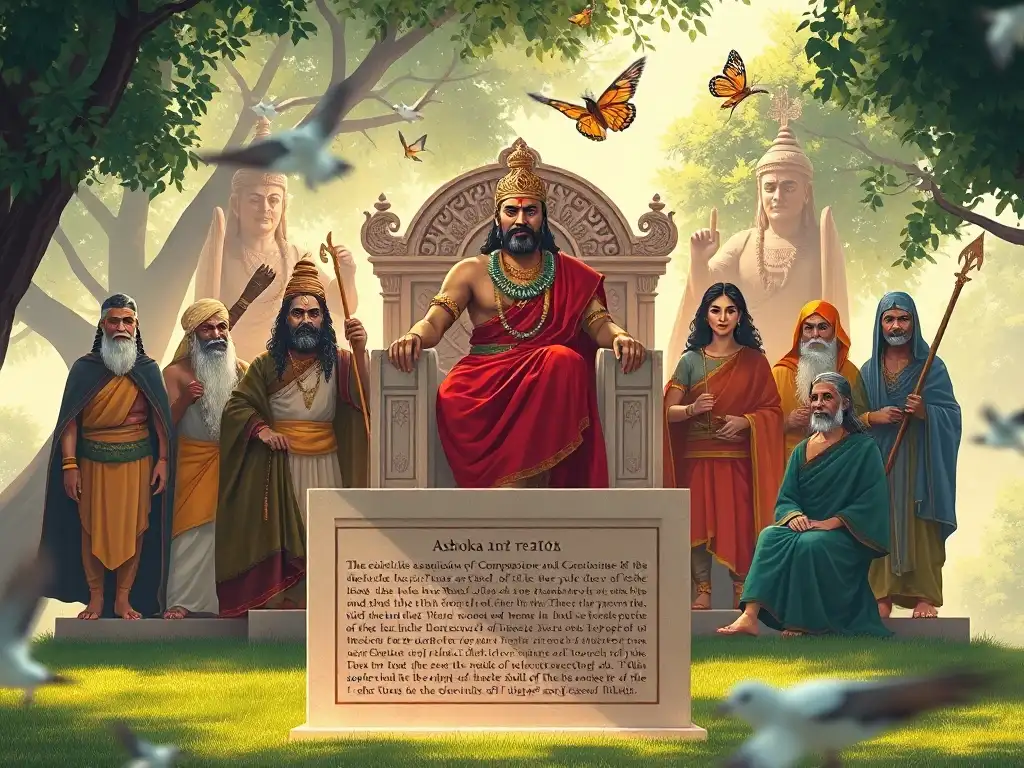
Summary of Ashoka's Contributions to Religious Diversity
Ashoka the Great, the third Mauryan emperor, is often celebrated for his remarkable approach to governance and social harmony, particularly in relation to religious diversity. Following his conversion to Buddhism after the Kalinga War, Ashoka implemented policies that emphasized tolerance, respect, and understanding among different faiths. His edicts, inscribed on pillars and rocks throughout his empire, served as public proclamations advocating for peaceful coexistence and compassion towards all living beings.
- Promotion of Non-Violence: Ashoka's commitment to non-violence (Ahimsa) became a cornerstone of his rule. This principle not only influenced his personal beliefs but also permeated the administration, ensuring that citizens could practice their religions without fear of persecution.
- Support for Various Religions: While Ashoka was a devout Buddhist, he acknowledged the significance of other religions, including Brahmanism and Jainism. His edicts encouraged the practice of multiple faiths, highlighting a philosophy that embraced rather than suppressed diversity.
- Establishment of Dharmamahamatras: To facilitate the spread of his ideals, Ashoka appointed officials known as Dharmamahamatras. Their role was to promote Dharma (moral law) and oversee the welfare of the populace, ensuring that all communities were treated fairly and justly.
- Religious Dialogues: Ashoka actively encouraged dialogues between different religious groups, fostering an environment where ideas could be exchanged freely. This initiative not only reinforced his commitment to religious tolerance but also laid the groundwork for intellectual and cultural growth.
Reflections on the Importance of Ashoka's Approach to Modern Society
Ashoka's approach to religious tolerance remains profoundly relevant in today’s multifaceted societal landscape. His principles can serve as a guide for contemporary leaders and citizens striving to navigate the complexities of religious and cultural pluralism.
- Conflict Resolution: In an era where religious conflicts often dominate headlines, Ashoka's emphasis on dialogue and mutual respect offers a pathway toward resolution. His legacy teaches that understanding and empathy can transform adversarial relationships into cooperative ones.
- Inclusive Governance: Modern governments can learn from Ashoka's model of inclusive governance, where the rights and beliefs of all citizens are acknowledged and respected. Such an approach not only enhances social cohesion but also strengthens the democratic fabric of society.
- Cultural Harmony: By promoting a culture of respect for diverse beliefs, societies can cultivate an environment that celebrates differences rather than fearing them. This cultural harmony, as demonstrated in Ashoka's time, can lead to a more peaceful coexistence.
- Social Welfare: Ashoka’s initiatives to ensure the welfare of all, irrespective of their religious backgrounds, highlight the importance of social responsibility. Modern societies can adopt similar principles to create programs that support underrepresented communities, thus fostering equality and justice.
Ashoka the Great's legacy as a proponent of religious tolerance provides invaluable lessons for navigating contemporary challenges related to diversity. His vision of a peaceful, inclusive society continues to inspire efforts aimed at fostering unity amidst diversity in our modern world.
Frequently Asked Questions
What was Ashoka's approach to religious tolerance?
Ashoka's approach to religious tolerance was characterized by promoting understanding and respect among different faiths. He emphasized the importance of coexistence and encouraged people to engage in dialogue.
How did Ashoka implement his policies on religious tolerance?
Ashoka implemented his policies through edicts inscribed on pillars and rocks, advocating for compassion and non-violence. He encouraged his subjects to respect various religious practices and beliefs.
What role did Buddhism play in Ashoka's reign?
Buddhism played a significant role during Ashoka's reign as he became a patron of the religion. He promoted its teachings on peace and tolerance, which influenced his policies toward other religions.
Ashoka's policies fostered social harmony by promoting mutual respect among diverse communities. His commitment to ethical governance helped reduce conflicts based on religious differences.
What legacy did Ashoka leave regarding religious tolerance?
Ashoka's legacy is marked by his commitment to religious tolerance, which set a precedent for future rulers. His edicts continue to inspire discussions on interfaith dialogue and coexistence in modern times.
Final Reflection: Embracing Ashoka's Legacy of Religious Tolerance
Ashoka's approach to religious tolerance remains profoundly relevant in today's increasingly polarized world. In an era where divisions based on belief systems often lead to conflict, Ashoka's commitment to understanding and respecting diverse faiths serves as a powerful reminder of the potential for harmony. His reign exemplifies how embracing diversity can foster unity, and this lesson is more crucial now than ever as societies grapple with the challenges of coexistence.
Cultural and social landscapes continue to be shaped by the principles of tolerance and acceptance that Ashoka championed. His edicts, which promoted compassion and understanding among various religious communities, resonate with contemporary movements advocating for peace and inclusivity. As Mahatma Gandhi once said, "> The best way to find yourself is to lose yourself in the service of others." This sentiment encapsulates the essence of Ashoka's philosophy, urging us to prioritize empathy and service over division.
As we reflect on Ashoka's teachings, let us take a moment to consider how we can embody his spirit of tolerance in our daily lives. I invite you to explore your own beliefs and those of others with an open heart and mind. By fostering dialogue and understanding, we can contribute to a more harmonious world, just as Ashoka envisioned. Embrace the diversity around you, and let it inspire you to create connections that transcend differences, nurturing a legacy of peace for future generations.
Embrace Unity Through Diversity: Take Action Today!
Thank you for exploring the impactful legacy of Ashoka the Great and his approach to the rich tapestry of religious diversity in ancient India. Your interest in this vital chapter of history opens the door to understanding the importance of harmony in our modern world. So, what can you do to embody these timeless lessons?
Here are some actionable steps to deepen your engagement:
- Join a local interfaith dialogue: Connect with individuals from diverse backgrounds to foster understanding and respect.
- Learn more about Ashoka's policies: Investigate how his edicts continue to influence modern governance and promote social harmony.
- Share this article with your friends and on social media to spread awareness of Ashoka's message of unity!
How do you think we can apply Ashoka’s principles of tolerance and acceptance in our lives today?