
The Educational Policies of Ashoka: Promoting Knowledge and Learning

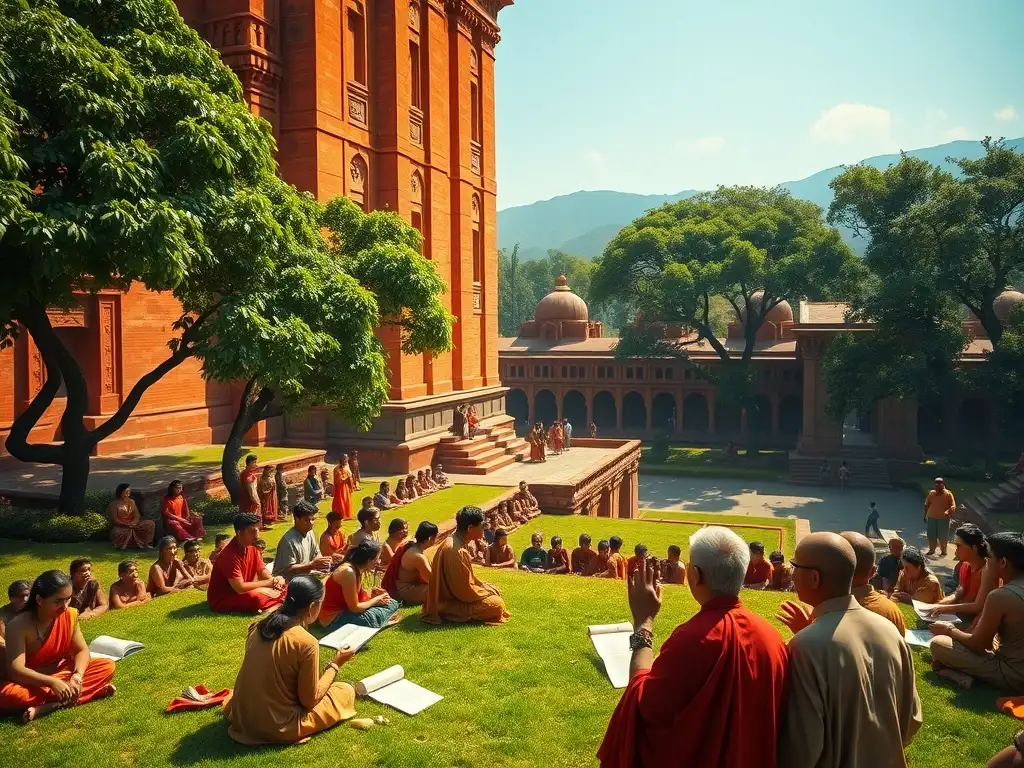
Welcome to Ancient India History, where we embark on an enlightening journey through the vast and intricate tapestry of ancient Indian civilizations. Today, we delve into the fascinating realm of Ashoka's educational policies, a pivotal chapter that showcases how this remarkable emperor championed knowledge and learning. Curious about how his reforms shaped the educational landscape of his time? Join us as we uncover the profound impact of Ashoka's vision and explore the legacy that continues to inspire generations. Your adventure into history starts here!
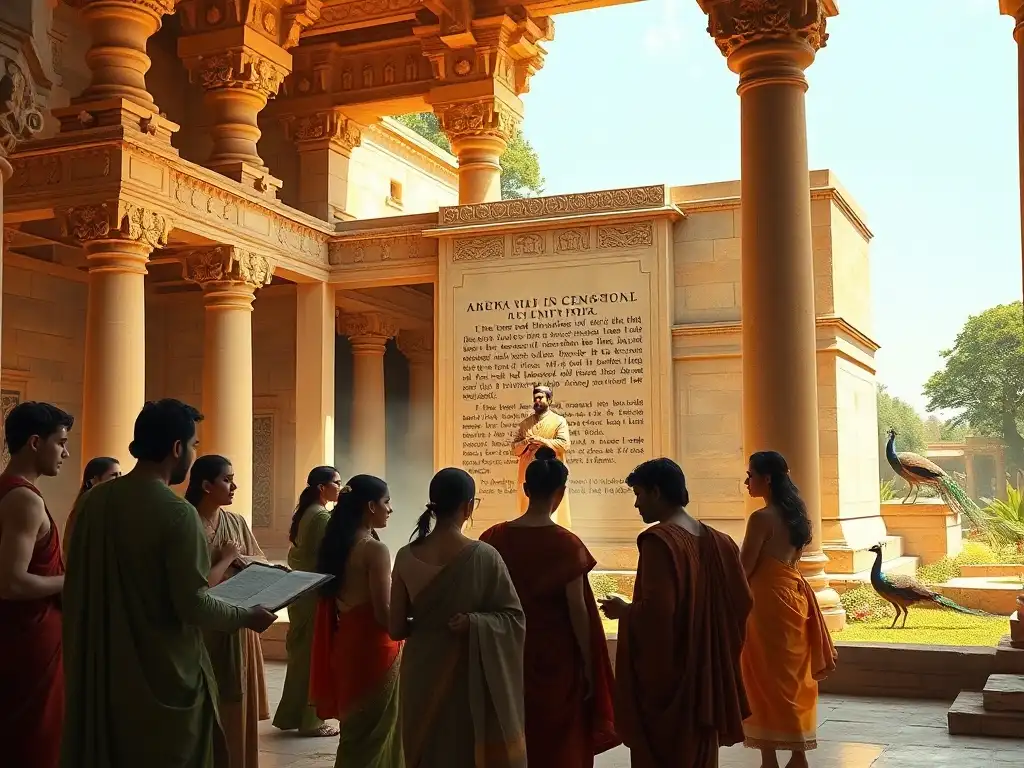
Introduction to Ashoka and His Educational Policies
Ashoka the Great, one of the most illustrious rulers in ancient Indian history, is renowned for his transformative contributions to governance, culture, and education. His reign from 268 to 232 BCE marked a pivotal period in the Mauryan Empire, where he established a legacy not only through military conquests but also through his commitment to the promotion of knowledge and learning.
Ashoka's educational policies reflect a profound understanding of the importance of education as a means to cultivate a more enlightened society. This article delves into the intricacies of Ashoka's educational initiatives, highlighting their historical context and significance in shaping the educational landscape of ancient India.
Overview of Ashoka the Great
Ashoka, born into the Mauryan dynasty, ascended to the throne following a series of military campaigns that expanded his empire across vast territories. However, it was after witnessing the devastating consequences of war, particularly during the Kalinga War, that Ashoka underwent a spiritual transformation. Embracing Buddhism, he shifted his focus towards promoting peace, compassion, and the well-being of his subjects. His reign is marked by the establishment of numerous educational institutions, libraries, and centers of learning, which aimed to disseminate knowledge and foster critical thinking among the populace.
Significance of Educational Policies in Ancient India
The educational policies of Ashoka were groundbreaking for their time, emphasizing the value of knowledge in nurturing both individual potential and collective progress. By prioritizing education, Ashoka aimed to create a society that valued ethical conduct, intellectual curiosity, and cultural richness. This approach not only facilitated the spread of Buddhist teachings but also encouraged the study of various disciplines, including philosophy, science, and the arts. The impact of Ashoka's educational initiatives extended beyond his reign, laying the groundwork for future educational reforms in India and influencing the cultural fabric of the region for centuries to come.
Historical Context of Ashoka's Era
The Mauryan Empire: A Brief Background
The Mauryan Empire, founded by Chandragupta Maurya in the 4th century BCE, was one of the largest and most powerful empires in ancient India. Under Ashoka's rule, the empire reached its zenith, encompassing a vast territory that included present-day India, Pakistan, and parts of Afghanistan and Bangladesh.
This expansive empire provided a fertile ground for Ashoka's educational initiatives, as it facilitated the exchange of ideas and knowledge across diverse cultures and communities. The administration of the Mauryan Empire was characterized by an organized bureaucracy, which allowed for the effective implementation of educational policies that aimed to uplift the intellectual standards of society.
Societal Structure and Education in Ancient India
During Ashoka's time, ancient Indian society was stratified into various social classes, each with its own roles and responsibilities. Despite the rigid caste system, there was a growing recognition of the importance of education across all strata. The pursuit of knowledge was not limited to the elite; rather, it was seen as essential for personal growth and societal advancement.
Ashoka's educational policies sought to democratize access to education, making it available to a wider audience. This move was revolutionary, as it challenged existing norms and encouraged a more inclusive approach to learning, which would ultimately contribute to the intellectual and cultural development of ancient India.
Key Features of Ashoka's Educational Policies
Ashoka the Great, known for his transformative reign during the Mauryan Empire, implemented several key features in his educational policies that significantly influenced knowledge and learning in ancient India. His efforts reflect a profound commitment to fostering education as a means of promoting ethical governance and societal well-being.
- Inclusivity in Education: Ashoka believed in making education accessible to all, transcending caste and social barriers. This inclusivity was pivotal in ensuring that a wider segment of the population could benefit from learning, thereby enriching the cultural and intellectual fabric of society.
- Integration of Ethics and Morality: The educational policies under Ashoka were deeply intertwined with his promotion of Dharma (moral law). He emphasized that education should not only impart knowledge but also instill values of compassion, non-violence, and moral integrity, aligning educational pursuits with ethical living.
- Promotion of Buddhist Studies: As a patron of Buddhism, Ashoka's policies specifically encouraged the study of Buddhist texts and teachings, which served to enhance spiritual and moral education among his subjects. This focus on Buddhist education helped to disseminate the principles of Dharma throughout his empire.
Promotion of Buddhist Education
Buddhism played a central role in Ashoka's educational policies. He actively promoted the establishment of learning centers focused on Buddhist teachings, which were instrumental in disseminating the core tenets of Buddhism.
- Sponsorship of Buddhist Monks: Ashoka provided support to Buddhist monks and scholars, facilitating their travel and encouraging them to spread knowledge through teachings and discourses. His commitment led to the establishment of numerous monasteries that served as centers for both spiritual and scholarly pursuits.
- Translation and Preservation of Texts: Under Ashoka’s reign, efforts were made to translate and preserve Buddhist texts in local languages, making them accessible to a broader audience. This promotion of literacy in vernacular languages fostered a deeper understanding of Buddhist principles among the populace.
Establishment of Monasteries as Learning Centers
Ashoka recognized the importance of monasteries not only as religious institutions but also as centers of education.
- Educational Infrastructure: Monasteries were equipped with libraries and classrooms, where monks taught various subjects, including philosophy, ethics, and medicine. This infrastructure significantly enhanced the learning environment.
- Community Engagement: Monasteries often served as communal hubs where people could gather for discussions and learning, promoting a culture of inquiry and dialogue. This encouraged a collective pursuit of knowledge beyond mere rote learning, fostering critical thinking.
Support for Scholars and Intellectuals
Ashoka's educational policies also included significant support for scholars and intellectuals, which enriched the academic landscape of ancient India.
- Patronage and Funding: Ashoka provided financial support to scholars and thinkers, allowing them to pursue their research and teachings without the burden of economic constraints. This patronage cultivated an environment where knowledge could thrive.
- Facilitation of Philosophical Debates: By encouraging public forums and debates among intellectuals, Ashoka promoted diverse philosophical perspectives, facilitating a culture of intellectual curiosity and critical examination of ideas.
Impact of Ashoka's Educational Policies on Society
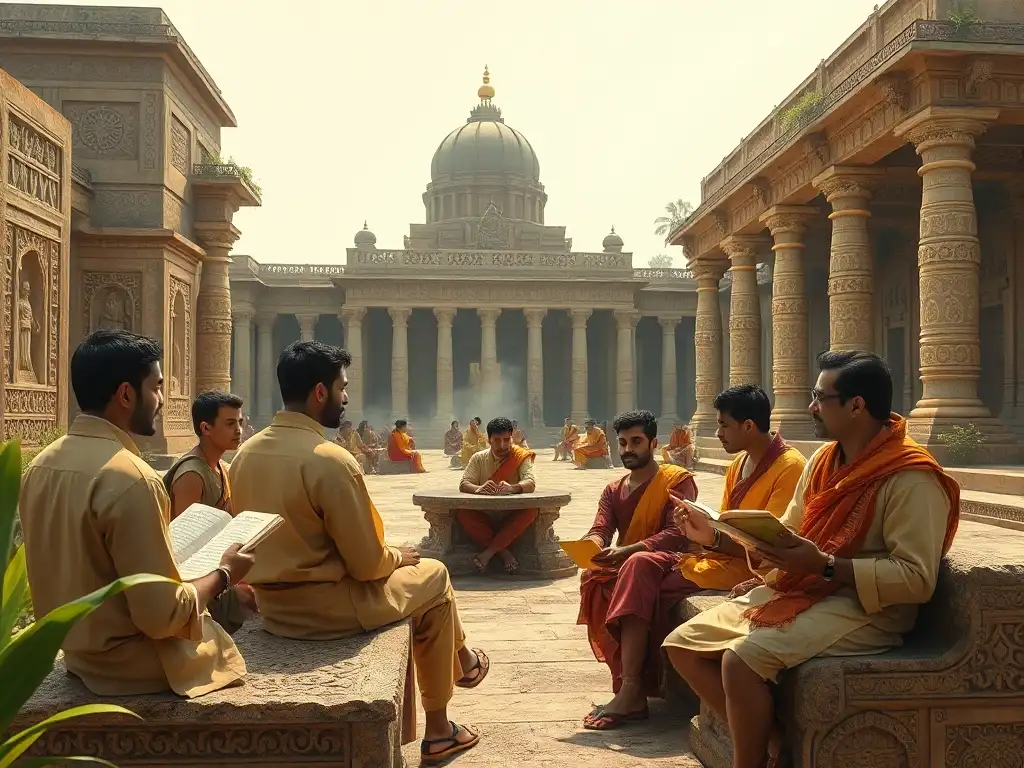
The educational policies of Ashoka had a profound impact on society, shaping the cultural and intellectual milieu of ancient India.
Enhancing Literacy and Learning
One of the most significant outcomes of Ashoka’s educational initiatives was the enhancement of literacy rates across his empire.
- Widespread Literacy Campaigns: Ashoka's emphasis on education led to widespread literacy campaigns that encouraged reading and writing among the masses. This increased literacy not only empowered individuals but also facilitated better governance and civic participation.
- Cultural Flourishing: With higher literacy rates, a culture of reading and scholarship flourished, resulting in advancements in literature, art, and science. This cultural renaissance contributed to the overall intellectual legacy of ancient India.
The Role of Education in Promoting Dharma
Education under Ashoka was not merely a tool for knowledge acquisition; it was also a vehicle for promoting Dharma.
- Ethical Instruction: The integration of moral education into the curriculum cultivated a societal consciousness that prioritized ethical behavior, compassion, and social responsibility. This laid the foundation for a more harmonious society.
- Influence on Governance: Educated citizens who understood the principles of Dharma were more likely to engage in civic duties and support just governance, creating a more stable and unified community.
Influence on Future Generations and Civilizations
The educational policies of Ashoka left a lasting legacy that influenced future generations and civilizations.
- Model for Future Rulers: Ashoka's emphasis on education and ethical governance served as a model for subsequent leaders in India and beyond, who recognized the importance of education in fostering societal well-being.
- Cultural Transmission: The educational frameworks established during Ashoka's reign contributed to the transmission of knowledge across generations, influencing successive empires and cultures in the Indian subcontinent and shaping the region's educational landscape for centuries to come.
Comparative Analysis of Ashoka's Educational Policies
Ashoka the Great, known for his significant contributions to the Mauryan Empire and his embrace of Buddhism, enacted educational policies that were distinctive for their time. His approach to education emphasized moral and ethical learning alongside traditional academic subjects, setting a precedent that contrasted with the policies of other ancient rulers. The comparative analysis of Ashoka's educational initiatives reveals how his vision for knowledge and learning not only shaped his empire but also influenced future educational frameworks in India.
Comparison with Other Ancient Indian Rulers
When juxtaposed with other ancient Indian rulers, Ashoka's educational policies stand out for their inclusivity and moral focus. For instance, while rulers like Chandragupta Maurya concentrated primarily on military training and governance, Ashoka prioritized the moral education of his subjects. He believed that knowledge should be used to promote compassion and ethical behavior.
- Chandragupta Maurya: Focused on military and administrative training; education was often limited to the elite.
- Harsha Vardhana: Encouraged learning and arts but was more aligned with Hindu philosophies and less with ethical education.
- Ashoka's Approach: Established schools and monasteries that taught not just academics but also the principles of Dharma, promoting a holistic education aimed at producing virtuous citizens.
Ashoka's policies included the establishment of educational institutions that welcomed students from various backgrounds, breaking the barriers of caste and class that often limited access to education in ancient India. This inclusive approach was revolutionary and laid the groundwork for a more equitable educational system in the region.
Influence of Ashoka's Policies on Subsequent Educational Reforms
The educational policies instituted by Ashoka also had a lasting impact on subsequent educational reforms in ancient India. Following his reign, various dynasties adopted elements of his policies, recognizing the importance of moral and ethical education.
- Buddhist Monastic Schools: Ashoka’s support for Buddhism led to the establishment of monastic schools that became centers of learning, influencing educational structures for centuries.
- Gupta Empire: The Gupta period saw a revival of learning, wherein the emphasis on subjects like mathematics, astronomy, and philosophy can be traced back to the educational foundations laid during Ashoka's rule.
Moreover, Ashoka’s edicts promoted the idea that education should encompass both intellectual and ethical dimensions, a concept that resonated throughout the ages, influencing scholars and educators in later Indian history. His vision for a learned society played a critical role in shaping the educational landscape of India, encouraging future rulers to invest in knowledge as a means of governance.
Conclusion
Legacy of Ashoka's Educational Policies in History
Ashoka's educational policies left an indelible mark on the history of India. By integrating moral education within the academic curriculum, he fostered a generation that valued knowledge as a tool for personal and societal betterment. His emphasis on ethics in education influenced not just his contemporaries but also future generations, as the ideals he promoted became embedded in the cultural and educational fabric of India.
The legacy of Ashoka can be observed in the continued reverence for education as a means of cultivating virtue and wisdom. His policies served as a model for integrating moral philosophy with academic learning, a balance that remains relevant in discussions about education today.
Reflection on Knowledge and Learning in Ancient India
The educational policies of Ashoka reflect a broader understanding of knowledge in ancient India, where learning was not merely about acquiring information but also about nurturing the mind and spirit. This holistic view of education emphasized the importance of ethical conduct, civic responsibility, and personal development, which were considered essential for the advancement of society.
In reflecting upon knowledge and learning in ancient India, it is crucial to recognize that Ashoka's contributions were pivotal in shaping a culture that valued wisdom, compassion, and the pursuit of knowledge. His vision for an educated society continues to inspire modern educational philosophies, underscoring the timeless relevance of his policies in fostering a well-rounded and enlightened citizenry.
- Introduction to Ashoka and His Educational Policies
- Historical Context of Ashoka's Era
- Key Features of Ashoka's Educational Policies
- Impact of Ashoka's Educational Policies on Society
- Comparative Analysis of Ashoka's Educational Policies
- Conclusion
Frequently Asked Questions
What were Ashoka's main educational policies?
Ashoka's educational policies focused on promoting knowledge and learning through the establishment of centers of education and support for scholars. He emphasized the importance of moral education alongside scholarly pursuits.
How did Ashoka influence education in ancient India?
Ashoka's reign marked a shift towards accessible education for all, encouraging a more inclusive approach. His policies facilitated the spread of Buddhism, which contributed to the growth of educational institutions.
What role did religion play in Ashoka's educational policies?
Religion was pivotal in Ashoka's educational policies, particularly through Buddhism. He believed that moral values taught through religious principles were essential for a well-rounded education, merging spiritual and intellectual growth.
Were there any specific institutions founded during Ashoka's reign?
Yes, during Ashoka's reign, various educational institutions were established, such as monasteries and vihara. These centers became crucial for the dissemination of knowledge and training of monks and scholars.
How did Ashoka's policies impact future generations?
Ashoka's emphasis on education laid the foundation for future educational systems in India. His policies inspired later rulers to prioritize learning and knowledge dissemination, significantly shaping India's educational landscape.
Final Reflection: The Enduring Legacy of Ashoka's Educational Policies
The educational policies of Ashoka resonate profoundly in today's world, emphasizing the importance of knowledge and learning as cornerstones of a progressive society. In an era where education is often viewed through the lens of economic gain, Ashoka's commitment to fostering a culture of inquiry and moral development stands as a powerful reminder of the transformative potential of education. His vision underscores that education is not merely a tool for personal advancement but a means to cultivate a more enlightened and compassionate society.
Clearly, the influence of Ashoka's educational policies extends far beyond his reign, shaping the cultural and social landscapes of subsequent generations. The principles he championed—such as inclusivity, ethical learning, and the pursuit of wisdom—continue to inspire modern educational frameworks and policies. Education is the most powerful weapon which you can use to change the world.
This quote by Nelson Mandela encapsulates the essence of Ashoka's vision, highlighting how education can be a catalyst for social change and moral progress.
As we reflect on the lessons drawn from Ashoka's educational policies, let us invite ourselves to engage actively with the knowledge we acquire. Consider how you can embody the spirit of Ashoka in your own life—by promoting learning, fostering ethical discussions, and contributing to a culture of understanding and respect. The future of education lies in our hands, and by embracing these principles, we can honor Ashoka's legacy and create a more informed and compassionate world for generations to come.
Unleash Your Inner Scholar: Dive into Ashoka’s Educational Legacy!
Thank you for taking the time to explore the fascinating educational policies of Ashoka! You've gathered insights into how he transformed knowledge and learning in Ancient India. Now, let’s take that inspiration and turn it into action!
Here are a few powerful steps you can take to further your understanding and engagement with Ashoka's impact on education:
- Read a Book: Explore literature on Ashoka or ancient educational systems to deepen your knowledge beyond this article.
- Join a Discussion Group: Connect with or establish a local or online group focused on Ancient Indian history to share and discuss your thoughts!
- Share Your Insights: Spread the word by sharing this article with friends and family to spark conversations about Ashoka's legacy!
As you reflect on the significance of learning and knowledge-sharing in society, consider this: How can the principles of Ashoka’s educational policies inspire your approach to learning or teaching today?