
Understanding Ashoka’s Impact on Religious Tolerance in Ancient India

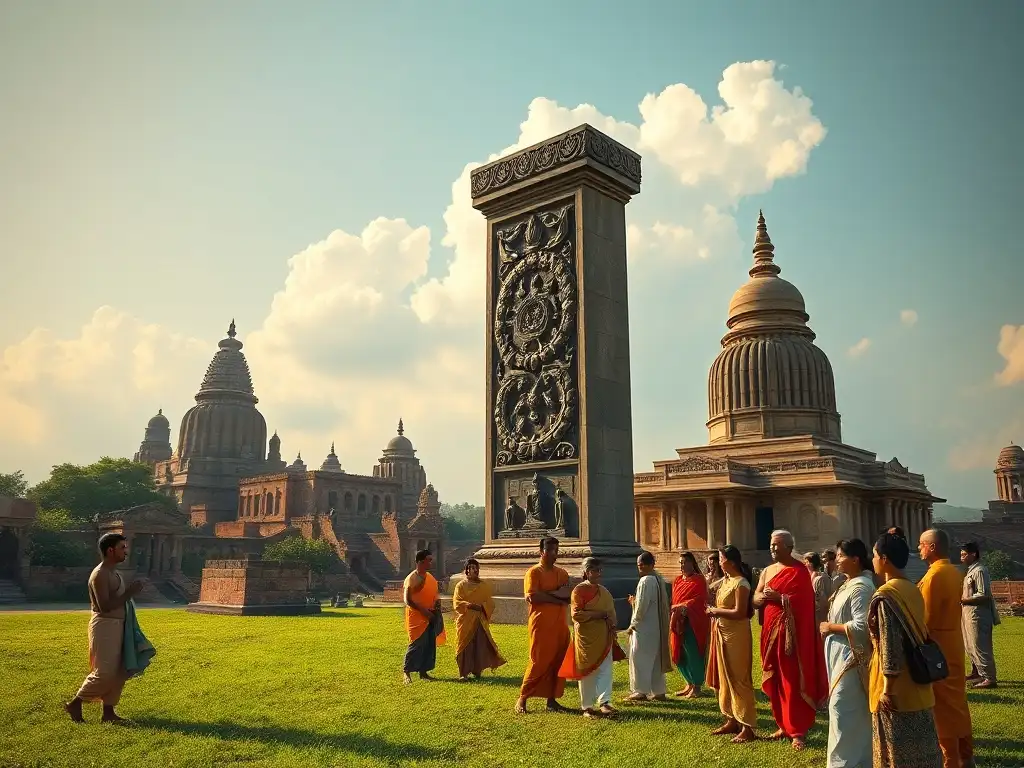
Welcome to Ancient India History, where we embark on a fascinating journey through the intricate tapestry of ancient Indian civilizations. Delve into the remarkable legacy of figures who shaped the course of history, and today, we shine a spotlight on Ashoka's role in religious tolerance. Discover how this visionary emperor not only unified a vast empire but also championed a remarkable ethos of acceptance and coexistence among diverse beliefs.
Are you curious about the transformative impact of Ashoka's policies on society and culture? Join us as we unravel the nuances of his reign and the enduring lessons it holds for us today!
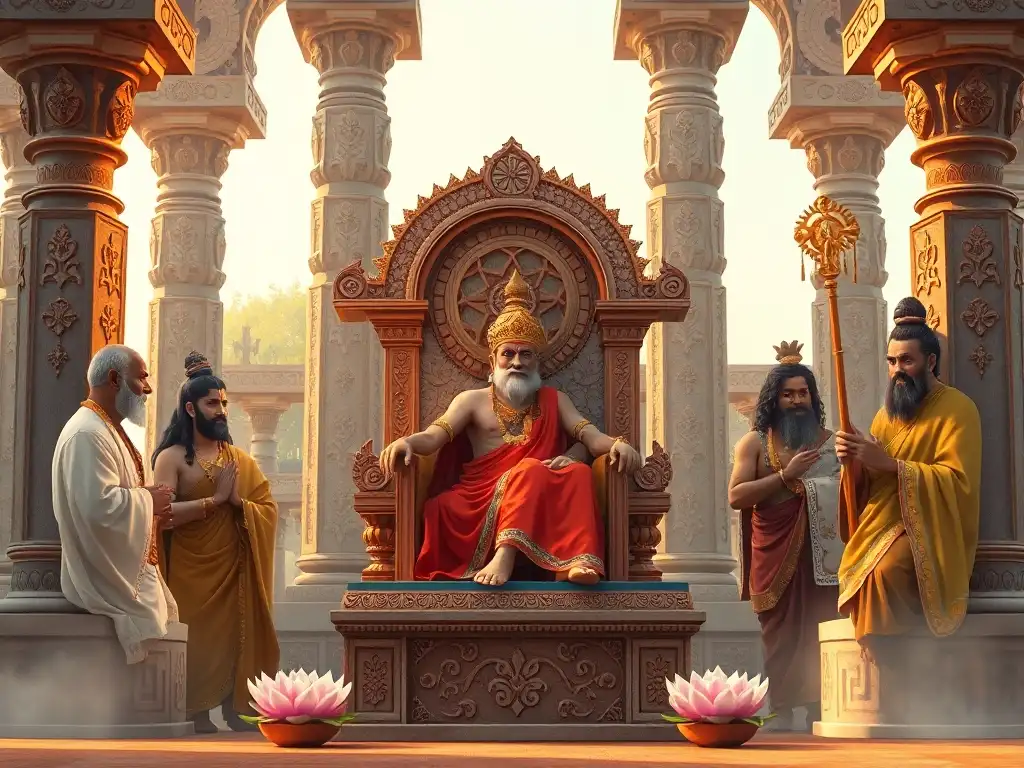
Ashoka the Great, one of the most celebrated emperors of ancient India, left an indelible mark on the cultural and ethical landscape of the subcontinent. His reign during the Maurya Dynasty, which spanned from 268 to 232 BCE, was characterized by significant military conquests followed by a profound transformation in his approach to governance and society.
After the horrific Kalinga War, Ashoka experienced a moral awakening that led him to embrace Buddhism and champion the principles of non-violence and religious tolerance. This article delves into Ashoka's role in religious tolerance, exploring his policies, philosophies, and how they contributed to a more harmonious society in ancient India.
Introduction to Ashoka the Great
Overview of Ashoka's Life and Reign
Ashoka, born to Emperor Bindusara, ascended to the throne as the third ruler of the Maurya Empire. His early years were marked by a fierce ambition and military prowess, leading to the expansion of his empire through a series of successful campaigns. The pivotal moment in his life came after the Kalinga War, where the immense loss of life and suffering prompted a deep introspection. Embracing the teachings of Buddhism, Ashoka sought to govern with compassion and ethical principles, leading to a transformative period in Indian history.
Significance of Ashoka in Ancient Indian History
Ashoka's significance extends beyond his military conquests; he is often regarded as a pioneer of ethical governance. His reign marked a shift towards a more humane approach to leadership, emphasizing moral values over sheer power. His efforts in promoting Buddhism and advocating for social welfare have had lasting effects on Indian culture and spirituality. Ashoka's legacy continues to resonate today, influencing modern notions of governance and tolerance.
Ashoka's Role in Religious Tolerance
Definition of Religious Tolerance in Ancient India
Religious tolerance in ancient India can be understood as the acceptance and coexistence of diverse religious beliefs and practices. This concept was particularly relevant during Ashoka's reign, as the subcontinent was home to various religions, including Hinduism, Jainism, and Buddhism. Ashoka's policies aimed to foster an environment where different faiths could thrive alongside one another without conflict, promoting understanding and respect among his subjects.
Ashoka’s Edicts: A Policy of Peace and Tolerance
One of the most significant contributions to religious tolerance during Ashoka's reign was the issuance of his edicts, inscribed on rocks and pillars throughout his empire. These edicts emphasized moral conduct, compassion, and respect for all living beings. Notably, Ashoka advocated for:
- Non-violence (Ahimsa): Encouraging empathy towards all creatures and promoting peace.
- Respect for all religions: Ashoka's edicts urged his subjects to respect different faiths, fostering interfaith dialogue.
- Social welfare: Implementing policies aimed at improving the lives of his citizens, regardless of their religious affiliations.
Through these edicts, Ashoka not only sought to guide his subjects towards a more ethical existence but also laid the groundwork for a society that valued religious tolerance as a fundamental principle.
Historical Context of Religious Diversity in Ancient India
Ancient India was a tapestry of diverse cultures, languages, and, importantly, religions. By the time of Ashoka, a multitude of spiritual practices coexisted, reflecting a rich historical context that shaped societal norms and interactions. The period leading up to Ashoka's reign was characterized by various religious movements, including Vedic traditions, the rise of Buddhism, and the emergence of Jainism.
This historical backdrop of religious diversity laid the groundwork for Ashoka’s policies of tolerance. The Mauryan Empire, under Ashoka, encompassed a vast territory with numerous ethnic groups and belief systems coexisting. This plurality not only celebrated the differences among communities but also posed challenges in terms of governance and societal harmony. Understanding this context is crucial for comprehending Ashoka's transformative approach to religious tolerance.
The Religious Landscape of Ancient India
In ancient India, the religious landscape was vibrant and multifaceted. Key traditions included:
- Hinduism: Predominantly characterized by a pantheon of gods and goddesses, rituals, and a strong emphasis on dharma (moral duty).
- Buddhism: Founded by Siddhartha Gautama (Buddha) in the 5th century BCE, it emphasized the Four Noble Truths and the Eightfold Path, advocating for a path of moderation and spiritual enlightenment.
- Jainism: An ancient practice rooted in non-violence (ahimsa) and asceticism, promoting the idea of liberation through truth and self-discipline.
These religions not only coexisted but also influenced one another, leading to philosophical exchanges and adaptations. The interaction among these faiths contributed to an environment ripe for Ashoka's advocacy for tolerance, as he sought to unify his empire while respecting the diverse beliefs of his subjects.
Pre-Ashoka Attitudes Towards Religious Practices
Before Ashoka's reign, the attitudes toward religious practices in India were often marked by competition and rivalry. Various sects and schools had their own interpretations of truth and morality, leading to sectarian disputes. For instance, the Brahmanical traditions often positioned themselves as superior, while Buddhism and Jainism challenged these views by advocating for a more egalitarian approach to spirituality.
Despite this atmosphere of contention, there were also instances of syncretism and mutual respect. Many rulers prior to Ashoka recognized the importance of appeasing various religious groups for political stability. However, these efforts were often superficial, lacking a profound commitment to genuine tolerance. Ashoka’s ascendance marked a pivotal shift as he sought to address these challenges through a more inclusive philosophy that emphasized the importance of coexistence.
Key Influences on Ashoka's Philosophy of Tolerance

Ashoka's philosophy of tolerance was shaped by various influences, particularly his exposure to Buddhism and the religious dynamics of his time. His reign was not just a political endeavor but also a spiritual quest that sought to reconcile and harmonize the diverse religious practices within his empire.
The Role of Buddhism in Shaping Ashoka’s Beliefs
Buddhism played a crucial role in shaping Ashoka's beliefs about tolerance and coexistence. After his conversion to Buddhism following the Kalinga War, Ashoka embraced the core principles of compassion and non-violence. The teachings of the Buddha inspired him to promote dhamma (moral law) as a guiding principle in governance.
Ashoka's edicts, inscribed on pillars and rocks throughout his empire, reflect his commitment to spreading these ideals. He emphasized values such as respect for all living beings, the importance of dialogue across different faiths, and the need to alleviate suffering. This Buddhist influence facilitated a profound shift from a ruler focused on conquest to one who prioritized moral leadership and the welfare of his subjects.
Interaction with Other Religions: Hinduism, Jainism, and Others
Ashoka's approach to religious tolerance was not limited to Buddhism; it encompassed a broader engagement with other religions, including Hinduism and Jainism. He recognized the significance of these faiths within his empire and sought to create an environment where followers of different beliefs could coexist peacefully.
Ashoka’s edicts often acknowledged the legitimacy of various religious practices. He encouraged mutual respect between communities, advocating for understanding and dialogue over conflict. This interaction was essential in fostering a culture of inclusivity, allowing Ashoka to maintain stability in a diverse empire. Through his policies and personal example, Ashoka set a precedent for future rulers, illustrating how tolerance could be a cornerstone of effective governance in a pluralistic society.
Ashoka's Implementation of Religious Tolerance
Ashoka the Great, the third Mauryan emperor, is renowned for his transformative approach to governance, particularly in relation to religious tolerance. His reign marked a significant shift from the traditional views of religious superiority to a more inclusive perspective that acknowledged the validity of various faiths. This change was largely motivated by his personal experiences, particularly after the Kalinga War, which led to immense suffering and loss. Ashoka's commitment to fostering an environment of acceptance and peace was evident through his policies and initiatives aimed at promoting harmony among diverse religious communities.
The foundation of Ashoka's implementation of religious tolerance can be seen in his profound respect for all living beings, which he articulated as a core principle of his governance. He understood that a stable empire could only be achieved through the coexistence of its various religious factions. Thus, Ashoka actively encouraged dialogue between different faiths, recognizing that mutual respect and understanding were essential for societal cohesion.
The Edicts of Ashoka: Promoting Acceptance and Understanding
One of the most significant ways Ashoka promoted religious tolerance was through the Edicts of Ashoka, a series of inscriptions that were disseminated across his empire. These edicts served as a moral and ethical guide for his subjects, emphasizing values such as compassion, non-violence, and respect for all religions.
In these inscriptions, Ashoka explicitly stated that he did not consider his own faith as superior to others. He urged his subjects to embrace tolerance and understanding, encouraging them to learn from one another. For example, one of the edicts encourages the promotion of the Dhamma, which encompasses principles of moral conduct, non-harm, and respect for all forms of life. This approach not only reinforced his commitment to Buddhist principles but also established a framework within which people of various faiths could engage with one another peacefully.
Establishment of the Dhamma: Principles of Compassion and Tolerance
The Dhamma, as conceptualized by Ashoka, was central to his vision of governance and societal harmony. It encapsulated a set of ethical guidelines that emphasized compassion, non-violence, and respect for all beings. Ashoka viewed the Dhamma not just as a Buddhist doctrine but as a universal principle applicable to all religions.
Through the establishment of the Dhamma, Ashoka intended to foster a sense of moral duty among his subjects. He promoted the idea that every individual, regardless of their religious affiliation, should strive for virtue and ethical living. Further, Ashoka sought to create an inclusive society where people could practice their faith freely, as long as it did not cause harm to others. His policies reflected a remarkable understanding of the diverse fabric of Indian society and the need for coexistence.
Impact of Ashoka’s Policies on Religious Communities
Ashoka’s policies on religious tolerance had a profound impact on various religious communities within his empire. His promotion of the Dhamma and issuance of edicts not only encouraged peaceful coexistence but also led to significant developments in the religious landscape of ancient India. The legacy of his policies can be seen in the ways different communities responded and adapted to his vision of tolerance.
The Response of Buddhist Communities to Ashoka’s Edicts
The Buddhist community thrived under Ashoka's reign, as his policies aligned closely with their values. Ashoka himself became a patron of Buddhism, actively supporting the spread of its teachings throughout his empire and beyond. Under his influence, Buddhism transformed from a relatively localized faith into a major religious movement.
Monks and missionaries were dispatched to various regions, including Sri Lanka and Central Asia, to propagate Buddhist principles of compassion and tolerance. The Edicts of Ashoka served as both a guide and an inspiration for Buddhists, reinforcing their commitment to non-violence and moral conduct. Ashoka's promotion of the Dhamma not only strengthened the Buddhist community but also established it as a significant force in the promotion of inter-religious dialogue.
Hindu and Jain Perspectives on Ashoka's Role in Promoting Tolerance
The impact of Ashoka's policies extended beyond Buddhism, influencing Hindu and Jain communities as well. Many Hindus viewed Ashoka’s emphasis on non-violence and dharma as aligning with their own philosophical beliefs, which prioritize the concept of ahimsa (non-harm). His support for the Dhamma resonated with the broader Hindu notion of righteousness, allowing for a mutual respect between Hinduism and Buddhism.
Jain communities also recognized Ashoka’s contributions to religious tolerance. Jainism, with its core tenets of non-violence and respect for all life, found a sympathetic ally in Ashoka. The emperor’s advocacy for compassion and ethical living paralleled Jain values, fostering an environment where Jains could practice their faith freely.
Ashoka's role in promoting religious tolerance had a lasting impact on various faiths within his empire. His policies laid the groundwork for an inclusive society, fostering dialogue and understanding among diverse religious communities, thus solidifying his legacy as a proponent of peace and coexistence in ancient India.
Long-term Effects of Ashoka’s Religious Tolerance
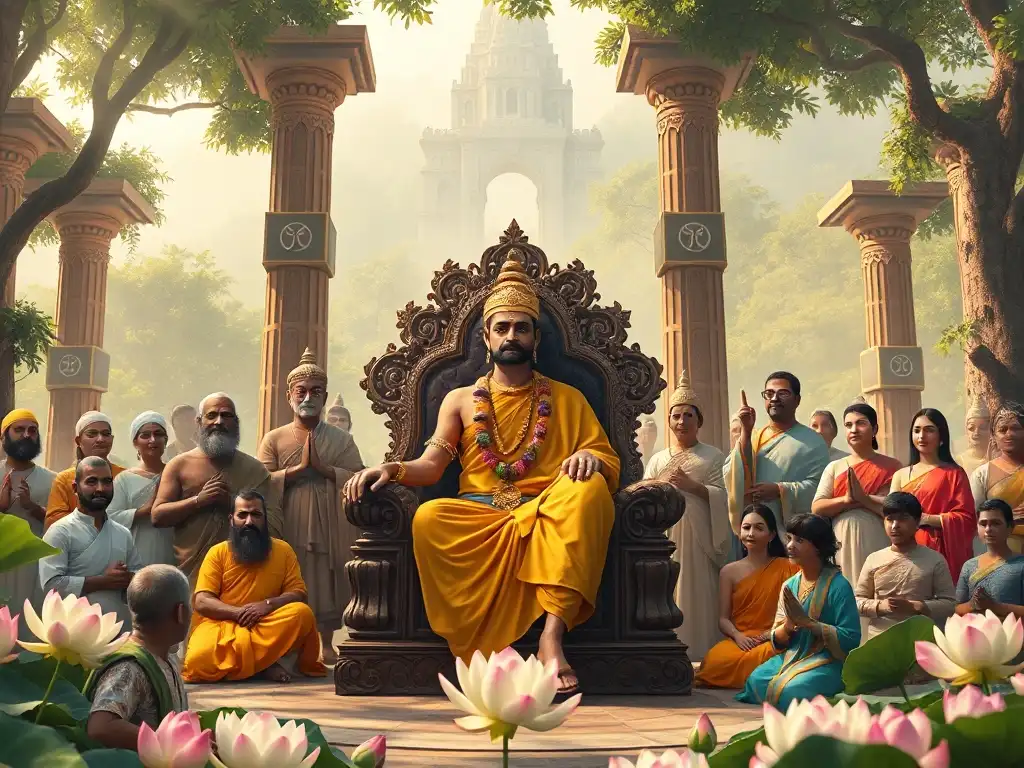
Ashoka's commitment to religious tolerance had profound long-term effects on Indian society and governance. His policies were not merely a reflection of personal belief but a foundational aspect of the Mauryan Empire's administrative philosophy. By promoting Dhamma, which emphasized moral values and ethical conduct, Ashoka fostered an environment where different religions could coexist peacefully. This principle of tolerance laid the groundwork for a pluralistic society, which became a hallmark of Indian civilization.
The edicts of Ashoka, inscribed on rocks and pillars throughout his empire, communicated his vision of a harmonious society. They encouraged respect for all religious traditions and called for an end to violence and discrimination. This message resonated beyond his reign, influencing not just immediate successors but also shaping the cultural ethos of India for centuries to come. His emphasis on dialogue and understanding among different faiths contributed to the development of a rich tapestry of philosophical thought that included Hinduism, Buddhism, Jainism, and later, Islam.
Influence on Subsequent Indian Rulers and Empires
The influence of Ashoka’s religious tolerance can be seen in the policies of later Indian rulers and empires. For instance, the Gupta Empire, which followed the Mauryan period, adopted many of Ashoka's principles in governance. Rulers like Chandragupta II promoted religious freedom and patronized various sects, which encouraged the flourishing of arts and culture.
Additionally, the medieval period saw rulers such as Akbar the Great, who explicitly embraced Ashoka's ideals of reconciliation and peace among religions. Akbar's establishment of Din-i Ilahi, a syncretic religion, can be viewed as a continuation of the legacy Ashoka initiated. This trend of promoting tolerance among diverse religious groups helped maintain stability and unity in an increasingly diverse subcontinent.
Ashoka's Legacy: Religious Harmony in Later Periods
Ashoka’s legacy of religious harmony continued to inspire generations long after his death. The principles he instilled became a part of the collective consciousness of Indian society. Buddhist missionaries, sent to different parts of the world, carried with them these values of tolerance and respect, influencing cultures beyond India’s borders.
In the centuries that followed, various texts and philosophical works emerged that echoed Ashoka's teachings. For example, the Buddhist scriptures emphasized compassion and understanding, which were seen as direct reflections of Ashoka's policies. Moreover, the Bhakti movement in medieval India, which advocated personal devotion to God and rejected caste distinctions, can also be traced back to the inclusive spirit that Ashoka embodied.
Conclusion
Summary of Ashoka’s Contributions to Religious Tolerance
Ashoka’s contributions to religious tolerance were pivotal in shaping the cultural and spiritual landscape of ancient India. His policies promoted a dialogue among various religious traditions, encouraging mutual respect and understanding. The edicts he promulgated not only served as moral compasses for his time but also established enduring principles that influenced subsequent rulers and societal norms.
Reflection on the Relevance of Ashoka's Tolerance in Today’s Context
Reflecting on Ashoka's tolerance in today's context, it is evident that his ideals remain relevant and pressing. In an age marked by religious conflicts and communal tensions, Ashoka’s vision of harmony and respect for diversity offers a valuable framework for contemporary society. By embracing the principles of dialogue and understanding that he championed, modern societies can work toward fostering peaceful coexistence among differing beliefs and cultures, thereby honoring the legacy of one of history’s great proponents of religious tolerance.
Further Reading and Resources
To gain a deeper understanding of Ashoka's role in promoting religious tolerance in ancient India, there are numerous resources available. These encompass a variety of materials, including books, academic articles, and online platforms that delve into the life, edicts, and philosophies of Ashoka the Great. Below is a curated list of recommended readings and resources that provide insights into his contributions to religious harmony and governance.
Recommended Books on Ashoka and Religious Tolerance
-
"Ashoka: The Search for India's Lost Emperor" by Charles Allen
This book explores the life of Ashoka in detail, emphasizing his transformation after the Kalinga War and his subsequent commitment to peace and religious tolerance. Allen’s narrative weaves historical facts with engaging storytelling, making it accessible to both scholars and general readers.
-
"The Edicts of Asoka" translated by Ven. Dr. R. Dharmavamsa
This translation provides a direct look at Ashoka’s edicts, which articulate his views on governance and religious tolerance. The commentary included helps to contextualize these ancient texts within the framework of his time.
-
"Ashoka: A Life" by Upinder Singh
Singh offers a comprehensive biography that examines not only Ashoka’s reign but also the socio-political environment of ancient India. The book discusses how Ashoka's policies fostered an atmosphere of tolerance among various religions.
-
"Religious Tolerance in Ancient India" edited by D. M. Dutta
This anthology presents various scholarly perspectives on the topic of religious tolerance during ancient Indian civilizations, with a significant focus on Ashoka’s influence. It provides a range of essays that address different aspects of religious coexistence in the period.
-
"The Legacy of Ashoka" by Narayan Rao
Rao's work reflects on the long-term impact of Ashoka’s policies on later Indian rulers and the broader implications for religious tolerance in the Indian subcontinent. This book is essential for understanding Ashoka's enduring influence.
Academic Articles on Ashoka’s Edicts and Their Impact
-
"Ashoka's Edicts and the Concept of Dharma" by A. K. Sharma
This article examines the philosophical underpinnings of Ashoka's edicts, especially the concept of Dharma, which emphasizes moral and ethical responsibilities towards all beings. Sharma argues that these edicts laid the groundwork for religious tolerance in India.
-
"The Role of Ashoka in Promoting Religious Pluralism" by R. C. Gupta
Gupta's research highlights specific edicts that advocate for acceptance and respect towards various religious practices. The article discusses how Ashoka's policies served as a model for later rulers in promoting a pluralistic society.
-
"Ashoka the Great: An Agent of Change" by Priya Menon
This academic paper investigates the transformative aspects of Ashoka's reign, focusing particularly on his efforts to integrate different religious communities. Menon analyzes the social and political changes brought about by Ashoka's commitment to tolerance.
-
"Historical Perspectives on Ashoka's Edicts" by S. D. Chatterjee
Chatterjee offers a critical analysis of Ashoka’s edicts within the historical context of ancient India. The article discusses how these edicts were not only a reflection of Ashoka’s beliefs but also a strategic move to unify the diverse populations of his empire.
-
"The Influence of Ashoka on Religious Tolerance in Indian History" by M. S. Bhatia
This article traces the legacy of Ashoka's approach to religious tolerance throughout Indian history, suggesting that his edicts served as a benchmark for subsequent rulers. Bhatia draws connections between Ashoka's policies and their implications for modern India.
These resources provide valuable insights into Ashoka's role in religious tolerance and are essential for those seeking to understand the complexities of his reign and its lasting impact on Indian civilization.
- Introduction to Ashoka the Great
- Ashoka's Role in Religious Tolerance
- Historical Context of Religious Diversity in Ancient India
- Key Influences on Ashoka's Philosophy of Tolerance
- Ashoka's Implementation of Religious Tolerance
- Impact of Ashoka’s Policies on Religious Communities
- Long-term Effects of Ashoka’s Religious Tolerance
- Conclusion
- Further Reading and Resources
Frequently Asked Questions
What was Ashoka's role in promoting religious tolerance?
Ashoka, the third Mauryan emperor, is renowned for his commitment to religious tolerance after his conversion to Buddhism. He advocated for respect among different faiths, promoting harmony across his empire.
How did Ashoka's edicts influence religious practices?
Ashoka's rock edicts emphasized the importance of compassion and non-violence, encouraging acceptance of various religions. His inscriptions served as a guideline for fostering a peaceful coexistence among diverse religious communities.
What were the main religions during Ashoka's reign?
During Ashoka's reign, major religions included Hinduism, Buddhism, and Jainism. His policies significantly enhanced the visibility and acceptance of Buddhism, while still respecting other beliefs.
Ashoka's policies of religious tolerance contributed to a more cohesive society, reducing conflicts based on religious differences. This created an atmosphere of mutual respect, which was crucial for the stability of his vast empire.
What legacy did Ashoka leave regarding religious tolerance?
Ashoka's legacy is marked by his unwavering stance on religious tolerance, which influenced future rulers and societies. His teachings continue to resonate, highlighting the importance of peaceful coexistence in a diverse society.
Final Reflection: Embracing Ashoka's Legacy of Religious Tolerance
Ashoka's role in religious tolerance remains profoundly relevant today, as societies grapple with the challenges of diversity and coexistence. In an era marked by polarization and conflict, the principles championed by Ashoka serve as a beacon of hope and a reminder of the power of compassion and understanding. His commitment to embracing various faiths and promoting harmony can inspire contemporary movements advocating for peace and acceptance in our increasingly fragmented world.
Cultural and social landscapes continue to be shaped by Ashoka's vision of tolerance, influencing not only historical narratives but also modern discussions on interfaith dialogue. His edicts, which emphasized respect for all religions, resonate with current efforts to foster inclusivity and mutual respect among different communities. The greatest victory is the victory over oneself,
reflects Ashoka's belief in the transformative power of self-awareness and empathy, urging us to rise above our biases and embrace the richness of diversity.
As we reflect on Ashoka's enduring legacy, I invite you to consider how you can embody the spirit of religious tolerance in your own life. Engage with those who hold different beliefs, challenge your assumptions, and cultivate an environment of respect and understanding. By doing so, you contribute to a more harmonious society, honoring Ashoka's vision and ensuring that the lessons of the past continue to illuminate our path forward.
Embrace Ashoka's Legacy: Foster Tolerance Today!
Thank you for exploring the profound impact of Ashoka on religious tolerance in ancient India. Your interest in this significant historical figure enriches our collective understanding of peace and coexistence. Now, it's time to draw inspiration from Ashoka’s teachings and implement them in our own lives and communities.
Here are some practical steps you can take to embody and promote the values of tolerance:
- Volunteer at local interfaith events or discussions to gain insights into diverse beliefs and practices.
- Share the knowledge! Discuss Ashoka’s legacy with friends and family, helping to spread the message of understanding and compassion.
- Explore books or documentaries about Ashoka and the importance of religious tolerance to deepen your understanding and become an advocate for peace.
How will you integrate Ashoka’s values into your daily life to promote a culture of understanding and respect?