
The Great Warrior King: Analyzing the Leadership Style of Prithviraj Chauhan

Welcome to Ancient India History, where we embark on a journey through the rich tapestry of ancient Indian civilizations, uncovering their profound contributions to culture and society. Today, we delve into the intriguing world of Prithviraj Chauhan, a legendary warrior king whose leadership style not only shaped his empire but also left an indelible mark on history. What qualities defined his reign, and how did they influence the course of ancient India?
Join us as we explore these questions and more in our featured article, "The Great Warrior King: Analyzing the Leadership Style of Prithviraj Chauhan." Prepare to be captivated by the legacy of this remarkable figure and the era he represents!
Prithviraj Chauhan, a prominent figure in ancient Indian history, is often revered as a great warrior king whose leadership style left a lasting impact on the socio-political landscape of his time. Ruling during the 12th century, he was not only known for his military prowess but also for his astute governance, diplomatic skills, and commitment to his people. This article delves into the multifaceted leadership style of Prithviraj Chauhan, examining how his strategies and decisions shaped his reign and influenced future generations.
In exploring Prithviraj Chauhan's leadership style, we will analyze various aspects, including his military tactics, administrative policies, and the cultural legacy he fostered. By understanding the complexities of his rule, we can gain insight into the qualities that made him an effective leader during a tumultuous period in Indian history. This analysis aims to highlight the significance of Prithviraj Chauhan not just as a warrior but as a leader who navigated the challenges of his time with remarkable acumen.
Through this exploration, we hope to uncover the elements of his leadership style that contributed to his successes and the lessons that can be drawn from his life as a ruler. Join us as we embark on this journey to better understand the legacy of Prithviraj Chauhan and the enduring influence of his leadership in shaping the narrative of ancient Indian civilization.
- Introduction to Prithviraj Chauhan
- Prithviraj Chauhan’s Early Life and Rise to Power
- Key Characteristics of Prithviraj Chauhan's Leadership Style
- Case Studies of Prithviraj Chauhan's Leadership in Action
- The Influence of Prithviraj Chauhan's Leadership Style on His Era
- Comparing Prithviraj Chauhan’s Leadership with Other Influential Leaders
- The Myths and Realities Surrounding Prithviraj Chauhan's Leadership
- Conclusion: The Enduring Legacy of Prithviraj Chauhan's Leadership Style
- References for Further Reading
-
Frequently Asked Questions
- What is the leadership style of Prithviraj Chauhan?
- How did Prithviraj Chauhan's leadership impact his kingdom?
- What were some key battles fought by Prithviraj Chauhan?
- How did Prithviraj Chauhan's leadership reflect the values of ancient Indian society?
- What lessons can modern leaders learn from Prithviraj Chauhan?
- Final Reflection: The Enduring Legacy of Prithviraj Chauhan's Leadership Style
- Embrace the Spirit of Leadership: Channel Your Inner Warrior!
Introduction to Prithviraj Chauhan
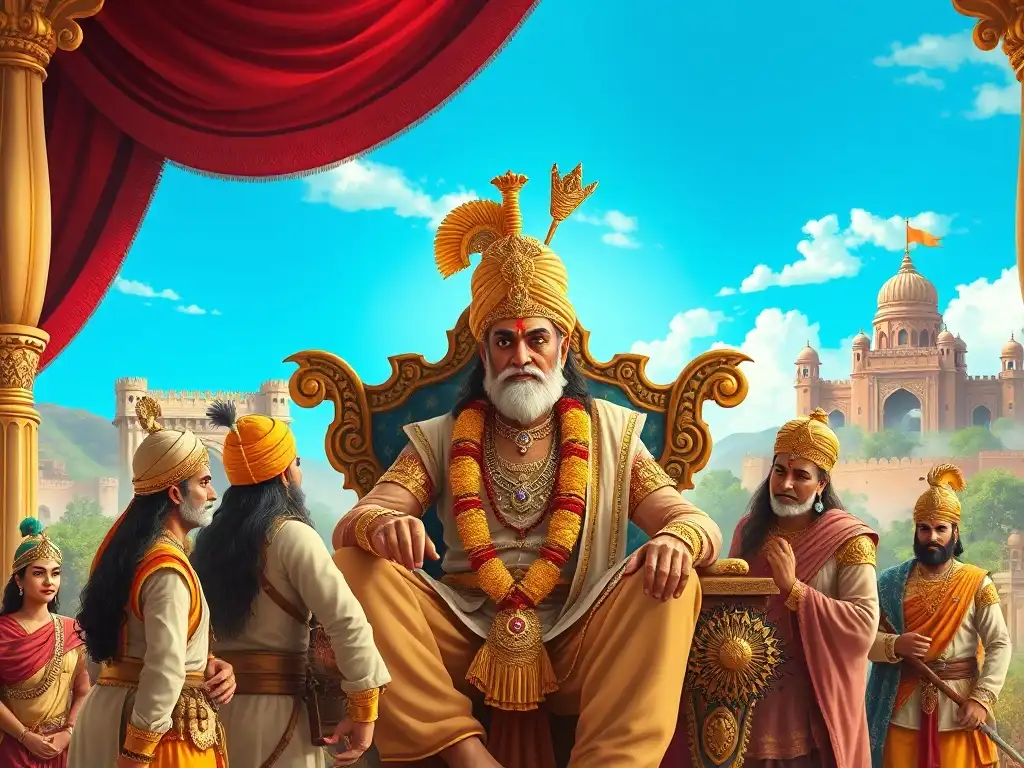
Prithviraj Chauhan stands as a towering figure in the annals of Indian history, renowned not only for his military prowess but also for his distinctive leadership style. As a king of the Chauhan dynasty during the 12th century, he ruled over parts of present-day Rajasthan and Haryana. His reign is marked by significant battles, including the famous encounters with the invading forces of Muhammad Ghori. Analyzing Prithviraj Chauhan's leadership style provides insight into the complexities of governance, valor, and the socio-political dynamics of ancient India.
Overview of Prithviraj Chauhan's Historical Context
Prithviraj Chauhan ascended the throne during a tumultuous period characterized by regional fragmentation and external threats. The Indian subcontinent was a mosaic of kingdoms, each vying for power and territory. The Ghaznavid invasions had destabilized northern India, setting the stage for further conflict.
- Dynastic Background: Prithviraj belonged to the Chauhan dynasty, known for its martial traditions and contributions to regional stability.
- Cultural Flourishing: His reign coincided with a time of cultural and architectural advancements, evident in the construction of forts and temples, which were symbols of both power and devotion.
Prithviraj's leadership was not only about military confrontations; it also involved administrative acumen and the ability to cultivate alliances. His historical context is crucial to understanding how he navigated the challenges of his time, managing both his kingdom and his reputation as a warrior king.
Importance of Leadership in Ancient Indian History
Leadership in ancient India was multifaceted, encompassing military, administrative, and cultural dimensions. The effectiveness of a leader like Prithviraj Chauhan can be assessed through various lenses:
- Military Leadership: Leaders were often judged by their ability to protect their realm from invasions and maintain sovereignty. Prithviraj’s strategic skills were pivotal during his battles against Ghori.
- Administrative Skills: Governance required not only strength but also the capacity to manage resources, oversee trade, and ensure the welfare of the subjects. Prithviraj's approach to governance involved establishing a stable administration that could support his military endeavors.
- Cultural Influence: Leaders played a crucial role in promoting art, architecture, and literature. Prithviraj is remembered for his patronage of poets like Chand Bardai, who immortalized his legacy through works like "Prithviraj Raso."
This multifaceted leadership approach is essential for understanding the impact of Prithviraj Chauhan on his society and beyond.
Purpose of Analyzing Prithviraj Chauhan's Leadership Style
The analysis of Prithviraj Chauhan's leadership style serves several key purposes:
- Understanding Historical Impact: By examining his methods and strategies, we can glean insights into how he shaped the socio-political landscape of his time.
- Learning from Leadership Qualities: Prithviraj's blend of courage, strategy, and diplomacy offers valuable lessons in effective leadership that can be relevant even today.
- Contextualizing Leadership in Ancient India: Analyzing his style helps to situate Prithviraj within the broader context of ancient Indian leadership traditions, highlighting common traits among influential leaders of the era.
Studying Prithviraj Chauhan's leadership style not only enriches our understanding of a pivotal historical figure but also sheds light on the complexities of leadership in a culturally rich and diverse ancient India.
Prithviraj Chauhan’s Early Life and Rise to Power
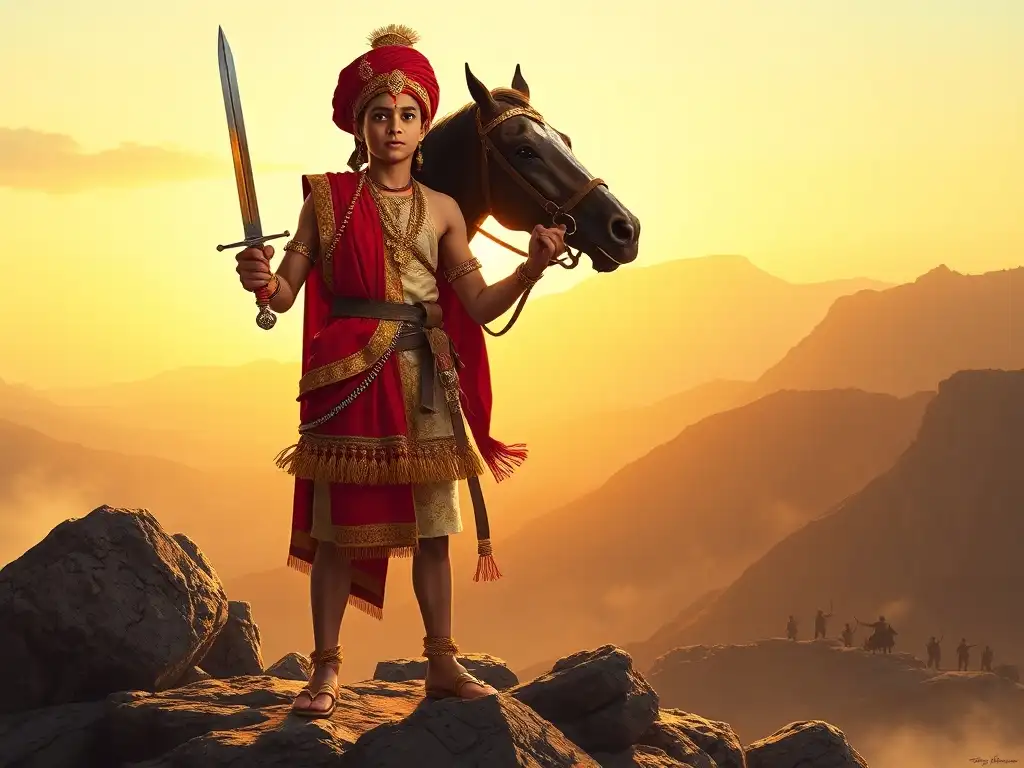
Background and Family Heritage
Prithviraj Chauhan was born around 1168 CE into the illustrious Chahamana (or Chauhan) dynasty, which ruled parts of present-day Rajasthan, India. His lineage can be traced back to a noble heritage, with roots linked to the Sun dynasty (Suryavansha). His father, Someshvara, was a significant figure in the region, serving as the ruler of Ajmer, while his mother, Karpuradevi, is believed to have belonged to a prominent family, enhancing the royal bloodline.
This noble background not only positioned Prithviraj as a potential leader but also instilled in him the values of valor, honor, and duty. The Chahamana dynasty was known for its fierce warriors and astute rulers, which played a vital role in shaping Prithviraj’s future. His upbringing in a martial environment equipped him with military training and administrative skills, setting the stage for his leadership style that would emerge later in his reign.
Early Military Achievements
Prithviraj Chauhan's early military achievements were instrumental in establishing his reputation as a formidable warrior. His first significant campaign came at the age of 16, where he defended the kingdom against the invading forces of the ruler of Gujarat, Bhimdev I. This battle showcased not only his tactical acumen but also his bravery, as he led his troops with remarkable courage, ultimately securing a decisive victory.
In addition to local skirmishes, Prithviraj expanded his influence through strategic marriages and alliances. He married Samyukta, the daughter of the king of Kannauj, which helped him solidify his position and gain support from powerful allies. His campaigns against rival clans, including the Gahadavala dynasty of Kannauj, further highlighted his military prowess and ambition.
Prithviraj's leadership style during these early military exploits was characterized by a combination of strategic foresight and personal valor, earning him the respect and loyalty of his troops. His ability to inspire and unify various factions under his command laid the groundwork for his later achievements as a ruler.
Ascension to the Throne of Delhi
The ascension of Prithviraj Chauhan to the throne of Delhi marked a pivotal moment in his life and the political landscape of northern India. Following the death of his uncle, the previous ruler, Prithviraj seized the opportunity to claim the throne in 1177 CE. His ascension was not merely a matter of inheritance; it stemmed from a blend of military success, political acumen, and public support.
Once in power, Prithviraj adopted a leadership style that emphasized both military strength and diplomatic relations. He focused on consolidating his rule by subduing rival kingdoms and expanding his territory. His governance was marked by the promotion of arts, culture, and architecture, which flourished under his rule.
Prithviraj also established a fair administration, ensuring justice and stability within his realm. His leadership style was thus a combination of a warrior king and an enlightened ruler, navigating the complexities of power while maintaining the loyalty of his subjects. This multifaceted approach to leadership not only solidified his position in Delhi but also left a lasting legacy that would influence the region for generations to come.
Key Characteristics of Prithviraj Chauhan's Leadership Style
Prithviraj Chauhan, a prominent figure in Indian history, is renowned not only for his military prowess but also for his multifaceted leadership style. His reign during the 12th century marked significant developments in both military and administrative domains. The following sections delve into the key characteristics that defined Prithviraj Chauhan's leadership style.
Warrior Ethos and Military Strategy
Prithviraj Chauhan's leadership was heavily influenced by his warrior ethos, which underscored the importance of valor, honor, and military strategy.
- Courage in Battle: Prithviraj was celebrated for his bravery on the battlefield. His ability to lead troops into combat and inspire them with his fearlessness was a cornerstone of his leadership. His notable victories against formidable foes, such as his triumph over Muhammad Ghori in the First Battle of Tarain in 1191, exemplify his tactical acumen and courage.
- Innovative Military Tactics: Chauhan’s military strategy was characterized by his innovative tactics. He employed a combination of traditional warfare techniques with strategic use of terrain and surprise attacks. For instance, during the Second Battle of Tarain in 1192, despite being outnumbered, his forces initially took advantage of the terrain, demonstrating his adeptness in battlefield strategy.
- Training and Discipline: Prithviraj emphasized rigorous training and discipline among his troops. He understood that a well-trained army was essential for success, and he implemented training regimens that prepared his soldiers for various combat scenarios. This focus on discipline fostered loyalty and cohesion within his ranks.
Diplomacy and Political Alliances
Prithviraj Chauhan's leadership style was not solely defined by military might; he also demonstrated a keen understanding of diplomacy and the importance of political alliances.
- Strategic Marriages: Chauhan skillfully used matrimonial alliances to strengthen his political position. His marriage to the daughter of the king of Kannauj not only solidified his power but also created a network of alliances that enhanced his influence across northern India.
- Negotiation Skills: Prithviraj was known for his ability to negotiate with both allies and adversaries. His diplomatic engagements were often characterized by a blend of firmness and fairness, allowing him to maintain peace in certain regions while preparing for potential conflicts elsewhere.
- Cultural Diplomacy: He promoted cultural exchanges and alliances that transcended mere military partnerships. By fostering relationships with scholars and artists, Prithviraj created an environment conducive to cultural growth, enhancing his reputation as a benevolent ruler.
Visionary Leadership and Governance
Prithviraj Chauhan's leadership extended beyond military and diplomatic realms into visionary governance, where he aimed to create a just and prosperous society.
- Focus on Justice and Law: Chauhan's administration was marked by a commitment to justice. He established a legal framework that aimed to ensure fairness within his kingdom. His approach to governance involved listening to the grievances of his subjects and addressing them promptly, which fostered trust and loyalty among the populace.
- Encouragement of Arts and Culture: Prithviraj actively promoted arts, literature, and culture during his reign. He patronized poets and scholars, leading to a flourishing of literature. The epic "Prithviraj Raso," which narrates his life and exploits, is a testament to the cultural renaissance during his rule.
- Infrastructure Development: Under his governance, significant attention was given to the development of infrastructure. Prithviraj invested in building roads, irrigation systems, and fortifications, which not only improved trade but also strengthened the defenses of his kingdom against invasions.
Prithviraj Chauhan's leadership style was a harmonious blend of military prowess, diplomatic acumen, and visionary governance. His ability to inspire loyalty, coupled with his strategic foresight, has left a lasting legacy in the annals of Indian history.
Case Studies of Prithviraj Chauhan's Leadership in Action
The Battles Against Muhammad Ghori: Strategies and Outcomes
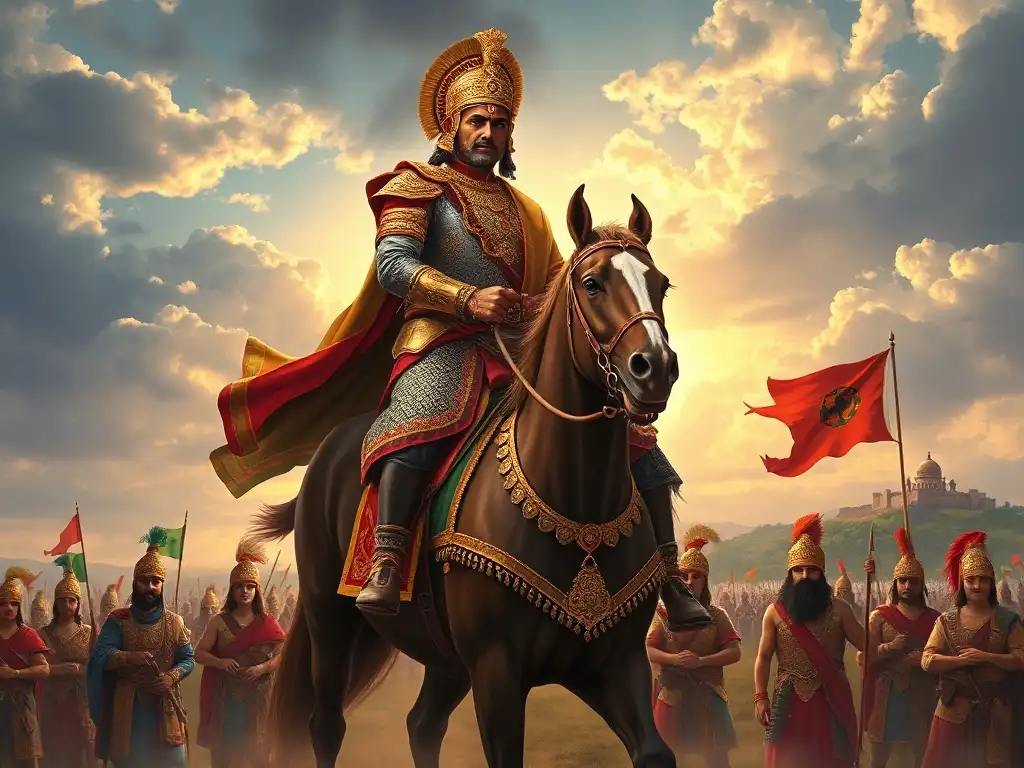
Prithviraj Chauhan's leadership style is exemplified in his military confrontations, particularly during his battles against the formidable Muhammad Ghori. The most notable encounters include the First Battle of Tarain (1191 CE) and the Second Battle of Tarain (1192 CE). These battles not only highlight his strategic acumen but also reveal the complexities of his leadership during crucial moments in history.
In the First Battle of Tarain, Prithviraj utilized a combination of surprise tactics and the terrain to his advantage. He effectively mobilized his cavalry and archers, employing guerrilla warfare tactics that took Ghori’s forces by surprise. The outcome was a decisive victory for Prithviraj, showcasing his ability to inspire and lead his troops into battle.
However, the Second Battle of Tarain marked a turning point. Despite initially having the upper hand, Prithviraj faced challenges due to the numerical superiority of Ghori’s forces and the strategic alliances Ghori had formed. The battle ended in defeat for Prithviraj, illustrating the unpredictability of warfare and the limitations of even great leaders. This outcome also emphasized the importance of adaptability in leadership—something that Prithviraj, while initially successful, struggled to maintain in the face of evolving tactical challenges.
Administrative Reforms and Their Impact on Society
Prithviraj Chauhan's leadership was not solely defined by his military prowess; he also implemented a series of administrative reforms that significantly impacted society. His governance style was characterized by an emphasis on justice, economic prosperity, and cultural patronage.
One of his key reforms was the decentralization of power, which allowed local leaders to manage their regions effectively while still being accountable to the central authority. This approach not only empowered local rulers but also fostered a sense of responsibility and loyalty among them. The establishment of a robust administrative framework helped in maintaining law and order across his kingdom, which was critical for trade and agriculture.
Moreover, Prithviraj's patronage of arts and culture played a crucial role in enhancing social cohesion. He supported poets, scholars, and artists, which led to a flourishing cultural scene that unified diverse communities under his reign. This cultural dynamism not only strengthened his rule but also laid the groundwork for a rich historical legacy that continues to be celebrated in Indian culture today.
Cultivating Loyalty Among His Followers
Prithviraj Chauhan's ability to cultivate loyalty among his followers was a cornerstone of his leadership style. He understood that the bond between a leader and his subjects was vital for maintaining a strong and united front, especially in times of conflict.
Personal connections were integral to his approach. Prithviraj often engaged with his soldiers and subjects, fostering camaraderie and trust. This relationship-building extended beyond mere governance; he was known to participate in local festivals and rituals, thereby strengthening his rapport with the populace.
Additionally, Prithviraj employed strategic marriages and alliances to secure loyalty from influential families and regional leaders. By marrying into powerful clans and forming alliances, he not only expanded his influence but also ensured the support of these key factions during military campaigns.
His leadership was also marked by fairness and justice. Prithviraj was respected for his commitment to upholding the law and ensuring that justice was served, which further solidified the loyalty of his followers. This ethical governance created a strong foundation of trust, allowing him to lead effectively during both prosperous and tumultuous times.
Prithviraj Chauhan's leadership style reflects a multifaceted approach that combined military strategy, administrative reforms, and deep interpersonal connections. His legacy as a great warrior king continues to inspire discussions on leadership in the context of ancient Indian history.
The Influence of Prithviraj Chauhan's Leadership Style on His Era
Cultural Contributions and Patronage of Arts
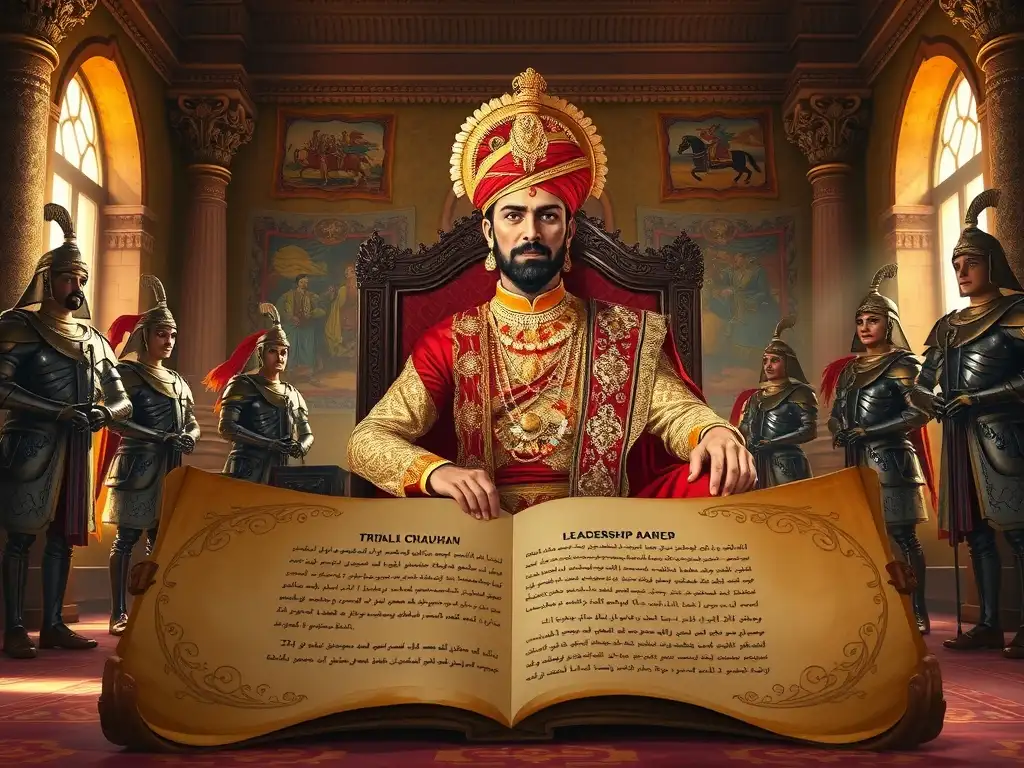
Prithviraj Chauhan's leadership style was deeply intertwined with the cultural fabric of his time. He was not only a formidable warrior but also a patron of the arts and culture. His court was a melting pot of creativity, attracting poets, musicians, and artists who flourished under his protection. One of the most notable figures during his reign was the poet Chand Bardai, who composed the epic "Prithviraj Raso," celebrating the king's valor and achievements. This work is crucial in understanding the cultural milieu of the era and serves as a narrative of Chauhan's legacy.
Chauhan's commitment to cultural development is evidenced by his support for architecture and literature. He commissioned numerous temples and forts, which not only served military purposes but also became centers of artistic expression. For instance, the Ajmer Fort and the Neemrana Fort Palace are testaments to the architectural advancements during his reign. These structures reflect the intricate craftsmanship and aesthetic sensibilities of medieval India.
Moreover, Chauhan's leadership style fostered an environment where cultural exchanges occurred between different communities. His alliances and interactions with local rulers and tribes facilitated the blending of various artistic traditions, enriching the cultural landscape of the region. This patronage of the arts not only solidified his status as a leader but also contributed to a vibrant cultural heritage that would influence subsequent generations.
Prithviraj Chauhan's Role in Shaping the Rajput Identity
Prithviraj Chauhan played a pivotal role in defining the Rajput identity during a time when regional powers were vying for dominance in northern India. His leadership style emphasized valor, honor, and loyalty, qualities that became the cornerstone of Rajput ethos. Chauhan's military conquests, particularly his battles against the Ghurid Empire, showcased his prowess and established him as a symbol of Rajput valor.
The Battle of Tarain in 1191 and its subsequent encounter in 1192 against Muhammad Ghori are critical events that not only highlighted Chauhan's military capabilities but also cemented his status as a leader committed to protecting his realm. His defeat in the second battle, while tragic, did not erase his contributions to the Rajput identity; instead, it became a part of the narrative that defined the Rajputs as fierce defenders of their land and honor.
Additionally, Chauhan's alliances through marriage and diplomacy with other Rajput clans helped to unify various factions, fostering a sense of collective identity among the Rajputs. This strategic approach to leadership ensured that the Rajputs emerged as a formidable force in Indian history, characterized by their code of chivalry and governance. The legacy of Prithviraj Chauhan's leadership style continues to resonate in the cultural memory of the Rajput community, influencing their values and traditions to this day.
Legacy of His Leadership in Later Indian History
The leadership style of Prithviraj Chauhan left an indelible mark on the historical landscape of India. His emphasis on valor, cultural patronage, and the establishment of a cohesive Rajput identity laid the groundwork for future leaders. The Rajputana region, influenced by his reign, became a bastion of resistance against external invasions and a center for the promotion of Rajput culture.
In later Indian history, the ideals exemplified by Chauhan were adopted by subsequent Rajput kings, who sought to emulate his bravery and governance. The Mewar dynasty, under leaders like Maharana Pratap, drew inspiration from Chauhan's legacy in their own struggles against Mughal expansion. The tales of his heroism continued to inspire generations, emerging as a potent symbol of Rajput pride and resilience.
Furthermore, the romanticized narratives of Prithviraj Chauhan’s life, embellished through folklore and literature, contributed to the construction of a national identity during the colonial period. His story became synonymous with the valorous Rajput spirit, influencing movements and ideologies that sought to reclaim Indian pride in the face of colonial rule.
Prithviraj Chauhan's leadership style not only shaped his immediate realm but also resonated throughout Indian history, influencing cultural, social, and political dynamics long after his reign. His legacy is a testament to the enduring impact of effective leadership on the formation of regional identities and cultural narratives.
Comparing Prithviraj Chauhan’s Leadership with Other Influential Leaders
Leadership Styles of Contemporary Kings
Prithviraj Chauhan, one of the most celebrated kings of ancient India, is often noted for his unique leadership style, characterized by valor, strategic acumen, and a deep sense of justice. To understand the Prithviraj Chauhan leadership style, it is essential to compare it with the leadership traits exhibited by other contemporary kings such as Raja Bhoja of the Paramara dynasty and Vikramaditya of the Gupta Empire.
- Raja Bhoja: Known for his patronage of arts and learning, Bhoja's leadership was marked by an emphasis on cultural renaissance. He fostered an environment of intellectual growth, setting up universities and encouraging scholars. His governance was more diplomatic, focusing on alliances and cultural integration.
- Vikramaditya: Famous for his legendary valor and justice, Vikramaditya’s leadership was synonymous with military prowess and fairness. His reign is often remembered for the establishment of a just administration and the promotion of meritocracy, where people were appointed based on capabilities rather than lineage.
In contrast, Prithviraj Chauhan's leadership style was a blend of warrior ethos and progressive governance. He is celebrated for his military exploits, particularly against foreign invasions, as well as his commitment to protecting his kingdom and subjects.
Similarities and Differences in Governance Approaches
When analyzing the governance approaches of Prithviraj Chauhan alongside other influential leaders, several similarities and differences emerge:
Similarities:
- Military Focus: Like Vikramaditya, Prithviraj prioritized military strength and was an adept battlefield strategist, often leading his troops personally into combat.
- Cultural Patronage: Similar to Raja Bhoja, Prithviraj also supported poets and scholars, with notable figures like Chand Bardai flourishing under his reign. This indicates a recognition of the importance of culture in governance.
Differences:
- Judicial Administration: While Vikramaditya is renowned for his just and fair administration, Prithviraj’s approach was more aggressive, often resorting to military solutions for disputes and challenges.
- Diplomacy vs. Conquest: Unlike Raja Bhoja, who preferred diplomatic strategies to avoid conflict, Prithviraj Chauhan's leadership was marked by a more confrontational style, emphasizing direct action against threats to his kingdom.
Lasting Impact on Future Generations of Leaders
The legacy of Prithviraj Chauhan's leadership style has had a lasting impact on future generations of Indian leaders. His approach to leadership can be distilled into several key lessons that resonate even today:
- Valor in Leadership: Prithviraj's courage and willingness to confront enemies head-on serve as an inspiration for leaders who prioritize national security and sovereignty.
- Cultural Integration: His support for the arts shows that effective leadership is not solely about military prowess; it also involves fostering cultural identity and heritage.
- Justice and Fairness: While his methods were at times aggressive, the underlying principle of ensuring justice for his subjects remains a critical hallmark of effective governance.
The Prithviraj Chauhan leadership style exemplifies a complex interplay of military strength, cultural patronage, and a commitment to justice, paving the way for future leaders in ancient and modern India. His legacy continues to inspire and inform the leadership paradigms of contemporary times.
The Myths and Realities Surrounding Prithviraj Chauhan's Leadership
Common Myths About Prithviraj Chauhan
Prithviraj Chauhan, a prominent warrior king of the 12th century, is often shrouded in myths that have shaped his legacy. One of the most prevalent myths is that he was an invincible ruler who never faced defeat until the end of his reign. This perception elevates him to a nearly mythical status, ignoring the complexities of his military campaigns and governance.
Another common belief is that he was solely a warrior, lacking diplomatic skills. In reality, Prithviraj was not only a formidable fighter but also a capable administrator who engaged in alliances and negotiations. His political acumen played a crucial role in maintaining his empire and managing relationships with neighboring states.
Moreover, the notion that he was solely responsible for the valorous resistance against foreign invaders simplifies the multi-faceted nature of his leadership. While he did lead significant battles against Muhammad Ghori, he also faced various internal challenges and rivalries that tested his leadership.
Historical Realities and Misconceptions
Understanding the historical context of Prithviraj Chauhan's reign reveals a more nuanced picture of his leadership style. The Chauhan dynasty ruled over a fragmented India where regional powers frequently clashed. Prithviraj's leadership was characterized by his efforts to unify and stabilize his kingdom amidst these challenges.
Despite the tales of his romantic exploits, particularly those immortalized in folklore, such as his love for Sanyogita, Prithviraj's decisions were often driven by strategic considerations. His marriage alliances were not merely personal but were instrumental in fortifying his position against rivals.
Additionally, the Second Battle of Tarain in 1192, where Prithviraj faced Muhammad Ghori, is often cited as a turning point. However, it's essential to analyze the broader military and strategic errors that led to his defeat. This battle was not just a failure but a consequence of his leadership decisions, including underestimating the enemy and over-reliance on his traditional military tactics.
Lessons Learned from His Leadership Journey
Prithviraj Chauhan’s leadership style offers valuable lessons still relevant today.
- Adaptability: Prithviraj’s initial successes were due to his ability to adapt to changing circumstances. Leaders must remain flexible and willing to evolve their strategies in response to new challenges.
- Diplomacy and Alliances: Effective leadership goes beyond military might. Prithviraj's approach to forming alliances highlights the importance of diplomacy in governance. Leaders today can benefit from fostering relationships and building coalitions.
- Awareness of Internal Dynamics: A leader must be attuned to the internal dynamics of their organization or state. Prithviraj’s challenges from rival factions serve as a reminder of the importance of unity and addressing dissent within one's ranks.
- Learning from Defeats: The consequences of the Second Battle of Tarain emphasize the need to learn from failures. Prithviraj's defeat teaches that resilience and the ability to analyze setbacks are crucial for long-term success.
- Legacy and Historical Context: Finally, understanding the historical context and the myths surrounding a leader can help in forming a balanced view of their contributions. A leader's legacy is often shaped by both their achievements and the narratives that emerge long after their time.
The leadership style of Prithviraj Chauhan is a rich tapestry of myths and realities that illustrate the complexities of ruling during a tumultuous period in Indian history. His journey provides timeless lessons for current and future leaders in various fields.
Conclusion: The Enduring Legacy of Prithviraj Chauhan's Leadership Style
Prithviraj Chauhan's leadership style remains a significant subject of study, not only for its historical implications but also for its timeless relevance. His ability to unite diverse factions under a common cause and his strategic military prowess exemplify the qualities of an effective leader. Chauhan's leadership was defined by a blend of valor, diplomacy, and a deep commitment to his people, which continues to resonate in contemporary discussions about effective leadership.
Reflection on the Relevance of His Leadership Today
In today's context, the leadership style of Prithviraj Chauhan offers valuable lessons for modern leaders. His emphasis on loyalty, integrity, and community involvement reflects a leadership model that prioritizes collective well-being over personal ambition.
- Adaptability: Just as Chauhan adapted his strategies to the changing dynamics of his time, modern leaders must be flexible and responsive to the evolving needs of their organizations.
- Empowerment: Chauhan believed in empowering his subjects. This principle is vital today, as leaders who foster an environment of trust and collaboration often yield more innovative and productive teams.
- Visionary Leadership: His vision for a unified and prosperous kingdom serves as a reminder that effective leadership requires a clear and inspiring vision that can motivate people towards a common goal.
Moreover, Chauhan's approach to conflict resolution through diplomacy rather than solely through warfare is particularly relevant in today's globalized world, where collaboration often trumps confrontation.
Final Thoughts on Ancient Indian Leadership Models
The leadership style of Prithviraj Chauhan is emblematic of the broader models of leadership that characterized ancient Indian rulers. These models were often defined by a profound understanding of statecraft, military strategy, and the importance of cultural values.
| Key Aspects of Ancient Indian Leadership | Prithviraj Chauhan's Example |
|---|---|
| Military Strategy | Mastery in battlefield tactics and strategic planning |
| Diplomatic Engagement | Forming alliances with other kingdoms for mutual benefit |
| Cultural Patronage | Supporting the arts, literature, and education |
| Moral Leadership | Upholding justice and righteousness as a king |
The enduring legacy of Prithviraj Chauhan’s leadership style serves as an inspiration, illustrating that effective leadership transcends time and culture. As we analyze his contributions, we can appreciate how ancient Indian leadership models provide insights into the qualities that define successful leaders across different eras. By learning from the past, modern leaders can cultivate a more inclusive and adaptive approach to leadership, one that honors the values exemplified by figures like Prithviraj Chauhan.
References for Further Reading
Books and Articles on Prithviraj Chauhan
- Prithviraj Raso - This epic poem attributed to Chand Bardai details the life and exploits of Prithviraj Chauhan, providing insights into his leadership style, military strategies, and personal life. Scholars often reference this text to understand his character and the socio-political context of his time.
- The Life and Times of Prithviraj Chauhan by R.C. Majumdar - This book offers a comprehensive examination of Prithviraj Chauhan, focusing on his leadership qualities, administrative skills, and the challenges he faced during his reign. The author provides a detailed analysis of his military campaigns against Muhammad Ghori and their implications for Indian history.
- Prithviraj Chauhan: The Legend: by R. K. Sharma - This work delves into the legendary status of Prithviraj Chauhan, blending historical fact with folklore. Sharma discusses how his leadership style contributed to his enduring legacy in Indian culture.
- Warrior Kings of Ancient India by R. P. Tripathi - This book explores the leadership styles of various Indian kings, including Prithviraj Chauhan. It provides a comparative analysis of his strategies and their effectiveness in different battles.
Academic Journals on Ancient Indian Leadership
- Journal of Historical Research - Articles in this journal often provide peer-reviewed analyses of ancient Indian leaders, including Prithviraj Chauhan. Topics may include military tactics, governance methods, and the socio-political climate during the 12th century.
- Indian Historical Review - This publication frequently features scholarly articles examining the leadership styles of prominent figures in Indian history. Papers focusing on Prithviraj Chauhan cover his role in the resistance against foreign invasions and his influence on subsequent generations of leaders.
- South Asian Studies - This journal conducts in-depth studies on various aspects of South Asian history. Research articles on Prithviraj Chauhan often highlight his leadership style, emphasizing his unique approach to warfare and diplomacy.
Online Resources for Exploring Ancient Indian History
- Ancient India: A Comprehensive Overview: - This website provides an extensive collection of resources, including articles, timelines, and maps related to ancient Indian civilizations. Specific sections delve into the life and leadership of Prithviraj Chauhan, offering valuable insights into his era.
- Digital South Asia Library - An excellent repository for historical texts and documents, this library includes primary sources related to Prithviraj Chauhan's reign. Researchers can access translated texts, maps, and images that illustrate his leadership context.
- India History Congress - This platform hosts a variety of research papers and discussions on Indian history. It often includes topics related to Prithviraj Chauhan, particularly focusing on his contributions to Indian leadership and governance.
- The Internet Archive - A treasure trove of historical documents, this archive includes digitized versions of books and articles about Prithviraj Chauhan and his leadership style. Users can freely access a wealth of information about ancient Indian history.
With these resources, readers can deepen their understanding of Prithviraj Chauhan's leadership style and its impact on ancient Indian history.
Frequently Asked Questions
What is the leadership style of Prithviraj Chauhan?
Prithviraj Chauhan demonstrated a charismatic and military-focused leadership style, combining bravery on the battlefield with strategic acumen in governance.
How did Prithviraj Chauhan's leadership impact his kingdom?
His leadership fostered a strong sense of unity among his subjects and contributed to the cultural and military strength of his kingdom, allowing it to flourish during his reign.
What were some key battles fought by Prithviraj Chauhan?
Prithviraj is best known for his battles against Muhammad Ghori, particularly the First and Second Battles of Tarain, which showcased his military prowess and leadership skills.
How did Prithviraj Chauhan's leadership reflect the values of ancient Indian society?
Chauhan's rule emphasized courage, honor, and loyalty, mirroring the values prevalent in ancient Indian society and reinforcing the cultural identity of his people.
What lessons can modern leaders learn from Prithviraj Chauhan?
Modern leaders can learn the importance of resilience, strategic thinking, and the value of inspiring loyalty among followers, which were key components of Chauhan's effective leadership style.
Final Reflection: The Enduring Legacy of Prithviraj Chauhan's Leadership Style
Prithviraj Chauhan's leadership style remains profoundly relevant today, as it embodies the principles of courage, strategic thinking, and resilience in the face of adversity. In an era where effective leadership is more critical than ever, Chauhan's ability to unite diverse groups and inspire loyalty serves as a powerful reminder of what true leadership entails. His story is not just a tale of valor; it is a blueprint for navigating the complexities of modern challenges.
The influence of Prithviraj Chauhan's leadership style can be seen in various facets of our cultural and social landscape. His legacy continues to inspire leaders across different fields, reminding us of the importance of integrity and vision. As we face contemporary issues that require strong leadership, we can draw from Chauhan's example to foster unity and resilience. A leader is one who knows the way, goes the way, and shows the way.
This quote encapsulates the essence of Chauhan's approach, urging us to reflect on how we can embody these qualities in our own lives.
As you contemplate the lessons derived from Prithviraj Chauhan's leadership style, I invite you to consider how you can apply these principles in your daily interactions and endeavors. Reflect on your own leadership journey—what qualities can you cultivate to inspire those around you? Whether in your personal life, career, or community, let the spirit of Prithviraj Chauhan guide you to become a leader who not only commands respect but also fosters a sense of belonging and purpose. Embrace the challenge of leadership, and let your actions resonate with the legacy of the Great Warrior King.
Embrace the Spirit of Leadership: Channel Your Inner Warrior!
Thank you for exploring the inspiring journey of Prithviraj Chauhan and his remarkable leadership style! You've discovered valuable insights into how courage and strategic thinking can shape the future. Now, it’s time to translate that knowledge into action.
Here are some steps you can take to embody the principles of great leadership:
- Reflect on Your Leadership Style: Take a moment to identify a key trait of Prithviraj that resonates with you. Consider how you can incorporate this into your daily interactions.
- Engage with Your Community: Share the insights you’ve gained about heroic leadership with friends or colleagues. Discuss these ideas to spark inspiring conversations!
- Explore Further: Dive deeper into the rich history of ancient leaders. Reading about different historical figures can broaden your understanding of leadership across cultures.
What aspect of Prithviraj Chauhan's leadership do you find most relevant to today's challenges? We would love to hear your thoughts in the comments below!