
The Legacy of Leadership in Ancient Indian Epics: Lessons from Ramayana and Mahabharata

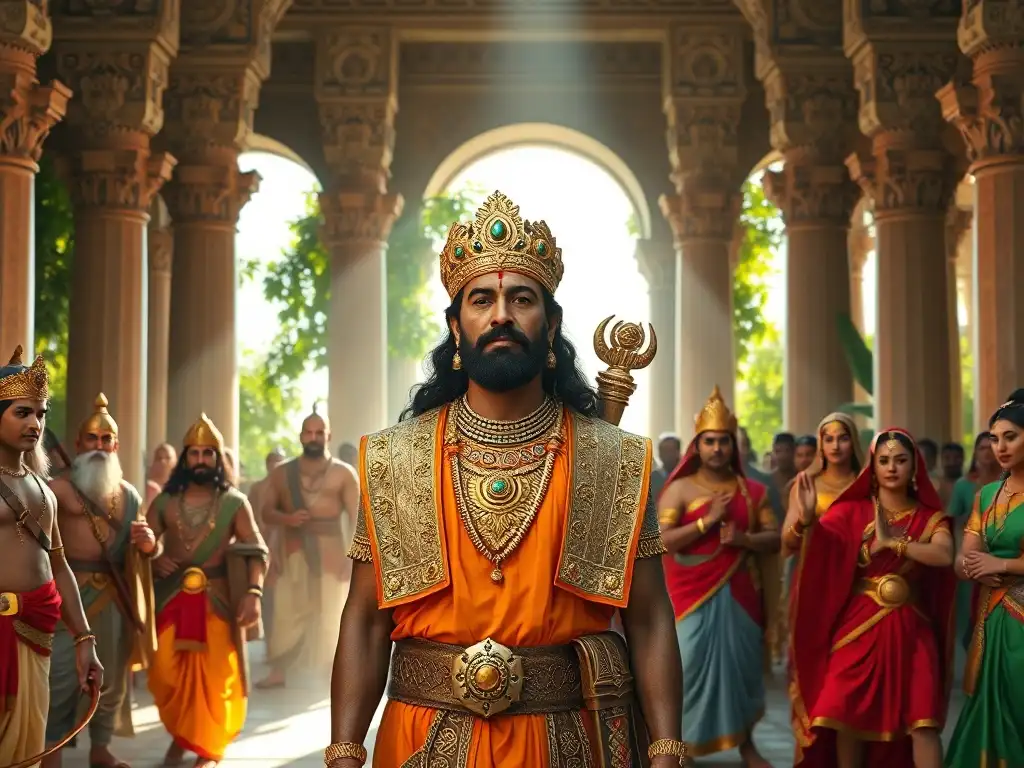
Welcome to Ancient India History, where we embark on a captivating journey through the rich tapestry of India's past. Here, we delve into the profound leadership lessons from Indian epics, drawing wisdom from the timeless narratives of the Ramayana and Mahabharata. These ancient texts not only illuminate the complexities of power and governance but also offer insights that resonate with today's world.
As you explore our featured article, "The Legacy of Leadership in Ancient Indian Epics," prepare to uncover the enduring principles that shaped legendary leaders and their legacies. Join us as we unravel the threads of history that continue to inspire and guide us.
The ancient Indian epics, Ramayana and Mahabharata, are not just tales of heroism and divine interventions; they are profound narratives that offer invaluable insights into the art of leadership. These texts, which have shaped the cultural and moral fabric of Indian society, provide a wealth of lessons that remain relevant in today's context. Through their diverse characters and intricate plots, these epics encapsulate the complexities of leadership, the moral dilemmas faced by leaders, and the consequences of their decisions.
In the Ramayana, we witness the virtuous and principled leadership of Lord Rama, whose commitment to dharma (righteousness) serves as a guiding beacon for leaders across generations. Conversely, the Mahabharata presents a more nuanced exploration of leadership through its multifaceted characters, particularly Arjuna and Krishna, who navigate the moral ambiguities of war and duty.
This article will delve into the leadership lessons derived from these ancient texts, emphasizing how they can be applied in contemporary scenarios. By examining the qualities that define effective leadership in these epics, we aim to uncover timeless principles that can inspire current and future leaders. From the importance of integrity and sacrifice to the value of strategic thinking and empathy, the teachings of the Ramayana and Mahabharata offer a rich tapestry of wisdom for anyone seeking to lead with purpose and vision.
As we explore these lessons, readers will gain a deeper understanding of how the legacies of these epics continue to influence leadership paradigms today. Whether you are a student of history, a business professional, or merely curious about the intersection of culture and leadership, this exploration promises to illuminate the profound insights embedded in these ancient narratives.
- Introduction to Leadership in Indian Epics
- Leadership Lessons from the Ramayana
- Leadership Lessons from the Mahabharata
- Comparative Analysis of Leadership in Ramayana and Mahabharata
- Contemporary Relevance of Leadership Lessons from Indian Epics
- Conclusion: The Enduring Legacy of Leadership in Ancient Indian Epics
-
Frequently Asked Questions
- What are the main leadership lessons found in the Ramayana?
- How does the Mahabharata contribute to understanding leadership dynamics?
- What role do ethical dilemmas play in the leadership lessons of these epics?
- How can modern leaders apply the lessons from these Indian epics?
- Are there specific characters in these epics that serve as leadership models?
- Final Reflection: Embracing Timeless Leadership Lessons from Indian Epics
- Embrace the Wisdom of Ancient Leadership Today!
Introduction to Leadership in Indian Epics
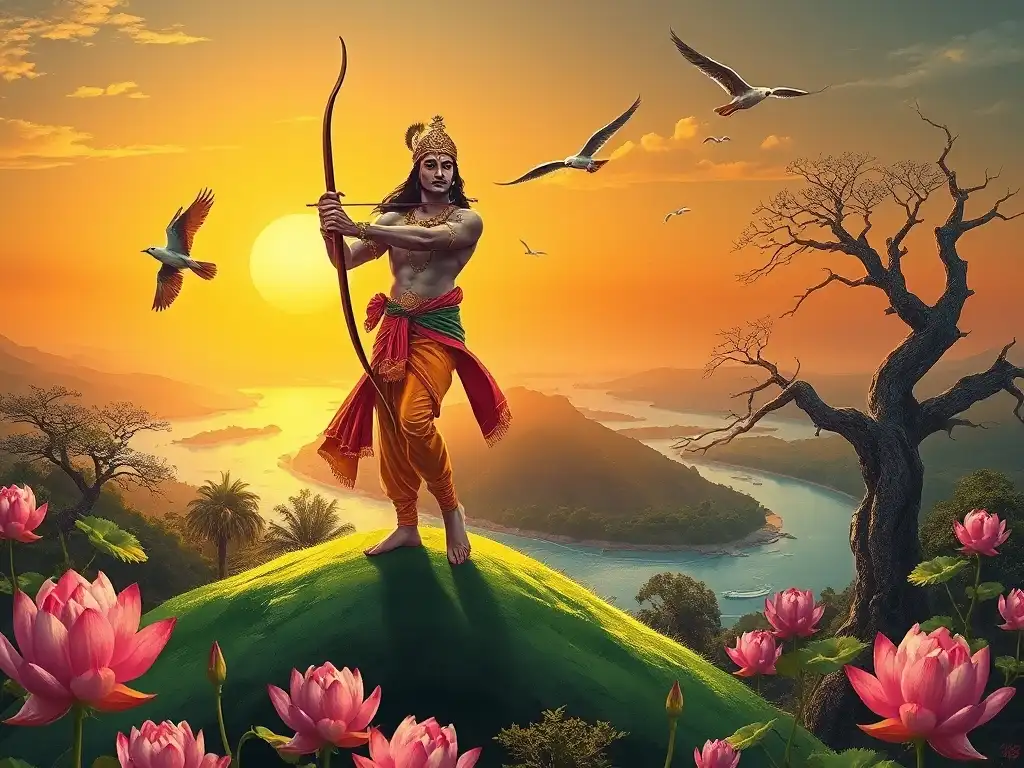
The ancient Indian epics, the Ramayana and the Mahabharata, are not merely stories of heroism and divine intervention; they are profound explorations of leadership and ethics. Through the actions and decisions of their characters, these epics present timeless leadership lessons that resonate even in contemporary contexts. This section delves into the essence of leadership as portrayed in these texts, examining how they can inform our understanding of effective leadership today.
Understanding the Concept of Leadership in Ancient India
Leadership in ancient India was deeply intertwined with the principles of dharma (duty/righteousness) and karma (action). Unlike the modern perception of leadership, which often emphasizes authority and power, ancient Indian texts underscore the importance of moral integrity and social responsibility.
- Dharma as the Foundation: Leaders were expected to uphold dharma, ensuring that their actions aligned with ethical principles and the welfare of their subjects. For instance:
- Rama’s Exile: In the Ramayana, Lord Rama's decision to honor his father's word, despite personal loss, illustrates the paramount importance of duty over self-interest.
- Yudhishthira’s Choices: In the Mahabharata, King Yudhishthira’s commitment to truth and righteousness, even in dire circumstances, highlights the moral dilemmas faced by leaders.
- Karma and Leadership: The concept of karma emphasizes that every action has consequences. Effective leaders are those who consider the long-term impacts of their decisions on society.
- Consequences of Actions: For example, the war in Kurukshetra was a direct result of the cumulative karmic actions of its key players, emphasizing that leaders must be aware of their responsibilities.
- Empathy and Compassion: Ancient Indian texts advocate for leaders to be empathetic, understanding the needs and struggles of their people.
- Hanuman’s Devotion: Hanuman’s unwavering support for Rama serves as a reminder that true leadership is rooted in service and dedication to others.
Overview of Ramayana and Mahabharata as Literary Sources
The Ramayana and Mahabharata are not only epic narratives but also rich repositories of philosophical thought and ethical dilemmas. They provide a multidimensional view of leadership through their complex characters and intricate plots.
- The Ramayana:
- Structure and Themes: Composed by Valmiki, the Ramayana is structured around the life of Rama, exploring themes of duty, loyalty, and justice.
- Leadership Lessons: It emphasizes qualities such as bravery, selflessness, and adherence to dharma. The character of Sita, for instance, showcases resilience and strength in adversity, offering insights into the role of women in leadership.
- The Mahabharata:
- Epic Scope and Complexity: Attributed to Vyasa, the Mahabharata is one of the longest epics in the world, encompassing numerous characters and subplots. Its depth allows for varied interpretations of leadership.
- Diverse Perspectives: Characters like Arjuna face moral dilemmas that reflect the complexities of leadership in governance and warfare. The Bhagavad Gita, a philosophical discourse within the Mahabharata, further elucidates the ethical responsibilities of a leader.
- Comparative Insights: When viewed together, these epics illustrate contrasting styles of leadership:
- Rama vs. Yudhishthira: While Rama embodies the ideal king who prioritizes righteousness, Yudhishthira represents the complexities of leadership amidst conflict and moral ambiguity.
The leadership lessons from Indian epics provide valuable insights into the qualities that define effective leaders. By studying these narratives, contemporary leaders can draw inspiration and guidance to navigate the complexities of modern governance.
Leadership Lessons from the Ramayana
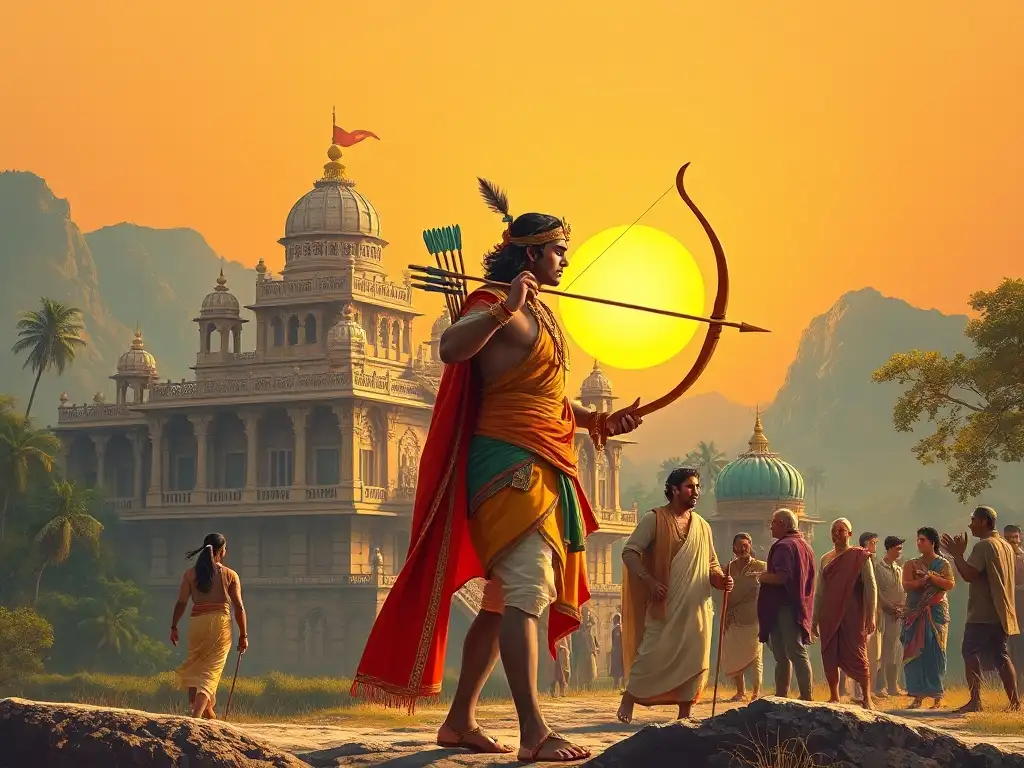
Key Characters Demonstrating Leadership Qualities
The Ramayana, one of the two great Indian epics, is not just a story of adventure and divine feats; it offers profound insights into leadership through its characters. Each character embodies specific leadership qualities that resonate with modern leadership principles.
Lord Rama: The Ideal Leader and Moral Compass
Lord Rama is often regarded as the epitome of virtue and leadership. His commitment to dharma (righteousness) serves as a guiding principle throughout his journey. Rama's leadership style is characterized by:
- Integrity: Rama’s unwavering adherence to his principles, even in the face of personal loss, underscores the importance of integrity in leadership. His decision to honor his father’s promise, resulting in his exile, showcases the lengths to which a true leader must go to uphold their commitments.
- Decisiveness: Rama exhibits the ability to make tough decisions, such as when he chooses to banish Sita to uphold public perception. This highlights that leaders must sometimes make difficult choices for the greater good, even when they are personally painful.
- Empathy: Rama shows deep compassion towards all beings, whether allies or adversaries. His ability to understand and empathize with others is a critical leadership trait that fosters loyalty and respect among followers.
Sita: Strength and Resilience in Leadership
Sita, often viewed merely as the devoted wife of Rama, holds her own as a formidable leader in the epic. Her character illustrates the following leadership qualities:
- Courage: Sita’s unwavering strength during her abduction by Ravana demonstrates remarkable courage. Her resilience in the face of adversity speaks volumes about the power of inner strength in leadership.
- Wisdom: Sita’s insights and advice to Rama reflect her intelligence and strategic thinking. She plays a vital role in guiding Rama, proving that effective leadership often requires collaboration and valuing the perspectives of others.
- Sacrifice: Sita’s willingness to endure suffering for the sake of her family and the greater good exemplifies the selflessness that is essential in a leader. Her sacrifices remind us that leadership often demands personal sacrifices for the welfare of others.
Leadership Principles Illustrated in the Ramayana
The Ramayana is rich with principles that can guide modern leadership practices. These lessons are timeless and relevant across various spheres of life.
Dharma (Righteousness) as a Foundation of Leadership
At the core of the Ramayana is the principle of dharma, which is central to effective leadership. Leaders must act in accordance with their moral and ethical obligations. This is illustrated through:
- Accountability: Rama’s sense of responsibility to uphold dharma illustrates that leaders must hold themselves accountable for their actions and decisions. This builds trust among their followers.
- Justice: The pursuit of justice is a recurring theme in the Ramayana. Leaders are encouraged to ensure fairness and equity, as seen when Rama treats all characters with respect, regardless of their status.
- Vision: Rama’s vision for a just and prosperous society reflects the importance of having a clear, ethical vision as a leader. This vision not only guides their actions but also inspires others to follow.
The Importance of Loyalty and Sacrifice in Leadership
The Ramayana teaches that loyalty and sacrifice are pivotal in leadership. Key examples include:
- Allegiance: The unwavering loyalty of Hanuman to Rama symbolizes the strength of alliances in leadership. Hanuman’s dedication showcases that strong relationships and loyalty are vital for overcoming challenges.
- Sacrifice for the Greater Good: The choices made by Rama and Sita often involve personal sacrifice for the welfare of others. This principle reinforces that effective leaders prioritize the needs of their community over their interests.
- Teamwork: The collaboration among the characters, especially during the battle against Ravana, highlights the importance of working together towards a common goal. Effective leaders harness the strengths of their team members to achieve success.
The Ramayana serves as a rich source of leadership lessons, emphasizing the significance of integrity, resilience, and ethical principles in guiding leaders today. By learning from these timeless characters, modern leaders can cultivate skills that not only lead to personal success but also foster a more just and harmonious society.
Leadership Lessons from the Mahabharata
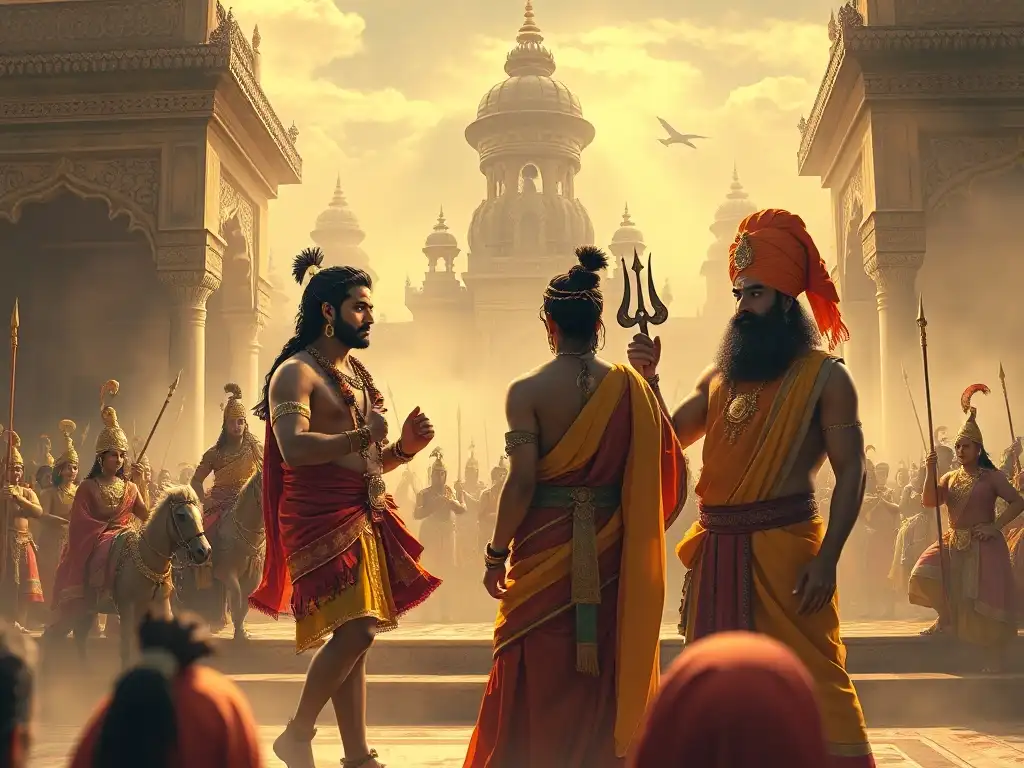
Prominent Leaders and Their Leadership Styles
The Mahabharata, one of the most revered epics of ancient India, is not only a narrative of a great war but also a profound exploration of leadership through its characters. Each prominent leader embodies distinct leadership styles which provide valuable insights into effective governance, ethical dilemmas, and the complexities of human behavior.
Yudhishthira: The Just King and Ethical Leadership
Yudhishthira, the eldest of the Pandavas, exemplifies ethical leadership. Renowned for his unwavering commitment to truth and righteousness, he often faced moral dilemmas that tested his principles. His leadership is characterized by:
- Integrity: Yudhishthira's devotion to truth earned him the title of 'Dharmaraja' or the King of Dharma. He believed that a leader should always act with honesty, regardless of the circumstances.
- Compassion: He consistently prioritized the welfare of his subjects, showcasing empathy and understanding, which are crucial traits for any effective leader.
- Decision-Making: Yudhishthira's decisions often reflected a deep moral consideration. For instance, he hesitated to claim the throne after the war, demonstrating a sense of responsibility towards the lives lost.
Yudhishthira's leadership teaches that ethical values should be at the core of any leader's approach, as they build trust and respect within a community.
Krishna: Strategic Wisdom and Diplomatic Leadership
In contrast, Lord Krishna represents a strategic and diplomatic approach to leadership. His role in the Mahabharata is pivotal, as he guides the Pandavas with his profound wisdom and foresight. Key attributes of Krishna’s leadership include:
- Strategic Thinking: Krishna's ability to devise plans that turned the tide of the war illustrates the importance of foresight and adaptability in leadership. His counsel to Arjuna during the Bhagavad Gita reflects deep insights into human psychology and the nature of duty.
- Diplomacy: Krishna attempted to negotiate peace before the war, showcasing the importance of dialogue and reconciliation in leadership. His skillful handling of complex relationships among the Kauravas and Pandavas emphasizes the role of communication in effective leadership.
- Empowerment: By empowering others, such as Arjuna, to fulfill their roles, Krishna exemplifies that true leadership involves nurturing the potential of those around you.
Krishna's leadership lessons highlight the significance of strategic vision and the ability to navigate complex social dynamics, which are essential for any leader facing challenging situations.
Core Leadership Lessons from the Mahabharata
The Mahabharata offers timeless lessons on leadership that remain relevant today. The complexities of its characters and their decisions provide a rich tapestry of insights for modern leaders.
The Role of Decision-Making in Leadership
Decision-making is at the heart of effective leadership, as demonstrated throughout the Mahabharata. Leaders are often faced with choices that can have profound implications. The epic illustrates several aspects of decision-making:
- Informed Choices: Yudhishthira’s choices reflect a thorough consideration of ethical implications. Leaders must gather information, weigh options, and understand potential outcomes before making decisions.
- Courage to Decide: Both Yudhishthira and Krishna show that taking decisive action, even in the face of uncertainty, is vital. Hesitation can lead to missed opportunities or undesirable consequences.
- Learning from Mistakes: The characters frequently encounter the repercussions of their decisions, emphasizing the importance of reflection and learning. A successful leader must be willing to analyze past choices and adapt future strategies accordingly.
The Mahabharata teaches that effective decision-making requires a balance of knowledge, courage, and the ability to learn from experiences.
The Consequences of Ambition and Power Struggles
Ambition and the struggle for power are central themes in the Mahabharata, providing critical insights into leadership dynamics:
- Destructive Ambition: The Kauravas' insatiable desire for power led to their downfall, illustrating that unchecked ambition can result in chaos and destruction. Leaders must be aware of the fine line between ambition and ethical responsibility.
- Conflict Resolution: The epic showcases various conflicts arising from power struggles, emphasizing the need for leaders to possess conflict resolution skills. Krishna’s role in attempting to mediate peace before the war serves as a profound lesson in the value of diplomacy.
- Legacy of Leadership: Ultimately, the legacy of leaders like Yudhishthira and Krishna is shaped not only by their achievements but also by their adherence to moral principles. The consequences of their choices serve as a reminder that leadership impacts future generations.
The Mahabharata serves as a rich source of leadership lessons, illustrating the importance of ethical decision-making and the ramifications of ambition and conflict. These lessons resonate with contemporary leadership challenges, offering timeless wisdom on navigating complex human interactions.
Comparative Analysis of Leadership in Ramayana and Mahabharata
Similarities in Leadership Themes
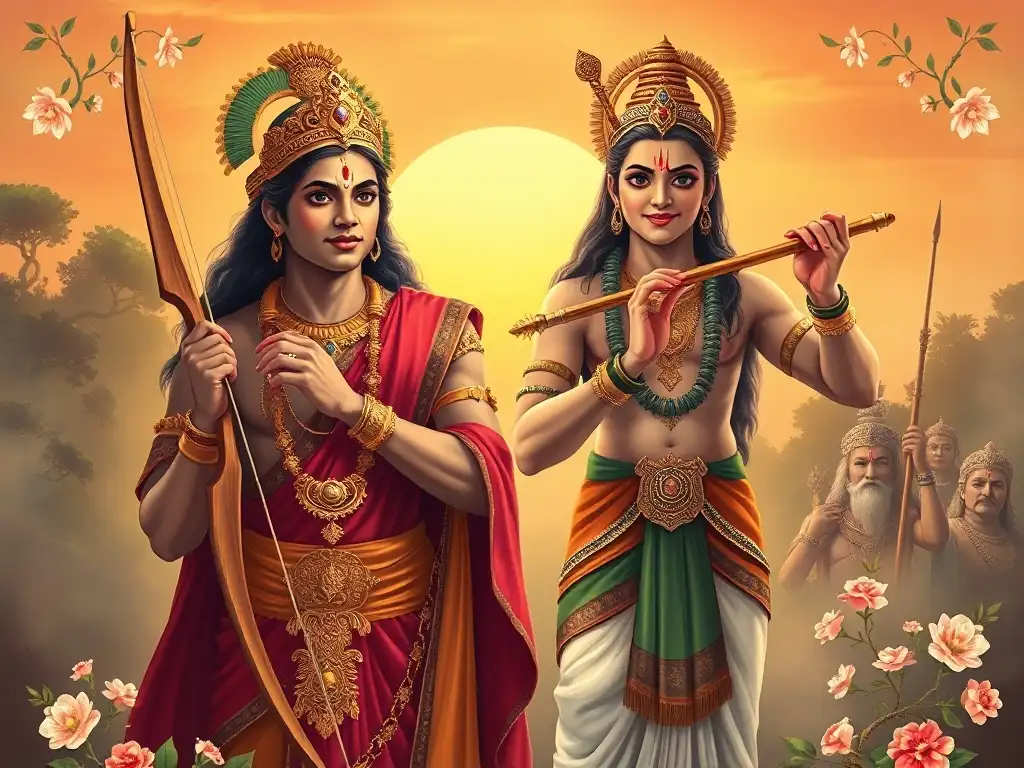
Both the Ramayana and Mahabharata present rich narratives that delve into various aspects of leadership, showcasing a plethora of leadership lessons from Indian epics. Central to both epics is the idea that effective leadership is deeply intertwined with moral integrity, duty (dharma), and the pursuit of justice.
- Moral Integrity: Leaders in both epics are depicted as paragons of virtue. For example, Rama exemplifies the ideal king who adheres to dharma, while Yudhishthira, the eldest Pandava, is revered for his unwavering commitment to truth and righteousness.
- Sacrifice for the Greater Good: Both epics emphasize the necessity of sacrifice. In the Ramayana, Rama’s exile to uphold his father’s word illustrates the importance of personal sacrifice for the greater good. Similarly, the Mahabharata showcases various characters making significant sacrifices, such as Arjuna's inner struggle before the battle of Kurukshetra, ultimately choosing to fight for justice rather than personal gain.
Moral Dilemmas and Ethical Choices
Leadership in these epics is often characterized by complex moral dilemmas. Characters face choices that test their ethical boundaries and reveal their true selves.
- Rama’s Dilemma: Rama’s choice to banish Sita, despite her steadfast loyalty, raises questions about duty versus personal feelings. This decision, while painful, underscores his commitment to the societal perception of dharma.
- Yudhishthira’s Test: In the Mahabharata, Yudhishthira's reluctance to lie during the game of dice, even when it leads to catastrophic consequences, highlights the struggle between ethical principles and pragmatic outcomes.
These dilemmas serve as powerful reminders of the nuanced nature of leadership, where decisions are rarely black and white.
The Role of Mentorship and Guidance
Mentorship is a prevalent theme in both epics, illustrating how guidance plays a crucial role in shaping leaders.
- Vashishta and Rama: In the Ramayana, the sage Vashishta imparts wisdom and teachings that mold Rama into a just and compassionate leader. His guidance is pivotal in Rama’s development and decision-making.
- Krishna and Arjuna: The Bhagavad Gita, part of the Mahabharata, showcases Krishna’s role as a mentor to Arjuna. His counsel during Arjuna's moment of crisis not only embodies leadership but also emphasizes the importance of seeking advice from wise mentors in times of uncertainty.
Differences in Leadership Approaches
While both epics present valuable leadership lessons, they differ significantly in their approaches and philosophies regarding leadership.
Idealism vs. Pragmatism in Leadership
The contrasting leadership philosophies of the two epics reveal different paths to effective leadership.
- Idealism in Ramayana: The Ramayana is steeped in idealism, with Rama representing the quintessential moral leader. His adherence to principles often leads to personal hardships, suggesting that idealistic leadership may not always yield practical results.
- Pragmatism in Mahabharata: In contrast, the Mahabharata leans towards pragmatism. Leaders like Krishna often prioritize strategic advantage over strict adherence to moral codes. This is evident in Krishna’s tactics during the Kurukshetra war, where he encourages Arjuna to embrace realpolitik for the sake of justice.
This divergence emphasizes that effective leadership can arise from both idealistic and pragmatic approaches, depending on the context.
Individual vs. Collective Leadership Dynamics
The two epics also reflect different dynamics in leadership, particularly in how they conceptualize individual versus collective leadership.
- Individual Leadership in Ramayana: Rama’s journey is largely solitary, emphasizing the role of an individual leader who bears the responsibility of guiding his people. His decisions are personal and reflect a singular vision for the kingdom of Ayodhya.
- Collective Leadership in Mahabharata: The Mahabharata, however, showcases a more collective approach to leadership. The Pandavas and Kauravas represent different factions and ideals, and their interactions highlight the complexities of shared leadership. The epic illustrates that collaboration and consensus can be as vital as individual vision in achieving goals.
The comparative analysis of leadership in the Ramayana and Mahabharata provides profound insights into moral integrity, mentorship, idealism versus pragmatism, and individual versus collective dynamics, all of which are essential leadership lessons from Indian epics.
Contemporary Relevance of Leadership Lessons from Indian Epics
Applying Ancient Leadership Lessons in Modern Contexts
The timeless narratives of the Ramayana and Mahabharata offer profound insights into leadership that remain relevant in today's dynamic world. These epics encapsulate principles that can be seamlessly integrated into various modern contexts, providing a framework for effective leadership.
Leadership in Business and Organizational Settings
In the corporate world, leaders can draw invaluable lessons from the characters and situations depicted in these ancient epics. For example, the strategic acumen of Lord Krishna in the Mahabharata emphasizes the importance of foresight and adaptability in leadership. He adeptly navigates complex situations, illustrating the need for leaders to be proactive rather than reactive.
- Key Leadership Traits:
- Visionary Thinking: Like Rama, leaders should possess a clear vision and the ability to inspire others towards a common goal.
- Ethical Decision-Making: The moral dilemmas faced by characters in the epics encourage leaders to prioritize integrity and ethics over short-term gains.
- Team Empowerment: The camaraderie and loyalty among the Pandavas underscore the significance of fostering collaboration and trust within teams.
These principles can enhance organizational culture, drive innovation, and lead to sustainable success.
Leadership in Social and Community Initiatives
The lessons from Indian epics extend beyond business and are crucial for social and community leadership. Characters like Sita exemplify resilience and dedication to societal values, serving as role models for leaders in community initiatives.
- Key Areas of Influence:
- Servant Leadership: Emulating the selflessness of characters like Hanuman, leaders can prioritize the needs of the community, fostering a culture of service.
- Conflict Resolution: The diplomatic strategies employed by Krishna can inspire leaders to navigate conflicts within communities, promoting harmony and understanding.
- Civic Responsibility: The epics highlight the importance of leaders taking responsibility for social welfare, encouraging modern leaders to engage in initiatives that uplift their communities.
By applying these lessons, leaders can create positive social change and inspire collective action.
Lessons for Personal Development and Growth
Beyond organizational and community contexts, the teachings of the Ramayana and Mahabharata serve as a guide for personal development. They advocate for introspection, resilience, and ethical growth, which are essential for anyone aspiring to be a leader.
Cultivating Resilience and Ethical Leadership
Resilience is a recurring theme in both epics, reminding us that setbacks are a part of the journey toward success. Characters such as Draupadi demonstrate immense strength and resilience in the face of adversity, inspiring individuals to persevere through their challenges.
- Strategies for Personal Resilience:
- Mindfulness and Reflection: Engaging in self-reflection can help individuals understand their motivations and ethical boundaries, akin to how Arjuna reflects on his duties before battle.
- Building Integrity: Leaders should embody the moral values depicted in these epics, ensuring that their actions align with their principles, much like Rama's unwavering commitment to dharma.
- Embracing Change: The ability to adapt to changing circumstances, as exhibited by various characters, is crucial for personal growth and effective leadership.
By integrating these lessons into their lives, individuals can cultivate a strong foundation for both personal and professional leadership, ensuring they lead with purpose and integrity.
Conclusion: The Enduring Legacy of Leadership in Ancient Indian Epics
The epics of Ramayana and Mahabharata have left an indelible mark on the understanding of leadership within the context of ancient Indian civilization. Through their intricate narratives and multifaceted characters, these texts offer profound insights into the qualities and virtues that define effective leadership. The lessons gleaned from these stories not only reflect the socio-political realities of their times but also resonate with contemporary leadership challenges.
As we encapsulate the legacy of leadership presented in these epics, it becomes evident that the principles they espouse remain relevant across ages and cultures. The importance of righteousness (dharma), strategic acumen, empathy, and the ability to inspire others are values that stand the test of time.
Summarizing Key Leadership Lessons from Ramayana and Mahabharata
-
Dharma (Righteousness)
Both epics emphasize the role of dharma as the foundation of just leadership. Leaders are portrayed as individuals who must uphold ethical principles, even in the face of adversity. For instance, Lord Rama's commitment to dharma, even when it required personal sacrifice, illustrates the importance of moral integrity in leadership.
-
Strategic Thinking and Planning
The Mahabharata, particularly through the character of Krishna, showcases the necessity of strategic foresight in leadership. Krishna’s counsel to Arjuna before the Kurukshetra War highlights the significance of planning and adaptability in achieving one’s goals.
-
Empathy and Compassion
Leadership is not solely about power but also about understanding and compassion. The character of Draupadi in the Mahabharata exemplifies the strength that comes from vulnerability. Her dignity in the face of humiliation teaches leaders the importance of empathy towards their followers.
-
Inspiration and Motivation
Both epics illustrate how leaders can inspire and motivate their people. The ability of figures like Rama and Yudhishthira to rally their followers around a common cause underscores the necessity of vision and the power of collective purpose in effective leadership.
-
Resilience in Adversity
Challenges are an inherent part of leadership. The trials faced by characters such as Sita and the Pandavas serve as reminders of the resilience that leaders must cultivate. Overcoming obstacles not only strengthens character but also enhances credibility and trust among followers.
The Timeless Nature of Leadership Lessons from Indian Epics
The leadership lessons from Indian epics transcend the historical context in which they were written. They offer a framework that can be applied across various fields, be it politics, business, or community leadership.
-
Relevance to Modern Leadership
In today’s world, where ethical dilemmas and complex decisions are part of daily leadership challenges, the teachings of Ramayana and Mahabharata provide valuable guidance. Concepts such as ethical decision-making, the balance between personal and professional responsibilities, and the importance of emotional intelligence are as pertinent now as they were thousands of years ago.
-
Cultural Influence
The influence of these epics extends beyond the confines of India, shaping leadership philosophies across the globe. The universal themes of justice, sacrifice, and honor resonate with diverse cultures, allowing the lessons to be appreciated in various contexts.
-
Continued Learning
The richness of these epics encourages ongoing reflection and learning. Leaders today can benefit from revisiting these texts, drawing inspiration and insights that can inform their own leadership journeys.
The legacy of leadership in ancient Indian epics offers a treasure trove of wisdom that continues to enlighten and inspire. By embracing these lessons, current and future leaders can cultivate a more ethical, compassionate, and effective approach to leadership, ensuring the enduring relevance of these timeless narratives.
Frequently Asked Questions
What are the main leadership lessons found in the Ramayana?
The Ramayana teaches the importance of dharma (righteousness) and integrity in leadership. Characters like Rama exemplify how adhering to moral principles can guide effective decision-making.
How does the Mahabharata contribute to understanding leadership dynamics?
The Mahabharata explores complex leadership dynamics, showcasing the consequences of choices made by leaders like Yudhishthira and Duryodhana. It highlights the significance of wisdom, strategic thinking, and the impact of relationships in leadership.
What role do ethical dilemmas play in the leadership lessons of these epics?
Both epics present ethical dilemmas faced by leaders, emphasizing that true leadership involves navigating moral complexities. These stories illustrate that leaders must often make difficult choices that reflect their values and responsibilities.
How can modern leaders apply the lessons from these Indian epics?
Modern leaders can apply lessons from the Ramayana and Mahabharata by embracing ethical leadership, valuing teamwork, and recognizing the importance of sacrifice and service. These timeless principles remain relevant in today's corporate environment.
Are there specific characters in these epics that serve as leadership models?
Yes, characters like Rama and Krishna serve as leadership models. They demonstrate qualities such as courage, wisdom, and the ability to inspire others, making them exemplary figures for anyone looking to enhance their leadership skills.
Final Reflection: Embracing Timeless Leadership Lessons from Indian Epics
**The teachings of ancient Indian epics like the Ramayana and Mahabharata resonate profoundly in today's world, reminding us that leadership is not merely about authority, but about responsibility, integrity, and the ability to inspire others. In an era where the complexities of leadership are more pronounced than ever, these timeless narratives offer invaluable insights that can guide modern leaders in navigating ethical dilemmas and fostering unity in diversity. The lessons drawn from these epics are not just historical artifacts; they are essential tools for cultivating effective leadership in our contemporary society.
The influence of these epics extends far beyond their narratives, shaping cultural values and social norms that continue to impact our lives today. Their characters exemplify virtues such as courage, sacrifice, and wisdom, serving as role models for generations. As Mahatma Gandhi once said, "> The best way to find yourself is to lose yourself in the service of others."
This sentiment encapsulates the essence of leadership portrayed in these stories, where true leaders prioritize the welfare of their people over personal gain. The relevance of these lessons is evident in the way they inspire individuals to embody these qualities in their daily lives, fostering a culture of empathy and collaboration.
As we reflect on the profound insights offered by the Ramayana and Mahabharata, let us challenge ourselves to integrate these lessons into our own leadership journeys. Consider how you can embody the values of integrity, service, and resilience in your interactions, whether in personal relationships or professional environments.
The legacy of these epics is not just to be admired from a distance; it is a call to action for each of us to become leaders who uplift and inspire others. Embrace these teachings, and let them guide you toward becoming a beacon of positive change in your community and beyond.
Embrace the Wisdom of Ancient Leadership Today!
Thank you for taking the time to explore the profound lessons from the Ramayana and Mahabharata! You've unlocked invaluable insights into the essence of leadership that have shaped our past and can guide our present. Now it’s time to transform this knowledge into action!
Here are a few steps you can take to internalize these teachings and incorporate them into your journey:
- Reflect on the leadership qualities exhibited by key figures in the epics, such as Rama and Arjuna. Consider how you can embody these traits in your own life.
- Join our community! Share your thoughts and interpretations of ancient Indian leadership by commenting below. Engage with others who share your interest and learn from a variety of perspectives.
- Explore deeper! Read one of the epics or a related text this month, and note how the leadership lessons can be applied to current societal challenges.
Which ancient leadership principle resonates with you the most, and how do you plan to implement it in your daily life? We invite you to share your thoughts below!