
The Influence of Ancient Indian Leaders on Modern Indian Politics

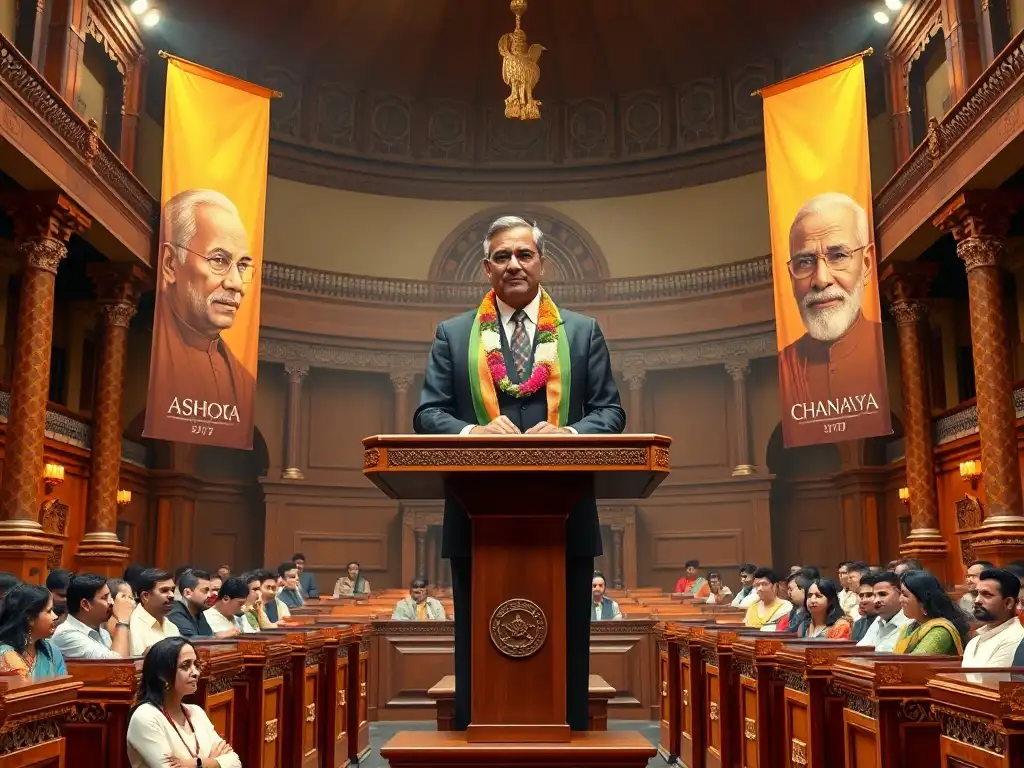
Welcome to Ancient India History, where we embark on a captivating journey through the vibrant tapestry of ancient Indian civilizations. From the remarkable innovations of the Indus Valley to the intellectual brilliance of the Gupta Empire, we delve into the profound impact of ancient Indian leaders on modern Indian politics. Have you ever wondered how the visionary rulers of the past continue to shape the dynamics of contemporary governance? Join us as we uncover the legacies of these key historical figures and explore their enduring influence on today's political landscape. Your exploration into the depths of history begins here!
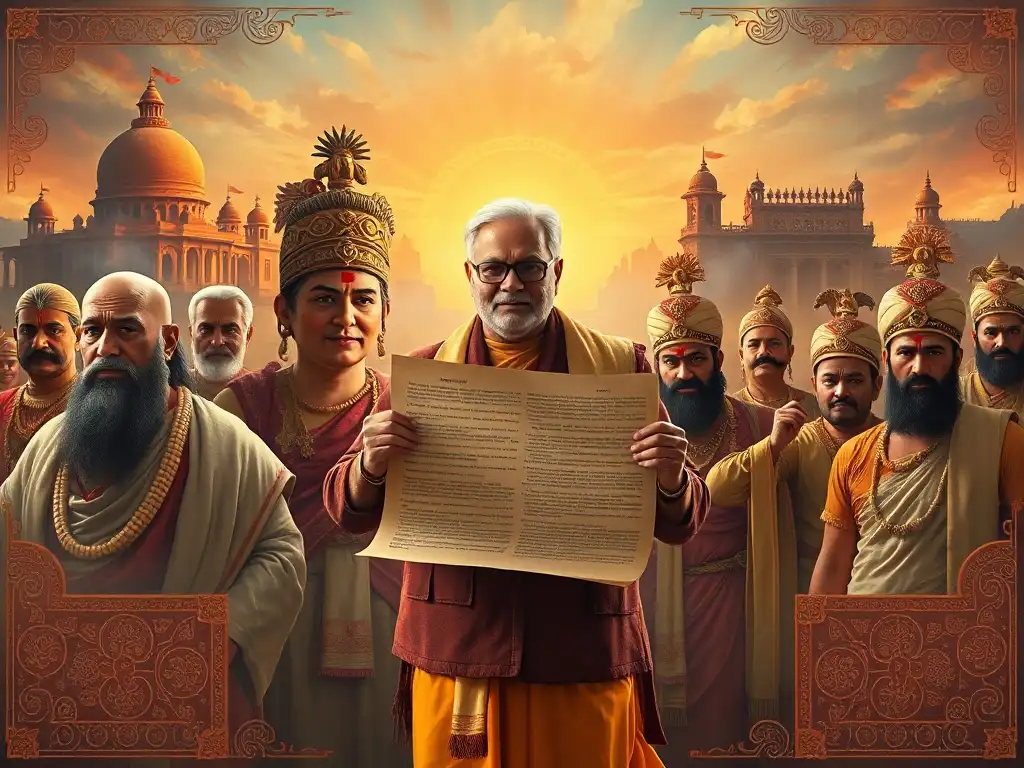
Introduction: Understanding the Ancient Indian Leaders Impact Today
The legacy of ancient Indian leaders is woven deeply into the fabric of modern Indian politics. From the strategic prowess of the Mauryan Empire to the philosophical insights of leaders like Ashoka, the principles and governance styles established by these figures continue to resonate in contemporary political discourse.
This article delves into how the ideologies, policies, and leadership qualities of these ancient rulers shape the political landscape of India today, influencing everything from governance models to ethical considerations in leadership. By examining their impact, we can glean insights into the enduring relevance of these historical figures, particularly in the context of a rapidly evolving democratic society.
Overview of Ancient Indian Leadership and Governance
Ancient India was characterized by a rich tapestry of leadership styles and governance structures that varied across regions and time periods. Understanding this diversity is crucial to appreciating how these ancient leaders have influenced modern political practices.
The Role of Kings and Rulers in Ancient India
In ancient Indian civilization, kings and rulers were not merely political figures; they were seen as the custodians of dharma (righteousness) and the well-being of their subjects. Their responsibilities included:
- Protection of the Realm: Kings were expected to defend their territories from external threats and maintain internal order.
- Economic Management: Rulers oversaw trade, agriculture, and taxation, ensuring prosperity and stability for their kingdoms.
- Cultural Patronage: Many kings supported arts, literature, and philosophy, contributing to a rich cultural heritage that influenced societal values.
Prominent figures like Chandragupta Maurya and Ashoka the Great exemplified these roles, establishing frameworks of governance that emphasized justice, welfare, and ethical leadership.
Key Characteristics of Leadership in Ancient Indian Civilizations
The leadership qualities exhibited by ancient Indian rulers were pivotal in shaping their governance styles and societal impact. Some key characteristics include:
- Visionary Governance: Leaders like Ashoka promoted the idea of 'Dhamma,' which emphasized moral governance and welfare for all citizens, setting a precedent for ethical leadership.
- Inclusivity and Tolerance: Many ancient leaders fostered an environment of pluralism, encouraging dialogue among diverse cultures and religions.
- Strategic Diplomacy: Ancient Indian rulers often engaged in intricate alliances and treaties, demonstrating a sophisticated understanding of political relations.
These characteristics not only defined their reigns but also laid foundational principles that continue to guide modern Indian political leaders in their pursuit of effective governance.
Prominent Ancient Indian Leaders and Their Contributions
Ancient Indian leaders have left an indelible mark on the political landscape of contemporary India. Their governance styles, philosophies, and contributions continue to resonate in modern democratic practices, social justice movements, and cultural frameworks. The legacy of these leaders is not just historical; it has shaped the values and principles that underpin modern Indian politics.
Chandragupta Maurya: The Founder of the Maurya Empire
Chandragupta Maurya (c. 340–297 BCE) is celebrated as the founder of the Maurya Empire, one of the largest empires in ancient India. His rise to power was marked by strategic alliances and military prowess, culminating in the overthrow of the Nanda dynasty. Chandragupta's rule established a centralized government that emphasized efficiency and economic stability.
His contributions to administration included the establishment of a vast bureaucracy and a network of spies, ensuring the security and smooth functioning of the empire. Chandragupta's reign set the stage for his grandson, Ashoka, to further expand and enhance the empire. His legacy influences contemporary governance in India, particularly in aspects of statecraft and the significance of a strong central authority.
Ashoka the Great: The Advocate of Peace and Dharma
Ashoka (c. 304–232 BCE), the grandson of Chandragupta Maurya, is often hailed as one of India's greatest rulers. Following the Kalinga War, which resulted in immense bloodshed, Ashoka embraced Buddhism and transformed his governance philosophy. He shifted from a militaristic approach to one rooted in peace, non-violence, and the principles of Dharma.
Ashoka's edicts, inscribed on pillars throughout his empire, emphasized moral governance, social welfare, and the importance of ethical behavior among rulers and citizens alike. His advocacy for religious tolerance and compassion has left a lasting impact on India's secular values and political discourse, resonating with modern principles of human rights and social justice.
Vikramaditya: A Symbol of Justice and Culture
Vikramaditya, a legendary ruler associated with the Gupta Empire (c. 320–550 CE), is often depicted as an ideal monarch embodying justice, wisdom, and cultural patronage. His reign is characterized by advancements in arts, literature, and science, making it a golden age for Indian civilization.
The narratives surrounding Vikramaditya emphasize his commitment to justice, often depicted through stories of his fair judgments and patronage for scholars and poets. His legacy is a reminder of the importance of cultural enrichment in governance. Modern Indian leaders continue to draw inspiration from Vikramaditya's emphasis on justice and the promotion of arts and education in political agendas.
Other Influential Leaders from Ancient India
Beyond the well-known figures, several other leaders contributed significantly to the fabric of ancient Indian governance. Leaders like Harsha Vardhana (c. 590–647 CE) are noted for their efforts in unifying northern India and promoting Buddhism. Rulers such as Prithviraj Chauhan and the Chola dynasty's Rajaraja Chola I played vital roles in regional politics, military strategy, and cultural developments. Each of these leaders has influenced contemporary political thought and practices, emphasizing values such as unity, resilience, and cultural identity.
The Philosophical Foundations of Ancient Indian Leadership
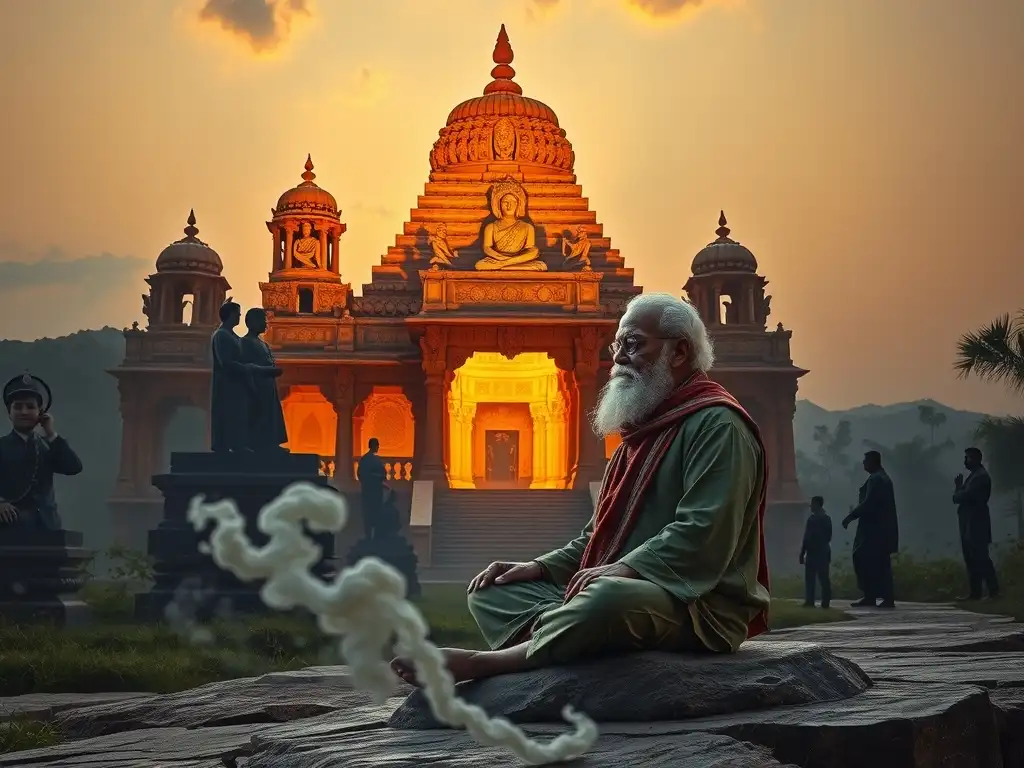
The philosophical underpinnings of ancient Indian leadership offer essential insights into governance that remain relevant today. Key concepts such as Dharma and Rajadharma provide a framework for ethical leadership and the responsibilities of rulers.
The Concepts of Dharma and Rajadharma in Governance
Dharma, often translated as righteousness or duty, is central to ancient Indian governance. It encompasses the ethical and moral obligations that individuals, particularly rulers, must adhere to for the welfare of their subjects. Rajadharma refers specifically to the duties and responsibilities of kingship, highlighting the importance of just rule and the welfare of the populace.
These concepts foster a sense of accountability and ethical governance, which is pertinent in modern political discourse. The principles of Dharma advocate for leaders to prioritize the common good, ensuring that their actions contribute positively to society, a notion that is echoed in contemporary political ideologies.
The Influence of Ancient Texts: Arthashastra and Ramayana
Two seminal texts, the Arthashastra and the Ramayana, have profoundly influenced the political landscape in ancient India. The Arthashastra, attributed to Kautilya (Chanakya), serves as a treatise on statecraft, economics, and military strategy. Its pragmatic approach to governance emphasizes the importance of realpolitik, strategic alliances, and the use of intelligence in administration, elements that are relevant in today’s political strategies.
The Ramayana, while primarily a mythological epic, offers valuable lessons on leadership, duty, and moral conduct. Through the character of Lord Rama, the text illustrates the ideals of righteousness, sacrifice, and the responsibilities of a leader towards their subjects. These narratives continue to inspire modern leaders in India, reinforcing the significance of integrity and ethical governance.
The philosophical foundations laid by ancient Indian leaders and texts provide a rich tapestry of ideas that inform and inspire contemporary political practices, making the impact of ancient Indian leaders profoundly relevant in today's political discourse.
Ancient Indian Leaders' Impact on Modern Political Thought
The influence of ancient Indian leaders on contemporary political thought is profound and multifaceted. Many principles and ideologies that emerged during ancient times continue to resonate in modern governance, reflecting a blend of ethical, philosophical, and administrative practices. Ancient Indian leaders, such as Ashoka and Chandragupta Maurya, laid foundational ideas regarding justice, non-violence, and the welfare of the state. These ideas form the bedrock of many political discourses in India today, illustrating the continuity of thought from ancient to modern governance.
Furthermore, the rich tapestry of ancient India's political philosophy, which emphasized dharma (righteousness) and the social contract between rulers and the ruled, remains relevant in discussions surrounding accountability, citizen rights, and governance ethics. The integration of these ancient principles into modern political frameworks can be observed in various aspects of policy-making, social justice initiatives, and public discourse, highlighting the enduring legacy of ancient Indian leaders.
The Legacy of Ashoka's Policies in Contemporary Governance
Ashoka the Great, who ruled during the Maurya Empire in the 3rd century BCE, is often regarded as one of the most influential leaders in ancient Indian history. His commitment to non-violence, welfare, and social justice set a precedent for governance that prioritizes the well-being of citizens. Ashoka's edicts, inscribed on pillars and rocks throughout his empire, emphasized moral governance, respect for all beings, and the importance of public welfare.
In contemporary governance, Ashoka's legacy is evident in several ways:
- Promotion of Non-Violence: Ashoka's dedication to ahimsa (non-violence) has inspired modern movements for peace and social justice, most notably the Indian independence movement led by Mahatma Gandhi.
- Public Welfare Initiatives: Policies aimed at improving health, education, and infrastructure can be traced back to Ashoka's vision for a just society. Modern governments often invoke his principles when designing welfare programs.
- Moral Leadership: The emphasis on ethical governance, accountability, and transparency in today's political discourse echoes Ashoka's approach to leadership, illustrating a direct line from his reign to current practices.
The Relevance of Ancient Leadership Principles in Modern India
Ancient Indian leadership principles, rooted in texts such as the Arthashastra by Kautilya, continue to provide valuable insights into modern governance. The focus on strategic thinking, statecraft, and the moral responsibilities of leaders remains pertinent in today's political landscape. Key aspects include:
- Strategic Governance: Kautilya's teachings on diplomacy and statecraft are often referenced in the context of contemporary international relations and political strategy.
- Ethical Leadership: The importance placed on dharma in leadership encourages modern leaders to prioritize ethical considerations in their decision-making processes.
- Balancing Power: The ancient notion of balancing power among various social groups influences the contemporary understanding of coalition politics and governance.
These principles not only guide political leaders but also inform the expectations of citizens from their governments, creating a framework that encourages responsible and responsive governance.
The Role of Ancient Indian Leaders in Shaping National Identity
Ancient Indian leaders played a crucial role in shaping the national identity that modern India embraces today. Figures such as Ashoka, Chandragupta Maurya, and others fostered a sense of unity and cultural pride that transcended regional disparities. Their contributions to art, architecture, and philosophy have left an indelible mark on the cultural consciousness of the nation.
- Cultural Heritage: The promotion of Buddhism by Ashoka, for instance, not only influenced religious thought but also contributed to a shared cultural identity that persists in various forms in modern India.
- Unity in Diversity: The ancient leaders' efforts to govern a diverse population laid the groundwork for contemporary India’s ethos of unity in diversity, highlighting the importance of inclusive governance.
- Symbol of Resistance: The legacy of ancient leaders continues to inspire movements for social justice and political reform, as they are seen as symbols of resistance against oppression.
In this way, ancient Indian leaders have contributed significantly to the narrative of national identity, embodying values that resonate in the collective consciousness of the country.
Case Studies: Modern Political Leaders Inspired by Ancient Indian Leaders
The impact of ancient Indian leaders can be seen in the ideologies and actions of modern political figures. This section explores specific case studies that highlight this influence.
Case Study of Mahatma Gandhi and His Emphasis on Non-Violence
Mahatma Gandhi, often referred to as the father of the nation, drew heavily from the ancient Indian principle of ahimsa. Inspired by Ashoka's commitment to non-violence, Gandhi adapted this philosophy to advocate for social and political change through peaceful means. His approach to resistance against British colonial rule was rooted in the belief that non-violence was not only a tactic but a way of life.
- Satyagraha: This method of non-violent resistance was influenced by the ethical principles of ancient Indian leaders and has become a cornerstone of civil rights movements worldwide.
- Moral Authority: Gandhi's emphasis on moral leadership and ethical governance reflects the teachings of ancient leaders, reinforcing the idea that political power should be wielded responsibly.
Gandhi's legacy of non-violence continues to inspire global movements, demonstrating the timeless relevance of ancient Indian philosophies.
Analysis of Policies Reflecting Ashoka's Principles of Governance
Modern Indian governance often mirrors the principles established by Ashoka, particularly in areas such as social welfare, environmental sustainability, and ethical administration. Several contemporary policies can be traced back to Ashoka's ideals:
- Social Welfare Programs: Initiatives aimed at improving public health and education reflect Ashoka's commitment to the welfare of his subjects, emphasizing the responsibility of the state to provide for its citizens.
- Environmental Conservation: Ashoka's respect for all living beings has influenced modern environmental policies, advocating for sustainable development and ecological preservation.
- Ethical Governance: The growing emphasis on transparency and accountability in government aligns with Ashoka's vision of moral leadership, encouraging modern leaders to prioritize ethical considerations in their governance.
The influence of ancient Indian leaders like Ashoka on modern political thought and practice underscores the enduring significance of their contributions. Their principles continue to shape contemporary governance, reflecting a deep-seated commitment to values that promote justice, welfare, and ethical leadership.
Challenges in Integrating Ancient Leadership Principles in Modern Politics
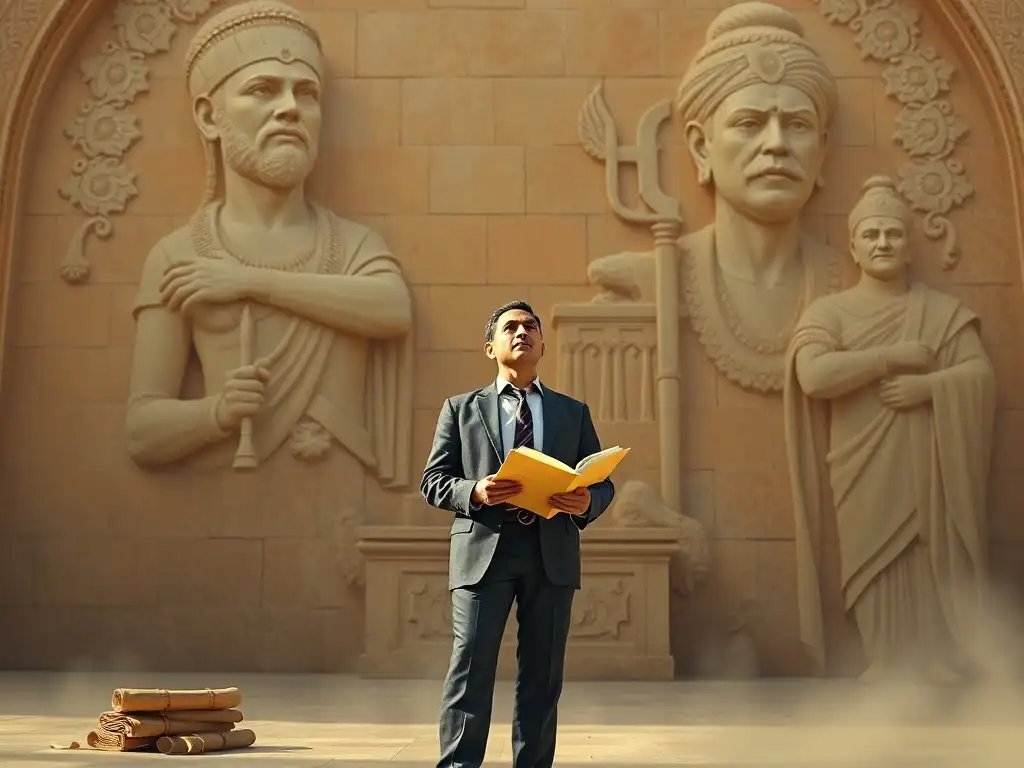
Integrating the principles of ancient Indian leadership into modern politics presents a series of challenges. One of the foremost issues is the contextual difference between ancient societies and contemporary political systems. Ancient leaders operated within vastly different socio-economic, cultural, and political environments, which makes direct application of their methods and philosophies complicated. For instance, the governance styles of the Maurya Empire, characterized by a centralized authority and extensive bureaucracy, may not align with today's democratic ideals that prioritize decentralization and public participation.
Additionally, there is a lack of comprehensive understanding of ancient texts and the nuances of leadership attributes that they espouse. Much of the historical documentation is open to interpretation, and modern politicians may cherry-pick concepts that suit their agendas, leading to a misrepresentation of ancient philosophies. This selective interpretation can dilute the true essence of ancient practices, leading to ineffective or inappropriate applications in modern governance.
Furthermore, there is often a cognitive dissonance among political leaders and the public regarding the relevance of ancient wisdom in the fast-paced, globalized world of today. The rapid advancements in technology, communication, and social norms create a significant gap that challenges the traditional leadership models derived from ancient India.
The Gap Between Ancient Ideals and Contemporary Realities
The ideals of ancient Indian leaders, such as those articulated in texts like the Arthashastra by Kautilya, emphasize strategic governance, ethical leadership, and the role of dharma (righteousness) in politics. However, the translation of these ideals into contemporary governance is fraught with difficulties. Modern political frameworks often prioritize efficiency and pragmatism over ethical considerations, which can lead to conflicts in implementing ancient principles.
Moreover, the pluralistic nature of modern Indian society, characterized by diverse cultures, religions, and political beliefs, presents a challenge in adopting a unifying leadership philosophy. Ancient leaders, such as Ashoka, focused on principles of non-violence and welfare, but translating these ideals into policies that reflect the diversity of modern India requires careful negotiation and consensus-building.
The rapid pace of change in global politics also exacerbates the gap. Leaders today must navigate a landscape heavily influenced by international relations, economic pressures, and technological advancements, which were largely absent in ancient political structures. This difference creates a significant barrier to the effective integration of ancient ideals into the current political discourse.
Overcoming Misinterpretations of Ancient Practices
To effectively integrate ancient leadership principles into modern politics, a concerted effort is required to overcome prevalent misinterpretations. This includes promoting a holistic understanding of ancient texts and philosophies, emphasizing the need for critical analysis rather than superficial adoption. Scholars and political thinkers can play a crucial role in this endeavor by providing context and insight into the complexities of ancient leadership theories.
Educational initiatives that focus on historical literacy can also help bridge the gap. By fostering a deeper appreciation of ancient Indian governance, contemporary leaders can draw upon the strengths of these philosophies while adapting them to fit modern realities. This process requires a commitment to understanding the dynamic interplay between history and current political practices, allowing for a more nuanced application of ancient principles.
Furthermore, engaging in dialogue and discourse among political leaders, historians, and the public can encourage a collective reevaluation of how ancient practices can inform contemporary governance. Such discussions can facilitate the identification of common values that resonate across time, paving the way for a more integrated approach to leadership.
Conclusion: The Lasting Influence of Ancient Indian Leaders on Today's Politics
The impact of ancient Indian leaders on modern governance is profound and multifaceted. By examining the principles and practices of figures such as Ashoka, Chanakya, and others, contemporary politicians can uncover valuable lessons that remain relevant today. These leaders exemplified a blend of ethical governance, strategic foresight, and an emphasis on the welfare of the state, which are ideals that continue to resonate within the fabric of Indian politics.
Summarizing the Impact of Ancient Indian Leaders on Modern Governance
Ancient Indian leaders laid the groundwork for many governance principles that can still be observed in modern political frameworks. Their focus on justice, moral authority, and public welfare has influenced contemporary political thought, encouraging leaders to strive for a balance between power and ethical responsibility. Moreover, the emphasis on consensus-building and the role of dharma in leadership fosters a political environment that values inclusivity and accountability.
The historical narratives surrounding these leaders provide a rich tapestry of examples from which modern politicians can draw inspiration. By understanding the successes and challenges faced by their predecessors, today’s leaders can cultivate a more informed and responsible approach to governance that honors the legacy of ancient Indian leadership.
Future Implications for Political Thought in India
Looking forward, the integration of ancient Indian leadership principles into modern political thought holds significant implications for the future of governance in India. As the nation continues to grapple with complex social and political issues, revisiting the wisdom of ancient leaders can provide innovative solutions rooted in ethical considerations.
Additionally, as globalization and technological advancements reshape the political landscape, the principles of adaptability and strategic foresight exemplified by ancient leaders can guide modern politicians in navigating these changes. The challenge lies in ensuring that these ancient philosophies are not merely idealistic but are actively employed to address contemporary issues, fostering a political culture that champions integrity, inclusivity, and sustainable development.
The influence of ancient Indian leaders on modern Indian politics is both a rich heritage and a pathway toward a more ethical and effective governance model, one that can tackle the challenges of today while honoring the lessons of the past.
References: Exploring Sources on Ancient Indian Leaders and Their Impact Today
Understanding the impact of ancient Indian leaders on modern Indian politics is crucial for grasping the continuity of Indian civilization and governance. A variety of sources, including historical texts, archaeological findings, and scholarly analyses, shed light on the legacies of these leaders. Here are some key references that explore this topic:
- Primary Historical Texts
- Arthashastra by Kautilya (Chanakya): This ancient treatise on statecraft and military strategy provides insights into governance principles that continue to resonate in modern political thought. Kautilya's ideas on diplomacy and realpolitik remain influential in contemporary political discourse.
- Mahabharata: This epic not only narrates the moral dilemmas faced by its characters but also encapsulates the socio-political dynamics of ancient India. The lessons derived from the leadership styles of figures like Yudhishthira and Krishna inform modern leadership paradigms.
- Archaeological Studies
- Excavations at the Indus Valley Civilization: Discoveries from sites like Mohenjo-Daro and Harappa offer insights into early urban governance and societal organization, influencing contemporary views on civic administration.
- Artifacts from the Maurya and Gupta Empires: Items such as coins, inscriptions, and architectural remnants reflect the administrative innovations and cultural policies of leaders like Ashoka and Chandragupta Maurya, which are studied for their relevance in modern governance.
- Scholarly Analyses
- Books and Articles by Historians: Works such as "The Discovery of India" by Jawaharlal Nehru and "Ancient India" by Romila Thapar provide comprehensive overviews of ancient Indian history, highlighting the contributions of various leaders and their influence on modern ideologies.
- Journals and Papers: Academic journals like "Indian Historical Review" often publish articles that analyze the political theories and practices of ancient leaders, drawing parallels to current political systems.
- Biographies and Documentaries
- Biographies of Key Figures: Biographies focusing on leaders such as Ashoka, Akbar, and Chandragupta provide personal insights and contextualize their decisions within the political landscape of their times, offering lessons applicable to modern governance.
- Documentaries and Lectures: Visual media exploring ancient Indian history can make the contributions of these leaders accessible to a broader audience, sparking interest in their relevance today.
- Cultural References
- Literature and Folklore: Stories and parables from ancient texts continue to be referenced in modern Indian literature and culture, reflecting the enduring influence of ancient leaders on societal values and political discourse.
By exploring these sources, one can gain a deeper appreciation of how ancient Indian leaders have shaped the political landscape of contemporary India. Their strategies, philosophies, and governance models continue to inspire modern political leaders and thinkers, affirming the importance of understanding these historical figures in the context of modern governance.
- Introduction: Understanding the Ancient Indian Leaders Impact Today
- Overview of Ancient Indian Leadership and Governance
- Prominent Ancient Indian Leaders and Their Contributions
- The Philosophical Foundations of Ancient Indian Leadership
- Ancient Indian Leaders' Impact on Modern Political Thought
- Case Studies: Modern Political Leaders Inspired by Ancient Indian Leaders
- Challenges in Integrating Ancient Leadership Principles in Modern Politics
- Conclusion: The Lasting Influence of Ancient Indian Leaders on Today's Politics
- References: Exploring Sources on Ancient Indian Leaders and Their Impact Today
- What is the significance of ancient Indian leaders in modern politics?
- How did the Indus Valley civilization contribute to political thought?
- Who were some notable ancient Indian leaders and their contributions?
- In what ways do ancient texts influence current political discourse?
- How does the legacy of ancient Indian leaders affect national identity?
Frequently Asked Questions
What is the significance of ancient Indian leaders in modern politics?
Ancient Indian leaders laid the foundation of governance and administrative practices that continue to influence modern political structures in India.
How did the Indus Valley civilization contribute to political thought?
The Indus Valley civilization introduced advanced urban planning and trade systems, which shaped early political and economic ideologies that are relevant today.
Who were some notable ancient Indian leaders and their contributions?
Leaders like Ashoka the Great and Chandragupta Maurya implemented policies of tolerance and governance that resonate in contemporary Indian political philosophy.
In what ways do ancient texts influence current political discourse?
Ancient texts like the Arthashastra provide insights into statecraft and diplomacy, offering valuable lessons for modern political strategies and governance.
How does the legacy of ancient Indian leaders affect national identity?
The achievements and philosophies of ancient leaders contribute to a unified national identity, fostering pride and continuity in the Indian political landscape today.
Final Reflection: The Enduring Legacy of Ancient Indian Leaders
The impact of ancient Indian leaders on modern Indian politics is not just a historical footnote; it is a vibrant thread woven into the fabric of contemporary governance. As we navigate the complexities of today's political landscape, the principles and philosophies espoused by figures like Ashoka and Chanakya resonate with increasing relevance. Their emphasis on ethical leadership, social justice, and strategic governance continues to inspire current leaders and citizens alike, reminding us that the past holds invaluable lessons for the present.
The teachings of ancient leaders have shaped not only political ideologies but also the cultural consciousness of India. Their legacies encourage us to reflect on the values we uphold in our society today. As we witness the ongoing struggle for justice and equality, we can draw strength from the words of Chanakya: There is some self-interest behind every friendship. There is no friendship without self-interests.
This quote serves as a reminder that while politics may often be viewed through a lens of rivalry, the core of leadership should always be rooted in the collective good and mutual respect.
As we look to the future, I invite you to reflect on how the principles of ancient Indian leaders can guide your own actions and decisions. Consider how you can embody their values in your daily life, whether through civic engagement, ethical leadership, or community service. By embracing these timeless teachings, we can honor the legacy of our ancient leaders and contribute to a more just and equitable society. Let us carry forward their wisdom, ensuring that their impact continues to shape the world for generations to come.
Unveil the Legacy: Shape Today's Politics!
Thank you for exploring the profound influences of ancient Indian leaders on modern politics with us. By understanding their legacies, you've taken a vital step towards appreciating how history shapes our present and future. Now, it’s time to channel that inspiration into action!
- Dive deeper into the lives of influential leaders—choose one to read a detailed biography or watch a documentary today.
- Share your insights! Discuss your discoveries by engaging with friends or participating in online forums dedicated to political history.
- Join a local discussion group or seminar focused on political heritage—your voice can contribute to meaningful conversations!
How do you believe the principles of ancient leadership can influence our modern political landscape?