
The Role of Public Welfare in Ancient Indian Leadership Practices


Welcome to Ancient India History, where we embark on a fascinating journey through the rich tapestry of ancient Indian civilizations. Here, we delve into the leadership practices that shaped societies from the enigmatic Indus Valley to the flourishing Gupta Empire. In our featured article, "The Role of Public Welfare in Ancient Indian Leadership Practices," we uncover how visionary leaders prioritized the well-being of their people, blending governance with compassion.
Curious to learn how these age-old practices resonate in today's leadership ideals? Join us as we explore the profound impact of these key historical figures and their legacies that continue to inspire!
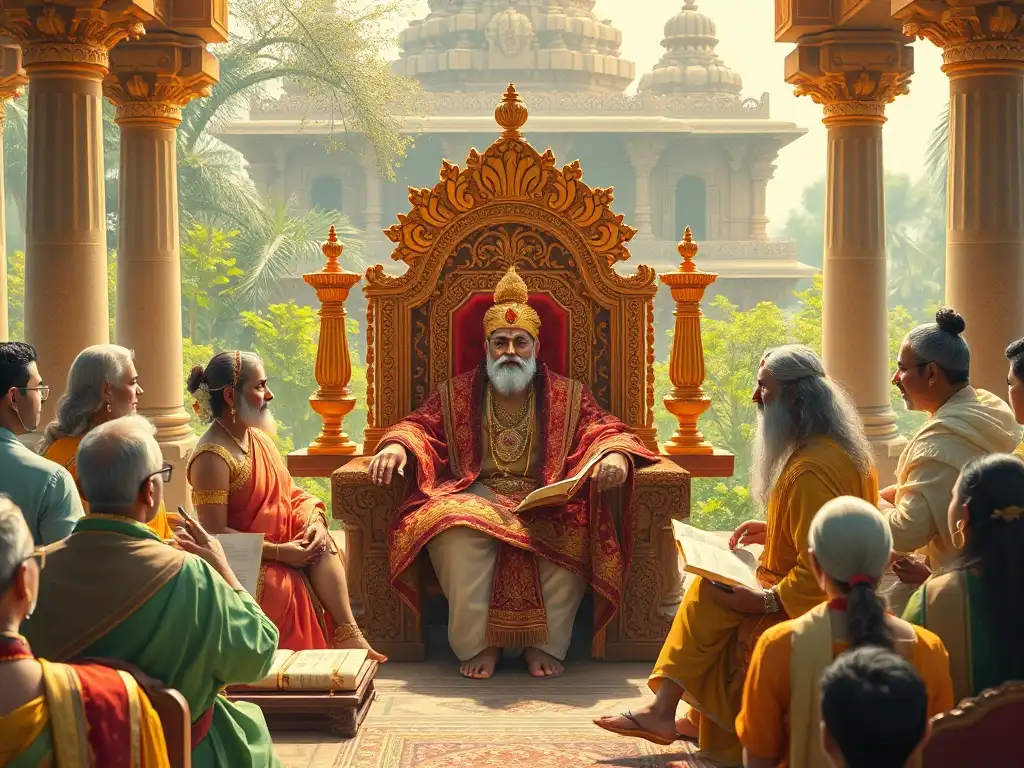
Introduction to Ancient Indian Leadership Practices
The concept of leadership in ancient India was profoundly intertwined with the principles of public welfare and societal well-being. From the early Indus Valley Civilization to the illustrious Gupta Empire, leaders were not only seen as political figures but also as guardians of the people's welfare.
This article delves into the intricate relationship between public welfare and leadership practices in ancient Indian societies, highlighting how these values shaped governance and influenced the actions of key historical figures. Understanding these ancient Indian leadership practices provides valuable insights into the moral and ethical frameworks that defined their rulers' responsibilities toward their subjects.
Overview of Leadership in Ancient India
Leadership in ancient India was characterized by a blend of authority, responsibility, and moral obligation. Rulers were expected to uphold dharma, or duty, which encompassed not only their actions as leaders but also their commitment to the welfare of their citizens. The concept of Raja Dharma emphasized that kingship was a divine responsibility, leading to a governance style that prioritized the needs of the populace.
Key traits of ancient Indian leaders included:
- Wisdom and Knowledge: Leaders were often scholars or philosophers, prioritizing education and informed decision-making.
- Compassion: Empathy towards the subjects was crucial; leaders were expected to listen to grievances and address them.
- Justice: Fairness in administration was paramount, with a focus on maintaining social order and harmony.
This multifaceted approach to leadership not only ensured stability but also fostered loyalty and respect from the populace.
Importance of Public Welfare in Governance
Public welfare was a cornerstone of governance in ancient India, deeply rooted in the belief that the prosperity of the state was directly linked to the well-being of its citizens. Effective rulers implemented various welfare initiatives, often characterized by:
- Agricultural Support: Policies aimed at improving irrigation and farming practices to ensure food security.
- Health and Education: Establishing institutions for healthcare and learning, which reinforced social development.
- Infrastructure Development: Building roads, temples, and public spaces to enhance connectivity and communal life.
The emphasis on public welfare not only solidified the ruler's legitimacy but also established a reciprocal relationship between leaders and their subjects, ensuring that governance was a shared responsibility.
Historical Context of Leadership Practices in Ancient India
Ancient Indian leadership practices did not emerge in isolation but were influenced by various civilizations and philosophical schools of thought. Understanding this context is essential to appreciate the evolution of governance in India.
Key Civilizations and Their Leadership Styles
- Indus Valley Civilization: Early leaders focused on urban planning and trade, reflecting a decentralized approach to governance.
- Maurya Empire: Under leaders like Chandragupta Maurya and Ashoka, there was a significant shift towards centralized authority with an emphasis on welfare policies such as the Dhamma.
- Gupta Empire: Known as a golden age, Gupta rulers promoted cultural and scientific advancements while ensuring the public's needs were met through effective administration.
Each civilization contributed unique elements to the tapestry of ancient Indian leadership, emphasizing different aspects of governance and societal well-being.
The Influence of Religion and Philosophy on Leadership
Religion and philosophy played a pivotal role in shaping leadership practices in ancient India. Hinduism, Buddhism, and Jainism offered diverse perspectives on ethics and governance. Notable influences include:
- Hindu Texts: The Arthashastra by Kautilya provided strategic insights into statecraft, emphasizing the importance of public welfare.
- Buddhist Principles: The teachings of Buddha encouraged leaders to practice compassion and non-violence, which resonated with the populace.
- Jainism: The emphasis on ahimsa (non-violence) shaped the moral compass of many rulers, influencing their policies towards social harmony.
These philosophical doctrines significantly impacted how leaders approached their responsibilities, ultimately fostering a culture of benevolence and social duty in ancient Indian governance.
Core Principles of Public Welfare in Ancient Indian Leadership
Public welfare has been a fundamental aspect of ancient Indian leadership practices, deeply intertwined with the moral and ethical responsibilities of rulers. The core principles of public welfare revolved around the concepts of Dharma, social responsibility, and the well-being of the populace. Ancient leaders were expected to prioritize the welfare of their subjects, ensuring justice and prosperity while adhering to the principles of righteousness.
One of the key tenets was the recognition that the stability of the state depended on the welfare of its people. Leaders practiced a form of governance that was not merely authoritarian but collaborative, involving the participation of various social classes in decision-making processes. They believed that the prosperity of the kingdom was directly tied to the happiness and health of its citizens. Thus, public welfare initiatives were seen as essential to maintaining social harmony and order.
The Concept of Dharma in Leadership
The concept of Dharma plays a pivotal role in understanding ancient Indian leadership practices. Dharma can be translated as duty, righteousness, or moral law, and it served as a guiding principle for rulers in their governance. Leaders were expected to uphold Dharma not only in their personal conduct but also in their administration. This meant delivering justice, protecting the weak, and ensuring the equitable distribution of resources.
An ideal ruler, according to ancient texts, was one who embodied Dharma, acting in the best interest of the people rather than for personal gain. This moral compass influenced decisions regarding taxation, legal matters, and social welfare programs. By adhering to Dharma, rulers established a sense of trust and legitimacy, reinforcing their authority through ethical governance.
The Role of Rajadharma in Ruling
Rajadharma, or the duty of a king, is an extension of Dharma specifically tailored to the responsibilities of leadership. It encompasses a ruler's obligations towards their subjects, emphasizing the importance of justice, protection, and welfare. Ancient texts like the Arthashastra and the Mahabharata elaborate on the principles of Rajadharma, outlining how leaders should govern with a focus on the common good.
The practice of Rajadharma involved various aspects, such as:
- Fair Justice: Ensuring that laws were applied equitably and that justice was accessible to all citizens.
- Military Protection: Defending the realm from external threats and maintaining internal peace.
- Economic Stability: Implementing policies that fostered trade, agriculture, and overall economic growth.
- Spiritual Guidance: Upholding cultural and religious values that unified the kingdom.
By fulfilling their Rajadharma, ancient Indian leaders gained the respect and loyalty of their subjects, which in turn reinforced their power and authority.
Social Responsibilities of Leaders
Ancient Indian rulers were not just political figures; they were also viewed as caretakers of society. Their social responsibilities included addressing the needs of various communities, promoting education, and ensuring public health. Leaders were expected to enact policies that improved infrastructure, such as roads and irrigation systems, which facilitated trade and agriculture.
Moreover, ancient leaders often engaged in philanthropic activities, supporting the establishment of schools, hospitals, and religious institutions. By investing in public welfare, they not only enhanced the quality of life for their subjects but also fostered a sense of unity and collective identity within their kingdoms. This approach to governance highlighted the interconnectedness of leadership and social well-being, a principle that remains relevant in contemporary discussions about effective governance.
Prominent Leaders and Their Public Welfare Initiatives
Throughout ancient Indian history, several leaders exemplified the principles of public welfare in their governance. Their initiatives not only shaped their kingdoms but also left a lasting impact on the collective consciousness of Indian society.
Ashoka the Great: A Model of Compassionate Leadership
Ashoka the Great, who ruled from 268 to 232 BCE, is often celebrated as a paragon of compassionate leadership. Following the devastating Kalinga War, Ashoka underwent a profound transformation, embracing the principles of Dharma and non-violence. His reign marked a significant shift towards public welfare, as he implemented a series of edicts promoting ethical governance, social justice, and the welfare of all beings.
He established hospitals, aimed at both humans and animals, and built roads to facilitate trade and communication. Ashoka's promotion of Buddhism also emphasized compassion and moral living, encouraging his subjects to practice non-violence and empathy. His legacy is a testament to the idea that effective leadership is rooted in the well-being of the populace.
Chandragupta Maurya: Foundations of Welfare Policies
Chandragupta Maurya, the founder of the Maurya Empire, laid the groundwork for a welfare-oriented governance model. His administration, guided by the strategic advice of Kautilya (Chanakya), focused on economic prosperity and social stability. Chandragupta implemented policies to regulate trade, agriculture, and taxation, ensuring that the resources of the empire were managed effectively for the benefit of all citizens.
His welfare initiatives included the construction of irrigation systems and the establishment of markets that provided access to goods and services for the populace. Chandragupta's commitment to the welfare of his subjects reflects the ancient Indian leadership practice of prioritizing the needs of the people as a pathway to a stable and prosperous state.
Other Influential Figures and Their Contributions
In addition to Ashoka and Chandragupta, several other influential leaders made significant contributions to public welfare in ancient India. For instance:
- Harsha Vardhana: A 7th-century ruler known for his patronage of education and the arts, Harsha established hospitals and provided aid to travelers, reflecting his commitment to social welfare.
- Krishna Deva Raya: The ruler of the Vijayanagara Empire, who focused on agricultural development, irrigation projects, and the promotion of culture, enhancing the quality of life in his kingdom.
- Rani Durgavati: A warrior queen who not only defended her kingdom but also initiated various welfare projects to support the welfare of her subjects, emphasizing women's empowerment and education.
These leaders exemplified the diverse ways in which public welfare was integrated into ancient Indian leadership practices, showcasing a rich tradition of governance that prioritized the well-being of the people.
The Impact of Public Welfare on Ancient Indian Society
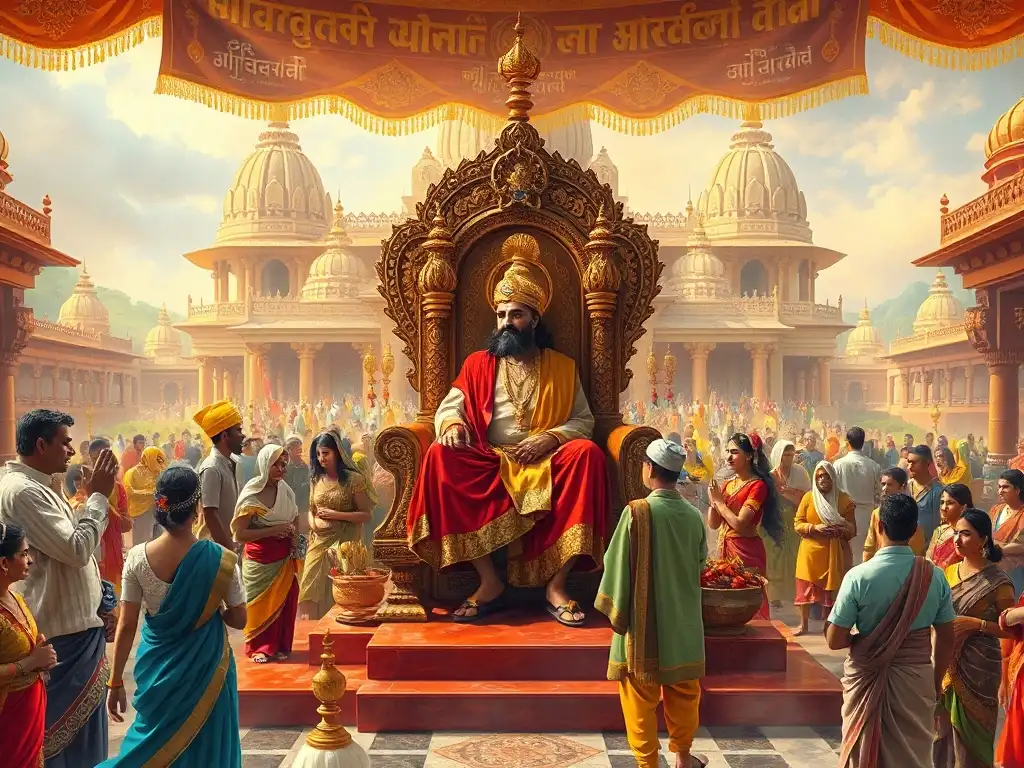
Public welfare played a crucial role in shaping ancient Indian society, influencing various aspects of life, including social structure, economic stability, and cultural richness. The leaders of ancient India understood that the well-being of their subjects was paramount to maintaining authority and ensuring the longevity of their kingdoms. This focus on public welfare was often manifested through various initiatives aimed at alleviating poverty, providing healthcare, and ensuring access to education.
The concept of "Dharma" (righteousness) was central to ancient Indian leadership, intertwining the notion of governance with moral and ethical responsibility towards the populace. Leaders, such as those from the Maurya and Gupta empires, recognized that a content and healthy citizenry would contribute positively to the state's overall prosperity, leading to a cycle of growth and stability.
Social Stability and Economic Prosperity
Ancient Indian leaders prioritized public welfare as a means to foster social stability and economic prosperity. By investing in infrastructure, such as roads, irrigation systems, and granaries, they ensured that agricultural productivity increased, which in turn supported larger populations. This economic foundation helped prevent famine and unrest among the populace, leading to a more stable society.
Moreover, the establishment of welfare programs, such as free medical care and food distribution during times of crisis, directly contributed to social cohesion. This is evident during the reign of Ashoka, who implemented policies that emphasized non-violence and care for all beings. His efforts to promote welfare not only mitigated suffering but also reinforced his legitimacy as a ruler, as citizens recognized his commitment to their well-being.
The Role of Public Welfare in Cultural Development
Public welfare initiatives in ancient India were not solely focused on economic stability but also played a significant role in cultural development. The promotion of education and the arts were often funded by the state, leading to a flourishing of intellectual and artistic endeavors. Educational institutions, such as Nalanda and Takshashila, were established to nurture scholars and thinkers, promoting a culture of inquiry and innovation that was pivotal for societal advancement.
Furthermore, public welfare contributed to the preservation and promotion of cultural heritage. Festivals and public celebrations were often supported by the state, fostering a sense of community and shared identity among diverse groups. This cultural patronage helped to unify various ethnicities and traditions under the broader umbrella of ancient Indian civilization, allowing for a vibrant exchange of ideas and practices.
Case Studies of Successful Welfare Initiatives
Several ancient Indian rulers are noted for their successful welfare initiatives that had a lasting impact on society.
- Ashoka the Great (c. 268–232 BCE): His edicts emphasized the importance of compassion and public welfare. Ashoka established hospitals for humans and animals, and his famous Rock Edicts promoted the values of kindness and tolerance.
- Chandragupta Maurya (c. 340–297 BCE): Under his rule, extensive infrastructure projects, including roads and irrigation systems, were undertaken, which improved agricultural productivity and facilitated trade, leading to economic growth.
- Harsha Vardhana (c. 606–647 CE): Known for his charitable works, he established free hospitals and organized regular almsgiving, which significantly aided the poor and reinforced his reputation as a benevolent ruler.
These case studies highlight how public welfare initiatives not only addressed immediate needs but also established the legacy of these leaders as compassionate and effective rulers.
Comparative Analysis of Public Welfare Practices
Public Welfare in Ancient India vs. Other Civilizations
When comparing public welfare practices in ancient India with other contemporary civilizations, notable differences and similarities emerge. For instance, while both ancient India and the Roman Empire invested in public infrastructure, the focus in India was more holistic, encompassing moral and ethical dimensions through the lens of Dharma.
In contrast, the Roman welfare system often prioritized military and political objectives, using welfare to maintain loyalty among its citizens rather than fostering a broader social responsibility. Similarly, while the Chinese dynasties provided welfare through state-sponsored initiatives, they often emphasized Confucian ideals of hierarchy and duty, which differed from the inclusive nature of Indian welfare practices.
Ancient Indian leaders integrated public welfare within their governance framework, viewing it as essential for social harmony and cultural flourishing, whereas other civilizations sometimes approached welfare as a means of control or economic advantage.
Lessons from Ancient Indian Leadership for Modern Governance
The principles of public welfare established by ancient Indian leaders offer valuable lessons for modern governance. Firstly, the acknowledgment that the well-being of citizens is fundamental to national stability and prosperity remains relevant today. Governments can benefit from prioritizing health care, education, and social services to enhance the quality of life for all citizens.
Secondly, the integration of ethical and moral considerations into leadership practices can lead to more compassionate governance. Modern leaders can draw inspiration from the ancient Indian emphasis on Dharma, fostering policies that promote social justice and equity.
Finally, the historical examples of successful welfare initiatives underscore the importance of community involvement and stakeholder engagement in policy-making. By involving citizens in the decision-making process, modern governments can ensure that welfare initiatives are effectively tailored to meet the needs of their populations, ultimately leading to a more harmonious and prosperous society.
Conclusion
In examining the role of public welfare in ancient Indian leadership practices, it becomes evident that these principles were deeply ingrained in the governance models of various civilizations. Leaders from the Indus Valley Civilization through to the Gupta Empire recognized that their authority was not only derived from power but also from their ability to ensure the well-being of their subjects. This commitment to public welfare manifested in various forms, including infrastructure development, agricultural support, and social services aimed at uplifting the marginalized sections of society.
The ancient Indian leaders understood that sustainable governance relied on the happiness and prosperity of the populace. They implemented policies that prioritized collective welfare over individual gain, often promoting the idea that true leadership entails serving the community. By aligning their governance strategies with the needs of the people, these leaders fostered a sense of loyalty and shared identity, which were crucial for maintaining stability and progress within their realms.
Summary of Key Insights on Public Welfare and Leadership
- Integration of Welfare in Governance: Ancient Indian leaders consistently integrated public welfare into their governance strategies, viewing it as a cornerstone of their authority and legitimacy.
- Community-Centric Policies: Leadership practices were characterized by policies that emphasized community well-being, including agricultural innovations, healthcare measures, and educational initiatives aimed at improving the quality of life for all citizens.
- Moral and Ethical Foundations: The moral and ethical considerations in leadership were paramount, with leaders expected to act righteously and justly, reflecting the values of dharma (duty) and karma (action) that guided societal norms.
- Economic Development: Public welfare was also linked to economic prosperity; leaders invested in infrastructure such as roads, irrigation systems, and trade routes to facilitate commerce and improve living conditions.
- Social Equality: Many leaders sought to address social inequalities by implementing measures that provided support to disadvantaged groups, illustrating a commitment to social justice that resonates with modern principles of governance.
The Legacy of Ancient Indian Leadership Practices in Contemporary Society
The legacy of ancient Indian leadership practices continues to influence contemporary governance in various ways. Modern leaders often draw inspiration from the principles of public welfare established by their ancient counterparts, recognizing the importance of serving the community as a foundation for legitimate authority.
- Welfare Programs: Today, many governments implement welfare programs aimed at reducing poverty and improving access to education and healthcare, echoing the ancient recognition of the necessity for collective well-being.
- Participatory Governance: The values of inclusivity and participatory governance, where citizens have a voice in decision-making processes, find their roots in the practices of ancient Indian leaders who prioritized the needs of the populace.
- Ethical Leadership: The emphasis on ethics and morality in leadership is still relevant, with calls for leaders to act transparently and justly, reminiscent of the ancient ideals of dharma.
The principles of public welfare ingrained in ancient Indian leadership practices provide a rich framework that continues to shape contemporary leadership and governance. By reflecting on these practices, modern society can glean valuable insights into effective leadership and the enduring importance of prioritizing the welfare of the people.
- Introduction to Ancient Indian Leadership Practices
- Historical Context of Leadership Practices in Ancient India
- Core Principles of Public Welfare in Ancient Indian Leadership
- Prominent Leaders and Their Public Welfare Initiatives
- The Impact of Public Welfare on Ancient Indian Society
- Comparative Analysis of Public Welfare Practices
- Conclusion
- What were the main features of ancient Indian leadership practices?
- How did public welfare influence leadership in ancient India?
- Who were some notable leaders known for their public welfare initiatives?
- What role did religion play in leadership practices?
- How do ancient Indian leadership practices compare to modern leadership?
Frequently Asked Questions
What were the main features of ancient Indian leadership practices?
Ancient Indian leadership practices emphasized public welfare, moral governance, and community involvement, reflecting a deep commitment to serving the needs of the people.
How did public welfare influence leadership in ancient India?
Public welfare was a core principle guiding ancient Indian leaders, ensuring that policies and decisions were made with the well-being of the community in mind, fostering social harmony and prosperity.
Who were some notable leaders known for their public welfare initiatives?
Notable leaders, such as Ashoka the Great, were renowned for their promoting peace and social justice, implementing policies that prioritized public health, education, and infrastructure.
What role did religion play in leadership practices?
Religion significantly influenced leadership practices, with many leaders deriving their authority from divine right or spiritual legitimacy, which often motivated them to promote moral and ethical governance.
How do ancient Indian leadership practices compare to modern leadership?
Ancient Indian leadership practices focused on collective welfare and ethical governance, which can still resonate today, as modern leaders increasingly prioritize sustainability and community engagement in their policies.
Final Reflection: The Enduring Legacy of Ancient Indian Leadership Practices
The principles of public welfare in ancient Indian leadership practices remain profoundly relevant today, as they remind us of the essential bond between governance and the well-being of the community. In an era where the focus often shifts towards individual success and profit, the wisdom of ancient leaders teaches us that true leadership is measured by the positive impact one has on society. The lessons drawn from these practices compel us to reconsider our contemporary approaches to leadership and governance, urging us to prioritize collective welfare over personal ambition.
The influence of ancient Indian leadership practices can be seen in the ongoing discourse surrounding ethical governance and social responsibility. These practices not only shaped the political landscape of their time but also laid the groundwork for modern concepts of inclusive leadership and community service.
As Mahatma Gandhi once said, "> The best way to find yourself is to lose yourself in the service of others." This sentiment echoes the core tenets of ancient leadership, reminding us that the essence of leadership lies in serving the greater good, a principle that continues to resonate in today's social and political arenas.
As we reflect on the teachings of ancient Indian leadership, let us embrace the call to action by integrating these timeless values into our own lives. Consider how you can embody the spirit of public welfare in your daily actions, whether through community service, ethical decision-making, or fostering inclusive environments. By doing so, we not only honor the legacy of our ancestors but also pave the way for a more compassionate and equitable future. The journey of leadership is not just about authority; it is about uplifting those around us, and it starts with each one of us.
Unveil the Impact of Public Welfare in Leadership!
Thank you for diving into the fascinating world of ancient Indian leadership and its emphasis on public welfare! We hope you discovered how crucial this principle was in shaping a prosperous society. Now, it’s time to take that insight and put it into action.
Here are a few ways you can continue exploring this transformative concept:
- Engage with Your Community: Organize or participate in a local initiative that focuses on public welfare, emulating the efforts of ancient leaders who worked to uplift their communities!
- Educate & Inspire: Share insights from this article with friends and family, fostering discussions about the significance of welfare in contemporary leadership.
- Dive Deeper: Explore more articles on our website about various ancient practices and their relevance to today's leadership strategies.
What do you believe is the most significant lesson that modern leaders can learn from the public welfare practices of ancient India? Share your thoughts below!