
The Contributions of Chanakya: The Strategic Mind Behind the Mauryan Empire


Welcome to Ancient India History, where we embark on a captivating journey through the rich tapestry of India's past. Delve into the profound contributions of remarkable figures, like Chanakya, whose strategic genius was instrumental in shaping the Mauryan Empire. What drove this brilliant mind, and how did his insights influence a civilization that thrived thousands of years ago?
Prepare to uncover the layers of history that make up this extraordinary narrative, and discover why Chanakya remains a pivotal figure in the annals of ancient Indian history. Join us as we explore his impactful legacy and the broader context of the era.
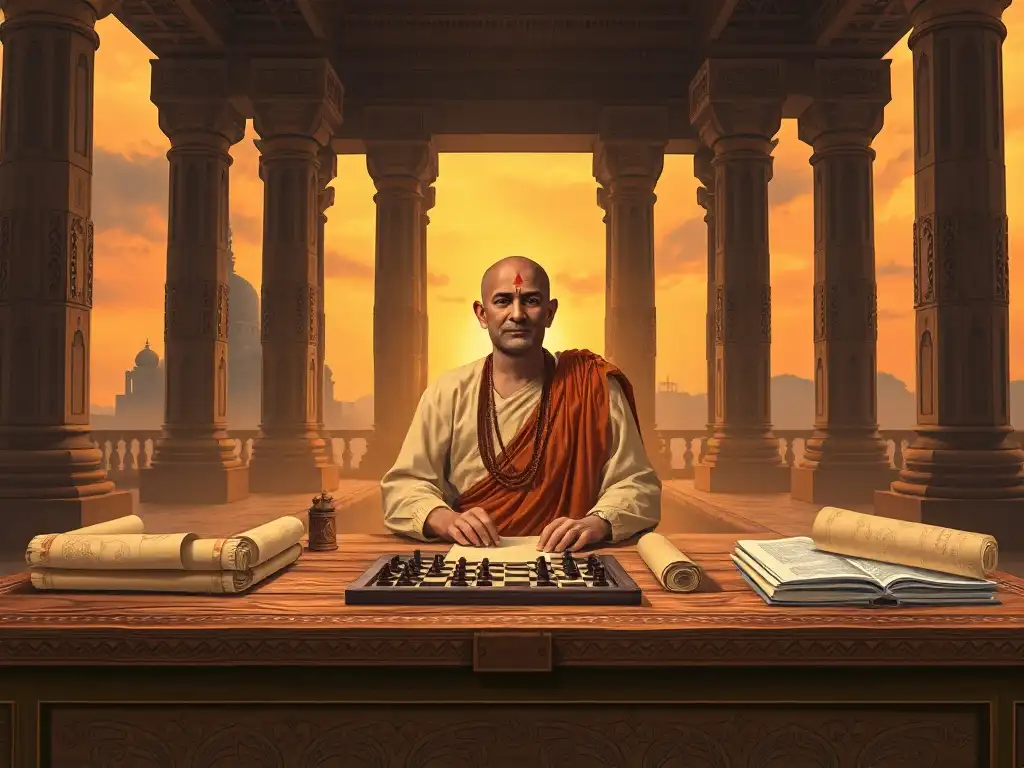
Introduction to Chanakya and His Role in the Mauryan Empire
Chanakya, also known as Kautilya or Vishnugupta, is a towering figure in ancient Indian history, revered for his pivotal role in the establishment and consolidation of the Mauryan Empire. His contributions extend far beyond mere political maneuvering; he was a profound thinker, strategist, and philosopher whose ideas and policies shaped the very foundation of governance in one of India's most illustrious empires. As the chief advisor to Emperor Chandragupta Maurya, Chanakya's vision not only facilitated the rise of the Mauryan dynasty but also established principles that resonate through Indian political thought to this day.
In this article, we delve into Chanakya's contributions to the Mauryan Empire, exploring his strategic mind and the lasting impact of his policies on ancient India. By examining his background, his role in the empire's formation, and the specific strategies he employed, we gain a comprehensive understanding of how Chanakya's influence helped navigate the complexities of governance, economics, and military affairs during this transformative period in Indian history.
Overview of Chanakya’s Background
Born into a Brahmin family in ancient India, Chanakya was not just a scholar but also a keen observer of the political landscape. His early experiences, including his betrayal by the Nanda dynasty, fueled his resolve to overthrow their rule. This personal vendetta led him to seek out Chandragupta Maurya, a young and ambitious leader, with whom he would forge a powerful alliance. Chanakya’s knowledge of the ancient texts, particularly the Arthashastra, a treatise on statecraft and economics, set him apart as a master strategist and advisor.
- Key Points:
- Chanakya was a Brahmin scholar and strategist.
- His experiences shaped his political views and ambitions.
- Authored the Arthashastra, a cornerstone of political philosophy.
Importance of Chanakya in Ancient Indian History
Chanakya's significance in ancient Indian history cannot be overstated. He is often credited with laying the groundwork for the Mauryan Empire, which became one of the largest empires in ancient India. His teachings on governance, diplomacy, and military strategy have influenced not only his contemporaries but also generations of leaders and scholars.
- Influence on Governance:
- Introduced innovative political concepts and strategies.
- Advocated for a pragmatic approach to leadership.
- Legacy:
- Chanakya's principles continue to be studied and applied in modern governance and political strategy.
Chanakya’s Contributions to the Mauryan Empire
Chanakya's contributions to the Mauryan Empire were multifaceted, encompassing political, economic, and military domains. His strategic thinking enabled the empire to thrive and withstand various challenges during its formative years.
Political Strategies Implemented by Chanakya
One of Chanakya's most significant contributions was his adeptness in political strategy. He understood the intricacies of power dynamics and utilized a range of tactics to secure Chandragupta’s position as emperor.
- Key Strategies:
- Formed alliances with regional powers to strengthen the Mauryan position.
- Employed espionage and intelligence to gather crucial information about adversaries.
- Implemented a system of governance that emphasized meritocracy and efficiency.
Economic Policies and Their Impact
Chanakya was also a visionary in terms of economic policy. He recognized the importance of a strong economy in maintaining a stable empire and devised strategies to enhance trade and agriculture.
- Economic Reforms:
- Introduced taxation systems that balanced state revenue with citizen welfare.
- Promoted trade routes that facilitated commerce across the empire.
- Encouraged agricultural productivity through irrigation and land reforms.
Military Innovations and Tactics
Chanakya's military acumen was pivotal in establishing the Mauryan Empire's dominance. He not only strategized the initial campaigns against the Nandas but also laid the groundwork for future military operations.
- Innovative Tactics:
- Developed strategies for guerilla warfare to counter larger armies.
- Emphasized the importance of logistics and supply chains in military campaigns.
- Advocated for training and discipline within the military ranks.
Chanakya's contributions to the Mauryan Empire are a testament to his strategic genius and visionary leadership. His influence continues to be felt in various aspects of governance and military strategy, marking him as one of the most significant figures in ancient Indian history.
The Philosophical Foundations of Chanakya's Contributions
Chanakya, also known as Kautilya, was not only a brilliant strategist and political thinker but also a profound philosopher whose work laid the groundwork for several key aspects of governance and administration in ancient India. His contributions were deeply rooted in a pragmatic and realistic approach to leadership, emphasizing the importance of power, strategy, and economic management.
At the heart of Chanakya's philosophy is the belief that the state is paramount and must be maintained through effective governance. He posited that the ruler's primary duty is to ensure the welfare of the state, even if it requires morally ambiguous actions. This utilitarian view, often summarized in the famous phrase "the end justifies the means," informed many of his strategies and policies, which aimed to strengthen the Mauryan Empire’s position in a complex political landscape.
Chanakya’s teachings also reflect a deep understanding of human nature and behavior, as he recognized that personal motivations and ambitions often drive political actions. This insight allowed him to devise strategies that effectively manipulated relationships and power dynamics, both within the empire and with external entities. His ideas continue to resonate in contemporary discussions of political theory and strategy.
Chanakya’s Teachings in Arthashastra
The Arthashastra, Chanakya's seminal work, serves as a comprehensive manual on statecraft, economics, and military strategy. Written in Sanskrit, this ancient text outlines various principles of governance, including administration, law, and ethics.
One of the key teachings of the Arthashastra is the importance of dharma (duty) and artha (wealth), which Chanakya believed were essential for a ruler to achieve stability and prosperity. He emphasized that rulers should pursue wealth and resources judiciously to strengthen their states. His practical approach advocated for a balanced view of ethics and morality, suggesting that sometimes, leaders must make difficult choices for the greater good of their kingdom.
Moreover, Chanakya's work delves into intelligence gathering as a vital component of governance. He advised rulers to be well-informed about their surroundings, including the affairs of rivals, the sentiments of the populace, and the economic conditions. This emphasis on intelligence and adaptability helped solidify the Mauryan Empire's power and influence during its zenith.
The Influence of Chanakya’s Philosophy on Governance
Chanakya's philosophy profoundly influenced the governance of the Mauryan Empire, establishing a framework that prioritized efficiency and effectiveness. His teachings underlined the necessity for rulers to be both shrewd and benevolent, cultivating a balance between power and moral responsibility.
His emphasis on meritocracy in administration ensured that capable individuals were appointed to key positions, irrespective of their social backgrounds. This approach not only fostered loyalty among officials but also promoted competence within the bureaucracy, enhancing the overall governance of the empire.
Additionally, Chanakya's insights into public welfare and economic management shaped policies that aimed to uplift the common people. He advocated for infrastructure development, trade regulation, and agricultural productivity, laying the groundwork for a prosperous society. His philosophies on governance have continued to be relevant, influencing leaders and policymakers throughout history.
The Legacy of Chanakya in the Mauryan Empire
Chanakya's contributions to the Mauryan Empire extend beyond his immediate influence; his legacy is evident in the enduring principles of statecraft and governance he established. His strategic mindset and comprehensive understanding of political dynamics helped shape the Mauryan Empire into one of the most powerful and influential states in ancient India.
His role in the rise of Chandragupta Maurya, the founder of the Mauryan Empire, is particularly noteworthy. Chanakya was instrumental in orchestrating the overthrow of the Nanda dynasty, guiding Chandragupta in both military and political tactics that ultimately led to the establishment of a unified and expansive empire.
How Chanakya Shaped the Mauryan Administration
Chanakya's influence on the Mauryan administration was profound and multifaceted. He implemented rigorous administrative reforms that enhanced governance and efficiency. For instance, he structured the empire’s bureaucracy into various departments, each responsible for specific functions such as taxation, law enforcement, and public works. This division of labor allowed for a more organized and responsive government.
Moreover, Chanakya emphasized the importance of local governance, encouraging regional autonomy while maintaining overall imperial control. This approach not only empowered local leaders but also fostered loyalty to the central authority, ensuring stability across the vast empire.
His methods of surveillance and intelligence collection were also revolutionary. By establishing a network of spies, Chanakya ensured that the emperor remained well-informed about both internal and external threats, allowing for timely and strategic responses to potential crises.
Contributions to Diplomacy and International Relations
Chanakya's contributions to diplomacy and international relations were equally significant. He recognized that alliances and strategic partnerships were crucial for maintaining the empire's security and expanding its influence. His diplomatic strategies included both coercive tactics and negotiation, showcasing a nuanced understanding of power dynamics.
In his approach to foreign policy, Chanakya advocated for a realpolitik stance, where decisions were made based on practical considerations rather than ideological beliefs. This perspective allowed the Mauryan Empire to navigate complex relationships with neighboring states, employing both diplomacy and military might as necessary.
Chanakya also introduced concepts such as alliances through marriage and economic treaties, which not only strengthened political ties but also facilitated trade and cultural exchange. His diplomatic strategies laid the groundwork for the Mauryan Empire to become a dominant force in ancient India, influencing the region's political landscape for centuries to come.
Comparing Chanakya’s Strategies with Other Historical Figures
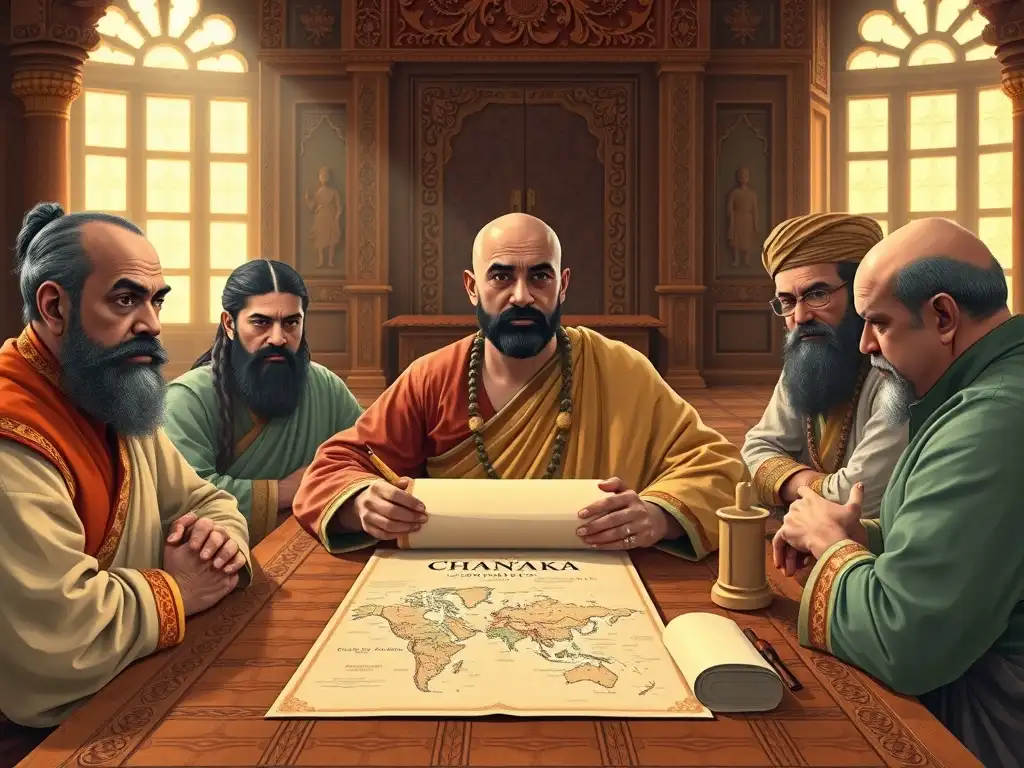
Chanakya, often known as Kautilya, was a master strategist whose contributions to the Mauryan Empire were pivotal. His approaches to governance, warfare, and diplomacy set him apart from other historical figures. When comparing Chanakya’s strategies with those of leaders such as Sun Tzu, Machiavelli, and even Ashoka, several unique traits emerge that highlight his exceptional capabilities.
- Adaptability: Unlike many leaders who adhered strictly to their philosophies, Chanakya demonstrated remarkable flexibility in adapting his strategies based on situational demands. His ability to pivot quickly allowed him to navigate the complex political landscapes of ancient India.
- Use of Espionage: Chanakya emphasized intelligence gathering as a core component of his strategies. His systematic use of spies and informants was revolutionary, particularly in a time when direct confrontation often overshadowed the subtleties of subterfuge.
- Focus on Economic Strength: While many leaders prioritized military might, Chanakya understood the importance of economic power. He advocated for a strong economy as the backbone of a prosperous state, ensuring that resources were allocated effectively to support military and diplomatic efforts.
These distinguishing characteristics not only underscored Chanakya’s strategic brilliance but also positioned him as a key architect of the Mauryan Empire's success.
Chanakya vs. Other Influential Leaders in Ancient India
Chanakya's role as a strategist and advisor to Chandragupta Maurya presents a stark contrast to other influential leaders in ancient India. Figures like Ashoka the Great, who focused on spreading Buddhism and promoting non-violence, exhibited different leadership styles. While Ashoka’s reign emphasized moral governance and welfare, Chanakya’s approach was pragmatic, often prioritizing the stability and strength of the state above all.
- Strategic Alliances: Chanakya was adept at forming alliances with various kingdoms, utilizing marriage and diplomacy to enhance the Mauryan Empire's influence. In contrast, leaders like Harsha were more focused on military conquests without the same level of diplomatic finesse.
- Realpolitik: Chanakya’s strategies were grounded in realpolitik, which often involved morally ambiguous decisions for the greater good of the empire. This contrasts sharply with the more idealistic approaches of other leaders, who may have been constrained by ethical considerations.
- Legacy of Governance: Chanakya’s treatise, the Arthashastra, laid the foundation for statecraft and economic policy that influenced not only his contemporaries but also future generations. This contrasts with leaders like Vikramaditya, whose contributions were largely cultural rather than administrative or strategic.
The diverse methodologies of these leaders reflect the multifaceted nature of governance and strategy in ancient India, with Chanakya standing out for his calculated and sometimes ruthless pragmatism.
Unique Aspects of Chanakya’s Approach to Leadership
Chanakya’s approach to leadership was characterized by several unique aspects that made his strategies particularly effective in the context of the Mauryan Empire.
- Intellectual Foundation: Chanakya’s intellectual prowess was evident in his writings, particularly the Arthashastra, which provided a comprehensive framework for governance, economics, and military strategy. His emphasis on knowledge as power laid the groundwork for future leaders.
- Focus on Meritocracy: Unlike many leaders who favored hereditary rule, Chanakya believed in the promotion of individuals based on merit. His ability to identify and elevate capable individuals, regardless of their background, fostered loyalty and competence within the administration.
- Tactical Warfare: Chanakya’s understanding of military tactics went beyond traditional warfare. He employed guerrilla tactics and psychological warfare, effectively using deception and surprise to outmaneuver larger armies.
These unique aspects of Chanakya’s leadership contributed significantly to his effectiveness as a strategist and advisor, ultimately leading to the establishment of one of India’s most powerful empires.
Conclusion: The Enduring Influence of Chanakya’s Contributions
Chanakya's contributions to the Mauryan Empire extend far beyond his immediate historical context. His strategic insights and governance principles continue to resonate in modern political discourse and statecraft. Chanakya’s ability to blend philosophy with pragmatic governance offers timeless lessons that remain relevant in contemporary leadership scenarios.
Reflections on Chanakya’s Relevance in Modern Governance
In today’s complex political landscape, the relevance of Chanakya's strategies is evident. His emphasis on strategic thinking, intelligence, and adaptability can guide modern leaders in navigating challenges.
- Strategic Decision-Making: Chanakya’s approach to decision-making, emphasizing data-driven analysis and situational awareness, is crucial for leaders today who face rapidly changing environments.
- Ethics vs. Pragmatism: The balance between ethical considerations and pragmatic governance remains a contentious issue. Chanakya’s emphasis on the greater good may serve as a foundation for modern leaders grappling with similar dilemmas.
Ultimately, Chanakya’s insights into leadership and governance provide a framework that transcends time, offering valuable lessons for effective leadership today.
Summary of Key Contributions to the Mauryan Empire
Chanakya's contributions to the Mauryan Empire can be summarized as follows:
| Contribution | Description |
|---|---|
| Strategic Advisor | Played a crucial role in the establishment and consolidation of the Mauryan Empire. |
| Military Tactics | Developed innovative strategies that emphasized intelligence and psychological warfare. |
| Economic Policies | Advocated for a strong economy as the foundation of state power and stability. |
| Administrative Reforms | Promoted meritocracy in governance, ensuring capable individuals led various state functions. |
| Philosophical Foundations | Authored the Arthashastra, which remains a critical text on governance and strategy. |
Through these contributions, Chanakya not only shaped the Mauryan Empire but also left an indelible mark on the history of governance in India and beyond.
Suggested Further Reading on Chanakya and Ancient Indian Leadership
To deepen your understanding of Chanakya's contributions to the Mauryan Empire and explore the broader context of ancient Indian leadership, a variety of resources are available. These include a selection of books, articles, and online platforms that provide insights into Chanakya’s life, teachings, and the political landscape of ancient India. Here’s a curated list to guide your exploration.
Recommended Books and Articles
-
"The Arthashastra" by Chanakya (Kautilya)
This ancient treatise on statecraft, economic policy, and military strategy is one of Chanakya's most significant contributions. It offers a comprehensive view of governance and is essential for understanding his political philosophy.
-
"Chanakya: The Man Behind the Maurya Empire" by Radhakrishnan Pillai
This book presents an engaging narrative of Chanakya’s life and his role in establishing the Mauryan Empire, emphasizing his wisdom and strategic acumen.
-
"Kautilya's Arthashastra: A New Annotated Translation" by Shama Sharma
This modern translation provides insights into the original text while making it accessible for contemporary readers. It includes annotations that clarify the historical and cultural context of Chanakya’s strategies.
-
"Chanakya's 7 Secrets of Leadership" by Shiv Khera
In this book, Khera draws lessons from Chanakya’s life, presenting them in a modern context. It explores how Chanakya's principles of leadership can be applied today.
-
"The Rise and Fall of the Mauryan Empire"
This article delves into the political dynamics of the Mauryan Empire, highlighting Chanakya’s tactical genius and his critical role in its formation and expansion.
Online Resources for Exploring Chanakya’s Philosophy and Strategies
-
Chanakya's Arthashastra Online
Several platforms offer digital versions of the Arthashastra, allowing readers to explore Chanakya's thoughts on governance, economics, and military tactics freely.
-
Podcasts on Ancient Indian Philosophy
Numerous podcasts focus on ancient Indian history and philosophy, featuring episodes dedicated to Chanakya’s contributions and teachings. These audio resources can provide a dynamic way to engage with the material.
-
YouTube Channels
Educational channels often feature documentaries and lectures about Chanakya, exploring his life and the impact of his strategies on the Mauryan Empire and beyond.
-
Online Courses on Indian History
Various educational platforms offer courses on ancient Indian history, with specific modules dedicated to influential figures like Chanakya. These courses often provide a structured learning experience with expert insights.
-
Webinars and Virtual Conferences
Keep an eye out for webinars hosted by historians and scholars specializing in ancient Indian history. These events can provide contemporary analyses of Chanakya's strategies and their relevance today.
By engaging with these resources, readers can gain a more nuanced understanding of Chanakya's contributions to the Mauryan Empire and the legacy of his strategic thinking in the realm of leadership.
- Introduction to Chanakya and His Role in the Mauryan Empire
- Chanakya’s Contributions to the Mauryan Empire
- The Philosophical Foundations of Chanakya's Contributions
- The Legacy of Chanakya in the Mauryan Empire
- Comparing Chanakya’s Strategies with Other Historical Figures
- Conclusion: The Enduring Influence of Chanakya’s Contributions
- Suggested Further Reading on Chanakya and Ancient Indian Leadership
Frequently Asked Questions
What were Chanakya's key contributions to the Mauryan Empire?
Chanakya, also known as Kautilya, played a crucial role in the establishment of the Mauryan Empire by serving as an advisor and strategist to Chandragupta Maurya, implementing policies that laid the foundation for the empire's success.
How did Chanakya influence Indian political philosophy?
Chanakya authored the Arthashastra, a seminal text that provides insights into politics, economics, and statecraft, shaping Indian political philosophy and governance for centuries.
What was the significance of Chanakya's strategies in warfare?
Chanakya's strategies, including the use of guerrilla tactics and psychological warfare, were instrumental in defeating larger armies, showcasing his brilliance in military strategy during the Mauryan conquests.
Did Chanakya have a role in the administration of the Mauryan Empire?
Yes, Chanakya was a key figure in the administration, implementing efficient governance practices and establishing a robust bureaucratic system that ensured the empire's stability and prosperity.
How is Chanakya's legacy perceived today?
Chanakya is regarded as a great thinker and strategist, with his teachings and philosophies continuing to influence contemporary thoughts on leadership and political strategy in India and beyond.
Final Reflection: The Enduring Legacy of Chanakya's Strategic Genius
The contributions of Chanakya to the Mauryan Empire remain profoundly relevant today, as they exemplify the power of strategic thinking and political acumen in shaping history. In an era where leadership and governance are more critical than ever, Chanakya's insights remind us that the art of strategy transcends time and culture. His ability to navigate complex political landscapes and his emphasis on education and diplomacy serve as a guiding light for contemporary leaders facing multifaceted challenges.
Chanakya's influence extends beyond the historical context of the Mauryan Empire, resonating deeply within our cultural and social frameworks. His principles of governance and statecraft continue to inspire modern political thought and practices. There is some self-interest behind every friendship. There is no friendship without self-interests.
This quote encapsulates the pragmatic approach Chanakya advocated, urging us to recognize the intricate web of relationships that define our social interactions and governance today.
As we reflect on Chanakya's contributions, let us embrace the lessons of strategic foresight and adaptability in our own lives. Consider how you can apply his teachings to navigate your personal and professional challenges. Whether it’s through fostering meaningful relationships, honing your leadership skills, or understanding the dynamics of power, the essence of Chanakya's wisdom invites us to be proactive architects of our destinies.
Unveil the Wisdom of Chanakya: Take Action Now!
Thank you for exploring the strategic insights of Chanakya and his significant contributions to the Mauryan Empire! Your study of this remarkable figure not only illuminates India's ancient history but also provides invaluable lessons in leadership, strategy, and resilience. Now, it’s your turn to put this wisdom into practice.
Here are a few actionable steps you can take:
- Reflect on a recent challenge you faced and identify a strategy from Chanakya that could help you tackle it more effectively.
- Share your insights with friends or family—start a discussion about how ancient strategies can be applied to contemporary challenges.
- Join our community by subscribing to our newsletter for more captivating content on ancient wisdom and history!
How will you harness the brilliant strategies of Chanakya in your own life or leadership journey?