
The Influence of Ashoka the Great on Modern Indian Identity

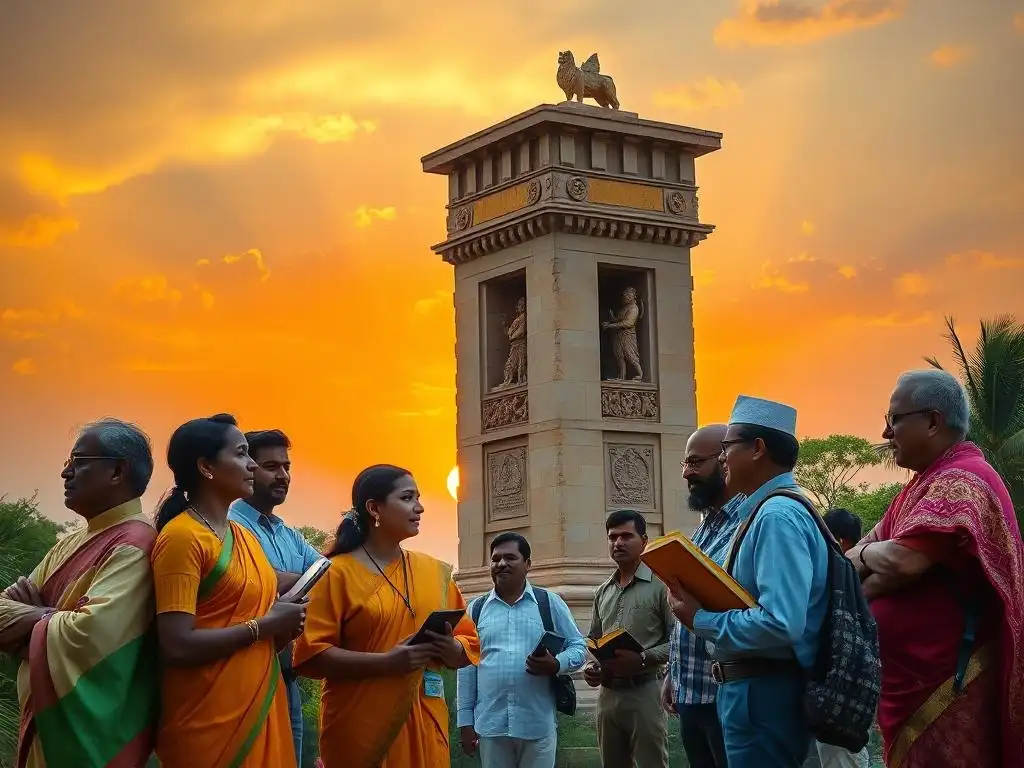
Welcome to Ancient India History, where we embark on a fascinating journey through time to uncover the rich tapestry of India's past. Today, we delve into the remarkable legacy of Ashoka the Great, a ruler whose profound influence shapes modern Indian identity in ways you might not expect. As we explore the intricate connections between his reign and contemporary society, you'll discover how the ideals of compassion and governance from his era resonate even today.
Prepare to be captivated by the enduring impact of this key historical figure as we unravel the threads of history that link us to the greatness of ancient India. Join us as we uncover the stories that have shaped a nation!
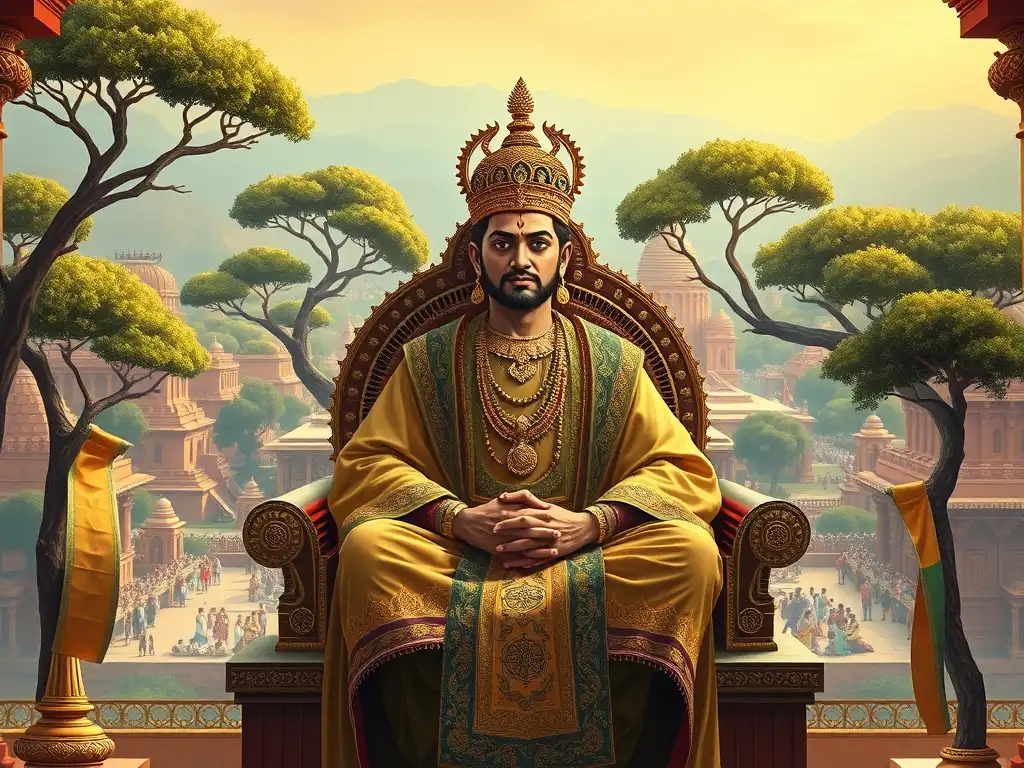
Ashoka the Great, one of the most prominent rulers of ancient India, remains a significant figure in shaping modern Indian identity. His reign, which spanned from 268 to 232 BCE, marked an era of profound transformation that not only influenced the Indian subcontinent during his time but continues to resonate in contemporary society.
His commitment to the principles of Dharma, non-violence, and compassion set a precedent for ethical governance and social harmony that echoes through India's cultural and political landscape today. This article delves into the multifaceted influence of Ashoka the Great, exploring his life, the historical context of his reign, and the enduring impact of his philosophies on modern India.
Introduction to Ashoka the Great
Who was Ashoka the Great?
Ashoka the Great was the third emperor of the Maurya Dynasty, known for his vast empire that extended across much of the Indian subcontinent. He is particularly renowned for his transformation after the Kalinga War, a conflict that led to immense suffering and loss of life. Witnessing the consequences of his aggressive military campaigns, Ashoka underwent a profound change, embracing Buddhism and dedicating his reign to the promotion of peace, tolerance, and non-violence. His legacy is characterized by his efforts to spread Buddhist principles and establish a governance model grounded in ethical and moral considerations.
Historical Context of Ashoka's Reign
Ashoka ascended to the throne during a time of significant political fragmentation and cultural diversity in India. The Mauryan Empire was at its zenith, encompassing a vast territory with various ethnicities and traditions. His reign is often seen as a pivotal moment in Indian history, transitioning from conquest and territorial expansion to a focus on internal stability and the welfare of his subjects. The historical context of Ashoka’s reign is crucial in understanding how his policies and philosophies came to shape not only his empire but also the broader narrative of Indian civilization.
Ashoka's Philosophy and Its Relevance Today
The Principles of Dharma in Ashoka's Rule
Central to Ashoka's governance was his adherence to the principles of Dharma, which emphasized ethical living, non-violence, and respect for all forms of life. These principles were not merely personal beliefs but were institutionalized through his edicts, which were inscribed on pillars and rocks throughout his empire. Ashoka’s interpretation of Dharma encouraged social responsibility and the importance of moral behavior in governance. Today, these ideals resonate in modern Indian society, influencing concepts of justice, community welfare, and ethical leadership within political and social frameworks.
Impact of Ashoka's Edicts on Modern Governance
Ashoka's edicts are seen as one of the earliest forms of public communication from a ruler to his subjects, advocating for humane treatment and justice. His emphasis on transparency, accountability, and the moral obligation of rulers has left an indelible mark on the Indian political landscape. Modern governance in India draws inspiration from Ashoka's principles, advocating for policies that prioritize social justice and the welfare of citizens. The continued relevance of these edicts is evident in contemporary discussions around governance, civil rights, and the responsibilities of leadership, demonstrating Ashoka's enduring influence on the identity and values of modern India.
Cultural Contributions of Ashoka the Great
Ashoka the Great, the third Mauryan emperor, is celebrated not only for his military conquests but also for his profound cultural contributions that continue to resonate in modern Indian identity. His reign marked a pivotal shift from a focus on warfare to the promotion of peace, ethics, and religious tolerance. This transformation had a far-reaching impact on art, architecture, and philosophy within Indian society.
One of the most significant aspects of Ashoka's cultural legacy is his endorsement of Buddhism. Following his conversion after the Kalinga War, he became a patron of the religion, which flourished under his rule. His efforts to spread Buddhist teachings extended beyond India, influencing various cultures across Asia. The establishment of monastic institutions and the support for scholars led to a rich intellectual tradition, laying the groundwork for future philosophical and spiritual developments.
Additionally, Ashoka's promotion of ethical governance was encapsulated in his edicts, inscribed on pillars and rocks throughout his empire. These edicts emphasized values such as non-violence, compassion, and respect for all living beings, which have become integral to India's moral framework. Ashoka's approach to governance fostered a sense of shared identity among diverse communities, encouraging a culture of inclusivity that remains vital to India's social fabric today.
Promotion of Buddhism and Its Lasting Legacy
Ashoka's conversion to Buddhism after witnessing the devastating effects of the Kalinga War marked a significant turning point in his reign. He actively promoted Buddhist ideals, advocating for a path of non-violence and moral conduct. His commitment to spreading Buddhism is evidenced by the establishment of stupas, monasteries, and the commissioning of the famous edicts, which communicated the core tenets of Buddhism to his subjects and beyond.
The lasting legacy of Ashoka's promotion of Buddhism is seen in the widespread acceptance of Buddhist principles in modern Indian society. These principles—compassion, mindfulness, and community service—continue to influence contemporary ethical discussions and social movements. Moreover, Ashoka's efforts led to the dissemination of Buddhism along trade routes, reaching far-off lands such as Sri Lanka and Southeast Asia, where it became a prominent religion, further solidifying his influence on global spirituality.
Architectural Wonders: Stupas and Pillars as Symbols of Identity
Ashoka's reign is marked by remarkable architectural achievements, notably the construction of stupas and pillars. The most famous of these is the Sanchi Stupa, a UNESCO World Heritage site, which stands as a testament to Buddhist architecture and art. These structures were designed not only as places of worship but also as symbols of the unity and identity of the Mauryan Empire.
The Ashoka Pillars, adorned with intricate carvings and profound inscriptions, serve as significant historical artifacts that reflect the values and aspirations of Ashoka's rule. These pillars, particularly the Lion Capital of Ashoka, have become emblematic of Indian identity, representing strength, courage, and the ethos of peace. The Lion Capital is prominently featured in the national emblem of India, symbolizing the enduring influence of Ashoka's vision in contemporary society.
Ashoka's Influence on National Identity in India
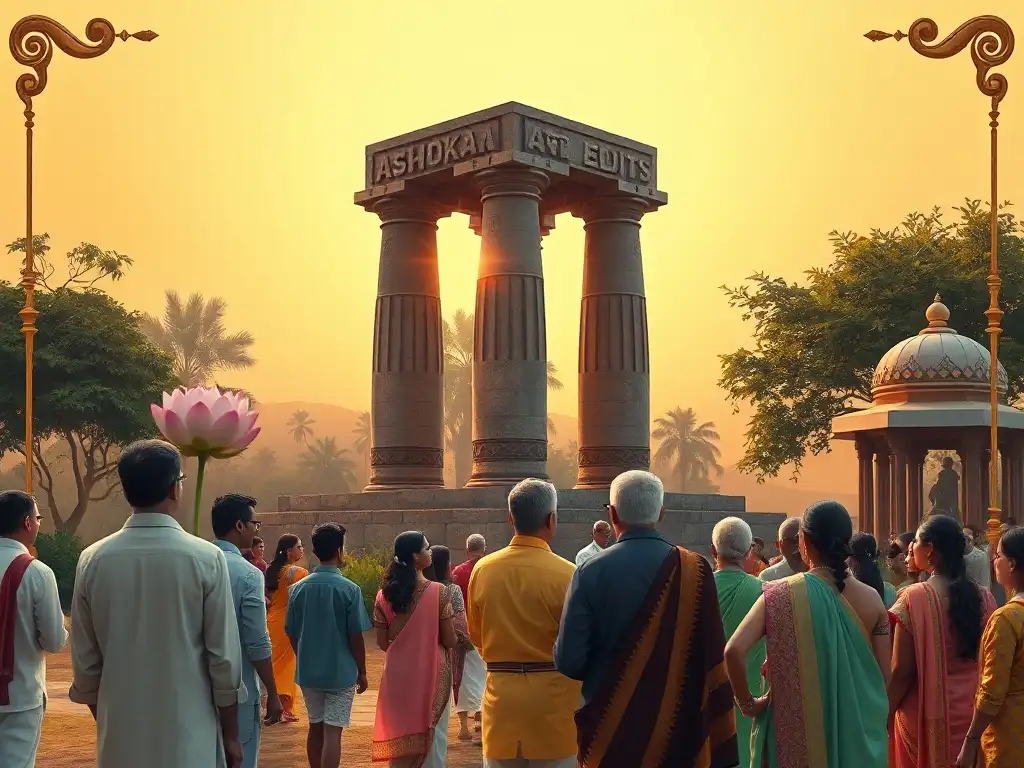
Ashoka the Great's contributions have played a crucial role in shaping the national identity of India. His promotion of a unified yet diverse cultural landscape laid the groundwork for a society that embraces pluralism while fostering a sense of belonging. This duality is central to the modern Indian ethos, where unity in diversity is celebrated as a national strength.
Ashoka's Role in Shaping Indian Unity and Diversity
Ashoka's reign is often cited as a blueprint for fostering unity among India's myriad cultures and communities. By advocating for tolerance and understanding among different religious groups, he set a precedent for coexistence that is vital in today's multicultural society. His edicts emphasized respect for all faiths, encouraging dialogue and harmony among diverse populations.
The promotion of Buddhism under Ashoka also contributed to a shared cultural framework that transcended regional differences. Through the establishment of a common set of ethical values and beliefs, Ashoka helped forge a collective identity among the people of India, which continues to inspire contemporary movements advocating for social cohesion and mutual respect.
Relevance of Ashoka's Values in Contemporary Indian Society
The values espoused by Ashoka—non-violence, compassion, and ethical governance—remain remarkably relevant in modern Indian society. In an age marked by conflict and social unrest, Ashoka's teachings serve as a guiding light for individuals and communities striving for peace and justice. His emphasis on moral leadership is echoed in contemporary political discourse, where ethical governance is increasingly demanded by the public.
Moreover, Ashoka's legacy of environmental stewardship, reflected in his respect for all living beings, resonates in today's climate discourse. The principles of sustainability and ecological balance that he championed are crucial in addressing contemporary challenges such as climate change and environmental degradation.
The influence of Ashoka the Great on modern Indian identity is profound and multifaceted. His cultural contributions, promotion of Buddhism, architectural achievements, and ethical values continue to shape the collective consciousness of India, making him a timeless figure whose teachings remain pertinent in the quest for a harmonious society.
Case Studies: Ashoka's Influence in Modern Movements
Ashoka the Great, the third Mauryan emperor, has left an indelible mark on the identity of modern India. His principles of governance, rooted in non-violence and moral authority, resonate strongly within various contemporary movements. This section explores key case studies that illustrate how Ashoka's teachings and legacy continue to influence modern Indian society.
Influence on Indian Independence Leaders
The struggle for Indian independence was significantly shaped by the ideals espoused by Ashoka. Leaders like Mahatma Gandhi drew inspiration from Ashoka's commitment to non-violence (Ahimsa) and compassion. Gandhi often referenced Ashoka's edicts, which emphasized moral governance and social welfare, as guiding principles for the freedom movement. The emphasis on peaceful resistance, a cornerstone of Gandhi's philosophy, can be traced back to Ashoka's own transformation from a warlike ruler to a proponent of peace after the Kalinga War.
Moreover, Ashoka's vision of a unified society where all communities coexisted harmoniously influenced leaders such as Jawaharlal Nehru and Sardar Vallabhbhai Patel. They recognized the importance of Ashoka's inclusive governance model in fostering a sense of national identity amidst India's diverse cultural landscape. This legacy of unity and tolerance remains a fundamental aspect of India's democratic ethos today.
Ashoka as a Symbol in Contemporary Political Discourse
In contemporary political discourse, Ashoka has emerged as a potent symbol for various political parties and movements. His image is often invoked to promote ideals of peace, tolerance, and social justice. The Ashoka Chakra, which adorns the Indian national flag, serves as a reminder of his commitment to righteousness (Dharma) and governance that prioritizes the welfare of citizens.
Political leaders frequently reference Ashoka's edicts to advocate for policies that align with his principles. For example, discussions around environmental conservation and animal rights have seen Ashoka's teachings on compassion and stewardship of the earth being highlighted. The call for sustainable development mirrors Ashoka's focus on the welfare of all living beings, showcasing how his ancient principles remain relevant in addressing contemporary issues.
Conclusion: The Enduring Legacy of Ashoka the Great
Ashoka the Great's influence on modern Indian identity is profound and multifaceted. His commitment to non-violence, moral governance, and social welfare continues to serve as a guiding light in contemporary society, impacting political, social, and cultural arenas.
Reflection on Ashoka the Great's Influence Today
Today, Ashoka's legacy is reflected in India's constitutional values that emphasize justice, liberty, equality, and fraternity. His life story serves as a source of inspiration for leaders and citizens alike, motivating them to pursue pathways that promote peace and harmony. In educational curriculums, Ashoka's principles are taught as part of India's rich historical narrative, contributing to the formation of a national identity that cherishes its ancient roots.
Future Implications of Ashokan Principles in Modern India
The future implications of Ashokan principles in modern India are vast. As the nation grapples with challenges such as communal tensions, environmental degradation, and social inequality, revisiting Ashoka's teachings on compassion, tolerance, and ethical governance could offer valuable insights. By embracing these principles, India can work towards a more inclusive and sustainable future, reinforcing a collective identity that honors its historical legacy while addressing contemporary challenges.
Ashoka the Great's influence today is not merely a historical reflection but a living guide for India's path forward, emphasizing the need for a compassionate and just society.
- Introduction to Ashoka the Great
- Ashoka's Philosophy and Its Relevance Today
- Cultural Contributions of Ashoka the Great
- Ashoka's Influence on National Identity in India
- Case Studies: Ashoka's Influence in Modern Movements
- Conclusion: The Enduring Legacy of Ashoka the Great
Frequently Asked Questions
What was Ashoka the Great's most significant contribution to Indian history?
Ashoka the Great is best known for his embrace of Buddhism and the promotion of non-violence. His rock edicts spread messages of peace and moral governance throughout his empire.
How did Ashoka's policies influence modern India?
Ashoka's policies emphasized tolerance, social welfare, and the rule of law, which continue to influence India's democratic values and cultural identity today.
In what ways did Ashoka promote Buddhism?
Ashoka actively supported Buddhist missions and established monasteries, helping to spread the religion across Asia. His commitment helped shape Buddhism's global presence.
How can we see Ashoka's influence in contemporary Indian society?
Ashoka's principles of ahimsa (non-violence) and dharma (righteousness) resonate in modern Indian society, particularly in its political discourse and social movements advocating for peaceful coexistence.
What symbols are associated with Ashoka in modern India?
The Lion Capital of Ashoka is a prominent national symbol, featured on the Indian flag and currency, representing India's heritage and unity.
Final Reflection: The Enduring Legacy of Ashoka the Great
The influence of Ashoka the Great on modern Indian identity is not just a historical footnote; it is a vibrant thread woven into the fabric of contemporary society. His principles of non-violence, tolerance, and social welfare resonate deeply in today's world, reminding us that leadership rooted in compassion can shape a nation's character. As we navigate the complexities of modern life, Ashoka's legacy serves as a guiding light, urging us to prioritize peace and understanding over conflict and division.
Cultural and social landscapes are continually shaped by the ideals of great leaders, and Ashoka's impact is a testament to this truth. His vision for a harmonious society is reflected in the ongoing dialogues about democracy, secularism, and human rights in India today. The greatest victory is that which requires no battle.
This quote encapsulates Ashoka's philosophy and challenges us to seek resolution through dialogue rather than discord, a lesson that remains profoundly relevant in our increasingly polarized world.
As we reflect on Ashoka's teachings, let us embrace the call to action they inspire. Consider how you can embody the values of compassion and inclusivity in your daily life. Whether through small acts of kindness or larger commitments to social justice, each of us has the power to contribute to a more peaceful society. In honoring Ashoka's legacy, we not only pay tribute to a remarkable leader but also pave the way for a future where understanding and empathy reign supreme.
Embrace Ashoka's Legacy and Transform Your Perspective
Thank you for joining us on this journey through the profound influence of Ashoka the Great on modern Indian identity. We hope you gained valuable insights into how his philosophies resonate in today's society and inspire future leaders. Now, let’s take a powerful next step together!
- Dive deeper into Ashoka’s teachings by exploring his edicts in full. Discover the timeless values that can shape both personal and community growth.
- Share your insights on social media! Start a conversation using the hashtag #AshokaInspired to spread the wisdom of his legacy and encourage others to reflect on their own identities.
- Join a local cultural or historical group to engage with others who are passionate about India's rich heritage. Learning and discussing with a community can ignite new ideas and foster meaningful connections.
Which aspect of Ashoka’s influence resonates with you the most, and how do you envision it shaping our future?