
The Women of Ashoka’s Court: Unraveling Their Impact on His Reign

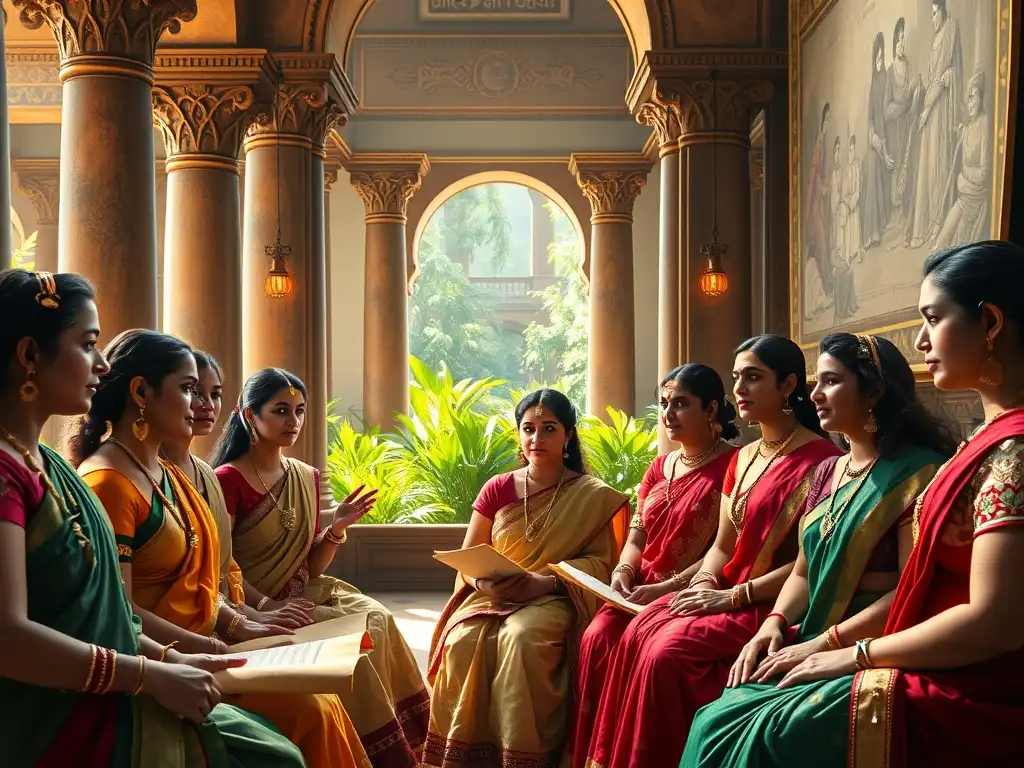
Welcome to Ancient India History, where we embark on a fascinating journey through the rich tapestry of India's ancient civilizations. As we delve into the remarkable lives of key historical figures, we invite you to explore our main feature, "The Women of Ashoka’s Court: Unraveling Their Impact on His Reign."
Discover how these influential women shaped the legacy of one of India's most revered emperors, Ashoka, and learn about their crucial roles in a society that often goes unrecognized. Prepare to be intrigued as we unravel the hidden stories that have shaped our history and inspire your curiosity to delve deeper into the remarkable past of ancient India.
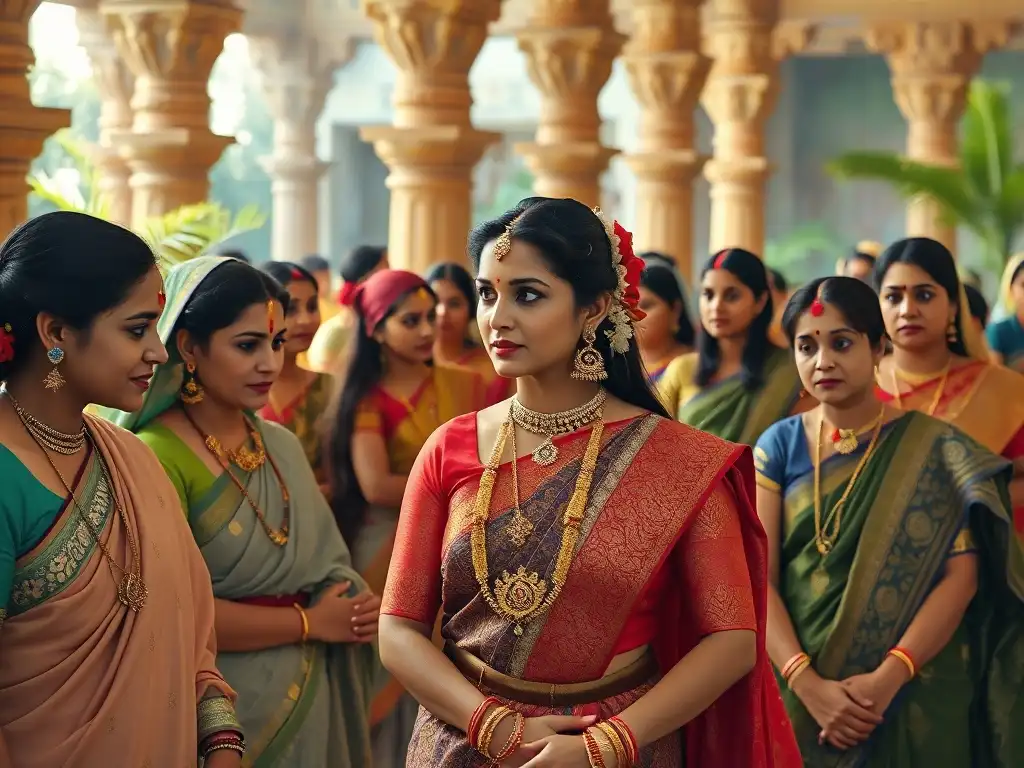
Introduction to Women in Ashoka's Court
The reign of Ashoka the Great, one of the most illustrious emperors of ancient India, is often celebrated for its remarkable contributions to governance, culture, and the spread of Buddhism. However, the pivotal role played by women in his court deserves equal attention, as they significantly influenced both the political landscape and social fabric of the time.
This article aims to explore the lives and contributions of women in Ashoka's court, revealing how their involvement shaped his reign and the broader context of ancient Indian society. By examining their roles, we can gain a deeper understanding of the dynamics at play within Ashoka's administration and the impact of royal women on political and cultural decisions.
Overview of Ashoka the Great’s Reign
Ashoka, who ruled from approximately 268 to 232 BCE, is renowned for his transformation from a fierce warrior to a proponent of peace and Buddhism after the Kalinga War. His reign marked a significant shift in Indian history, characterized by:
- Promotion of Buddhism: Ashoka embraced Buddhism and actively promoted its principles, which emphasized non-violence, compassion, and moral governance.
- Edicts and Inscriptions: He issued a series of edicts engraved on pillars and rocks across his empire, advocating for ethical conduct, welfare, and religious tolerance.
- Cultural Flourishing: His reign witnessed advancements in art, architecture, and literature, with notable monuments like the Sanchi Stupa and the Ajanta Caves.
Despite his male-dominated court, the presence and influence of women were crucial in shaping his policies and the implementation of his vision for a harmonious society.
Significance of Women in Ancient Indian Society
In ancient India, women held diverse roles that extended beyond the domestic sphere. Their significance can be understood through:
- Cultural Contributions: Women participated in religious rituals, literary pursuits, and artistic expressions, often serving as muses and creators.
- Economic Roles: Many women engaged in trade, agriculture, and craftsmanship, contributing to the economy and community welfare.
- Political Influence: Women from royal families wielded considerable power, often influencing decisions through marriage alliances and direct involvement in governance.
Understanding the multifaceted roles of women helps contextualize their participation in Ashoka's court, where they were not mere spectators but active agents of change.
The Role of Women in Ashoka's Administration
Women in Ashoka's court played essential roles that transcended traditional expectations. Their contributions were evident in various capacities, influencing both domestic and foreign policies.
Key Positions Held by Women in Ashoka's Court
Women occupied several key positions within the royal court, including:
- Advisors and Counselors: Trusted female advisors provided insights and counsel to Ashoka, guiding him in matters of statecraft and diplomacy.
- Influential Figures in Religious Affairs: Royal women often participated in religious ceremonies and were pivotal in promoting Buddhism, which was central to Ashoka's governance.
- Matrilineal Connections: Marriages often served as political tools, with royal women forging alliances that strengthened Ashoka's rule across diverse regions.
These roles highlight the importance of women in shaping the political landscape during Ashoka's reign.
Influence of Royal Women on Political Decisions
The impact of royal women on political decisions cannot be overstated. Their influence manifested in several ways:
- Mediation in Conflicts: Women often acted as mediators in disputes, using their positions to facilitate peace and stability within the empire.
- Patrons of Art and Culture: By sponsoring cultural projects and religious institutions, royal women helped cultivate a sense of identity and unity among the populace.
- Advisory Roles in Governance: Their intimate knowledge of court dynamics allowed them to provide valuable advice to Ashoka, impacting decisions that affected the entire empire.
The intricate web of influence that women wove in Ashoka's court underscores their significance in the governance and cultural development of ancient India.
Prominent Women in Ashoka’s Court
The court of Ashoka the Great was not just a center of political power; it was also a hub of cultural and intellectual activity. Among the many figures that graced Ashoka's court, several women played pivotal roles. Their contributions ranged from influencing political decisions to shaping cultural and philosophical discourse. The presence of these women highlights the significance of gender dynamics in ancient Indian governance, particularly during Ashoka's reign, which is marked by his commitment to Dharma and moral governance.
The Empress: Devi
One of the most significant figures in Ashoka's court was his empress, Devi. As the daughter of a powerful merchant, she was well-educated and astute, contributing not only to the domestic sphere but also playing a crucial role in state affairs. Devi is celebrated for her influence on Ashoka, particularly in his conversion to Buddhism after the Kalinga War, a transformation that significantly impacted his policies and the spread of Buddhism throughout the empire.
Devi's patronage of Buddhist monasteries and her involvement in charitable activities showcased her commitment to the principles of compassion and non-violence central to Buddhist teachings. Her diplomatic engagements, especially in fostering relationships with neighboring kingdoms, illustrated her political acumen. She is often credited with being a stabilizing force in Ashoka's life, balancing his ambitions with moral considerations, which ultimately shaped the direction of his reign.
Notable Advisors and Counselors
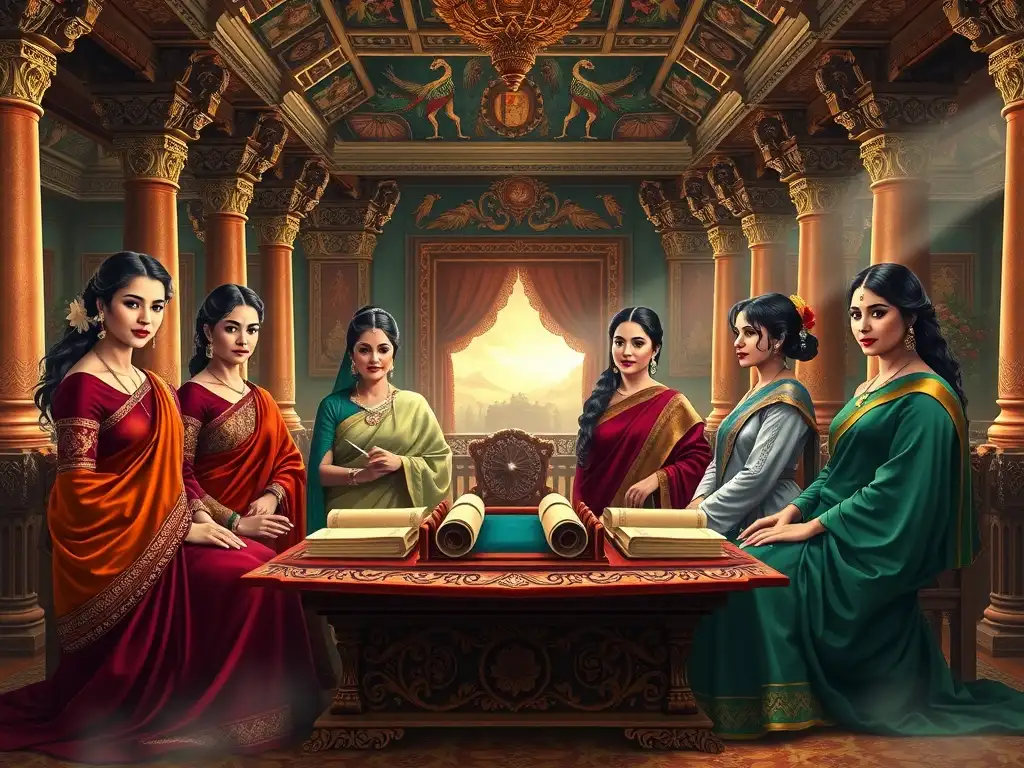
Beyond Devi, other women also served as influential advisors and counselors in Ashoka's court. Historical texts reference women who acted as confidantes and strategists, emphasizing the advisory roles that women held in governance. These women provided insights into the sociopolitical landscape and often mediated between diverse factions within the court.
Their contributions were not limited to direct political advice; they also influenced policy decisions related to social welfare and community building. For example, women played a role in advocating for the welfare of the poor and the promotion of education, which were key focuses of Ashoka's administration. The presence of these advisors illustrates that the court was a place where women's voices were not only heard but were integral to the functioning of the empire.
Cultural Contributions of Women in Ashoka’s Era
The era of Ashoka was marked by remarkable cultural flourishing, much of which can be attributed to the contributions of women in various fields. Their involvement extended beyond the court into broader societal realms, significantly influencing the cultural landscape of ancient India.
Patronage of Arts and Literature by Women
Women in Ashoka's court and society were patrons of the arts and literature, promoting the creation of various cultural works. They supported poets, artists, and craftsmen, leading to a vibrant cultural scene characterized by the production of literature and artworks that reflected Buddhist themes and moral teachings.
This patronage was crucial in the dissemination of Buddhist philosophy, as many literary works produced during this time served both educational and devotional purposes. Women artists also contributed to the visual arts, creating sculptures and murals that adorned stupas and monasteries, thereby playing a significant role in the architectural developments of the period.
Influence on Religious and Philosophical Thought
The women of Ashoka's court also had a profound influence on the religious and philosophical discourse of the time. Their engagement with Buddhist teachings helped shape the interpretation and practice of Buddhism within the empire. Many women were involved in the establishment of monastic communities, which became centers of learning and spiritual development.
Moreover, the philosophical thoughts propagated by women thinkers during this time emphasized compassion, ethics, and non-violence, aligning closely with Ashoka's own principles. Their contributions to discussions on morality and governance provided a unique perspective that enriched the overall philosophical landscape of ancient India. This blend of influence not only solidified Buddhism's role in society but also highlighted the essential involvement of women in shaping religious thought during Ashoka's reign.
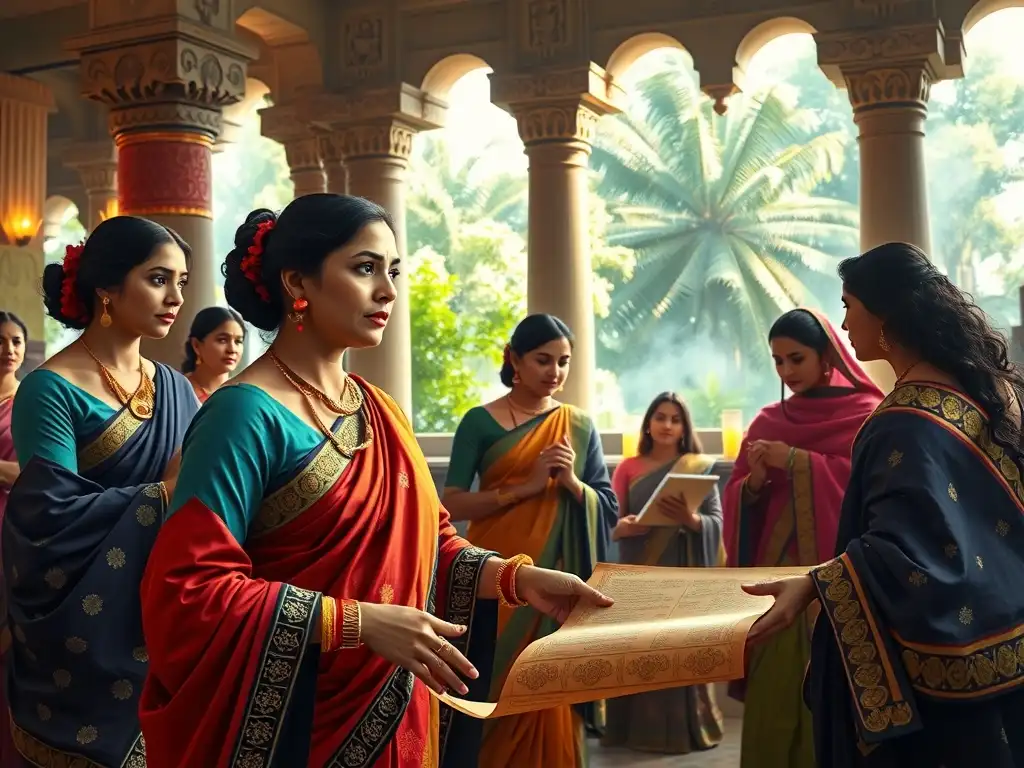
The court of Ashoka the Great, known for its profound influence on ancient Indian society, was significantly shaped by the roles and contributions of women. These women were not mere figures in the background; rather, they played pivotal roles in the socio-political landscape of the time. Their involvement extended beyond domestic spheres into significant public and political domains, influencing decisions and policies at the highest levels.
Women in Ashoka's court often acted as powerful intermediaries, leveraging their unique positions to advocate for social issues and implement reforms. Their social influence was particularly evident in matters related to family, health, and education, as they were often the first to address issues affecting the welfare of their communities. Furthermore, many women held titles and positions that granted them authority, allowing them to affect change in both the court and society at large. This dynamic illustrates a progressive view towards women's roles during Ashoka’s reign, contrasting sharply with the more restrictive norms seen in other contemporary cultures.
Women as Mediators and Diplomats
Women in Ashoka's court frequently served as mediators and diplomats, utilizing their relationships and networks to foster peace and alliances. Their ability to navigate the complex social fabric of the time made them invaluable in diplomatic missions. For instance, royal women were often married off to forge alliances with other kingdoms, thereby strengthening Ashoka's political power and influence.
Moreover, these women often acted as advisors to Ashoka himself, providing counsel on matters of governance and international relations. Their perspectives were crucial in shaping diplomatic strategies that emphasized peace and non-violence, aligning closely with the principles of Dhamma that Ashoka championed. By serving as conduits of information and negotiation, women not only enhanced the political landscape of the Mauryan Empire but also ensured that the values of compassion and understanding were integral to its diplomatic efforts.
Role in Promoting Dhamma (Moral Law)
The promotion of Dhamma during Ashoka's reign was significantly influenced by the women of his court, who played essential roles in advocating for moral and ethical governance. As Ashoka embraced Dhamma, the women around him helped disseminate its principles throughout society. They engaged in various activities, including public speeches, participation in religious functions, and community welfare projects that aligned with Dhamma's ideals.
These women were instrumental in establishing educational institutions and encouraging literacy, particularly among the underprivileged, thereby making the tenets of Dhamma accessible to a wider audience. Their influence extended to the promotion of non-violence, tolerance, and compassion, values that were central to Ashoka's vision of governance. By embodying these principles in their daily lives and public actions, women in Ashoka's court played a critical role in ensuring that Dhamma was not merely a royal decree, but a lived experience for the people of the Mauryan Empire.
The Legacy of Women in Ashoka's Court
The legacy left by the women of Ashoka's court is profound and multifaceted, marking a significant chapter in the history of ancient India. Their contributions have often been overlooked in historical narratives, yet they are crucial for understanding the broader socio-political context of the time. The roles these women assumed laid the groundwork for future generations and set a precedent for women's involvement in governance and societal reform.
Their impact can be seen not only in the policies they influenced but also in the cultural narratives that emerged from their stories. By participating actively in state affairs, women in Ashoka's court challenged traditional gender norms and redefined the expectations of women's roles in society. This legacy of empowerment continues to resonate in modern discussions about gender equality and women's rights.
Historical Accounts and Their Importance
Historical accounts of women in Ashoka's court are vital for reconstructing the societal dynamics of ancient India. Texts from this period, including edicts and inscriptions, often provide glimpses into the lives and contributions of these women. Such records help historians understand the complexities of gender roles and the active participation of women in governance.
Moreover, these accounts illuminate the ways in which women influenced religious and moral discourse, particularly concerning the spread of Buddhism and the promotion of Dhamma. Analyzing these writings allows modern scholars to appreciate the nuanced roles women played, not only as consorts or daughters of rulers but as integral figures in shaping political and ethical frameworks.
Modern Interpretations of Their Impact
Modern interpretations of the impact of women in Ashoka's court have evolved, shedding light on the importance of their contributions in contemporary discussions about gender and power. Feminist scholars and historians are increasingly recognizing the significance of these women as agents of change within a patriarchal society.
This reevaluation has led to a broader understanding of women's roles in ancient civilizations, encouraging a more inclusive narrative that acknowledges their influence on historical events and societal developments. By revisiting the legacies of women like those in Ashoka's court, modern scholarship advocates for a comprehensive view of history that honors the contributions of all individuals, regardless of gender. This shift not only enriches the historical narrative but also inspires ongoing discussions about equity and representation in both historical and modern contexts.
Conclusion: The Enduring Influence of Women in Ashoka’s Court
The legacy of Ashoka the Great is profoundly intertwined with the influence of the women in his court. Their contributions not only shaped the political landscape of his reign but also had lasting implications on the cultural and social fabric of ancient India. The women of Ashoka's court played pivotal roles in diplomacy, governance, and the propagation of Buddhist ideals, showcasing their capability beyond traditional confines. Their impact is a testament to the significant yet often overlooked role that women have played in shaping history, influencing decisions at the highest levels, and fostering a more inclusive society.
The enduring influence of these women can be seen in how their actions and philosophies contributed to Ashoka's commitment to Dhamma, a moral code that prioritized compassion and non-violence. This commitment reflected the voices and aspirations of the women around him, demonstrating their ability to shape not only individual actions but also state policies. As we explore the narratives of these remarkable figures, it becomes clear that their legacy continues to inspire discussions about gender roles and the contributions of women throughout history.
Summary of Their Contributions and Significance
The women in Ashoka's court were instrumental in various facets of governance and cultural development. Their contributions can be summarized as follows:
- Political Influence: Women like Ashoka’s queens and princesses often served as advisors, influencing key decisions and statecraft. Their familial ties provided them with unique insights into the political dynamics of the court.
- Cultural Patronage: Many women were patrons of the arts and education, supporting the spread of Buddhist teachings and cultural practices. This support led to the establishment of educational institutions and the flourishing of artistic expressions.
- Diplomatic Roles: Women often acted as negotiators in marital alliances, which were crucial for maintaining peace and fostering relationships with other kingdoms. These alliances were not merely personal but often strategic, affecting the broader political landscape.
- Social Reform: Their advocacy for social issues, including the welfare of the poor and the promotion of ethical living, resonated with Ashoka’s vision of a just society. They played a crucial role in the dissemination of Dhamma, promoting values that encouraged harmony and compassion.
- Historical Documentation: Many women contributed to the recording and preservation of historical narratives, ensuring that their voices and experiences were included in the chronicles of ancient India. Their perspectives added depth to the understanding of the period.
Reflection on Women’s Roles in Ancient Indian History
The exploration of women's roles in Ashoka's court invites a broader reflection on the status of women in ancient Indian history. While often relegated to the background in historical accounts, women were central figures in the socio-political and cultural spheres.
In ancient India, women held various positions that allowed them to wield influence, from queens and noblewomen to scholars and spiritual leaders. Their roles were not limited to domestic spaces; they actively engaged in public life and governance. Understanding their contributions offers a more nuanced view of history, highlighting the complexities of gender dynamics and societal structures.
The recognition of women's impact in historical contexts, such as that of Ashoka's reign, challenges prevailing narratives that diminish their significance. It emphasizes the need for a more inclusive approach to historical scholarship, where women's voices are amplified, and their stories are told alongside those of their male counterparts.
Further Reading on Women in Ancient India
For those interested in delving deeper into the roles and contributions of women in ancient Indian history, the following resources provide valuable insights and perspectives.
Suggested Books and Articles for Deeper Understanding
- "Women in Ancient India" by R. S. Sharma: This book explores the multifaceted roles women played in various aspects of society, including religion, politics, and culture.
- "The Status of Women in Ancient India" by R. S. Sharma: This work examines the socio-economic conditions of women across different periods in ancient India, shedding light on their contributions and challenges.
- "Buddhism and Women" by Karma Lekshe Tsomo: A detailed analysis of the role of women in Buddhist traditions, including their contributions to the spread of Buddhism during Ashoka's reign.
- "Women’s History in India" (Journal Articles): A collection of scholarly articles that discuss various aspects of women's history, including their roles in governance and culture.
Related Topics in Ancient Indian History
- Ashoka the Great: A comprehensive study of Ashoka's reign, his policies, and his contributions to Buddhism.
- The Maurya Empire: Exploring the political and cultural landscape of the Maurya Empire, including the roles played by women.
- Buddhism in Ancient India: An overview of the development of Buddhism and its impact on society, including the contributions of women.
- Gender Dynamics in Ancient Civilizations: A comparative study of gender roles across various ancient civilizations, highlighting similarities and differences with ancient India.
- Introduction to Women in Ashoka's Court
- The Role of Women in Ashoka's Administration
- Prominent Women in Ashoka’s Court
- The Empress: Devi
- Notable Advisors and Counselors
- Cultural Contributions of Women in Ashoka’s Era
- Patronage of Arts and Literature by Women
- Influence on Religious and Philosophical Thought
- The Social Influence of Women in Ashoka's Court
- The Legacy of Women in Ashoka's Court
- Conclusion: The Enduring Influence of Women in Ashoka’s Court
- Further Reading on Women in Ancient India
Frequently Asked Questions
What was the role of women in Ashoka's court?
Women in Ashoka's court held significant influence, participating in political and cultural affairs, and contributing to the administration and social reforms of the time.
How did Ashoka's policies affect women?
Ashoka implemented policies that improved the status of women, promoting education and welfare, and encouraging their involvement in religious and social activities.
Can you name some prominent women from Ashoka's court?
Some notable women included Queens who influenced decisions and female advisors who provided counsel on various matters, showcasing their active participation in governance.
What impact did women have on Ashoka's reign?
Women played a crucial role in shaping Ashoka's policies, fostering cultural and social advancements that contributed to the stability and prosperity of his empire.
How does the study of women in Ashoka's court enhance our understanding of ancient India?
Studying women in Ashoka's court reveals their empowerment and contributions, highlighting the dynamic roles women played in shaping politics and society during ancient times.
Final Reflection: The Enduring Legacy of Women in Ashoka's Court
The exploration of the women in Ashoka's court reveals a profound truth about their influence on governance and societal values during a pivotal era in history. Today, as we navigate a world still grappling with gender inequality, the stories of these remarkable women remind us that their contributions were not merely supportive but essential to the very fabric of Ashoka's reign. Their wisdom and strength resonate with the ongoing struggle for women's recognition and empowerment in leadership roles across cultures.
The impact of these women extends far beyond their time, shaping cultural narratives and social structures that continue to influence us today. Their roles as advisors, diplomats, and advocates for peace highlight the critical importance of female perspectives in leadership. As we reflect on their legacy, we are reminded of the words of historian R. C. Majumdar: The history of India is incomplete without the acknowledgment of the significant roles played by women.
This acknowledgment is not just a historical necessity; it is a call to recognize and celebrate the contributions of women in all spheres of life today.
As we conclude this exploration, I invite you to reflect on the lessons learned from the women of Ashoka's court and consider how their stories can inspire action in your own life. How can you uplift and support the voices of women around you? Whether in your community, workplace, or personal relationships, let us strive to create spaces where women's contributions are valued and celebrated. By doing so, we honor the legacy of those who came before us and pave the way for a more inclusive and equitable future.
Unleash the Power of History: Engage with Ashoka’s Legacy!
Thank you for journeying through the fascinating lives of the women in Ashoka's court! You've gained valuable insights into their influence and the profound impact they had on his reign. Now, it’s time to take action and dive deeper into this captivating history!
Here’s how you can further explore and engage with this topic:
- Delve Deeper: Research a significant woman from Ashoka's court and write a short article or blog post about her contributions to his reign and policies.
- Join the Conversation: Share your insights, experiences, or discoveries on our forum or social media channels to connect with fellow history enthusiasts.
- Spread the Knowledge: Educate others by sharing this article with friends and family, sparking discussions about the invaluable role of women in ancient history.
What impact do you think these remarkable women had on Ashoka's decisions, and how can their inspiring stories motivate future generations?