
The Influence of Ashoka’s Reign on Subsequent Indian Philosophy


Welcome to Ancient India History, where we embark on a fascinating journey through the rich tapestry of India’s past. Dive into the extraordinary world of ancient civilizations, from the innovative Indus Valley to the illustrious Gupta Empire. In our featured article, we explore “Ashoka's Impact on Indian Philosophy”, uncovering how this pivotal figure shaped the philosophical landscape of India and left a lasting legacy on ethical thought. Prepare to unravel the mysteries of Ashoka’s reign and its profound influence on the evolution of Indian philosophy. Your exploration starts here—let curiosity guide you deeper into the annals of history!
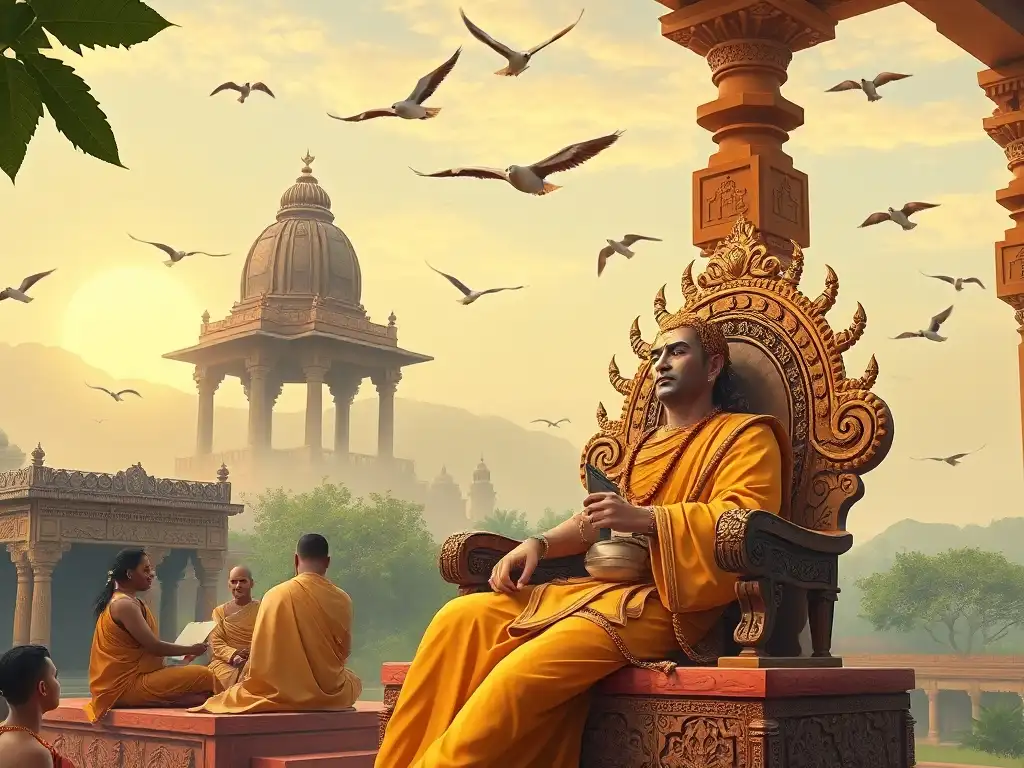
Introduction to Ashoka the Great
Ashoka the Great, one of the most celebrated emperors in Indian history, ruled the Maurya Empire from approximately 268 to 232 BCE. His reign is often marked by a profound transformation in the socio-political and philosophical landscape of ancient India. After witnessing the devastating consequences of warfare during his early campaigns, particularly the Kalinga War, Ashoka adopted a philosophy of non-violence and compassion, which significantly influenced Indian thought and culture. This article delves into Ashoka's impact on Indian philosophy, exploring how his ideals and policies shaped the subsequent philosophical discourse in India.
Overview of Ashoka's Life and Reign
Ashoka was born into the Mauryan dynasty and was the grandson of Chandragupta Maurya, the founder of the Maurya Empire. Initially, Ashoka was a fierce warrior, known for his military prowess. However, his perspective changed dramatically after the Kalinga War, which resulted in massive loss of life and suffering. This pivotal moment led him to embrace Buddhism and its principles, promoting peace and ethical governance. Ashoka's conversion to Buddhism not only altered his personal beliefs but also transformed the administration of his empire, leading to the establishment of a welfare state that prioritized the well-being of its citizens.
Significance of Ashoka in Ancient Indian History
Ashoka's reign is significant for several reasons:
- Spread of Buddhism: He played a crucial role in promoting Buddhism beyond the Indian subcontinent, sending missionaries to regions like Sri Lanka, Central Asia, and beyond.
- Cultural Integration: Ashoka's policies fostered a sense of unity and cultural integration within his empire, which was home to diverse ethnicities and beliefs.
- Administrative Innovation: His focus on ethical governance and public welfare set a precedent for future rulers regarding the responsibilities of leadership.
Ashoka's influence extends beyond his lifetime, as his ideals continue to resonate in contemporary discussions about governance, ethics, and social justice.
Ashoka's Impact on Indian Philosophy
Ashoka's reign left an indelible mark on the philosophical landscape of India, intertwining governance with ethical considerations and spiritual values. This section explores how his philosophies emerged and evolved during his time.
Defining Indian Philosophy During Ashoka's Era
During Ashoka's era, Indian philosophy was characterized by a rich tapestry of thought, with various schools of philosophy emerging, including Vedanta, Sankhya, and Buddhism. The period saw a significant shift towards more ethical and moral frameworks that emphasized compassion, non-violence, and the pursuit of truth. Ashoka's endorsement of Buddhist values brought forth a philosophical discourse that prioritized:
- Ahimsa (Non-violence): As a central tenet in both Buddhism and Jainism, the principle of non-violence became a cornerstone of Ashoka's policies and philosophical outlook.
- Dharma (Righteousness): Ashoka promoted the concept of Dharma, which emphasized moral duty and ethical conduct, influencing the subsequent understanding of justice and ethics in Indian philosophy.
Key Philosophical Concepts Promoted by Ashoka
Ashoka's reign popularized several key philosophical concepts, particularly those rooted in Buddhist thought:
- Compassion (Karuna): Ashoka's focus on compassion towards all living beings fundamentally reshaped ethical considerations in Indian philosophy.
- Tolerance: He advocated for religious tolerance, acknowledging the validity of various beliefs and practices, which encouraged a pluralistic philosophical approach.
- Social Responsibility: Ashoka emphasized the importance of rulers being responsible for the welfare of their subjects, a concept that influenced ethical governance in later Indian thought.
Ashoka's Edicts and Their Philosophical Implications
One of the most significant contributions of Ashoka to Indian philosophy was through his edicts, inscribed on pillars and rocks throughout his empire. These edicts served not only as proclamations of his policies but also as philosophical statements reflecting his ideals. Key implications of Ashoka's edicts include:
- Promotion of Ethical Conduct: The edicts called for adherence to ethical behavior, advocating for truthfulness, non-violence, and respect for all life.
- Universal Brotherhood: Ashoka's emphasis on the interconnectedness of all beings laid the groundwork for a more inclusive philosophical discourse that transcended individualistic views.
- Public Welfare: His commitment to the welfare of his subjects highlighted the role of ethics in governance, influencing future rulers and their philosophical approaches.
In conclusion, Ashoka's impact on Indian philosophy is profound and lasting, encapsulating a shift towards ethical governance, compassion, and inclusivity that continues to resonate in contemporary discussions about philosophy and politics. His reign serves as a reminder of the power of philosophy to shape societies and promote the well-being of all.
The Spread of Buddhism and Its Philosophical Influence
The reign of Ashoka the Great (c. 268-232 BCE) marked a pivotal moment in the history of Indian philosophy through the promotion of Buddhism. Following his conversion to Buddhism after witnessing the destruction of the Kalinga War, Ashoka dedicated his life to spreading the teachings of the Buddha, which had profound philosophical implications on Indian thought. The establishment of stupas, monasteries, and educational centers played a crucial role in disseminating Buddhist ideas, leading to their integration into the broader philosophical discourse of ancient India.
Ashoka's edicts, inscribed on rocks and pillars throughout his empire, emphasized ethical living, compassion, and moral conduct. These messages contributed to the emergence of a new philosophical framework that valued humane governance and ethical principles. As Buddhism spread beyond India, particularly to regions like Central Asia and Southeast Asia, its philosophical tenets influenced various cultures and their own philosophical traditions.
Ashoka's Role in the Promotion of Buddhism
Ashoka’s promotion of Buddhism was multifaceted, encompassing state sponsorship, missionary activities, and the establishment of a conducive environment for the faith to flourish. He sent missionaries, including his own son Mahinda and daughter Sanghamitra, to regions such as Sri Lanka to propagate Buddhist teachings. This not only helped establish Buddhism as a major religion but also facilitated cultural exchanges that enriched both Indian and foreign philosophical frameworks.
Furthermore, Ashoka's edicts highlighted key principles of Buddhism, such as compassion (Karuna) and the importance of understanding (Prajna), which resonated deeply with the populace. His efforts to build numerous stupas and viharas acted as centers for learning and meditation, thereby solidifying Buddhism as a significant philosophical and spiritual force in India and beyond.
Integration of Buddhist Philosophy into Indian Thought
The philosophical implications of Buddhism began to permeate various schools of Indian thought during and after Ashoka’s reign. Concepts such as impermanence (Anicca), suffering (Dukkha), and the nature of self (Anatta) found resonance in other philosophical traditions, including Jainism and Hinduism. This cross-pollination of ideas fostered a more profound understanding of ethics and metaphysics among contemporary philosophers.
Moreover, the rise of Buddhist monastic universities, such as Nalanda and Vikramashila, created an intellectual milieu where scholars from different backgrounds engaged in dialogues that enriched Indian philosophy. The integration of Buddhist thought into these discourses led to the development of hybrid philosophical systems that characterized subsequent Indian intellectual traditions.
The Evolution of Buddhist Philosophical Schools Post-Ashoka
Post-Ashoka, the philosophical landscape of Buddhism evolved into distinct schools of thought, each contributing to the richness of Indian philosophy. The emergence of Mahayana Buddhism introduced new metaphysical concepts and ethical frameworks, emphasizing the path of the Bodhisattva as a model for altruistic behavior and compassion. This school highlighted the importance of community and universal salvation, which contrasted with the more individualistic approach of Theravada Buddhism.
The emergence of various philosophical texts, such as the Mahayana Sutras and the writings of Nagarjuna, further deepened philosophical inquiry into topics like emptiness (Shunyata) and interdependent origination (Pratītyasamutpāda). These ideas not only influenced Buddhist thought but also had significant impacts on the development of Indian philosophy as a whole, encouraging critical debates and reflections on the nature of reality, ethics, and the self.
The Interplay of Ashoka's Policies and Indian Philosophy
Ashoka's reign was characterized by a unique interplay between his policies and the philosophical developments of his time. His governance, influenced by Buddhist ideals, set a precedent for ethical leadership and social responsibility, which resonated with the philosophical inquiries of subsequent thinkers.
Ethical Governance: Ashoka’s Dhamma and Its Philosophical Roots
Ashoka's concept of Dhamma is integral to understanding his philosophical impact. It encapsulated principles of righteousness, compassion, and respect for all life, which were deeply rooted in Buddhist teachings. The Dhamma not only served as a guideline for personal behavior but also laid the foundation for a governance model that prioritized the welfare of citizens over mere political power.
This ethical approach inspired later philosophical movements, encouraging thinkers to explore the relationship between ethics and governance. The emphasis on virtue and moral responsibility influenced the development of political philosophy in India, advocating for rulers to act with compassion and justice.
The Concept of Non-Violence (Ahimsa) in Ashoka’s Reign
One of the most significant philosophical legacies of Ashoka’s reign is the concept of non-violence (Ahimsa), which became a cornerstone of Indian philosophy. After the Kalinga War, Ashoka's commitment to Ahimsa transformed it from a personal ethical guideline into a public policy, influencing various religious and philosophical traditions.
As a result, Ahimsa became a critical tenet in Jainism and later in the teachings of Mahatma Gandhi, illustrating the enduring impact of Ashoka's principles on Indian philosophy. The promotion of non-violence led to debates about the moral implications of violence and the ethics of warfare, shaping philosophical discourse for centuries.
Impact of Ashoka's Policies on Subsequent Philosophical Movements
The philosophical impacts of Ashoka's policies extended beyond Buddhism, influencing various schools of thought in ancient India. His commitment to ethical governance and social welfare prompted thinkers to reevaluate the role of the state in promoting moral values. This engagement with ethics fostered a rich environment for philosophical inquiry, encouraging the emergence of schools like Vedanta and Nyaya, which sought to explore the nature of reality, knowledge, and morality.
Additionally, the principles enshrined in Ashoka's edicts resonated with later movements, such as the Bhakti movement, which emphasized personal devotion and ethical living. The intertwining of governance, ethics, and philosophy during Ashoka's reign laid the groundwork for a more integrated approach to understanding human behavior and societal responsibilities in the fabric of Indian thought.
Influence on Later Indian Philosophers
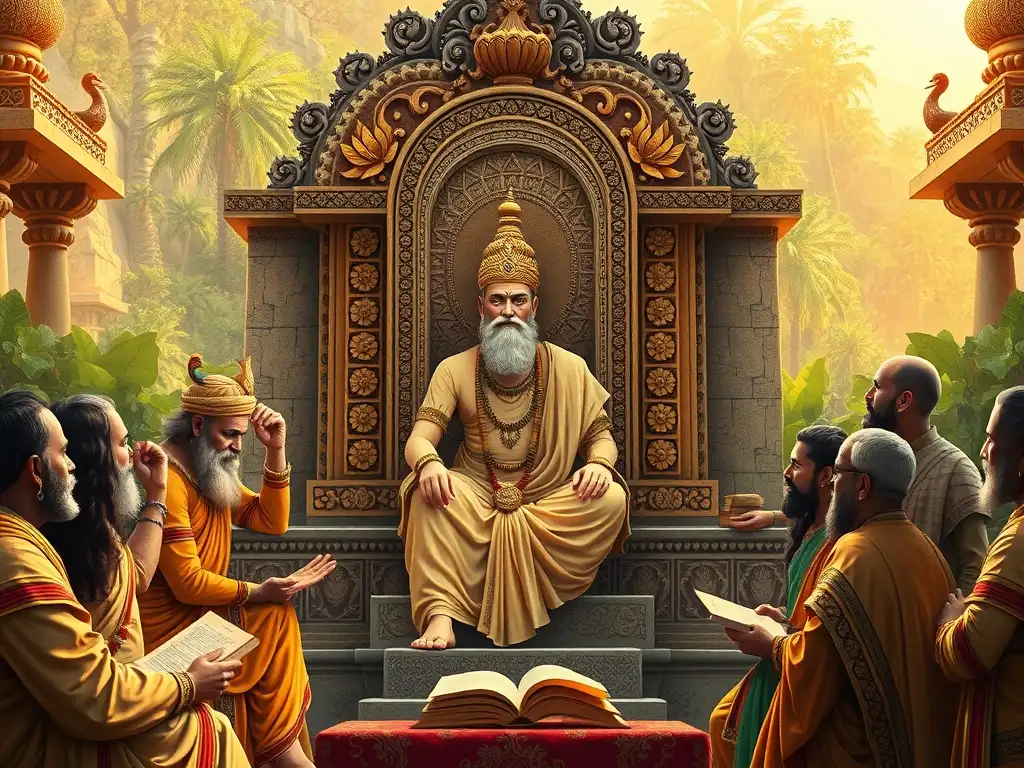
Ashoka's reign marked a significant turning point in Indian philosophy, shaping the thoughts and teachings of subsequent philosophers. His emphasis on Dhamma—a moral and ethical code rooted in compassion, non-violence, and righteousness—resonated deeply with later thinkers. The propagation of these principles not only transformed the religious landscape of India but also influenced various philosophical schools, encouraging a shift toward introspection and ethical living.
The edicts of Ashoka, inscribed on pillars and rocks across his empire, served as a foundation for later philosophical discourse. They not only articulated a vision of governance grounded in ethical principles but also highlighted the importance of social welfare and moral conduct. This focus on humane leadership and responsibility became a cornerstone for later philosophers who sought to integrate ethics into governance and societal norms.
Key Philosophers Influenced by Ashoka's Ideals
Several prominent philosophers emerged in the centuries following Ashoka's reign, drawing inspiration from his ideals.
- Nagarjuna: As a key figure in Mahayana Buddhism, Nagarjuna’s philosophy of emptiness and the middle way can be traced back to the compassionate and non-dualistic teachings of Ashoka. His works emphasized the importance of ethical conduct and the interdependence of all beings, echoing Ashoka's vision of a harmonious society.
- Vasubandhu: Another significant philosopher, Vasubandhu, contributed to the development of Buddhist philosophy, particularly in the area of consciousness and ethics. His ideas reflect Ashoka's emphasis on inner transformation and moral responsibility.
- Adi Shankaracharya: Although primarily associated with Advaita Vedanta, Shankaracharya's teachings on compassion and the oneness of existence can be seen as a continuation of Ashoka’s ethical framework. The promotion of ahimsa (non-violence) in both philosophies highlights a shared concern for ethical living.
These philosophers, while operating in different contexts, were undeniably influenced by Ashoka's call for a compassionate and just society.
The Connection Between Ashoka’s Philosophy and Gupta Era Thinkers
The Gupta Empire (c. 240–550 CE) is often referred to as a "Golden Age" of Indian culture and philosophy. During this period, the philosophical ideas propagated by Ashoka continued to evolve, merging with various schools of thought.
- Integration of Dhamma: Gupta thinkers like Kumarila Bhatta and Prabhakara began to integrate Ashoka's ideas of Dhamma into their philosophical frameworks, particularly in the context of ethics and epistemology. This synthesis enriched the philosophical discourse of the time.
- Art and Literature: The Gupta era also saw a flourishing of art and literature that reflected Ashokan principles. The emphasis on moral virtues in poetry and drama showcased the enduring relevance of Ashoka's teachings.
- Buddhism and Hinduism: The intermingling of Buddhist and Hindu philosophies during the Gupta period illustrates the profound impact of Ashoka's reign. His ideals fostered a spirit of inquiry and dialogue between these two major traditions, leading to a more inclusive philosophical landscape.
Comparative Analysis: Ashoka vs. Other Philosophical Leaders in India
When examining Ashoka's impact on Indian philosophy, it is essential to compare his approach with that of other influential leaders.
- Ashoka vs. Mahavira: Both leaders emphasized non-violence and ethical living, but Ashoka's approach was more inclusive, advocating for a universal moral code applicable to all, whereas Mahavira's teachings were specific to Jain principles.
- Ashoka vs. Confucius: While Ashoka’s Dhamma was rooted in spiritual and ethical dimensions, Confucius focused on social harmony and ritual propriety. Both leaders, however, shared a commitment to moral governance and the welfare of society.
- Ashoka vs. Socrates: Ashoka’s influence was more expansive in its application to statecraft, while Socrates’ focus was predominantly philosophical inquiry and ethics in personal conduct. Both, however, prompted critical thinking about morality and the role of the individual in society.
Such comparisons highlight Ashoka's unique position in promoting a philosophy that interwove governance, ethics, and spirituality.
Conclusion
Summary of Ashoka's Lasting Impact on Indian Philosophy
Ashoka's reign significantly influenced the trajectory of Indian philosophy. His promotion of Dhamma, with its emphasis on compassion and ethical governance, laid the groundwork for subsequent philosophical inquiries and frameworks. The integration of his ideals into the teachings of later philosophers and the cultural flourishing during the Gupta era are testament to his enduring legacy.
Reflections on the Relevance of Ashoka's Teachings Today
Ashoka's teachings remain relevant in contemporary society, offering insights into the importance of ethical leadership and social responsibility. In a world often marked by conflict and division, the principles of non-violence and compassion championed by Ashoka provide a guiding light. His vision encourages modern thinkers and leaders to prioritize the welfare of all beings, promoting peace and harmony in an increasingly complex world. The relevance of his teachings transcends time, inspiring ongoing discourse on morality and the role of philosophy in shaping just societies.
Further Reading on Ashoka’s Influence
To deepen your understanding of Ashoka's impact on Indian philosophy, a variety of resources are available that explore his reign, his embrace of Buddhism, and how these elements contributed to the evolution of philosophical thought in ancient India. These readings not only provide historical context but also analyze the long-lasting effects of Ashoka's policies and ideologies on subsequent generations of thinkers and scholars.
Recommended Books and Articles on Ashoka and Indian Philosophy
- "Ashoka: The Search for India's Lost Emperor" by Charles Allen
- This book delves into the life and times of Ashoka, presenting a comprehensive view of his reign and the philosophical underpinnings of his rule. Allen examines Ashoka's transformation after the Kalinga War and how it influenced his later policies.
- "The Edicts of Ashoka" translated by Maxime Lamoureux
- An essential read for anyone interested in Ashoka's political philosophy, this translation of the edicts provides insight into his thoughts on governance, ethics, and social responsibility.
- "Buddhism and Indian Philosophy" by K. N. Jayatilleke
- This work discusses the philosophical contributions of Buddhism, particularly during Ashoka's time, and how they intersect with other Indian philosophical traditions.
- "Ashoka and the Decline of the Mauryan Empire" by Romila Thapar
- Thapar provides a critical analysis of Ashoka's reign within the broader context of Mauryan history, exploring how his philosophy shaped the political landscape of ancient India.
- "Ashoka’s Dhamma: The Relationship Between Dharma and Politics" by R. C. Sharma
- This article discusses the integration of Ashoka's dhamma (moral law) into the fabric of governance and its philosophical implications on Indian statecraft.
Resources for Understanding the Evolution of Indian Thought
- Indian Philosophy: A Very Short Introduction by Sue Hamilton
- This concise guide offers an overview of the major schools of Indian philosophy, including those influenced by Ashoka's reign. It helps contextualize Ashoka's contributions within the larger spectrum of Indian thought.
- "The Philosophy of Mahayana Buddhism" by Edward Conze
- Conze's work provides insights into how Buddhist philosophy evolved after Ashoka, illustrating the broader implications of his policies on Indian philosophical discourse.
- Online Courses and Lectures on Indian Philosophy
- Platforms like Coursera and edX often feature courses on Indian philosophy that include discussions on Ashoka's influence. These courses can provide an interactive approach to learning about the subject.
- The Internet Archive and Project Gutenberg
- Both platforms host a number of free texts related to Ashoka and Indian philosophy, allowing readers to access historical documents and scholarly works that discuss the evolution of thought during and after Ashoka's reign.
These resources collectively offer a well-rounded perspective on Ashoka's impact on Indian philosophy, enabling readers to appreciate the depth and richness of his influence on subsequent philosophical developments in India.
- Introduction to Ashoka the Great
- Ashoka's Impact on Indian Philosophy
- The Spread of Buddhism and Its Philosophical Influence
- The Interplay of Ashoka's Policies and Indian Philosophy
- Influence on Later Indian Philosophers
- Conclusion
- Further Reading on Ashoka’s Influence
Frequently Asked Questions
What was Ashoka's impact on Indian philosophy?
Ashoka's reign significantly influenced Indian philosophy by promoting Buddhism and its core values, which emphasized non-violence, compassion, and moral governance.
How did Ashoka's policies shape Indian culture?
Ashoka implemented policies that encouraged the spread of Buddhism and its teachings, fostering a culture of tolerance and spiritual development across his empire.
What role did Ashoka’s edicts play in his influence?
Ashoka’s edicts, inscribed on pillars and rocks, communicated his philosophy of Dhamma, which promoted ethical behavior and social welfare, thus shaping Indian societal values.
How did Ashoka's reign affect future Indian rulers?
Ashoka's emphasis on moral leadership and non-violence set a precedent for future rulers, influencing their governance and philosophical outlook, leading to a more compassionate approach in politics.
What contributions did Ashoka make to religious tolerance?
Ashoka actively promoted religious tolerance by allowing various faiths to coexist, which helped establish a foundation for a pluralistic society that embraced diverse beliefs and practices in India.
Final Reflection: The Enduring Legacy of Ashoka's Impact on Indian Philosophy
The influence of Ashoka's reign on subsequent Indian philosophy remains profoundly relevant today, as it serves as a reminder of the power of compassionate governance and ethical leadership. In a world often marred by conflict and division, Ashoka's commitment to non-violence and moral integrity stands as a beacon of hope and a model for contemporary leaders. His legacy invites us to reflect on how philosophical principles can shape societies and foster peace, urging us to consider the ethical dimensions of our own actions and decisions.
Clearly, Ashoka's principles have transcended time, continuing to resonate within the cultural and social landscape of India and beyond. His promotion of Dharma and the welfare of all beings has inspired countless thinkers and movements throughout history, shaping the moral fabric of Indian society. The greatest victory is that which requires no battle,
Ashoka once proclaimed, encapsulating the essence of his philosophy that emphasizes understanding and compassion over conflict. This enduring influence challenges us to integrate these values into our own lives, fostering a culture of empathy and respect.
As we reflect on Ashoka's impact on Indian philosophy, let us take this opportunity to examine our own beliefs and actions. How can we embody the principles of non-violence and compassion in our daily lives? I invite you to consider the ways in which you can contribute to a more harmonious world, whether through personal interactions or broader societal engagement. By embracing Ashoka's teachings, we not only honor his legacy but also pave the way for a future where philosophy and ethics guide our collective journey toward peace and understanding.
Unleash the Wisdom of Ashoka!
Thank you for exploring the profound influence of Ashoka’s reign on Indian philosophy! Your interest in this pivotal era helps keep the spirit of inquiry alive. Now, let’s take that inspiration further and transform it into meaningful action.
- Explore the Teachings: Delve deeper into the Dhamma by reading Ashoka’s edicts. Reflect on how these timeless principles can be applied in your life today.
- Join the Conversation: Engage with others about Ashoka's impact. What aspect of his philosophy resonates most with you?
- Visit Historical Sites: Consider traveling to significant locations such as Sanchi or Lumbini to experience the relics of Ashoka’s legacy firsthand. Immerse yourself in the history he shaped!
How do you envision incorporating Ashoka’s principles into your daily decisions and interactions? We invite you to share your thoughts below!