
The Legacy of Ashoka the Great: How One Emperor Transformed Ancient India

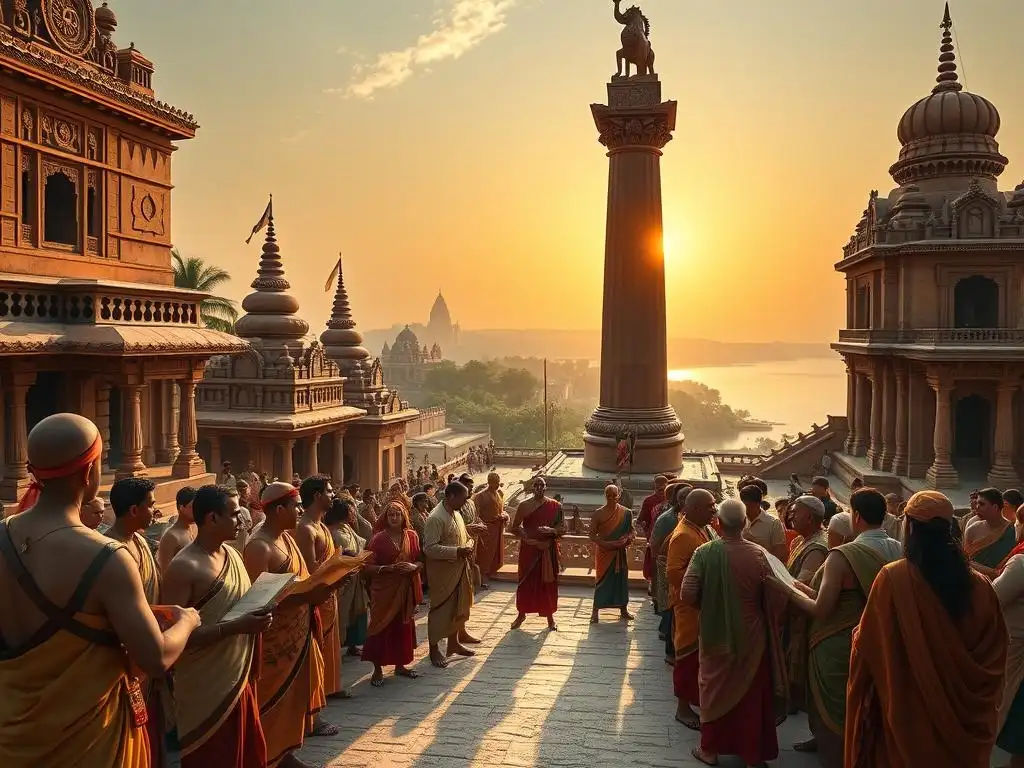
Welcome to Ancient India History, where we embark on an enthralling journey through the rich tapestry of India's past! Dive into the remarkable story of Ashoka the Great, a visionary emperor whose legacy not only transformed ancient India but also shaped the course of history itself. As you explore our latest article, "The Legacy of Ashoka the Great: How One Emperor Transformed Ancient India," you'll uncover the profound impact of his reign on culture, governance, and philosophy.
Join us as we unravel the mysteries of this iconic figure and discover how his contributions continue to resonate through the ages. Your adventure into the heart of ancient civilizations begins now!
Introduction to Ashoka the Great's Legacy
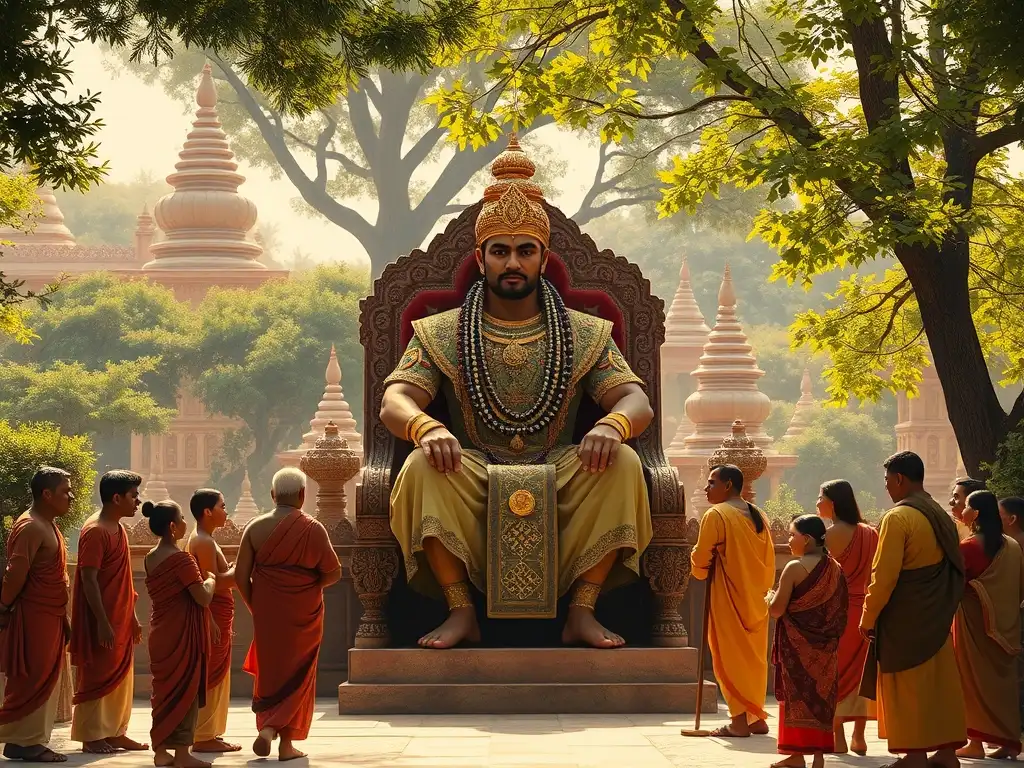
The legacy of Ashoka the Great, one of the most renowned emperors of ancient India, is a testament to the profound impact of his governance on the Indian subcontinent. Ascending to the throne of the Maurya Empire in the 3rd century BCE, Ashoka transformed a vast and diverse territory into a unified realm characterized by cultural flourishing and moral governance. His reign marked a pivotal point in Indian history, as he shifted the focus from conquest and warfare to peace, tolerance, and social welfare.
The edicts inscribed on pillars scattered throughout his empire not only articulated his vision of Dharma (righteousness) but also laid the groundwork for future generations to reflect on the principles of justice and compassion. This article explores the profound influence of Ashoka the Great's legacy, shedding light on his contributions that continue to resonate in modern society.
Overview of Ashoka's Reign
Ashoka's reign, which lasted from approximately 268 to 232 BCE, was characterized by significant political and social transformations. Following a brutal campaign to conquer Kalinga, Ashoka experienced a profound personal transformation that led him to embrace Buddhism and promote its values throughout his empire. He established a governance model focused on Dharma, emphasizing non-violence, moral conduct, and the welfare of all beings. This shift not only redefined the role of the emperor but also influenced the cultural and spiritual landscape of ancient India.
Key Contributions:
- Promotion of Buddhism: Ashoka became a staunch supporter of Buddhism, spreading its teachings across Asia and establishing it as a major religion.
- Edicts and Inscriptions: He inscribed his principles on pillars and rocks, making them accessible to the public and ensuring their long-lasting impact.
- Social Welfare: Ashoka implemented various social reforms, including the establishment of hospitals, rest houses, and the promotion of agricultural development.
Importance of Ashoka in Ancient Indian History
Ashoka the Great is often hailed as one of the most significant figures in ancient Indian history due to his innovative approach to governance and his commitment to ethical leadership. His decisions and policies not only shaped his empire but also left a lasting legacy that influenced subsequent rulers and the moral framework of Indian society.
Lasting Impacts:
- Cultural Integration: Ashoka’s efforts in promoting a unified cultural identity helped integrate diverse groups within his empire.
- Moral Governance: His focus on ethical rule set a precedent for future leaders, emphasizing the importance of righteousness and compassion in governance.
- Global Influence: The spread of Buddhism during and after his reign had far-reaching effects, influencing cultures and societies beyond India, notably in Southeast Asia.
The Rise of Ashoka the Great
Early Life and Background of Ashoka
Born into the Maurya dynasty, Ashoka was the grandson of Chandragupta Maurya, the founder of the Maurya Empire. His upbringing was marked by the challenges of royal life, including political intrigue and competition among siblings. These early experiences shaped Ashoka into a formidable leader, preparing him for the complexities of governance.
- Family Background: Ashoka was raised in a royal environment, surrounded by the politics of power and ambition.
- Education: He was educated in various fields, including warfare, philosophy, and administration, equipping him with the skills needed to navigate his future responsibilities.
Ascension to the Throne and Initial Challenges
Ashoka ascended to the throne after a tumultuous period marked by power struggles within the royal family. His initial challenges as emperor included consolidating power, managing regional conflicts, and ensuring stability across the vast empire.
- Conflict with Siblings: Ashoka faced significant opposition from his brothers, which he overcame through a combination of strategic alliances and military prowess.
- Early Military Campaigns: His early reign was characterized by military expeditions aimed at expanding the empire, culminating in the infamous Kalinga War, which would later redefine his approach to leadership.
Through these early struggles, Ashoka emerged as a ruler capable of both military strength and profound moral insight, setting the stage for his transformative legacy.
Ashoka's Transformation: From Conquest to Compassion
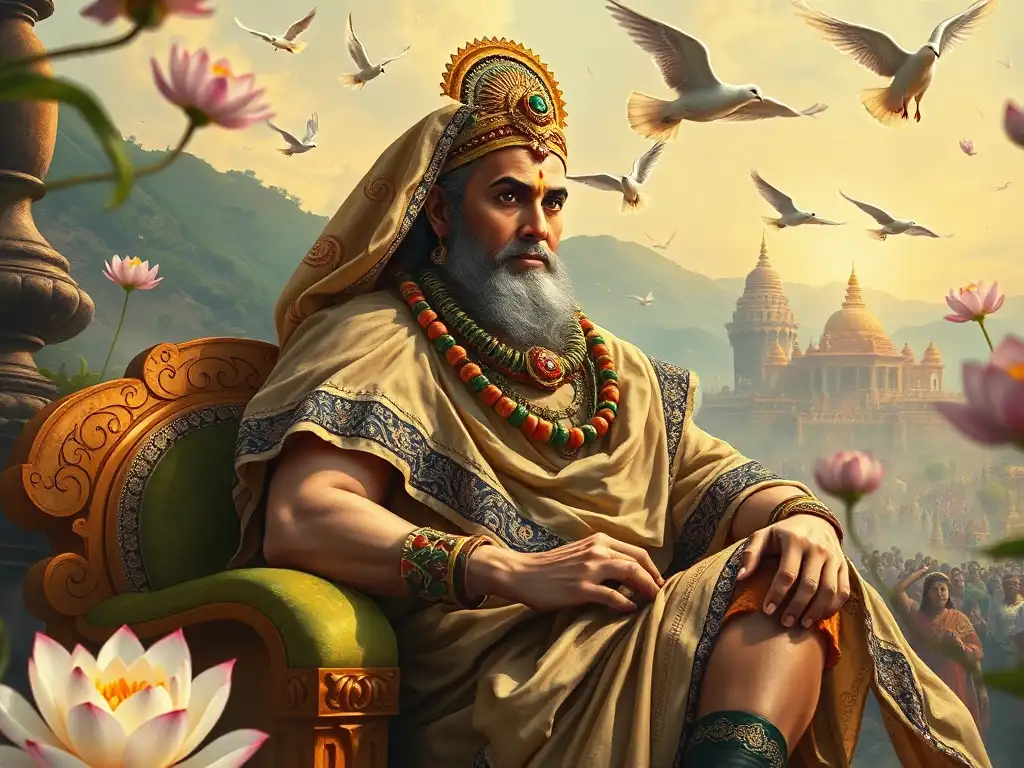
Ashoka the Great, the third emperor of the Maurya Dynasty, experienced a profound transformation that defined his reign and left an indelible mark on ancient India. Initially, Ashoka was a fierce warrior, known for his military prowess and expansionist policies. However, the Kalinga War, which he fought around 261 BCE, catalyzed a significant change in his outlook and governance.
The stark realities of warfare—the loss of countless lives and the suffering of the people—deeply affected him. This led Ashoka to embrace a philosophy of compassion, non-violence, and ethical governance, steering his empire towards a path that prioritized the welfare of his subjects over territorial expansion.
His transformation is emblematic of the broader principles of dharma (moral law) that he sought to propagate. Ashoka's commitment to compassion not only influenced his policies but also reshaped the cultural and spiritual landscape of ancient India. By promoting peace and understanding, he aimed to unify his diverse empire under a common moral framework, setting the stage for a legacy that would resonate through history.
The Kalinga War: A Pivotal Moment
The Kalinga War stands as a pivotal moment in Ashoka’s life and reign. Fought in 261 BCE, this conflict was marked by its brutality, resulting in massive casualties and widespread destruction. Historical accounts suggest that approximately 100,000 soldiers and civilians lost their lives during this war, and many more were displaced. The aftermath of the Kalinga War left Ashoka in a state of deep sorrow and reflection.
Witnessing the suffering caused by his conquests, Ashoka was profoundly impacted. The war's brutality contrasted sharply with his emerging beliefs in non-violence and compassion. It was after this conflict that he decided to renounce further military campaigns and instead focus on the moral and spiritual upliftment of his people. This shift not only changed the course of his own life but also redefined the trajectory of the Mauryan Empire.
The Shift from Military Conquest to Non-Violence
Following the Kalinga War, Ashoka implemented a radical shift in his governance philosophy, moving from military conquest to a doctrine of non-violence. He adopted the principles of Buddhism, which emphasized ahimsa (non-harming) and compassion for all living beings. Ashoka's advocacy for non-violence was not merely philosophical; it was practically integrated into his administration and public policies.
He encouraged his subjects to follow the path of righteousness and ethical living, promoting harmony among diverse communities. Ashoka's commitment to non-violence also extended beyond his empire's borders, as he sought to foster peaceful relations with neighboring states and cultures. This paradigm shift marked a significant departure from the traditional notions of kingship, where conquest and power were paramount, highlighting Ashoka’s legacy as a ruler who prioritized peace over aggression.
Key Aspects of Ashoka the Great's Legacy
Ashoka the Great's legacy is multifaceted, encompassing profound contributions to culture, ethics, and governance. His reign represents a unique blend of power and compassion, which became a model for future generations. Key aspects of his legacy include the promotion of Buddhism, the issuance of edicts that emphasized ethical governance, and innovative administrative practices that improved the lives of his citizens.
Promotion of Buddhism and its Teachings
One of the most significant aspects of Ashoka's legacy is his role in promoting Buddhism. After his transformation, he became a fervent supporter of the religion, which he viewed as a vehicle for spreading compassion and moral conduct. Ashoka not only patronized Buddhist monasteries and institutions but also played a crucial role in the dissemination of Buddhist teachings across his empire and beyond.
He sent missionaries to various regions, including Sri Lanka and Central Asia, to spread the principles of Buddhism. Ashoka’s efforts significantly contributed to the establishment of Buddhism as a major world religion, influencing millions and leaving a lasting impact on cultures and societies.
The Role of Edicts in Spreading Ethical Governance
Ashoka's edicts are a hallmark of his legacy, serving as direct communication from the emperor to his subjects. Carved on pillars and rocks throughout his empire, these edicts outlined his commitment to ethical governance, moral behavior, and social welfare. They emphasized values such as tolerance, respect for all life, and the importance of community service.
These inscriptions not only provided guidance for his subjects but also acted as a means of accountability for the administration. By promoting ethical governance through his edicts, Ashoka sought to establish a just and harmonious society, thereby laying the groundwork for future governance models.
Innovations in Administration and Governance
Ashoka's reign was marked by significant innovations in administration and governance. He established an efficient bureaucratic system that emphasized accountability, transparency, and the welfare of the people. Ashoka implemented a network of officials known as "Dharma Mahamatras," whose primary responsibility was to oversee the implementation of ethical practices and ensure the well-being of the populace.
These officials played a crucial role in promoting social welfare initiatives, such as healthcare, education, and infrastructure development. Ashoka’s focus on governance that prioritized the needs of his subjects marked a progressive approach in ancient India, showcasing a model that balanced authority with compassion and social responsibility.
Ashoka the Great, the third Mauryan emperor, is renowned for his profound cultural and social reforms that reshaped ancient Indian society. His reign marked a pivotal transformation from a war-driven ruler to a promoter of peace and dharma (moral law). Following the Kalinga War, which resulted in immense loss of life, Ashoka adopted Buddhism and committed himself to non-violence and altruism. This shift had far-reaching implications for social harmony and cultural cohesion across his vast empire.
One of the key aspects of Ashoka's reforms was the promotion of ethical governance. He established the concept of Dhamma, which emphasized moral duty and the welfare of all beings. This philosophical framework guided his policies, encouraging rulers and subjects alike to practice compassion, tolerance, and respect for all forms of life. The edicts inscribed on pillars and rocks across the empire served as public proclamations of these ideals, aiming to instill a sense of social responsibility among the populace.
Additionally, Ashoka's outreach to diverse communities, including different castes and tribes, helped to integrate various cultural practices into a unified societal framework. His support for religious pluralism fostered an environment where Buddhism, Jainism, and Hinduism could coexist, enriching the cultural tapestry of ancient India. This period marked a significant advancement in social welfare, with initiatives aimed at improving healthcare, education, and the protection of wildlife.
Contributions to Art and Architecture
Ashoka's reign was not only marked by political and social reforms but also by significant contributions to art and architecture. His commitment to Buddhism led to the construction of numerous stupas, monastic complexes, and rock-cut caves, which served as centers for worship and learning. The most notable of these is the Sanchi Stupa, a UNESCO World Heritage Site, which exemplifies the intricate craftsmanship and artistic brilliance of the period.
The pillars of Ashoka, adorned with exquisite carvings and inscriptions, are iconic symbols of his legacy. These pillars, often featuring the lion capital, are not only remarkable for their artistic quality but also for their role in disseminating his messages of peace and dharma. The sculptures and reliefs found at these sites depict various scenes from the Jataka tales, illustrating the moral teachings of Buddhism and showcasing the skilled artistry of ancient Indian craftsmen.
Moreover, Ashoka’s patronage of the arts extended beyond religious structures. He encouraged the creation of secular art and literature, fostering a cultural renaissance that would influence generations. The blending of artistic styles, influenced by Greek and Persian elements due to the Mauryan Empire's extensive trade networks, enriched the Indian artistic heritage, leaving a lasting impact that can still be seen in contemporary Indian art forms.
Influence on Indian Society and Culture
Ashoka's reforms had a profound and lasting influence on Indian society and culture. His emphasis on ethical governance and social welfare initiated a paradigm shift in the relationship between rulers and their subjects. By prioritizing the well-being of his people, he set a precedent for future monarchs to adopt similar approaches, leading to a more humane and just society.
The promotion of Buddhism during Ashoka's reign significantly shaped Indian culture, as it encouraged values such as compassion, tolerance, and non-violence. These principles permeated various aspects of life, including literature, philosophy, and daily practices. The spread of Buddhism beyond India, particularly to regions such as Sri Lanka, Central Asia, and East Asia, can be traced back to Ashoka's missionary efforts, which further solidified his cultural influence.
Additionally, Ashoka's commitment to the welfare of his subjects led to the establishment of infrastructure improvements, such as roads and hospitals, which facilitated trade and communication. This development not only enhanced economic activities but also contributed to the cultural exchange between different regions, fostering a diverse and enriched societal landscape.
Ashoka the Great's Influence on Future Generations
How Ashoka Shaped Indian Kingship
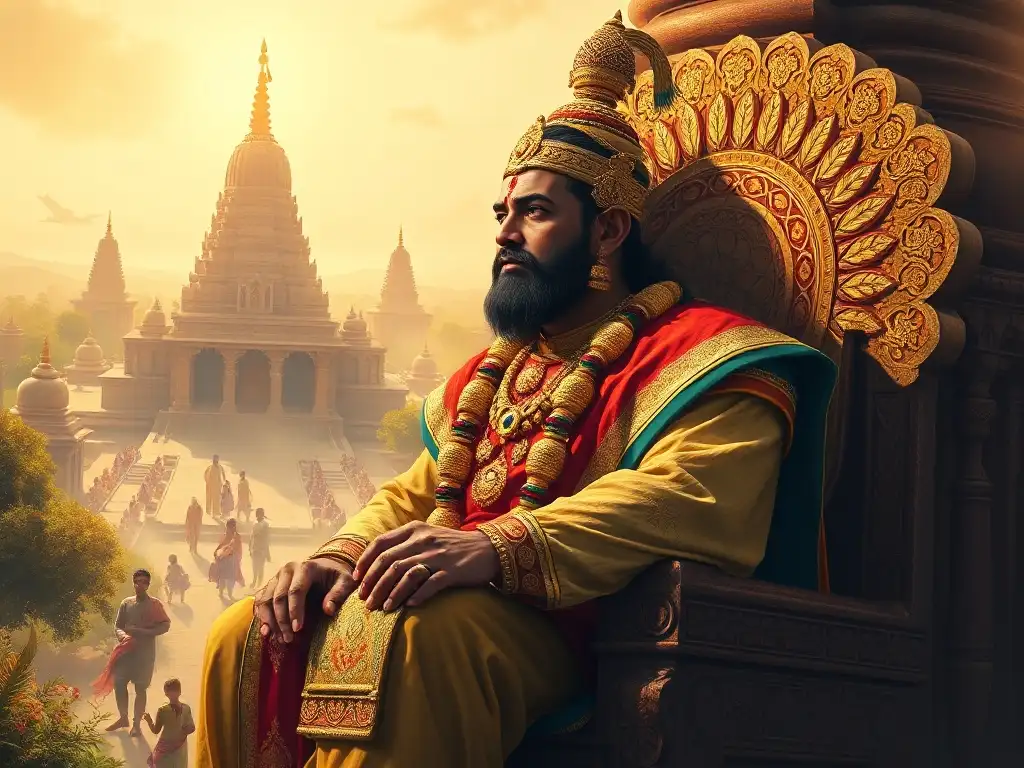
Ashoka the Great's influence on the concept of kingship in India is profound. His reign introduced a model of leadership that emphasized moral responsibility and benevolence. Unlike his predecessors, who often relied on military strength and conquest, Ashoka demonstrated that a ruler's legitimacy could stem from their ethical conduct and commitment to the welfare of the people. This approach reshaped the expectations of kingship in India, promoting the idea that a king should be a protector and a guide rather than merely a conqueror.
The principles of Dhamma that Ashoka espoused influenced later Indian rulers, who sought to emulate his example of just governance. The emphasis on welfare programs, religious tolerance, and ethical leadership became hallmarks of kingship in subsequent dynasties, such as the Gupta Empire. Ashoka's legacy thus established a framework for effective governance that prioritized the well-being of the populace over sheer power.
Additionally, the inscriptions and edicts promulgated by Ashoka served as a reference point for future rulers, providing guidance on the moral responsibilities of kingship. His vision of a king as a moral authority resonated throughout Indian history, influencing the political philosophies of various empires.
The Enduring Legacy of Ashoka in Modern India
Ashoka the Great's legacy continues to resonate in modern India, where his teachings and principles are still relevant today. His commitment to non-violence and ethical governance has inspired various movements, including the Indian independence struggle led by Mahatma Gandhi, who famously adopted the principle of ahimsa (non-violence) from Ashoka's example.
The symbols of Ashoka, particularly the Lion Capital of Ashoka, have become national emblems, representing India's rich heritage and democratic values. This emblem is featured on the Indian national flag and is a reminder of the ideals of peace, justice, and unity that Ashoka championed.
Furthermore, Ashoka's emphasis on interfaith dialogue and respect for diverse beliefs is particularly significant in contemporary India, where religious pluralism remains a vital aspect of society. His legacy encourages ongoing efforts toward social harmony and communal understanding, fostering a sense of unity in diversity that is crucial for the nation's progress.
In educational and cultural contexts, Ashoka's life and reforms are studied and celebrated, ensuring that his contributions to Indian civilization are recognized and appreciated by future generations. His legacy is not merely a historical footnote but a vital part of India's identity, shaping the narrative of its past, present, and future.
Conclusion: The Lasting Impact of Ashoka the Great's Legacy
The legacy of Ashoka the Great endures as one of the most significant influences in the history of ancient India. His reign marked a transformative period that saw the promotion of ethical governance, religious tolerance, and social welfare. The edicts he left behind, inscribed on pillars and rocks, not only conveyed his policies but also served as an early form of public communication that emphasized moral and ethical behavior.
Ashoka's commitment to non-violence and compassion reshaped the landscape of Indian governance and set a precedent for future leaders. His legacy is not just a historical account but a guiding principle that continues to inspire leaders and citizens alike, advocating peace and harmony in a diverse society.
Reflection on Ashoka's Role in Shaping Ancient India
Ashoka the Great's role in shaping ancient India was pivotal. Following the bloody Kalinga War, which resulted in massive loss of life, he experienced a profound transformation. This led him to embrace Buddhism and its tenets, which advocated for peace and compassion.
Ashoka's efforts to spread Buddhism throughout Asia facilitated cultural exchanges that enriched diverse societies. His policies promoted welfare initiatives, such as the construction of hospitals and the planting of trees for shade and comfort, showcasing his dedication to the well-being of his subjects. The moral compass he provided through his edicts emphasized the importance of ethical living and communal harmony, making him a beloved figure in Indian history.
Ashoka the Great's Legacy: A Model for Leadership
Ashoka the Great represents an ideal model for leadership that many contemporary leaders aspire to emulate. His approach to governance was characterized by a deep commitment to the welfare of his people, demonstrated through his numerous reforms and public works. He understood the importance of listening to the needs of his subjects, ensuring that his policies reflected their welfare.
His emphasis on tolerance and respect for different religions set a standard for pluralism, which remains relevant in today's multicultural societies. By prioritizing moral governance over mere territorial expansion, Ashoka's leadership style resonates as a timeless example of how rulers can wield power responsibly and ethically.
Additional Resources on Ashoka the Great's Legacy
To further explore the multifaceted legacy of Ashoka the Great, several resources provide in-depth insights into his life, reign, and contributions to ancient Indian civilization. These resources include scholarly articles, historical texts, and documentaries that shed light on the significance of his leadership and the impact of his policies.
Recommended Reading on Ashoka and Ancient India
-
"Ashoka: The Search for India's Lost Emperor" by Charles Allen
This book delves into Ashoka's life and the historical context of his reign, exploring his transformation and legacy.
-
"The Edicts of Ashoka" translated by Ven. Dr. P. M. K. K. G.
This work provides a detailed translation and analysis of Ashoka's edicts, revealing his thoughts on governance, morality, and compassion.
-
"Ashoka: The Great" by R. C. Majumdar
A comprehensive account that examines Ashoka's policies, achievements, and the historical significance of his reign.
Key Historical Sites Related to Ashoka
- Sanchi Stupa: A UNESCO World Heritage Site, the Sanchi Stupa is known for its magnificent architecture and the relics of the Buddha. It reflects the influence of Ashoka in promoting Buddhism.
- Lumbini: The birthplace of the Buddha, Lumbini is a significant pilgrimage site that showcases Ashoka's dedication to Buddhism through the monuments he erected here.
- Kalinga: The site of the Kalinga War, where Ashoka experienced his transformative moment. It serves as a reminder of the consequences of war and the pursuit of peace.
- Sarnath: The location where the Buddha delivered his first sermon. Ashoka built several stupas here, emphasizing his role in the propagation of Buddhism.
These resources and sites provide a deeper understanding of Ashoka the Great's legacy and his enduring impact on ancient Indian history.
- Introduction to Ashoka the Great's Legacy
- Overview of Ashoka's Reign
- Importance of Ashoka in Ancient Indian History
- The Rise of Ashoka the Great
- Ashoka's Transformation: From Conquest to Compassion
- Key Aspects of Ashoka the Great's Legacy
- Cultural and Social Impact of Ashoka's Reforms
- Ashoka the Great's Influence on Future Generations
- Conclusion: The Lasting Impact of Ashoka the Great's Legacy
- Additional Resources on Ashoka the Great's Legacy
Frequently Asked Questions
What was Ashoka the Great known for?
Ashoka the Great is primarily known for his transformative role in promoting Buddhism and establishing a moral governance system in ancient India after the Kalinga War.
How did Ashoka's reign impact ancient Indian society?
His reign brought about significant social reforms and the spread of Buddhist values, leading to a more peaceful and prosperous society, emphasizing compassion and non-violence.
What are some key contributions of Ashoka the Great?
Ashoka is credited with the construction of stupas, the establishment of rock edicts that promoted ethical governance, and the dissemination of Buddhism beyond India’s borders.
How did Ashoka the Great influence future rulers?
Ashoka's legacy of non-violence and ethical leadership influenced many subsequent Indian rulers and shaped the ideals of righteous governance within the subcontinent.
What is the significance of Ashoka's edicts?
The rock and pillar edicts of Ashoka serve as vital historical documents that convey his philosophies, promote moral values, and illustrate the administrative principles of his empire.
Final Reflection: The Enduring Legacy of Ashoka the Great
Ashoka the Great's legacy continues to resonate profoundly in today's world, illustrating the timeless power of compassion and governance. In an era marked by conflict and division, Ashoka's commitment to non-violence and social welfare serves as a beacon of hope. His transformation from a conqueror to a proponent of peace exemplifies the potential for personal and societal change, reminding us that leadership rooted in empathy can create lasting impact.
Culturally and socially, Ashoka's legacy has shaped not only the Indian subcontinent but also the broader narrative of human civilization. His promotion of Buddhism and ethical governance has inspired countless movements advocating for peace and justice throughout history. As Mahatma Gandhi once said, “An eye for an eye only ends up making the whole world blind.” This sentiment echoes Ashoka's own principles, emphasizing the importance of understanding and compassion in leadership and community-building.
As we reflect on Ashoka the Great's legacy, let us consider how we can embody his principles in our own lives. Take a moment to evaluate your actions and their impact on those around you. How can you contribute to a more compassionate and just society? By embracing the lessons from Ashoka's life, we can all strive to be agents of positive change, fostering a world that values peace, understanding, and collective well-being.
Embrace the Legacy of Ashoka: Take Action Today!
Thank you for exploring the remarkable legacy of Ashoka the Great! You've uncovered the profound impact one emperor had on shaping ancient India and the principles that continue to resonate in our modern world. Now, it's time to transform that inspiration into action!
Here’s how you can carry forward Ashoka’s vision:
- Explore Ashoka's teachings and incorporate them into your daily life by practicing compassion and non-violence.
- Share the insights you’ve gained! Discuss Ashoka’s principles with friends or family to ignite meaningful conversations.
- Join a community or online forum focused on Indian history to connect with like-minded individuals and deepen your understanding of Ashoka's influence.
What impact do you think Ashoka's principles could have on our world today? We invite you to share your thoughts in the comments below!